
Pet Care Choices: Balancing Routine and Emergency Vet Needs


Welcome to PetCareWorld, your ultimate guide to a happier, healthier life for your beloved companion! Are you prepared for the unexpected? We delve into the often-overlooked reality of pet emergency vet care costs, exploring how to balance routine care with the potential financial burden of unforeseen illness or injury. Discover practical strategies and valuable insights to ensure your pet receives the best possible care, no matter what life throws your way. Read on to navigate the complexities of pet ownership with confidence and peace of mind.
- Understanding Routine Pet Care Costs
- Recognizing Pet Emergencies: When to Seek Immediate Veterinary Attention
-
Pet Emergency Vet Care Costs: A Breakdown
- Factors Affecting Emergency Vet Bills: Severity of Illness, Treatment Options
- Average Costs of Common Pet Emergencies: Specific Emergency Examples and Cost Ranges
- Unexpected Pet Emergency Expenses: Preparing Your Budget
- Pet Insurance: Protecting Against High Veterinary Bills
- Understanding Your Pet's Breed Predispositions
- Emergency Veterinary Services: Cost Variations
- Managing Pet Care Costs: Strategies and Resources
- Routine vs. Emergency Care: Making Informed Decisions
-
Frequently Asked Questions
- What are the typical costs associated with a pet emergency?
- How can I prepare financially for unexpected pet emergencies?
- Are there ways to reduce the overall cost of emergency vet care?
- What should I do if I can't afford emergency treatment for my pet?
- Does PetCareWorld offer advice on finding affordable pet insurance?
- Final Reflection: Navigating the Unexpected in Pet Ownership
- Unleash Your Pet's Healthiest Life!
Understanding Routine Pet Care Costs

Owning a pet is a deeply rewarding experience, filled with unconditional love and companionship. However, responsible pet ownership also necessitates a significant financial commitment, encompassing both routine care and the potential for unexpected veterinary emergencies.
This article delves into the complexities of pet healthcare budgeting, focusing specifically on how to balance the predictable costs of annual checkups and preventative measures with the often unpredictable and potentially substantial expenses associated with emergency veterinary care. Understanding these costs is crucial for responsible pet ownership, allowing you to plan effectively and avoid financial strain when your furry, feathered, or scaled friend needs urgent medical attention.
We'll explore the typical costs associated with routine care, highlighting strategies for proactive budgeting, and then address the critical issue of pet emergency vet care costs, providing insights into what to expect and how to prepare. This comprehensive guide aims to empower you to make informed decisions, ensuring your pet receives the best possible care throughout their life.
Annual Wellness Exams: Budgeting for Preventative Care
Annual wellness exams are the cornerstone of preventative pet healthcare. These comprehensive checkups allow your veterinarian to detect potential health problems early, often before they become serious and costly to treat. During these exams, your vet will perform a thorough physical examination, assessing your pet's weight, vital signs, and overall health. They may also recommend bloodwork, urinalysis, and other diagnostic tests depending on your pet's age, breed, and health history.
The cost of an annual wellness exam varies significantly depending on your pet's species, size, and location. Expect to pay anywhere from $[Lower Cost Estimate] to $[Higher Cost Estimate] for a basic exam, with additional costs for diagnostic tests. It's crucial to factor these costs into your annual budget, as preventative care is significantly cheaper than treating advanced illnesses.
Consider setting aside a dedicated savings account specifically for your pet's healthcare needs. This proactive approach can prevent unexpected financial burdens in the future. Remember, early detection of health issues can often lead to less invasive and less expensive treatment options.
Vaccinations and Parasite Prevention: Costs and Schedules
Vaccinations and parasite prevention are essential components of routine pet care. Vaccinations protect your pet from potentially life-threatening diseases, while parasite prevention helps safeguard against fleas, ticks, heartworms, and intestinal parasites. The cost of vaccinations and parasite prevention varies depending on your pet's species, age, and risk factors. For example, puppies and kittens require a series of vaccinations in their first year, while adult pets require annual boosters.
* Canine Distemper: $[Cost Range]
* Canine Parvovirus: $[Cost Range]
* Feline Leukemia Virus: $[Cost Range]
* Rabies: $[Cost Range]
* Flea & Tick Prevention: $[Cost Range]
* Heartworm Prevention: $[Cost Range]
* Intestinal Parasite Prevention: $[Cost Range]
Regularly scheduled preventative care can significantly reduce the risk of costly illnesses and infestations down the line. Discuss vaccination and parasite prevention schedules with your veterinarian to determine the best plan for your pet's individual needs.
Dental Care for Pets: Preventative Measures and Potential Costs
Dental disease is incredibly common in pets, and it can lead to significant health problems if left untreated. Regular dental care, including brushing your pet's teeth and professional cleanings, is crucial for maintaining their oral health. Neglecting dental hygiene can result in painful infections, gum disease, and even tooth loss, all of which can be expensive to treat.
Professional dental cleanings are typically more costly than at-home care. The price depends on the pet's size, breed, and the extent of the dental disease. A basic cleaning might cost around $[Lower Cost Estimate], while more extensive procedures could reach $[Higher Cost Estimate] or more. Incorporating regular brushing into your pet's routine, along with dental chews and toys, can significantly reduce the need for expensive professional cleanings and help prevent more serious dental problems. Early detection and preventative measures are key to managing pet dental care costs effectively. Remember, a healthy mouth contributes to a healthy pet overall!
Nutritional Needs and Dietary Costs: Choosing the Right Food
Selecting the right food for your pet is crucial for their health and well-being, and it significantly impacts your overall pet care budget. The cost of pet food varies dramatically depending on several factors. High-quality, premium brands often utilize superior ingredients and more stringent manufacturing processes, resulting in a higher price tag. However, these premium options frequently offer improved digestibility and nutrient absorption, potentially reducing the need for expensive veterinary care down the line due to fewer health problems.
Consider your pet's specific nutritional requirements. For example, puppies and kittens need food formulated for their growth stages, which tend to be more expensive than adult food. Senior pets might require specialized diets to address age-related health concerns like arthritis or kidney disease. These specialized formulas often come at a premium. Similarly, pets with allergies or sensitivities will require hypoallergenic or prescription diets, which can be considerably more costly than standard options. The size and breed of your pet also influence food choices and costs. Larger breeds generally eat more, increasing your monthly expenses.
Beyond the brand and type of food, consider the feeding method. Some owners opt for raw food diets, which can be more expensive and require careful preparation and handling to prevent bacterial contamination. Others prefer home-cooked meals, which necessitate careful planning and sourcing of ingredients to ensure nutritional balance. Both these options can be more time-consuming and potentially more expensive than using commercially available pet food.
Remember to factor in the cost of treats and supplements, which, while not a primary food source, still contribute to the overall dietary expense. Careful budgeting and comparison shopping can help you find a balance between quality nutrition and affordability. Don't hesitate to consult your veterinarian for recommendations on the best diet for your pet's specific needs and budget. They can guide you towards cost-effective options without compromising your pet's health.
Recognizing Pet Emergencies: When to Seek Immediate Veterinary Attention

Pet emergencies can be terrifying, but swift action can significantly impact your pet's outcome. Understanding the signs of a true emergency versus a routine concern is crucial for responsible pet ownership. Delaying treatment in a genuine emergency can be life-threatening, resulting in significantly increased Pet emergency vet care costs and potentially irreversible damage. This section will help you differentiate between urgent situations requiring immediate veterinary attention and those that can wait for a scheduled appointment.
Signs of a Pet Emergency: Recognizing Life-Threatening Symptoms
Recognizing life-threatening symptoms in your pet is paramount. These symptoms often indicate a condition that requires immediate veterinary intervention. Don't hesitate; call your vet or an emergency animal hospital immediately if you observe any of the following:
- Difficulty Breathing: Labored breathing, gasping, wheezing, or blue-tinged gums are all serious signs.
- Severe Bleeding: Uncontrollable bleeding from any wound requires immediate attention. Apply pressure to the wound while en route to the vet.
- Seizures: Prolonged or repeated seizures are a medical emergency.
- Sudden Collapse or Weakness: If your pet suddenly collapses or shows extreme weakness, seek immediate veterinary care.
- Poisoning Suspicion: If you suspect your pet has ingested a poisonous substance, contact your vet or an animal poison control center immediately. This is a critical situation that can drastically increase Pet emergency vet care costs if not addressed promptly.
- Severe Pain or Distress: Excessive vocalization, trembling, or guarding of a specific body part can indicate severe pain.
- Eye Injuries: Protruding eyes, cloudy corneas, or bleeding from the eyes necessitate immediate veterinary attention.
- Urinary or Fecal Incontinence: Sudden inability to urinate or defecate can be a sign of a serious underlying problem.
- Ingestion of Foreign Objects: If your pet has swallowed something it shouldn't have, contact your vet immediately. The severity depends on the object, but prompt action can minimize Pet emergency vet care costs.
- Heatstroke: Symptoms include excessive panting, drooling, lethargy, and collapse. This is a life-threatening condition requiring immediate cooling and veterinary care.
Emergency Vet Visit Checklist: What to Bring and What to Expect
Being prepared for an emergency vet visit can help streamline the process and ensure your pet receives the best possible care. Here's a checklist to help you:
- Pet's Medical Records: If possible, bring your pet's vaccination records, history of illnesses, and any ongoing medication information. This will save valuable time and assist the veterinarian in making informed decisions.
- Carrier or Leash: Securely transport your pet in a carrier or on a leash to prevent escape or injury during transport.
- Recent Photos (if applicable): If the injury or illness involves an external wound or visible abnormality, taking pictures beforehand can help the vet assess the situation.
- Emergency Contact Information: Have a list of emergency contacts readily available, including your vet's number and the number of an emergency animal hospital.
- Payment Information: Be prepared for significant Pet emergency vet care costs. Emergency veterinary care can be expensive, so having payment information ready will expedite the process. Consider pet insurance to mitigate these costs.
Triaging Your Pet's Condition at Home
Before rushing to the emergency vet, consider the severity of your pet’s condition. While immediate veterinary attention is always necessary for the symptoms listed above, some situations allow for a brief period of home assessment.
- Minor Cuts and Scrapes: Small, superficial wounds can be cleaned at home with mild antiseptic. However, if bleeding is excessive, deep, or shows signs of infection, seek veterinary attention immediately.
- Mild Vomiting or Diarrhea: Occasional vomiting or diarrhea might be due to dietary indiscretion. Monitor your pet closely; if it persists or worsens, contact your veterinarian.
- Minor Lameness: If your pet is limping slightly, observe it for a few hours. If the lameness worsens or your pet shows signs of pain or distress, seek veterinary care.
Remember, this is not an exhaustive guide, and when in doubt, it's always best to err on the side of caution and seek immediate professional veterinary help. The potential long-term health consequences and associated Pet emergency vet care costs of delaying treatment can far outweigh any inconvenience. Your pet's life and well-being are paramount.
Pet Emergency Vet Care Costs: A Breakdown
Unexpected illnesses and injuries can strike our beloved pets at any time, leaving pet owners scrambling to find the best care while facing potentially significant financial burdens. Understanding the costs associated with pet emergency vet care is crucial for responsible pet ownership. This section will delve into the factors influencing these costs, provide examples of average expenses for common emergencies, and offer advice on budgeting for the unexpected. Navigating the complexities of "pet emergency vet care costs" requires careful consideration and proactive planning.
Factors Affecting Emergency Vet Bills: Severity of Illness, Treatment Options
The cost of pet emergency care is highly variable and depends on several key factors. The severity of your pet's illness or injury plays a significant role. A simple wound requiring cleaning and stitching will cost considerably less than a complex surgery to repair a broken bone or treat internal bleeding. The type of diagnostic tests needed also impacts the overall expense. Blood tests, X-rays, ultrasounds, and specialized imaging techniques all come with varying price tags.
Treatment options further influence the final bill. Emergency situations may necessitate immediate and intensive interventions, such as intravenous fluids, oxygen therapy, or life-support systems. These measures are essential but can quickly escalate the costs. The choice between different treatment approaches, such as surgery versus medication, can also impact the expense. For example, treating a dog with a severe case of bloat might involve immediate surgery, significantly increasing the cost compared to managing a less severe case with medication.
Furthermore, the location and time of the emergency also matter. Emergency veterinary clinics in urban areas or those operating 24/7 may charge higher fees than smaller, rural clinics. Weekend and holiday visits often incur additional surcharges. Finally, the specific veterinarian's fees and the clinic's overhead contribute to the overall cost.
| Factor | Impact on Cost | Example |
|---|---|---|
| Severity of Illness/Injury | More severe conditions necessitate more extensive treatment and diagnostics. | Severe trauma vs. minor laceration |
| Diagnostic Tests | Blood work, X-rays, ultrasounds add to the overall cost. | X-rays for a broken leg vs. no imaging needed for a simple wound |
| Treatment Options | Surgery, intensive care, medication all have different price points. | Surgery to remove a foreign body vs. medication for a minor infection |
| Location & Time of Visit | Urban clinics and 24/7 services may charge more than smaller clinics. | Emergency visit on a weekend vs. a routine visit during weekday business hours |
Average Costs of Common Pet Emergencies: Specific Emergency Examples and Cost Ranges
Providing exact figures for pet emergency vet care costs is challenging due to the wide range of factors. However, we can offer some general cost ranges for common emergencies:
- Ingestion of Poison: Treatment can range from inducing vomiting and administering activated charcoal (relatively inexpensive) to intensive care involving monitoring and fluid therapy (significantly more expensive). Expect a cost range of anywhere from $200 to $2,000 or more, depending on the severity and the type of poison ingested.
- Hit by Car (Trauma): The cost of treating a pet hit by a car can vary enormously. A minor injury might cost a few hundred dollars, while severe injuries requiring surgery, hospitalization, and intensive care could easily exceed $5,000.
- Heat Stroke: Treatment typically involves aggressive cooling measures, fluid therapy, and supportive care. Costs can range from a few hundred dollars for mild cases to several thousand dollars for severe cases requiring intensive care.
- Broken Bones: Fractures often require X-rays, anesthesia for setting the bone, casting or splinting, and possibly surgery. Costs can range from $500 to $5,000 or more depending on the complexity of the fracture and the need for surgery.
It's crucial to remember that these are average ranges. Individual costs can vary significantly based on the factors discussed in the previous section.
Unexpected Pet Emergency Expenses: Preparing Your Budget
Preparing for unexpected pet emergency expenses is vital. While no one can predict the future, proactive planning can significantly alleviate financial stress during a crisis. Consider these strategies:
- Pet Insurance: Pet insurance can help cover a substantial portion of emergency vet bills. Research different plans to find one that fits your budget and your pet's needs. Carefully review coverage details, paying close attention to exclusions and waiting periods.
- Emergency Fund: Setting aside a dedicated savings account specifically for pet emergencies is a wise precaution. Aim to save enough to cover at least some of the potential costs. Even a modest amount can ease the burden.
- Credit Line: Having access to a credit line can be a lifesaver in an emergency, but use it judiciously and only as a last resort. Plan for repayment to avoid overwhelming debt.
- Vet Payment Plans: Some veterinary clinics offer payment plans to help spread the cost of treatment over time. Inquire about this option if you are facing unexpected expenses.
Planning ahead and understanding the potential costs associated with pet emergency vet care will help ensure that you can provide the best possible care for your beloved companion, regardless of the circumstances. Remember that proactive budgeting and insurance can significantly mitigate the financial burden of unforeseen pet health crises.
Pet Insurance: Protecting Against High Veterinary Bills

Pet insurance can significantly mitigate the financial burden of unexpected veterinary emergencies. Many policies cover a wide range of conditions, including accidents, illnesses, and even routine care like vaccinations. The cost of pet insurance varies depending on several factors, including your pet's breed, age, location, and the level of coverage you choose. Generally, younger, healthier pets will have lower premiums than older pets with pre-existing conditions.
It's crucial to carefully review policy details before committing. Pay close attention to what is and isn't covered, including deductibles, co-pays, and annual limits. Some policies might have waiting periods before coverage begins, particularly for pre-existing conditions. Understanding these nuances is vital to making an informed decision and avoiding unexpected out-of-pocket expenses during a pet emergency.
Choosing a reputable insurance provider with excellent customer service is also paramount, ensuring a smooth claims process when you need it most. Don't hesitate to compare quotes from multiple providers to find the best value for your needs and budget. Remember, the peace of mind offered by knowing your pet's care is financially protected is invaluable, especially during stressful emergency situations. The cost of not having insurance could far outweigh the monthly premiums, particularly when faced with a life-threatening condition requiring extensive and costly treatment.
Understanding Your Pet's Breed Predispositions
Certain breeds are predisposed to specific health issues, directly impacting the potential costs of veterinary care. For instance, larger breeds like Great Danes are more prone to hip dysplasia, a condition requiring significant veterinary intervention, including surgery in many cases. Smaller breeds, such as Chihuahuas, might be more susceptible to dental problems or hypoglycemia.
Understanding your pet's breed-specific vulnerabilities allows you to proactively plan for potential veterinary expenses. This might involve budgeting more for preventative care or considering pet insurance with comprehensive coverage. This proactive approach is a critical component of responsible pet ownership, allowing you to minimize the financial shock of unexpected health crises.
Researching your pet's breed-specific health risks is a powerful tool in managing potential veterinary costs effectively. Knowing what to expect can help you make informed decisions and avoid future financial surprises. Remember, prevention is often cheaper than cure, so early detection and preventative measures can save you substantial sums in emergency vet care costs.
Emergency Veterinary Services: Cost Variations
The cost of emergency veterinary services can vary dramatically depending on several factors. The severity of your pet's condition is a major determinant. A simple wound cleaning might cost significantly less than complex surgery or intensive care. The geographical location also plays a role; veterinary services in urban areas often command higher prices than those in rural settings.
The time of day or day of the week can also influence costs; emergency visits during nights, weekends, or holidays typically incur higher fees due to increased staffing and operational costs. Finally, the specific services required will greatly impact the overall bill. Diagnostic tests like X-rays, blood work, and ultrasounds add to the expenses, as do medications, hospitalization, and specialized treatments.
Therefore, understanding the potential cost range for various emergency services is crucial in preparing for unexpected veterinary needs. It is advisable to inquire about pricing for common emergency procedures at your local veterinary clinics beforehand to better manage expectations. Being informed will help you make responsible financial decisions during a stressful situation.
Managing Pet Care Costs: Strategies and Resources
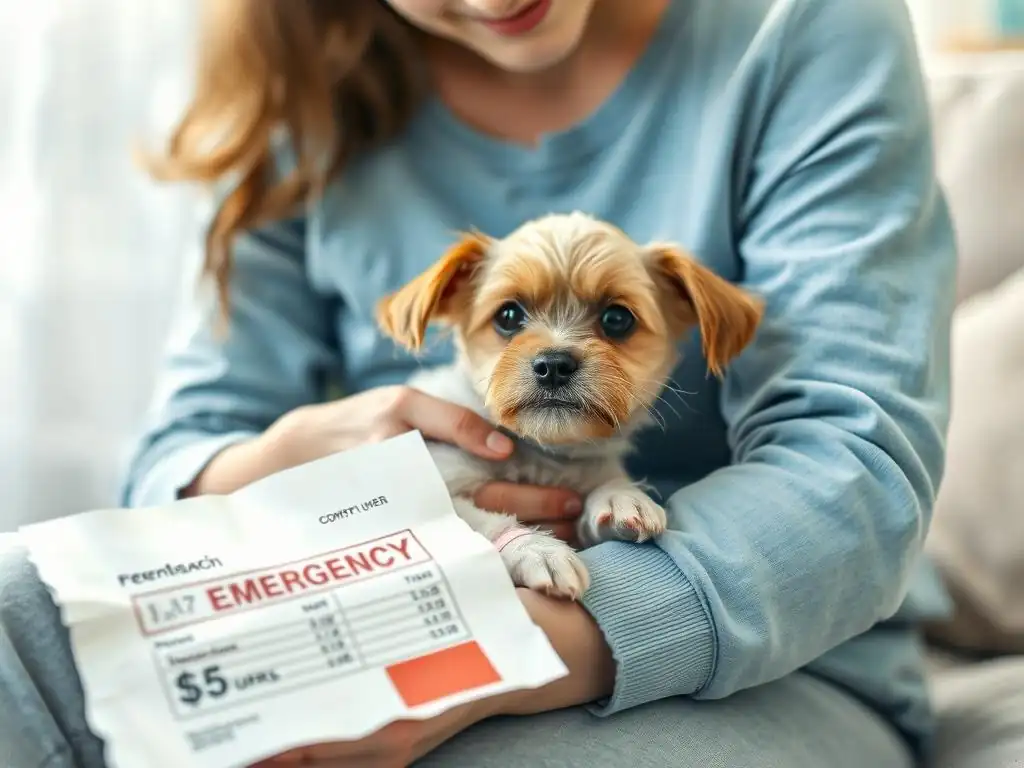
Pet ownership brings immense joy, but it also comes with financial responsibilities. Unexpected illnesses or injuries can significantly impact your budget, making understanding and managing pet care costs crucial. This section explores practical strategies and resources to help you navigate the financial aspects of pet ownership, particularly focusing on managing the unpredictable costs associated with pet emergency vet care. Planning ahead and exploring various options can alleviate stress and ensure your pet receives the necessary care without jeopardizing your financial stability.
Budgeting for Pet Healthcare: Creating a Realistic Plan
Creating a realistic budget for your pet's healthcare is the first step towards responsible pet ownership. This involves more than just factoring in routine check-ups and vaccinations. Consider these essential components:
- Routine Care: Annual checkups, vaccinations, flea/tick/heartworm prevention, dental cleanings. These costs should be predictable and easily incorporated into your monthly budget. Consider setting aside a specific amount each month to cover these expenses. For example, if annual preventative care costs $300, allocate $25 per month.
- Emergency Fund: This is arguably the most critical aspect of pet healthcare budgeting. Unexpected illnesses or injuries, such as broken bones, ingestion of toxins, or sudden illnesses, can result in substantial pet emergency vet care costs. Aim to save at least $1,000-$2,000 specifically for emergencies. The actual amount will depend on your pet's size, breed, and pre-existing conditions. Larger breeds, for instance, often have higher emergency care costs.
- Unexpected Expenses: Beyond emergency care, include a buffer for unexpected expenses like prescription medications, specialized diets, or additional diagnostic tests. These can quickly add up, so having a contingency fund is vital.
- Tracking Expenses: Maintain a detailed record of all pet-related expenses. This will help you understand your spending patterns, identify areas where you can save, and accurately predict future costs. A simple spreadsheet or budgeting app can be incredibly helpful.
Failing to plan is planning to fail.
This adage holds true when it comes to managing your pet's healthcare finances. Proactive budgeting can significantly reduce stress and ensure your pet receives the best possible care.
Finding Affordable Veterinary Care: Exploring Options in Your Area
While emergency care can be expensive, there are ways to find more affordable options for routine and non-emergency care. Consider these possibilities:
- Local Animal Shelters and Rescue Organizations: Many shelters and rescues offer low-cost or subsidized veterinary services, especially for vaccinations and spaying/neutering.
- Veterinary Schools: Veterinary schools often have teaching hospitals that provide services at a reduced cost. The quality of care is usually high, as students work under the supervision of experienced veterinarians.
- Community Clinics: Some communities offer low-cost veterinary clinics, often run by non-profit organizations. These clinics typically focus on providing basic care and preventative services.
- Negotiating Payment Plans: Don't hesitate to discuss payment options with your veterinarian. Many clinics are willing to work with clients to create payment plans for larger expenses.
Payment Plans and Financing Options for Veterinary Services
When facing unexpected pet emergency vet care costs, exploring payment plans and financing options can be crucial. Several avenues exist to help manage these costs:
| Option | Description | Pros | Cons |
|---|---|---|---|
| Veterinary Payment Plans | Offered directly by some veterinary clinics. | Convenient, tailored to your specific situation. | Interest rates may apply, limited availability depending on the clinic. |
| CareCredit | A third-party financing company specializing in healthcare expenses, including veterinary care. | Wide acceptance, various payment options. | Interest rates may apply if not paid in full within promotional period. |
| Personal Loans | Loans from banks or credit unions. | Can provide larger sums of money. | Interest rates and fees may be higher compared to other options. |
| Pet Insurance | Covers a portion or all of veterinary expenses depending on the policy. | Reduces financial burden of unexpected vet bills. | Requires monthly premiums, may have deductibles and co-pays. |
Choosing the right option depends on your specific financial situation and the cost of the veterinary services. Carefully review the terms and conditions of any payment plan or loan before agreeing to it. Remember, responsible planning and proactive budgeting can significantly mitigate the financial impact of pet healthcare. Understanding your options for managing pet emergency vet care costs empowers you to make informed decisions and prioritize your pet's well-being.
Emergency Pet Funds: Saving for Unexpected Veterinary Expenses
Unexpected illnesses and injuries can strike at any time, leading to significant veterinary bills. A dedicated emergency pet fund is crucial for responsible pet ownership. Think of it as an insurance policy against the unforeseen – a safety net to prevent financial hardship when your beloved companion needs urgent care. Many pet owners underestimate the potential costs associated with emergency veterinary treatment; procedures like surgery, intensive care, or emergency diagnostics can quickly reach thousands of dollars. Without a pre-established fund, these unexpected expenses can force difficult choices, potentially impacting the quality of care your pet receives.
Building an emergency pet fund doesn't require a massive initial investment. Start small, setting aside even a modest amount each month. Consider automating the process by setting up recurring transfers from your checking account to a dedicated savings account. Even $20 or $50 per month adds up significantly over time.
The key is consistency; regular contributions, however small, will steadily build a substantial reserve. You can adjust the contribution amount based on your financial capacity and your pet's specific health needs and breed predispositions to certain conditions. For example, breeds prone to hip dysplasia might necessitate a larger contribution than those with generally robust health.
Several strategies can help you boost your savings. Look for opportunities to cut back on unnecessary expenses elsewhere in your budget. Small changes, like reducing dining out or limiting entertainment spending, can free up funds for your pet's emergency fund.
Additionally, consider setting financial goals; visualizing the target amount and the benefits it provides (peace of mind, access to optimal care for your pet) will motivate you to maintain your savings plan. Remember, this isn't just about money; it's an investment in the well-being and longevity of your cherished pet. The peace of mind knowing you can afford the best possible care in an emergency is invaluable.
Consider also exploring pet insurance as a supplemental tool alongside your emergency fund; this dual approach provides a robust safety net against unexpected veterinary costs. Pet insurance can help cover a portion of routine and emergency expenses, while your emergency fund acts as a buffer for any out-of-pocket costs or deductibles.
Routine vs. Emergency Care: Making Informed Decisions
This section clarifies the crucial distinctions between routine and emergency veterinary care, helping you make informed decisions about your pet's health and ultimately, manage your "Pet emergency vet care costs" more effectively. Understanding these differences is paramount for responsible pet ownership and can significantly impact your pet's well-being and your financial planning. Ignoring the subtle signs of a problem can lead to escalating costs down the line, transforming a manageable situation into a costly emergency.
Prioritizing Preventative Care to Reduce Emergency Risks
Proactive pet healthcare is the cornerstone of minimizing costly emergency visits. Regular check-ups, vaccinations, and parasite prevention are not just good practice; they are investments in your pet's long-term health and your budget. Preventative care significantly reduces the likelihood of serious illnesses and injuries, thereby decreasing the need for expensive emergency interventions.
Consider this: a yearly wellness exam, including bloodwork and fecal tests, may cost [specific cost pending], but it can detect early signs of kidney disease, diabetes, or other conditions that could become far more expensive to treat in an emergency setting. Similarly, regular flea and tick prevention, costing approximately [specific cost pending] monthly, prevents infestations that can lead to severe skin conditions, anemia, and even life-threatening diseases like Lyme disease, all of which would incur significantly higher emergency vet care costs.
The cost savings from preventative care are undeniable. While initial investment is required, it's a fraction of what you might spend dealing with an emergency situation, such as a costly surgery or extended hospitalization. Think of it as an insurance policy for your furry friend – a small, predictable cost now prevents a potentially large, unpredictable expense later. Regular preventative care is a cost-effective strategy for managing "Pet emergency vet care costs" in the long run.
Recognizing the Difference: When to Schedule a Routine Appointment vs. Seek Emergency Care
Distinguishing between routine and emergency situations is crucial. Routine care addresses preventative measures and minor ailments, while emergency care handles life-threatening situations requiring immediate attention. Knowing the difference can save your pet's life and your wallet.
Here's a helpful table summarizing key differences:
| Feature | Routine Care | Emergency Care |
|---|---|---|
| Timing | Scheduled appointments, preventative measures | Immediate attention needed |
| Severity | Minor issues, check-ups, vaccinations | Life-threatening conditions, severe injuries |
| Symptoms | Mild discomfort, subtle changes in behavior | Severe pain, labored breathing, profuse bleeding |
| Examples | Annual exam, vaccinations, nail trims | Trauma, poisoning, difficulty breathing, seizures |
| Cost | Predictable and relatively lower | Potentially high and unpredictable |
Failing to recognize a true emergency can have dire consequences. For instance, delaying treatment for a pet experiencing difficulty breathing could lead to irreversible lung damage and drastically increase "Pet emergency vet care costs." Conversely, rushing to the emergency vet for a minor skin irritation unnecessarily increases expenses. Educate yourself on common pet emergencies and their symptoms to make informed decisions. This proactive approach is a key component in effectively managing your "Pet emergency vet care costs".
Long-Term Pet Care Planning: Combining Preventative and Emergency Preparedness
Effective pet ownership involves a holistic approach to both preventative and emergency care. This requires careful planning and budgeting. While routine care is predictable, emergencies are, by nature, unpredictable. Therefore, a financial strategy should encompass both.
- Budgeting: Allocate a specific amount monthly or annually for routine care, including wellness exams, vaccinations, and preventative medications. This consistent budgeting makes routine expenses manageable.
- Emergency Fund: Establish a separate savings account dedicated solely to unexpected veterinary emergencies. Aim for a fund that can cover at least [specific amount pending] – a realistic amount for potential emergency situations. This fund will alleviate significant financial stress during emergencies.
- Pet Insurance: Consider pet insurance as a valuable safety net. While it comes with monthly premiums, it can significantly reduce the financial burden of unexpected emergencies, especially those involving surgeries or extended hospital stays. Carefully review policies and compare coverage before making a decision, paying close attention to what is and isn't covered, including what constitutes an emergency.
By combining preventative care with smart financial planning and potentially pet insurance, you can effectively manage "Pet emergency vet care costs" and ensure your beloved pet receives the best possible care throughout their life. Remember, proactive planning is the best way to protect both your pet’s health and your financial well-being.
Frequently Asked Questions
What are the typical costs associated with a pet emergency?
Emergency vet care costs can vary dramatically depending on your pet's species, size, and the severity of the emergency. Expect to pay hundreds, or even thousands, of dollars for serious conditions requiring surgery or intensive care.
How can I prepare financially for unexpected pet emergencies?
Consider setting up a dedicated savings account specifically for pet emergencies. Pet insurance can also significantly reduce the financial burden of unexpected veterinary bills.
Are there ways to reduce the overall cost of emergency vet care?
Choosing a vet with transparent pricing and asking about payment plans can help. Preventing emergencies through preventative care like vaccinations and regular checkups is also crucial.
What should I do if I can't afford emergency treatment for my pet?
Discuss payment options with your veterinarian. Many vets offer payment plans or may be able to suggest low-cost or charitable veterinary clinics in your area.
Does PetCareWorld offer advice on finding affordable pet insurance?
While we don't sell insurance, PetCareWorld provides in-depth guides and comparisons of various pet insurance options to help you make an informed decision. We focus on providing you with the information you need to choose the best coverage for your budget.
The financial realities of pet ownership, particularly during emergencies, are often underestimated, leaving many unprepared for the significant costs associated with unexpected veterinary care. This stark truth underscores the critical need for proactive planning and a realistic understanding of the potential financial burdens involved in caring for a beloved companion. Failing to prepare adequately can lead to difficult choices that compromise the well-being of our pets.
The emotional toll of facing a pet emergency is amplified by the financial stress that often accompanies it. The bond we share with our animals is profound, and the responsibility for their health and well-being is a privilege that demands careful consideration. The best thing about having a pet is just having a pet.
This simple statement highlights the immeasurable value we place on our animal companions, a value that should extend to ensuring we can provide for their needs, even in the face of unforeseen circumstances. The ongoing conversation surrounding pet insurance and emergency fund options reflects a growing awareness of this crucial aspect of responsible pet ownership.
Now, consider your own pet. Have you taken the necessary steps to prepare for potential emergencies? Do you have a plan in place to address unexpected veterinary bills? This isn't just about finances; it's about ensuring you can provide the best possible care for your furry, feathered, or scaled friend, giving them the peace of mind and the best chance at a long and healthy life. Take the time today to assess your preparedness and make a plan – your pet will thank you for it.
Unleash Your Pet's Healthiest Life!
Thank you for exploring the world of pet care with us! We hope you found our insights on balancing routine care with emergency preparedness valuable. Now, let's put that knowledge into practice:
- Schedule your pet's next veterinary appointment: Even if your pet appears perfectly healthy, a checkup is crucial for early detection of potential problems. This proactive approach is key to preventing more significant health issues later.
- Share your best pet care tip with fellow PetCareWorld readers in the comments below! Let's build a supportive community for pet owners everywhere.
- Explore our website's extensive resource library for more insightful articles on pet health and wellness.
What small change will you implement today to improve your pet's overall well-being?