
Choking Prevention: Safe Toys and Feeding Practices for Your Pet


Welcome to PetCareWorld, your ultimate guide to a happier, healthier life for your beloved companion! Are you concerned about keeping your furry, feathered, or scaled friend safe from potential choking hazards? Discover crucial insights and practical tips in our comprehensive guide, "Prevent Pet Choking Hazards," and learn how to create a safer environment for your pet. Explore essential strategies for safe toy selection and responsible feeding practices – ensuring your pet's well-being is always a top priority. Let's dive into the world of pet safety together!
- Understanding Choking Hazards in Pets
- Safe Toy Selection for Preventing Pet Choking
- Safe Feeding Practices to Prevent Choking
- Preventing Choking in Specific Pet Types
- Emergency Response: What to Do if Your Pet is Choking
- Resources and Further Information on Pet Choking Prevention
- Creating a Safe Environment to Prevent Pet Choking Hazards
- Frequently Asked Questions
- Final Reflection: A Pawsitive Future: Preventing Pet Choking Hazards
- Unlock Your Pet's Safe Playtime: Take Action Today!
Understanding Choking Hazards in Pets
Choking is a terrifying and potentially life-threatening emergency for pets. Preventing choking hazards is crucial for ensuring the safety and well-being of your furry, feathered, or scaled companions. This comprehensive guide will delve into the common causes of pet choking, highlight specific risks for different animal types, and equip you with the knowledge to recognize and respond to choking symptoms.
Understanding the potential dangers and implementing preventative measures is key to ensuring your pet enjoys a long and healthy life, free from the risk of choking. We will explore safe toy selection, responsible feeding practices, and crucial signs to watch for, empowering you to proactively prevent pet choking hazards and act swiftly should an emergency arise. This information is vital for responsible pet ownership and contributes to a safer environment for your beloved animal.
Common Choking Hazards for Dogs and Cats
Dogs and cats, while seemingly resilient, are surprisingly susceptible to choking. Many everyday items found in our homes pose significant risks. The most prevalent choking hazards for canine and feline companions include:
- Toys: Small, easily-swallowed toys, especially those with detachable parts or made of flimsy materials, are a leading cause. Rawhide chews, if swallowed in large pieces, can also pose a significant threat. [Specific data on toy-related choking incidents in dogs and cats pending].
- Food: Bones (especially cooked bones), treats that are too large or hard, and improperly sized kibble are common culprits. [Statistics on food-related choking in pets needed].
- Household Items: Small objects like buttons, coins, rubber bands, and even socks can easily be ingested and cause a blockage. [Examples of household items causing choking incidents in pets needed].
- String and Yarn: These materials can wrap around internal organs, causing severe internal damage and obstruction. This is especially dangerous as it can often cause silent choking, making it difficult to detect.
This section needs further information regarding the prevalence of different choking hazards in dogs vs cats. For example, are cats more prone to ingesting string than dogs? More specific data is required to strengthen this section.
Choking Risks for Small Animals (Birds, Reptiles, etc.)
Small animals like birds, reptiles, and small mammals face unique choking hazards. Their smaller size and often delicate anatomy make them exceptionally vulnerable. The following represent significant risks:
- Bird Seeds: While essential for nutrition, small seeds can easily be inhaled, leading to respiratory issues and choking. [Data on bird seed-related choking incidents needed].
- Small Insects: Live insects, while part of a natural diet for some reptiles, can pose a choking hazard if too large or if the animal struggles to swallow them. [Specific examples of insect-related choking incidents needed].
- Inappropriate Food Items: Providing inappropriate food, such as human food, can lead to choking or digestive problems. [Examples of human foods causing choking in small pets needed].
- Cage Debris: Small pieces of wood, plastic, or other materials from the cage can accidentally be ingested. [Data on cage debris-related choking in small animals needed].
The susceptibility to choking varies greatly depending on the species and size of the small animal. Further research is needed to specify the most common choking hazards for each type of small pet.
Identifying Choking Symptoms in Your Pet
Recognizing choking symptoms is crucial for prompt intervention. Early detection can significantly improve the chances of a positive outcome. Watch out for these signs:
- Difficulty Breathing: Gasping for air, labored breathing, or blue-tinged gums are clear indicators of respiratory distress.
- Excessive Drooling: Sudden and excessive salivation can be a sign of a blockage in the throat.
- Gagging or Retching: Repeated attempts to cough up or vomit the object may be observed.
- Pawing at the Mouth: Your pet may try to remove the object themselves.
- Collapse or Weakness: Severe choking can lead to collapse and loss of consciousness. This is a critical emergency situation.
Immediate action is required if you suspect your pet is choking. Knowing the symptoms and understanding the potential dangers will allow you to provide the best possible care and prevent tragic outcomes. Remember, prompt veterinary attention is always recommended in choking emergencies.
Safe Toy Selection for Preventing Pet Choking

Preventing pet choking hazards starts with careful toy selection. The wrong toy can quickly become a life-threatening situation. Understanding the risks and choosing appropriately is crucial for your pet's safety and well-being. This section focuses on key factors to consider when purchasing toys to minimize the risk of choking. We'll explore age appropriateness, material safety, and the importance of considering toy size and design. Remember, proactive measures are the best way to prevent pet choking hazards.
Choosing Age-Appropriate Toys
Selecting age-appropriate toys is paramount. Puppies and kittens, for example, tend to mouth and chew aggressively, often swallowing small parts. Toys designed for adult dogs or cats might be too large for a young animal or may break down into smaller, ingestible pieces. Conversely, toys meant for puppies might be destroyed too easily by an adult animal, leading to the ingestion of dangerous fragments.
Consider these age-related guidelines:
- Puppies & Kittens (under 6 months): Opt for durable, larger toys made of non-toxic materials. Avoid anything with small detachable parts, ropes that can fray, or plush toys with easily removable stuffing. Toys designed specifically for teething puppies are a good choice.
- Adult Dogs & Cats: A wider variety of toys is suitable. However, always check for durability and potential for breakage. Regularly inspect toys for damage and replace any showing signs of wear and tear.
- Senior Pets: Older animals may have weakened teeth and jaws. Choose softer toys that are less likely to cause dental injuries and avoid hard, easily-broken items.
Material Matters: Avoiding Toxic and Hazardous Materials
The material of a toy is just as important as its size and design. Certain materials can be toxic if ingested, posing significant health risks. Always opt for toys made from non-toxic, pet-safe materials.
Here's a breakdown of materials to avoid and safer alternatives:
| Material | Risk | Safer Alternatives |
|---|---|---|
| Cheap Plastics | Can contain harmful chemicals, break easily | Natural rubber, durable nylon, silicone |
| Small Rubber Pieces | Choking hazard | Larger, solid rubber toys |
| Stuffed Toys (low quality) | Easily ripped, stuffing ingested | Durable, tightly-sewn stuffed toys |
| Painted Wood | Paint chips can be toxic | Untreated, natural wood (supervised play) |
Avoid toys with small bells, buttons, or other detachable components that could easily be swallowed. Always supervise your pet during playtime, especially with new toys.
Toy Size and Design: Preventing Small Parts Ingestion
The size and design of a toy directly impact the risk of choking. Toys should be large enough that your pet can't swallow them whole, yet small enough to be engaging and appropriately sized for their mouth. Avoid toys with small parts that could detach and become choking hazards. Consider these factors:
- Size: The toy should be significantly larger than your pet's mouth. A good rule of thumb is that it should be too large to fit entirely in their mouth.
- Shape: Avoid toys with long, thin shapes or those with small, easily detachable pieces. Opt for toys with smooth surfaces and rounded edges.
- Durability: Choose toys that are sturdy and resistant to damage. Regularly inspect toys for signs of wear and tear and replace them immediately if any damage is observed. This proactive approach is essential to prevent pet choking hazards.
Remember, regular inspection of your pet's toys is crucial for their safety. By following these guidelines, you can significantly reduce the risk of choking and ensure your beloved companion enjoys safe and happy playtime. 🐶🐱🐭🐹🐰
Regularly Inspecting and Replacing Damaged Toys
Regular inspection of your pet's toys is paramount in preventing choking hazards. Toys, especially those made of fabric, rubber, or rope, degrade over time. Chewing, drooling, and general wear and tear can create small, easily-swallowed pieces. These fragments, often unnoticed by the casual observer, pose a significant choking risk. A seemingly intact toy might conceal frayed edges or loose stuffing, easily ingested by a determined pet. Therefore, a thorough, hands-on examination is crucial.
Beyond visual inspection, consider the toy's texture. If the material is becoming brittle or crumbly, it's time for replacement. This is especially true for rope toys, which can unravel and release small fibers that are easily swallowed. Similarly, rubber toys can become worn down, producing small, hard pieces that present a choking hazard. Fabric toys with exposed stuffing are another major concern; the stuffing itself, often made of synthetic materials, can cause intestinal blockages if swallowed.
The frequency of inspection depends on your pet's chewing habits and the toy's material. For heavy chewers, daily checks might be necessary. For less destructive pets, weekly inspections are usually sufficient. However, always err on the side of caution. If you notice even minor damage, it's best to discard the toy immediately.
Remember, replacing a damaged toy is far less costly than dealing with a veterinary emergency resulting from a choking incident. Consider keeping a dedicated toy rotation to allow for regular cleaning and inspection, ensuring that your pet always has access to safe and appropriately sized playthings. Proactive toy management is a simple yet effective strategy in preventing pet choking hazards. This consistent vigilance contributes significantly to your pet's overall safety and well-being.
Safe Feeding Practices to Prevent Choking

Preventing pet choking hazards is paramount to ensuring your pet's well-being. A significant portion of choking incidents stems from unsafe feeding practices. By implementing careful routines and making informed choices, you can drastically reduce the risk. This section focuses on establishing safe feeding habits to minimize the chance of your pet experiencing a choking emergency. Remember, proactive measures are far more effective than reactive solutions.
Proper Food Portioning and Feeding Techniques
Overfeeding is a common contributor to choking incidents. Pets, especially greedy eaters, may gulp down their food too quickly, leading to ingested food becoming lodged in their airway. Implementing proper portioning and feeding techniques can mitigate this risk.
First, determine the appropriate food amount for your pet based on their breed, age, weight, and activity level. Consult your veterinarian or refer to the feeding guidelines on your pet's food packaging for accurate recommendations. Never exceed the recommended daily allowance.
Secondly, consider using slow feeder bowls. These bowls are designed with ridges, bumps, or maze-like patterns that force your pet to eat more slowly and deliberately. This simple change can significantly reduce the speed at which they consume their food, lowering the chances of choking. There are many designs available, from simple raised bowls to complex puzzle feeders.
Thirdly, avoid free-feeding. Instead of leaving food out all day, schedule specific meal times. This helps regulate your pet's eating habits and prevents them from rushing their meal. Multiple smaller meals throughout the day can also be beneficial for some pets.
Finally, always supervise your pet during mealtimes, especially if they are known to be fast eaters or have a history of choking. This allows you to intervene immediately if you notice any signs of difficulty.
Avoiding Dangerous Foods: Human Foods and Toxic Treats
Many human foods and seemingly harmless treats pose significant choking hazards for pets. Understanding which foods to avoid is crucial in preventing choking emergencies.
Some common culprits include:
- Bones: Cooked bones splinter easily and can cause severe internal damage or choking. Raw bones, while generally safer, still carry a choking risk.
- Grapes and Raisins: These seemingly innocuous fruits are highly toxic to dogs and can cause kidney failure. Even small amounts can be dangerous.
- Chocolate: Contains theobromine, which is toxic to dogs and cats. The darker the chocolate, the more dangerous it is.
- Onions and Garlic: These contain compounds that can damage red blood cells.
- Xylitol (artificial sweetener): Extremely toxic to dogs, causing a rapid drop in blood sugar.
- Cooked poultry bones: These are especially dangerous, as they can splinter and cause internal injuries.
- Hard candies and gum: These present a severe choking risk, especially for smaller pets.
Always check the ingredient list of any treats you give your pet to ensure they are safe and appropriate for their species. Avoid giving your pet any food not specifically formulated for them. When in doubt, consult your veterinarian. Remember, even small pieces of these dangerous foods can lead to a choking hazard or more serious health issues. Prevention is always the best approach in mitigating these risks.
Choosing the Right Food Bowl: Size and Material
The seemingly insignificant detail of your pet's food bowl can play a surprisingly significant role in preventing choking hazards. The size and material of the bowl can influence how easily your pet eats and, consequently, their risk of choking.
The bowl should be appropriately sized for your pet. A bowl that's too small can force your pet to eat quickly, increasing the risk of choking. Conversely, a bowl that's too large can make it difficult for them to reach their food, potentially leading to frustration and fast eating. Ideally, the bowl should be wide enough to accommodate their snout comfortably.
The material of the bowl also matters. Avoid bowls made of materials that are too slippery or difficult to grip. Ceramic or stainless steel bowls are generally good choices, as they provide good stability and are easy to clean. Avoid plastic bowls, as they can be easily damaged and may contain chemicals that are harmful to your pet.
Always choose a bowl that is sturdy and unlikely to tip over easily. A stable bowl minimizes the chances of food being spilled and creating additional hazards. Regularly inspecting the bowl for any cracks or damage is also important to ensure its continued safety.
Monitoring Your Pet During Mealtimes
Careful observation during mealtimes is crucial for preventing choking incidents. Don't just put down the food bowl and walk away. Actively monitor your pet, especially during the first few minutes of their meal. This allows you to identify any signs of difficulty swallowing or choking early on. Pay close attention to their eating habits; some pets gobble their food down incredibly fast, increasing their risk of choking. Slow eaters are less likely to choke, but it's still important to keep an eye on them.
For puppies and kittens, especially, constant supervision is a must. Their small size and underdeveloped chewing skills make them particularly vulnerable. Observe their chewing patterns; are they able to manage the size of the kibble? If they seem to be struggling, consider switching to smaller kibble or softening their food with water or broth. This is a preventative measure to reduce the risk of choking hazards.
Even adult animals that have never shown signs of choking before should still be monitored. Changes in their eating habits, such as sudden gulping or a change in their usual eating speed, can be a warning sign. Also, be aware of any unusual noises while they are eating. Gagging, coughing, or wheezing could indicate a problem.
If you notice any of these signs, immediately intervene and check your pet's mouth for any obstructions. Remember, proactive monitoring is the best way to prevent a choking emergency. It's better to be vigilant and prevent a problem than to react to a crisis.
Preventing Choking in Specific Pet Types
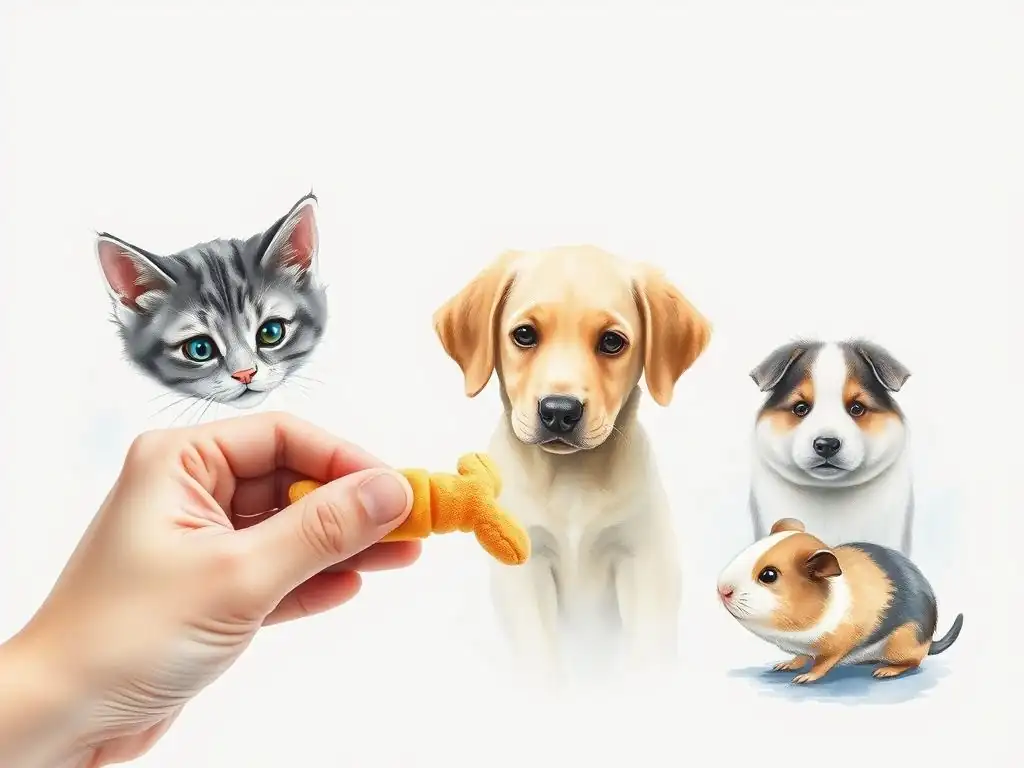
This section delves into choking prevention strategies tailored to different pet types, acknowledging that breed size and inherent behaviors significantly influence choking risks. Understanding these variations is crucial for effectively implementing preventative measures and ensuring your pet's safety. Remember, preventing pet choking hazards requires proactive vigilance and a nuanced approach.
Choking Prevention for Dogs: Breed-Specific Considerations
Preventing choking hazards in dogs requires considering breed-specific traits. Brachycephalic breeds (dogs with short noses like Bulldogs, Pugs, and French Bulldogs) are particularly vulnerable due to their anatomical structure. Their narrowed airways make them more susceptible to respiratory distress, even from relatively small obstructions.
- Toy Selection: Avoid toys with small, detachable parts that can easily be swallowed. Opt for durable, larger toys made of non-toxic materials that are difficult to tear or break into smaller pieces. Consider toys designed specifically for powerful chewers, depending on your dog's breed and chewing habits.
- Feeding Practices: Avoid feeding your dog whole, rawhide bones, or treats that can easily break into fragments. Instead, choose larger, appropriately sized chews or feed smaller, easily digestible kibble. Observe your dog while eating; some breeds are known for gulping down food quickly, increasing the risk of choking. Consider using a slow-feeder bowl to encourage slower eating.
- Breed-Specific Risks: Certain breeds are predisposed to certain types of choking incidents. For example, large breeds with a strong chewing instinct might break toys more easily, while smaller breeds might swallow things whole without proper supervision. Tailoring preventative measures to your dog's breed and size is paramount.
| Breed Type | Specific Choking Risk | Preventative Measures |
|---|---|---|
| Brachycephalic | Respiratory compromise from airway obstruction | Smaller, softer toys; slow feeding; close supervision |
| Large, Powerful Chewers | Breaking toys into smaller, swallowable pieces | Durable, large toys; supervision during playtime; appropriate chew toys |
| Small Breeds | Swallowing whole objects | Careful monitoring; removal of small objects from reach; smaller, appropriately sized treats |
Choking Prevention for Cats: Breed-Specific Considerations
While cats are generally more cautious eaters than dogs, they still face choking hazards. Long-haired breeds can be prone to hairballs, which can sometimes obstruct the airway.
- Hairball Management: Regular grooming is crucial for long-haired cats to minimize hair ingestion. Provide dietary fiber to help with hairball elimination. Observe for signs of excessive grooming or vomiting, which might indicate a hairball problem.
- Toy Selection: Similar to dogs, avoid small toys with detachable parts. Interactive toys that encourage play and mental stimulation can help prevent boredom-related chewing on potentially hazardous items.
- Feeding Practices: Cats are meticulous eaters, but they can still choke on food that's too large or if they eat too quickly. Provide appropriately sized kibble or wet food. Consider using a slow-feeder bowl for cats that eat too fast. Avoid giving them string or yarn, which can cause severe internal damage if swallowed.
Choking Prevention for Small Animals (Birds, Rabbits, etc.)
Small animals, including birds, rabbits, guinea pigs, and hamsters, present unique challenges in choking prevention. Their small size means even tiny objects can pose a significant risk.
- Habitat Design: Ensure their enclosures are free from small, loose objects that they could ingest. Regularly inspect their cages for hazards. Avoid providing toys with small, detachable parts.
- Food Selection: Provide appropriate-sized food and treats. Cut larger vegetables or fruits into small, manageable pieces. Avoid giving them human food, which may contain harmful ingredients or be of inappropriate size.
- Species-Specific Considerations: Different small animals have different needs and vulnerabilities. Rabbits, for instance, are prone to ingesting their own droppings, which can sometimes contribute to blockages. Research your specific pet's needs to implement the most effective preventive measures. For birds, be especially cautious of small seeds that can easily become lodged in their throats.
Remember: Regular veterinary check-ups are essential for early detection of any potential health issues that might increase choking risks. This proactive approach is a key component of preventing pet choking hazards.
Choking Prevention for Reptiles and Amphibians
Reptiles and amphibians, while seemingly less prone to choking than mammals, still face specific hazards that can lead to respiratory distress. Preventing choking in these pets requires understanding their unique feeding habits and selecting appropriate prey items. Unlike dogs and cats who might gulp down toys, reptiles and amphibians typically consume whole prey, which presents its own set of potential choking risks.
One primary concern is the size of the prey. Offering prey items that are too large can easily obstruct their airways. For example, feeding a large adult mouse to a small corn snake could lead to a fatal blockage.
Always ensure that the prey is appropriately sized for the reptile or amphibian's head and body, aiming for a prey item that is no larger than the widest part of their head. This is crucial for preventing choking and ensuring successful digestion. Regularly monitor your reptile or amphibian's feeding behavior; if you notice any difficulty swallowing or prolonged attempts to consume prey, immediately remove the item and consult a veterinarian.
Another crucial aspect is the type of prey. While live feeding is sometimes advocated, it carries inherent risks. A struggling prey animal can cause injury or obstruct the predator's airway. Many reptile and amphibian experts now recommend pre-killed prey, especially for less experienced feeders.
This minimizes the risk of injury and makes it easier to monitor consumption. Furthermore, the prey should be appropriately thawed if frozen, ensuring it's soft enough to be swallowed easily and won't cause internal damage. Never feed your reptile or amphibian anything that is not suitable for their diet. Incorrect prey choices can lead to impaction and other health issues, indirectly increasing the risk of choking.
The environment also plays a role in choking prevention. Ensure the enclosure is clean and free of debris that could accidentally be ingested. For example, loose substrate can be accidentally swallowed, leading to impaction. Choose a substrate appropriate for your pet's species and consider using a substrate that's easier to clean and less likely to be ingested.
Regular cleaning of the enclosure is essential for maintaining a healthy and safe environment for your reptile or amphibian, significantly reducing the risk of accidental ingestion of harmful materials. Remember, proactive steps are key to preventing choking in these often overlooked pets. Careful prey selection, proper handling, and a clean environment are fundamental to their well-being.
Emergency Response: What to Do if Your Pet is Choking
Pet choking is a terrifying experience, but swift action can be lifesaving. Knowing the steps to take can significantly improve your pet's chances of survival. This section details immediate actions and when professional veterinary intervention becomes crucial for preventing pet choking hazards.
Immediate Actions to Take if Choking Occurs
The first few seconds are critical when dealing with a choking pet. Remain calm and assess the situation quickly. Is your pet actively struggling to breathe? Can you see the obstruction? The severity of the choking will dictate your approach. For mild choking, where your pet can still cough and breathe, it's often best to let them try to dislodge the object themselves. Avoid sticking your fingers down their throat, as this could push the object further in and worsen the situation. However, if your pet is unable to breathe or cough, immediate intervention is necessary.
For small dogs and cats, you can try the Heimlich maneuver:
- Support your pet: Hold your pet securely, facing away from you. Their back should be against your belly.
- Locate the obstruction: Place your hand just behind their ribs, below their chest.
- Apply upward thrusts: Give several quick upward thrusts into their abdomen. These thrusts should be firm but not excessively forceful. Avoid excessive pressure that could cause internal injuries.
- Check for the object: After each thrust, check your pet's mouth to see if the object has been dislodged.
- Repeat as necessary: Continue the Heimlich maneuver until the object is removed or your pet starts breathing normally.
For larger dogs, the Heimlich maneuver is slightly different. Instead of upward thrusts, gently squeeze their abdomen to try to dislodge the object.
Remember, these are guidelines. Improper execution can cause further harm. If you are unsure, or if your pet's condition doesn't improve, immediately seek veterinary attention. The goal is to dislodge the obstruction quickly and safely. Every second counts when preventing pet choking hazards.
When to Seek Veterinary Care
Even if you successfully remove the obstruction, veterinary care might still be necessary. Seek immediate veterinary attention if:
- Your pet is still struggling to breathe after removing the object.
- Your pet shows signs of cyanosis (blue-tinged gums). This indicates a severe lack of oxygen.
- Your pet is coughing up blood.
- Your pet is exhibiting lethargy or weakness.
- You suspect the object might have caused internal damage.
- The choking incident caused significant distress or injury.
Delaying veterinary care can have severe consequences. Prompt professional evaluation helps ensure your pet receives the appropriate care, minimizing potential long-term effects. Prevention is key, but knowing when to seek professional help is equally vital in preventing pet choking hazards. Always err on the side of caution. Your pet's life may depend on it. 🐕🦺🐱
Remember, this information is for educational purposes only and does not substitute professional veterinary advice. Always consult a veterinarian for any health concerns regarding your pet. Early intervention and proactive measures are crucial in preventing pet choking hazards.
Resources and Further Information on Pet Choking Prevention

This section provides valuable resources to help you further your understanding of pet choking prevention and what to do in an emergency. Preventing pet choking hazards is a crucial aspect of responsible pet ownership, and staying informed is key. We've compiled information from reputable sources to ensure you have access to the most accurate and up-to-date advice.
Reputable Pet Safety Organizations
Several organizations dedicate themselves to pet safety and provide excellent resources on various aspects of pet care, including choking prevention. Familiarizing yourself with these organizations can provide a wealth of information beyond this article. They often offer educational materials, safety guidelines, and emergency protocols. Here are a few examples:
- The American Society for the Prevention of Cruelty to Animals (ASPCA): The ASPCA is a well-known and respected animal welfare organization that offers comprehensive resources on pet safety, including detailed guides on preventing choking hazards. They provide information on safe toy selection, appropriate feeding practices, and emergency response procedures. Their website is a valuable source of information for pet owners of all experience levels.
- The Humane Society of the United States (HSUS): Similar to the ASPCA, the HSUS actively promotes animal welfare and offers extensive resources on pet care. Their website includes information on preventing accidents and injuries in pets, including choking hazards. They often publish articles and guides on various pet health topics.
- [Organization Name Pending]: We are currently researching additional reputable pet safety organizations to expand this list. This section will be updated with more information as it becomes available. We strive to provide a comprehensive list of reliable resources for our readers.
Additional Resources on Pet First Aid
Beyond choking prevention, understanding pet first aid is crucial for responsible pet ownership. Knowing what to do in an emergency can significantly improve your pet's chances of survival. Here are some resources to expand your knowledge of pet first aid:
- Veterinary Emergency and Specialty Hospitals: Locating your nearest veterinary emergency hospital is vital. Knowing their contact information and location can save valuable time in a crisis. Many hospitals offer online resources and educational materials on pet first aid.
- Pet First Aid Certification Courses: Consider taking a pet first aid certification course. These courses provide hands-on training and in-depth knowledge of emergency procedures, including how to handle choking emergencies and other life-threatening situations. Many veterinary clinics and animal welfare organizations offer these courses.
- Online Pet First Aid Guides: While professional training is recommended, several reputable websites offer detailed guides on pet first aid. Always verify the source's credibility before relying on the information. Look for guides from veterinary professionals or established animal welfare organizations. These guides often cover a wide range of emergency situations, including choking, injuries, and illnesses.
Remember, proactive measures are the best way to prevent pet choking hazards. By combining safe practices with a solid understanding of pet first aid, you can significantly reduce the risk of choking incidents and ensure the well-being of your beloved companion. Always consult with your veterinarian if you have any concerns about your pet's health or safety.
Creating a Safe Environment to Prevent Pet Choking Hazards
This section focuses on proactive measures to minimize choking risks for your beloved pet. By implementing these strategies, you'll significantly reduce the chances of a potentially life-threatening choking incident. Remember, prevention is always the best approach to ensuring your pet's safety and well-being. Preventing pet choking hazards requires vigilance and a commitment to creating a secure home environment.
Home Hazard Assessment and Modification
A thorough assessment of your home is the first crucial step in preventing pet choking hazards. Consider your pet's size, breed, and chewing habits when identifying potential dangers. Small objects, easily swallowed by smaller breeds, pose a significant risk. Larger dogs, while less prone to swallowing small items, can still choke on larger objects if they're improperly supervised during play.
Here's a checklist to guide your assessment:
- Floors: Inspect floors for small items such as buttons, coins, or food scraps. Regular sweeping and vacuuming are essential.
- Furniture: Check under furniture and behind appliances for hidden hazards. Small toys or dropped food can easily accumulate in these areas.
- Cords and Wires: Electric cords, phone chargers, and other wires present a significant strangulation and choking risk. Secure them with cord covers or keep them out of reach.
- Plants: Many common houseplants are toxic to pets. Ensure that all toxic plants are kept well out of reach or, ideally, removed from the home entirely.
- Cleaning Supplies: Store all cleaning products and chemicals in secure cabinets, well out of your pet's reach. Ingestion can cause serious health problems beyond choking.
Remember, even seemingly harmless items like socks or small pieces of clothing can pose a significant choking hazard. Regularly inspect your home for potential hazards and remove them immediately. This proactive approach is vital in preventing pet choking hazards and ensuring your pet's safety. A safe home environment is the cornerstone of responsible pet ownership.
Secure Storage of Potential Hazards
Once potential hazards are identified, secure storage is paramount. Simply removing an item isn't enough; you must ensure it's stored in a location inaccessible to your pet. This applies not only to small objects but also to larger items that could be broken down into smaller, swallowable pieces.
Here are some practical strategies for secure storage:
- Use childproof cabinets and latches: These are specifically designed to prevent access by curious children and pets, providing an effective barrier against potential hazards.
- Keep items in high, closed containers: Place items on high shelves or in containers that are too tall for your pet to reach.
- Store hazardous items in opaque containers: Avoid using clear containers, as your pet may be tempted to investigate their contents.
- Utilize out-of-reach storage areas: Basements, attics, or closets that are securely locked provide ideal storage for hazardous materials.
This detailed approach to secure storage is crucial in preventing pet choking hazards. It’s not enough to simply clean up after your pet; you must actively prevent access to potentially dangerous items in the first place. By combining a thorough home assessment with secure storage practices, you significantly improve your pet's safety and well-being, reducing the risk of choking incidents. The investment in secure storage is a small price to pay for the peace of mind knowing you've done everything possible to prevent pet choking hazards.
Frequently Asked Questions
What are common choking hazards for pets?
Common choking hazards include small toys, bones, food pieces that are too large, string, rubber bands, and household items like buttons or coins. Always supervise your pet, especially during playtime and mealtimes.
How can I choose safe toys for my pet?
Select toys appropriate for your pet's size, age, and breed. Avoid toys with small parts that can easily be detached and swallowed. Opt for durable, larger toys made from non-toxic materials.
What are safe feeding practices to prevent choking?
Feed your pet age-appropriate food in appropriately sized portions. Avoid giving your pet food that is too hard or too small. Supervise your pet while they eat and consider using slow-feeder bowls.
My pet is choking! What should I do?
Remain calm and immediately assess the situation. If you can safely remove the obstruction, do so. If not, contact your veterinarian or emergency animal hospital immediately. Time is critical.
How can I pet-proof my home to prevent choking hazards?
Regularly inspect your home for potential hazards. Store small objects out of reach, secure loose wires, and keep cleaning supplies locked away. Educate children and other family members about pet safety.
Final Reflection: A Pawsitive Future: Preventing Pet Choking Hazards
The silent threat of choking hazards remains a stark reality for countless pets, demanding our constant vigilance and proactive approach. A seemingly innocent toy or a hastily given treat can quickly turn tragic, highlighting the urgent need for responsible pet ownership and a deeper understanding of potential dangers. This knowledge isn't just about avoiding emergencies; it's about building a safer, more loving environment for our beloved companions.
The impact of pet choking incidents extends far beyond the immediate crisis; it leaves an enduring mark on pet owners and the veterinary community alike. The emotional toll is immense, a stark reminder of our responsibility to protect those who depend on us. The bond between humans and animals is one of the most profound and enriching relationships we can experience. Protecting that bond requires constant awareness and responsible action.
This quote encapsulates the core message of this article: proactive prevention is the ultimate act of love and care. We must continue to educate ourselves and others, fostering a culture of safety and awareness to minimize these preventable tragedies.
Now, consider your own pet. Take a moment to assess their environment. Are there potential choking hazards lurking in plain sight? Make a conscious effort to eliminate these risks, choosing safe toys and practicing mindful feeding habits. By actively engaging in preventative measures, you're not just ensuring your pet's safety; you're strengthening your bond and building a future filled with joy, health, and countless happy moments together. Let's work together to create a world where pet choking hazards are a thing of the past.
Unlock Your Pet's Safe Playtime: Take Action Today!
Thank you for learning about choking prevention for your beloved pet! We hope this article has provided you with valuable knowledge to keep your furry friend safe and happy. Now, let's put that knowledge into practice.
- Thoroughly check your pet's toys: Immediately inspect your pet's toys for potential choking hazards. Remove anything small enough to be swallowed, broken, or easily torn. This simple step could save your pet's life!
- Share this vital information: Spread the word! Share this article with other pet owners, especially those with young puppies or kittens. Help protect more pets from choking incidents.
- Adopt safe feeding practices: Research appropriate food sizes and feeding techniques for your pet's breed and age. Consider consulting your veterinarian for personalized recommendations.
Ready to create a safer environment for your furry friend? What's one change you'll make to your pet's playtime or feeding routine today?