Lost and Found: How Microchipping Reunites You With Your Beloved Pet
😊 Pet microchip lost pet reunion rates soar! PetCareWorld reveals how this simple procedure dramatically increases the chances of finding your beloved…
Read article
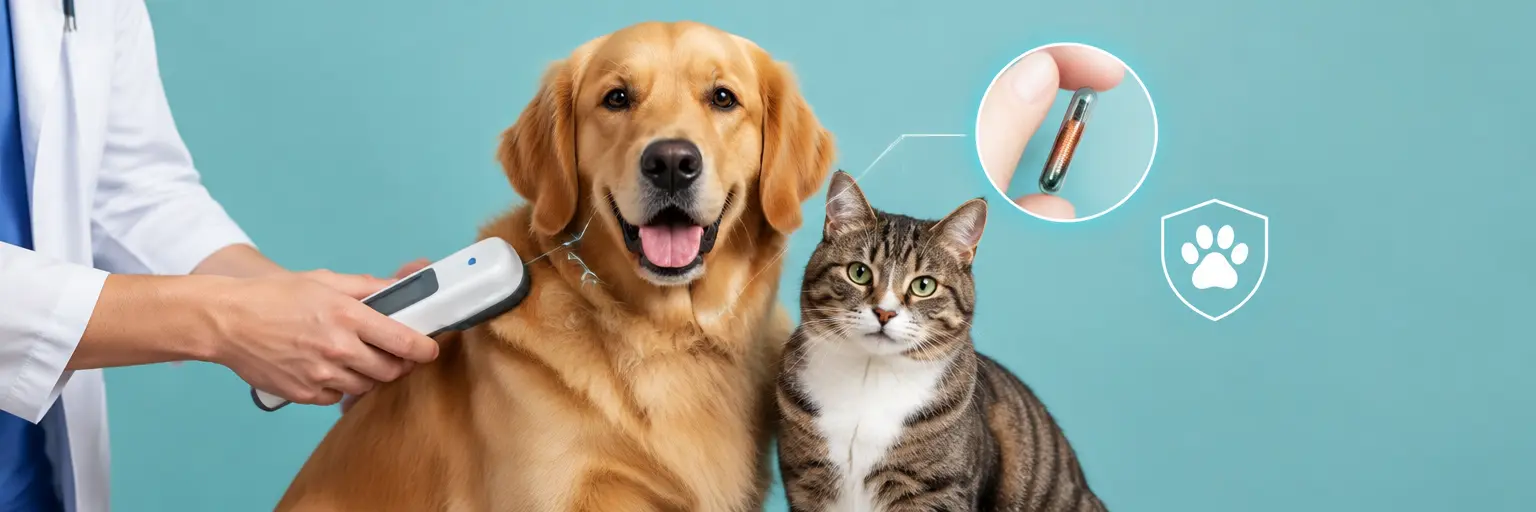
Microchipping your pet is one of the simplest yet most powerful steps you can take as a responsible pet owner, offering a permanent, tamper-proof form of identification that goes far beyond collars or tags. This tiny, rice-sized device, implanted just under the skin, stores a unique ID number linked to your contact details in a national database—dramatically increasing the odds of a happy reunion if your furry friend ever gets lost, scared, or separated from you. Unlike GPS trackers, microchips don’t require batteries or subscriptions, and they last for your pet’s lifetime, making them a one-time, cost-effective safety net that shelters, vets, and animal control officers universally scan. For dog owners, cats who roam, and even birds or rabbits, this quick, low-pain procedure is a routine part of proactive pet health care. Here at PetCareWorld, we guide you through the process, from what to expect during implantation to keeping your registration details current, ensuring your beloved companion always has a reliable backup plan. Embrace peace of mind with a microchip—because loving your pet means protecting them, no matter what.

😊 Pet microchip lost pet reunion rates soar! PetCareWorld reveals how this simple procedure dramatically increases the chances of finding your beloved…
Read article
😊 PetCareWorld's expert guide helps you choose the best pet microchip provider. Find the right chip and registration service for your beloved…
Read article
😊 Protect your beloved pet with a microchip—a simple procedure offering lifelong peace of mind. Dog microchip benefits long term include swift…
Read articleAt PetCareWorld, we believe that responsible pet ownership extends far beyond daily feeding and playtime—it includes safeguarding your companion’s future. Microchipping your pet is one of the most effective, permanent identification methods available, dramatically increasing the chances of a happy reunion if your dog, cat, or exotic pet ever goes missing. This subcategory provides comprehensive, expert-backed guidance on everything from the simple procedure itself to legal requirements, database registration, and dispelling common myths.
Microchipping is a quick, virtually painless procedure where a tiny rice-sized transponder is inserted under your pet’s skin, typically between the shoulder blades. This chip contains a unique 15-digit code that, when scanned by a vet or shelter, links directly to your contact information in a national database. Unlike collars or tags, microchips cannot be lost, removed, or become illegible, making them a fail-safe identification method for life. The procedure takes seconds, requires no anesthesia, and most pets barely notice the injection after a brief pinch.
Importantly, a microchip is not a GPS tracker—it does not transmit location in real time. Instead, it works as a permanent digital ID that only becomes active when a scanner passes over it. This is why keeping your registered contact details up-to-date is just as critical as the implantation itself. Our guides walk you through the entire process, from what to expect at your veterinary appointment to how the chip interacts with scanning systems across different shelters and clinics worldwide.
Before the procedure, your veterinarian will check your pet’s health and ensure they are at a suitable age—most puppies and kittens can be chipped from eight weeks old. The area between the shoulder blades is cleaned, and the chip is injected using a sterile applicator. It’s common to feel a slight scab-like lump for a few days, which is completely normal and will fade. After implantation, you must register your pet’s chip number with a reputable pet recovery database, as the vet’s office does not automatically do this for you.
Post-procedure care is minimal but essential. You should monitor the injection site for any signs of swelling, redness, or discharge, though serious complications are extremely rare. Bathing and vigorous play should be avoided for 24 hours to allow the tiny wound to heal. Once healed, the chip remains in place for your pet’s entire life, requiring no maintenance or battery changes. Our detailed aftercare checklist ensures you know exactly what to expect and when to contact your vet, giving you total peace of mind.
Microchipping is not just a good idea—it is now mandatory in many regions. In the United Kingdom, all dogs must be microchipped and registered by the age of eight weeks, with fines for non-compliance. Similar laws exist across the European Union, Australia, and parts of the United States, particularly for dogs, cats, and certain exotic pets. Even where not legally required, many municipalities and airlines demand microchips for travel or licensing. Understanding your local regulations is the first step to being a truly responsible owner.
Beyond legalities, international travel often requires ISO-standard microchips (11784/11785) so scanners worldwide can read them. If your pet is not already ISO-compliant, your vet may need to use a universal scanner. Our guides break down the differences between chip frequencies (125 kHz vs. 134.2 kHz) and how to ensure your pet’s chip meets travel requirements. We also explain the importance of registering your contact address and phone number with both national and international databases, ensuring seamless identification whether you are at home or abroad.
Inserting the chip is only half the equation—the other half is registering it correctly. A microchip without a linked database is useless, as shelters cannot identify your pet. You must provide your full name, address, phone numbers, and ideally an alternate emergency contact. After registration, you will receive a certificate with your pet’s unique ID. Store this document safely, and critically, update your information immediately after any move or phone number change. Many owners forget this step, leading to heartbreaking situations where found pets cannot be returned.
Common mistakes include using a pet’s name in the registration field (which should only contain the owner’s details), failing to note the chip number correctly, or assuming the vet or breeder completed the registration. Additionally, some microchip companies charge annual fees, which can lead to lapsed registrations if not monitored. We provide a step-by-step checklist for setting up your database profile, tips for remembering to update after life changes, and guidance on what to do if you lose your certificate. Being meticulous here truly ensures your pet’s safety net remains intact.
Statistics show that microchipped pets are up to 20 times more likely to be reunited with their owners than non-chipped animals. When a lost dog, cat, or even bird is found, shelters and veterinary clinics immediately scan for a chip. If the database information is correct, a simple phone call can reunite families within hours, avoiding weeks in a kennel or worse, permanent displacement. Real-world success stories abound, from cats who wandered miles away to dogs stolen and recovered months later—all thanks to that tiny chip.
It is essential to remember that microchipping works best alongside a visible collar tag, as this provides immediate contact options for anyone who finds your pet. However, collars can slip off or be removed, which is why the chip is your ultimate backup. Our special section covers how to increase your pet’s chances of a quick return, including reporting a lost pet to databases immediately, registering with local lost-and-found networks, and ensuring your contact details are current. We also share tips on what to do if someone else’s chip is detected on your property—you are not obligated to keep the pet, but contacting authorities is crucial.
Despite being over 30 years old, microchipping still faces myths—some believe it causes cancer or behavioral changes, while others think it’s painful or unnecessary. Scientific studies unequivocally show that microchip-related tumors are extremely rare (less than 0.01% of cases) and usually unrelated to the chip itself. The implantation is comparable to a routine vaccination and does not affect your pet’s temperament, mobility, or health. Moreover, modern chips are made of biocompatible glass and polymer, designed to remain inert for the pet’s lifetime.
We also address concerns about migration—the tiny chance a chip moves from the shoulder area to elsewhere. While possible, migration is harmless, and scanners typically cover the entire body during a lost-pet search. Another myth is that older pets cannot be chipped; in reality, any age is suitable, and geriatric animals tolerate the procedure well. Our articles cite peer-reviewed research and veterinary consensus to give you evidence-based reassurance. By separating fact from fiction, we empower you to make informed, confident decisions for your pet’s safety, embodying true responsible ownership.
No, the procedure is very quick and causes only a brief pinch, similar to a routine injection. Most pets barely react, and there is no need for anesthesia. After a few seconds, the discomfort disappears, and your pet can go home immediately. Some mild soreness at the injection site may last a day, but it’s usually so minor that pets ignore it completely.
No, a microchip is not a GPS tracker. It only stores a unique ID number that is read by a scanner when your pet is found. To track real-time location, you would need a separate GPS collar or implant. The microchip’s purpose is identification, not location, and it remains passive until scanned.
Contact the microchip database company where your pet is registered—you should have a certificate or policy number. Log into your online account or call them, then update your address, phone, and email. Failure to do this means a found pet cannot be returned, so set a reminder to update after any move or phone change.
Most shelters and vets use universal scanners that read both 125 kHz and 134.2 kHz chips. However, older scanners may miss certain frequencies, so it’s wise to verify your pet’s chip is ISO-standard (134.2 kHz) for maximum compatibility. Ask your vet during implantation if you plan to travel internationally.
A microchip is designed to last for your pet’s entire lifetime, with no battery or maintenance required. The chip is encased in biocompatible glass, so it will not degrade or need replacement. Once implanted, it remains functional for the pet’s life, assuming the registration database stays active.







