Home Grooming for LongHaired Dogs: Maintaining a Healthy Coat
😊 Master the art of longhaired dog home grooming with our expert guide! Learn essential brushing techniques, bathing tips, and detangling methods…
Read article
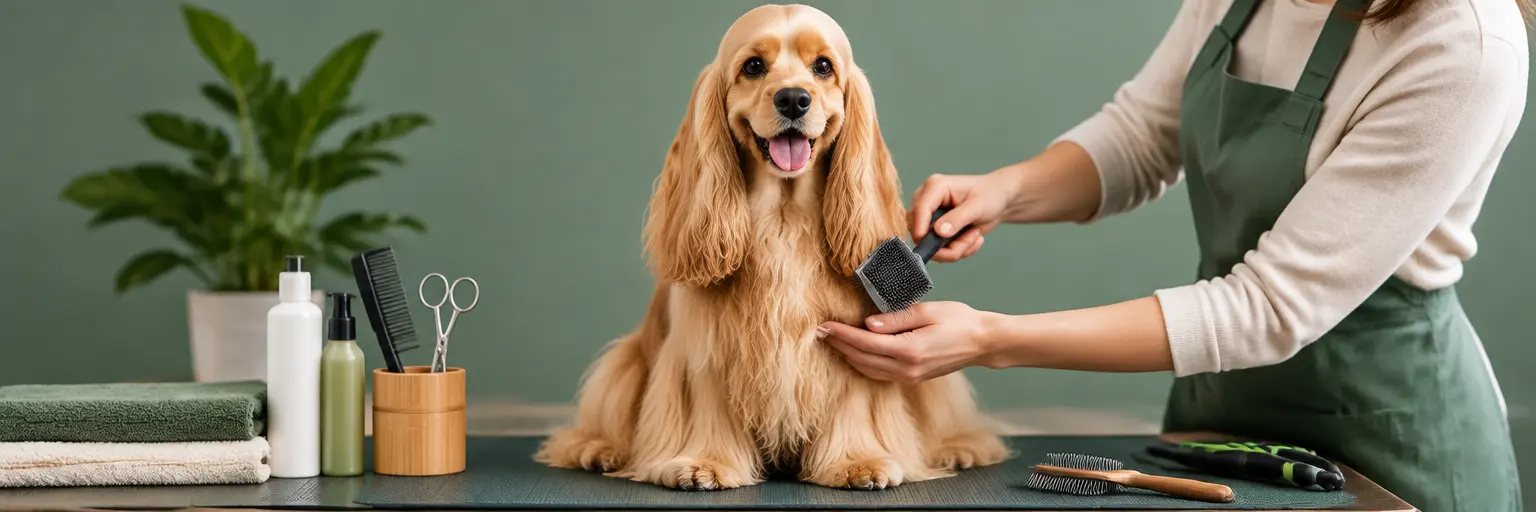
Transform your furry friend’s grooming routine with our expert DIY home grooming guides tailored for long-haired dogs. 🐾 Discover step-by-step techniques to prevent painful mats, manage shedding, and keep that luxurious coat shiny and healthy—all from the comfort of your home. From selecting the right brushes and combs to mastering bath-time tips and gentle de-matting methods, we cover everything you need to save money while strengthening your bond. Skip the stressful salon visits and learn how to spot skin issues early, use professional-grade tools safely, and maintain a tangle-free mane between trims. Whether you have a Golden Retriever, Collie, or Shih Tzu, our practical advice ensures a calm, rewarding experience for both you and your pup. Start your grooming adventure today and let your dog strut with pride! ✂️✨

😊 Master the art of longhaired dog home grooming with our expert guide! Learn essential brushing techniques, bathing tips, and detangling methods…
Read article
😊 Master the art of bathing your longhaired dog at home! PetCareWorld's expert guide offers simple, effective longhaired dog bathing tips for…
Read article
😊 Keep your longhaired dog looking fabulous with our expert home grooming tips! Learn essential brushing techniques, detangling secrets, and bathing best…
Read articleWelcome to our dedicated guide on DIY home grooming for long-haired dogs, a vital part of the Pet Health & Nutrition category. Grooming isn’t just about aesthetics; it’s a cornerstone of your dog’s physical health, preventing painful mats, skin infections, and overheating. This subcategory empowers you to take control of your long-haired companion’s coat care with confidence, saving money and strengthening your bond. You’ll learn essential techniques, choose the right tools, and understand breed-specific needs, all from the comfort of your home.
Investing in the right grooming arsenal is non-negotiable for long-haired breeds. You’ll discover the distinct roles of slicker brushes, pin brushes, undercoat rakes, and metal combs, each targeting different coat layers. We break down how to tackle tangles without causing pain or skin damage, using a line-brushing method that reaches the skin, not just the topcoat. Proper technique prevents matting before it starts, reducing the need for stressful shave-downs at a vet clinic.
Expect a step-by-step walkthrough that includes sectioning hair, working from the tips to the roots, and using detangling sprays safely. We emphasize the importance of brushing frequency—usually every 1-2 days—to distribute natural skin oils that keep the coat shiny and healthy. You’ll also learn to identify warning signs of skin issues like redness or parasites while brushing, turning grooming time into a mini health check that supports your dog’s overall wellness.
Bathing a long-haired dog incorrectly can wreak havoc, turning a clean coat into a tangled disaster. This section guides you through water temperature, dilution of dog-specific shampoos, and the crucial pre-bath brushing step. We explain why you must never rub or scrub the hair in circles, as this causes friction and mats. Instead, you’ll learn a gentle squeezing technique that cleans the skin effectively while protecting the coat shaft. Thorough rinsing is critical; leftover residue leads to dryness and tangling.
Drying is where most home groomers fail. We cover the safe use of high-velocity dryers versus standard hairdryers, emphasizing low heat and constant motion. You’ll understand why air-drying a long coat is a recipe for mats, as wet hair tangles easily. Expect tips on towel-drying methods, using a comb while blowing to stretch and separate hair, and ensuring the undercoat is completely dry to prevent fungal skin infections, a common issue in humid conditions.
Even with regular brushing, mats happen—especially behind ears, under collars, and in armpits. Here, we teach humane dematting using dematting combs and mat splitters, plus when to stop and call a professional to avoid cutting skin. You’ll also master safe trimming of paw pads to improve traction and reduce dirt trapping, using rounded-tip scissors. Precision in sanitary areas (around the genitals and anus) prevents fecal matting and flystrike, keeping your dog clean and infection-free.
Eye care for long-haired breeds like Shih Tzus or Maltese includes routine tear-stain cleaning and trimming hair that pokes eyes, causing irritation or corneal ulcers. We provide guidance on using blunt scissors, proper head positioning, and safe tear-stain removers. Your dog’s comfort and safety are paramount; we include risk-averse techniques that minimize accidental nicks, ensuring that home grooming remains a positive experience for both of you.
Grooming is deeply connected to diet. A dull, brittle coat often signals nutritional deficiencies, so this subcategory bridges grooming with Pet Health & Nutrition. We discuss high-quality proteins, omega-3 and omega-6 fatty acids, and biotin—nutrients that promote a soft, glossy coat from the inside out. Supplements like fish oil can reduce shedding and dandruff, making brushing easier and more effective. Learn how seasonal changes affect coat growth and when to adjust your grooming routine.
We also cover symptoms of underlying skin disorders that manifest during grooming, such as excessive itching, flakiness, or hot spots. Recognizing these early allows you to address allergies or hormonal imbalances with your vet. Pairing a good diet with consistent grooming reduces allergens in your home, improving both your dog’s comfort and your household’s air quality, which is a holistic health benefit often overlooked.
Not all long-haired dogs are alike—a Golden Retriever’s double coat differs from a Yorkshire Terrier’s human-like hair. We offer tailored advice for popular breeds: heavy-shedding double coats (Huskies, Collies), continuously growing hair (Poodles, Bichons), and silky coats (Afghan Hounds, Setters). Each requires a distinct brushing frequency, tool selection, and trimming style. Understanding your breed’s unique coat cycle prevents over-brushing or neglect, saving you from costly professional corrections.
Finally, we share training techniques to make grooming stress-free. Desensitizing your dog to being touched, using positive reinforcement with treats, and creating a non-slip grooming station are vital. We cover handling squirmers, clipping nails calmly, and introducing tools slowly. Expect practical troubleshooting for anxious dogs, ensuring that grooming sessions become bonding time rather than a battle, which aligns with PetCareWorld’s goal of empowering confident, knowledgeable pet owners.
For most long-haired breeds, daily brushing is ideal, but every other day is the absolute minimum. Dogs with thick undercoats, like Pomeranians or Chow Chows, may need twice-daily sessions during heavy shedding seasons. Regular brushing not only removes loose hair but also distributes oils that prevent matting and keep skin healthy.
No, human shampoo is acidic for dogs, whose skin has a different pH level. It strips natural oils, leading to dry, itchy skin and a brittle coat. Always opt for a dog-specific conditioner that is moisturizing, especially for long hair, to maintain slip during brushing and reduce static after drying.
First, try to gently pull the mat apart with your fingers, then use a dematting comb working from the outer edges inward. Never cut directly into the mat, as skin can be trapped. If you cannot safely remove a mat close to the skin, it is best to consult a professional groomer to avoid injury.
In most cases, no. A double coat provides insulation against both heat and cold; shaving damages the ability to regulate temperature and exposes skin to sunburn. Instead, brush more frequently to remove loose undercoat, which improves airflow. Always consult your vet before shaving a specific breed.
Start by pairing the sight of the clippers with a high-value treat, and touch your dog’s paws daily. Use a sharp, guillotine-style clipper designed for dogs, and cut just below the quick (the pink area). If unsure, have a vet demonstrate first, and keep sessions short to build trust over time.







