Pet Rescue Breathing Devices: Which Ones to Use and When
😊 Pet emergencies demand swift action. PetCareWorld's guide reveals the best pet rescue breathing devices for various situations, ensuring you're prepared to…
Read article
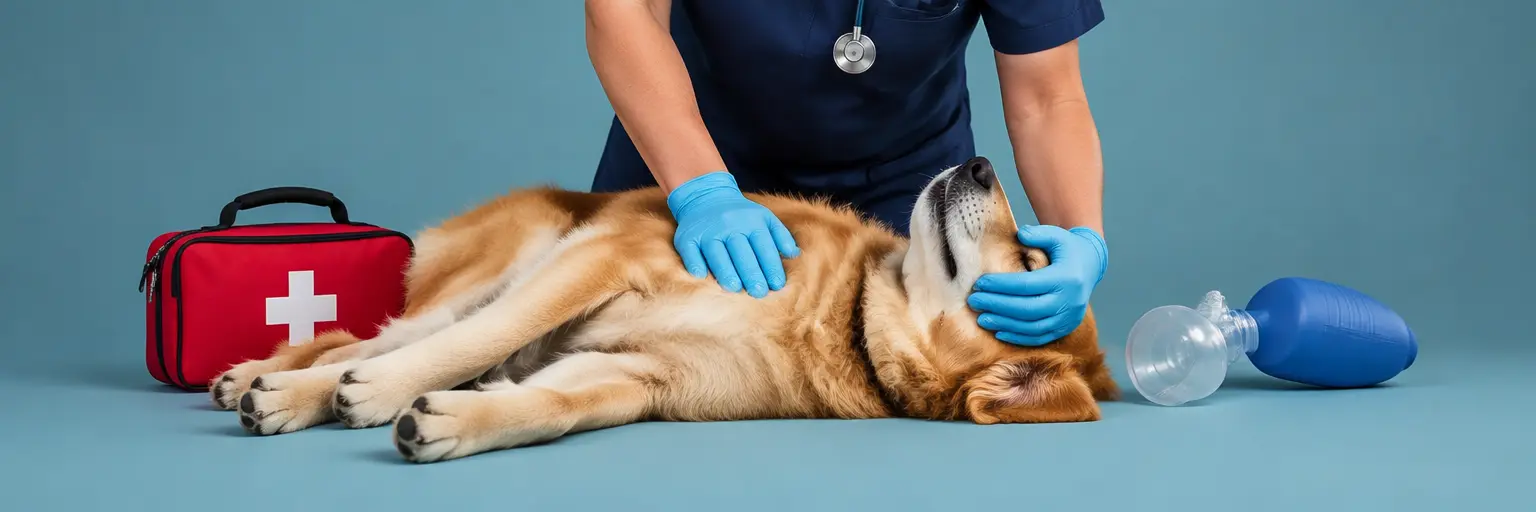
When every second counts, knowing CPR and rescue breathing can be the difference between life and death for your furry companion. Our Pet First Aid section empowers you with step-by-step, vet-approved techniques to respond confidently to choking, cardiac arrest, or respiratory emergencies in dogs and cats. From mastering the correct hand placement for chest compressions to delivering gentle rescue breaths, you’ll learn crucial skills that stabilize your pet until professional help arrives. Whether you’re a new pet parent or a seasoned owner, these life-saving skills are essential for any household, ensuring you’re prepared for accidents at home or during outdoor adventures. Equip yourself with the knowledge to act fast and keep your beloved animal safe, healthy, and thriving.

😊 Pet emergencies demand swift action. PetCareWorld's guide reveals the best pet rescue breathing devices for various situations, ensuring you're prepared to…
Read article
😊 Seconds count in pet emergencies! Learn vital Pet CPR rescue breathing steps at PetCareWorld to potentially save your beloved companion's life.…
Read article
😊 Master essential Pet CPR techniques step-by-step with PetCareWorld's expert guide. Learn to recognize pet emergencies and take life-saving action, ensuring your…
Read articleWhen your beloved dog, cat, or even bird faces a choking emergency, cardiac arrest, or respiratory failure, every second counts. Knowing how to perform **pet CPR** and **rescue breathing** can mean the difference between life and death before you reach a veterinarian. At PetCareWorld, we break down the critical techniques, step-by-step protocols, and safety precautions tailored to different species, ensuring you feel confident and prepared to act swiftly in a crisis. Learn to recognize the signs of a stopped heart, clear airway obstructions, and deliver effective chest compressions—skills that transform you from a worried owner into a calm, capable first responder.
Recognizing that your pet is in cardiac or respiratory arrest is the first and most crucial step. Unlike humans, pets rarely experience heart attacks; instead, causes like choking, drowning, electric shock, or severe trauma often precede a stopped heart. Look for a pet that is **unresponsive, not breathing, or has no detectable heartbeat** (place your ear near the chest or feel for the femoral pulse in the inner thigh). Also note blue or gray gums, dilated pupils, and loss of consciousness. If you see these signs, immediately check for breathing and a pulse—do not wait more than 10 seconds before starting CPR.
It is essential to differentiate between a pet that is simply unconscious but still breathing and one that needs full CPR. If your pet is breathing but unresponsive, skip chest compressions and focus on **rescue breathing** at a rate of 12–20 breaths per minute, depending on the animal’s size. Never perform CPR on a healthy, conscious pet, as you could cause serious internal injuries like rib fractures or lung damage. Always call your veterinarian or an emergency animal hospital right away while you begin your rescue efforts, as professional care is still vital even if you revive the pet.
For dogs, the correct CPR technique varies dramatically based on body size. For **small dogs under 30 pounds**, place the heel of one hand over the widest part of the chest (just behind the elbows) and compress at a depth of about 1/3 to 1/2 the chest width. Use one hand only, with your other hand supporting the dog’s back to keep it stable. For **medium and large dogs** over 30 pounds, kneel with your hands stacked on top of each other on the same spot, keeping your elbows straight, and press down firmly—aim for **100–120 compressions per minute**, matching the rhythm of the Bee Gees’ “Stayin’ Alive.” Do not bend your wrists or apply pressure over the ribs.
After every 30 compressions, give **two rescue breaths** by closing the dog’s mouth, placing your mouth over its nose, and blowing until you see the chest rise. Continue cycles of 30 compressions and 2 breaths until the dog starts breathing on its own or you reach a veterinary clinic. For brachycephalic (flat-faced) breeds like pugs, you may need to gently hold their mouth closed and cover both the nose and mouth to create a seal. Check for a pulse every 2 minutes, and if you feel a heartbeat but no breathing, stop compressions and perform rescue breathing alone at 12 breaths per minute.
Cats are more delicate than dogs, so CPR requires a gentler yet equally determined approach. Place the cat on its right side on a firm, flat surface. For chest compressions, hold the cat with one hand under its chest and the other over its heart area, or place your thumb and fingers on either side of the chest just behind the elbows. Use a **squeezing motion** rather than heavy downward pressure, compressing the chest about 1/3 to 1/2 of its width at a rate of **100–120 compressions per minute**. Because cats are prone to rib fractures, always check that your grip is over the cardiac area, which lies roughly where the elbow touches the chest when the leg is bent.
For rescue breathing on a cat, close its mouth gently and place your mouth over its nose—similar to a dog but with a smaller seal. Blow softly until you see the chest rise, taking about 1 second per breath. Follow the same 30:2 compression-to-breath ratio as with dogs. Cats can be easily stressed, so wrap them in a towel to protect yourself from scratches while keeping their spine straight. If the cat is extremely small or a kitten, use only two fingers for compressions and reduce the breath volume. Monitor for a femoral pulse in the inner thigh every minute, and continue until a vet takes over or the animal revives.
Birds and reptiles have drastically different anatomy, but you can still provide effective rescue breathing. For **birds**, hold the bird upright in your hand, locate the narrow opening at the back of the throat (the glottis), and use a small straw or tube (if available) to gently deliver air. Alternatively, place your mouth over the bird’s beak and blow very softly—just enough to see the chest rise. Never blow hard, as bird lungs are fragile. For **reptiles like snakes and lizards**, their breathing is often irregular; if unresponsive, place your mouth over the nostril opening and give slow, gentle puffs, then perform chest compressions only if you feel no heartbeat (for lizards, compress the chest area just behind the front legs).
For small mammals like rabbits, guinea pigs, and ferrets, use techniques similar to small dogs but with even more caution. Rabbits, for instance, have highly fragile spines—support their head and neck firmly while compressing with two fingers over the widest part of the chest. **Always maintain a clear airway** by extending the neck slightly and checking for obstructions like food or mucus. Because exotic pets are more likely to hide illness, never delay CPR if you see collapse; start immediate rescue breathing and transport to a vet that specializes in exotic animals. Even partial success—like restoring a heartbeat—gives your exotic pet a fighting chance.
Once your pet’s heart and breathing are restored, the danger is not over. Place the pet in a **recovery position**—lying on its right side with the head slightly lower than the body to promote blood flow to the brain and prevent aspiration of fluids. Keep the pet warm by wrapping in a blanket, but avoid overheating. Monitor breathing and heart rate continuously for at least 30 minutes, as cardiac arrest can recur. Do not offer food or water until you have spoken with a veterinarian, as the pet may choke or have internal injuries. Even if your pet seems fully normal, you must seek emergency veterinary care immediately because underlying causes like toxins, arrhythmias, or internal bleeding need professional treatment.
Post-rescue, it is vital to check for injuries you may have caused during CPR. Rib fractures, bruising, or lung trauma are common side effects, especially in small pets. A vet will take X-rays, run blood tests, and provide oxygen therapy or fluids to stabilize your companion. Document exactly what you did (number of compressions, breaths, estimated time) to share with the doctor. In the days following, watch for signs of delayed swelling, coughing, or lethargy, and schedule a follow-up check. Most importantly, use this experience to prepare—take a certified pet first aid course, create an emergency kit with a muzzle, gauze, and your vet’s phone number, and practice your skills on a pet CPR dummy so you’re ready for any future crisis.
Aim for 100–120 compressions per minute for all pets, similar to human CPR. This rhythm matches the tempo of "Stayin' Alive" by the Bee Gees. For very small pets like kittens or rabbits, you may need to compress slightly faster (120–150 per minute) but with less depth. Always maintain consistent, uninterrupted compressions to maximize blood flow to the brain and heart.
No, never use human CPR directly on pets. Human compressions are too forceful for animals, especially small ones, and can cause severe rib fractures or organ damage. The hand placement and breath ratios differ; pets use a 30:2 compression-to-breath ratio for all sizes, but human guidelines recommend 30:2 for adults with a different hand position and depth. Always follow species-specific pet first aid guidelines.
If your pet has a pulse but is not breathing, skip chest compressions and begin rescue breathing immediately. Give one breath every 5 seconds (12 breaths per minute) until spontaneous breathing resumes. Check the pulse every minute to ensure the heart is still beating. If the heartbeat stops, switch to full CPR with compressions and breaths in a 30:2 ratio.
Yes, but with extreme care, as their anatomy is fragile. For birds, only perform rescue breathing (not chest compressions) unless completely unresponsive, and use gentle puffs of air. For reptiles, give slow breaths into the nostril and compress the chest area with one finger for lizards or supporting the body for snakes. Always seek a vet experienced with exotic pets afterward, as their resuscitation protocols have lower success rates.
Prevention is key. Keep small objects, toxic foods, and electrical cords out of reach, and never leave pets unsupervised near water if they cannot swim. Regularly check collars for choking hazards, and learn your pet’s normal breathing and heart rate so you can spot abnormalities early. Annual vet checkups can detect heart or respiratory conditions that increase risk, allowing for early treatment before an emergency occurs.







