
Pet Rescue Breathing Devices: Which Ones to Use and When

Welcome to PetCareWorld, your ultimate guide to a happier, healthier life for your beloved companion! Are you prepared for every emergency? We delve into the crucial world of pet first aid, exploring the best pet rescue breathing devices available and when to utilize them. Discover which life-saving tools are essential for your pet's well-being and learn how to make informed decisions in critical moments. Dive in and equip yourself with the knowledge to provide the best possible care for your furry, feathered, or scaled friend!
- Understanding the Need for Pet Rescue Breathing Devices
- Best Pet Rescue Breathing Device Options for Different Pet Sizes
- How to Use Pet Rescue Breathing Devices Effectively
- Maintaining and Storing Pet Rescue Breathing Devices
- Beyond the Device: Essential First Aid for Pet Respiratory Issues
- Frequently Asked Questions about Pet Rescue Breathing Devices
- Frequently Asked Questions
- Final Reflection: Breathing New Life into Pet Rescue
- Breathe Easier: Take Action to Help Your Pet
Understanding the Need for Pet Rescue Breathing Devices
Pet owners often face unexpected emergencies requiring immediate action to save their beloved companions. One such critical situation is respiratory distress or cardiac arrest, where prompt intervention can be the difference between life and death. This article explores the vital role of pet rescue breathing devices in these emergencies, guiding you through identifying the signs of respiratory distress and cardiac arrest in various pet species and emphasizing the importance of swift action.
Choosing the right device and knowing how to use it effectively are crucial skills for any responsible pet owner, contributing significantly to the well-being and safety of your furry, feathered, or scaled friends. We'll delve into the best pet rescue breathing devices available, helping you make an informed decision based on your pet's size and species.
This guide serves as a valuable resource for pet first aid, empowering you to respond effectively during critical moments. Learning these life-saving techniques can provide peace of mind and significantly increase your pet's chances of survival.
Recognizing Respiratory Distress in Pets
Respiratory distress in pets manifests in various ways, depending on the underlying cause and the species. Common signs include: labored breathing (increased respiratory rate and effort), open-mouth breathing, bluish discoloration of the gums (cyanosis), wheezing or gasping sounds, and unusual postures like an extended neck or hunched back. Smaller pets, such as rabbits or hamsters, might exhibit rapid shallow breathing, while larger animals, like dogs, might display more pronounced signs like coughing or retching. The severity of the symptoms can vary greatly, ranging from mild discomfort to life-threatening situations.
It is crucial to observe your pet closely for any changes in breathing patterns, as early detection significantly improves the chances of successful intervention. Accurate assessment is vital to determine the appropriate course of action, including the potential need for pet rescue breathing devices. Remember, prompt recognition of respiratory distress is the first step towards saving your pet's life.
Signs of Cardiac Arrest in Different Pet Species
Cardiac arrest, the sudden cessation of heart function, is a life-threatening emergency requiring immediate CPR and rescue breathing. The signs can vary slightly between species. In dogs and cats, you might observe sudden collapse, loss of consciousness, absence of a heartbeat, and lack of breathing. Smaller animals like birds and rodents might show rapid heartbeat followed by a sudden stop, along with cessation of breathing.
Reptiles may exhibit a lack of movement and response to stimuli, along with an absence of heartbeat and breathing. The speed of deterioration can be alarmingly fast, making immediate action crucial. Time is of the essence, and the use of appropriate pet rescue breathing devices can greatly improve the chances of resuscitation. Recognizing these signs promptly and initiating appropriate life support measures, including the use of suitable rescue breathing devices, is paramount.
The Importance of Timely Intervention in Pet Emergencies
Timely intervention is absolutely critical in pet emergencies involving respiratory distress or cardiac arrest. The longer the pet goes without oxygen, the greater the risk of irreversible brain damage and death. Every second counts, and immediate action can drastically improve the chances of survival. Having the right equipment readily available, such as a pet-specific rescue breathing device, and knowing how to use it correctly are essential.
Understanding the signs of these emergencies and acting swiftly can make the difference between a positive outcome and a tragic loss. This underscores the importance of pet first aid training and preparedness, including familiarization with various pet rescue breathing devices and their appropriate applications. Being equipped and prepared can transform a potentially devastating situation into one where you can effectively assist your pet.
Best Pet Rescue Breathing Device Options for Different Pet Sizes
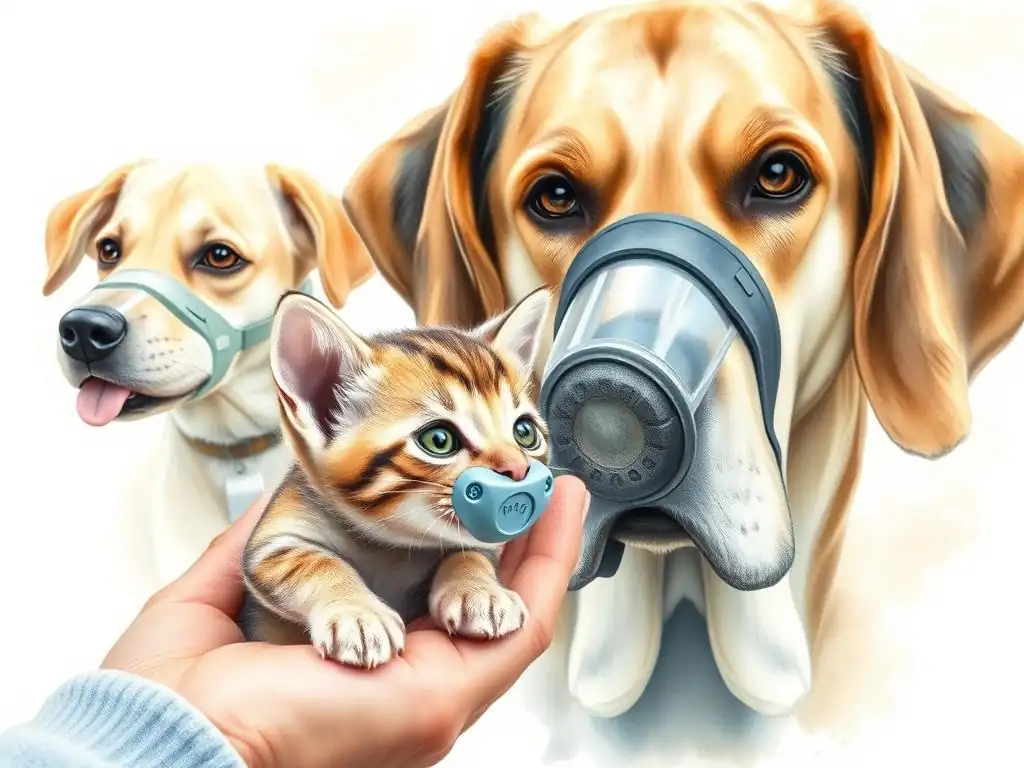
Choosing the right pet rescue breathing device is crucial for effective pet first aid. The best device depends heavily on the size and breed of your pet. Improperly sized equipment can be ineffective or even harmful. This section details suitable options for various pet sizes, helping you prepare for emergencies and potentially saving a life. Remember, this information is for educational purposes and should not replace professional veterinary training. Always prioritize contacting a veterinarian immediately following any pet emergency.
Choosing the Right Device for Small Animals (Cats, Small Dogs, Rabbits)
Small animals like cats, small dogs, and rabbits require specialized rescue breathing devices. Their delicate respiratory systems necessitate gentle, precise ventilation. Overly forceful breaths can cause lung damage.
Several options exist, catering to different needs and preferences:
- Small Animal Resuscitation Bags: These manual resuscitation bags are specifically designed with smaller volume chambers, providing the appropriate tidal volume for tiny lungs. Look for bags with adjustable flow controls for precise ventilation. They often come with appropriately sized masks to ensure a good seal.
- Miniature Face Masks: These masks are crucial for a proper seal, preventing air leakage and ensuring effective ventilation. A poorly fitting mask renders the resuscitation bag useless. Consider purchasing a few masks of varying sizes to accommodate different small animals.
- Oral Airways (for small dogs): In some cases, an oral airway may be beneficial to maintain an open airway. However, these should only be used by individuals with proper training and understanding of their application. Improper use can cause further injury.
It's essential to practice using these devices before an emergency arises. Familiarizing yourself with their operation and proper mask placement will significantly reduce stress and increase the chances of successful resuscitation. Consider taking a pet first aid and CPR course to gain hands-on experience.
Selecting Appropriate Devices for Medium-Sized Pets (Medium Dogs, Larger Cats)
Medium-sized pets, like medium-sized dogs and larger cats, present a slightly different challenge. While still requiring careful ventilation, they require a larger tidal volume than small animals. Choosing the right equipment is vital for effective rescue breathing.
Options for medium-sized pets include:
- Standard Resuscitation Bags: While still needing careful control, standard resuscitation bags are generally suitable for medium-sized animals. These bags offer a larger volume than those designed for small animals, allowing for appropriate ventilation. Ensure the mask fits snugly to prevent air leakage. A proper fit is paramount for effective rescue breathing.
- Medium-Sized Face Masks: The selection of a properly fitting mask is crucial for optimal performance. A mask that is too small will allow air leakage, reducing the effectiveness of the rescue breathing. Conversely, a mask that is too large will prevent a proper seal.
- Supplemental Oxygen: For medium-sized pets, supplementing rescue breathing with oxygen can significantly improve the chances of survival. This requires additional equipment, such as an oxygen tank and flow meter, and is best used by those with appropriate training.
Pet Rescue Breathing Equipment for Large Breeds (Large Dogs, Giant Breeds)
Large and giant dog breeds require significantly larger volumes of air for effective rescue breathing. Using incorrectly sized equipment can be highly ineffective and potentially harmful. Proper technique and equipment are paramount.
For large breeds, consider:
- Large Animal Resuscitation Bags: These bags are designed to deliver the high tidal volumes necessary for large animals. They often come with larger-sized masks to ensure a proper seal, even on larger snouts. The larger capacity is crucial for effective ventilation.
- Large Animal Face Masks: A correctly sized mask is crucial for a proper seal and effective delivery of air. Improper fit negates the effectiveness of the rescue breathing effort.
- Intubation (Advanced Technique): In some cases, particularly with large breeds experiencing severe respiratory distress, intubation might be necessary. This is an advanced procedure requiring specialized training and should only be attempted by qualified professionals. It involves inserting a tube into the trachea to deliver air directly to the lungs. Improper intubation can be extremely dangerous.
Remember, proper training is essential for using any pet rescue breathing device. Seek professional instruction in pet CPR and first aid to confidently and effectively assist your pet in an emergency. The information provided here is for educational purposes only and should not be considered a substitute for professional veterinary care. Always contact a veterinarian immediately following any pet emergency.
How to Use Pet Rescue Breathing Devices Effectively
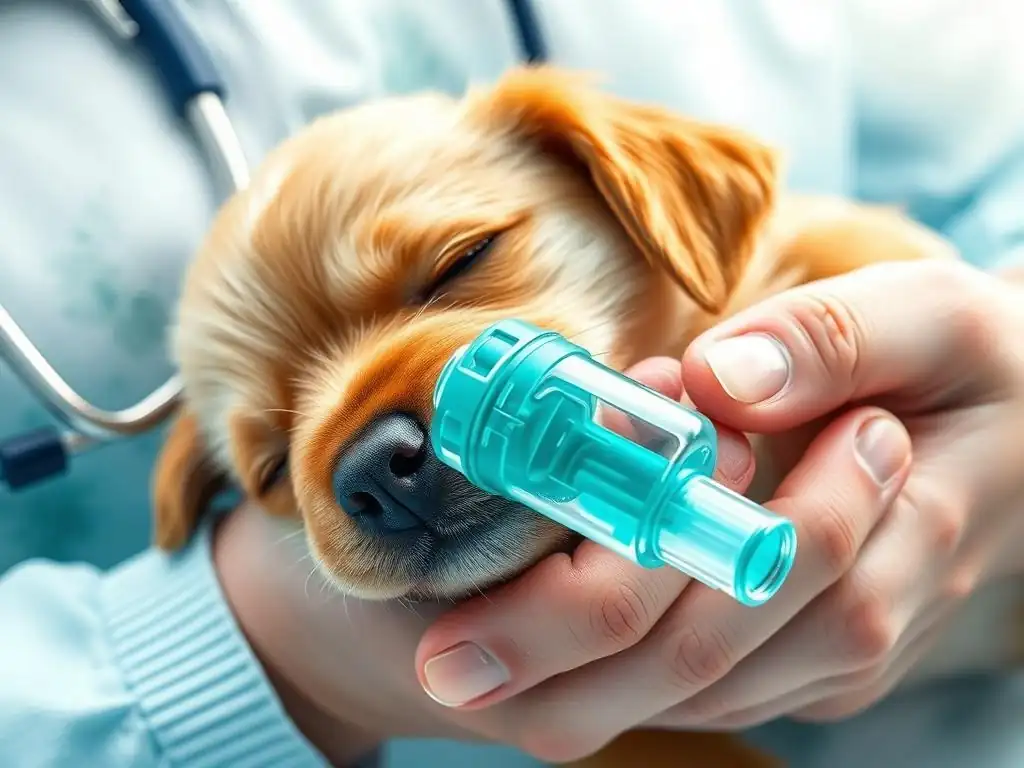
This section details the proper usage of pet rescue breathing devices, emphasizing safety and efficacy. Remember, always prioritize your safety and the pet's comfort. Improper use can be detrimental. The "best" pet rescue breathing device depends heavily on the size and species of the animal. Choosing the right device is crucial for successful rescue breathing. This guide focuses on the practical application of these devices, assuming you have already assessed the pet's condition and determined the need for rescue breathing.
Step-by-Step Guide to Performing Rescue Breathing on Small Animals
Rescue breathing for small animals like hamsters, rabbits, or small birds requires specialized techniques and often smaller devices. The delicate nature of these animals demands gentle handling and precise airflow.
- Assessment: Before initiating rescue breathing, carefully check the animal for responsiveness and breathing. Look for chest movement and listen for breath sounds.
- Device Selection: Select a small-animal resuscitation bag or a device specifically designed for rodents or birds. The volume of air delivered must be adjusted to the animal's size to avoid lung damage.
- Positioning: Gently place the animal on a stable surface. For rodents, you might need to use a small towel for support. For birds, support their body gently, maintaining a natural posture.
- Mask Placement: Securely position the mask over the animal's nose and mouth, ensuring a tight seal to prevent air leakage. A proper seal is critical for effective ventilation.
- Rescue Breaths: Deliver gentle, controlled breaths, coordinating the compression rate with the device's instructions. Observe the rise and fall of the chest to gauge the effectiveness of each breath. Avoid over-inflation of the lungs.
- Monitoring: Continuously monitor the animal's response, adjusting the breathing rate and depth as needed. Look for signs of improvement, such as increased heart rate or return of spontaneous breathing.
Administering Rescue Breaths to Medium-Sized Pets: A Practical Guide
Medium-sized pets, such as cats and small dogs, require a different approach to rescue breathing. The devices used will typically be larger and the technique slightly modified. The focus remains on delivering adequate oxygen without causing harm.
- Device Selection: For cats and small dogs, a properly sized resuscitation bag or mask is essential. The device should be able to deliver an appropriate tidal volume (the amount of air exchanged in each breath) for the animal's size.
- Positioning: Lay the animal on its side, ensuring its airway is clear. Extend the neck slightly to open the airway. For unconscious animals, gently tilt the head back.
- Mask Application: Carefully place the mask over the animal's nose and mouth, creating a good seal. A leak-proof seal is crucial for effective oxygen delivery.
- Rescue Breath Delivery: Administer rescue breaths at a rate of approximately 10-12 breaths per minute. Observe the rise and fall of the chest to ensure proper ventilation. Adjust the depth of breaths based on the animal's response.
- Monitoring and Adjustment: Regularly check the animal’s vital signs, such as heart rate and pulse. Adjust the rescue breathing rate and depth as needed, based on the animal's response.
Rescue Breathing Techniques for Large Animals: Safety and Efficiency
Large animals, such as large dogs and other livestock, present unique challenges when performing rescue breathing. Safety precautions for both the animal and the rescuer are paramount. Specialized equipment and potentially additional assistance might be needed.
- Safety First: Large animals can be unpredictable, even when unconscious. Ensure you have adequate assistance to safely control the animal during the procedure.
- Device Selection: A large-animal resuscitation bag or a suitable oxygen mask is necessary. The device must deliver a sufficient volume of air for the animal's size. Consider the possibility of using a veterinary-grade device.
- Positioning and Restraint: Properly restrain the animal to prevent movement during the procedure. This may require additional personnel or specialized equipment. Position the animal to ensure a clear airway.
- Mask Application and Ventilation: Securely apply the mask over the animal's nose and mouth, ensuring a tight seal. Deliver rescue breaths using controlled compressions, observing chest movement to monitor effectiveness. The breaths should be deep but not forceful to prevent lung damage.
- Teamwork and Monitoring: Rescue breathing for large animals often requires teamwork. One person should focus on ventilation, while others maintain restraint and monitor vital signs. Continuous monitoring is crucial to adjust the technique as needed. Be prepared for unexpected movements.
This information is for educational purposes only and does not substitute professional veterinary advice. Always seek immediate veterinary care for any animal experiencing respiratory distress.
Maintaining and Storing Pet Rescue Breathing Devices

This section focuses on the crucial aspects of maintaining and storing your pet rescue breathing devices to ensure their effectiveness and longevity. Proper care will not only extend the lifespan of your equipment but also guarantee its readiness in an emergency. Investing in the best pet rescue breathing device is only half the battle; diligent maintenance is equally vital. Neglecting this aspect could compromise your pet's safety during a critical situation.
Cleaning and Disinfecting Your Pet's Breathing Apparatus
Regular cleaning and disinfection are paramount to prevent the spread of bacteria and viruses. After each use (even if it was a practice run! ), thoroughly clean the device. The specific cleaning method will vary depending on the material of the device. For example, some devices may be made of materials suitable for autoclaving, while others might require hand-washing with a mild disinfectant solution.
Always refer to the manufacturer's instructions for specific cleaning and sterilization guidelines. Generally, the process involves:
- Pre-cleaning: Remove any visible debris or pet hair from the device using a soft brush or cloth.
- Washing: Wash the device with warm soapy water, paying close attention to all crevices and valves. Use a pet-safe, non-toxic soap.
- Disinfection: Rinse thoroughly and then disinfect the device using a veterinary-approved disinfectant. Allow sufficient drying time before storing. Never use harsh chemicals or bleach, as these can damage the device and pose a risk to your pet.
Remember, meticulous cleaning is not just about hygiene; it also helps prevent malfunctions caused by clogged valves or contaminated parts. Think of it as preventative maintenance for a potentially life-saving piece of equipment. Failing to properly clean your pet's breathing apparatus can lead to cross-contamination and compromise the effectiveness of future use.
Proper Storage to Ensure Device Functionality and Longevity
Proper storage is crucial to maintain the device's functionality and extend its lifespan. Avoid storing the device in damp or excessively humid environments, as this can promote the growth of mold and mildew. Similarly, keep it away from direct sunlight and extreme temperatures, which can degrade the materials and affect its performance.
Ideally, store the device in a clean, dry, and well-ventilated area, in its original packaging or a dedicated storage case. This protects it from damage and keeps it readily accessible in case of an emergency. Consider a waterproof container if you live in a humid climate.
A dedicated, easily accessible storage location is vital. Knowing exactly where your pet rescue breathing device is located can save precious seconds during a crisis. Designate a specific location, such as a first-aid kit, and inform all household members of its whereabouts. Regularly check the storage location to ensure that the device remains in good condition and hasn't been accidentally misplaced.
Regularly Checking Equipment for Damage or Malfunction
Regular inspection is a critical part of pet rescue breathing device maintenance. Before and after each use, visually inspect the device for any signs of damage, such as cracks, leaks, or loose parts. Pay close attention to the valves, tubing, and mask for any wear and tear. Even minor damage can compromise the device's effectiveness.
Beyond visual inspections, consider periodic functional checks. This might involve testing the device's airflow or ensuring that all parts are functioning correctly. Again, consult the manufacturer's instructions for guidance on specific testing procedures. It's better to identify potential problems proactively rather than discovering a malfunction during a life-threatening emergency. Proactive maintenance ensures that your "best pet rescue breathing device" remains truly the best. Regular checks are a small investment for a potentially large reward.
Remember, proactive maintenance is key to ensuring that your pet rescue breathing device is ready when you need it most. Regular cleaning, proper storage, and frequent checks are small but significant steps towards safeguarding your pet's well-being.
Beyond the Device: Essential First Aid for Pet Respiratory Issues
While selecting the best pet rescue breathing device is crucial, it's equally important to understand the broader context of pet respiratory emergencies. Effective first aid goes beyond simply having the right equipment; it involves a series of crucial steps to maximize your pet's chances of survival. Knowing what to do before even considering a rescue breathing device can be the difference between life and death. This section will delve into the supplementary first aid procedures vital for supporting your pet's respiratory function. Remember, these steps are preliminary; immediate veterinary care is always paramount.
Supplemental Oxygen Administration for Pets
Providing supplemental oxygen can significantly improve a pet's chances of survival during a respiratory crisis. While a rescue breathing device aids in ventilation, supplemental oxygen addresses the quality of the air reaching the lungs. Ideally, this should be done by veterinary professionals, but understanding the basics can be beneficial in emergency situations.
Several methods exist for delivering supplemental oxygen:
- Oxygen Masks: These are designed to fit snugly over the pet's nose and mouth, delivering a consistent flow of oxygen. Different sizes are available to accommodate various pet breeds and sizes. Proper fitting is essential to ensure effective oxygen delivery. Effective oxygen delivery is crucial for quick recovery.
- Oxygen Cages: These enclosures provide a high-concentration oxygen environment for the pet. They are particularly useful for smaller pets or those struggling to tolerate a mask. These cages deliver a consistent flow of oxygen, maximizing the concentration.
- Improvised Methods: In truly dire situations where professional equipment isn't immediately available, you might consider carefully placing a pet in a well-ventilated area with a source of increased airflow, such as near an open window or fan (ensure the fan is on a low setting and does not directly blow on the pet). This is not a substitute for proper oxygen therapy but can provide a temporary, minimal benefit. Caution: This method is only suitable in extreme emergencies as a temporary measure.
Effective oxygen administration requires careful monitoring of the pet's respiratory rate and overall condition. Signs of improvement may include a decrease in respiratory effort and an increase in alertness. However, always seek professional veterinary care as soon as possible.
Other Crucial First Aid Steps Before Veterinary Care
Before even considering using a best pet rescue breathing device, several other first aid steps should be prioritized. These actions can significantly improve the pet's condition and increase the likelihood of a positive outcome.
- Assessment of the Situation: Calmly assess the situation. Determine the cause of the respiratory distress if possible (e.g., choking, trauma, allergic reaction). This helps guide your subsequent actions and inform the veterinarian.
- Clearing Airway Obstructions: If there's a visible obstruction in the pet's airway (e.g., food, toy), carefully attempt to remove it. Avoid forceful maneuvers that could worsen the situation.
- Maintaining a Calm Environment: A stressed pet will experience increased respiratory distress. Maintain a calm and quiet environment to reduce the animal's anxiety. Gentle reassurance can help.
- Keeping the Pet Warm: Hypothermia can exacerbate respiratory issues. Keep the pet warm with blankets if necessary. This is especially important for small animals.
- Detailed Notes: Record the time of the incident, the observed symptoms, and any actions taken. This information will be invaluable to the veterinarian.
When to Seek Immediate Veterinary Attention
Respiratory distress in pets is a serious emergency. Do not hesitate to seek immediate veterinary attention if you observe any of the following symptoms:
| Symptom | Description |
|---|---|
| Difficulty Breathing | Labored breathing, gasping, open-mouth breathing, wheezing, or excessive panting. |
| Blue or Gray Gums | Cyanosis, indicating a lack of oxygen in the blood. |
| Collapse or Loss of Consciousness | The pet has fainted or is unresponsive. |
| Abnormal Heart Rate | Significantly faster or slower than the normal heart rate for the pet's breed and size. |
| Unusual Sounds | Gurgling, whistling, or other unusual sounds during breathing. |
Even if the pet seems to improve after initial first aid, immediate veterinary attention is still crucial. Underlying conditions may require further treatment and monitoring. Early intervention greatly increases the chances of a full recovery. Remember, the best pet rescue breathing device is only one component of a comprehensive approach to pet respiratory emergencies. Timely veterinary care is paramount.
Frequently Asked Questions about Pet Rescue Breathing Devices
This section addresses common queries regarding the practical application and acquisition of pet rescue breathing devices, crucial components of effective pet first aid. Understanding these aspects can significantly improve your preparedness and response in emergency situations. Choosing the best pet rescue breathing device for your needs depends on several factors, which will be explored below.
Are Pet Rescue Breathing Devices Difficult to Use?
Pet rescue breathing devices, while designed for emergency situations, are generally not overly complicated to use. However, proper training is absolutely essential. Many devices are designed with intuitive features, such as clear instructions and easy-to-grip components. Some, like simple resuscitation masks, require minimal training to use effectively. More advanced devices might necessitate a more comprehensive understanding of pet CPR techniques and anatomy.
The ease of use also depends on the size and species of your pet. A small device might be easier to maneuver on a small animal like a kitten, whereas a larger device might be necessary for a Great Dane. Prior practice with a device, ideally through a pet first aid course, is highly recommended. This allows you to become familiar with the equipment and build confidence in your ability to use it correctly under pressure.
Familiarization reduces stress and improves the efficiency of your response during a true emergency. Remember, practice makes perfect, and proficiency increases your chances of a successful outcome. Don't wait for an emergency to learn how to use the device; practice regularly to maintain your skills.
How Long Can I Perform Rescue Breathing Before Veterinary Care Arrives?
The duration you can perform rescue breathing before veterinary care is crucial. The answer, unfortunately, isn't a simple number. It depends on several factors:
- The pet's overall health: A healthy pet might tolerate a longer period of rescue breathing than a pet already suffering from an underlying condition.
- The severity of the situation: If the pet has suffered severe trauma, prompt veterinary attention is critical.
- Your own physical capabilities: Performing rescue breathing can be physically demanding, especially for extended periods. Fatigue can impact the effectiveness of your efforts.
While aiming for continuous rescue breathing until professional help arrives is ideal, prioritizing safe and effective rescue breathing is paramount. Take breaks if needed to avoid exhaustion and maintain proper technique. If you are unable to continue, call for help immediately. Remember, even a short period of rescue breathing can make a significant difference in a pet's survival chances.
However, continuous, uninterrupted CPR and rescue breathing is only sustainable for a limited time. The key is to start the process immediately and continue until professional help arrives. The sooner veterinary care is provided, the greater the chances of a positive outcome.
| Factor | Impact on Rescue Breathing Duration |
|---|---|
| Pet's Health | Better health allows for longer duration |
| Severity of Situation | Severe situations require faster intervention |
| Your Physical Capacity | Exhaustion limits duration |
Where Can I Purchase Pet Rescue Breathing Devices?
Pet rescue breathing devices are available from various sources. You can find them at:
- Pet supply stores: Many local and online pet supply stores stock a range of pet first aid equipment, including rescue breathing devices.
- Veterinary clinics: Your veterinarian's office might sell or recommend specific devices tailored to the needs of different pet sizes and breeds.
- Online retailers: Numerous online retailers specialize in pet supplies and offer a wide selection of rescue breathing devices at varying price points. Always check reviews and ensure the seller is reputable.
- Specialized first aid supply companies: Companies dedicated to first aid supplies often offer a range of pet-specific equipment, including high-quality rescue breathing devices.
When choosing where to purchase, consider factors like device quality, customer reviews, and the seller’s reputation for reliability. It’s advisable to choose a reputable supplier to ensure you're getting a device that meets safety standards and performs as expected in a critical situation. Investing in a high-quality device is a crucial aspect of being prepared for pet emergencies. Remember, a properly functioning device can be the difference between life and death for your beloved pet. Prioritize quality over price when making your purchase.
What are the potential risks and side effects of using pet rescue breathing devices?
Using pet rescue breathing devices, while potentially life-saving, does carry inherent risks and potential side effects. It's crucial to remember that these devices are not a replacement for professional veterinary care and should only be used in emergency situations until professional help arrives. Improper use can lead to complications, so proper training is paramount.
One significant risk is the potential for over-ventilation. Forcing too much air into the lungs can cause damage to the delicate lung tissue, leading to barotrauma—injury caused by pressure changes in the air. This can manifest as pneumothorax (collapsed lung) or other lung injuries.
The signs of over-ventilation can be subtle and may include increased abdominal distension or cyanosis (bluish discoloration of the gums). Therefore, understanding the correct ventilation rate and volume for the size and species of the pet is critical. Using a device designed for a much larger animal on a small pet, for example, significantly increases this risk.
Another risk is the potential for tissue damage. Improper insertion of the device into the mouth or airway can cause trauma to the mouth, tongue, or even the esophagus. This could lead to bleeding, swelling, or even more serious injuries that require immediate veterinary attention. Gentle insertion and careful monitoring are essential to minimize this risk.
Furthermore, there's a risk of infection. While unlikely with a sterile device, any breach of the airway carries a small risk of introducing bacteria or other pathogens, potentially leading to pneumonia or other respiratory infections. This is especially true if the device is not properly cleaned and sterilized between uses.
Finally, it's important to acknowledge that even with proper use, rescue breathing devices may not always be successful. The underlying cause of respiratory distress may be too severe, or the pet's condition may be beyond the scope of rescue breathing. The device is a tool to buy time until professional veterinary care can be obtained. It is not a guaranteed solution.
Don't delay seeking professional veterinary care even after attempting rescue breathing. Early veterinary intervention is crucial for the best possible outcome. The use of a pet rescue breathing device should always be followed by immediate transport to a veterinary clinic for assessment and treatment.
Frequently Asked Questions
What is a pet rescue breathing device?
A pet rescue breathing device is a piece of equipment used to provide artificial respiration to a pet that is not breathing or is breathing inadequately. These devices can vary in complexity and are crucial in emergency situations.
What types of pets can benefit from a rescue breathing device?
Rescue breathing devices can be used on a variety of pets, including dogs, cats, rabbits, and even small animals like birds or rodents. The size and type of device will need to be appropriate for the animal's size.
When should I use a pet rescue breathing device?
Use a rescue breathing device if your pet is unconscious and not breathing, or if their breathing is very shallow and ineffective. This is a life-threatening emergency requiring immediate action.
Are pet rescue breathing devices difficult to use?
The ease of use varies depending on the device. Some are simpler than others and may require some training to use effectively. Always practice using the device before an emergency.
Where can I find a pet rescue breathing device?
You can purchase pet rescue breathing devices from veterinary supply stores, online retailers specializing in pet first aid, and some pet stores. It's advisable to have one on hand in case of an emergency.
Final Reflection: Breathing New Life into Pet Rescue
The urgent need for effective pet rescue breathing devices is more critical than ever, a stark reminder of our shared responsibility for animal welfare. The sheer number of animals requiring emergency respiratory support underscores the importance of readily available, high-quality equipment. This article has highlighted the diverse range of options, from simple resuscitation masks to advanced oxygen delivery systems, each with its own strengths and limitations in various rescue scenarios. Choosing the right device can be the difference between life and death.
The impact of readily accessible and effective pet rescue breathing devices extends far beyond individual animal lives; it reflects a growing societal awareness of animal welfare and the ethical obligation to provide emergency care. The greatness of a nation and its moral progress can be judged by the way its animals are treated.
- Mahatma Gandhi. This quote resonates deeply, highlighting the interconnectedness of animal welfare and our own moral compass. The advancements in pet rescue breathing technology, and the increased availability of training and information, represent a significant step forward in our collective commitment to compassionate animal care.
Consider the information presented in this article. You now possess the knowledge to make informed decisions about pet rescue breathing devices. Take a moment to reflect on the scenarios discussed and visualize how this knowledge could empower you to act decisively and effectively in a critical situation. Perhaps consider taking a pet first aid course to further enhance your preparedness. Remember, the ability to provide life-saving assistance to an animal in distress is a powerful gift – a gift that can make a profound difference in the life of a vulnerable creature.
Breathe Easier: Take Action to Help Your Pet
Thank you for learning about pet rescue breathing devices! You're now equipped to make informed decisions about your pet's respiratory health. Let's put that knowledge into action.
- Choose the Right Device: Carefully consider your pet's size and needs when selecting a breathing device. Refer to the provided chart to find the best fit. This is a crucial first step.
- Share Your Knowledge: Help other pet owners by discussing the importance of pet respiratory health and the availability of rescue breathing devices. This information could be life-saving for their pets.
- Learn More: Consider taking a local pet first-aid course to learn how to properly use these devices in an emergency.
Ready to empower yourself and other pet owners? What's one step you can take today to ensure your pet has access to appropriate respiratory support?