The Benefits of Enzymatic Dental Chews for Your Pet's Oral Health
😊 Discover how enzymatic dental chews revolutionize pet teeth cleaning! PetCareWorld reveals the science behind these effective chews, promoting healthier gums and…
Read article
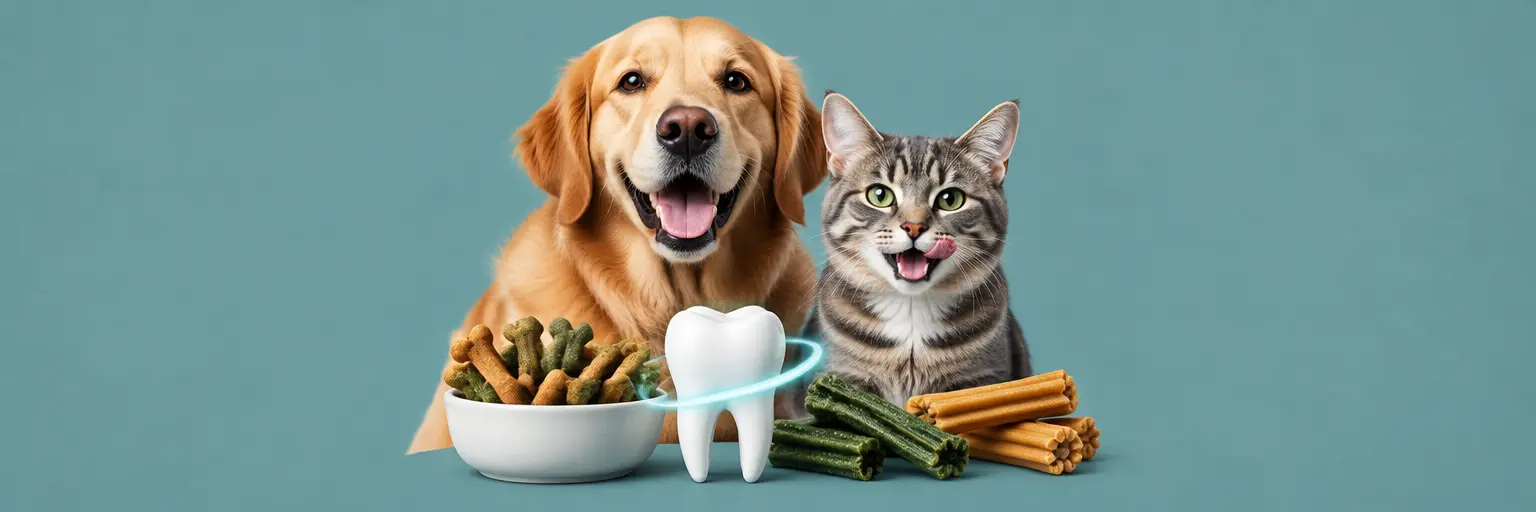
Transform your pet’s oral hygiene into a tail-wagging treat with our curated selection of dental chews and textured treats, designed to combat plaque, freshen breath, and satisfy natural chewing instincts. Say goodbye to stressful brushing sessions—these vet-recommended, enzyme-enriched sticks and rawhide-free alternatives actively scrub teeth as your furry friend enjoys every bite. From crunchy biscuits to flexible twists, each chew targets hard-to-reach molars while promoting healthy gums, making daily dental care effortless and enjoyable for dogs and cats alike. Boost your pet’s overall wellness from the inside out with tasty, digestible ingredients that support strong teeth and a happier, healthier smile—because prevention is the best medicine, and delicious chewing is the smartest start.
😊 Discover how enzymatic dental chews revolutionize pet teeth cleaning! PetCareWorld reveals the science behind these effective chews, promoting healthier gums and…
Read article
😊 PetCareWorld's dog dental chew introduction guide offers a step-by-step approach to safely and effectively incorporating dental chews into your pet's routine,…
Read article
😊 Discover the optimal frequency for giving your pet dental treats! Our Daily pet dental treat guide helps you maintain your furry…
Read articleAt PetCareWorld, our Pet Dental Care - Dental Treats and Chews subcategory is your go-to guide for keeping your furry friend’s smile bright and breath fresh. Dental disease affects over 80% of pets by age three, but the right treats and chews can significantly reduce plaque and tartar buildup. From crunchy kibble-style snacks to enzymatic chews and vet-recommended textures, we break down ingredients, effectiveness, and safety. Explore how these products complement brushing, support gum health, and even combat bad breath—all while satisfying your pet’s natural urge to chew. Let’s dive into a world of tasty, functional oral care that your dog or cat will love.
Dental treats come in various forms, each designed to tackle oral hygiene differently. Crunchy treats use abrasive textures to scrape plaque off teeth as your pet bites down, while chewy or jerky-style treats provide longer chewing sessions that stimulate saliva production, which naturally washes away bacteria. Edible chews like rawhide alternatives, sweet potato strips, and dental sticks dissolve slowly, offering mechanical cleaning plus added enzymes or antiseptic agents. For cats, smaller crunchies with a rough surface are ideal. Always check for the Veterinary Oral Health Council (VOHC) seal, which guarantees scientific proof of plaque and tartar reduction.
When choosing, consider your pet’s size, chewing speed, and dietary restrictions. Large-breed dogs need denser chews to avoid choking, while senior pets may prefer softer textures. Avoid treats with excessive sugar, artificial colors, or starches that can cause weight gain. Read ingredient lists carefully—look for chlorhexidine, zinc ascorbate, or papain as active cleaning agents. Rotate between a few types to keep your pet engaged and maximize oral benefits without overloading on calories from one source.
Dental chews are not just snacks—they are mechanical and chemical tools. The physical action of biting and gnawing creates friction that disrupts the biofilm of plaque before it mineralizes into tartar. Many modern chews add enzymes like glucose oxidase that break down bacteria in saliva, or polyphosphates that bind calcium to prevent tartar hardening. Chews with a flexible, non-brittle texture are safest, as they bend rather than splinter, reducing risk of gastrointestinal injury. Research shows that daily use of an approved chew can reduce plaque by up to 30% and tartar by 60% compared to pets eating dry food alone.
For optimal results, integrate dental treats into a daily routine—ideally after meals when saliva production is lower. The chewing duration matters: aim for at least 10 minutes of active chewing per session. However, treats alone won’t replace professional cleanings or brushing. Think of them as a supplementary tool in your pet’s oral care arsenal. If your pet has advanced dental disease, gum inflammation, or missing teeth, consult your vet to choose a softer or specially formulated chew that won’t cause pain or worsen existing conditions.
For pet owners preferring a more natural approach, several DIY options provide effective dental benefits. Carrots, celery, and apple slices offer crunchy texture that gently abrades teeth while being low in calories and rich in vitamins. Pumpkin leathers or dehydrated sweet potato strips are chewy, palatable, and help control plaque without added preservatives. Coconut oil can be frozen into small treats or spread on a chew toy—its lauric acid has antibacterial properties. Always supervise any chew, and ensure pieces are large enough to swallow safely. Never give cooked bones, antlers, or hard plastic chews, as they can fracture teeth.
Homemade treats allow you to control ingredients, avoiding common allergens like wheat, corn, or beef. However, they may lack the abrasive texture of commercial dental products. To boost effectiveness, mix in a sprinkle of dried seaweed powder (rich in iodine) or turmeric, which has anti-inflammatory benefits. If making meat-based jerky chews, dehydrate at low temperatures to kill bacteria while preserving enzymes. Remember that homemade treats still contain calories—factor them into your pet’s daily intake to prevent obesity, a known risk factor for periodontal disease.
While dental chews are generally safe, improper use can lead to emergencies. Choking hazards are highest with chews that become slippery when wet or break into large chunks. Choose chews that soften but don’t crumble, and always supervise the first few uses. For aggressive chewers, avoid hard materials like nylon or antlers that can crack teeth. A dangerous trend is chews containing xylitol, an artificial sweetener toxic to dogs—even trace amounts cause rapid insulin release and liver failure. Similarly, avoid rawhide from unknown sources, as it may contain formaldehyde or heavy metals. Stick to reputable brands with transparent sourcing.
Gastrointestinal blockages occur when pets swallow large, indigestible pieces. To minimize risk, select chews that digest in 24 hours—look for “highly digestible” on labels. If your pet has a history of pancreatitis, liver disease, or food allergies, have a vet review any new chew. Introduce one new treat at a time and monitor for vomiting, diarrhea, or lethargy. For toy breeds and cats, size down all chews and never leave them unattended. Lastly, store chews in airtight containers to prevent mold growth, and discard any treat that shows signs of staleness or rancidity.
Not all dental chews are created equal. The VOHC seal is your gold standard—it appears on brands like Hill’s Science Diet Dental Chews, Greenies, Purina DentaLife, and C.E.T. VeggieDent. These products undergo rigorous trials proving plaque and tartar reduction. Greenies, for example, use a blend of wheat gluten, glycerin, and minerals with a chewy texture that survives 10 minutes of chewing. Purina DentaLife features a porous structure that cleans hard-to-reach molars. For cats, Feline Greenies and Purina Pro Plan Dental Chew Sticks are VOHC-approved and sized for smaller jaws, offering gentle abrasion without choking risk.
When comparing brands, look beyond marketing claims. Examine calorie density—some treats contain 100+ calories, equivalent to a small meal. For pet owners with budget constraints, store brands like Petco’s WholeHearted or Chewy’s Frisco often mimic VOHC formulas at lower prices, but always verify active ingredients. If your pet is picky, try sample packs to test preferences. Remember that a treat’s effectiveness depends on consistent daily use—choose something your pet eagerly eats, or the oral benefits vanish. Pair treats with water additives or oral gels for a complete home-care system.
No, dental treats are a valuable supplement but not a replacement. Brushing physically removes plaque from all tooth surfaces, including below the gumline, which treats cannot reach. The mechanical cleaning from chews reduces plaque by 30-60%, but brushing daily—when done correctly—removes up to 90% of plaque. Use treats as a fun addition to a routine that includes vet supervised brushing and professional cleanings as needed.
Most experts recommend one dental treat per day, ideally after a meal to stimulate saliva and increase the cleaning effect. Some products, like Greenies, suggest once daily to match feeding guidelines. For overweight pets, reduce their main food portions to compensate for treat calories. Daily use is key—intermittent chewing offers little long-term benefit, so consistency matters more than the treat’s size.
Yes, but only with age-appropriate products. Puppies and kittens have deciduous (baby) teeth that are more sensitive, so choose soft, flexible chews labeled for “junior” pets. Hard or dense treats can damage developing adult teeth. Wait until your pet is at least 3-6 months old, and always supervise. Consult your vet before starting any chew routine to ensure it doesn’t interfere with jaw development or existing dental issues.
If your pet shows signs of choking—pawing at the mouth, drooling, or blue gums—immediately perform a pet-safe Heimlich maneuver (for dogs, use chest thrusts; for cats, place on their side). If the object is visible, try to remove it with tweezers. If you can’t dislodge it within seconds, rush to an emergency vet. To prevent future incidents, choose chews that soften quickly, and supervise all chew sessions.
Yes, they can significantly reduce halitosis. Bad breath is primarily caused by bacteria breaking down food particles and producing volatile sulfur compounds. Dental chews with enzymes or zinc compounds neutralize these bacteria and their byproducts. However, persistent bad breath can indicate underlying issues like kidney disease, diabetes, or oral tumors. If breath doesn’t improve within two weeks of regular chewing, seek a veterinary exam.







