The Dark Side of Fear: How Phobias Impact Your Pet's Wellbeing
🤔 Uncover the hidden suffering: Pet phobias significantly impact wellbeing. Learn how anxieties affect your furry friend's health and happiness at PetCareWorld,…
Read article

Understanding pet phobias is the first step toward helping your furry friend feel safe, secure, and stress-free. From thunderstorms and fireworks to separation anxiety, phobias can significantly impact your pet’s well-being and your bond with them. This guide offers expert insights, practical tips, and compassionate solutions to identify the signs of fear, uncover common triggers, and implement effective calming techniques. With the right knowledge, you can transform panic into confidence and ensure your companion thrives emotionally and physically—because a happy pet starts with a fearless heart. Let’s dive into the science and solutions behind these common challenges, empowering you to be the supportive, informed owner your pet deserves.

🤔 Uncover the hidden suffering: Pet phobias significantly impact wellbeing. Learn how anxieties affect your furry friend's health and happiness at PetCareWorld,…
Read article
😊 Overcoming pet phobias requires patience and persistence. PetCareWorld offers expert guidance on gradually desensitizing individuals to pets, fostering a positive and…
Read article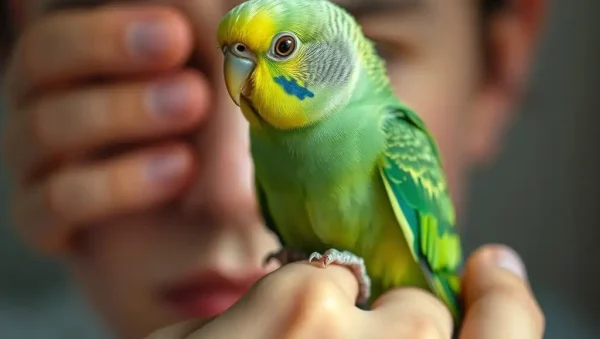
😊 Discover effective bird phobia treatment advice within PetCareWorld's expert guide, "Feathered Fears." Learn to understand and alleviate avian phobias, ensuring a…
Read articleWelcome to PetCareWorld’s dedicated guide on pet phobias, a critical subset of pet behavior within our broader Pet Health & Nutrition category. Phobias—intense, irrational fears—can profoundly impact your companion’s quality of life, leading to chronic stress, destructive behavior, and even physical illness. Here, we explore the roots of these fears, from thunderstorm anxiety to separation distress, and provide actionable, science-backed strategies for prevention and management. Our aim is to help you recognize early warning signs, build resilience, and foster a safe, nurturing environment that transforms fear into confidence. Whether you have a timid kitten or a high-strung parrot, you’ll find expert insights tailored to your pet’s unique emotional needs.
Phobias in pets often crystallize around specific environmental stimuli. Noise phobias—such as fear of fireworks, thunder, or vacuum cleaners—are the most prevalent, affecting up to 50% of dogs in some studies. However, cats, birds, and small mammals also develop intense reactions to sudden sounds, unfamiliar objects, or even new people. Social phobias, like fear of other animals or strangers, can arise from inadequate early socialization or a single traumatic event. Understanding these triggers is the first step toward effective intervention.
At PetCareWorld, we emphasize that phobic responses are not mere “bad behavior” but neurological and physiological reactions. When a pet perceives a threat, its amygdala hijacks the body, releasing cortisol and adrenaline. This can manifest as trembling, hiding, excessive vocalization, or even aggression. By identifying your pet’s specific trigger patterns—keeping a diary of episodes—you can tailor a desensitization plan. For example, create a safe space with soundproofing or use pheromone diffusers to ease anxiety. Remember, early identification prevents the phobia from generalizing to other similar stimuli.
Pets rarely “tell” us they are scared in human words. Instead, they communicate through body language, which can be subtle until a full panic attack erupts. Early signs include pacing, lip licking, tucked tails, flattened ears, dilated pupils, and sudden clinginess. In more severe cases, you may observe drooling, panting, inappropriate elimination, or destructive scratching at doors and windows. Birds might pluck their feathers, while cats may spray urine or hide for days. These signs indicate that your pet’s stress threshold has been exceeded, not that they are being “naughty.”
Learning to read these cues is pivotal for intervention before a phobic response escalates. We recommend installing a pet camera to observe behavior when you are absent, as many phobias flare during owner departure. Also, note the duration and intensity of reactions—a brief startle is normal, but prolonged distress signals a deeper issue. By distinguishing between mild fear and a full-blown phobia, you can decide whether to implement home-based counterconditioning or seek professional help. Early recognition also prevents chronic anxiety from damaging your pet’s immune system and shortening their lifespan.
Desensitization involves gradually exposing your pet to a feared stimulus at an intensity so low that it doesn’t trigger fear, then slowly increasing it over days or weeks. For instance, if your dog fears thunder, play a low-volume recording of a storm while offering high-value treats. The goal is to keep your pet relaxed; if they show distress, you’ve gone too fast. Counterconditioning pairs the scary stimulus with something wonderfully positive, like chicken or playtime, to rewire the emotional association. These methods are proven to reduce phobic responses by up to 70% when performed correctly.
Execution requires patience and careful observation. Start with a “safety” baseline—your pet should be calm and interested in food before you introduce any noise. Use a clicker or verbal marker to signal treats exactly when the sound plays. In contrast, avoid flooding (forcing your pet to face the fear full-on) as it often worsens the phobia. We also advise implementing a “retreat” route so your pet can choose to leave the situation. Overlapping techniques like puzzle feeders can further distract and engage their brain. With consistent practice, your pet learns that the stimulus predicts rewards, effectively neutralizing the fear response at the neurological level.
Pets suffering from phobias need a sanctuary where they can retreat and feel secure. Designate a quiet room or a covered crate that is always accessible, filled with familiar bedding, toys, and an article of your clothing that carries your scent. This space should not be used as punishment—only as a voluntary refuge. Additionally, consider soundproofing options: double-paned windows, heavy curtains, or white-noise machines can mask outside triggers like construction or traffic. For noise-sensitive pets, playing calming music, especially with a low-frequency beat, has been shown to reduce stress markers.
Predictability is another powerful antidote to phobia. Maintain fixed feeding, walking, and playtimes to reduce the novelty that fuels fear. If separation anxiety is the core issue, practice short departures, gradually lengthening them while ignoring your pet’s excitement on return. Use interactive cameras with treat dispensers to reward calm behavior remotely. For outdoor triggers, like a fear of cars, start by sitting near a parked car while feeding treats, then progress to short, slow drives. Remember, a cluttered home full of sudden noises can amplify anxiety, so keep a tidy, calm atmosphere. Always pair environmental changes with positive reinforcement—your pet’s safety space must feel like a reward, not a cage.
Not all phobias can be managed with DIY methods alone. If your pet’s fear leads to self-injury, severe aggression, or a refusal to eat, it’s crucial to consult your veterinarian. They can rule out underlying medical conditions—such as thyroid issues or chronic pain—that may exacerbate fearfulness. Your vet might prescribe short-term anti-anxiety medications, like selective serotonin reuptake inhibitors (SSRIs) or fast-acting benzodiazepines for acute events. These are not “crutches” but tools to reduce panic so that behavioral training can take root. In parallel, a certified veterinary behaviorist can craft a personalized desensitization protocol.
Professional help is also essential for species-specific needs. For example, exotic pets like parrots may require an avian behaviorist, while horses need equine specialists. In many cases, telehealth consults are available, making expert guidance accessible even in remote areas. During your visits, bring a detailed video log of your pet’s phobic episodes—this is invaluable for accurate diagnosis. Moreover, consider group classes for social phobias, where a controlled environment allows gradual exposure to other animals. Investing in experts not only shortens recovery time but also prevents behavioral deterioration. Remember, asking for help is a sign of responsible ownership, not failure.
In most cases, phobias can be successfully managed to the point where the pet no longer experiences panic, though a full “cure” is rare. With consistent desensitization and counterconditioning, you can reduce the intensity of the fear response by 80-90%. Some pets may still show mild startle reactions but recover quickly. Long-term management often involves lifestyle adjustments and, in some cases, ongoing medication. Early intervention yields the best results, so never delay treatment.
Yes. A fear is a normal, temporary reaction to a genuine threat—like flinching at a loud bang—and subsides once the stimulus is gone. A phobia is a persistent, exaggerated response to a harmless or non-life-threatening stimulus, lasting an extended period and interfering with daily life. For example, a dog trembling for hours at every distant thunder rumble has a phobia. Recognizing this difference helps you decide whether to simply soothe your pet or implement formal behavioral therapy.
Immediate aids include Thundershirts (pressure wraps), which provide comfort via gentle constriction, and pheromone diffusers like Adaptil for dogs or Feliway for cats. Treat-dispensing toys can distract your pet. Never force your pet into a tenha space; instead, let them choose a safe zone. For severe episodes, your vet may prescribe trazodone or alprazolam for short-term use. Always test any product in advance so your pet is familiar with it when an episode occurs.
Absolutely. Phobias can emerge at any age due to a single traumatic event, a painful medical condition, or cumulative stress. For instance, a dog who suddenly becomes noise-averse after a thunderstorm with a power outage may develop a generalized sound phobia. Similarly, a senior cat might develop a fear of stairs after a joint injury. This underscores the need for continuous observation and proactive training. Even well-adjusted adults can regress if their environment becomes unpredictable.
Yes, but only by using calm, neutral body language. Petting or speaking soothingly while your pet is in a panic can inadvertently reinforce the anxiety because you are rewarding the “upset state.” Instead, offer a gentle presence, keep your voice low, and engage in a quiet activity like reading. If your pet approaches you, allow closeness; if they hide, let them. The best “comfort” is to remain a stable, non-reactive anchor. Never punish fear—that heightens distress.







