The Elimination Diet: A Powerful Tool for Identifying Food Allergies
🤔 Suspect your dog has food allergies? Discover how a carefully planned dog food allergy elimination diet, as detailed in our expert…
Read article
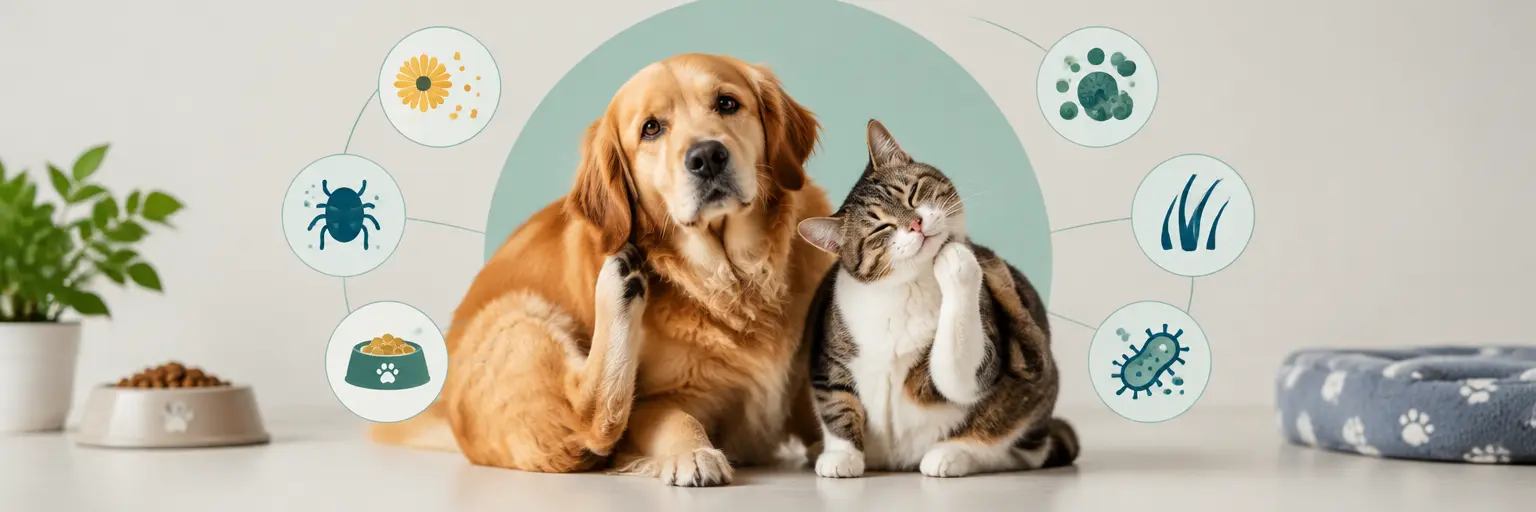
Discovering that your furry friend is scratching, sneezing, or dealing with mysterious skin issues can be concerning, but identifying pet allergies is the first crucial step toward relief. Recognizing the subtle signs—from excessive licking and ear infections to digestive upset and chronic itching—helps you distinguish between environmental triggers, food sensitivities, or flea-related reactions. Our expert-backed guidance walks you through common allergens, diagnostic methods like elimination diets and vet-performed allergy tests, and practical observation tips to pinpoint the root cause. Early detection not only soothes your pet’s discomfort but also prevents secondary infections and improves their long-term quality of life. Whether you’re dealing with seasonal pollen, household dust mites, or specific proteins in their bowl, mastering the art of identification empowers you to make informed choices—ensuring a happier, healthier companion. Let’s dive into the telltale clues your pet is sending and turn that scratch into a sigh of relief.

🤔 Suspect your dog has food allergies? Discover how a carefully planned dog food allergy elimination diet, as detailed in our expert…
Read article
🤔 Discover common pet food allergy symptoms and learn how to identify and manage them in your beloved companion. PetCareWorld offers expert…
Read article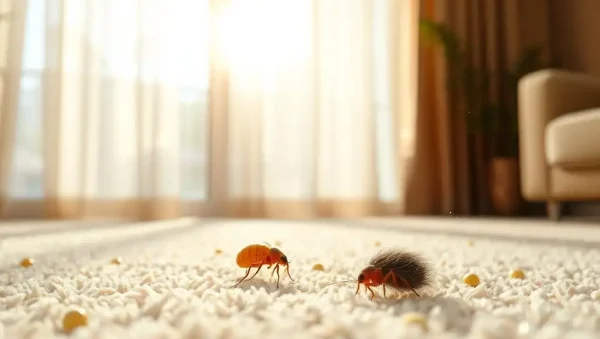
😊 Pet allergies in the home? This article reveals common environmental triggers, from pollen infiltrating your home to microscopic dust mites, helping…
Read articleWelcome to PetCareWorld’s essential guide on identifying pet allergies. Whether you’re dealing with a sneezing dog, a scratching cat, or a bird with irritated skin, recognizing the signs early is crucial for your companion’s comfort and long-term health. This subcategory dives deep into the science of allergic reactions in pets, helping you distinguish between food sensitivities, environmental triggers, and contact irritants. With expert-backed advice and practical checklists, you’ll learn to spot subtle symptoms before they escalate, ensuring your furry, feathered, or scaled friend receives the relief they deserve. Let’s unravel the mystery behind pet allergies together, from first itch to final diagnosis.
Pets often display allergies through skin, ear, and gastrointestinal signs rather than the classic sneezing seen in humans. In dogs, chronic scratching, licking paws, recurrent ear infections, and hot spots are primary indicators, while cats may show overgrooming, facial scabs, or respiratory distress. Birds present with feather plucking, and reptiles can exhibit skin blisters or shedding issues. Early identification of these patterns prevents secondary infections and reduces discomfort. Keep a symptom diary—note the season, diet changes, and frequency—as this log becomes invaluable for your veterinarian when narrowing down triggers. Also, watch for behavioral shifts like lethargy or irritability, which often accompany allergic flare-ups.
Understanding that allergies can mimic other conditions, such as parasites or hormonal imbalances, is vital. A thorough physical exam and history-taking by a professional, combined with your observations, typically rule out non-allergic causes. Red-flag symptoms like severe swelling, hives, or breathing difficulty require immediate emergency care, as they may signal anaphylaxis. For most cases, however, symptoms are manageable once identified. Familiarize yourself with your pet’s normal baseline—this makes deviations noticeable early, allowing prompt intervention and preventing chronic discomfort from becoming a way of life.
Environmental allergies, known as atopy, stem from inhaled allergens like pollen, mold, dust mites, or grass, and are often seasonal initially but may become year-round. Food allergies, conversely, involve an immune response to specific proteins (commonly beef, chicken, dairy, or wheat) and typically manifest as chronic itching, digestive upset, or ear infections. Differentiating the two is pivotal because treatment paths diverge significantly—atopy often requires immunotherapy or antihistamines, while food allergies demand strict dietary trials. A key clue: environmental allergies often respond to changes in weather, whereas food reactions remain constant if the offending ingredient persists.
To confirm, veterinarians recommend an elimination diet lasting 8–12 weeks, using a novel protein or hydrolyzed protein source. During this period, your pet must consume only the prescribed food and water—no treats, flavored medications, or table scraps. If symptoms improve, a challenge phase reintroduces potential allergens one at a time to pinpoint culprits. For atopy, intradermal skin testing or blood serum tests can identify specific environmental triggers. Keep in mind that many pets suffer from both types simultaneously, so a comprehensive approach, guided by your vet, ensures no trigger is overlooked. Patience and meticulous record-keeping are your best allies here.
When you suspect allergies, a veterinary consultation is non-negotiable. The diagnostic journey begins with a detailed history and physical exam, where your vet checks for lesions, ear inflammation, and skin infection. Secondary bacterial or yeast infections are common and must be treated first, as they cause their own itching, masking the underlying allergy. After ruling out parasites via skin scrapings or flea combing, the vet may suggest cytology to identify microbes. Blood tests can screen for allergic antibodies, though they are not definitive alone—skin testing remains the gold standard for environmental allergens, especially in dogs.
For food allergies, the elimination diet is the only reliable diagnostic tool, not blood tests, which often yield false positives. During the trial, keep a strict log of symptoms and any accidental exposures. If your pet’s condition stabilizes significantly, you’ve likely found your answer. In complex cases, your vet might refer you to a veterinary dermatologist, who can perform advanced procedures like intradermal testing or patch tests for contact allergies. Remember that diagnosing allergies is a process of elimination (pun intended), not a single blood draw. Trust the process, ask questions, and advocate for your pet’s comfort at every step.
Once identified, allergies are managed, not cured. Anti-inflammatory medications like corticosteroids or newer drugs such as oclacitinib (Apoquel) provide rapid itch relief, while antihistamines (e.g., cetirizine) work best for mild cases, though their efficacy varies. Immunotherapy—allergy shots or sublingual drops—desensitizes your pet over time, offering a long-term, side-effect-minimal solution. For food allergies, strict avoidance of trigger proteins is the only cure; choose limited-ingredient commercial diets or home-cooked meals under veterinary guidance. Environmental control includes using HEPA filters, washing bedding weekly in hot water, and wiping your pet’s paws after outdoor walks to reduce allergen contact.
Topical treatments like medicated shampoos (containing oatmeal, aloe, or phytosphingosine) soothe irritated skin and remove allergens from the coat. Omega-3 fatty acid supplements strengthen the skin barrier, reducing allergen penetrance. For ear infections, regular cleaning with vet-prescribed solutions prevents chronic flare-ups. Lifestyle tweaks—such as keeping windows closed during high pollen seasons, mowing lawns short, and bathing pets more frequently—are proactive measures. Consistency is key; allergies are lifelong, so integrate these routines seamlessly. Always consult your vet before starting medication, as overdosing or misuse can cause serious side effects, especially in cats who are sensitive to certain drugs like acetaminophen.
Living with allergic pets while owning other animals or children adds complexity. If one pet is allergic, ensure cross-contamination is minimized—for example, feeding all pets separately to prevent food sharing. Strict hygiene is non-negotiable: wash hands after handling pets who have been outdoors, vacuum frequently with a HEPA-equipped cleaner, and designate allergy-free zones like bedrooms. Children should be taught to gently play without pulling fur or exposing pets to stress, as stress exacerbates allergic flare-ups. For families, consider hypoallergenic breeds if acquiring a new pet, though no breed is completely allergy-free—individual differences always apply.
If your pet’s allergy is environmental, create a “safe room” with low allergen exposure, such as a room without carpets or upholstered furniture. Regularly launder pet bedding and toys, and consider air purifiers with activated carbon filters. For kids with their allergies, limit pet exposure during high-shedding seasons and encourage handwashing after petting. It’s also vital to educate family members on recognizing symptom flare-ups so interventions happen promptly. Balance is achievable—with thoughtful planning, many households successfully manage an allergic pet without compromising love or companionship. Open communication with your vet and allergist (if family members are affected) ensures everyone, human and pet, thrives.
The earliest signs often include persistent scratching, licking, or chewing at paws, face, or rear, along with redness or inflammation of the skin. You may also notice recurrent ear infections, hair loss, or a musty odor from yeast overgrowth. In cats, overgrooming leading to bald patches is common. Pay attention to sneezing, watery eyes, or digestive issues like vomiting after meals, which may indicate food allergies. Keep a symptom journal to share with your vet.
Typically, you must strictly follow the elimination diet for at least 8 to 12 weeks to see meaningful improvement. Some pets respond within 2–4 weeks, but others require the full duration. During this period, your pet must consume only the prescribed diet and plain water—no treats, chews, or flavored medications. If symptoms progressively improve, the diet is working; afterward, you’ll reintroduce potential allergens one at a time to identify triggers. Patience and vigilance are essential for accurate results.
While home test kits for pets exist (e.g., saliva or fur-based blood tests), they are not scientifically validated and often produce unreliable results. The only FDA-approved and veterinarian-recommended methods are intradermal skin testing, serum allergy tests (for environmental allergens only), and elimination diets (for food). DIY tests can misdiagnose and delay proper treatment, leading to prolonged discomfort. Always consult your veterinarian for a professional assessment—they can guide you through the most accurate diagnostic path for your specific pet.
Yes, certain breeds have a genetic predisposition. In dogs, breeds like Golden Retrievers, Labrador Retrievers, Bulldogs, French Bulldogs, and West Highland White Terriers are prone to atopy and food allergies. Cats like Siamese, Devon Rex, and Sphynx are also more susceptible. However, any pet can develop allergies regardless of breed or mixed status. Early recognition and management are more important than breed alone. Discuss your pet’s lineage and history with your vet to tailor preventive care and monitoring.
An allergy involves the immune system, producing an exaggerated reaction to a harmless protein, leading to symptoms like itching, hives, or anaphylaxis. An intolerance, on the other hand, is a digestive system issue where your pet lacks an enzyme to break down a component (e.g., lactose), causing gas, diarrhea, or vomiting, but no immune response. Food intolerances don’t show up on allergy tests and are managed by dietary avoidance, not immunotherapy. Your vet can help distinguish between the two through symptom review and dietary trials.







