Dog Training Techniques: Transform Your Canine Companion with Proven Methods
Welcome to PetCareWorld’s dedicated hub for Dog Training Techniques—your ultimate guide to unlocking your dog’s full potential through science-backed, humane, and highly effective methods. Whether you’re raising a playful puppy or rehabilitating a rescue, our expertly curated content covers everything from positive reinforcement and clicker training to solving stubborn behavioral issues. Here, you will discover actionable step-by-step strategies, professional insights, and troubleshooting tips designed to strengthen your bond, improve obedience, and ensure a happier, well-adjusted life for your furry friend. Dive in to master the art of communication with your dog and turn training challenges into rewarding milestones.
🐾 Foundational Obedience: Sit, Stay, Come, and Heel
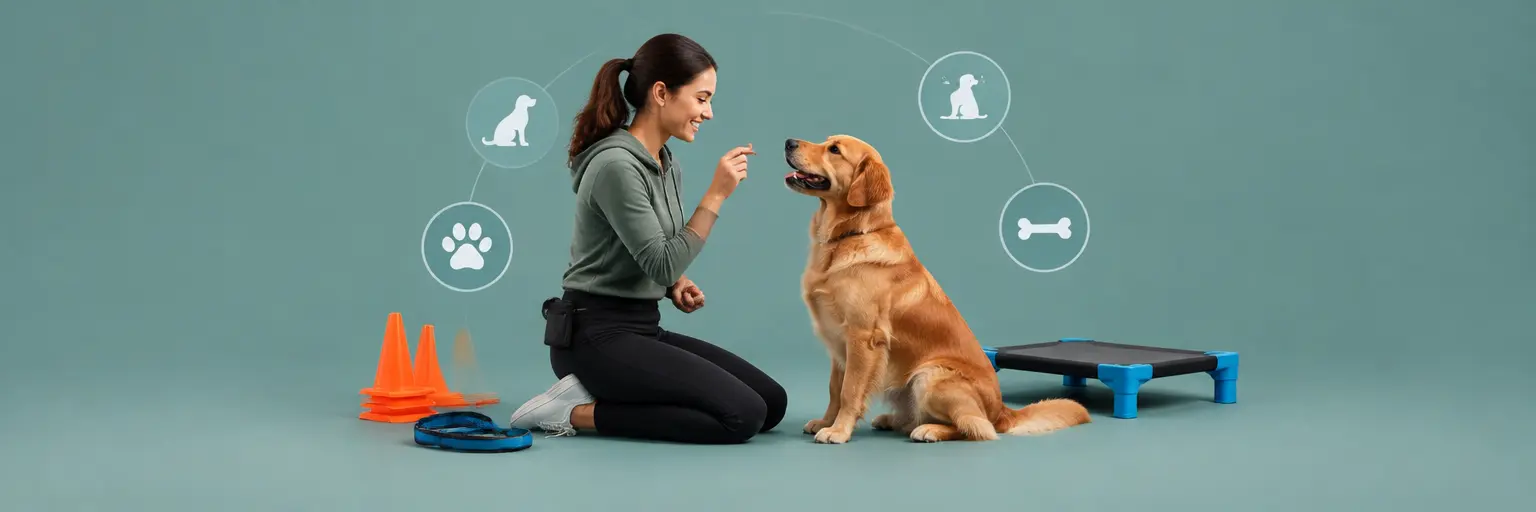
Mastering basic commands is the cornerstone of any successful training journey. In this section, we break down age-old cues like sit, stay, come, and heel into simple, digestible steps that work for dogs of all ages and breeds. You’ll learn how to use high-value treats, clear verbal markers, and consistent hand signals to build a rock-solid foundation. Expect practical advice on timing, session length, and how to fade rewards gradually so your dog obeys reliably even in distracting environments.
We also address common pitfalls, such as accidental reinforcement or overtraining, and provide solutions to keep your sessions fresh and engaging. From teaching a solid “leave it” to mastering loose-leash walking, this facet ensures you have the tools to communicate your expectations effectively. By prioritizing patience and positive association, you’ll transform routine training into a fun, collaborative game, setting the stage for more advanced techniques later.
🎯 Clicker Training & Marker-Based Methods for Precision
Clicker training is a powerful, science-proven approach that uses an audible marker—the click—to instantly pinpoint desired behaviors, making learning faster and more precise. Here, we explore the psychology behind marker-based systems, showing you how to charge the clicker, time your clicks accurately, and pair them with reinforcing rewards. Whether you’re shaping complex tricks or refining everyday manners, this method reduces confusion and accelerates progress. Expect detailed scripts, troubleshooting tips for common mishaps, and advice on transitioning the click to real-world scenarios.
You’ll also discover how clicker training builds confidence, especially in timid or reactive dogs, by rewarding incremental successes. We provide examples of shaping new behaviors step-by-step, such as teaching a “touch” or a “spin,” which encourages creative problem-solving and deepens your dog’s focus. This section is ideal for owners who value clear communication and want a technical yet accessible approach to training that yields exceptional results across all skill levels.
🔄 Positive Reinforcement vs. Corrective Techniques: Pros & Cons
The training world is divided between reward-based methods and those that use corrections like leash pops or spray collars. This critical section compares both philosophies, citing modern behavioral science and expert consensus. We highlight how positive reinforcement builds trust, reduces anxiety, and fosters long-term compliance, while corrective techniques often risk side effects like fear and aggression. Expect a balanced look at when corrections were historically used, why they fall short today, and how to achieve the same results with purely ethical methods.
You’ll learn practical alternatives to punishment, such as management, redirection, and boundary setting, that solve problems without stress. We also debunk myths about “dominance” and alpha theory, replacing them with leadership through predictability and rewarding good choices. By the end, you’ll feel confident choosing a training path that prioritizes your dog’s emotional well-being while delivering impressive obedience—a win-win for any pet parent.
🧠 Solving Common Behavior Problems: Barking, Digging, Jumping & More
Excessive barking, digging, jumping, or destructive chewing are among the most frustrating challenges for dog owners. This targeted section provides step-by-step intervention plans for each issue, focusing on root-cause analysis rather than quick fixes. For instance, you’ll learn why your dog barks at the mail carrier and how to desensitize them with counter-conditioning. Expect actionable strategies that combine environmental management, exercise adjustments, and rewarding calm behavior to reduce unwanted actions permanently.
We also cover separation anxiety, leash reactivity, and resource guarding, offering compassionate yet effective protocols that respect your dog’s emotional state. Each article includes real-life case studies and expert Q&A snippets to help you adapt techniques to your unique situation. By understanding the “why” behind the behavior, you’ll preempt future relapses and create a more peaceful home environment. This is your go-to resource for turning frustrating habits into manageable, positive routines.
🏆 Advanced Tricks & Canine Sports: Agility, Nosework & Trick Titles
Once basic obedience is solid, many owners crave mental stimulation and physical challenges. This exciting section covers advanced tricks like weaving through legs, rolling over, and retrieving specific objects by name, along with intros to competitive sports such as agility, nosework, rally obedience, and trick dog titles. Expect training plans that break down complex sequences into small, achievable steps, emphasizing safety and fun. We provide tips on equipment, trial etiquette, and how to keep training motivating under pressure.
You’ll also discover how these activities channel your dog’s natural instincts, improve confidence, and provide excellent bonding opportunities. Whether you aim for a casual hobby or serious competition, we guide you through conditioning, handling skills, and mental prep. Real-world advice from experienced trainers and competitors helps you navigate obstacles like trial anxiety or tricky course maps. This section transforms playtime into purpose, ensuring your dog remains engaged, fit, and eager to learn throughout their lifetime.
Frequently Asked Questions
How long does it take to see results with positive reinforcement training?
Most dogs grasp simple cues like “sit” within 5–10 short sessions, but reliable obedience in distractions can take 4–8 weeks. Consistency, timing, and high-value rewards are key. Puppies learn faster due to their plasticity, while adult dogs may take longer if they have entrenched habits. Dedicate 5-minute sessions twice daily for the best progress.
Is clicker training suitable for aggressive or fearful dogs?
Absolutely—clicker training is often the top recommendation for reactivity and fear because it avoids pressure and builds trust. The click marks safe, calm behavior, which you then reinforce. It allows slow, controlled desensitization to triggers. Always consult a professional behaviorist for severe cases, but the method’s low-stress nature makes it ideal.
What should I do if my dog refuses a treat during training?
Refusing food often means your dog is overstimulated, stressed, or not hungry. Try a quieter environment, reduce session length, or switch to higher-value rewards like chicken or cheese. Alternatively, use a toy or praise as a reinforcer. Ensure your dog has a break and try again later—never force it.
Can you train an older dog successfully?
Yes! Senior dogs are fully capable of learning new behaviors, though they may require more patience and shorter sessions due to joint issues or fading sight. Focus on low-impact tricks, use gentle cues, and prioritize mental enrichment. Many older dogs appreciate the engagement, and it helps keep their minds sharp.
How do I stop my dog from pulling on the leash?
Stop walking whenever your dog pulls, and only resume when the leash is slack. Reward him for checking in with you using treats, and practice “heel” in low-distraction areas first. Use a front-clip harness for better control. Consistency is crucial—never let pulling by accident, or the behavior will persist.