Unleash Your Dog's Potential: Advanced Training Secrets Revealed
🐶 Unlock your canine companion's full potential with PetCareWorld's expert guide. Discover advanced dog training secrets to build a stronger bond and…
Read article
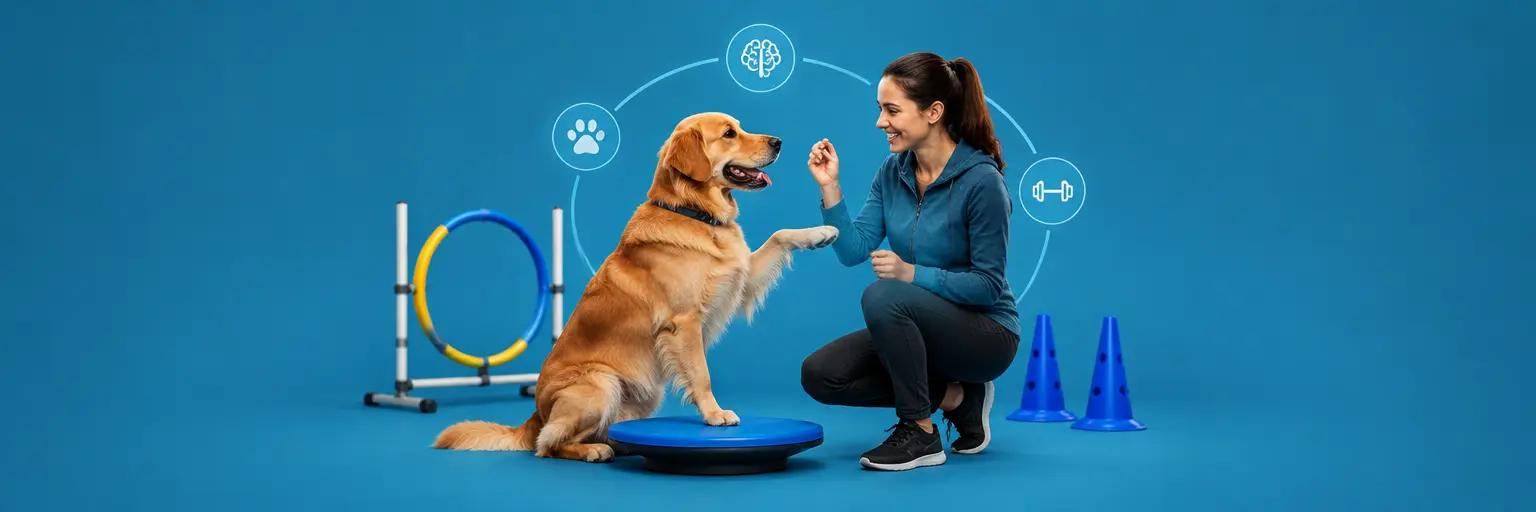
Unlock your dog’s hidden potential with our advanced training & tricks guide—designed for pet owners ready to move beyond basic obedience. Whether you’re teaching your pup to fetch your slippers, weave through obstacles, or master impressive agility feats, these step-by-step techniques boost mental stimulation, strengthen your bond, and turn every session into a fun challenge. From precision commands and fun stunt sequences to problem-solving games that curb boredom, you’ll learn how to communicate clearly and reward smartly. Ideal for energetic breeds or clever canines craving more mental work, our expert-approved methods adapt to your dog’s pace and personality—making training rewarding for both of you. Start today and watch your furry friend shine as a confident, well-mannered superstar. 🐾
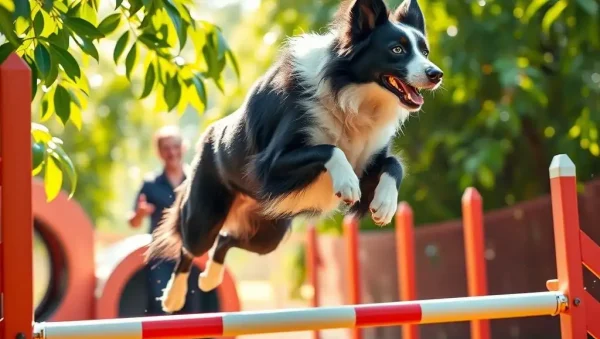
🐶 Unlock your canine companion's full potential with PetCareWorld's expert guide. Discover advanced dog training secrets to build a stronger bond and…
Read article
🤔 Unlock your dog's potential with PetCareWorld's expert guide to advanced dog behavior problem solving. Master advanced techniques and transform challenging behaviors…
Read article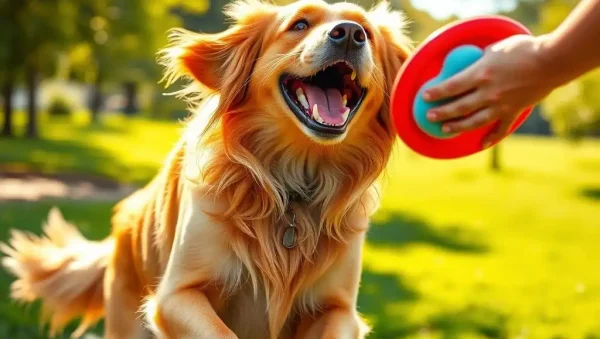
😊 Master the art of "Teach dog fetch any object" with our expert guide! Learn foolproof techniques to reliably retrieve anything, anywhere,…
Read article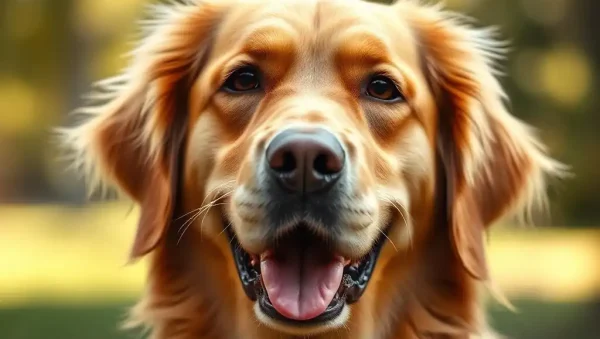
🤔 Unlock deeper canine understanding! PetCareWorld's "Fine-Tuning Canine Communication" guide provides advanced dog body language training techniques, empowering you to truly connect…
Read articleWelcome to PetCareWorld’s definitive guide on Advanced Dog Training & Tricks, where we transform a well-behaved dog into a dazzling performer and a focused companion. This subcategory goes beyond basic sit-stay commands, diving into complex behaviors, mental stimulation, and precision work. Whether you dream of teaching your dog impressive agility moves, reliable off-leash control, or simply want to strengthen your bond through challenging activities, this resource hub is your roadmap. Here, we combine positive reinforcement techniques, canine psychology, and step-by-step instructions to help you achieve remarkable results safely and effectively.
Mastering precision heeling is the cornerstone of advanced obedience, moving beyond a simple walk into a synchronized dance. This section breaks down the mechanics of focused heeling, where your dog maintains constant eye contact and perfect positioning regardless of distractions. You will learn the “pivot” and “finish” commands, essential for competitive obedience and impressive daily walks. Expect detailed cueing strategies, proofing techniques for crowded parks, and troubleshooting for common issues like lagging or forging, ensuring your dog performs with military-grade accuracy.
Off-leash reliability is the ultimate test of your training partnership. Here, we emphasize the importance of building a strong “check-in” behavior and using a 10-step fading process to transition from a long line to full freedom. We cover emergency recalls, distance control, and distraction management, all rooted in reward-based motivation. By developing a rock-solid off-leash foundation, you unlock a new level of outdoor enjoyment, knowing your dog will stay safe and responsive even in stimulating environments.
Advanced training isn’t just about physical actions; it’s about tapping into your dog’s problem-solving abilities. This section introduces shaping and free-shaping techniques, where you use a clicker to capture and refine spontaneous behaviors. We guide you through teaching your dog to identify objects by name, differentiate between colors, and perform multi-step puzzles. These activities provide intense mental enrichment, reducing anxiety and boredom-related behaviors. Expect detailed protocols for “101 Things to Do with a Box” and complex scent discrimination games that will genuinely impress your friends.
Brain work also includes teaching your dog to navigate obstacle courses via hand signals alone, a skill that boosts cognitive flexibility. We offer step-by-step plans for hide-and-seek variations, where your dog must find you based on memory and scent, and interactive toys that require logical sequencing. With our guidance, you will learn how to read your dog’s learning cues, adjusting difficult levels to avoid frustration. This mental workout strengthens your bond and channels your dog’s energy into positive, constructive outlets.
Move beyond the basics like shake and roll over; here we tackle spectacular tricks that require coordination and confidence. From teaching your dog to balance a treat on their nose until released, to mastering the “weave through legs” pattern and walking backward on command, we cover it all. Each trick comes with breakdowns into micro-steps, using luring and capturing methods to ensure success. We’ll also introduce “play dead” variations, the “army crawl,” and even fetch specific named toys from a pile, turning your pup into a household entertainer.
Trick training is a powerful tool for building body awareness and core strength. This section includes advanced balance tricks, like standing on a platform or a rolling barrel, which are fantastic for coordination. We emphasize safety, showing you how to spot your dog and use non-slip surfaces. As your dog masters these skills, you'll notice improved impulse control and attention span. Our expert tips on chaining tricks into complex sequences will keep sessions exciting, making training a fun game rather than a chore.
Advanced training often benefits from specialized equipment, but using it incorrectly can hinder progress. We provide an in-depth look at target sticks, platforms, and mat training for impulse control, explaining how to fade each tool to ensure your dog works independently. This section also covers the proper use of long lines (20-50 ft) and harnesses designed for freedom, without causing shoulder damage. You’ll understand the pros and cons of clickers versus verbal markers, and when to use each for maximum clarity in complex behaviors.
Safety is paramount when pushing physical and mental limits. We dedicate significant content to preventing overexertion, especially for puppies or senior dogs, including orthopedic care and proper warm-up routines. Learn how to read your dog’s body language to spot signs of stress, allowing you to modify sessions before negative behaviors arise. From choosing the right treats for high-value motivators to setting up a safe indoor training area, this guidance ensures your advanced training journey remains injury-free and enjoyable for both of you.
If you are aiming for the show ring or agility trials, this section is your launchpad. We cover the foundational rules and trial etiquette for sports like Rally Obedience, Agility, and Canine Freestyle. Learn how to perfect the stand-for-exam, a crucial skill for AKC events, and understand the differences between novice, open, and utility-level exercises. We provide practice schedules, ring-entry strategies, and tips for handling pre-competition nerves to ensure you and your dog perform calmly and confidently under pressure.
Beyond the ring, we explore fun, non-competitive sports like dock diving and treibball (pushing large balls into a goal) that build drive and teamwork. This content focuses on cross-training to keep your dog mentally fresh, incorporating core strengthening exercises and aerial awareness. We explain how to register for local trials, what to expect day-of, and how to analyze your performance for continuous improvement. Whether you seek a championship title or just a fun weekend hobby, these guides offer clear pathways to success.
Even advanced dogs have off days. This section addresses common roadblocks like refusal to work in high-distraction environments, learned “sour” behavior, or regression after a vacation. We provide diagnostic frameworks to determine if the issue is motivation, comprehension, or physical discomfort. Our methods shift back to rate of reinforcement and environmental management, teaching you how to re-build confidence without starting from scratch. Expect clear protocols for handling frustration so sessions remain positive.
Behavioral challenges, such as suddenly snapping during training or excessive barking, are also discussed with professional insight. We discourage punishment and instead focus on functional assessments to modify triggers. You will learn how to incorporate “relaxation protocols” into your training plan, using mats and calming cues to reduce arousal. Furthermore, we cover the ethical use of pressure tools in advanced work, alongside force-free alternatives. This holistic approach guarantees you can resolve issues efficiently, maintaining trust and enthusiasm in your training partnership.
Most dogs can begin advanced training around 12 months old after basic obedience is solid. For physically demanding tricks like weaving or jumping, wait until growth plates close, typically at 12-18 months for large breeds. Mental games can start earlier at 6 months. Always consult your vet, especially for high-impact exercises, and let your dog’s maturity guide your pace.
Quality over quantity is key. Aim for 5-10 minutes per session, 2-3 times daily, as adult dogs have shorter attention spans for high-level tasks. As skills become fluent, you can extend to 15 minutes but always watch for signs of fatigue or boredom. End on a successful behavior to keep your dog eager for the next session.
Vary your reinforcement menu beyond food and toys. Use life rewards like a game of tug, a car ride, or a chance to sniff a bush. For food, mix in high-value options (chicken, cheese) intermittently with kibble. Also, train before meals to increase hunger, but avoid overfeeding. Discover what your dog finds inherently rewarding and use it strategically.
Absolutely, with adjustments. Senior dogs benefit greatly from cognitive exercise but need gentler physical demands. Focus on trick variations that avoid stress on joints, like “paw targeting” or “fetch named objects.” Use shorter, very positive sessions, and warm up muscles with slow walks. Always prioritize comfort, and consult your vet for conditions like arthritis beforehand.
Proofing is a gradual layering process. Start in a quiet room, then at home with mild noise, then in a backyard, and finally in a public park. Use the “3D” rule: Distance, Duration, and Distraction. Only increase one at a time. For example, keep distance short while adding a toy distraction. Always reward generously in new environments to maintain focus.