Herding Dog Eye Care: Recognizing and Addressing Common Problems
😊 Protect your herding dog's precious vision! PetCareWorld's expert guide tackles common herding dog eye problems and offers solutions for maintaining their…
Read article
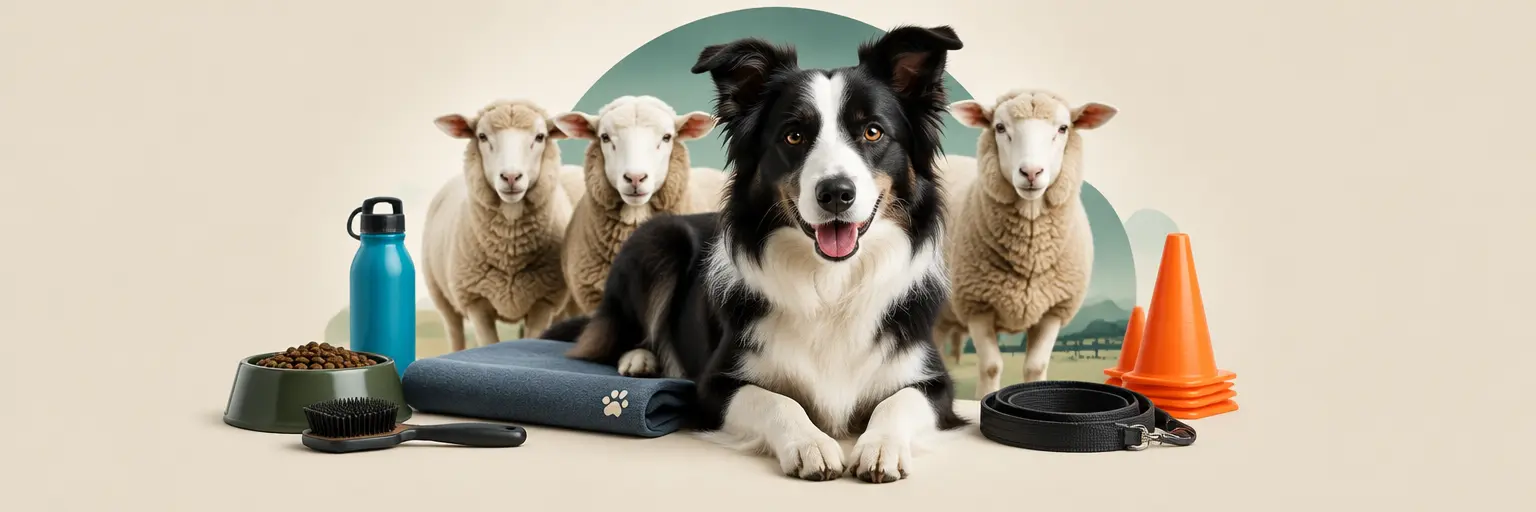
Herding breeds are brilliant, energetic, and hardwired to work—but their sharp instincts and intense drive demand more than generic dog care. From Border Collies and Australian Shepherds to Corgis and German Shepherds, these dogs thrive when their minds are challenged and their bodies are exercised with purpose. Discover how to channel their natural chase, gather, and control behaviors into positive outlets, prevent boredom‑driven mischief, and build a balanced routine that respects their unique temperament. Whether you’re managing herding‑specific exercise needs, refining recall around livestock, or tackling nipping and circling tendencies, this guide delivers expert tips on training, mental enrichment, and breed‑tailored nutrition to keep your herder happy, healthy, and fulfilled. Unlock the secrets to living harmoniously with a dog whose heart beats to the rhythm of the flock—and turn their innate brilliance into your greatest bond. 🐾🐕🦺

😊 Protect your herding dog's precious vision! PetCareWorld's expert guide tackles common herding dog eye problems and offers solutions for maintaining their…
Read article
🐶 Extend your herding dog's lifespan with PetCareWorld's expert health guide. Learn about breed-specific health concerns and proactive care strategies to ensure…
Read article
😊 Protect your energetic herding dog with a well-stocked first-aid kit. This PetCareWorld guide prepares you for common injuries and emergencies, ensuring…
Read article
😊 Discover the secrets to happy, healthy Shetland Sheepdogs! Our Shetland Sheepdog care guide provides expert advice tailored to this sensitive breed's…
Read articleHerding breeds—from Border Collies and Australian Shepherds to Corgis and German Shepherds—are intelligent, energetic, and wired to work. Caring for them goes beyond basics: they need mental stimulation, structured exercise, and training tailored to their instinctive drive to control movement. This guide delivers actionable, breed-specific advice to help you thrive with your herding companion. Whether you're a new owner or a seasoned pro, you'll find practical strategies for exercise, training, behavior, grooming, and health that respect their unique heritage.
Herding breeds possess a hardwired instinct to chase, circle, and control moving objects—including children, cars, and bikes. Without an outlet, this drive can become obsessive or destructive. Your first goal is to redirect that energy into structured activities like flirt poles, herding trials, or puzzle toys that simulate "work." Frame every interaction as a job, rewarding calm, controlled behavior over frantic chasing.
Teach a strong "settle" cue and use it before and after play. Controlled exercises like "going to a mat" or "waiting at the door" give your dog a sense of purpose while reinforcing impulse control. Remember, a tired herding dog is a happy dog, but mental fatigue matters more than physical exhaustion. Short, focused training sessions of 10–15 minutes, multiple times daily, will satisfy their craving for problem-solving far better than a long, aimless run.
Herding breeds need 60–90 minutes of vigorous activity daily, but intensity matters more than duration. Interval training—like sprinting after a ball, agility drills, or frisbee—mirrors their natural work rhythm of short bursts followed by rest. Avoid over-exercising puppies under 18 months, especially on hard surfaces, to protect growing joints. Mix in off-leash running in safe areas, hike trails, and swimming for variety.
Include brain games in every exercise session: hide treats in snuffle mats, set up a mini agility course in your yard, or practice directional commands during walks. These activities prevent boredom and reduce the likelihood of compulsive behaviors like tail chasing or excessive barking. A well-exercised herding dog is calm indoors, so schedule exercise before stressful events (guests, vet visits) to keep arousal levels manageable.
Positive reinforcement is non-negotiable for herding breeds—punishment-based methods can trigger fear or aggression. Use clicker training, high-value treats, and play as rewards to keep their eager minds engaged. Focus on impulse control, recall, and loose-leash walking, as these are the most challenging for instinct-driven dogs. Enroll in nosework or agility classes to give them a structured outlet for their talents.
Rotate training locations weekly to prevent over-reliance on context. Introduce new cues like "herd the ball" (push a large ball into a target) to simulate herding without livestock. For working-line dogs, consider a professional herding instructor to safely introduce them to sheep or cattle. Remember, these breeds learn fast—often faster than you—so keep sessions varied and challenging. Boredom leads to mischief, but a mentally stimulated herding dog is a reliable, joyful partner.
Nipping is a herding breed's way of moving others. Curb it by teaching "leave it" and rewarding mouth-off behavior. When your dog mouths you, freeze, say "ouch," and end play for a minute. For chasing cars or bikes, use a long line in controlled settings and reinforce ignoring triggers with high-reward treats. Provide designated "chase" toys like flirt poles to satisfy the urge safely.
Barking is their alert system—train a "quiet" cue by rewarding silence after a few barks. If your dog herds children, teach children to stand still and toss treats away from them, while you practice "settle" on a mat during family time. Consistent management with gates and tethers prevents rehearsing unwanted behavior. Combat anxiety with enrichment: a frozen Kong, a dig pit, or a herding ball keeps their mind occupied and reduces stress-driven vocalizations.
Double-coated herding breeds shed heavily seasonally. Brush 2–3 times weekly, daily during shedding season, using an undercoat rake and slicker brush. Bathe monthly with gentle shampoo; avoid over-bathing to preserve natural oils. Check ears weekly for debris, trim nails monthly, and brush teeth several times a week to prevent dental disease. For breeds like Corgis and Australian Shepherds, watch for hip dysplasia, progressive retinal atrophy (PRA), and Collie Eye Anomaly (CEA).
Feed high-quality, protein-rich food tailored to their activity level—working lines may need higher calories than show lines. Split meals into two servings to reduce bloating risk, especially in deep-chested breeds like German Shepherds. Add omega-3 supplements for joint and skin health, and ensure fresh water always. Schedule annual vet exams, and consider genetic testing for breed-specific conditions. A proper diet and routine care keep these active dogs agile well into their senior years.
Early socialization (3–16 weeks) is vital. Expose puppies to various people, pets, surfaces, and sounds in positive, controlled doses. Herding breeds can be reserved or wary of strangers—continue socialization throughout life using treat-based interactions. Introduce them to calm older dogs to learn appropriate play signals. For children, teach respectful handling and never leave unsupervised play, as herding instincts may kick in.
Create a consistent daily routine for feeding, walks, and training to build confidence. These dogs bond intensely with their owners—include them in family activities, but also teach them to be independent by practicing crated alone time. If you have other pets, gradual introductions and structured "herding" games with balls can reduce chasing issues. With proper exposure, herding breeds become loyal, versatile family members who excel in homes that respect their need for engagement and purpose.
Most herding breeds need at least 60–90 minutes of active exercise daily, plus mental stimulation. This should include high-intensity intervals like fetch or agility, not just walking. Puppies require less—a general rule is 5 minutes per month of age, twice daily—and should avoid forced running until growth plates close around 18 months.
Nipping is an inherited herding behavior to control movement. Redirect it by teaching "leave it" and rewarding mouth-off behavior. When they nip, stop moving, say "ouch," and end play briefly. Provide alternative outlets like flirt poles or herding balls, and ensure they get enough structured exercise and mental games to reduce frustration.
Yes, as long as their exercise and mental needs are met. A small living space is fine if you provide multiple daily walks, vigorous play sessions, and puzzle toys. However, they are sensitive to noise and activity, so create a quiet sanctuary and avoid leaving them alone too long. Without stimulation, they may become destructive.
Common issues include hip dysplasia, progressive retinal atrophy (PRA), Collie Eye Anomaly (CEA), epilepsy, and certain heart diseases. Breeds like Corgis are prone to intervertebral disc disease (IVDD), while German Shepherds may face elbow dysplasia and bloat. Regular vet checkups, genetic screening, and maintaining a healthy weight can mitigate risks.
They can be excellent family dogs with proper socialization and supervision. Their herding instinct may lead them to chase or nip young children, so teach kids to stand still and avoid running. Introduce them slowly to other pets, using structured exercises to channel chasing behavior. With consistent training, they become gentle and protective companions.