How to Find the Right Agility Trainer for Your Dog
🤔 Finding the perfect agility trainer can transform your dog's life! PetCareWorld guides you to locate the best dog agility trainer near…
Read article
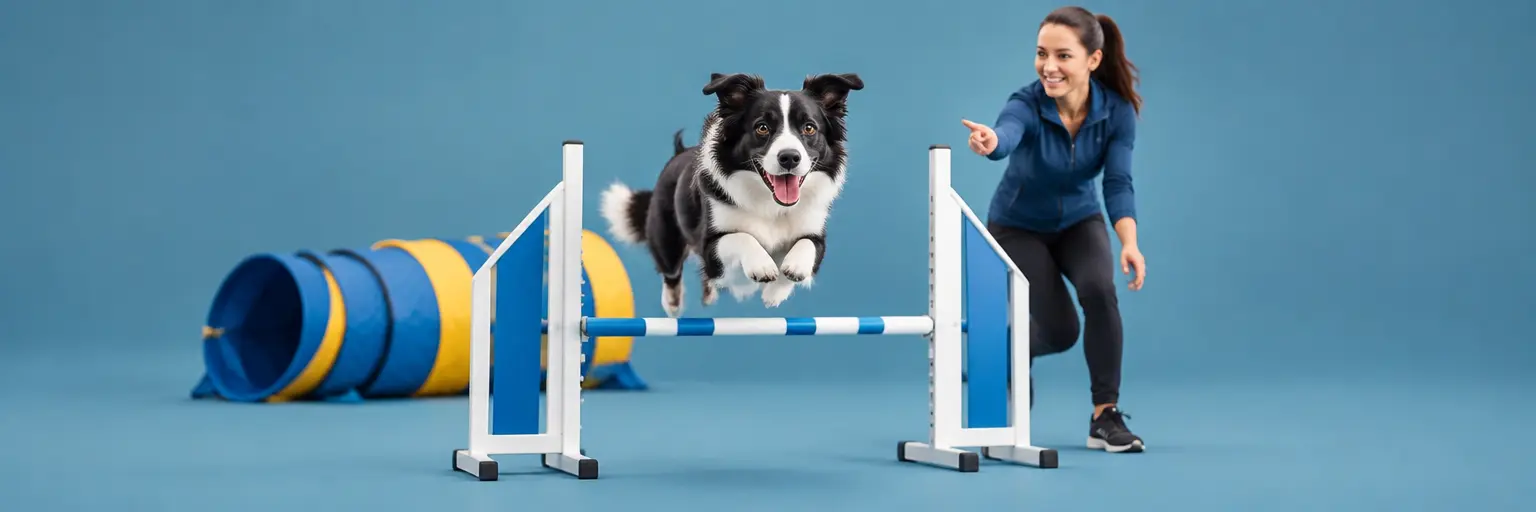
Unlock your dog’s hidden potential with agility training—a dynamic, fun-filled way to boost physical fitness, sharpen mental focus, and deepen the bond you share. Whether you’re aiming for competition rings or simply want to channel your pup’s energy into a positive outlet, agility turns everyday walks into thrilling obstacle courses. Master jumps, tunnels, weave poles, and contact equipment through step-by-step techniques that build confidence in both novice and seasoned dogs. Ideal for high-energy breeds, shy rescues, or playful seniors, this training improves coordination, obedience, and responsiveness while burning off excess steam. From foundational cues to advanced sequencing, our expert tips help you set up safe backyard courses, choose the right gear, and read your dog’s body language to prevent injury. Plus, agility is a fantastic cardiovascular workout that supports joint health and weight management. Embrace the joy of teamwork, celebrate small victories, and watch your canine companion thrive—every leap, twist, and sprint brings you closer together. Start today and transform playtime into purpose-driven training that your dog will absolutely love.
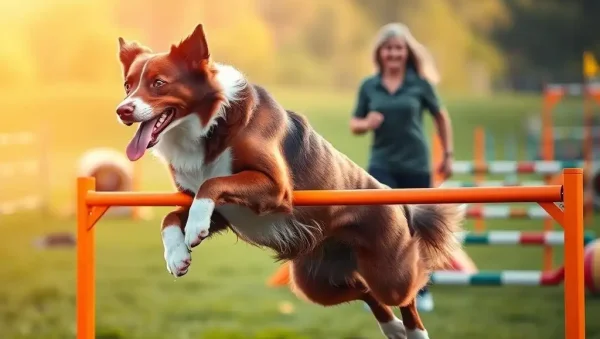
🤔 Finding the perfect agility trainer can transform your dog's life! PetCareWorld guides you to locate the best dog agility trainer near…
Read article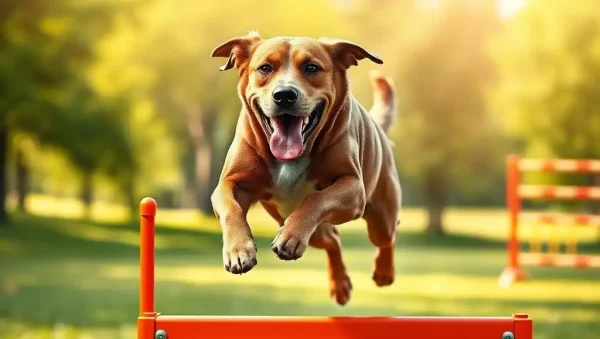
😊 Combat canine obesity with fun! PetCareWorld shows how dog weight loss agility training boosts fitness and improves your dog's overall health…
Read article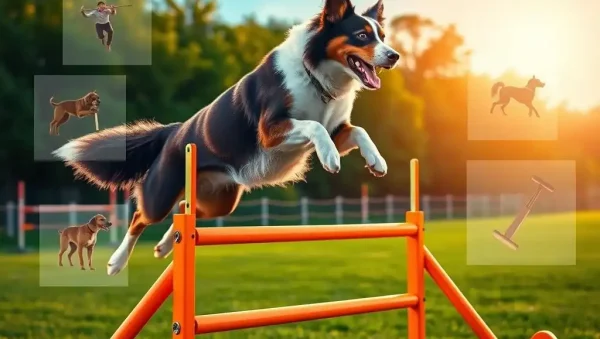
😊 Avoid costly dog agility training mistakes! PetCareWorld reveals common errors—from improper reward systems to rushed progression—and offers expert solutions for seamless…
Read article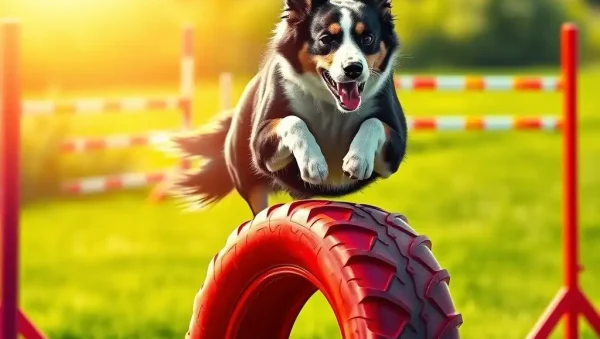
🐶 Conquer the challenging tire jump! Our Dog tire jump training guide on PetCareWorld provides expert advice and step-by-step instructions to help…
Read articleWelcome to PetCareWorld's comprehensive guide on Agility Training for Dogs. This dynamic subcategory is designed to transform your energetic companion into a confident, focused athlete. Dog agility is not just a sport; it's a powerful bonding experience that builds trust, improves obedience, and provides essential mental and physical stimulation. Here, we break down everything from foundational skills to advanced course navigation, ensuring you have the expert knowledge to succeed. Whether you own a high-drive Border Collie or a playful mixed breed, this resource will help you channel your dog's energy constructively, improve your communication, and have a blast along the way.
Before your dog leaps over their first hurdle, understanding the core equipment is vital. You don't need a professional facility to start; simple backyard setups with PVC jumps, weave poles, and tunnels are perfect for beginners. At PetCareWorld, we emphasize that safety and proper sizing prevent injuries. You'll learn how to adjust jump heights based on your dog's size and skill level, choose non-slip surfaces, and select the right rewards—usually high-value treats or favorite toys—to maintain motivation. Proper setup clears the path for successful, injury-free practice sessions.
Investing in quality equipment matters, but knowing how to introduce each obstacle is equally crucial. Start with the most straightforward obstacles like the pause table or low jump wings to build confidence. We guide you through the sequential introduction of equipment, ensuring your dog never feels overwhelmed. Expect practical tips on building DIY obstacles on a budget and creating a training zone that mimics competition standards, all while keeping your backyard engaging and safe. This foundational knowledge ensures you get the most out of every session.
Agility is 90% mental and 10% physical. Before tackling a full course, your dog must master core skills like sustained focus, directional cues, and obstacle targeting. Our guides teach you how to use a target stick or hand touch to direct your dog's movement precisely. We also cover the critical "start line stay," which teaches impulse control—the cornerstone of a clean agility run. Confidence-building exercises, such as walking over wobbling boards or through narrow spaces, ensure your dog trusts your guidance and the terrain.
These skills translate directly into daily life, making your dog more responsive and controllable off-leash. You'll discover how to use a clicker or verbal marker to instantly communicate success, sharpening your dog's learning speed. We break down each exercise into small, manageable phases, preventing frustration for both of you. By establishing a rock-solid foundation, you'll find that teaching complex courses later becomes intuitive and enjoyable. Expect clear progress checklists to track your dog's development week by week.
Each agility obstacle has a unique technical challenge. Here, we dive deep into the most common hurdles: jumps, tunnels, the dog walk, seesaw, and weave poles. For jumps, we explain approach angles and stride patterns to teach smooth, efficient jumping. Tunnels require teaching the "send" command for independent entry and exit. The dog walk and seesaw demand balance and body awareness, which we train using low elevation and progressive height increases. Weave poles, often the most challenging, are broken down into channel and slant pole methods for painless learning.
You’ll find detailed troubleshooting for common issues, such as a dog that runs past the weave entry or balks at the seesaw's movement. Our step-by-step tutorials include slow-motion techniques like luring and shaping, ensuring your dog learns physically safe and correct positions. We also cover handling over these obstacles, showing you how to position your body to guide without pulling or forcing. By mastering each piece separately, you will equip your dog with the precision and confidence needed for smooth, fast course running.
Handling is the skill of the human partner in agility—communicating the course path with precision using your feet, arms, and body language. Our subcategory teaches both foundational and advanced handling methods. You'll start with the "forward send" and "lateral lead out," then progress to more technical moves like the front cross, rear cross, and blind cross. Each technique is explained with visual cues and practice drills, helping you keep up with your dog's speed while providing clear directional signals. The goal is to maximize efficiency and minimize extra steps.
We emphasize the importance of 90-degree turns, serpentines, and pinwheels—common course patterns that require nuanced adjustment of your handling. Expect to learn how to use your eyes to "look ahead" and your shoulders to indicate turns before your body follows. Video breakdowns and diagram examples help simplify complex course flows. By mastering these techniques, you and your dog will move as a single unit, dramatically reducing faults and improving teamwork. This section is perfect for competitors and recreational trainers alike.
Consistency is the secret to progress. We provide structured, week-by-week training plans that fit into busy lifestyles, requiring just 15-20 minutes per day. These plans address different skill levels, from first-time pups to seasoned athletes. Additionally, we tackle the most common behavioral roadblocks: overexcitement, fear of the A-frame, refusal on the teeter, and lagging during off-lead running. Your dog's physical and mental health is our priority, so our advice always leans on positive reinforcement and patience over force.
Frustrated by a sudden loss of behavior or "refusals"? Our troubleshooting matrix helps you identify whether the cause is physical fatigue, confusion, or distraction, offering quick fixes for each. We also discuss how to handle element "dead spots" and how to maintain enthusiasm during repetitive practice. With clear case studies from real training scenarios, you'll feel equipped to solve problems on the fly. Expect practical checklists for reinforcing confidence during high-stress environments like competitions or noisy parks.
Ready to show off your skills? This section prepares you for the exciting world of agility competitions at venues like AKC, UKI, or USDAA. We outline what to expect in your first trial, including ring etiquette, course walking, and warm-up routines. Learn how to read judge's courses and plan your handling strategy before the buzzer. For more casual play, we highlight "fun runs" and local agility clubs where you can meet like-minded enthusiasts. We also cover essential travel tips for keeping your dog calm and happy on competition day.
Competition isn't just about winning; it's about celebrating the partnership you've built. We guide you on managing pre-game nerves and maintaining a positive environment regardless of the result. You'll find advice on setting realistic goals, tracking your team's improvement, and knowing when your dog might need rest or a step down in difficulty. Whether you aim for national championships or simply want a structured hobby, this resource ensures you enter the arena well-prepared. Discover the joy of a sport that rewards communication, trust, and mutual respect.
You can start foundational skills like focus and targeting as early as 8 weeks old, but full-height jumps and high-impact equipment should wait until your dog's growth plates close, typically between 12-18 months depending on breed. Always consult your vet. For puppies, use low jumps or "puppy agility" classes that focus on proprioception and confidence.
Yes, almost any dog can enjoy agility, but adaptations matter. Brachycephalic breeds (like Pugs) need shorter sessions and cool environments to avoid breathing issues. Very large breeds can participate with lowered jumps and wider turns. The sport is more about mental engagement and bond than speed for many dogs. Consult your veterinarian for breed-specific limitations.
With 10-15 minutes of daily practice, most dogs can learn basic obstacle navigation within 4-6 weeks. Full course fluency without handling errors typically takes 6-12 months of consistent training. Remember, every dog learns at their own pace; focus on accuracy and confidence over speed. Patience consistently yields the best long-term results.
Never force them. Break the obstacle down into small approximations—for example, let them explore the tunnel lying flat before standing it up. Pair each small step with high-value rewards and end on a positive note. Sometimes a month of simple play near the obstacle rebuilds trust. Consider isolating the problem from the course to reduce pressure.
While not strictly required, even a few sessions with a certified instructor can prevent bad habits and improve your handling skills significantly. Instructors provide immediate feedback on technique, safety, and course sequencing. If you train at home, watch high-quality videos and record your sessions to self-critique. A professional is especially helpful for weave pole and advanced cross training.