
Agility Training for Weight Management in Dogs: Keeping Your Pet Fit

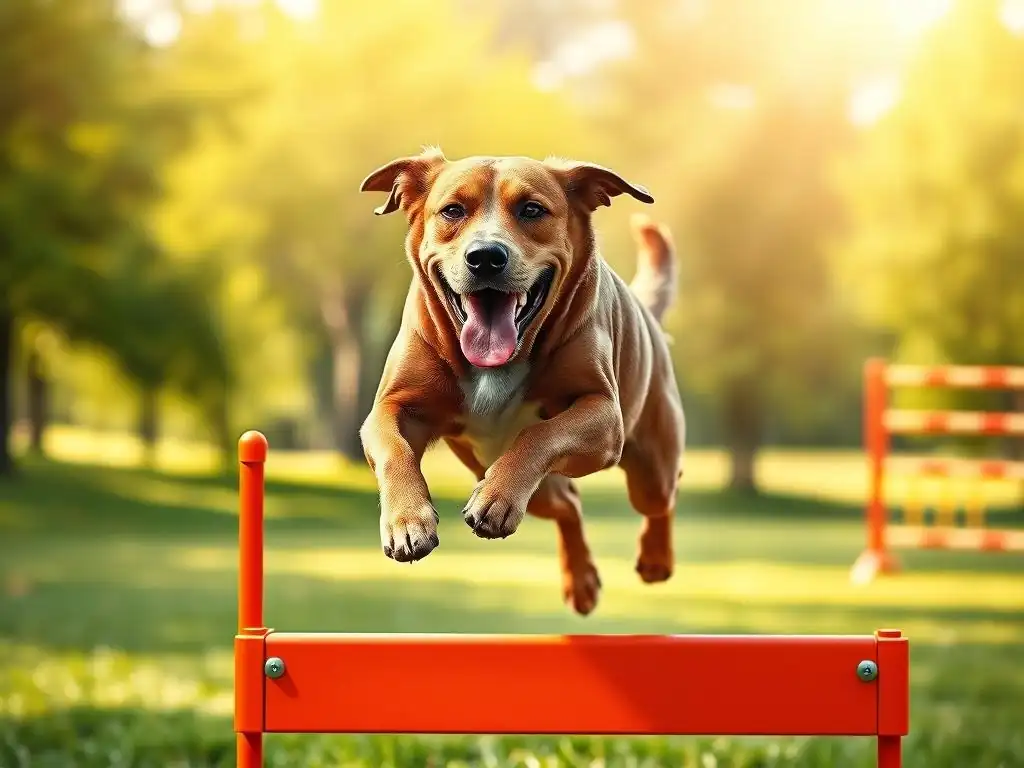
Welcome to PetCareWorld, your ultimate guide to a happier, healthier life for your beloved pet! Are you looking to help your furry friend achieve peak physical condition? Discover how Dog Weight Loss Agility Training can transform your dog's health and well-being, combining fun exercise with effective weight management. Dive in and unlock the secrets to a fitter, happier canine companion – read on to learn more!
- Understanding Canine Obesity and its Impact
-
Frequently Asked Questions
- How can agility training help my overweight dog lose weight?
- What if my dog is too overweight to start agility training?
- What type of agility equipment is suitable for overweight dogs?
- How often should I conduct agility training sessions with my overweight dog?
- Are there any potential risks associated with agility training for overweight dogs?
- Final Reflection: The Agility Path to a Healthier, Happier Dog
- Unlock Your Dog's Inner Athlete: Boost Fitness & Wellbeing!
Understanding Canine Obesity and its Impact
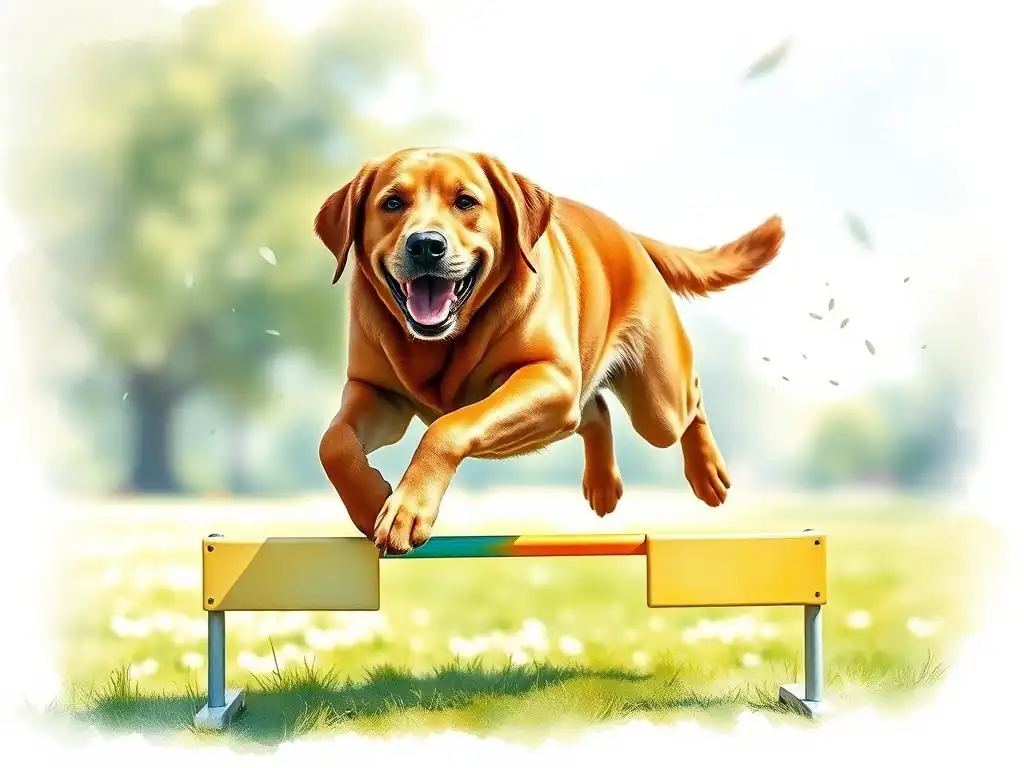
Canine obesity is a significant concern affecting a substantial portion of the dog population. It's not simply a matter of aesthetics; excess weight places considerable strain on a dog's joints, cardiovascular system, and overall health, significantly impacting their quality of life and lifespan. This article explores how agility training can be a fun and effective method for achieving dog weight loss, focusing on the benefits of this dynamic approach to canine fitness.
We'll delve into the specifics of designing a safe and effective agility training program tailored to help your overweight dog shed pounds and improve their well-being. Understanding the risks associated with obesity and the advantages of agility training is the first step towards a healthier, happier companion. This approach combines physical activity with mental stimulation, providing a holistic solution to canine weight management.
The Dangers of Obesity in Dogs
Obesity in dogs isn't just about looking overweight; it's a serious health condition with potentially devastating consequences. Excess weight puts immense pressure on joints, leading to conditions like osteoarthritis and hip dysplasia. It also increases the risk of developing diabetes, heart disease, respiratory problems, and certain types of cancer.
The added strain on the cardiovascular system can lead to shorter lifespans and a reduced quality of life for your furry friend. Consider this: a dog carrying even 10% extra body weight experiences a significant increase in the stress placed on their joints during even simple activities like walking. This increased stress can lead to chronic pain and reduced mobility, impacting their ability to enjoy life to the fullest.
Furthermore, obese dogs are often less energetic and prone to behavioral issues stemming from discomfort and reduced mobility. The severity of these health risks is directly correlated with the degree of obesity, highlighting the urgency of addressing weight problems in dogs.
Agility Training: A Dynamic Approach to Weight Loss
Agility training offers a unique and engaging solution to canine obesity. Unlike monotonous walks or runs, agility incorporates a variety of physical challenges and mental stimulation. This multifaceted approach keeps dogs engaged and motivated, preventing boredom and ensuring consistent exercise. The varied movements involved in agility training – jumping, weaving, tunneling – work multiple muscle groups, promoting overall strength and cardiovascular health.
Furthermore, the training process itself provides mental stimulation, reducing stress and promoting better behavior. This is crucial because stress and anxiety can also contribute to weight gain in dogs. A well-structured agility program, tailored to the dog's current fitness level, gradually increases intensity and duration, ensuring a safe and effective weight loss journey. It's important to note that the intensity should be carefully monitored and adjusted based on your dog's individual needs and progress.
Designing a Safe and Effective Agility Program for Overweight Dogs
Creating an effective agility program for an overweight dog requires careful planning and consideration. It's crucial to start slowly, focusing on low-impact exercises and gradually increasing the intensity and duration of training sessions. Begin with shorter sessions of 10-15 minutes, focusing on basic exercises like walking and slow trotting. Avoid high-impact activities initially to prevent injuries. As your dog's fitness improves, you can gradually introduce more challenging exercises like weaving poles and low jumps. Remember to prioritize proper form and technique over speed. Frequent breaks and water are essential to prevent overexertion, especially in warmer weather. It's also crucial to monitor your dog for signs of fatigue or discomfort and adjust the training accordingly. A gradual and patient approach is key to long-term success and preventing injuries. Remember to always consult with your veterinarian before starting any new exercise program for your dog, especially if they have pre-existing health conditions.
Monitoring Progress and Making Adjustments
Regular monitoring of your dog's weight and overall fitness is crucial for success. Weigh your dog weekly to track their progress and adjust the training program as needed. Pay attention to their energy levels, appetite, and any signs of discomfort during or after training sessions. Remember that weight loss is a gradual process, and patience is essential. Don't get discouraged if you don't see immediate results.
Consistent effort and a balanced approach combining agility training with a healthy diet will yield positive outcomes. Consider keeping a training journal to track your dog's progress, including the exercises performed, the duration of each session, and any observations about their energy levels and overall well-being. This will provide valuable data to help you refine the training program and maximize its effectiveness. Regular veterinary check-ups are also recommended to monitor your dog's health and ensure they are progressing safely.
Frequently Asked Questions
How can agility training help my overweight dog lose weight?
Agility training is a high-intensity exercise that burns a significant amount of calories. It also builds muscle mass, boosting metabolism and aiding in weight loss. Consistent training is key.
What if my dog is too overweight to start agility training?
Start with gentle walks and low-impact exercises to build your dog's fitness gradually. Consult your vet before starting any intense training program, especially for obese dogs. They can help you create a safe and effective plan.
What type of agility equipment is suitable for overweight dogs?
Begin with basic obstacles like tunnels and low jumps. Avoid strenuous activities initially. Gradually increase the difficulty as your dog's fitness improves, always prioritizing their safety and comfort.
How often should I conduct agility training sessions with my overweight dog?
Start with short, frequent sessions, perhaps 10-15 minutes daily or every other day. Avoid overexerting your dog. Monitor their energy levels and adjust the duration based on their response. Rest is crucial for muscle recovery.
Are there any potential risks associated with agility training for overweight dogs?
Yes, joint injuries are a possibility, especially in dogs with pre-existing conditions. Therefore, a gradual approach, veterinary consultation, and careful monitoring of your dog's progress are essential. Listen to your dog's body; if they seem tired or in pain, stop the training.
Final Reflection: The Agility Path to a Healthier, Happier Dog
Agility training isn't just about impressive leaps and speedy turns; it's a powerful tool for achieving and maintaining a healthy weight in our canine companions. The benefits extend far beyond the physical, fostering a stronger bond between owner and pet while combating the growing epidemic of canine obesity.
The impact of this holistic approach to weight management is profound. It's not simply about restricting calories; it's about transforming the relationship with exercise, making it enjoyable and rewarding for both dog and owner. A tired dog is a happy dog,
the saying goes, and agility training proves this true, replacing sedentary habits with active engagement and mental stimulation. This positive reinforcement approach fosters a healthier lifestyle that extends beyond weight management, impacting overall well-being and longevity.
Now, consider your own dog. What small steps can you take today to incorporate more movement and play into their routine? Perhaps a short agility course in your backyard, a playful game of fetch, or even a brisk walk with a focus on engaging their senses. Remember, the journey to a healthier dog is a partnership, built on understanding, patience, and a shared love for adventure. Embrace the agility path – it's a rewarding journey for both you and your furry friend.
Unlock Your Dog's Inner Athlete: Boost Fitness & Wellbeing!
Thank you for exploring agility training and its amazing benefits for your canine companion! You've discovered a fun and effective way to improve your dog's fitness and strengthen your bond. Ready to put this knowledge into practice?
- Start with simple, playful agility exercises at home: Use household items to create a mini-obstacle course. For example, use pillows for jumps, blankets for tunnels, and even weave poles (easily made from PVC pipes) or simply weave your dog through your legs.
- Share your dog's agility journey on social media! Use relevant hashtags like #DogAgility and #PetFitness to connect with other pet owners and inspire others.
- Consider joining a local dog agility club or class: This is a fantastic way to socialize your dog and learn from experienced trainers. Many clubs offer beginner-friendly sessions.
What creative agility obstacles will you build for your furry friend today? Share your ideas in the comments below!