The Complete Guide to Dog Bathing Frequency: How Often is Too Often?
😊 Discover the perfect dog bathing frequency guide from PetCareWorld! Learn how often to bathe your canine companion without harming their coat…
Read article
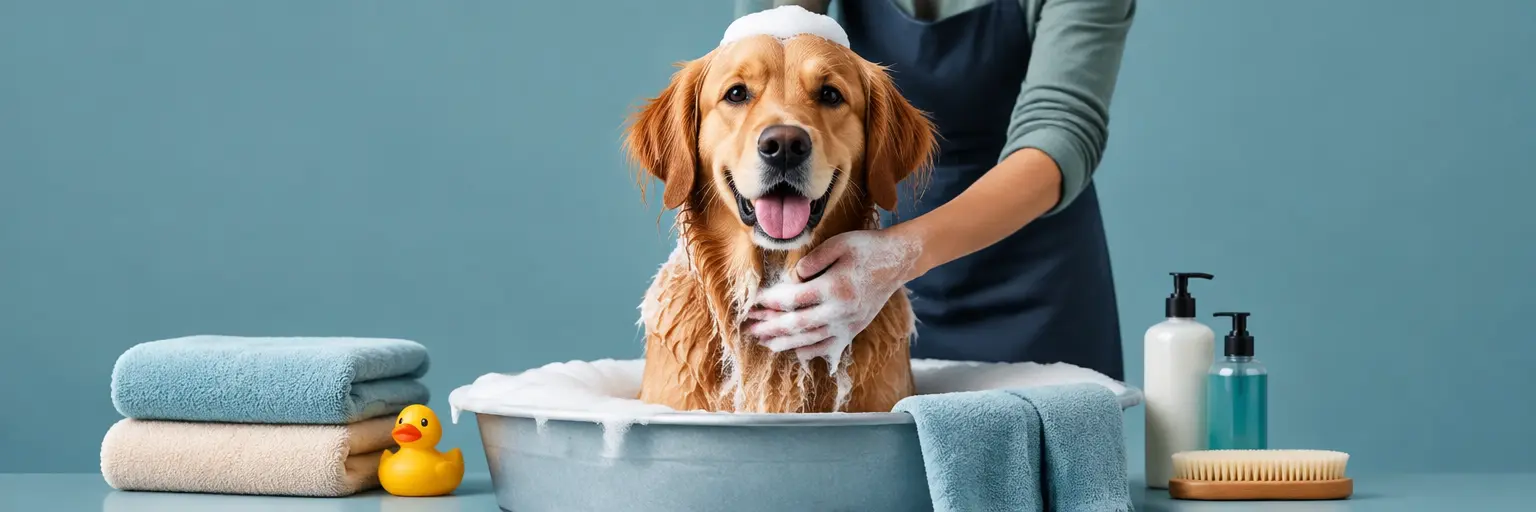
Transform bath time from a dreaded chore into a spa-like bonding ritual with our comprehensive Dog Bathing Guide. Whether you have a playful puppy or a senior companion, mastering the art of a proper wash is essential for a healthy coat, clean skin, and a fresh-smelling home. We cover everything from choosing the right hypoallergenic shampoo and managing water temperature to effective drying techniques and ear care, ensuring zero stress for you and your pup. Our step-by-step instructions help you navigate tricky fur types, avoid common pitfalls like soap residue, and establish a routine that reduces shedding and prevents matting. Say goodbye to wet-dog odor and hello to a softer, shinier, and happier pet with practical tips that are safe for all breeds. Unlock the secrets to a thorough, gentle cleanse that promotes skin health, controls dander, and turns every bath into a positive experience. Dive in to discover expert-approved strategies that make your dog look, feel, and smell absolutely amazing!
😊 Discover the perfect dog bathing frequency guide from PetCareWorld! Learn how often to bathe your canine companion without harming their coat…
Read article
😊 Learn the optimal dog bathing techniques before and after professional grooming for a healthier, happier pet! Discover our best dog bath…
Read article
😊 Transform your bathroom into a pampered pup paradise! Learn how to give your dog a relaxing and thorough DIY dog bath…
Read article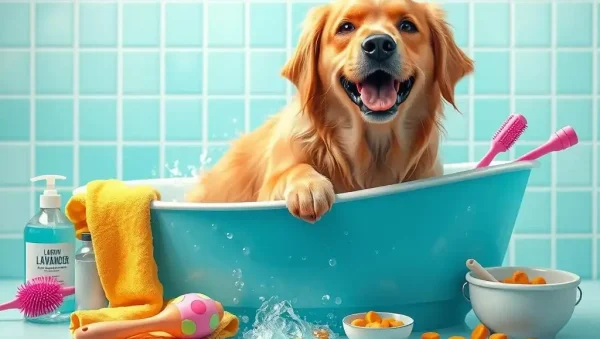
😊 Master the art of dog bathing with PetCareWorld's ultimate checklist! This guide ensures a stress-free experience for you and your furry…
Read articleWelcome to PetCareWorld’s comprehensive Dog Bathing Guide, your ultimate resource for turning bath time from a chaotic battle into a bonding ritual. Whether you have a muddy Labrador, a sensitive-skinned French Bulldog, or a fluffy Pomeranian, this guide covers everything from selecting the right shampoo to drying techniques and frequency. Good bathing hygiene isn’t just about smell—it’s vital for skin health, coat shine, and early detection of lumps, ticks, or irritations. Expect expert-backed advice, step-by-step tutorials, and troubleshooting tips to make every rinse rewarding for both you and your canine companion.
Not all soaps are created equal—human shampoos disrupt a dog’s pH balance, leading to dryness and itchiness. This section breaks down the differences between oatmeal-based, hypoallergenic, medicated, and flea-repellent formulas. You’ll learn to read ingredient labels, avoid harsh sulfates and parabens, and match the product to your dog’s coat type (short, double, wiry, or curly) and skin condition. We also cover when to use a separate conditioner to detangle and moisturize.
Beyond the basics, we explore natural alternatives like diluted apple cider vinegar rinses and aloe vera gels for minor irritations. The goal is to help you build a personalized bathing kit that addresses dandruff, allergies, and seasonal shedding. With the right product, bath time becomes a therapeutic spa session, reducing scratching and flaking while promoting a glossy, healthy coat. Remember: always perform a patch test on a small area before a full lather, especially for puppies or senior dogs.
Preparation prevents panic. We guide you through pre-bath brushing to remove loose fur and mats, then show how to safely secure your dog in a non-slip tub or using a handheld showerhead. You’ll master the perfect water temperature—warm, not hot, around 37°C (98°F)—and learn the correct application technique: start at the neck, work downward, and avoid the eyes and ears. The finishing rinse is crucial, as leftover soap causes skin irritation and dull coats.
For fearful or wiggly dogs, we share desensitization tricks, like using a lick mat with peanut butter and gradual water introduction. We also cover how to wash the face without water panic using a damp washcloth and how to express anal glands only if necessary (or refer to your vet). This methodical approach ensures a thorough clean while minimizing stress for you and your pet. After the final rinse, a gentle squeeze of excess water and a towel-dry sets the stage for the drying phase.
Proper drying prevents hot spots, fungal infections, and chafing, especially in long-haired breeds. We start with microfiber towel techniques—patting, not rubbing—to absorb up to 70% of moisture. Then we introduce the low-heat, high-air pet blow dryer, explaining how to keep the nozzle moving and at a safe distance to avoid burns. For short-haired dogs, a fast air-dry in a warm room works, but for double coats (e.g., Huskies), a professional-force dryer penetrates the undercoat to prevent matting.
We also address common drying pitfalls: leaving the ears wet (leading to infections), skipping the drying of paw pads, and using human hairdryers that are too hot. If you prefer no-machine methods, we provide tips for natural drying with breathable fabrics and regular brushing during the process to speed up evaporation. By the end of this section, you’ll know exactly how long to dry, what signs of remaining moisture to check, and how to use a detangling spray for a frizz-free finish.
Over-bathing strips essential oils, causing dandruff and eczema; under-bathing leads to odor and dirt buildup. This segment clarifies frequency guidelines by breed, activity level, and season. For example, a water-loving retriever might need monthly baths, while a pampered Chihuahua can wait six to eight weeks. We discuss when to bathe for the first time (at least 8 weeks of age), how to handle post-muddy-walk emergencies with spot cleans, and the role of waterless shampoos for quick refreshment.
We also link bathing to overall skin health, teaching you to identify abnormal signs like redness, swelling, or unusual flakes during the process. You’ll learn when a bath can help heal conditions (with vet-prescribed medicated shampoos) versus when it can worsen them (e.g., open wounds). Seasonal tips include more baths in summer heat to cool down and less in winter to retain natural insulation. This balanced approach keeps your dog’s microbiome intact while maintaining a pleasant coat sheen and a pet that smells fresh, not fragrantly artificial.
Bath time often comes with resistance—scratching, jumping out, or shaking water everywhere. Here, we troubleshoot the most common issues: fear of running water, hating the blow dryer, and severe matting that prevents thorough cleaning. We provide calming techniques like using white noise, pheromone sprays, or a second person to assist. For matted coats, we show you how to safely trim mats before bathing (never get mats wet), saving your dog from painful tugging.
Safety is paramount: we cover how to prevent slips with rubber mats, avoid water in the ear canals, and never leave a dog unsupervised in the tub. We also explain what to do if your dog ingests shampoo (contact your vet) and how to recognize and manage a slip-and-fall injury. Additionally, we discuss the right time to bath after vaccinations or surgeries, allowing proper healing. With these strategies, even a bathtub-phobic dog can learn to tolerate, if not enjoy, the experience, ensuring their hygiene doesn’t become a health liability.
For an average, healthy dog with no skin conditions, bathing once every 4-6 weeks is ideal. More frequent baths can strip natural oils, leading to dryness and irritation. If your dog gets dirty between baths, use a damp cloth or waterless shampoo for touch-ups. Always adjust frequency based on breed—double-coated dogs (Huskies) need fewer baths (every 8-12 weeks), while hairless breeds (Xoloitzcuintli) may require weekly gentle cleansing.
No, you should never use human shampoo on dogs. Human skin has a pH of about 5.5, while a dog’s skin is closer to 7.5, so human products disrupt their acid mantle, causing itchiness, flaking, and increased infection risk. Even baby shampoo is too acidic. Always choose a veterinary-approved dog shampoo labeled with a balanced pH (between 6.5 and 7.5). If you’re out of options, a mild dish soap (unscented, dye-free) can be a rare emergency backup, but never as a routine.
For long-haired breeds like Shih Tzus or Collies, combine towel blotting with a high-velocity dryer set on low heat. First, pat down to remove bulk water, then use the dryer’s nozzle to part the coat section by section, working from the skin outward. This prevents tangling and reduces drying time by half. Finish with a wide-tooth comb to detangle while slightly damp. Never leave a long coat damp, as mats can form within hours, trapping bacteria.
Shaking is a natural canine reflex to remove water from the coat and release stress from the bathing experience. It’s more common when water gets in ears or when they feel overwhelmed. To reduce shaking, thoroughly dry the head first, tilt the head to let water drain from ears (never probe inside), and speak in a calm, reassuring voice. If shaking persists for hours with whining, check for ear irritation or shampoo residue—rinse again with plain water.
Yes, it’s safe to bathe a puppy at 8 weeks old, provided you use a very gentle, tear-free puppy shampoo. Avoid full immersion; instead, use a warm damp sponge for the body and a separate washcloth for the face. Keep the session under 5 minutes, ensure the room is warm (23°C/74°F), and dry thoroughly immediately after. Puppies have sensitive skin and lower body fat, so they chill quickly. After bathing, keep them inside until fully dry.







