How to Properly Secure Your Dog in the Car: A StepbyStep Guide
😊 PetCareWorld's Safe dog car travel guide provides a step-by-step approach to ensuring your canine companion's safety during car journeys, covering crucial…
Read article
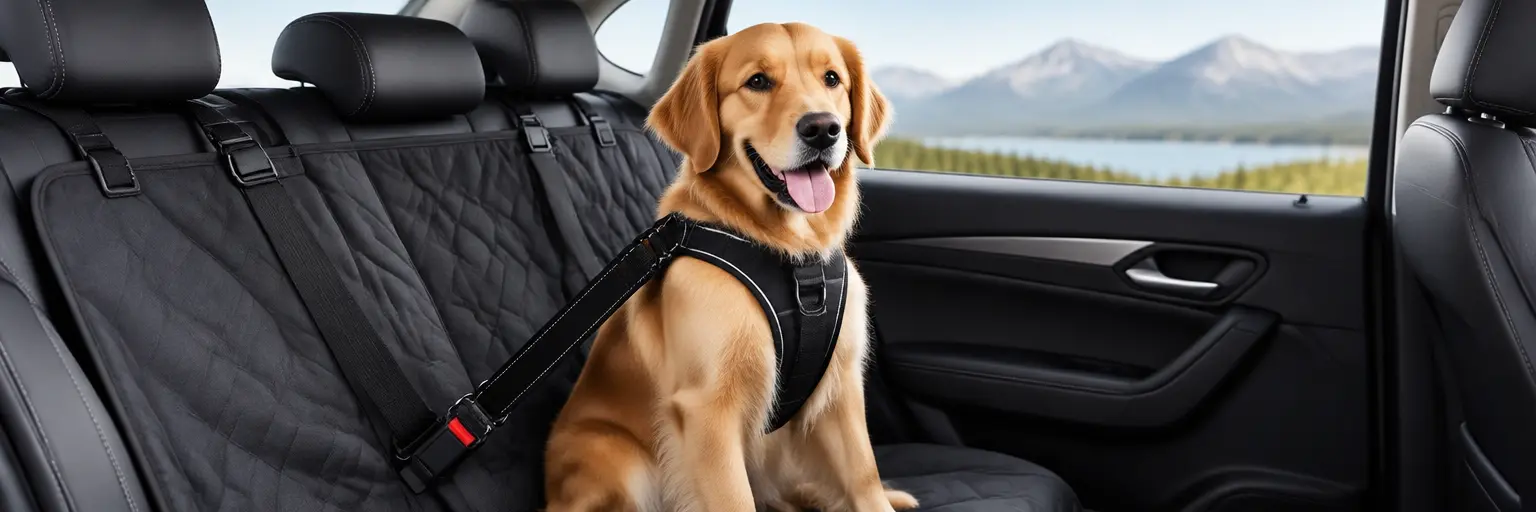
Ensuring your dog’s safety on the road is just as critical as their daily exercise and nutrition. Car safety for dogs involves more than just rolling down the window—it’s about protecting your furry friend from injury during sudden stops, accidents, and even minor bumps. With the right restraints, such as crash-tested harnesses, secured crates, or pet barriers, you can dramatically reduce the risk of your pup becoming a projectile inside the vehicle. Beyond physical protection, proper car safety also prevents distractions, keeping both you and your dog calm and secure on every journey. From choosing the right seatbelt clip to managing motion sickness and car anxiety, mastering these essentials ensures every ride is a safe, comfortable adventure. Explore our expert-backed tips to make your car a dog-friendly zone, combining peace of mind with the joy of travel. Your dog’s well-being on the road is non-negotiable—let’s make every mile count with proven strategies, product recommendations, and behavioral cues tailored to your canine companion.
😊 PetCareWorld's Safe dog car travel guide provides a step-by-step approach to ensuring your canine companion's safety during car journeys, covering crucial…
Read article
😊 Ensure your canine companion travels safely and comfortably! PetCareWorld explores the crucial safe dog car seat benefits, detailing how these essential…
Read article
😊 After a minor dog car accident, PetCareWorld advises immediate assessment for injuries. Check for bleeding, limping, or unusual behavior. Contact your…
Read articleTraveling with your canine companion is a joy, but it comes with significant responsibility. The subcategory of Car Safety for Dogs within Dog Care & Training at PetCareWorld focuses specifically on minimizing risks and maximizing comfort during vehicle travel. Here, you will find expert-backed guidance on crash-tested restraints, proper ventilation, and travel anxiety management, ensuring that every road trip is safe and enjoyable for both you and your furry friend.
A loose dog in a moving vehicle is a dangerous projectile, both for themselves and for human passengers. This section covers the importance of using crash-tested harnesses that attach directly to your car’s seat belt system, rather than relying on flimsy clips or human lap belts. We help you differentiate between standard walking harnesses and those specifically engineered for collision protection, highlighting features like reinforced stitching and impact-absorbing padding. You will also learn how to properly fit and adjust a harness to avoid injury in a sudden stop.
Beyond harness selection, we explain the legal and practical benefits of using a seat belt tether for active dogs who tend to move around. Our guides cover installation steps, weight ratings, and how to introduce the harness gradually to reduce resistance. We also compare top-rated brands, review materials for durability, and explain why a harness is always safer than a collar in a crash. With our detailed breakdowns, you can confidently choose the right safety gear for your dog’s size, breed, and energy level.
For owners of larger breeds or those using SUVs, this section explores the best ways to secure the cargo area. A pet barrier keeps your dog in the back, preventing them from climbing into the front seat and distracting the driver. We discuss rigid steel barriers versus mesh options, focusing on ease of installation, visibility, and safety during sudden turns. Additionally, we cover the merits of using reinforced travel crates that are both crash-rated and crash-tested, offering your dog a secure den-like space that also protects them from debris in a collision.
Crate training for car travel is a gradual process, and our content provides step-by-step acclimatization strategies, from short parking-lot sessions to extended highway drives. We also address temperature control within the cargo area, advising on airflow and sunshade usage to prevent overheating. For multi-dog households, we explain how to safely space crates and harnesses to avoid mutual distraction. By reading this, you will know exactly how to transform your vehicle’s back area into a secure, comfortable zone for your pet.
Many dogs experience stress or nausea during car rides, leading to excessive drooling, whining, or vomiting. This section provides natural calming aids and behavioral techniques to make car time positive. We explore products like pheromone sprays, weighted vests, and calming chews that ease nervousness without sedation. You will also learn how to desensitize your dog to the car environment through gradual exposure and positive reinforcement, rewarding calm behavior with treats and praise. This method helps build a lifelong positive association with travel.
For motion sickness, we share veterinary-approved advice on feeding schedules before trips, adjusting travel times, and using acupressure bands designed for pets. We also highlight when it is appropriate to consider prescription medication, always emphasizing the need for a vet’s guidance. Our FAQ-style answers clarify common misunderstandings, such as whether opening a window helps (it can, but only with proper safety). With these tools, you can significantly reduce travel stress, making every journey more peaceful for you both.
Even with windows cracked, the interior of a car can heat up dangerously fast on a sunny day. This section stresses the importance of proper airflow for your dog’s overall safety and comfort. We explain how to use window deflectors to allow fresh air circulation while protecting your dog from inhaling exhaust or road dust. Additionally, we review portable car fans and cooling mats that help maintain a safe temperature, especially during longer trips. We also outline the signs of heatstroke in dogs, including excessive panting and lethargy, and what immediate actions to take if you suspect overheating.
Our climate control guides also cover the dangers of leaving a dog unattended in a parked car, even for short minutes. We present researched data on how quickly interior temperatures rise and provide safe alternatives like using a remote start to keep the AC running (only with proper safety systems). We also discuss how to layer your vehicle’s own climate settings, directing air to the back seats and using sunshades on rear windows. Understanding these nuances ensures that your dog remains cool, hydrated, and comfortable throughout the journey.
Long drives require breaks, but not all rest areas are safe for dogs. This section offers a checklist for planning pet-friendly stops, including research on nearby parks, hydration stations, and leash-friendly walking paths. We emphasize keeping your dog leashed at all times during stops, due to unfamiliar scents and potential traffic hazards. You will also learn how to manage feeding and watering during breaks to minimize motion sickness, such as offering small amounts of water and waiting 15 minutes before resuming travel.
Finally, we address post-trip maintenance, covering the use of seat covers, waterproof liners, and paw wipes to protect your car’s interior. We review easy-to-clean materials and provide tips on removing fur and odors. This section also includes advice on installing a rear bumper protector for larger dogs who jump in and out, preserving your vehicle’s resale value. With these practical insights, you can maintain a clean, safe, and inviting space for your dog on every adventure.
No, it is best to keep your dog in the back seat or cargo area. Airbags deploy with extreme force and can seriously injure or kill a dog. In many states, it is even illegal to have a dog on your lap while driving. Use a crash-tested harness or crate secured in the rear to keep both of you safe.
A regular walking harness is designed for leash control, not crash protection. A car safety harness uses stronger materials, metal buckles, and a higher weight rating, and it is tested to stay secured during a 30-mph impact. Always look for harnesses labeled as “crash-tested” with specific certification or test data.
Yes, but only if the crate is crash-tested or adequately secured with tie-downs and placed in the cargo area. A plastic or wire crate that is not anchored can become a projectile. For maximum safety, choose a metal crate that has passed impact tests, and ensure your dog has enough room to stand and turn around.
Feed your dog a light meal 3-4 hours before travel, ensure they have been walked to relieve themselves, and keep the car well-ventilated. Gradually expose them to short, slow drives and end each session with a reward. For persistent vomiting, consult your vet about anti-nausea medication or natural ginger-based supplements safe for dogs.
Start by sitting with your dog in a parked car with the engine off, offering treats and praise. Progress to short drives around the block, always keeping a calm, upbeat tone. Use a compression shirt or a pheromone spray to help soothe nerves. If anxiety persists, a veterinary behaviorist can suggest either desensitization protocols or short-term anxiety medication.







