Canine Freestyle (Dog Dancing): Turn Training Into a Joyful Performance
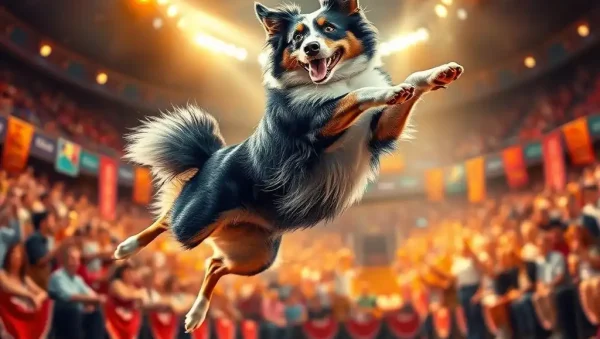
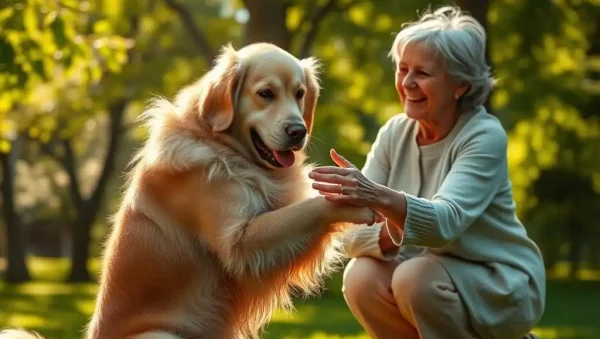
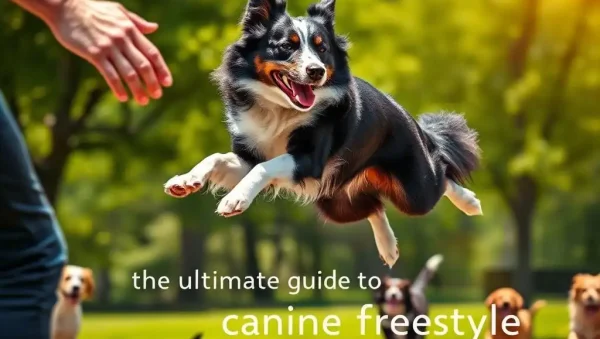
Welcome to the vibrant world of Canine Freestyle, also known as dog dancing—a sport that blends obedience, trick training, and artistic choreography set to music. At PetCareWorld, we believe this discipline is more than just a flashy display; it is a powerful bonding experience that boosts your dog’s confidence, physical fitness, and mental agility. Whether you are a complete beginner or a seasoned trainer, this subcategory offers everything from foundational moves to competition-ready routines. Discover how to turn everyday training sessions into a spectacular dance floor where your dog becomes the star, all while deepening your unique partnership.
🕺 The Basics of Canine Freestyle: Getting Started
Before you hit the dance floor, it’s essential to understand the two main styles of canine freestyle: heelwork to music, where your dog stays close and moves in sync with you, and freestyle, which allows more creative freedom with tricks and distance work. Start by assessing your dog’s fitness level and learning style. You’ll need a well-fitted harness or collar, high-value treats, and a quiet space free from distractions. Begin with simple moves like spins, weaves, and leg weaves, always using positive reinforcement to keep the experience fun. Remember, the goal is joy, not perfection—every session should strengthen your bond and build your dog’s enthusiasm for learning.
Invest time in teaching a solid “watch me” cue and fundamental behaviors like sit, down, and stand. These become the building blocks of more complex choreography. Practice in short bursts of 5–10 minutes daily to prevent fatigue and maintain focus. Use a clicker or a marker word to pinpoint desired behaviors, then reward generously. As your dog gains confidence, introduce directional cues such as “left” and “right” to create fluid patterns. Filming your practice sessions helps you spot areas for improvement and track progress over time. With patience and consistency, you’ll soon have a canine partner ready to boogie.
🎵 Choosing Music and Choreographing Your Routine
Music sets the emotional tone for your performance, so selecting the right track is crucial. For beginners, choose a song with a clear, steady beat and a tempo that matches your dog’s natural movement speed—typically 100–120 beats per minute for most dogs. Avoid abrupt changes in rhythm or loud, jarring sounds that might startle your pet. Consider your dog’s personality: a playful dog might enjoy upbeat pop, while a calm breed may respond better to soft classical. Once selected, listen to the track repeatedly and map out where you’ll perform each move. Create a “cue sheet” listing timing cues, such as “spin at 0:15” or “weave at 0:32,” to guide your practice.
Choreography should highlight your dog’s strengths and mask any limitations. If your dog struggles with distance work, focus on close heelwork and leg weaves; if they love jumping, incorporate safe jumps or bows. Always plan transitions—how you move from one position to another—to create a seamless flow. Practice each segment separately before stitching the full routine together. Keep your own body movements clear and exaggerated to serve as visual cues for your dog. Most importantly, leave room for spontaneity; if your dog adds a fun ad-lib, embrace it and adjust your routine accordingly. The best routines feel authentic and joyful, not robotic.
🏆 Training Tips for Advanced Moves and Tricks
Once your dog masters basic moves, it’s time to add flair with advanced tricks like the crawl, spin, bow, and jump through arms. Use shaping and luring techniques to teach these complex maneuvers. For example, to teach a crawl, start with your dog in a down position and hold a treat just out of reach, encouraging them to slide forward. Reward small approximations until the full behavior emerges. For spins, lure your dog in a circle with a treat, gradually reducing the lure to a hand signal. Always break tricks into tiny steps and never force a movement—this prevents fear and builds confidence. Incorporate props like cones, hoops, or platforms to add variety, but ensure they are safe and stable.
Consistency is key when polishing advanced moves. Practice each trick in multiple locations to generalize the behavior, as dogs often associate tricks with specific environments. Add verbal cues only after the physical behavior is reliable, then pair them together. Use a reinforcer schedule that varies—sometimes treat after every rep, sometimes after several—to keep your dog guessing and engaged. For challenging tricks like backward walking, use a target stick to guide your dog’s movement. Remember that mental fatigue is real; keep training sessions upbeat and stop on a high note. Over time, you’ll build a repertoire of impressive moves that dazzle audiences and strengthen your dog’s coordination.
🤸 Health, Safety, and Injury Prevention in Dog Dancing
Canine freestyle is physically demanding, so protecting your dog’s well-being is paramount. Start with a proper warm-up—5 minutes of gentle walking, stretching, and easy tricks—to increase blood flow and flexibility. Similarly, cool down with slow movement and massage to prevent stiffness. Avoid high-impact moves like spinning on hard surfaces or jumping on slippery floors; use rubber mats or grass for practice. Monitor your dog’s body language for signs of fatigue, such as excessive panting, lagging, or disinterest. If your dog seems tired, end the session immediately. Weight management is essential, as excess pounds strain joints; consult your vet for a healthy diet plan.
Schedule regular veterinary check-ups, especially for breeds prone to hip or elbow dysplasia. Consider investing in protective paw wax for hot pavements and booties for cold weather. Always ensure your dog is fully grown before attempting intense jumps or twisting moves—puppies have developing bones that are easily injured. Learn to differentiate between normal effort and pain; if your dog whines, limps, or refuses to move, stop and rest. Incorporate cross-training activities like swimming or hiking to build overall strength without repetitive strain. By prioritizing safety, you ensure your dog enjoys a long, happy dance career free from injury.
🏅 Entering Competitions and Building a Community
Ready to showcase your skills? Canine freestyle competitions are held worldwide under organizations like World Canine Freestyle Organization (WCFO), Canine Freestyle GB, and the American Kennel Club (AKC). Each organization has specific rules regarding music, costume, and permitted moves, so read their guidelines carefully. Start with local fun shows or online video contests to gain experience without pressure. When preparing for a competition, practice performing in front of friends or at dog parks to acclimate your dog to an audience. Pay attention to grooming and costume—coordinated outfits add polish but should never restrict movement. On the day, arrive early to let your dog explore the ring and warm up quietly.
Beyond trophies, canine freestyle offers a vibrant social network. Join local clubs, participate in workshops, or join social media groups to share routines, seek feedback, and find practice partners. Many communities host annual “dance-a-thons” or charity performances, giving you meaningful opportunities to give back. Engage with fellow enthusiasts to learn new training hacks, discover motivating music, and celebrate each other’s milestones. The camaraderie among dog dancers is unmatched; you’ll make lifelong friends who understand the sheer joy of dancing with a dog. Even if you never compete, the skills and memories you build are treasures in themselves.
Frequently Asked Questions
What is the ideal age to start canine freestyle training?
You can start basic foundation skills like focus and simple tricks as early as 8 weeks old, but avoid high-impact moves like jumps or spins until your dog is at least 12–18 months, depending on breed. Puppies’ growth plates are open, so gentle, low-stress movements are safe. Always consult your vet for breed-specific guidance.
Do I need a specific dog breed to excel in dog dancing?
No, any dog can enjoy canine freestyle! Mixed breeds and purebreds alike participate, as the sport emphasizes teamwork over physical prowess. That said, dogs with high trainability and moderate energy, like Border Collies or Poodles, often excel. However, smaller or less athletic dogs can perform beautifully with creative choreography.
How long does it take to learn a competitive freestyle routine?
For a complete 2–3 minute routine, expect to spend 3–6 months of consistent practice (about 15 minutes daily). This timeline includes teaching tricks, polishing behaviors, and rehearsal. Beginners may take longer, while experienced handlers can learn faster. Prioritize quality over speed, and enjoy the journey.
Can I do canine freestyle if my dog is reactive or anxious?
Absolutely. Freestyle can actually help build confidence in nervous dogs when introduced slowly and positively. Start in quiet environments, use high-value rewards, and focus on fun, low-stress moves. Avoid crowded competition settings initially; instead, practice at home or in secure, secluded areas. Consult a professional trainer if needed.
What equipment is essential for dog dancing?
You need a comfortable, well-fitted harness (no choke collars), high-value treats, a clicker or marker, and a non-slip mat for practice. For performances, you may add costumes, props, and a portable speaker. Always choose equipment that allows free movement and ensures your dog’s safety.