
The Importance of Protein in a Senior Cat's Diet: What You Need to Know

Welcome to PetCareWorld, your ultimate guide to a happier, healthier life for your beloved pets! Are you concerned about providing the best possible care for your aging feline companion? Then you've come to the right place.
Discover the crucial role protein plays in maintaining the vitality and well-being of your senior cat in our in-depth article, "The Importance of Protein in a Senior Cat's Diet: What You Need to Know." Learn about the specific dietary needs of senior cats and unlock the secrets to ensuring they enjoy a long and fulfilling life. Let's delve into the world of senior cat nutrition!
- Understanding Senior Cat Nutritional Needs: Protein's Crucial Role
- Senior Cat Protein Diet: Types and Sources
- Formulating a Balanced Senior Cat Protein Diet
- Addressing Specific Senior Cat Health Issues with Protein
- Consulting Your Veterinarian: Personalized Protein Recommendations for Your Senior Cat
- Frequently Asked Questions
- Final Reflection: Nourishing the Golden Years: Protein's Vital Role in Senior Cat Health
- Nourish Your Senior Cat: Take Action Today!
Understanding Senior Cat Nutritional Needs: Protein's Crucial Role
As our feline companions age, their nutritional requirements shift significantly. Maintaining their health and vitality during their senior years (generally considered 7 years and older for cats) requires a carefully considered diet, and protein plays a pivotal role. This article delves into the importance of protein in a senior cat's diet, exploring the changes in their needs as they age and the potential consequences of inadequate protein intake.
Understanding these nuances is crucial for pet owners dedicated to providing the best possible care for their aging cats. We'll examine the specific protein requirements for senior cats, the impact of insufficient protein, and the telltale signs of protein deficiency, empowering you to make informed decisions about your senior cat's diet and ensure their continued well-being. This guide focuses specifically on the keyword "Senior cat protein diet needs," offering practical advice and addressing common concerns related to senior feline nutrition.
Protein Requirements for Older Cats: Changes with Age
Senior cats experience metabolic changes that impact their protein needs. Unlike younger cats, whose bodies efficiently utilize protein for energy and growth, older cats often experience a decrease in muscle mass (sarcopenia) and a reduced ability to process and absorb nutrients. This means their protein requirements may actually increase, not decrease, as they age. While the exact amount varies depending on the cat's individual health, activity level, and overall condition, a higher-protein diet can help combat muscle loss and maintain lean body mass.
Veterinarians often recommend protein levels ranging from [specific percentage pending] to [specific percentage pending] of the total daily caloric intake for senior cats, significantly higher than the recommendations for younger adult cats. This increased protein intake is vital for supporting their immune system, maintaining healthy organ function, and preserving overall vitality. Failing to provide sufficient protein can lead to a cascade of negative health consequences.
The Impact of Reduced Protein Intake on Senior Cats
Insufficient protein intake in senior cats can lead to a range of serious health problems. The most noticeable effect is often weight loss and muscle wasting (cachexia), making them appear frail and weak. However, the consequences extend far beyond visible changes. Low protein levels can compromise the immune system, making senior cats more susceptible to infections and illnesses. Furthermore, reduced protein intake can negatively impact kidney function, potentially exacerbating existing conditions or accelerating age-related decline.
This can manifest as lethargy, decreased appetite, and changes in urinary habits. Additionally, insufficient protein can hinder wound healing and contribute to a decreased quality of life. Maintaining adequate protein levels is therefore critical for preventing these complications and promoting longevity. Providing a diet rich in high-quality protein is a proactive measure to safeguard your senior cat's health.
Identifying Signs of Protein Deficiency in Senior Cats
Recognizing the signs of protein deficiency is crucial for timely intervention. While weight loss is a prominent indicator, other subtle symptoms can be easily overlooked. These include:
- Lethargy and decreased activity: A noticeable reduction in energy levels and playtime.
- Changes in coat condition: A dull, dry, or brittle coat can signal nutritional deficiencies.
- Weakened muscles: Difficulty jumping, climbing, or performing usual activities.
- Increased susceptibility to infections: More frequent illnesses or slower recovery times.
- Changes in appetite: Loss of appetite or increased food aversion.
- Poor wound healing: Slow or incomplete healing of minor injuries.
If you observe any of these symptoms in your senior cat, consult your veterinarian immediately. A thorough examination, including blood tests, can help determine if a protein deficiency is contributing to their health issues. Early diagnosis and dietary adjustments can significantly improve their overall health and quality of life. Remember, proactive monitoring and prompt veterinary care are essential for the well-being of your aging feline companion. 😻
Senior Cat Protein Diet: Types and Sources
Senior cats, like their human counterparts, have specific nutritional requirements that change with age. Maintaining a healthy weight and supporting their aging bodies requires a diet rich in high-quality protein. This section will delve into the types of protein suitable for senior cats and explore reliable sources to ensure optimal nutrition. Understanding your senior cat's protein needs is crucial for maintaining their vitality and extending their healthy lifespan.
The right protein source can significantly impact their energy levels, muscle mass, and overall well-being. Insufficient protein can lead to muscle loss (sarcopenia), a common problem in older cats, resulting in weakness and decreased mobility. Therefore, choosing the right protein is a cornerstone of responsible senior cat care.
High-Quality Protein Sources for Senior Cats
The best protein sources for senior cats are those that are highly digestible and rich in essential amino acids. These amino acids are the building blocks of proteins and are crucial for various bodily functions, including muscle repair and immune system support. Avoid protein sources that are difficult to digest, as these can strain their digestive system, already potentially compromised by age.
Here's a breakdown of excellent protein sources:
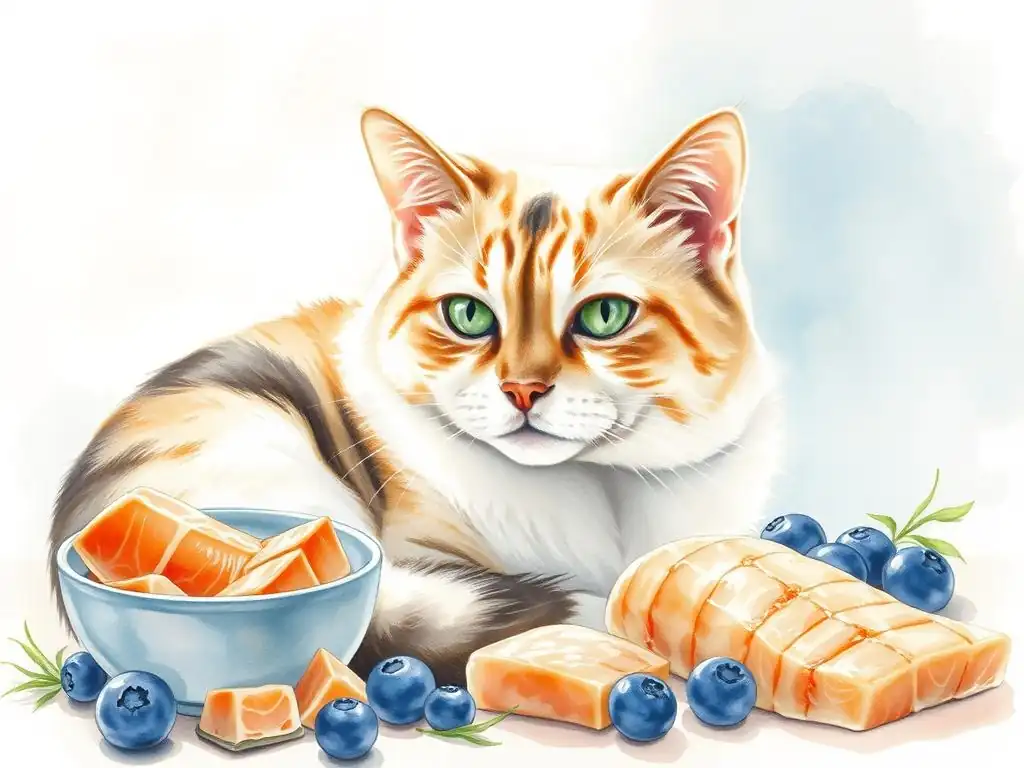
- Chicken: A classic and readily available option, chicken is a lean protein source packed with essential amino acids. Look for options with minimal added fillers or preservatives.
- Turkey: Similar to chicken in its nutritional profile, turkey offers a slightly different flavor profile that some senior cats might prefer.
- Fish (Salmon, Tuna, Whitefish): These are excellent sources of protein and omega-3 fatty acids, which are beneficial for maintaining healthy skin and coat, as well as supporting cognitive function. Always ensure the fish is cooked and free of bones. Avoid raw fish due to potential parasites.
- Eggs: A complete protein source, eggs provide a wide range of essential amino acids and are highly digestible. They can be cooked and added to your cat's food or served on their own as a treat (in moderation).
- Lamb: A less common but equally valuable protein source, lamb is highly digestible and offers a different taste that might appeal to picky eaters.
It's important to note that the quality of the protein matters more than the quantity. A diet with a lower amount of high-quality protein is better than a diet with a large amount of lower-quality protein. Look for pet foods that clearly list the protein source as the first ingredient.
Choosing the Right Protein for Your Senior Cat's Specific Needs
Choosing the right protein for your senior cat isn't just about the source; it's about considering their individual needs and potential health concerns. Some senior cats may have sensitivities or allergies to certain proteins. Others may require specific amino acid profiles to address particular health issues.
Here are some factors to consider:
- Digestibility: As cats age, their digestive systems can become less efficient. Prioritize highly digestible protein sources to minimize digestive upset and maximize nutrient absorption.
- Allergies: If your cat has known allergies, carefully select protein sources that they tolerate well. A veterinarian can perform allergy testing to identify specific allergens.
- Kidney Function: Senior cats are more prone to kidney issues. If your cat has kidney disease, your veterinarian might recommend a protein-restricted diet to reduce the strain on their kidneys. However, this needs to be carefully managed to avoid protein deficiency. This is a crucial aspect of "senior cat protein diet needs," requiring close monitoring and veterinary guidance.
- Dental Health: If your cat has dental problems, softer food options or pate-style wet food might be easier for them to eat. This can ensure they receive adequate protein even with chewing difficulties.
- Weight Management: Obesity is a common concern in senior cats. Choose protein sources that are lean and low in fat to help maintain a healthy weight.
Always consult with your veterinarian before making significant changes to your senior cat's diet. They can assess your cat's individual needs and recommend a protein source and quantity appropriate for their age, health status, and activity level. A personalized approach ensures your senior cat receives the optimal nutrition to thrive in their golden years. Regular veterinary check-ups are essential for monitoring their health and adjusting their diet as needed. This proactive approach is key to addressing "senior cat protein diet needs" effectively.
Formulating a Balanced Senior Cat Protein Diet
Senior cat protein diet needs are significantly different from those of younger cats. As cats age, their metabolic rate slows down, and their protein requirements may actually increase to help maintain muscle mass and support their immune system. However, simply increasing protein isn't enough; the quality and source of protein are equally crucial. A balanced diet considers not only the protein content but also the right balance of essential amino acids, fats, and carbohydrates.
A diet too high in protein, without proper consideration of other nutrients, could strain the kidneys, a common concern in older cats. Therefore, consulting a veterinarian to determine the ideal protein level for your senior cat based on their individual health status and breed is highly recommended. They can assess factors like kidney function, body condition, and activity level to provide personalized dietary recommendations.
The Importance of Balanced Nutrition Beyond Protein
While protein is a cornerstone of a senior cat's diet, it's essential to remember that it's only one piece of the puzzle. A balanced diet for a senior cat requires a careful consideration of several other nutrients. For example, fat is vital for energy production and maintaining a healthy coat. However, the type of fat matters; unsaturated fats are preferred over saturated ones.
Similarly, carbohydrates provide energy, but should be chosen carefully and not be overly abundant. Senior cats are often less active, so excessive carbohydrates could lead to weight gain. Finally, vitamins and minerals play crucial roles in various bodily functions.
A deficiency in any of these essential nutrients can negatively impact the overall health and well-being of your senior feline companion. Therefore, selecting a high-quality commercial senior cat food, or working with a veterinary nutritionist to create a homemade diet, is key to ensuring your cat receives all the nutrients they need. This holistic approach to nutrition maximizes the benefits of the protein intake and supports overall health.
Hydration and Senior Cat Protein Intake
Adequate hydration is intrinsically linked to protein metabolism and kidney function, both critical aspects of a senior cat's health. As cats age, their thirst mechanism can diminish, leading to dehydration. Dehydration can negatively impact kidney function, making it more difficult for the body to process protein efficiently. This can lead to the accumulation of waste products and further stress the kidneys.
Therefore, ensuring your senior cat drinks enough water is paramount. Providing fresh, clean water at all times in multiple locations is a good start. You can also encourage water intake by adding a little water to their wet food or offering broth. Monitoring urine output is another important indicator of hydration.
If you notice a decrease in urine production or changes in urine color, consult your veterinarian immediately. Proper hydration supports optimal protein utilization and reduces the strain on the kidneys, contributing significantly to your senior cat's overall health and longevity. This synergistic relationship between hydration and protein intake underscores the importance of a holistic approach to senior cat care.
Gradual Dietary Changes for Senior Cats: A Smooth Transition
Switching your senior cat to a new diet, especially one with altered protein levels, should be a gradual process. Abrupt changes can upset their digestive system and lead to vomiting or diarrhea. A slow introduction allows the cat's body to adapt to the new food and minimizes the risk of digestive upset. A typical transition plan involves gradually mixing the new food with their old food over a period of 7-10 days.
Start by substituting a small portion (about 25%) of the old food with the new food on day one. Gradually increase the proportion of the new food over the next week, until they are eating only the new food by day 7-10. Monitor your cat closely during this period for any signs of digestive discomfort. If you notice any problems, slow down the transition or consult your veterinarian.
Patience and careful observation are key to a smooth and successful dietary change, ensuring that your senior cat receives the nutritional support they need without experiencing digestive distress. This careful transition emphasizes the importance of prioritizing your cat's comfort and well-being throughout the process. 😻
Addressing Specific Senior Cat Health Issues with Protein
Senior cats, much like senior humans, experience physiological changes that necessitate adjustments to their dietary intake. Understanding the specific role of protein in mitigating age-related health challenges is crucial for providing optimal care. This section will delve into how protein supports kidney health, muscle mass preservation, and even weight management in our beloved senior feline companions. Proper protein intake is a cornerstone of a healthy senior cat protein diet.
Protein and Kidney Function in Senior Cats
Chronic kidney disease (CKD) is a prevalent condition in older cats. While the popular belief is that protein restriction is always necessary for cats with CKD, this isn't universally true. The reality is more nuanced. In the early stages of CKD, maintaining adequate protein intake is vital for preserving muscle mass and overall health. Severely restricting protein too early can lead to muscle wasting (cachexia), further weakening the cat and negatively impacting its quality of life.
The key is to focus on high-quality protein sources that are easily digestible. These sources are gentler on the kidneys and provide the necessary building blocks without overwhelming the system. Examples include hydrolyzed protein, which is pre-digested, making it easier for the kidneys to process. The veterinary community is increasingly recognizing the importance of tailoring protein intake based on individual kidney function, rather than applying a blanket restriction.
Regular blood work monitoring is essential to guide protein adjustments in senior cats with CKD. This individualized approach ensures the cat receives the necessary nutrients without overburdening its kidneys. This is especially important when considering a senior cat protein diet.
Important Note: Always consult with your veterinarian before making any significant dietary changes for a cat with CKD. They can perform the necessary tests and provide personalized recommendations based on your cat's specific health status.
Protein and Muscle Mass Maintenance in Older Cats
As cats age, they naturally experience a decrease in muscle mass, a process known as sarcopenia. This loss of muscle can lead to weakness, decreased mobility, and a reduced quality of life. Adequate protein intake is essential for combating sarcopenia. Protein provides the amino acids necessary for muscle repair and growth, helping to maintain strength and mobility in senior cats.
The amount of protein required varies depending on the cat's individual needs and overall health. However, senior cats generally benefit from a slightly higher protein intake compared to younger adult cats. This doesn't necessarily mean feeding more food; it means ensuring the food chosen contains a higher percentage of high-quality protein. Look for cat foods specifically formulated for seniors that emphasize protein content and digestibility. Regular veterinary checkups can help monitor muscle mass and guide any necessary adjustments to the diet. Maintaining adequate muscle mass is a key element of a successful senior cat protein diet.
Protein and Senior Cat Weight Management
It might seem counterintuitive, but adequate protein can actually aid in weight management for senior cats. Protein is more satiating than carbohydrates and fats, meaning it helps cats feel fuller for longer. This can be particularly beneficial for senior cats who may be less active and prone to weight gain. A diet rich in high-quality protein can help maintain a healthy weight without resorting to restrictive calorie intake, which can be detrimental to already compromised senior cats.
However, it's crucial to choose the right kind of protein. Foods high in protein but also high in fat can lead to weight gain. Opt for senior cat foods that balance protein with moderate fat content. Furthermore, regular exercise (even gentle playtime) remains important for maintaining a healthy weight. A balanced approach combining appropriate protein intake with physical activity is key to successful weight management in senior cats. This is particularly relevant when designing a senior cat protein diet that promotes healthy aging.
Further Considerations for Senior Cat Protein Needs
Beyond the aspects discussed above, other factors influence a senior cat's protein requirements. These include the cat's overall health status, activity level, and any underlying medical conditions. Always work closely with your veterinarian to determine the optimal protein intake for your individual senior cat. They can provide tailored recommendations based on your cat's unique needs and ensure you're providing the best possible care.
Consulting Your Veterinarian: Personalized Protein Recommendations for Your Senior Cat
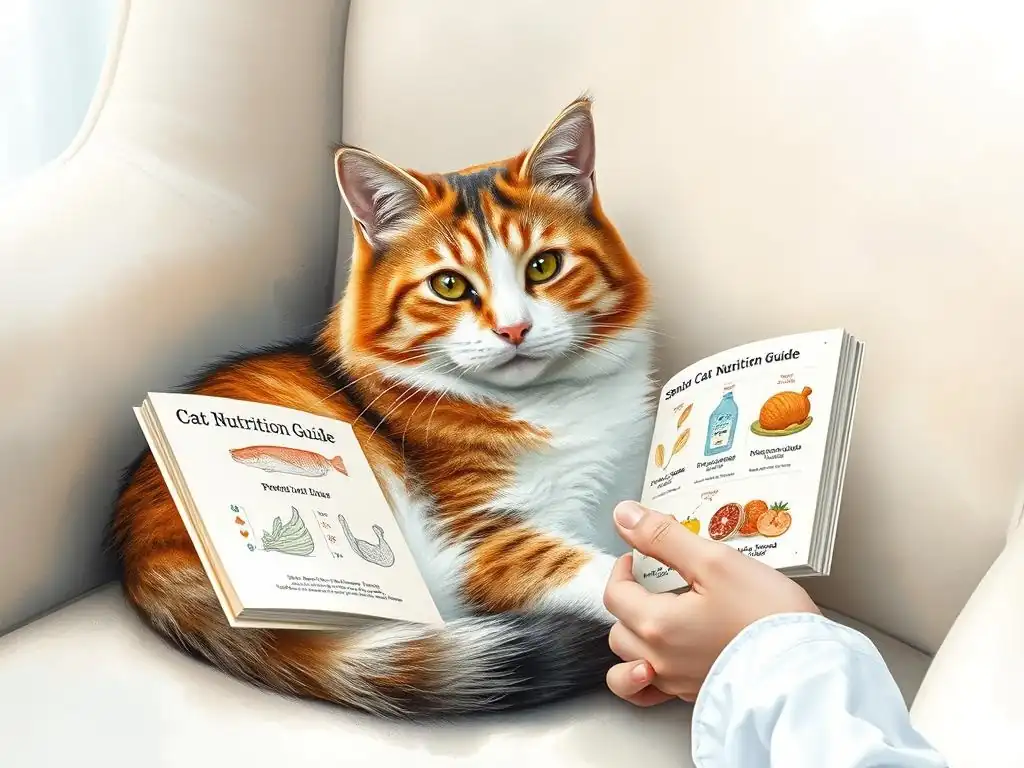
Providing your senior cat with the optimal protein intake is crucial for maintaining their health and well-being, but it's not a one-size-fits-all solution. The ideal protein level for your senior feline depends on several factors unique to their individual situation. This is why consulting your veterinarian is paramount.
Ignoring this vital step could inadvertently lead to health complications. A personalized approach ensures that your cat receives the precise amount of protein they need, neither too much nor too little. Think of it like this: just as humans have varied dietary needs based on age, activity level, and health conditions, so do cats.
Regular Veterinary Check-ups and Bloodwork
Regular veterinary check-ups are essential for monitoring your senior cat's overall health and detecting potential issues early on. These visits provide opportunities for your veterinarian to assess your cat's body condition score, muscle mass, and overall vitality. Crucially, bloodwork can reveal important information about kidney function, liver function, and other vital organ health.
This is especially important when adjusting protein intake, as some senior cats may have underlying conditions that necessitate careful protein management to prevent strain on their organs. For instance, a cat with chronic kidney disease (CKD) might require a lower protein diet than a healthy senior cat.
The veterinarian will use these results, along with your cat's age, breed, activity level, and any pre-existing conditions, to determine the appropriate protein level for your individual cat's senior cat protein diet needs. Don't underestimate the value of these regular checkups; they are the cornerstone of a successful senior cat protein diet plan.
Tailoring a Senior Cat Protein Diet Plan: Collaboration with Your Vet
Once your veterinarian has assessed your cat's health and determined their protein requirements, you'll work together to create a tailored diet plan. This might involve switching to a commercially available senior cat food formulated with the appropriate protein content, or it might involve supplementing their existing diet with protein-rich foods under veterinary guidance. The veterinarian may recommend specific brands or types of food based on your cat's individual needs and preferences. They can also advise on portion sizes to ensure your cat receives the correct amount of protein without overfeeding. Remember, it's a collaborative process. Your active participation in monitoring your cat’s response to the diet is just as important as the initial consultation. Open communication with your vet is key to adjusting the plan as needed. This may involve regular follow-up appointments to monitor your cat's progress and make any necessary adjustments to their senior cat protein diet needs.
Monitoring Your Senior Cat's Response to Dietary Changes
After implementing a new dietary plan, close monitoring is crucial. You should carefully observe your cat for any changes in appetite, energy levels, weight, and stool consistency. Note any unusual behaviors or signs of discomfort. Keep a detailed record of your observations, including daily food intake, weight measurements (weekly is ideal), and any noticeable changes in your cat's health. This information will be invaluable during your follow-up appointments with your veterinarian.
Early detection of any negative reactions to the dietary changes allows for prompt adjustments, ensuring your cat's continued well-being. Remember, a successful senior cat protein diet plan is an ongoing process of monitoring, adjusting, and collaborating with your veterinarian to meet your cat's evolving needs. This proactive approach will help ensure your senior cat enjoys a long and healthy life. 😻
Frequently Asked Questions
What are the protein needs of a senior cat?
Senior cats require a higher protein diet than younger cats to maintain muscle mass and overall health. Aim for a food with at least 30% protein from high-quality sources.
Why is protein so crucial for older cats?
Protein is essential for maintaining lean body mass, supporting immune function, and preventing age-related muscle loss (sarcopenia) in senior felines. It also helps with kidney function.
How much protein should my senior cat consume daily?
The exact amount depends on your cat's individual needs and health status. Consult your veterinarian to determine the appropriate protein intake for your senior cat. They can help you calculate the amount based on their weight and activity level.
What are the best protein sources for senior cats?
Look for foods with high-quality animal proteins such as chicken, turkey, fish, and eggs. Avoid fillers and by-products. Real meat should be listed as the primary ingredient.
My senior cat is having trouble eating. How can I ensure they get enough protein?
You can try wet food which is often easier to eat. You can also consult your vet about protein supplements or prescription diets formulated for senior cats with specific needs. Consider also adding flavor enhancers approved by your veterinarian.
Final Reflection: Nourishing the Golden Years: Protein's Vital Role in Senior Cat Health
The nutritional needs of our feline companions change significantly as they age, and understanding these shifts is crucial for ensuring their well-being. A senior cat's reduced ability to absorb nutrients makes adequate protein intake paramount for maintaining muscle mass, a healthy immune system, and overall vitality. Ignoring this vital need can lead to a decline in quality of life, highlighting the urgency of this discussion.
The impact of proper protein intake on senior cats extends far beyond simple physical health; it profoundly influences their happiness and longevity. Providing the right amount and type of protein is an act of love, ensuring our beloved companions enjoy their golden years to the fullest. The best thing you can do for a senior cat is to provide them with a diet that supports their changing needs, allowing them to live a long and happy life.
This simple truth underscores the responsibility we have as pet owners to be informed and proactive.
You, as a dedicated cat owner, now possess the knowledge to make informed decisions about your senior cat's diet. Take this opportunity to review your pet's current food, consult with your veterinarian, and make any necessary adjustments. Remember, every bowl of food is a chance to nurture the bond you share and ensure your furry friend enjoys a vibrant and healthy twilight of their years. Let's work together to provide the best possible care for our aging feline companions.
Nourish Your Senior Cat: Take Action Today!
Thank you for learning about the crucial role of protein in your senior cat's diet. We hope you found the information helpful. Now, let's put that knowledge into action to help your feline friend thrive.
- Prioritize Protein: Carefully examine your cat's current food, paying close attention to the protein content and its source. A senior cat formula with high-quality protein, such as chicken or fish, may significantly improve their health and well-being.
- Schedule a Vet Checkup: Schedule a visit with your veterinarian to discuss your cat's specific dietary needs and any concerns you may have. Your vet can offer personalized advice based on your cat's age, health, and lifestyle.
- Share Your Success: We'd love to hear about your experience transitioning your senior cat to a higher-protein diet! Share your tips and successes in the comments below—your insights could be invaluable to other pet owners.
What changes will you make to ensure your senior cat receives the necessary protein for a long and happy life?