
Weight Management for Cats: How to Keep Your Feline Fit and Trim


Welcome to PetCareWorld, your ultimate guide to a happier, healthier life for your beloved pets! Are you concerned about your feline friend's weight? Discover the secrets to successful weight management with our comprehensive Cat weight loss diet plan, designed to help your cat achieve a healthy weight and live a longer, more vibrant life. Dive in and unlock the key to a fitter, happier cat!
- Understanding Your Cat's Ideal Weight
- Creating a Successful Cat Weight Loss Diet Plan
- Exercise and Activity for Weight Loss in Cats
- Monitoring Progress and Making Adjustments to Your Cat Weight Loss Diet Plan
- Long-Term Weight Management Strategies for Cats
- Preventing Weight Gain in Cats: Lifestyle and Dietary Tips
- Recognizing and Addressing Potential Weight Gain Issues Early On
- Common Mistakes to Avoid in Cat Weight Loss
- Frequently Asked Questions
- Final Reflection: The Purrfect Path to a Healthier Cat
- Unlock Your Cat's Purrfect Potential: Start Their Healthier Journey Today!
Understanding Your Cat's Ideal Weight
Maintaining a healthy weight is crucial for your cat's overall well-being. Obesity in cats is a significant concern, leading to a range of health problems that can drastically reduce their lifespan and quality of life. This comprehensive guide will provide you with the knowledge and tools to develop a successful cat weight loss diet plan, helping you keep your feline friend fit and trim for years to come.
We'll explore how to assess your cat's current body condition, understand breed-specific weight expectations, and delve into the serious health risks associated with feline obesity. By following our advice and working closely with your veterinarian, you can help your cat achieve and maintain a healthy weight, ensuring a longer, happier life together. This article focuses on creating a safe and effective Cat weight loss diet plan, providing practical strategies and addressing common challenges pet owners face in managing their cat's weight.
Assessing Your Cat's Body Condition Score
Determining your cat's ideal weight is the first step in creating an effective weight management plan. Simply looking at your cat might not be enough; a more precise method involves assessing their Body Condition Score (BCS). Veterinarians typically use a 9-point scale to evaluate a cat's body fat, ranging from severely underweight (1) to extremely obese (9). A score of 5 is generally considered ideal, indicating a healthy weight with visible ribs but no excessive fat.
To assess your cat's BCS, follow these steps:
- Feel your cat's ribs: Gently run your hands along your cat's sides. You should be able to feel their ribs easily without excessive pressure.
- Examine their waist: Look at your cat from above. A healthy cat will have a noticeable waistline behind the ribs.
- Assess their abdomen: Observe your cat's abdomen. It should be tucked up and not overly prominent.
- Check their overall body shape: A healthy cat will have a balanced body shape, not appearing overweight or underweight.
A visual guide from your veterinarian or online resources can further assist you in accurately assessing your cat's BCS. If you're unsure, consult your veterinarian for a professional assessment. Remember, consistent monitoring is key to tracking your cat's progress on their weight loss journey. Regular BCS checks will help you adjust their diet and exercise plan as needed. This detailed approach is crucial for ensuring the effectiveness of your Cat weight loss diet plan.
Identifying Breed-Specific Weight Ranges
While the BCS provides a general guideline, it's crucial to consider breed-specific weight ranges. Different cat breeds have varying body types and metabolisms. For example, a Maine Coon, known for its large size, will naturally weigh more than a Siamese. Ignoring breed-specific weight ranges can lead to inaccurate assessments and potentially harmful dietary adjustments.
Unfortunately, precise weight ranges for every breed aren't readily available in a single, universally accepted chart. However, you can find helpful information by:
- Consulting breed-specific resources: Many breed clubs or online communities dedicated to specific cat breeds offer insights into average weight ranges for adult cats.
- Discussing with your veterinarian: Your vet has access to extensive resources and can provide tailored guidance based on your cat's breed, age, and overall health.
- Using online pet weight calculators (with caution): Several online tools estimate ideal weight based on breed and other factors. However, these should be used as supplementary information and not as definitive guides. Always consult your veterinarian for personalized advice.
Using this information alongside your cat's BCS will provide a more accurate picture of their ideal weight and inform the creation of a suitable Cat weight loss diet plan.
The Dangers of Obesity in Cats: Health Risks and Complications
Obesity in cats is not merely a cosmetic issue; it significantly increases the risk of various severe health problems, impacting their quality of life and lifespan. The excess weight puts strain on their organs and joints, leading to a cascade of complications.
Some of the most common health risks associated with feline obesity include:
| Health Problem | Description |
|---|---|
| Diabetes Mellitus | Difficulty regulating blood sugar levels. |
| Hyperlipidemia | Elevated levels of fat in the blood, increasing the risk of heart disease. |
| Hypertension | High blood pressure, straining the heart and blood vessels. |
| Osteoarthritis | Joint pain and inflammation due to increased stress on the joints. |
| Hepatic Lipidosis | Fatty liver disease, a potentially fatal condition. |
| Urinary Tract Infections | Increased risk due to changes in metabolism and increased strain on the system. |
| Respiratory Problems | Difficulty breathing due to excess weight restricting lung function. |
| Skin Infections | Increased risk due to reduced mobility and difficulty grooming. |
The severity of these complications can vary depending on the degree of obesity and the individual cat's health. Addressing obesity early is crucial to prevent or mitigate these risks. A carefully planned Cat weight loss diet plan, in conjunction with veterinary guidance, is essential for ensuring your cat's long-term health and happiness. Remember, preventing obesity is far easier than treating its complications. Regular check-ups and proactive weight management are vital for a healthy and happy feline companion.
Creating a Successful Cat Weight Loss Diet Plan

Successfully managing your cat's weight requires a carefully planned approach. A successful cat weight loss diet plan isn't just about reducing calories; it's about providing balanced nutrition while supporting your cat's overall health and well-being. Remember, always consult your veterinarian before making significant changes to your cat's diet, especially if they have any underlying health conditions. They can help determine the appropriate calorie intake and monitor your cat's progress. A sudden, drastic reduction in calories can be harmful.
Developing a Calorie-Controlled Diet for Weight Loss
The cornerstone of any effective cat weight loss diet plan is calorie control. This doesn't mean starving your cat; instead, it involves carefully calculating their daily caloric needs based on their ideal weight, age, activity level, and overall health. Veterinarians often use specialized formulas or online calculators to determine this. Once you have this number, you can gradually reduce the daily calorie intake. A typical reduction might be 10-20% below their current maintenance level, but this is highly dependent on your cat's individual circumstances.
It's crucial to avoid sudden changes. A gradual reduction in calories allows your cat's body to adjust and minimizes the risk of negative side effects. Monitor your cat's weight weekly and adjust the calorie intake as needed. Remember, consistency is key. Sticking to the plan is crucial for long-term success. Weigh your cat's food precisely to ensure accurate calorie control. Using a food scale will significantly improve the accuracy of your calorie calculations. Don't forget to factor in any treats or supplemental foods you may give your cat.
Choosing the Right Cat Food for Weight Management: Wet vs. Dry Food
The type of cat food you choose plays a significant role in your cat's weight management journey. Both wet and dry foods have their advantages and disadvantages when it comes to weight loss. Cat weight loss diet plan success often hinges on this careful selection.
Wet food, generally higher in moisture content, can help cats feel fuller with fewer calories. However, it often has a higher calorie density per ounce compared to dry food. Dry food, on the other hand, is typically lower in calories per ounce and can help support dental health. However, it can be less filling, leading to increased food consumption.
The best choice depends on your cat's preferences and metabolic needs. Some cats respond better to wet food, while others prefer dry. Look for cat foods specifically formulated for weight management. These usually have lower calorie counts and a higher protein content to help maintain muscle mass during weight loss. Always check the ingredient list and nutritional information on the packaging. Prioritize foods with high-quality protein sources and minimal fillers. A balanced diet is essential for a successful cat weight loss diet plan.
Incorporating Healthy Treats and Supplements into a Weight Loss Plan
While treats are a part of many cats' lives, they can easily derail a cat weight loss diet plan if not managed carefully. Instead of completely eliminating treats, opt for low-calorie options. Small pieces of cooked chicken breast or a tiny amount of unsweetened plain yogurt can be suitable alternatives. Always factor the caloric value of these treats into your cat's daily intake.
Supplements can also play a supportive role, but only under veterinary guidance. Some supplements may aid in digestion or boost metabolism, potentially assisting with weight loss. However, it’s crucial to consult your veterinarian before introducing any supplements into your cat's diet to avoid potential interactions with other medications or underlying health issues. Never self-medicate your cat.
A veterinarian can recommend appropriate supplements and dosages based on your cat’s specific needs. Remember, a holistic approach, combining diet, exercise, and veterinary guidance, is the most effective way to manage your cat's weight. A successful cat weight loss diet plan prioritizes your cat's health and well-being above all else. 😻
Monitoring Food Intake and Portion Control for Cats
Accurately monitoring your cat's food intake is crucial for successful weight loss. Many cat owners underestimate how much their feline friends are actually consuming. This often stems from free-feeding, where food is constantly available. While convenient, this method makes portion control nearly impossible and can lead to overeating, especially in cats prone to weight gain. A structured feeding schedule is far more effective for managing calorie intake.
To effectively monitor food intake, you'll need to measure your cat's food precisely. Don't rely on eyeballing; use a measuring cup or kitchen scale to ensure accuracy. The recommended daily amount will depend on your cat's age, breed, activity level, and overall health, as well as the specific calorie content of the chosen food. Consult your veterinarian to determine the appropriate calorie intake for your cat's weight loss goals. They can help you calculate a safe and effective daily caloric deficit.
Switching to a measured feeding schedule involves transitioning your cat gradually. Sudden changes can cause stress and potentially lead to decreased appetite or other health issues. Start by reducing the amount of food slightly each day until you reach the target amount prescribed by your vet. Observe your cat's behavior and adjust the portion size if necessary.
It's important to remember that even small adjustments can make a big difference over time. Patience and consistency are key. Consider using a food diary to track daily intake and monitor progress. This will allow you to spot any patterns or inconsistencies in your cat's eating habits.
Remember, consistency is key. Sticking to a strict feeding schedule and accurately measuring portions will significantly impact your cat's weight loss journey. This disciplined approach, combined with other aspects of a comprehensive weight loss plan, will help your feline friend achieve and maintain a healthy weight.
Don't be discouraged if you encounter some initial challenges; with persistence, you can help your cat reach their ideal weight. Regular check-ups with your veterinarian are also essential to monitor your cat's progress and make any necessary adjustments to their diet plan. Your vet can also offer valuable advice and support throughout the process.
Exercise and Activity for Weight Loss in Cats
Weight loss for cats isn't solely about diet; a crucial component is increasing physical activity. A sedentary lifestyle contributes significantly to feline obesity, and incorporating regular exercise can significantly boost the effectiveness of any cat weight loss diet plan. Remember, even small increases in activity can make a difference. We'll explore practical strategies to encourage your cat to move more and burn those extra calories.
Encouraging Play and Activity: Toys and Games for Weight Management
Cats are natural hunters, and engaging their predatory instincts is a fantastic way to encourage exercise. Avoid relying solely on passive entertainment like watching birds outside the window; active play is key. Here are some proven methods:
- Interactive Toys: Feather wands, laser pointers (used responsibly, avoiding direct eye contact), and toy mice are excellent choices. These toys mimic the chase and capture behaviors cats naturally enjoy, resulting in increased physical activity and mental stimulation. Remember to vary the toys to prevent boredom.
- Puzzle Feeders: These clever devices require your cat to work for their food, engaging them mentally and physically. The act of solving the puzzle to access their meals burns calories and reduces the speed of eating, preventing overconsumption. There are many puzzle feeders available, from simple treat balls to more complex contraptions.
- Scheduled Play Sessions: Don't just leave toys out; dedicate specific times for interactive play. Two 15-minute sessions daily can significantly improve your cat's activity levels. Observe your cat's energy levels and adjust the duration and intensity accordingly. The goal is to get them slightly breathless but not exhausted.
- Rotating Toys: Cats, like humans, can get bored with the same old toys. Regularly introduce new toys and rotate existing ones to maintain their interest and keep them engaged in play. This prevents them from becoming disinterested and inactive. Consider creating a “toy rotation schedule” to track this.
Creating a Stimulating Environment for Active Cats
A stimulating environment encourages natural play and activity. Consider these environmental modifications:
- Vertical Space: Cats love to climb! Cat trees, shelves, and window perches provide vertical space for exploration and exercise. These features allow cats to jump, climb, and survey their territory, burning calories while satisfying their natural instincts.
- Safe Outdoor Access: If possible and safe, provide supervised access to a secure outdoor area, like a catio or enclosed garden. This allows them to explore, hunt (insects, for instance), and experience environmental enrichment, all contributing to increased activity. Ensure the area is completely secure to prevent escapes and hazards.
- Climbing Structures: Think beyond cat trees; consider building or purchasing sturdy shelving units that your cat can safely climb and explore. This adds another layer of vertical space and encourages physical activity. This can be incorporated into your home's existing design for a seamless integration.
- Interactive Walls: Think beyond the floor! Attach climbing structures to walls, creating vertical pathways that encourage climbing and jumping. This stimulates natural behaviors and provides an engaging environment for your cat.
Integrating Regular Exercise into Your Cat's Daily Routine
Consistency is key when it comes to integrating exercise into your cat's routine. Here's how to make it a habit:
- Establish a Schedule: Just like humans benefit from structured workouts, cats thrive on routine. Schedule specific times for play sessions and stick to them as much as possible. This helps establish a predictable pattern that your cat will come to expect and enjoy.
- Positive Reinforcement: Reward your cat with treats or praise during and after play sessions. Positive reinforcement strengthens the association between exercise and positive experiences, making them more likely to participate enthusiastically. Use small, healthy treats to avoid disrupting the cat weight loss diet plan.
- Monitor Progress: Keep track of your cat's activity levels and adjust your approach accordingly. If your cat seems disinterested, try different toys or games, or modify the environment to make it more appealing. A food journal paired with an activity log can provide valuable insights.
- Patience and Persistence: It takes time to change a cat's habits. Be patient and persistent, and don't get discouraged if your cat doesn't immediately embrace a new exercise routine. Gradually increase the duration and intensity of play sessions over time. Celebrate small victories along the way! Remember that even small changes can contribute to significant long-term weight management.
Monitoring Progress and Making Adjustments to Your Cat Weight Loss Diet Plan
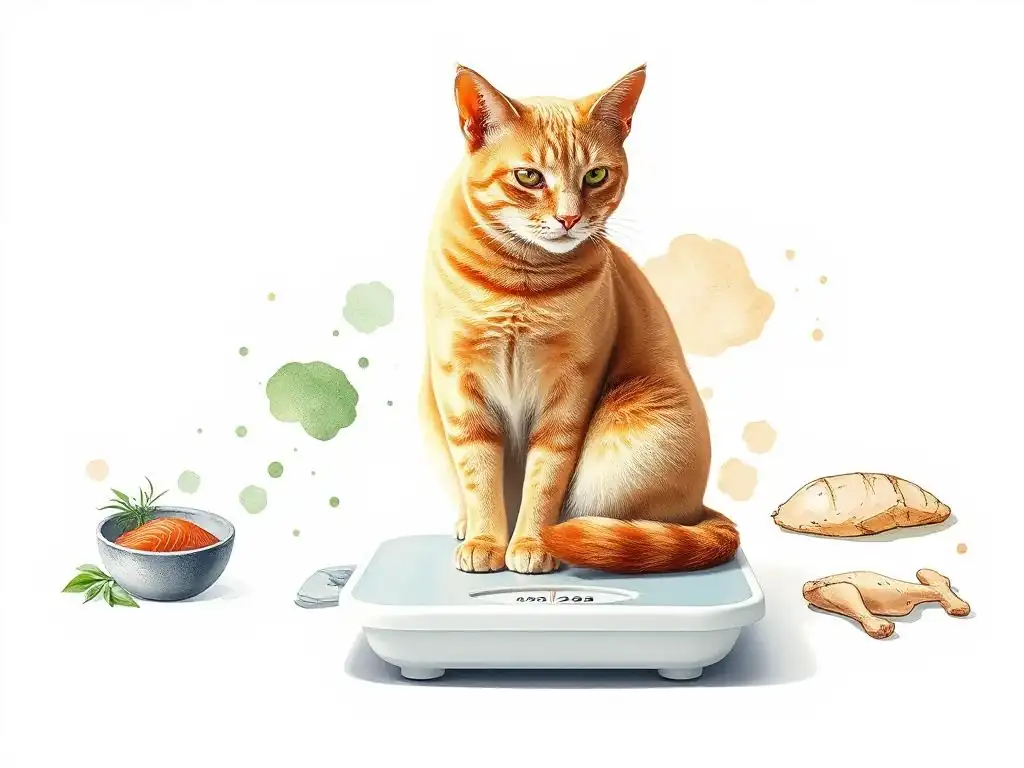
Successfully implementing a cat weight loss diet plan requires consistent monitoring and adjustments based on your cat's response. It's not a one-size-fits-all approach; individual cats respond differently to dietary changes. Regularly assessing your feline friend's progress is crucial for ensuring their health and well-being while achieving weight loss goals. Remember, patience is key – significant changes take time.
Tracking Your Cat's Weight and Body Condition Score
Accurate weight tracking is paramount. Weigh your cat weekly, using the same scale at the same time of day to minimize variability. Record the weight in a journal or spreadsheet. Simply noting the number isn't enough; you also need to assess your cat's body condition score (BCS). This involves a visual assessment of your cat's body fat distribution. A BCS of 5/9 (on a scale of 1-9, with 1 being emaciated and 9 obese) is generally considered ideal.
You can find detailed BCS charts online, showing what a cat at different scores looks and feels like. Pay attention to the ribs, waistline, and abdominal fat. Can you easily feel their ribs? Is there a noticeable waistline when viewed from above? Does their abdomen appear tucked up or distended? These observations, combined with your weight measurements, provide a holistic picture of your cat's progress.
Here's a simple table to help you organize your cat's weight tracking:
| Date | Weight (lbs) | Body Condition Score (1-9) | Notes |
|---|---|---|---|
| Oct 26, 2023 | 12.5 | 7 | Ribs easily palpable, slight abdominal fat |
| Nov 2, 2023 | 12.3 | 6 | Waistline more defined |
| Nov 9, 2023 | 12.0 | 6 | Maintaining weight loss; continuing plan |
If your cat's weight loss plateaus or their BCS doesn't improve despite consistent effort, it's time to re-evaluate your strategy.
Addressing Plateaus and Potential Setbacks in Weight Loss
Weight loss plateaus are common. Several factors can contribute, including:
- Hidden Treats: Are you inadvertently providing extra calories through treats or table scraps? Even small amounts can significantly impact overall calorie intake.
- Inconsistent Feeding: Sticking to the prescribed diet is crucial. Any deviation can disrupt progress.
- Underlying Medical Conditions: Hyperthyroidism, diabetes, or other health issues can affect metabolism and hinder weight loss.
- Lack of Exercise: While cats are less active than dogs, increasing playtime and interactive games can boost metabolism.
If you encounter a plateau, consider the following:
- Re-evaluate Calorie Intake: Consult resources or your vet to ensure the calorie restriction is appropriate for your cat's age, activity level, and current weight. You might need to slightly reduce portion sizes or switch to a lower-calorie food.
- Increase Physical Activity: Even small increases in activity can make a difference. Try interactive toys, climbing structures, or puzzle feeders to stimulate your cat's natural hunting instincts.
- Consult Your Veterinarian: Rule out underlying medical conditions that may be contributing to the weight loss plateau.
Setbacks can occur; don't get discouraged. Analyze the reasons, make necessary adjustments, and resume the plan. Remember, consistent effort, along with monitoring and adjustments, is key to success. 🎉
Consulting Your Veterinarian for Professional Guidance and Support
A veterinarian's expertise is invaluable throughout the weight loss journey. Before starting any diet plan, consult your vet. They can assess your cat's overall health, identify potential underlying conditions, and help create a safe and effective weight loss plan tailored to your cat's specific needs. They can also monitor your cat's progress and make necessary adjustments along the way.
Regular check-ups are essential to ensure your cat remains healthy during the weight loss process. Your vet can provide vital guidance and support, ensuring your cat achieves a healthy weight safely and effectively. Don't hesitate to seek professional help – it's a crucial part of a successful cat weight loss diet plan.
Long-Term Weight Management Strategies for Cats
Maintaining a healthy weight in cats is a continuous process, requiring ongoing commitment and vigilance from pet owners. Successfully losing weight is only half the battle; maintaining that weight loss long-term requires a sustained approach to diet and lifestyle. This section focuses on strategies to ensure your feline friend stays within their ideal weight range after achieving their weight loss goals. A successful cat weight loss diet plan isn't a temporary fix, but a lifestyle change.
Maintaining a Healthy Weight After Achieving Weight Loss Goals
Once your cat has reached their ideal weight, transitioning to a maintenance plan is crucial. Abruptly returning to their previous feeding habits can easily lead to weight regain. The key is to gradually adjust their food intake while maintaining a balanced and nutritious diet. This might involve slightly increasing the calorie content of their food, but never returning to the previous quantity. Instead, focus on portion control and using a high-quality, weight-management formula designed for maintenance.
Regular monitoring is essential. Weigh your cat weekly, or at least monthly, to detect any early signs of weight fluctuation. Even small increases in weight should trigger a reassessment of their diet and activity levels. Remember, consistency is key. Sticking to a regular feeding schedule, avoiding extra treats, and ensuring they get sufficient exercise will help prevent weight rebound. Consider keeping a food diary to track their intake and identify any potential issues.
This phase requires patience and perseverance. It's a marathon, not a sprint. Celebrate small victories and don't get discouraged by occasional setbacks. Adjusting the plan as needed based on your cat's individual response is perfectly acceptable. Regular veterinary check-ups are also crucial to monitor their overall health and ensure the weight management plan remains appropriate.
Preventing Weight Gain in Cats: Lifestyle and Dietary Tips
Proactive measures are far more effective than reactive ones when it comes to feline weight management. Preventing weight gain in the first place is significantly easier than trying to reverse it. This section delves into practical lifestyle and dietary tips to keep your cat at a healthy weight. A comprehensive cat weight loss diet plan should incorporate preventative strategies.
Preventing Weight Gain in Cats: Lifestyle and Dietary Tips
- Controlled Feeding: Measure your cat's food precisely, following the guidelines on the packaging for their specific weight and activity level. Avoid free-feeding, which allows cats to graze throughout the day and often leads to overeating. Instead, opt for scheduled meals.
- High-Quality Food: Choose a cat food formulated for their age, activity level, and health condition. Look for foods with high protein content and moderate fat levels. Avoid foods high in carbohydrates, as these contribute to weight gain. Read labels carefully and compare nutritional information.
- Interactive Play: Engage your cat in regular playtime to burn calories and stimulate their natural hunting instincts. Use interactive toys like wands, laser pointers, or puzzle feeders to keep them active and entertained. Aim for at least 15-20 minutes of active play daily.
- Environmental Enrichment: A stimulating environment can help prevent boredom-related overeating. Provide scratching posts, climbing structures, and hiding places to keep your cat mentally and physically engaged. A bored cat is often a heavier cat.
- Treats in Moderation: Limit treats to a minimal amount. If you do give treats, factor their caloric value into your cat's daily food allowance. Consider healthy alternatives like small pieces of cooked chicken or tuna (in moderation).
- Regular Veterinary Check-ups: Regular visits to the vet are crucial for early detection of any underlying health issues that might contribute to weight gain. Your veterinarian can also help you develop a personalized cat weight loss diet plan if necessary.
Recognizing and Addressing Potential Weight Gain Issues Early On
Early detection of weight gain is paramount in preventing it from becoming a serious health problem. This section provides guidance on recognizing the early warning signs of weight gain and taking prompt action. An effective cat weight loss diet plan starts with early intervention.
Recognizing and Addressing Potential Weight Gain Issues Early On
Weight gain in cats often happens gradually, making it easy to overlook. However, even subtle changes in body condition can be indicators of a problem. Regularly assess your cat's body condition score (BCS). This involves feeling their ribs, spine, and hips. Ideally, you should be able to feel their ribs easily, but not see them prominently. If you can't feel their ribs, or if they have a noticeable pot belly, it's a sign of weight gain.
Other signs include:
- Increased appetite: Is your cat demanding more food than usual?
- Lethargy: Has your cat become less active and more prone to sleeping?
- Difficulty grooming: Is your cat struggling to reach certain areas to groom themselves due to excess weight?
- Changes in behavior: Is your cat displaying unusual behaviors, such as increased vocalization or aggression?
If you notice any of these signs, consult your veterinarian immediately. They can conduct a thorough examination, determine the underlying cause of the weight gain (if any), and help you develop a tailored cat weight loss diet plan. Early intervention is key to preventing long-term health complications associated with feline obesity. Don't wait until the weight gain becomes severe; address it as soon as you notice it. Remember, a healthy weight contributes to a longer, happier life for your feline companion.
Common Mistakes to Avoid in Cat Weight Loss
Losing weight for our feline friends requires a careful and considered approach. Many well-meaning cat owners unintentionally hinder their cat's weight loss journey by making common mistakes. Understanding these pitfalls is crucial for successful weight management and ensuring your cat's overall health and well-being. A successful "cat weight loss diet plan" hinges on avoiding these frequent errors.
Sudden Dietary Changes and Their Potential Negative Effects
Abruptly switching your cat's food can lead to digestive upset, including vomiting and diarrhea. This is because a cat's digestive system needs time to adapt to new ingredients and nutrient profiles. A gradual transition, over 7-10 days, is essential. Start by mixing a small amount of the new food with the old food, gradually increasing the proportion of the new food each day until your cat is solely consuming the new diet.
This minimizes stress on their digestive system and improves the chances of a smooth transition. Ignoring this crucial step can lead to weight loss plateaus or even weight gain as the cat's body struggles to process the new food effectively. Furthermore, sudden changes can disrupt the gut microbiome, potentially leading to long-term digestive problems. Always consult your veterinarian before making significant dietary changes, especially if your cat has pre-existing health conditions.
Overfeeding and the Importance of Portion Control
One of the most significant mistakes in cat weight loss is overfeeding. Many cat owners unknowingly overestimate their cat's daily caloric needs. This often stems from free-feeding (leaving food out all day), which allows cats to graze and consume more calories than necessary. A structured feeding schedule, with measured portions, is vital for effective weight management. Use a measuring cup to ensure accurate portion sizes, following the guidelines on the cat food packaging, or as recommended by your veterinarian.
Consider factors like your cat's age, activity level, and overall health when determining the appropriate portion size. Remember, even seemingly small overfeeding can accumulate over time, hindering weight loss progress. A good "cat weight loss diet plan" emphasizes precise portion control. Monitoring your cat's weight regularly, ideally weekly, will help you adjust portions as needed.
Ignoring Underlying Health Conditions that Contribute to Weight Gain
Weight gain in cats isn't always solely due to diet. Underlying health issues, such as hypothyroidism, diabetes, or Cushing's disease, can significantly contribute to weight gain and make weight loss difficult. Ignoring these conditions can not only hinder weight loss efforts but also negatively impact your cat's overall health. If your cat is struggling to lose weight despite following a proper diet and exercise regimen, consult your veterinarian for a thorough examination.
Early detection and treatment of underlying health problems are crucial for successful weight management and improving your cat's quality of life. Regular veterinary checkups are essential to identify any potential health issues before they become serious, and to ensure your "cat weight loss diet plan" is the right approach given their overall health. A comprehensive approach that addresses both diet and potential underlying health problems is key to achieving sustainable weight loss for your feline companion. 🐾
Frequently Asked Questions
How can I tell if my cat is overweight?
You can determine if your cat is overweight by using a body condition score chart. Look for a lack of visible waistline and excessive fat deposits around the ribs and abdomen. Consult your veterinarian if you're unsure.
What is a good diet plan for weight loss in cats?
A successful weight loss plan involves a combination of a high-protein, low-calorie diet and increased physical activity. Consult your vet to create a personalized plan based on your cat's specific needs and health status. Gradual weight loss is key.
What human foods should I avoid giving my overweight cat?
Avoid giving your cat high-calorie treats such as table scraps, dairy products, and sweets. These can contribute to weight gain and health problems. Stick to their prescribed diet.
How much exercise does my overweight cat need?
The amount of exercise depends on your cat's age and health. Interactive play sessions with toys are crucial. Even small increases in activity, such as climbing, can make a difference. Consult your vet before starting any new exercise routine.
How long will it take for my cat to lose weight?
Weight loss in cats is a gradual process. It can take several months to see significant results. Patience and consistency with diet and exercise are essential. Monitor your cat's progress with your veterinarian.
Final Reflection: The Purrfect Path to a Healthier Cat
The fight against feline obesity is not just a matter of aesthetics; it's a crucial step towards ensuring our beloved companions live longer, healthier lives. A staggering number of cats struggle with weight issues, impacting their quality of life and increasing their risk of serious health problems. This isn't just a trend; it's a widespread concern demanding our attention and proactive solutions.
Witnessing the transformation of an overweight cat, from sluggish and lethargic to playful and energetic, is deeply rewarding. The journey to a healthier weight isn't always easy, requiring patience, consistency, and a deep understanding of your cat's individual needs. This journey underscores the profound bond we share with our feline friends, a connection built on mutual care and respect. The best thing about having a cat is that they are always there for you, even when you are not there for them.
This quote, while not directly about weight management, speaks to the unwavering love and responsibility we have for our pets, a responsibility that extends to their well-being.
You now possess the knowledge to embark on this journey with your cat. Don't just passively read; actively engage. Assess your cat's weight, consult your veterinarian, and create a tailored plan. Remember, small changes can lead to significant improvements. By making conscious choices about your cat's diet and lifestyle, you are not only extending their lifespan but also enriching the quality of their lives, fostering a stronger bond built on mutual health and happiness. Let's work together to ensure every cat enjoys a long, healthy, and purrfect life.
Unlock Your Cat's Purrfect Potential: Start Their Healthier Journey Today!
Thank you for learning about keeping your feline friend fit and healthy! We hope you found valuable information on managing your cat's weight. Now let's put that knowledge into action.
Here's how to get started:
- Create a personalized feeding plan: Carefully assess your cat's current food intake and adjust portions based on their breed, age, activity level, and overall health. This is crucial for achieving a healthy weight.
- Increase playtime and interaction: Schedule at least 15-20 minutes of daily playtime using toys that encourage movement and natural hunting instincts. A simple feather wand or laser pointer can be very effective!
- Share your weight management successes (and challenges!) with other PetCareWorld community members in the comments below – let's support each other!
Ready to see the difference a few small changes can make in your cat's health and happiness? What's one small change you can make to your cat's routine today?