
Grooming Your Cat: Preventative Measures for Skin and Coat Health

Welcome to PetCareWorld, your ultimate guide to a happier, healthier life for your beloved pets! Are you ready to unlock the secrets to a radiant coat and healthy skin for your feline friend? Discover how essential grooming practices can act as powerful preventative measures against common skin issues in our in-depth article on "Cat grooming preventative skin health." Dive in and learn how to keep your cat looking and feeling their best!
- Understanding Your Cat's Coat and Skin: The Foundation of Healthy Grooming
- Essential Cat Grooming Tools: A Comprehensive Guide
-
Step-by-Step Guide to Cat Grooming: A Practical Approach
- Preparing Your Cat for Grooming: Creating a Calm Environment
- Brushing Techniques for Healthy Coat Maintenance
- Dealing with Mats and Tangles: Gentle Removal Methods
- Nail Trimming for Cats: A Step-by-Step Tutorial
- Ear Cleaning for Cats: Safe and Effective Practices
- Teeth Cleaning for Cats: Preventing Dental Issues
- Nutritional Support for Healthy Cat Skin and Coat
- Recognizing Signs of Skin Problems: When to See a Veterinarian
- Maintaining a Clean and Healthy Cat Grooming Environment
- Long-Term Cat Grooming Strategies: Maintaining Skin and Coat Health
-
Frequently Asked Questions
- How often should I groom my cat to prevent skin problems?
- What are the key tools needed for preventative cat grooming?
- My cat hates being brushed. How can I make grooming less stressful?
- What are the signs of skin problems I should watch out for in my cat?
- Can I use human shampoo or conditioner on my cat?
- Final Reflection: The Untamed Beauty of a Healthy Cat
- Unleash Your Cat's Inner Glow: A Purrfectly Polished Pet
Understanding Your Cat's Coat and Skin: The Foundation of Healthy Grooming
Maintaining your feline friend's skin and coat health is crucial for their overall well-being. A healthy coat acts as a natural barrier, protecting your cat from environmental irritants, parasites, and infections. Similarly, healthy skin provides comfort and prevents discomfort.
This article will delve into the preventative aspects of cat grooming, focusing on techniques and practices that can significantly reduce the risk of skin and coat problems. We'll explore how regular grooming contributes to early detection of potential issues, allowing for prompt intervention and minimizing the severity of any conditions. Understanding your cat's unique coat and skin type is the first step towards implementing an effective grooming routine that promotes optimal health and a happy, shiny cat.
Regular grooming isn't just about aesthetics; it's a vital component of preventative care for your beloved companion, helping you to address potential problems before they escalate. This proactive approach is key to ensuring your cat enjoys a long and healthy life.
Identifying Common Cat Skin Problems: Early Detection is Key
Early detection of skin problems in cats is paramount for effective treatment and preventing long-term complications. Several common issues can manifest in the skin and coat, including:
- Fungal infections (ringworm): Characterized by circular, scaly patches that can be itchy and sometimes hairless.
- Bacterial infections: Often presenting as inflamed, red skin with pus-filled bumps or sores.
- Allergies: Can trigger intense itching, redness, and hair loss, sometimes accompanied by secondary infections. Allergies can be caused by various things like food, environmental allergens (pollen, dust mites), or flea bites.
- Parasites (fleas, mites): Lead to intense itching, scratching, and potential skin irritation. Fleas are easily visible, while mites may require veterinary examination for diagnosis.
- Dry skin: Can appear as flaky, dull fur and can be exacerbated by environmental factors or underlying health conditions.
Regular brushing allows you to identify these problems early. Look for changes in your cat's coat texture, unusual redness, excessive scratching or licking, bald patches, or any unusual skin lesions. Even subtle changes can be indicators of underlying issues. If you notice any abnormalities, consult your veterinarian immediately for proper diagnosis and treatment. Early intervention significantly improves the prognosis and minimizes discomfort for your cat. Remember, a proactive approach is much more effective and less stressful than reacting to a fully developed condition.
Assessing Your Cat's Coat: Texture, Shine, and Potential Issues
A healthy cat's coat should be smooth, shiny, and free from mats or tangles. The texture can vary depending on the breed, with some cats having short, fine hair, while others possess long, thick fur. However, regardless of breed, a dull, dry, or matted coat can be a sign of underlying health problems. Regularly assess your cat's coat for:
- Dryness: Dryness can be a symptom of several conditions, including poor nutrition, allergies, or underlying medical problems. A lack of shine and the presence of dandruff are indicators of dry skin.
- Matting: Long-haired cats are particularly prone to matting, which can cause discomfort and even skin infections. Regular brushing helps to prevent matting.
- Shedding: Shedding is a natural process, but excessive shedding can indicate stress, hormonal imbalances, or nutritional deficiencies.
- Changes in coat color or texture: These changes can sometimes be a subtle sign of underlying health issues.
By regularly monitoring your cat's coat, you can identify changes early on. This allows you to address any potential problems before they become serious. For example, consistent brushing prevents matting, while a change in diet can help improve coat health and reduce shedding in some cases. Keep a close eye on your cat's coat, and don't hesitate to seek veterinary advice if you notice any significant changes. Remember, a healthy coat is a reflection of a healthy cat.
The Importance of Regular Cat Grooming for Preventative Care
Regular grooming is not a luxury; it's an essential part of preventative care for cats. It provides numerous benefits:
- Early detection of skin problems: As discussed, regular brushing allows for early identification of skin issues, leading to prompt treatment and better outcomes.
- Parasite control: Regular brushing helps remove fleas and other parasites, reducing the risk of infestations and associated skin problems.
- Improved coat health: Brushing removes dead hair, stimulates blood circulation in the skin, and distributes natural oils, leading to a healthier, shinier coat.
- Bonding experience: Grooming time provides a valuable opportunity to bond with your cat and strengthen your relationship. It allows you to check for any other health concerns beyond the skin and coat.
- Reduced stress: For many cats, regular grooming can be a relaxing experience.
The frequency of grooming depends on your cat's breed and coat type. Long-haired cats require more frequent brushing than short-haired cats. A daily brushing session is ideal for many cats, but even weekly brushing offers significant health benefits. Remember to use appropriate grooming tools for your cat's coat type and always be gentle and patient during the grooming process. Integrating regular grooming into your cat's routine is a simple yet highly effective way to ensure its long-term health and happiness. The benefits far outweigh the time investment, contributing significantly to your cat's overall well-being. 😻
Essential Cat Grooming Tools: A Comprehensive Guide
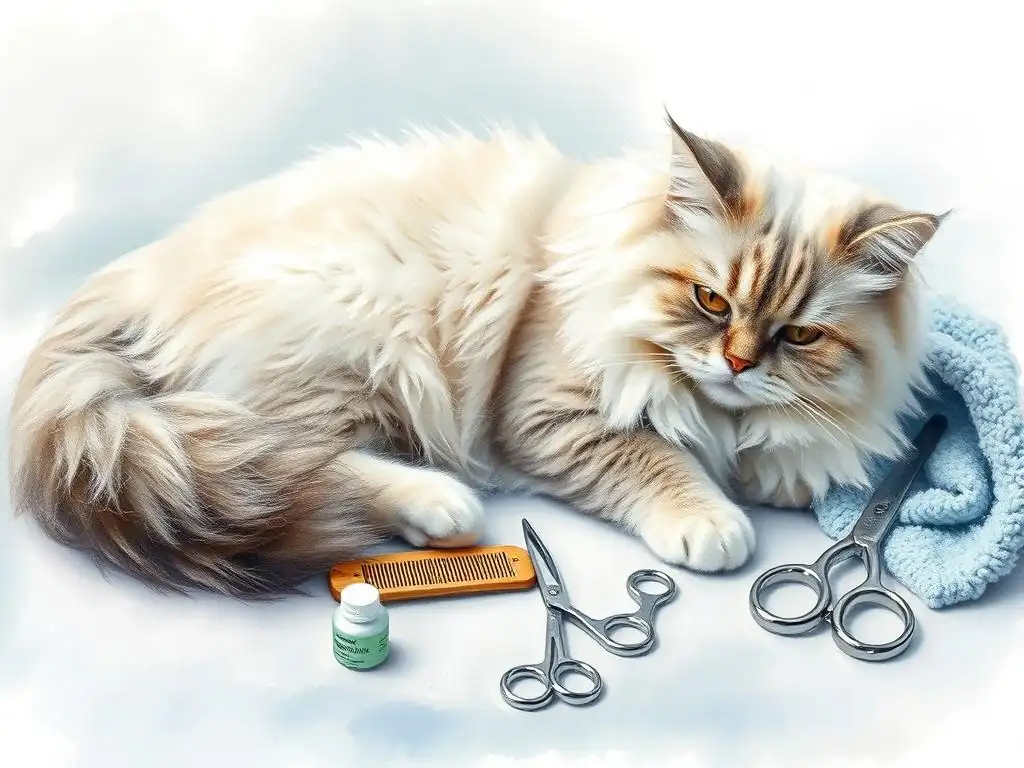
Maintaining your cat's skin and coat health through regular grooming is crucial for preventing various issues. But before you begin, you need the right tools. Investing in quality grooming supplies will make the process easier and more enjoyable for both you and your feline friend. The type of tools you'll need will depend on your cat's breed and coat type. Let's explore the essentials.
Brushes for Different Coat Types: Short, Medium, and Long Hair
The cornerstone of any cat grooming kit is a selection of brushes. The type of brush you choose will directly impact the effectiveness of your grooming routine and your cat's comfort level. Different coat lengths require different approaches.
- Short-haired cats: These cats generally require less frequent brushing. A simple rubber curry brush or a soft bristle brush is usually sufficient to remove loose hair and distribute natural oils. A quick once-a-week brushing is often enough to keep their coat healthy and shiny. However, during shedding season, you may need to increase the frequency to daily brushing.
- Medium-haired cats: Medium-haired cats benefit from a more versatile approach. A slicker brush is excellent for removing dead undercoat and preventing mats. Supplement this with a bristle brush for smoothing the top coat and distributing oils. Aim for at least two to three brushing sessions per week, increasing to daily during shedding periods.
- Long-haired cats: Long-haired breeds need more dedicated grooming. A wide-toothed comb is essential for detangling, followed by a slicker brush to remove dead hair and prevent matting. A de-shedding tool can be incredibly helpful, particularly during shedding season. Daily brushing is often necessary to keep their luxurious coats free from tangles and mats. Ignoring this can lead to painful mats and potential skin irritations. Think of breeds like Persians or Maine Coons – their coats require significant daily attention.
Combs for Detangling and Removing Mats
Combs play a vital role in maintaining a healthy cat coat, especially for long-haired breeds or cats prone to matting. Different combs serve different purposes.
- Wide-toothed combs: These are perfect for gently detangling long hair and removing larger mats before using a slicker brush. Their wide spacing minimizes pulling and discomfort for your cat.
- Fine-toothed combs: These are useful for removing smaller tangles and loose hair after using a wide-toothed comb and slicker brush. However, use these cautiously and gently to avoid irritating your cat's skin. Avoid using fine-toothed combs on heavily matted areas, as they can worsen the problem and cause pain.
Grooming Gloves for Sensitive Cats
Some cats are incredibly sensitive to traditional brushes and combs. Grooming gloves offer a gentler alternative. These gloves are typically made of soft silicone or rubber with small nubs that act like tiny brushes. The gentle massaging action helps remove loose hair while simultaneously providing a calming experience for your cat. This is especially beneficial for cats who dislike traditional brushing.
Many owners find this method helps bond with their cats, transforming grooming from a chore into a relaxing bonding experience. The added benefit is that the collected fur is easily removed from the gloves, simplifying cleanup. Remember, even with grooming gloves, you should still check your cat's skin for any signs of irritation or skin problems. 😻
Nail Clippers and Trimmers: Safe and Effective Techniques
Regular nail trimming is crucial for maintaining your cat's comfort and preventing potential health issues. Overgrown nails can become ingrown, causing pain and infection. They can also snag on carpets or furniture, leading to injury. Choosing the right nail clippers is the first step. There are two main types: guillotine clippers and scissor clippers. Guillotine clippers have a small hole where you insert the nail, while scissor clippers resemble small scissors. Both types are effective, but many cat owners find scissor clippers easier to control, particularly for beginners.
Before you begin, familiarize yourself with your cat's paws. Gently hold each paw, applying gentle pressure to help your cat relax. Locate the quick, the pink part of the nail containing blood vessels and nerves. Cutting into the quick is painful and will cause bleeding. To avoid this, only trim the clear, hard part of the nail.
For dark-colored nails, it can be more challenging to see the quick. In these cases, it's best to trim small amounts at a time, carefully observing the nail's structure. If you accidentally cut into the quick, apply styptic powder to stop the bleeding. This is a readily available product at most pet supply stores.
Regular, short trimming sessions are preferable to infrequent, large trims. Start by trimming a small amount from each nail once a week or every two weeks. This allows your cat to become accustomed to the process and reduces the risk of accidentally cutting the quick. Positive reinforcement, such as treats or praise, can help make the experience more positive for both you and your cat. Remember, patience is key. If your cat becomes stressed or resistant, stop the trimming and try again later. If you are uncomfortable trimming your cat's nails yourself, consider seeking professional grooming services.
Other Useful Grooming Supplies
Beyond nail clippers, several other tools can significantly enhance your cat's grooming routine and contribute to their overall skin and coat health. A high-quality slicker brush is essential for removing loose fur and preventing matting, particularly in long-haired breeds. Regular brushing helps distribute natural oils, keeping the coat shiny and healthy. The frequency of brushing will depend on your cat's coat length and type; long-haired cats may need daily brushing, while short-haired cats might only require it once or twice a week.
A soft bristle brush is also beneficial, particularly for cats with sensitive skin. It's ideal for gently removing loose fur and stimulating the skin without causing irritation. For cats prone to matting, a de-matting comb can help carefully untangle knots and prevent more serious issues. However, use this tool cautiously to avoid pulling or hurting your cat's skin. Remember, gentle handling is crucial throughout the entire grooming process.
Finally, consider having cat grooming wipes on hand for quick cleanups. These are especially helpful for cleaning around the eyes, ears, and bottom, removing dirt and debris that can contribute to skin irritation. Always choose wipes specifically formulated for cats, as human wipes can be harsh and irritating to their sensitive skin. These additional tools, used in conjunction with nail clippers, create a comprehensive grooming strategy that promotes optimal skin and coat health for your feline companion. Remember to always prioritize your cat's comfort and safety during the grooming process.
Step-by-Step Guide to Cat Grooming: A Practical Approach
This section provides a practical, step-by-step guide to grooming your cat, focusing on preventative measures for skin and coat health. Regular grooming is crucial for maintaining your feline companion's well-being and preventing various skin issues. This process, when done correctly and consistently, contributes significantly to your cat's overall health and happiness. Remember, a happy cat is a healthy cat!
Preparing Your Cat for Grooming: Creating a Calm Environment
Before you even begin brushing, creating a relaxed atmosphere is paramount. A stressed cat is more likely to resist grooming, potentially leading to scratches or a negative association with the process. Consider these steps to ensure a calm and positive grooming session:
- Choose the right time: Avoid grooming your cat when they are overly active or hungry. Opt for a time when they are generally relaxed, perhaps after a nap or a meal.
- Set the mood: A quiet room with minimal distractions is ideal. Soft music can be surprisingly calming for some cats.
- Use positive reinforcement: Keep treats and favorite toys handy to reward good behavior throughout the grooming session. Verbal praise and gentle strokes also work wonders.
- Introduce the tools gradually: If your cat is unfamiliar with grooming tools, introduce them slowly. Let them sniff and explore the brush before you start brushing.
- Start with short sessions: Begin with short grooming sessions (5-10 minutes) and gradually increase the duration as your cat becomes more comfortable. This prevents overwhelming your cat and ensures a positive experience.
Brushing Techniques for Healthy Coat Maintenance
Regular brushing is the cornerstone of preventative cat grooming for skin health. It removes loose hair, prevents matting, distributes natural oils, and stimulates blood circulation in the skin. Different brush types cater to different coat lengths and textures.
- For short-haired cats: A soft-bristled brush or a grooming glove is usually sufficient. Gentle, short strokes in the direction of hair growth are recommended.
- For long-haired cats: A slicker brush, followed by a wide-toothed comb, is necessary to remove tangles and prevent mats. Be gentle and avoid pulling on the hair.
- Frequency: Short-haired cats generally need brushing once or twice a week, while long-haired cats may require daily brushing, especially during shedding season. Observe your cat's coat; increased shedding or matting indicates a need for more frequent brushing.
- Important Note: Always check your cat's skin for any abnormalities like redness, irritation, or parasites during brushing. Early detection is key for addressing potential skin problems. This proactive approach is a crucial aspect of cat grooming preventative skin health.
Dealing with Mats and Tangles: Gentle Removal Methods
Mats and tangles can be uncomfortable for your cat and can even lead to skin infections if left untreated. Addressing them requires patience and the right tools.
- Never pull or yank: Pulling on mats will only cause pain and distress. Instead, use a de-matting tool or your fingers to gently work through the tangle, starting from the ends and working your way towards the base.
- Use a conditioner: A cat-specific conditioner can help to soften the mat and make it easier to remove. Apply a small amount of conditioner to the mat and let it sit for a few minutes before attempting to remove it.
- Consider professional grooming: If you are struggling to remove a particularly stubborn mat, it's best to seek professional help from a groomer experienced in handling cats. They have the expertise and tools to safely remove mats without causing your cat any harm. This is especially important for cats with very long or thick coats. Remember, a healthy coat is a key component of overall cat grooming preventative skin health.
Nail Trimming for Cats: A Step-by-Step Tutorial
Regular nail trimming is crucial for maintaining your cat's overall health and preventing potential problems. Overgrown nails can become ingrown, causing pain and infection. They can also snag on carpets or furniture, leading to injury. Moreover, long nails can make it difficult for your cat to walk comfortably, affecting their gait and potentially causing joint problems in the long run. Therefore, incorporating nail trimming into your regular cat grooming routine is a vital aspect of preventative care for your feline friend.
Before you begin, gather your supplies: a pair of sharp cat nail clippers (guillotine or scissor type, whichever you prefer and are comfortable using), a styptic pencil (to stop bleeding in case of accidental cuts), and a few treats to reward your cat for their cooperation. It's also helpful to have a soft towel or blanket nearby, especially if your cat is nervous.
Begin by gently handling your cat's paws, getting them used to the touch. Many cats dislike having their paws touched, so start slowly and positively reinforce good behavior with treats and praise. Once your cat is relatively calm, carefully extend one paw at a time. Locate the quick, the pink part of the nail containing blood vessels and nerves.
You should only trim the clear, hard part of the nail, avoiding the quick to prevent bleeding and pain. If you're unsure where to trim, it's always better to err on the side of caution and trim less. Short, quick snips are best.
If you accidentally cut into the quick, apply the styptic pencil immediately to stop the bleeding. Most cats will only tolerate a few nails being trimmed at a time, so be patient and break the process into several short sessions if necessary. Remember to praise and reward your cat throughout the process to create a positive association with nail trimming. Consistency is key – regular short trimming sessions are far better than infrequent, stressful long ones.
Ear Cleaning for Cats: Safe and Effective Practices
Regular ear cleaning is an essential part of preventative cat grooming, helping to avoid infections and maintain your cat's hearing health. Dirt, wax buildup, and debris can accumulate in a cat's ears, leading to discomfort, itching, and potentially more serious infections. However, it's crucial to use the correct techniques and products to avoid damaging your cat's delicate ear canal.
You'll need a few supplies: a cat-specific ear cleaning solution (available at pet stores), cotton balls or gauze pads, and some treats for positive reinforcement. Never use cotton swabs, as these can push debris further into the ear canal and potentially damage the eardrum.
Begin by gently examining your cat's ears. Look for any redness, swelling, discharge, or unusual odor. If you notice anything concerning, consult your veterinarian immediately. For routine cleaning, apply a small amount of the ear cleaning solution to a cotton ball or gauze pad. Gently wipe the inside of the ear flap, being careful to avoid the ear canal itself. You should only clean the visible parts of the ear. Excessive cleaning can irritate the ear and potentially cause problems.
If your cat resists, try distracting them with treats or toys. If they're particularly resistant, you may need to break the cleaning process into multiple short sessions. Remember, gentle handling and positive reinforcement are key to a successful ear cleaning experience. Regular, gentle cleaning will help prevent ear infections and keep your cat's ears healthy. Always consult your veterinarian if you have any concerns about your cat's ears.
Teeth Cleaning for Cats: Preventing Dental Issues
Dental care is often overlooked in feline preventative care, yet it's crucial for your cat's overall well-being. Dental disease in cats is extremely common, leading to pain, discomfort, and potentially serious health issues. Bacteria from plaque and tartar buildup can enter the bloodstream, impacting other organs. Therefore, proactive teeth cleaning is a vital aspect of responsible cat ownership.
While brushing your cat's teeth daily is ideal, it's not always achievable for every cat owner. However, even occasional brushing can make a significant difference. Start by introducing your cat to a toothbrush designed for cats (smaller and softer bristles). Use a cat-specific toothpaste, as human toothpaste is toxic to cats. Begin by gently rubbing the toothpaste onto your cat's gums and teeth, gradually introducing the toothbrush.
If your cat resists, try different techniques. Some cats respond well to having their teeth brushed while they are eating treats. Others may tolerate better short, frequent brushing sessions rather than one long one. Positive reinforcement with treats and praise is crucial.
In addition to brushing, consider dental chews or treats specifically designed to help clean teeth and reduce plaque buildup. These can supplement brushing, helping to keep your cat's teeth and gums healthy. Regular veterinary checkups are essential, as they can identify and address any dental problems early on, preventing more serious complications. Remember, preventative dental care can significantly improve your cat's quality of life and longevity.
Nutritional Support for Healthy Cat Skin and Coat

Maintaining a cat's skin and coat health requires a holistic approach, and nutrition plays a pivotal role in preventing numerous skin and coat problems. A balanced diet provides the essential building blocks for healthy skin cells, a lustrous coat, and a strong immune system, all crucial for preventing dermatological issues. Failing to provide adequate nutrition can lead to dull, brittle fur, dry skin, excessive shedding, and increased susceptibility to infections and allergies. This section explores the vital role of diet and supplements in achieving optimal cat grooming preventative skin health.
Diet's Role in Skin and Coat Health: Essential Nutrients
A cat's diet directly impacts the health of its skin and coat. Essential nutrients like protein, fatty acids, vitamins, and minerals are crucial for maintaining a healthy epidermis and a vibrant coat. Protein forms the structural components of skin and hair, while fatty acids contribute to skin barrier function and coat luster. Vitamins, particularly A, E, and the B vitamins, are antioxidants that protect against cell damage, promoting healthy skin cell turnover. Minerals like zinc and biotin are also essential for healthy skin and coat growth.
Deficiencies in these key nutrients can manifest as various skin and coat problems. For instance, a protein deficiency can lead to poor coat quality, while a lack of essential fatty acids may result in dry, flaky skin and a dull coat. Zinc deficiency can cause skin lesions and hair loss. Therefore, providing a balanced and complete diet is paramount for preventing these issues and promoting optimal cat grooming preventative skin health. The quality of the protein source is also important; highly digestible proteins are better utilized by the body.
Choosing the Right Cat Food: Ingredients to Look For and Avoid
Selecting the right cat food is crucial for supporting skin and coat health. Look for high-quality ingredients, prioritizing animal-based proteins as the primary source. Avoid fillers like corn, wheat, and soy, which offer little nutritional value and can trigger allergies in some cats. Pay attention to the fat content; healthy fats, like those found in fish oil, are beneficial for skin and coat health.
Here's a table summarizing ingredients to look for and avoid:
| Ingredient Category | Ingredients to Look For | Ingredients to Avoid |
|---|---|---|
| Protein Sources | Chicken, Turkey, Salmon, Lamb (named specifically) | By-products, meat meal (unspecified source) |
| Fats | Fish oil, Chicken fat, Flaxseed oil | Artificial colors and flavors, rendered animal fat |
| Carbohydrates | Limited amounts of easily digestible carbohydrates | Corn, wheat, soy, fillers |
| Vitamins & Minerals | Vitamin A, Vitamin E, Biotin, Zinc, Omega-3 fatty acids | Artificial preservatives, excessive amounts of minerals |
Remember to always check the ingredient list carefully and choose cat food formulated to meet the nutritional needs of your cat's life stage (kitten, adult, senior). Consulting with a veterinarian can help you determine the best diet for your specific cat's needs.
Supplements for Skin and Coat Health: Omega-3 Fatty Acids and More
While a balanced diet provides most of the necessary nutrients, supplementing with specific ingredients can further enhance skin and coat health. Omega-3 fatty acids, particularly EPA and DHA, are highly beneficial. These fatty acids have anti-inflammatory properties and contribute to a healthy skin barrier, reducing dryness and flaking. They can also improve coat luster and reduce shedding. Fish oil is a rich source of Omega-3s.
Other supplements that may be beneficial include:
- Vitamin E: A powerful antioxidant that protects skin cells from damage.
- Biotin: Essential for healthy hair growth and skin cell regeneration.
- Zinc: Supports skin repair and reduces inflammation.
Important Note on Supplementation
Always consult your veterinarian before introducing any supplements to your cat's diet. They can advise on appropriate dosages and potential interactions with existing medications. Over-supplementation can be harmful.
It is crucial to remember that supplements should complement a balanced diet, not replace it. A comprehensive approach combining proper nutrition, regular grooming, and veterinary care is the best way to ensure your cat enjoys optimal skin and coat health, minimizing the risk of skin problems and maximizing the effectiveness of preventative cat grooming.
Recognizing Signs of Skin Problems: When to See a Veterinarian
This section focuses on identifying early warning signs of feline skin issues, crucial for implementing effective cat grooming preventative skin health strategies. Early detection significantly improves treatment outcomes and prevents complications. Ignoring subtle changes can lead to more severe problems requiring extensive veterinary intervention.
Common Skin Conditions in Cats: Identification and Treatment Options
Cats, despite their meticulous self-grooming habits, are susceptible to various skin conditions. Recognizing these conditions is paramount for timely intervention. Here are some common issues, their identification, and general treatment approaches (note: this is not a substitute for professional veterinary advice):
- Flea Allergy Dermatitis (FAD): FAD is a common allergic reaction to flea saliva. Symptoms include intense itching, scratching, hair loss, and inflamed skin, often concentrated around the hindquarters and tail base. Treatment involves eliminating fleas with topical or oral medications and managing the allergic response with antihistamines or corticosteroids prescribed by a veterinarian. Regular flea prevention is crucial for preventative cat grooming skin health.
- Miliary Dermatitis: This condition presents as small, red bumps or pustules across the body. It's often associated with allergies or bacterial infections. Treatment usually involves medicated shampoos, antibiotics (if bacterial), and addressing the underlying cause. Careful grooming, including gentle brushing to remove dead skin and debris, can help.
- Ringworm: A fungal infection, ringworm manifests as circular, scaly patches of hair loss. It's highly contagious to both cats and humans. Treatment typically involves antifungal medications, both topical and systemic, prescribed by a veterinarian. Thorough cleaning and disinfection of the cat's environment are essential.
- Allergies: Cats can develop allergies to various substances, including food, pollen, and environmental allergens. Symptoms vary but often include itching, scratching, hair loss, and skin inflammation. Veterinary diagnosis is essential to identify the allergen and implement appropriate management strategies, which may include dietary changes, environmental modifications, and medication. Regular grooming helps remove allergens from the coat.
| Skin Condition | Symptoms | Treatment | Preventative Grooming Measures |
|---|---|---|---|
| Flea Allergy Dermatitis | Intense itching, hair loss, inflamed skin | Flea treatment, antihistamines, corticosteroids | Regular flea prevention, brushing |
| Miliary Dermatitis | Small red bumps, pustules | Medicated shampoos, antibiotics (if bacterial) | Gentle brushing, maintaining a clean environment |
| Ringworm | Circular, scaly patches of hair loss | Antifungal medications | Regular brushing, environmental disinfection |
| Allergies | Itching, scratching, hair loss, skin inflammation | Dietary changes, environmental modifications, medication | Regular brushing to remove allergens from the coat |
Careful observation and prompt veterinary attention are key aspects of cat grooming preventative skin health. Regular grooming sessions allow for early detection of abnormalities.
When Professional Veterinary Care is Necessary: Warning Signs
While regular grooming plays a vital role in maintaining a cat's skin and coat health, certain signs necessitate immediate veterinary attention. These warning signs indicate a potential underlying health problem beyond the scope of home care:
- Severe itching and scratching: Excessive scratching leading to self-trauma (wounds, scabs) requires veterinary assessment.
- Significant hair loss: Large patches of hair loss, especially if accompanied by other symptoms, should be investigated by a veterinarian.
- Skin lesions: Open sores, ulcers, or unusual skin growths demand immediate professional evaluation.
- Persistent redness or inflammation: Widespread or persistent redness and inflammation of the skin are not normal and need veterinary attention.
- Unusual odors: A foul odor emanating from the skin or coat could suggest an infection or other underlying problem.
- Lumps or bumps: Any new lumps or bumps on the skin should be checked by a veterinarian to rule out cancerous growths or other serious conditions.
- Lethargy and loss of appetite: If skin problems are accompanied by general malaise, it's crucial to seek veterinary care.
Ignoring these warning signs can lead to secondary infections, complications, and potentially life-threatening conditions. Remember, preventative cat grooming, combined with vigilant observation and prompt veterinary intervention when necessary, is crucial for ensuring your feline companion's overall well-being. Early detection is key to successful treatment and maintaining optimal cat grooming preventative skin health. 😻
Maintaining a Clean and Healthy Cat Grooming Environment
Maintaining a clean and healthy grooming environment is crucial for preventing the spread of bacteria, parasites, and other potential health issues for your cat. A hygienic grooming space minimizes the risk of skin infections and promotes your cat's overall well-being. This is paramount for effective cat grooming preventative skin health.
Keeping Your Grooming Area Clean and Sanitary
Regular cleaning is the cornerstone of a safe grooming environment. Before each grooming session, thoroughly wipe down all surfaces—tables, countertops, and floors—with a disinfectant appropriate for pet use. This removes any lingering hair, dander, or potential pathogens from previous grooming sessions. Consider using enzymatic cleaners to break down organic matter and eliminate odors effectively.
After each grooming session, a more thorough cleaning should be performed. This includes sweeping or vacuuming up loose hair and debris, followed by another disinfection of all surfaces. For particularly stubborn stains, a pet-safe cleaning solution can be used, followed by a thorough rinsing. Remember to always prioritize using products that are non-toxic and safe for your cat.
Regularly check the grooming area for any signs of infestation, such as fleas or ticks. Prompt action is essential to prevent infestations from spreading and affecting your cat's skin health. A clean environment is a key component of cat grooming preventative skin health.
Proper Storage of Grooming Tools
Proper storage of grooming tools is vital to prevent contamination and maintain their longevity. After each use, thoroughly clean all tools—brushes, combs, clippers—to remove any trapped hair or debris. Store brushes and combs in a clean, dry place, ideally in a covered container to prevent dust accumulation. Clippers should be oiled and stored in their protective case to prevent damage and maintain sharpness.
This prevents the build-up of bacteria and other microorganisms that can negatively impact your cat's skin health during grooming. Organizing your tools also makes grooming sessions more efficient and less stressful for both you and your cat. A well-organized and clean storage system is a significant contribution to cat grooming preventative skin health.
Disinfecting Grooming Tools: Preventing the Spread of Infection
Disinfecting your grooming tools regularly is essential to prevent the spread of bacteria, fungi, and parasites that could compromise your cat's skin health. After cleaning your tools, immerse them in a solution of diluted disinfectant appropriate for pet use. Follow the manufacturer's instructions carefully to ensure effective disinfection. Allow the tools to soak for the recommended time before rinsing them thoroughly with clean water and allowing them to air dry completely.
Never use human disinfectants on pet grooming tools, as these can be harmful to your cat. Consider using UV sterilizers for a more comprehensive disinfection process, especially for tools that are frequently used. Regular disinfection is a vital aspect of cat grooming preventative skin health.
Failing to properly disinfect tools can lead to skin infections and other health problems for your feline companion. Proper disinfection minimizes the risk of cross-contamination between grooming sessions and helps to maintain a healthy grooming environment. This is an extremely important step in cat grooming preventative skin health.
Long-Term Cat Grooming Strategies: Maintaining Skin and Coat Health
Maintaining your cat's skin and coat health is a long-term commitment that goes beyond occasional brushing. A proactive approach, incorporating regular grooming and vigilant monitoring, is crucial for preventing numerous skin and coat issues. This section details strategies for achieving optimal feline dermatological well-being, ultimately contributing to a happier, healthier cat. Regular grooming is a cornerstone of preventative cat skin care, significantly reducing the risk of matting, parasites, and infections. Think of it as a holistic approach to feline wellness, benefiting both their physical and mental health.
Establishing a Regular Grooming Routine: Consistency is Key
Consistency is paramount when it comes to cat grooming for preventative skin health. A regular schedule helps you detect early signs of problems and prevents minor issues from escalating into major health concerns. Aim for at least twice-weekly brushing for short-haired cats and daily brushing for long-haired breeds. This removes loose fur, distributes natural oils, and stimulates circulation, promoting a healthy, shiny coat.
Beyond brushing, regular nail trimming (every 2-3 weeks) is essential. Overgrown claws can cause discomfort, lead to injuries, and even contribute to skin irritation. Cleaning your cat's ears weekly with a veterinarian-recommended ear cleaner helps prevent infections. Finally, consider incorporating dental care into your routine, brushing their teeth at least two to three times a week to minimize plaque and tartar buildup, which can impact overall health and potentially lead to systemic issues. This comprehensive approach, performed consistently, forms the bedrock of preventative cat grooming.
Adapting Your Grooming Routine to Your Cat's Needs
Every cat is an individual, and their grooming needs will vary based on several factors. Breed plays a significant role; Persian cats, for example, require far more frequent brushing than Siamese cats due to their vastly different coat types. Age is another important consideration; senior cats often experience changes in their coat and skin, potentially requiring more gentle grooming techniques and increased attention to potential dryness or skin sensitivities. Health conditions can also necessitate adjustments. Cats with allergies or underlying skin diseases may require specialized shampoos and more frequent bathing, always under veterinary guidance.
Consider creating a personalized grooming calendar tailored to your cat's specific needs. Note down the frequency of brushing, nail trimming, ear cleaning, and dental care, adjusting this schedule as your cat ages or if any health issues arise. Always use gentle, cat-specific products, avoiding human shampoos and harsh chemicals that can irritate sensitive skin.
Observe your cat's reaction to each grooming session, noting any signs of discomfort or stress. If your cat exhibits anxiety, consider making the experience more positive by associating it with treats or positive reinforcement. Careful observation and adaptation are vital to ensure your grooming routine remains effective and enjoyable for both you and your feline companion.
Monitoring Your Cat's Skin and Coat: Ongoing Assessment
Regularly inspecting your cat's skin and coat is crucial for early detection of potential problems. Look for any changes in coat texture, color, or shine. Excessive shedding, bald patches, redness, inflammation, scabs, or unusual odors can all indicate underlying health issues. Pay close attention to their ears, paws, and tail, areas prone to irritation and infection. Feel for any lumps, bumps, or unusual growths. Regularly checking your cat's skin and coat allows for early intervention, potentially preventing minor issues from developing into serious health problems.
Maintain a visual record. Taking photos during grooming sessions can help you track changes over time and provide valuable information for your veterinarian. Note down any observations, including changes in behavior, appetite, or energy levels, as these can be interconnected with skin and coat health.
Early detection of issues through diligent monitoring significantly improves the chances of successful treatment and can prevent more extensive and costly interventions down the line. Remember, proactive monitoring is a vital component of comprehensive cat grooming for preventative skin health. The goal is to catch potential problems early, ensuring your feline friend maintains a healthy, vibrant coat and comfortable skin.
Frequently Asked Questions
How often should I groom my cat to prevent skin problems?
Regular grooming is crucial. Aim for at least once a week, but daily brushing is ideal for long-haired breeds to prevent matting and reduce skin irritation.
What are the key tools needed for preventative cat grooming?
You'll need a high-quality brush suitable for your cat's coat type (e.g., slicker brush, comb), nail clippers, and cat-friendly shampoo. Consider a grooming mitt for short-haired cats.
My cat hates being brushed. How can I make grooming less stressful?
Start with short, positive sessions, rewarding your cat with treats and praise. Gradually increase the duration. Use gentle strokes, and always prioritize your cat's comfort.
What are the signs of skin problems I should watch out for in my cat?
Look for excessive scratching, redness, hair loss, scaly skin, or unusual odor. If you notice any of these, consult your veterinarian immediately. Early detection is key.
Can I use human shampoo or conditioner on my cat?
Absolutely not. Human shampoos and conditioners are too harsh for a cat's delicate skin and can cause dryness, irritation, and other skin problems. Always use a specifically formulated cat shampoo.
Final Reflection: The Untamed Beauty of a Healthy Cat
The health of your cat's skin and coat is not merely a matter of aesthetics; it's a vital indicator of their overall well-being. Neglecting regular grooming can lead to a cascade of problems, from uncomfortable matting to serious skin infections, impacting your feline friend's quality of life significantly. This is a responsibility we, as loving pet owners, must take seriously.
The simple act of brushing, combing, and cleaning your cat's fur transcends mere tidiness; it's a profound act of connection and care. It allows for early detection of potential health issues, strengthening the bond between you and your furry companion. As the renowned veterinarian Dr. Ernie Ward once said, The best way to love a cat is to understand them, and understanding them begins with understanding their physical needs.
This includes proactive grooming, which goes beyond the superficial and delves into the heart of their health.
Now, consider the impact of consistent grooming on your cat's life. Imagine the soft, healthy fur you'll feel beneath your hand, the contented purr that accompanies your gentle touch, and the peace of mind knowing you're actively contributing to their longevity and happiness. Take the time today to implement a regular grooming routine for your cat. It's an investment in their well-being, and the rewards are immeasurable. Start small, be patient, and watch as your relationship with your feline friend deepens through this simple yet powerful act of care.
Unleash Your Cat's Inner Glow: A Purrfectly Polished Pet
Thank you for learning how to keep your feline friend's coat and skin healthy! You now have the knowledge to significantly improve their comfort and well-being. Ready to put your new skills to the test?
- Prioritize weekly grooming: Make it a relaxing ritual for both of you – brushing, gentle combing, and checking for any skin irritations. This is the most effective way to maintain your cat's health and coat condition.
- Share your grooming tips: Join the PetCareWorld community on Facebook and Instagram and inspire other cat lovers with your success!
- Consider using a gentle cat shampoo formulated for sensitive skin – a little pampering goes a long way!
What's the one grooming tip you're most excited to try with your cat today? Let's hear it in the comments!