
Cat Scratching Decoded: A Comprehensive Look at Feline Clawing Habits

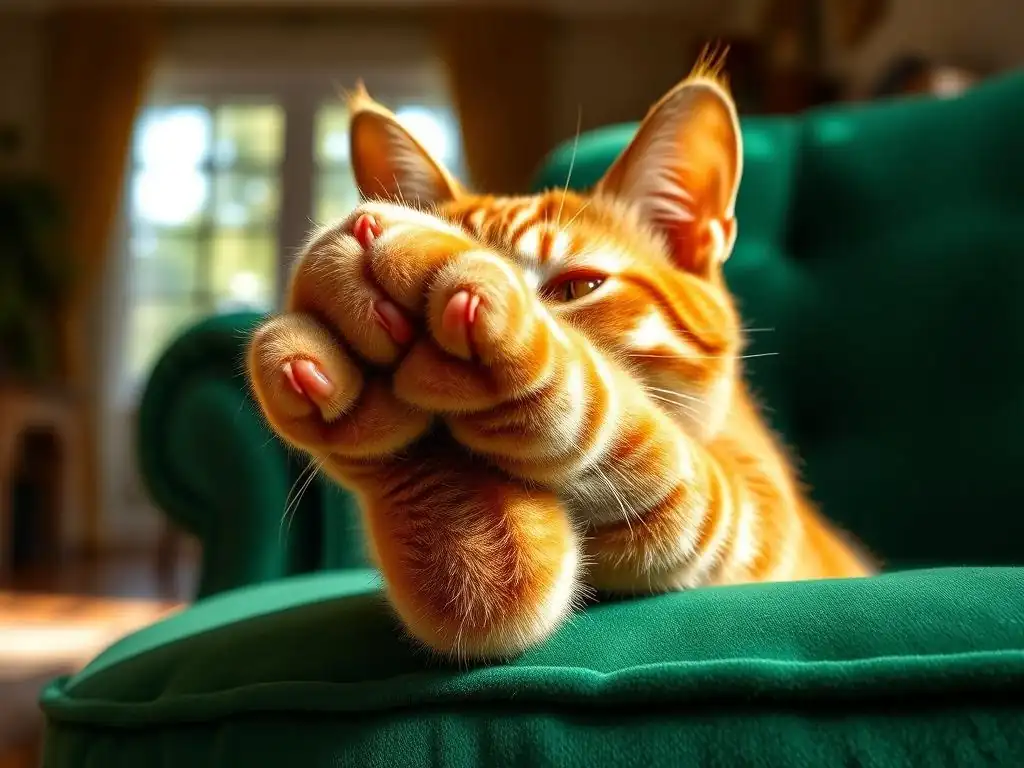
Welcome to PetCareWorld, your ultimate guide to a happier, healthier life for your beloved companion! Are you puzzled by your cat's seemingly destructive scratching habits? Discover the fascinating truth behind why cats scratch furniture in our comprehensive guide, "Cat Scratching Decoded," and unlock the secrets to protecting your belongings while keeping your feline friend content and satisfied. Dive in and learn how to understand and address this common feline behavior – your peace of mind (and your furniture!) will thank you.
- Understanding Why Cats Scratch Furniture: The Root Causes
- Deciphering Cat Scratching: Types and Behaviors
- Preventing Cat Scratching: Practical Solutions and Strategies
- Addressing Excessive Scratching: Identifying Underlying Issues
- Maintaining a Scratch-Free Home: Long-Term Strategies
- Frequently Asked Questions
- Final Reflection: Understanding the Scratching Post, Understanding Our Cats
- Unleash Your Cat's Inner Lion (Without Ruining Your Furniture!)
Understanding Why Cats Scratch Furniture: The Root Causes
Cats scratching furniture is a common problem for many pet owners, often leading to frustration and damaged belongings. However, understanding the underlying reasons behind this seemingly destructive behavior is crucial to addressing it effectively. This comprehensive guide delves into the instinctive, physical, and psychological drivers behind feline scratching, providing you with insights to help manage your cat's clawing habits and protect your furniture.
We'll explore the multifaceted nature of why cats scratch, moving beyond simple annoyance to uncover the complex interplay of instinct, communication, and well-being. This knowledge will empower you to create a harmonious home environment for both you and your feline companion. Understanding the why behind the scratching is the first step towards finding a solution that works for everyone.
The Instinctive Need to Scratch: A Natural Behavior
Scratching is an innate, deeply ingrained behavior for cats, serving several vital purposes. Their claws are not just weapons; they are essential tools for survival and self-expression. Think of it as similar to a dog's need to chew or a bird's need to preen – it's not just a habit, it's a fundamental instinct. Kittens begin scratching almost from birth, using their claws to explore their environment and develop their motor skills.
As they grow, scratching becomes a way to maintain the health of their claws, removing the outer sheaths and keeping them sharp and functional. This natural shedding process is crucial for their overall physical well-being. The act of scratching also helps stretch and strengthen their muscles, contributing to their overall flexibility and agility.
Ignoring this inherent need can lead to frustration and potentially other behavioral issues in your cat. Consider it a vital part of their daily routine, much like a human stretching in the morning. Ignoring this natural instinct is akin to ignoring a vital aspect of your cat's physical and emotional health.
Scent Marking and Territory: Claws as Communication Tools
Beyond physical needs, scratching serves a critical communicative function. Cats possess scent glands in their paws, and when they scratch, they leave behind visual and olfactory markers that claim their territory. These scent marks communicate to other cats (and sometimes even humans, though we may not consciously perceive it) information about the cat's presence, ownership, and social status.
The type of surface scratched, the intensity of the scratching, and the location of the scratch all contribute to the message being conveyed. This is why cats often choose vertical surfaces like furniture legs and corners – these are prime locations for leaving their scent marks, making their presence known throughout their domain.
Understanding this territorial aspect helps explain why simply providing a scratching post might not always solve the problem; the location and type of scratching post are crucial to its effectiveness. The cat needs to feel it is their territory, not just a designated area.
Physical and Mental Well-being: Stretching, Shedding, and Stress Relief
Scratching provides significant physical and mental benefits for cats. As mentioned before, scratching helps remove the outer sheaths of their claws, preventing them from becoming overgrown and hindering their ability to climb, hunt (even in a domestic setting), and defend themselves. The act itself involves stretching and flexing their muscles, contributing to their overall flexibility and physical health.
Beyond the physical, scratching can also be a stress reliever. Cats may scratch more frequently when feeling anxious, stressed, or bored. This can manifest as increased scratching on furniture, or even inappropriate scratching in new or unfamiliar environments.
Providing ample opportunities for scratching, alongside enrichment activities and a calming environment, can significantly reduce stress-related scratching. A well-cared-for cat, with plenty of opportunities for play and stimulation, is less likely to resort to furniture scratching as a means of stress relief. This highlights the importance of holistic cat care, addressing both their physical and mental needs.
Deciphering Cat Scratching: Types and Behaviors

Cats scratch for a multitude of reasons, and understanding the nuances of their scratching behavior is crucial for responsible pet ownership. This section delves into the different types of scratching behaviors exhibited by felines, providing insights into the underlying motivations. Understanding why cats scratch furniture is the first step towards mitigating unwanted scratching. We'll explore the variations in scratching styles, intensity, and frequency, offering valuable information for cat owners seeking to manage this common feline behavior.
Vertical Scratching vs. Horizontal Scratching: Preferences and Meanings
Cats aren't random in their scratching choices. They often exhibit preferences for either vertical or horizontal surfaces, each potentially revealing different aspects of their needs.
Vertical scratching, often seen on posts or the legs of furniture, serves multiple purposes. It's primarily a way for cats to stretch their bodies, working out their muscles and joints. The act of stretching and extending their claws also helps to remove the outer sheath of their claws, keeping them sharp and healthy. This behavior is often accompanied by intense stretching and sometimes kneading. Studies show that vertical scratching is more prevalent in younger, more active cats.
Horizontal scratching, on the other hand, is frequently observed on rugs, carpets, or even couches. This type of scratching is often less about claw maintenance and more about scent marking. Cats have scent glands in their paws, and scratching deposits their unique scent on the surface, essentially claiming territory. This territorial marking is particularly important in multi-cat households or when introducing a new cat into the home. The intensity of horizontal scratching can vary depending on the cat's stress level and the perceived threat to their territory.
Scratching Intensity: Frequency, Vigor, and Location Significance
The intensity of scratching offers further clues to understanding a cat's motivations. A cat that scratches frequently and vigorously might be expressing stress, boredom, or a need for more enrichment. Conversely, infrequent and gentle scratching might simply be a routine maintenance behavior.
Consider these observations:
- Frequency: A sudden increase in scratching frequency could indicate a change in the cat's environment, such as a new pet, a move, or a change in the family routine. A decrease in scratching, however, might suggest illness or discomfort.
- Vigor: Aggressive scratching, characterized by deep gouges and intense effort, often points to frustration or stress. This is a clear signal that the cat's needs are not being met.
- Location: The location of scratching can also be revealing. If a cat consistently scratches near doors or windows, it might be expressing a desire to go outside or explore. Scratching near food or water bowls could suggest anxiety related to resource guarding. [Specific information pending on location-based scratching studies].
The Role of Age and Breed in Scratching Habits
A cat's age and breed can also influence its scratching habits. Kittens, for example, tend to scratch more frequently as they are developing their motor skills and exploring their environment. As they mature, the frequency might decrease, though the need for scratching remains.
Breed can also play a role. Some breeds, known for their energetic and playful nature, might exhibit more intense scratching behaviors than others. [Specific data on breed-related scratching tendencies pending]. However, it’s crucial to remember that individual variation within breeds is significant, and these are broad generalizations, not hard and fast rules. Understanding these factors can help cat owners tailor their approach to managing scratching behavior, providing appropriate scratching posts and environmental enrichment to address the underlying causes.
Preventing Cat Scratching: Practical Solutions and Strategies
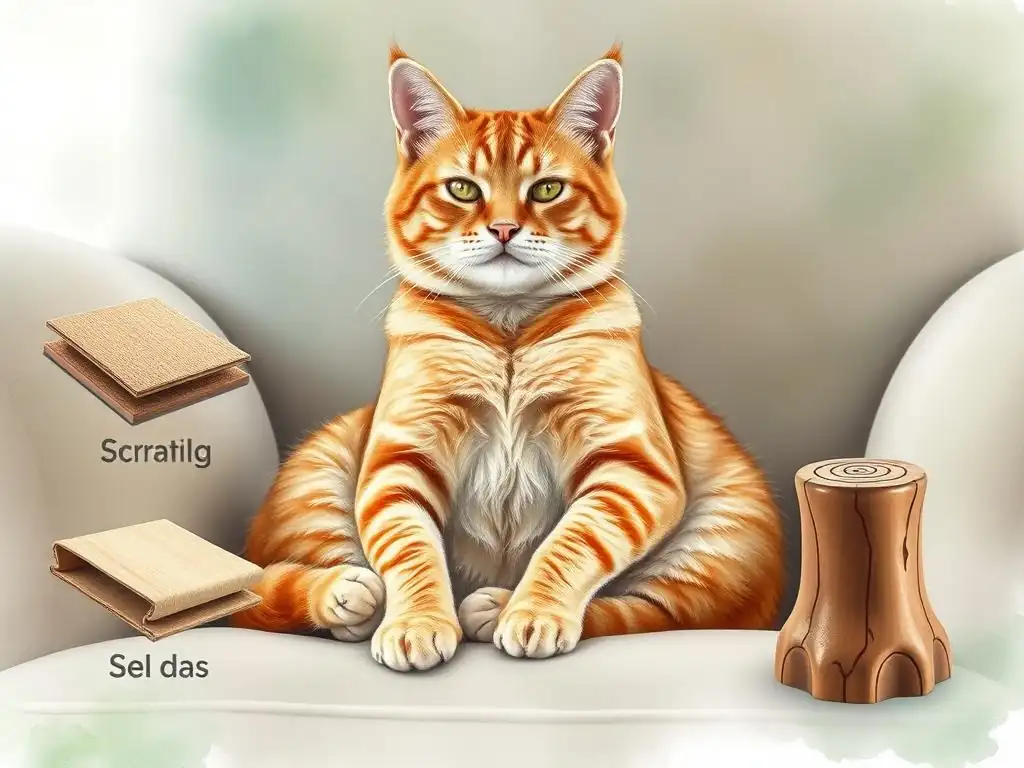
Understanding why cats scratch furniture is the first step towards preventing this common behavioral issue. Cats scratch for a variety of reasons, including scent marking, sharpening claws, stretching, and stress relief. Addressing these underlying needs is crucial for effectively managing scratching behavior. This section outlines practical solutions and strategies to redirect your cat's scratching habits away from your prized possessions and towards designated scratching posts.
Providing Appropriate Scratching Posts: Types, Materials, and Placement
Offering a variety of attractive scratching posts is paramount. Cats have preferences, and what works for one feline may not work for another. Experimentation is key!
Consider these factors when selecting scratching posts:
- Material: Sisal, carpet, cardboard, and even wood are popular choices. Sisal is particularly durable and often preferred for its rough texture. Carpet provides a softer scratching surface. Cardboard scratchers are inexpensive and easily replaceable.
- Type: Vertical scratching posts mimic the natural scratching behavior of cats climbing trees. Horizontal scratching boards are suitable for cats who prefer a flatter surface. Consider offering both types to cater to your cat's preferences. Some cats even prefer scratching posts that are angled or curved.
- Placement: Strategic placement is just as important as the type and material. Place scratching posts near your cat's favorite sleeping or playing areas, as well as near areas where they frequently scratch furniture. Avoid placing them in high-traffic areas or near noisy appliances that might startle your cat.
A good strategy is to offer multiple scratching posts in different locations throughout the house. This ensures that your cat always has a convenient and appealing alternative to your furniture. Observe your cat's behavior and adjust the placement accordingly. If they consistently ignore a particular post, try moving it to a different location or replacing it with a different type. Data suggests that cats are more likely to use scratching posts that are located near their favorite resting spots. For example, placing a scratching post next to their bed or favorite window perch can significantly increase its usage.
Remember, providing multiple options significantly increases the likelihood of success. Think of it as offering a buffet of scratching surfaces!
Positive Reinforcement Training: Rewarding Desired Behaviors
Positive reinforcement is a humane and effective method for training cats. Instead of punishing unwanted behaviors (scratching furniture), focus on rewarding desired behaviors (scratching the post).
Here's how to implement positive reinforcement training:
- Identify the trigger: Observe when your cat typically scratches furniture. Is it after waking up? Before meals? Understanding the trigger helps you anticipate the behavior and intervene proactively.
- Reward immediately: When your cat uses the scratching post, immediately reward them with a treat, praise, or a favorite toy. The timing is crucial; the reward must be given immediately after the desired behavior to create a positive association.
- Consistency is key: Be consistent with your rewards. Even seemingly small rewards, given consistently, can make a big difference. Inconsistency can confuse your cat and undermine your efforts.
- Make it fun: Turn scratching post usage into a game. Use a toy to lure your cat to the post, or incorporate interactive play around the post. This creates a positive association with the scratching post.
- Patience and persistence: Training takes time and patience. Don't get discouraged if you don't see results immediately. Consistency and positive reinforcement will eventually lead to success. Remember, cats learn at their own pace.
Deterrents and Repellents: Safe and Effective Options
While positive reinforcement is the preferred method, deterrents can be helpful in conjunction with providing appropriate scratching posts and positive reinforcement training. However, never use harsh or harmful deterrents.
Here are some safe and effective options:
- Sticky tape: Cats dislike sticky surfaces. Applying double-sided tape to furniture can deter scratching, but be sure to use tape specifically designed for this purpose and check regularly to ensure it doesn't harm your furniture or your cat's paws.
- Citrus scents: Many cats dislike citrus scents. You can place citrus peels or citrus-scented sprays near furniture to discourage scratching. However, ensure the products are non-toxic and safe for your cat.
- Commercial deterrents: Several commercial cat deterrents are available. Read reviews carefully and choose a product that is safe and effective. Always follow the manufacturer's instructions.
Remember, the goal is to redirect your cat's scratching behavior, not to punish them. A combination of providing appropriate scratching posts, positive reinforcement, and safe deterrents is the most effective approach to manage cat scratching. Remember to always prioritize your cat's well-being and safety.
Clipping Claws: A Temporary Solution and its Limitations
Clipping your cat's claws is a common practice among cat owners aiming to mitigate furniture damage. While it can temporarily reduce the severity of scratching, it's crucial to understand that claw clipping alone is not a comprehensive solution to the problem of "why cats scratch furniture." Think of it as addressing a symptom, not the underlying cause. Regular claw trimming keeps claws shorter, lessening the damage inflicted during scratching.
However, it doesn't address the instinctive need to scratch, which stems from a complex interplay of physical and behavioral needs. Cats use scratching to shed the outer layers of their claws, keeping them sharp and healthy. They also use scratching posts to mark their territory, stretch their muscles, and simply enjoy the sensory experience. Therefore, simply clipping claws won't eliminate the scratching behavior; it merely reduces the damage.
Furthermore, improper claw clipping can be harmful. Cutting too close to the quick (the pink part of the claw containing nerves and blood vessels) can cause pain, bleeding, and infection. This can lead to your cat associating negative experiences with claw trimming, making future attempts even more challenging. It requires practice and a steady hand, or professional help from a veterinarian or groomer, to avoid this.
Even with careful clipping, the claws will still grow back, requiring regular maintenance. This makes it a time-consuming and potentially stressful task for both you and your feline companion. In short, claw clipping offers temporary relief but doesn't address the root causes of why cats scratch furniture, making it an incomplete solution in the long run. It should be considered as part of a broader strategy that includes providing appropriate scratching posts and addressing the underlying behavioral needs of your cat.
Addressing Excessive Scratching: Identifying Underlying Issues
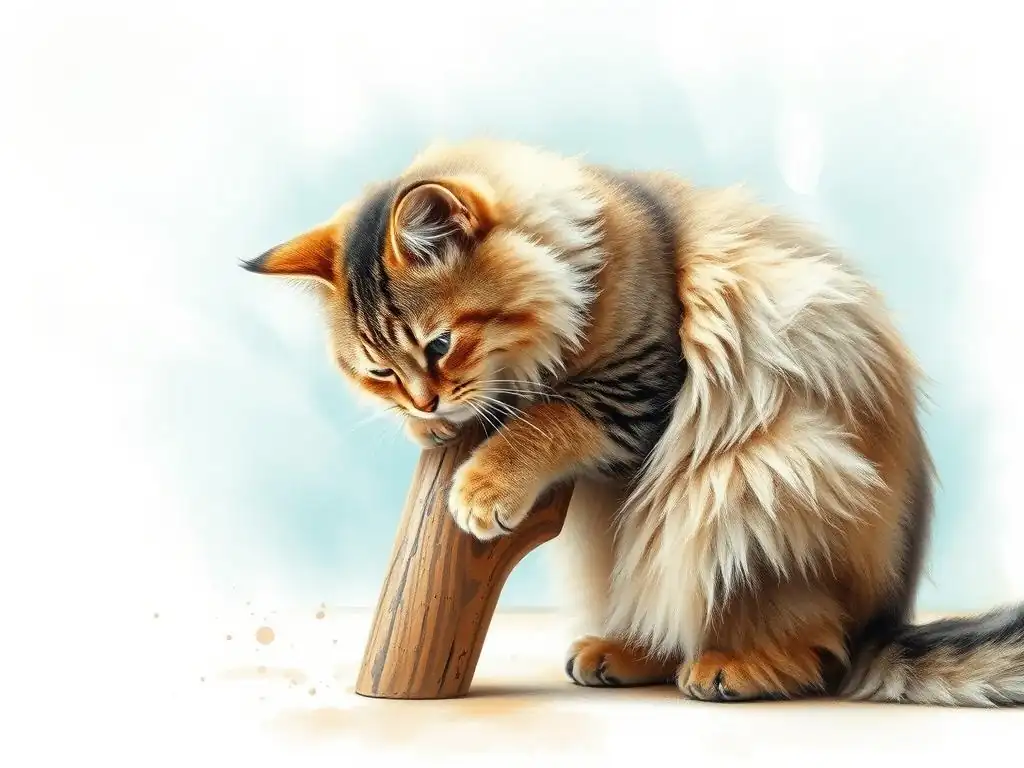
Understanding why cats scratch furniture is crucial to effectively managing this common behavioral issue. While scratching is a natural feline instinct, excessive scratching often points to underlying problems requiring attention. Ignoring these issues can lead to further damage and potentially harm your cat's well-being. This section will explore the key factors contributing to excessive scratching, focusing on medical, behavioral, and environmental causes.
Medical Conditions: Pain, Arthritis, and Other Health Problems
Pain and discomfort are often overlooked reasons for increased scratching. Cats experiencing pain, particularly in their paws or joints, may scratch more frequently to relieve discomfort or to redistribute weight. Conditions like arthritis, feline hyperesthesia syndrome (FHS), and various paw injuries can significantly impact a cat's scratching habits. For instance, a cat with arthritis might scratch more intensely on soft surfaces, seeking relief from pressure on their joints. Similarly, a cat suffering from FHS may exhibit excessive grooming and scratching due to hypersensitivity.
A notable increase in scratching intensity or frequency, especially accompanied by other behavioral changes like lethargy, decreased appetite, or limping, warrants immediate veterinary attention. Early diagnosis and treatment of underlying medical conditions are essential for preventing further damage and ensuring the cat's comfort. Remember, consistent observation of your cat's behavior is key to detecting subtle changes that could indicate a health problem.
A detailed veterinary examination can help pinpoint the exact cause and recommend appropriate treatment, which might include medication, physical therapy, or lifestyle adjustments. Ignoring these signs could lead to chronic pain and reduced quality of life for your feline companion.
Behavioral Issues: Anxiety, Boredom, and Stress
Beyond physical ailments, behavioral issues frequently trigger excessive scratching. Cats, much like humans, can experience anxiety, boredom, and stress. These emotional states can manifest as increased scratching, often directed at furniture or other household items. Several factors can contribute to these behavioral problems, including changes in routine, the introduction of new pets or people, or even environmental stressors like loud noises or unfamiliar smells.
For example, a cat recently moved to a new home might scratch more out of anxiety and insecurity. Similarly, a cat left alone for extended periods might exhibit increased scratching as a form of stress relief. Boredom can also lead to destructive scratching behaviors. Insufficient enrichment, such as lack of playtime or interactive toys, can result in your cat seeking stimulation through inappropriate scratching.
Addressing these behavioral issues requires a multifaceted approach, combining environmental enrichment with positive reinforcement training techniques. Providing plenty of scratching posts, interactive toys, and engaging activities can help alleviate boredom and stress. Consider creating a safe and comfortable space for your cat, where they can retreat when feeling anxious or overwhelmed. In more severe cases, consulting a certified cat behaviorist may be necessary.
Environmental Factors: Changes in the Home Environment
Environmental changes are a significant trigger for altered scratching behavior. Even seemingly minor alterations in the home environment can disrupt a cat's routine and lead to increased scratching. These changes could include rearranging furniture, moving to a new home, or introducing new objects or scents. The cat's established scratching patterns are disrupted, leading them to seek new outlets for their natural scratching instincts.
Consider the following scenario: You recently redecorated your living room, replacing your old sofa with a new one. Your cat, accustomed to scratching the old sofa, might now redirect its scratching to your new furniture, simply because it is a similar texture or height. Similarly, if a new family member moves in, the cat's established territory might feel threatened, causing increased anxiety and therefore more scratching. To mitigate this, provide plenty of appropriate scratching surfaces in various locations around the home.
Ensure that these scratching posts are strategically placed to cater to your cat's preferences. Consider offering a variety of textures and materials to find what your cat prefers— sisal, cardboard, carpet, etc. Addressing environmental triggers is often the most straightforward approach to curbing excessive scratching. By providing alternative, acceptable scratching options, you can redirect your cat's behavior and protect your furniture.
Maintaining a Scratch-Free Home: Long-Term Strategies
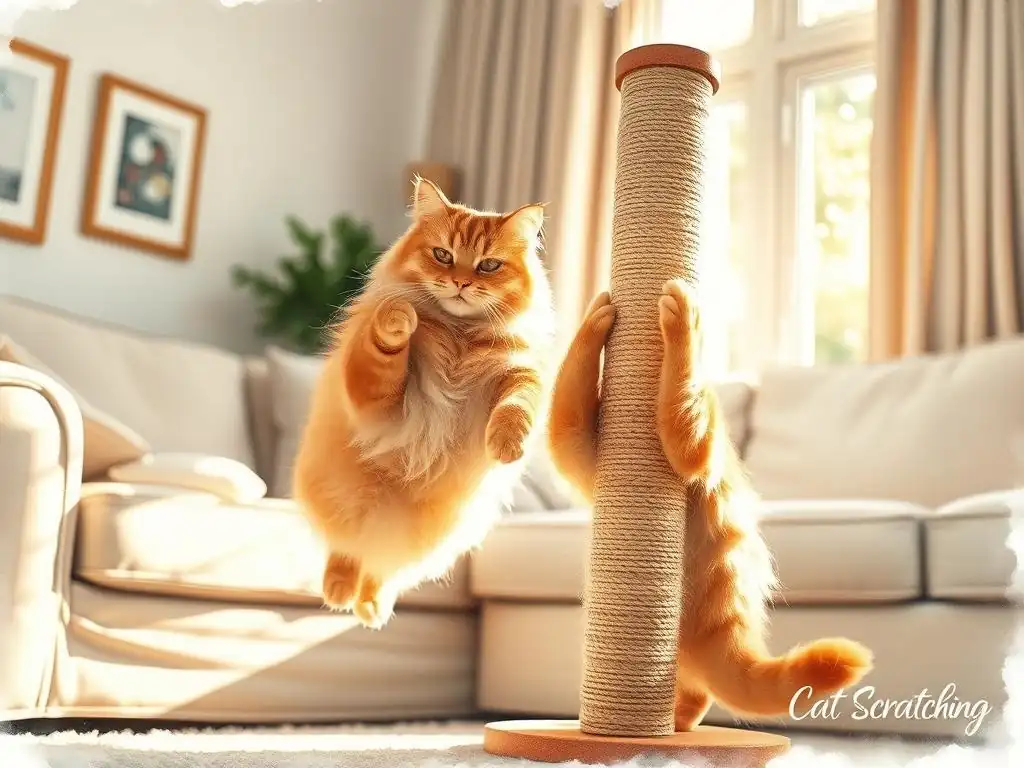
Understanding why cats scratch furniture is only half the battle. The other half involves implementing effective, long-term strategies to protect your belongings while ensuring your feline friend's well-being. This section focuses on proactive measures to maintain a scratch-free home, combining training, grooming, and environmental enrichment. Successfully addressing the question "Why cats scratch furniture?" requires a multifaceted approach.
Consistent Training and Routine: Establishing Good Habits
Consistent training is paramount in redirecting scratching behavior. It's not about punishment, but about positive reinforcement. The goal is to associate scratching with appropriate surfaces and reward desirable actions. This requires patience and consistency over time.
Here's a step-by-step approach:
- Identify preferred scratching surfaces: Observe your cat. Where do they currently scratch? This helps you strategically place alternatives.
- Introduce appropriate scratching posts: Offer a variety of scratching posts – vertical, horizontal, sisal, cardboard – to cater to different preferences. Experiment with placement and materials.
- Positive reinforcement: When your cat uses a scratching post, immediately reward them with praise, treats, or a favorite toy. This positive association strengthens the desired behavior.
- Make furniture less appealing: Cover furniture with cat-repellent sprays (ensure they are non-toxic) or place double-sided tape on areas prone to scratching. The goal is to make these areas less attractive.
- Consistency is key: This process takes time and dedication. Don't get discouraged if results aren't immediate. Consistent positive reinforcement is crucial.
Remember, a sudden change in routine can trigger increased scratching. Maintain a consistent schedule for feeding, playtime, and grooming to minimize stress. A relaxed cat is less likely to resort to destructive scratching.
Regular Claw Trimming and Maintenance
Regular claw trimming is an essential part of preventing furniture damage. While it won't eliminate the need to scratch, it significantly reduces the damage inflicted. Overgrown claws can cause more damage and even discomfort for your cat.
- Frequency: Most cats need their claws trimmed every 1-2 weeks.
- Technique: Use sharp cat nail clippers designed for this purpose. Only trim the sharp tip, avoiding the quick (the pink part containing nerves and blood vessels). If unsure, consult a veterinarian or groomer for guidance.
- Signs of needing a trim: Clicking sounds when walking on hard surfaces, difficulty grasping toys, or noticeable claw curvature are all indicators.
Regular nail trimming, combined with scratching posts, significantly reduces the risk of furniture damage. However, it's crucial to remember this is only one component of a comprehensive approach.
Enrichment and Play: Keeping Cats Mentally Stimulated
Cats that are bored or understimulated are more likely to engage in destructive behaviors, including scratching furniture. Providing adequate enrichment and playtime helps channel their energy constructively and reduces stress.
- Interactive play: Engage in interactive play sessions daily using wands, laser pointers, or other cat toys. This mimics hunting behavior, satisfying their natural instincts.
- Environmental enrichment: Provide a variety of climbing structures, hiding places, and perches. This simulates their natural environment and keeps them mentally stimulated. Vertical space is particularly important.
- Puzzle feeders: These toys challenge your cat mentally and physically, providing a rewarding experience that reduces boredom.
- Rotation of toys: Regularly rotate toys to keep your cat engaged and prevent them from becoming bored with the same old things.
By addressing the root causes of scratching behavior – boredom, stress, and lack of appropriate outlets – you can create a harmonious home environment where both you and your cat can thrive. Providing a stimulating environment is a key part of answering "Why cats scratch furniture?" and preventing future issues. Remember, a happy, engaged cat is less likely to damage your furniture.
Frequently Asked Questions
Why do cats scratch furniture?
Cats scratch furniture for several reasons: territory marking (scent glands in their paws), shedding old claw sheaths, and stretching/exercising. Providing scratching posts can help redirect this behavior.
How can I stop my cat from scratching my furniture?
Try providing attractive scratching posts in various textures and locations. Positive reinforcement with treats when they use the post is helpful. Trimming their claws regularly can also minimize damage.
What kind of scratching post is best for my cat?
The best scratching post depends on your cat's preferences. Experiment with different materials (sisal, cardboard, carpet), heights (vertical, horizontal), and post shapes.
Are there any humane ways to deter scratching?
Yes, deterrents like sticky tape or sprays can be used, but always prioritize positive reinforcement methods first. Never punish your cat for scratching, as it can damage your relationship.
My cat is scratching excessively; should I be concerned?
Excessive scratching could indicate underlying medical issues like arthritis or allergies. If you're concerned, consult your veterinarian for a proper diagnosis and treatment plan.
Final Reflection: Understanding the Scratching Post, Understanding Our Cats
The persistent scratching of furniture by our feline companions isn't merely destructive behavior; it's a complex communication, a vital instinct deeply rooted in their biology. Understanding this fundamental truth allows us to move beyond frustration and into a realm of empathy and effective solutions. This isn't just about protecting our sofas; it's about fostering a deeper connection with our beloved cats.
The impact of understanding feline scratching extends far beyond the realm of damaged furniture. It highlights the crucial need for us to observe and interpret the subtle cues our animals provide, fostering a more harmonious and enriching relationship. The bond between humans and animals is one of the most beautiful and profound relationships in the world.
This quote speaks to the deeper connection we can forge when we truly understand the needs and motivations of our animal companions, even something as seemingly simple as scratching. By recognizing the instinctive reasons behind this behavior, we can better appreciate the unique personalities and needs of our cats.
Now, consider your own cat. Have you observed their scratching habits? Do you understand the messages they're trying to communicate? I urge you to take what you've learned here and apply it to your own feline friend. Provide them with appropriate scratching posts, understand their need for scent marking and stretching, and watch as your relationship blossoms into a deeper understanding and mutual respect. The journey to a scratch-free home begins with understanding the heart of a cat.
Unleash Your Cat's Inner Lion (Without Ruining Your Furniture!)
Understanding why cats scratch is the first step to keeping your furniture safe. Now that you know more about feline scratching habits, let's put that knowledge to good use for both your cat and your home.
- Invest in a new scratching post: Experiment with different materials and designs to find what your cat likes best. Sisal, cardboard, and even sturdy carpet scraps can work well.
- Share your discoveries: Let other PetCareWorld members know what scratching posts your cat loves! We can all benefit from sharing solutions for cat-friendly furniture.
- Regular claw trimming: While trimming your cat's claws can help minimize damage, it's crucial to provide plenty of scratching opportunities first and foremost. This is far more effective in the long run.
Have you seen a difference in your cat's scratching behavior since trying various scratching posts? Share your experiences with us!