
How to Read Kitten Food Ingredient Lists: A Detailed Guide

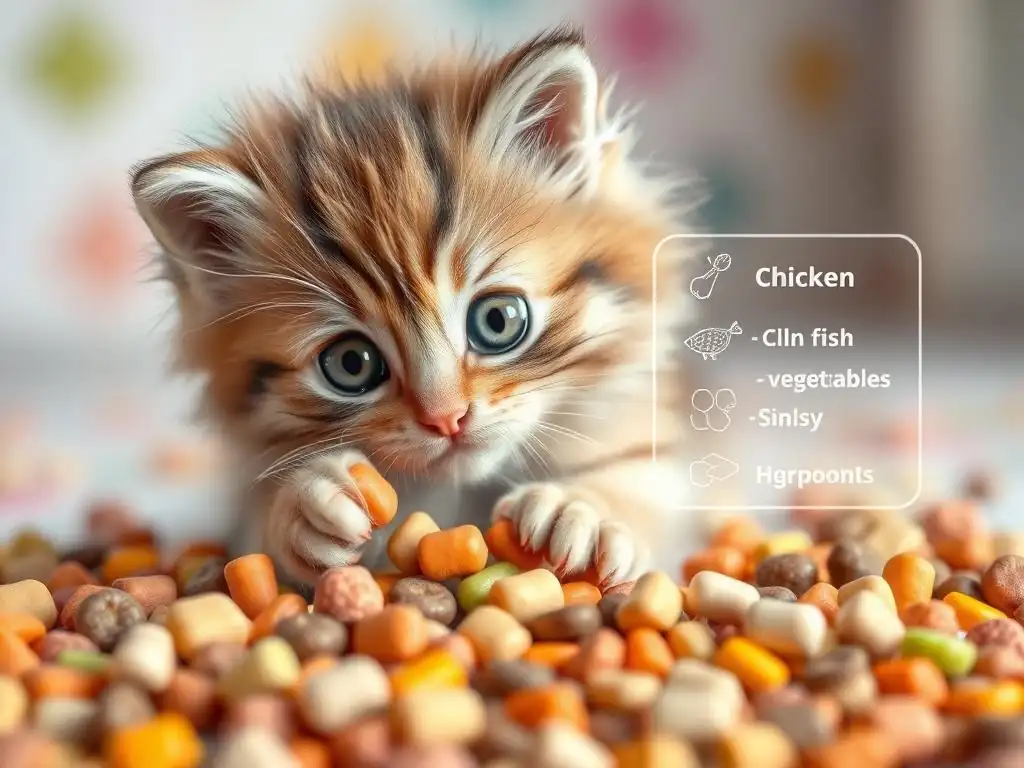
Welcome to PetCareWorld, your ultimate guide to a happier, healthier life for your beloved companion! Are you ready to unlock the secrets to providing your kitten with the best possible nutrition? Our detailed Kitten Food Ingredient Guide will empower you to decipher those confusing ingredient lists and make informed choices for your furry friend's well-being. Dive in and discover how to select the perfect food to fuel your kitten's growth and development!
- Understanding Kitten Food Labels: A Comprehensive Guide for Pet Owners
- Analyzing Ingredient Quality: Sourcing and Processing
- Common Ingredients to Avoid in Kitten Food: Potential Risks
- Choosing the Right Kitten Food Based on Ingredient Analysis
- Making Informed Decisions: Your Kitten's Nutritional Well-being
-
Frequently Asked Questions
- What are the most important ingredients to look for in kitten food?
- How can I tell if a kitten food is high-quality?
- What ingredients should I avoid in my kitten's food?
- My kitten has sensitive digestion. What should I look for in their food?
- Are there any specific nutrients crucial for kittens' growth and development?
- Final Reflection: Unlocking a Lifetime of Health Through Informed Choices
- Unlock Your Kitten's Nutritional Potential!
Understanding Kitten Food Labels: A Comprehensive Guide for Pet Owners
Choosing the right food for your kitten is crucial for their healthy growth and development. A kitten's nutritional needs differ significantly from those of an adult cat, requiring a diet rich in specific nutrients to support their rapid growth and development of vital organs. This comprehensive guide will equip you with the knowledge to decipher kitten food ingredient lists, allowing you to make informed decisions and select the best food for your furry friend.
Navigating the world of kitten food can be daunting, with numerous brands and formulations boasting various claims. Understanding the key ingredients and their importance is paramount to ensuring your kitten thrives. This guide will delve into the specifics of reading ingredient labels, highlighting crucial components for optimal kitten health and longevity.
We will explore the importance of protein, fats, and other essential nutrients, providing you with a clear understanding of what to look for and what to avoid when selecting kitten food. By the end of this article, you'll be confident in your ability to choose a kitten food that supports your kitten's growth, energy levels, and overall well-being. Let's begin!
Deciphering Ingredient Lists: What to Look For in Kitten Food
Understanding how to read a kitten food ingredient list is the first step towards providing optimal nutrition. Ingredient lists are presented in descending order by weight, meaning the ingredient listed first makes up the largest proportion of the food. Therefore, always check what the primary ingredient is. Ideally, you should see a named meat source, such as "Chicken," "Salmon," or "Turkey," listed first. Avoid foods where the first ingredient is a vague term like "meat by-products" or "animal digest," as these lack transparency and may contain lower-quality ingredients.
Look for clearly identified sources of protein. High-quality protein is essential for muscle development, tissue repair, and overall growth in kittens. Good sources include chicken, turkey, fish (like salmon or tuna), and lamb. The amount of protein should be clearly stated on the label, ideally exceeding 30% on a dry matter basis for optimal kitten growth. Furthermore, avoid fillers such as corn, wheat, and soy, as these offer little nutritional value and can cause allergies or digestive issues in some kittens.
Remember to check for added sugars and artificial preservatives. These are generally unnecessary and can negatively impact your kitten's health. A good quality kitten food will use natural preservatives and minimize added sugars. Always compare labels from different brands to find the best balance of quality ingredients and nutritional value. 🔎
Key Ingredients for Kitten Growth and Development: Protein Sources
Protein is the cornerstone of a kitten's diet, providing the building blocks for muscles, organs, and tissues. Kittens require significantly more protein than adult cats due to their rapid growth phase. The type of protein also matters. High-quality, easily digestible protein sources are essential for optimal absorption and utilization.
Animal-based proteins, such as chicken, turkey, lamb, and fish, are superior to plant-based proteins in terms of amino acid profiles necessary for kitten growth. These proteins provide all the essential amino acids that kittens cannot synthesize themselves. Look for specific named meat sources, rather than generic terms like "meat meal" or "poultry byproduct." The percentage of protein should be clearly indicated on the label, ideally making up a substantial portion of the overall ingredients. A good rule of thumb is to look for a dry matter protein content above 30% for growing kittens. 🐾
Essential Fats and Fatty Acids in Kitten Nutrition: A Detailed Overview
Fats are crucial for a kitten's development, providing energy, supporting brain function, and promoting healthy skin and coat. Essential fatty acids, such as omega-3 and omega-6 fatty acids, cannot be synthesized by the body and must be obtained from the diet. These fatty acids play a significant role in many physiological processes, including immune function and cognitive development.
Look for kitten foods that list specific sources of healthy fats, such as chicken fat, fish oil, or flaxseed oil. These oils are rich in omega-3 and omega-6 fatty acids. The balance of omega-3 and omega-6 is also important; an imbalance can lead to inflammation. The label should specify the amount of fat, but the ideal percentage will vary depending on the specific formula and your kitten's individual needs. Consult your veterinarian if you have any concerns about your kitten's fat intake. Remember, a balanced diet is crucial for a healthy and happy kitten. 😻
Vitamins and Minerals Crucial for Kitten Health: Understanding the Nutritional Profile
Kittens, unlike adult cats, have rapidly growing bodies and require a higher concentration of specific vitamins and minerals to support their development. Understanding the nutritional profile of your kitten's food is crucial for ensuring their optimal health and well-being. A deficiency in even one key nutrient can lead to serious health problems, impacting everything from bone development to immune function. Therefore, carefully scrutinizing the ingredient list for a balanced representation of essential vitamins and minerals is paramount.
The most critical vitamins for kittens include Vitamin A, crucial for vision and immune function; Vitamin D, essential for calcium absorption and bone growth; Vitamin E, a powerful antioxidant protecting cells from damage; and the B vitamins, vital for energy metabolism and nerve function. A deficiency in Vitamin A, for instance, can lead to night blindness and impaired immune response, making kittens more susceptible to infections. Similarly, a lack of Vitamin D can result in rickets, a debilitating bone disease.
The ingredient list should clearly show sources of these vitamins, whether naturally occurring in animal products or added synthetically. Look for terms like "vitamin A supplement," "vitamin D3," or "mixed tocopherols" (Vitamin E). The precise amounts are usually not listed on the packaging but are regulated by governing bodies such as the Association of American Feed Control Officials (AAFCO).
Minerals are equally crucial. Calcium and phosphorus are fundamental for strong bones and teeth, while iron is essential for red blood cell production and preventing anemia. Other vital minerals include magnesium, potassium, and zinc, each playing a unique role in various bodily functions. A balanced diet should provide these minerals in the correct ratios to prevent imbalances.
For example, an excess of calcium without sufficient phosphorus can lead to urinary tract issues. The ingredient list should mention sources of these minerals, such as meat and bone meal (calcium and phosphorus), or specific mineral supplements. Pay close attention to the order of ingredients; those listed earlier are present in higher concentrations. If minerals are listed towards the end, it might indicate a lower concentration and possibly a need to supplement with a vet-approved mineral product, which should only be undertaken under professional guidance.
Remember, it’s not just what vitamins and minerals are present but also their bioavailability. The body's ability to absorb and utilize these nutrients varies depending on the source and the processing methods used. High-quality kitten food utilizes ingredients that maximize nutrient absorption, ensuring your kitten receives the maximum benefit. This often involves careful selection of ingredients and processing techniques to preserve the nutritional value. While the specific bioavailability isn't always stated on the label, selecting premium brands often indicates a higher focus on bioavailable nutrients.
Always consult your veterinarian if you have any concerns about your kitten's nutritional intake. They can assess your kitten's individual needs and recommend the best food to meet those requirements. A healthy, well-nourished kitten is a happy and thriving kitten! 😻
Analyzing Ingredient Quality: Sourcing and Processing
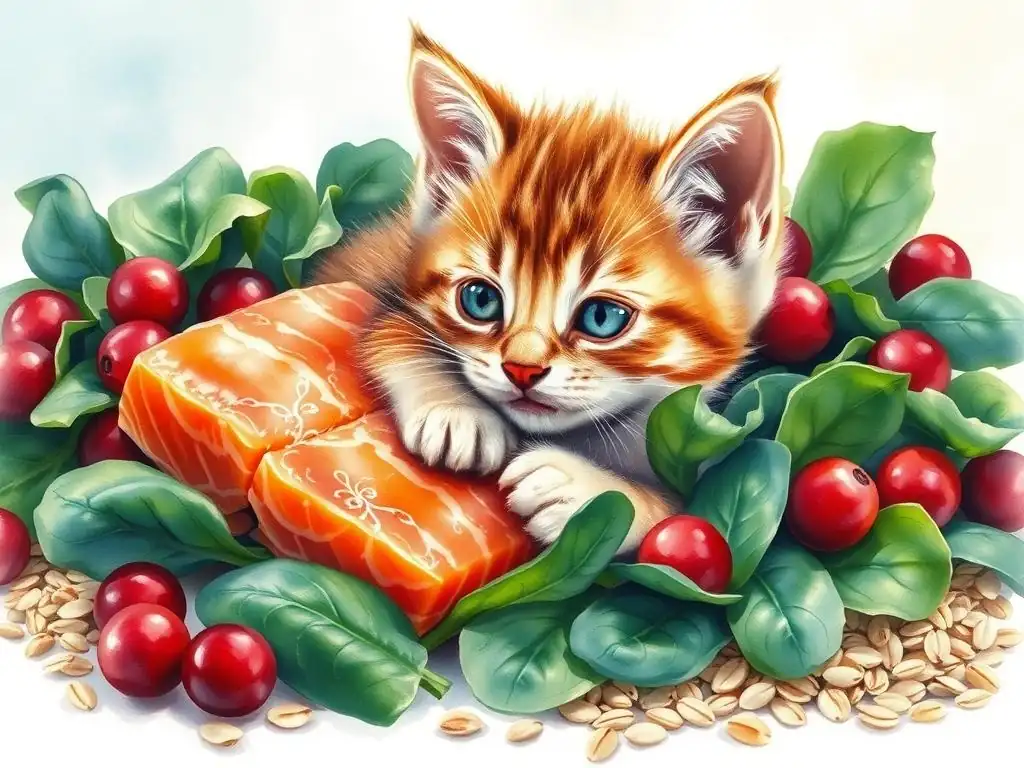
Choosing the right kitten food involves more than just looking at the cute packaging. A deep dive into the ingredient list is crucial for ensuring your kitten receives optimal nutrition. This section focuses on understanding the quality of ingredients, considering their sourcing and processing methods, which significantly impact their nutritional value and digestibility. Remember, "kitten food ingredient guide" searches often highlight the importance of ingredient quality. Let's explore what to look for.
Identifying High-Quality Protein Sources in Kitten Food
Protein is the cornerstone of a kitten's diet, essential for growth, muscle development, and overall health. High-quality protein sources are easily digestible and provide a complete amino acid profile. Look for named meat sources like "chicken," "salmon," or "turkey" listed early in the ingredient list – ideally, as the first or second ingredient.
Avoid vague terms like "meat by-products" or "meat meal," which can be less digestible and may contain lower-quality parts of the animal. Specific and identifiable protein sources are key indicators of better quality kitten food. For example, "chicken breast" is superior to "chicken," which in turn is better than "chicken meal."
The processing methods also matter. Look for minimally processed protein sources. Avoid foods with overly-processed protein sources that might have lost some nutritional value during manufacturing. A good kitten food ingredient guide will emphasize the importance of fresh or gently cooked meat, avoiding excessive heat treatment that can denature proteins. 😻
Understanding Carbohydrate Sources and Their Impact on Kitten Digestion
While protein is paramount, carbohydrates also play a role in providing energy for your active kitten. However, the type of carbohydrate is crucial. Avoid foods with excessive corn, wheat, or soy, as these are common allergens and can be difficult for some kittens to digest. These fillers often add bulk without providing significant nutritional value. Instead, look for easily digestible carbohydrate sources like sweet potatoes, brown rice, or oatmeal. These sources offer more fiber and nutrients compared to the aforementioned fillers.
The amount of carbohydrates should also be considered. Kittens have different energy requirements than adult cats. A balanced kitten food will provide sufficient carbohydrates for energy without excessive amounts that could lead to weight gain or digestive upset. [Specific carbohydrate percentage recommendations pending further research]. A well-structured kitten food ingredient guide will always mention this balance.
Consider this table comparing carbohydrate sources:
| Carbohydrate Source | Digestibility | Nutritional Value | Allergenicity |
|---|---|---|---|
| Corn | Low | Low | High |
| Wheat | Low | Low | Moderate |
| Soy | Moderate | Moderate | Moderate |
| Sweet Potato | High | High | Low |
| Brown Rice | High | Moderate | Low |
| Oatmeal | High | High | Low |
Evaluating the Role of Preservatives and Additives in Kitten Food
Preservatives and additives are often necessary to maintain the shelf life and palatability of kitten food. However, some can be detrimental to your kitten's health. Avoid artificial colors, flavors, and preservatives such as BHA, BHT, and ethoxyquin, which have been linked to potential health problems in some animals. Opt for foods that use natural preservatives like vitamin E or mixed tocopherols.
A thorough kitten food ingredient guide will stress the importance of transparency regarding additives. Look for clearly listed ingredients and avoid those with vague or unidentifiable additives. Natural preservatives are preferable, and their inclusion should be clearly stated on the label. Remember, a high-quality food prioritizes your kitten's health and well-being above all else. A clear and detailed ingredient list is a good first step towards making an informed choice. 🐾
Common Ingredients to Avoid in Kitten Food: Potential Risks

Choosing the right kitten food is crucial for their healthy growth and development. A thorough understanding of ingredient lists is paramount. This section focuses on identifying and understanding ingredients that should be avoided in your kitten's diet, acting as your comprehensive kitten food ingredient guide. Remember, always prioritize high-quality, nutritionally complete and balanced kitten food formulated to meet their specific needs.
Artificial Colors, Flavors, and Preservatives: Their Impact on Kitten Health
Artificial colors, flavors, and preservatives are often added to pet food to enhance its appearance, smell, and shelf life. However, these additives offer no nutritional value and can potentially harm your kitten's health. Many kittens exhibit sensitivities to these artificial ingredients, leading to various problems.
Studies have linked artificial food coloring to hyperactivity and behavioral issues in some animals. Furthermore, certain preservatives, like BHA (butylated hydroxyanisole) and BHT (butylated hydroxytoluene), are suspected carcinogens and have been linked to immune system problems. Artificial flavors, often masking lower-quality ingredients, provide no benefit and can upset a kitten's delicate digestive system. Always opt for foods with natural flavors and colors derived from real ingredients. Look for terms like "natural flavor" or specific plant-based sources of color. Avoid foods with long lists of unidentifiable artificial additives.
Choosing food with natural preservatives, such as vitamin E or mixed tocopherols, is a much safer alternative. These natural preservatives help maintain the food's quality without the potential health risks associated with artificial counterparts. Remember, a simple ingredient list is often a sign of higher-quality food.
Potential Allergens in Kitten Food: Identifying and Avoiding Common Irritants
Food allergies are a significant concern for kittens, potentially causing various symptoms ranging from mild skin irritation to severe digestive upset. Some common allergens found in kitten food include:
- Beef: A relatively common allergen in cats.
- Dairy: Lactose intolerance is prevalent in many cats, leading to digestive issues.
- Chicken: While a popular protein source, chicken is a frequent allergen.
- Fish: Certain types of fish can trigger allergic reactions.
- Soy: A common filler, soy can be allergenic for some kittens.
- Wheat: A frequent grain-based filler that can cause sensitivities.
Recognizing potential allergens is vital. If your kitten shows signs of an allergic reaction (itching, vomiting, diarrhea, etc. ), consult your veterinarian immediately. They can help you identify the allergen and recommend a suitable hypoallergenic diet. Rotating protein sources in your kitten's food can also help to reduce the risk of developing allergies. It's important to monitor your kitten closely for any signs of allergic reactions after introducing a new food. Keeping a detailed food diary can be incredibly helpful in pinpointing potential allergens.
By-Products and Fillers: Understanding Their Nutritional Value (or Lack Thereof)
Many commercially available kitten foods contain by-products and fillers to reduce costs. While these ingredients might not be inherently harmful, they offer minimal nutritional value compared to whole meat sources. By-products are the leftover parts of an animal after the primary cuts have been removed (e.g., organs, bones, etc.). Fillers, such as corn, wheat, and soy, are added to increase the volume of the food without significantly improving its nutritional content. These can lead to lower nutrient density and may even contribute to obesity in kittens.
A high-quality kitten food should prioritize whole meat sources as the primary ingredients. Look for specific meat sources (e.g., "chicken," "salmon," "turkey") listed prominently at the beginning of the ingredient list, rather than vague terms like "meat by-products." A higher percentage of meat indicates a more nutritious and digestible food. Avoid foods with a high percentage of fillers, which often suggests a lower quality product.
Remember, you are feeding a growing kitten, and they need high-quality nutrients for optimal development. Choosing a food with a higher concentration of essential nutrients will help ensure your kitten thrives. Consider the overall nutritional profile; a balanced diet is key to your kitten's well-being.
Choosing the Right Kitten Food Based on Ingredient Analysis
Selecting the right kitten food is crucial for their healthy growth and development. A thorough understanding of ingredient lists is paramount. This section will guide you through the process of analyzing kitten food labels to make informed decisions. Remember, "Kitten food ingredient guide" is key to finding the best nutrition for your feline friend. Don't just look at the marketing; delve into the details!
Selecting Kitten Food Based on Life Stage and Breed
Kitten food formulations vary based on the kitten's age and breed. For example, a food designed for a growing kitten (typically up to one year old) will have a higher calorie density and different nutrient ratios compared to adult cat food. Breed-specific considerations are less common but may exist for particularly large or small breeds. For instance, some larger breeds might benefit from formulas with joint support ingredients.
Always check the packaging for the designated life stage and, if available, breed recommendations. Failing to do so could lead to nutritional deficiencies or imbalances. Understanding your kitten's specific needs is crucial for optimal health and growth. This includes factors such as activity level and overall health.
This table summarizes key considerations for different kitten life stages:
| Life Stage | Key Nutritional Needs | Ingredient Focus |
|---|---|---|
| 4-8 Weeks (Nursing) | High-fat, highly digestible formula; easily absorbable nutrients | Mother's milk replacer or specialized kitten milk |
| 8 Weeks - 1 Year | High protein, high calorie density for rapid growth; easily digestible | Named meat sources (chicken, turkey, fish), animal fats |
| 1 Year and Beyond | Transition to adult cat food; maintain high-quality protein | High-quality protein sources, balanced nutrients |
Choosing the right food is a significant step towards ensuring your kitten thrives. Remember to consult your veterinarian for personalized recommendations.
Considering Special Dietary Needs: Allergies, Sensitivities, and Health Conditions
Many kittens suffer from food allergies or sensitivities. Common allergens include chicken, beef, dairy, and wheat. If your kitten exhibits symptoms like itching, digestive upset, or skin problems, consider a hypoallergenic or limited ingredient diet. These formulas typically contain a single novel protein source (e.g., rabbit, duck) and a limited number of carbohydrates to minimize the risk of allergic reactions. The term "novel protein" itself is a key term for your "Kitten food ingredient guide".
Some kittens may also have underlying health conditions requiring specialized diets. For example, kittens with urinary tract issues might need food formulated to reduce struvite crystal formation. Always consult your veterinarian to determine the best dietary approach for your kitten's specific health needs. They can help you navigate the complex world of specialized kitten foods and ensure you're selecting the most appropriate option. Remember, a tailored approach is key to managing these specific conditions effectively.
Reading the Guaranteed Analysis: Understanding Nutritional Values
The guaranteed analysis section on the kitten food label provides minimum and maximum percentages of specific nutrients, such as protein, fat, fiber, and moisture. While this information is helpful, it doesn't tell the whole story. It's crucial to understand that the guaranteed analysis only reflects the minimum levels of these nutrients; the actual values can be higher. Focus on choosing a food with a high percentage of protein—crucial for growth and development—and a moderate fat content for energy. Excessive fat can lead to obesity.
The guaranteed analysis is just one piece of the puzzle; the full ingredient list provides much more comprehensive information. Don't let the guaranteed analysis be the sole factor in your decision-making process. Consider it in conjunction with a careful review of the ingredients list itself. This holistic approach will ensure your kitten receives optimal nutrition.
Making Informed Decisions: Your Kitten's Nutritional Well-being
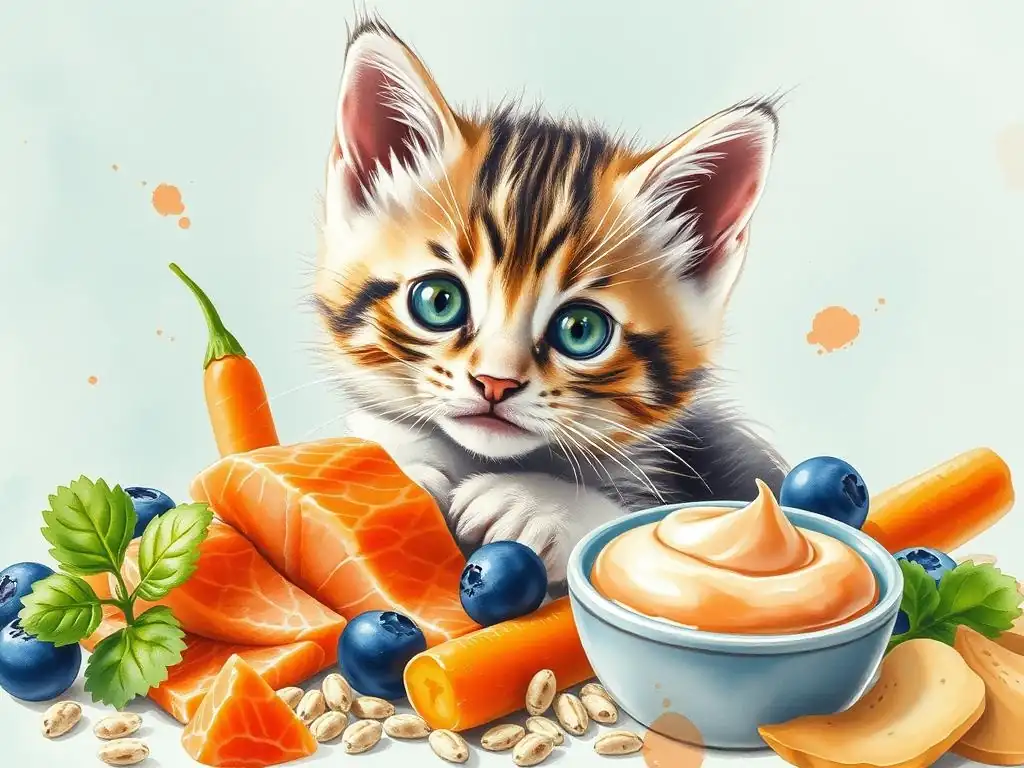
Understanding your kitten's food label is crucial for ensuring optimal growth and health. A comprehensive kitten food ingredient guide helps navigate the often-confusing world of pet food labels. Many factors influence a kitten's nutritional needs, including breed, age, activity level, and overall health.
A well-balanced diet provides the necessary building blocks for strong muscles, healthy bones, a shiny coat, and a robust immune system. Failing to provide adequate nutrition can lead to various health problems, ranging from stunted growth and weakened immunity to digestive issues and long-term health complications. Therefore, choosing a high-quality kitten food is a cornerstone of responsible pet ownership.
The ingredient list is your primary tool for making this vital decision. Pay close attention to the order of ingredients – those listed first are present in the highest concentrations. Look for named meat sources (e.g., "chicken," "turkey," not just "meat by-products") as the primary ingredients, indicating a higher protein content crucial for a growing kitten.
Supplementing Your Kitten's Diet: When and How
While a complete and balanced commercial kitten food should provide most of your kitten's nutritional needs, there might be instances where supplementation is beneficial. However, never supplement without first consulting your veterinarian. Improper supplementation can lead to nutritional imbalances and health problems. For example, some kittens might require additional taurine, an essential amino acid vital for heart and eye health, especially if they're on a diet lacking sufficient animal protein sources. Similarly, kittens with specific health conditions might need supplements prescribed by their vet.
Supplementation should always be approached cautiously and strategically. Start with small amounts and monitor your kitten closely for any adverse reactions. Keep a detailed record of supplements administered, including dosage and frequency. Remember, the goal is to complement, not replace, a balanced diet. Over-supplementation can be just as harmful as under-supplementation. The best approach is preventative; ensuring your kitten receives a complete and balanced diet from the start minimizes the need for supplements. A well-formulated kitten food already contains the necessary vitamins and minerals in optimal proportions.
Here's a table summarizing potential supplementation scenarios and cautions:
| Supplement Type | Potential Benefit | Cautions |
|---|---|---|
| Taurine | Heart and eye health | Over-supplementation can lead to diarrhea. |
| Omega-3 Fatty Acids | Coat health, brain development | Monitor for digestive upset. |
| Vitamin D | Bone health | Excessive Vitamin D can be toxic. |
| Probiotics | Digestive health | Introduce gradually to avoid digestive discomfort. |
Transitioning Your Kitten to New Food: A Gradual Approach
Switching your kitten's food abruptly can lead to digestive upset, including vomiting and diarrhea. A gradual transition is crucial to allow your kitten's digestive system to adapt to the new food. The process should typically take 7-10 days. Begin by mixing a small amount of the new food with the current food. Gradually increase the proportion of the new food over the transition period until your kitten is solely consuming the new food.
Monitor your kitten closely during this period for any signs of digestive distress. If you notice any problems, slow down the transition or consult your veterinarian. A smooth transition ensures a healthy and happy kitten. This careful approach to food changes minimizes the risk of digestive problems and ensures your kitten continues to thrive. Remember, patience is key during this process.
Consulting a Veterinarian for Personalized Nutritional Advice
Your veterinarian is the best resource for personalized nutritional advice for your kitten. They can assess your kitten's individual needs based on factors like breed, age, weight, activity level, and any pre-existing health conditions. They can also help you interpret the ingredient list on your kitten's food and recommend a diet that meets your kitten's specific requirements. Regular veterinary check-ups are essential for monitoring your kitten's growth and overall health. Don't hesitate to discuss any concerns you have about your kitten's diet with your veterinarian.
They can provide expert guidance, ensuring your kitten receives the optimal nutrition for a long and healthy life. Proactive veterinary care is invaluable for preventing potential nutritional deficiencies and addressing any health concerns promptly. Remember, a healthy kitten is a happy kitten! 😻
Frequently Asked Questions
What are the most important ingredients to look for in kitten food?
Look for high-quality animal protein sources like chicken, turkey, or fish listed as the first few ingredients. Avoid fillers like corn, wheat, and soy. Ensure the food contains essential fatty acids and taurine.
How can I tell if a kitten food is high-quality?
High-quality kitten food typically lists named meat sources (e.g., "chicken," not "meat by-products") early in the ingredient list. Check for minimal fillers and a clear guarantee analysis showing protein and fat percentages.
What ingredients should I avoid in my kitten's food?
Avoid foods with artificial colors, flavors, and preservatives. Also, be wary of by-products, fillers, and low-quality protein sources. These can negatively impact your kitten's health.
My kitten has sensitive digestion. What should I look for in their food?
Choose a food specifically formulated for sensitive stomachs, often indicated on the packaging. Look for easily digestible proteins like chicken or whitefish and limited ingredients to minimize potential allergens.
Are there any specific nutrients crucial for kittens' growth and development?
Kittens need high levels of protein and fat for growth. Taurine is essential for heart and eye health. Look for foods that also contain essential fatty acids, vitamins, and minerals to support overall development.
Final Reflection: Unlocking a Lifetime of Health Through Informed Choices
Understanding kitten food ingredients is not just about deciphering labels; it's about investing in the vibrant health and longevity of your feline companion. The choices we make today directly impact the quality of life our kittens experience for years to come. A seemingly small detail like ingredient selection can significantly influence their growth, energy levels, and overall well-being.
The impact of proper nutrition on a kitten's development is profound and far-reaching. It shapes everything from their immune system strength to their coat condition and even their behavior. Choosing the right food is an act of love, a commitment to providing the best possible start to their lives. The best investment you can make is in your health. The second best is in your pet's.
- (Paraphrased, original quote not found) This sentiment rings especially true when considering the crucial role nutrition plays in a kitten's formative months.
Now, armed with the knowledge gained from this guide, I urge you to take a closer look at your kitten's food. Don't just glance at the label; understand it. Empower yourself to make informed decisions that will nurture your kitten's growth and contribute to a long, happy life together. Your kitten's future health and happiness depend on it, and the journey to understanding their nutritional needs begins with you.
Unlock Your Kitten's Nutritional Potential!
Thank you for learning how to understand kitten food ingredient lists! You now have the knowledge to make informed decisions about your pet's health. Ready to put your new skills to use?
- Prioritize your kitten's diet: Begin reviewing the ingredient list of your kitten's current food, using the tips from the article to identify high-quality ingredients and potential allergens. This simple step can significantly improve their energy levels and overall well-being!
- Experiment with healthier options: Based on your newfound expertise, try switching to a kitten food with a better ingredient profile. Monitor your kitten's coat, energy levels, and digestion for any positive changes.
- Share your experiences!: Tell us—and other PetCareWorld readers—about your successes and discoveries. What has worked well for you and your kitten? What unexpected ingredients did you find?
What unexpected ingredients have you discovered in your kitten's food, and how has this changed your feeding approach?