
Russian Blue's Allure: Unveiling the Plush Coat and Reserved Demeanor of This Cat

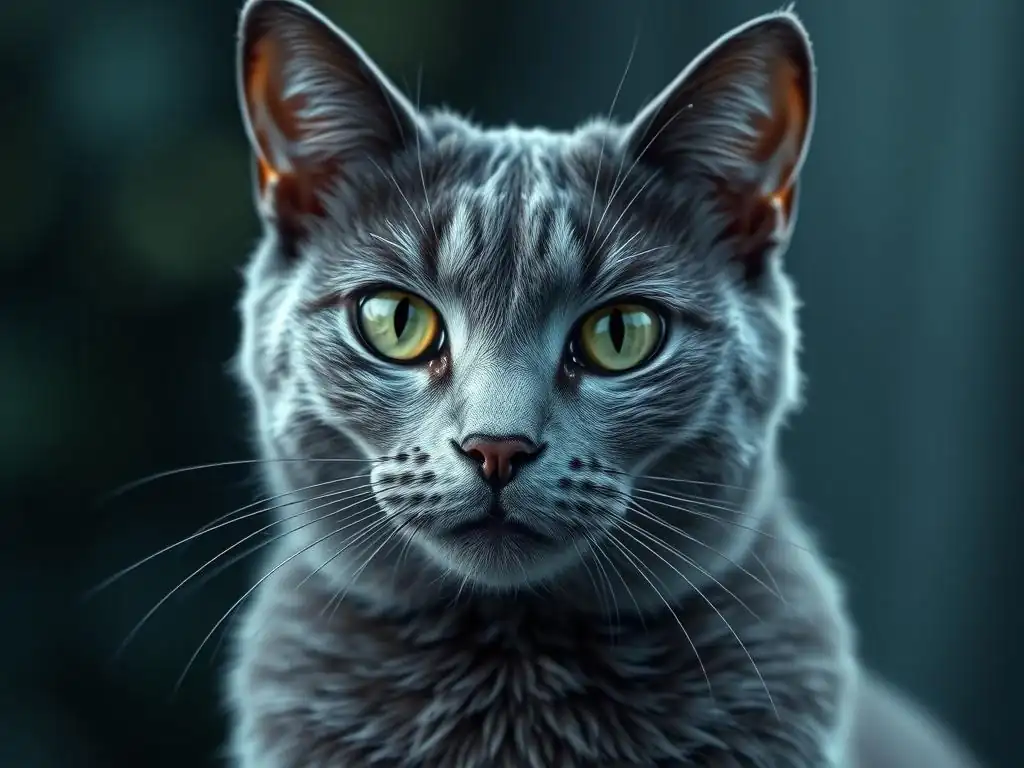
Welcome to PetCareWorld, your ultimate guide to a happier, healthier life for your beloved companion! Are you captivated by the enigmatic charm of the Russian Blue? Discover the secrets behind this breed's striking plush coat and reserved demeanor in our comprehensive Russian Blue cat breed guide. Unravel the unique characteristics and care requirements of this captivating feline – your journey to deeper understanding begins now.
- Understanding the Russian Blue Cat Breed
- Russian Blue Cat Temperament and Personality
- Caring for Your Russian Blue
- Finding a Healthy Russian Blue
- Frequently Asked Questions
- Final Reflection: Embracing the Enigma of the Russian Blue
- Unlock Your Cat's Inner Royal: Embrace the Elegance of the Russian Blue
Understanding the Russian Blue Cat Breed
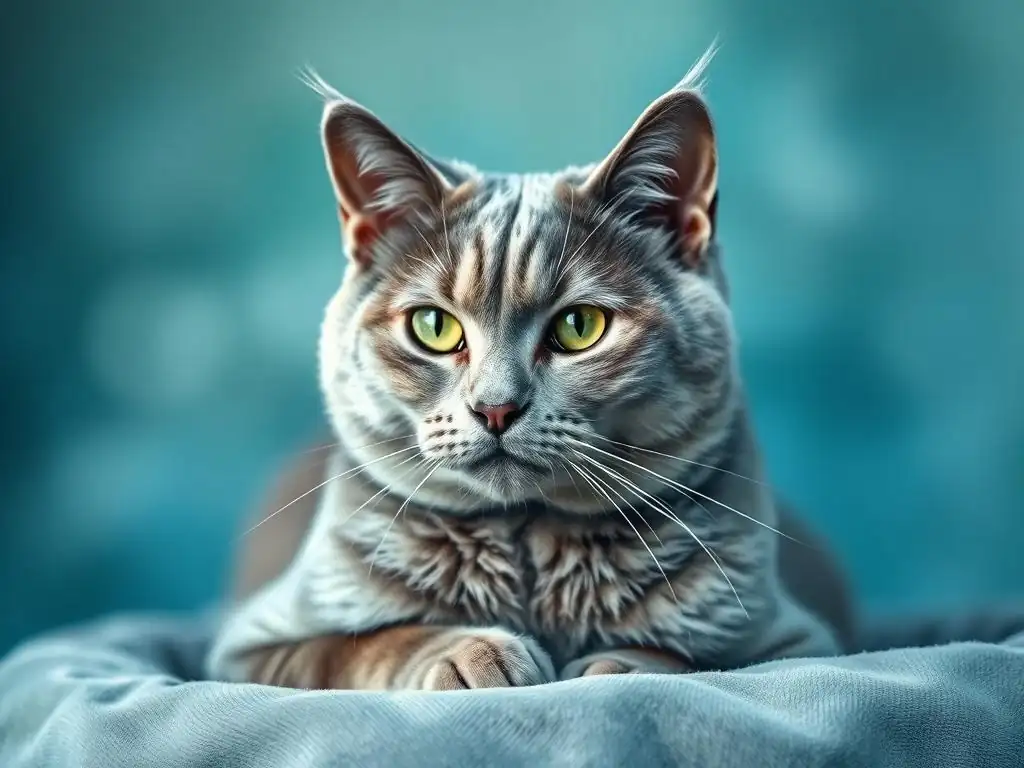
The Russian Blue, with its captivating silver-blue coat and enigmatic gaze, has captivated cat lovers worldwide. This breed guide delves into the fascinating world of the Russian Blue, exploring its origins, unique physical characteristics, and the endearing personality traits that make it such a beloved companion. We'll unpack everything from the secrets behind its stunning plush coat to its surprisingly playful nature, providing a comprehensive overview to help you determine if this elegant feline is the perfect addition to your family.
This guide aims to be your ultimate resource for understanding and appreciating the Russian Blue cat, equipping you with the knowledge needed to provide optimal care for this remarkable breed. Prepare to be charmed by the allure of the Russian Blue!
Origin and History of the Russian Blue
The Russian Blue's history is shrouded in some mystery, but its origins are believed to be in the chilly port city of Arkhangelsk, Russia. While the exact timeline is debated, sailors are credited with introducing these cats to Great Britain in the late 19th century. These early Russian Blues quickly gained popularity for their distinctive appearance, a stark contrast to other breeds of the time. Their elegant silver-blue coats and striking green eyes set them apart.
Interestingly, the breed's development wasn't solely focused on aesthetics; their inherent resilience and adaptability played a significant role in their survival and subsequent spread throughout the world. Early breeders carefully selected cats with desirable traits, ensuring the preservation of the breed's unique characteristics. The Russian Blue's journey from the icy ports of Russia to global recognition is a testament to its enduring appeal and captivating charm.
Physical Characteristics of the Russian Blue
The Russian Blue's striking appearance is its most defining feature, setting it apart from other cat breeds. Its elegant physique and captivating coat contribute to its overall allure and make it a truly mesmerizing feline. Let's delve into the specifics of its physical traits:
The Distinctive Plush Coat
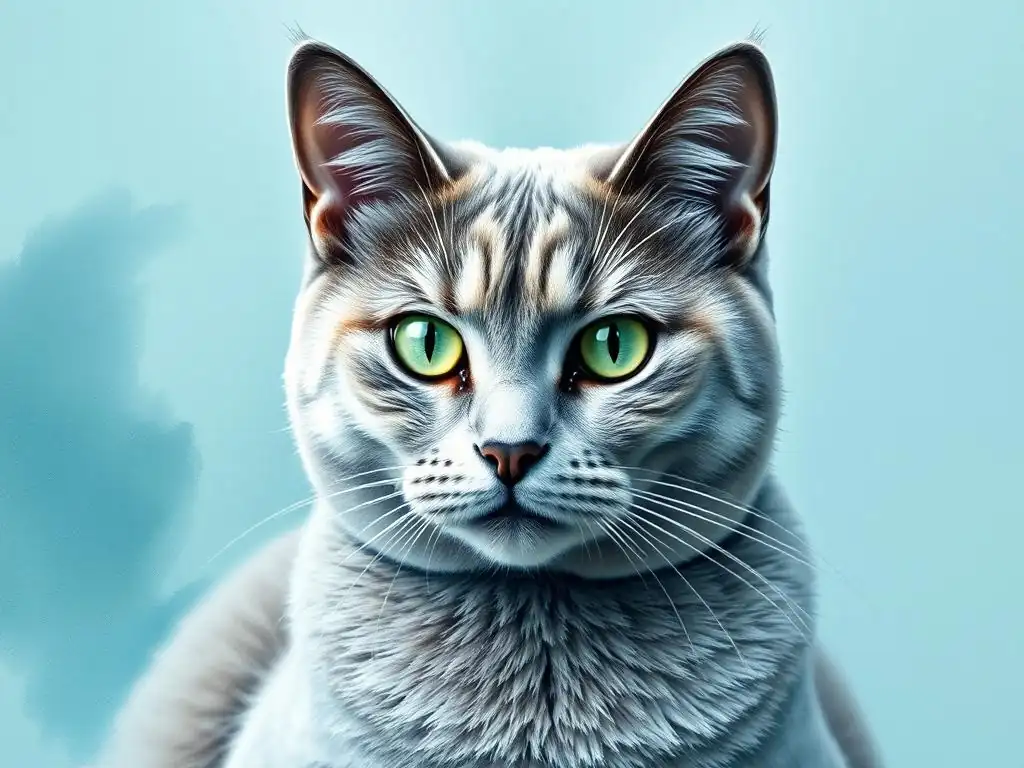
The Russian Blue's coat is arguably its most iconic feature. It's a dense, plush coat with a unique texture, often described as feeling like velvet or silk. The individual hairs are tipped with silver, giving the coat its distinctive bluish-grey hue. This double coat provides excellent insulation, making the Russian Blue surprisingly well-suited to colder climates. Maintaining this luxurious coat requires regular grooming, but the effort is well worth the reward of its soft and shimmering beauty. The color intensity can vary slightly, with some cats exhibiting a deeper blue than others, but the overall plush texture remains consistent.
Eye Color and Shape
The Russian Blue's almond-shaped eyes are typically a vibrant, luminous green. This striking eye color complements the silver-blue coat perfectly. However, some kittens may be born with blue eyes that gradually change to green as they mature. The intensity of the green can vary, ranging from a bright, emerald green to a more subdued, greyish-green. The eyes, combined with the cat's elegant facial structure, create a truly captivating and unforgettable look.
Body Structure and Size
Russian Blues are medium-sized cats with a muscular, athletic build. They possess a graceful, elegant appearance, with a long, slender body and relatively long legs. Their medium-length tail tapers to a point, adding to their overall refined look. They're not excessively large or small, striking a balance between elegance and strength. Their body structure is well-proportioned, reflecting the breed's natural agility and grace. Their build contributes to their overall sleek and sophisticated appearance.
Russian Blue Cat Temperament and Personality
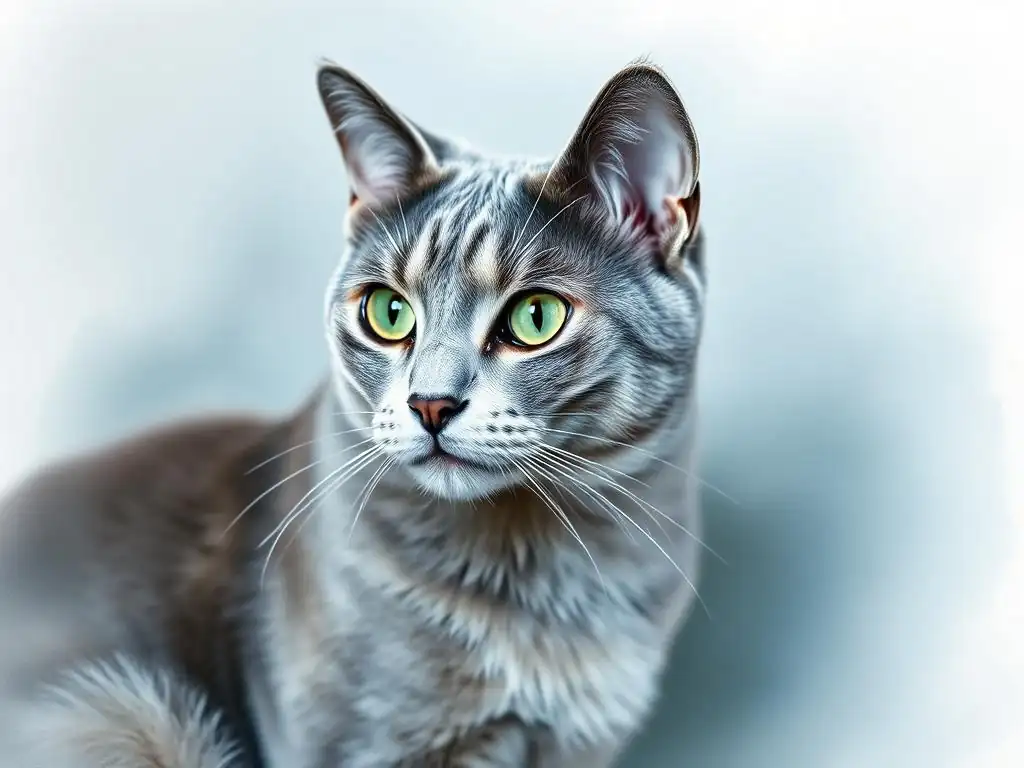
The Russian Blue's allure extends far beyond its striking coat. Understanding their temperament is crucial for potential owners, ensuring a harmonious relationship. This breed is known for a unique blend of independence and affection, making them fascinating companions for the right owner. This section delves into the intricacies of the Russian Blue's personality, providing insights into their behavior and interaction with humans and other animals.
Reserved and Affectionate Nature
The Russian Blue is often described as a "velcro cat" – but with a twist. While they are undeniably affectionate towards their chosen humans, their affection manifests differently than in more overtly demonstrative breeds. They are not typically lap cats who demand constant attention. Instead, their affection is expressed through subtle cues: a gentle rub against your leg, a soft purr while nestled nearby, or a slow blink signifying trust and comfort.
This reserved nature doesn't equate to aloofness; rather, it's a reflection of their independent spirit. They are content with quiet companionship, observing their surroundings with an air of quiet dignity. Think of it as a quiet, steady love rather than a boisterous display.
They form strong bonds with their families, choosing their favorite person(s) and showing preference through subtle displays of affection. This selective bonding ensures that the cat feels safe and secure within their chosen human's care, leading to a strong and lasting relationship. Many owners describe a deep sense of connection with their Russian Blues, a bond built on mutual respect and understanding.
Intelligence and Trainability
Contrary to the stereotype of independent cats, Russian Blues are surprisingly intelligent and trainable. Their intelligence isn't always outwardly evident, as they aren't typically the breed to perform complex tricks on command. However, their ability to learn and adapt is remarkable. With patience and positive reinforcement techniques, Russian Blues can be trained to use scratching posts, come when called (with consistency!
), and even learn basic commands like "sit" or "stay". Their intelligence manifests in other ways, too. They are observant cats, quick to learn routines and anticipate their owner's actions. This makes them excellent companions for those who appreciate a cat with a sharp mind and a subtle understanding of their environment.
Positive reinforcement, using treats and praise, is key to successful training. Avoid harsh methods, as these can damage the trust you've built with your Russian Blue and make training far more difficult. Remember, building a trusting relationship is the foundation for successful interaction and training with this intelligent breed.
Early socialization is paramount for a well-adjusted Russian Blue. While not inherently aggressive, a lack of proper socialization can lead to shyness or fearfulness in adulthood. Introducing kittens to various sights, sounds, and experiences – other pets, different people, and new environments – from a young age helps them develop into confident and well-adjusted adults.
This doesn't mean forcing interactions; rather, it involves creating positive experiences that allow the kitten to explore at their own pace. A positive, slow introduction to other pets in the household is also recommended, ensuring that all animals are supervised and can retreat if needed. Continued socialization throughout their life, even for adult cats, helps maintain their confidence and reduces the risk of anxiety or fear in new situations.
Regular exposure to new stimuli and interactions will foster a well-adjusted and outgoing personality, contrasting with the sometimes-misunderstood reserved nature of the breed. Remember that a well-socialized Russian Blue is a happy and confident Russian Blue, making them delightful companions for years to come.
Caring for Your Russian Blue
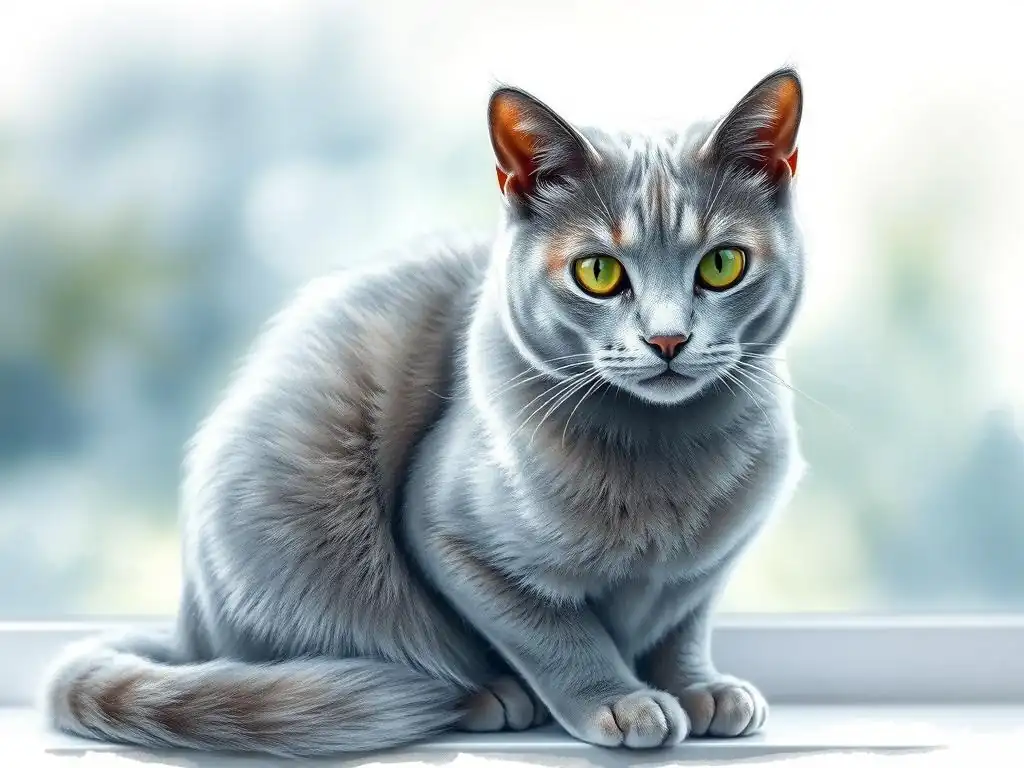
This section delves into the specific care requirements of the Russian Blue, ensuring your feline companion thrives. Understanding their unique needs is key to a long and happy life together. This guide will provide you with practical advice and insights to help you become the best possible caregiver for your Russian Blue. Remember, consistent care and attention are vital for this intelligent and affectionate breed.
Dietary Needs
A balanced diet is crucial for maintaining the Russian Blue's sleek coat and overall health. While commercial cat foods formulated for adult cats provide a good foundation, consider supplementing with high-quality protein sources like cooked chicken or fish (in moderation). Avoid feeding your Russian Blue table scraps, as many human foods are toxic to cats.
The amount you feed will depend on your cat's age, activity level, and metabolism. Observe your cat's body condition; a healthy Russian Blue should have a visible waistline when viewed from above. Obesity is a significant health concern in cats, leading to various health problems. Consult your veterinarian for personalized dietary recommendations, particularly if your cat has any underlying health conditions.
Here's a sample daily feeding schedule for an adult Russian Blue (adjust based on your cat's individual needs):
| Meal Time | Food Type | Amount (approximate) | Notes |
|---|---|---|---|
| Morning (7:00 AM) | High-quality dry cat food | 1/4 cup | Adjust based on activity and body condition |
| Evening (7:00 PM) | Wet food (or a small amount of cooked fish) | 2-3 tablespoons | Optional; can be substituted with dry food |
Remember to always provide fresh, clean water throughout the day. Consider using a fountain to encourage hydration, as many cats prefer running water. Monitoring your cat's water intake can help you detect potential health issues early on.
Grooming
The Russian Blue's famously plush coat requires regular grooming to prevent matting and keep it looking its best. Their short, dense fur doesn't shed excessively, but regular brushing, approximately twice a week, will remove loose hair and distribute natural oils, resulting in a healthy, shiny coat. Use a soft-bristled brush or a grooming glove.
During shedding season (typically spring and fall), you may need to increase brushing frequency. Pay particular attention to areas prone to matting, such as behind the ears and under the legs. Regular brushing also helps to reduce hairballs, a common issue in cats. While bathing isn't typically necessary for Russian Blues unless they get extremely dirty, occasional baths with a cat-specific shampoo can be beneficial. Always thoroughly dry their coat afterward to prevent chilling. Regular nail trimming is also essential to prevent overgrowth and discomfort.
Health Concerns
While generally healthy, Russian Blues are prone to certain health issues. Early detection and preventative care are crucial. Some common health concerns include:
- Progressive Retinal Atrophy (PRA): This is a degenerative eye disease that can lead to blindness. Regular eye exams are recommended.
- Hypertrophic Cardiomyopathy (HCM): This is a heart condition characterized by thickening of the heart muscle. Regular veterinary checkups, including heart auscultation, are important.
- Dental Disease: Like all cats, Russian Blues are susceptible to dental disease. Regular dental cleanings and at-home dental care are vital.
Regular veterinary checkups are essential for early detection and management of potential health problems. Your veterinarian can provide personalized advice and preventative care recommendations based on your cat's age and individual needs. Early intervention is key to ensuring a long and healthy life for your beloved Russian Blue. Don't hesitate to contact your vet if you notice any changes in your cat's behavior, appetite, or overall health. Proactive pet ownership is the best way to ensure your Russian Blue enjoys a long and happy life.
Finding a Healthy Russian Blue
Finding a healthy Russian Blue kitten or adult cat is crucial for ensuring a long and happy life for your new companion. This involves careful consideration of several factors, going beyond just the visual appeal of their stunning coat. A responsible approach will minimize the risk of inheriting genetic health problems and ensure your cat receives proper socialization and early care.
Choosing a Reputable Breeder
Selecting a reputable breeder is paramount. Responsible breeders prioritize the health and well-being of their cats, conducting genetic testing to screen for potential hereditary conditions common in Russian Blues, such as hypertrophic cardiomyopathy (HCM) and progressive retinal atrophy (PRA). These tests help minimize the chances of passing on these diseases to future generations. Look for breeders who:
- Are members of recognized cat registries and breed associations. These organizations often have codes of ethics and standards that breeders must adhere to.
- Provide health clearances for their breeding cats, showing proof of testing for HCM, PRA, and other relevant genetic diseases. Don't hesitate to ask for copies of these documents.
- Allow you to meet the parents of the kittens and see the kittens interacting in their environment. This allows you to assess the temperament and overall health of the animals.
- Are knowledgeable about the breed standard and can answer your questions thoroughly and honestly. A breeder who is evasive or dismissive of your concerns should be avoided.
- Prioritize the welfare of their cats, providing proper nutrition, veterinary care, and a safe and stimulating environment. Overcrowding or unsanitary conditions are major red flags.
A responsible breeder will also be happy to discuss any health concerns you may have and provide guidance on caring for your new kitten. They will be invested in the long-term well-being of their cats, even after they leave their care. Remember, the cost of a kitten from a reputable breeder may be higher, but it represents an investment in a healthier and happier pet. This ultimately saves money on potential veterinary bills in the long run.
Adopting a Russian Blue
Adopting a Russian Blue from a shelter or rescue organization is another excellent option. While you won't have the same level of control over the cat's genetic history as with a breeder, shelters often have detailed records of the cat's health and behavior. Many Russian Blues end up in shelters due to unforeseen circumstances, and adopting one offers a wonderful opportunity to give a deserving cat a loving home.
Before adopting, be sure to spend time with the cat to assess its temperament and ensure it's a good fit for your lifestyle. Ask the shelter staff about the cat's history, including any known health issues or behavioral quirks. A thorough veterinary examination upon adoption is recommended to identify any potential health concerns. Adopting a Russian Blue from a shelter can be a rewarding experience, providing a loving home for a cat in need. The adoption fee is typically lower than the price of a kitten from a breeder, making it a more affordable option for many.
Considerations Before Bringing Home a Russian Blue
Bringing a Russian Blue into your home is a significant commitment. Before you welcome one into your family, consider these crucial factors:
- Allergies: Russian Blues, like all cats, can trigger allergies in susceptible individuals. Spending time with a Russian Blue before bringing one home can help determine if allergies are a concern.
- Lifestyle: Russian Blues are relatively low-maintenance but still require daily attention, including grooming, playtime, and interaction. Ensure your lifestyle allows for this level of commitment.
- Grooming: Their short, dense coat requires regular brushing to prevent matting. This is particularly important during shedding seasons.
- Cost: The initial cost of acquiring a Russian Blue is just the beginning. Factor in ongoing expenses such as food, veterinary care, litter, and toys. Unexpected veterinary bills can also arise, so having a financial buffer is advisable.
- Space: While not overly demanding of space, a Russian Blue still needs a comfortable and secure environment with adequate climbing opportunities and hiding places.
Careful planning and preparation will ensure a smooth transition for your new feline friend and a fulfilling relationship for years to come. Remember, responsible ownership is key to providing a happy and healthy life for your beloved Russian Blue. 😻
Frequently Asked Questions
What are the key characteristics of a Russian Blue cat?
Russian Blues are known for their stunning bluish-gray coat, a silvery sheen, and their reserved but affectionate personalities. They're also relatively quiet and independent.
How much grooming does a Russian Blue cat require?
Their short coat requires minimal grooming. Weekly brushing is usually sufficient to remove loose hair and keep their coat healthy and shiny. Regular nail trimming is also important.
Are Russian Blue cats good with children and other pets?
While generally gentle and tolerant, Russian Blues may be better suited to calmer households with older children who understand their independent nature. Introduction to other pets should be done slowly and carefully.
What are some common health concerns for Russian Blue cats?
Russian Blues are generally a healthy breed, but they can be prone to certain conditions such as gingivitis and hypertrophic cardiomyopathy (HCM). Regular veterinary checkups are crucial.
Where can I find a reputable Russian Blue breeder?
Finding a responsible breeder is key. Look for breeders who prioritize the health and temperament of their cats, provide health testing, and are knowledgeable about the breed. Check online forums and breed-specific organizations for recommendations.
Final Reflection: Embracing the Enigma of the Russian Blue
The enduring appeal of the Russian Blue cat transcends mere aesthetics; it's a testament to the captivating power of quiet strength and independent spirit. This breed, often misunderstood as aloof, offers a unique companionship that rewards patience and understanding, a lesson increasingly relevant in our fast-paced, demanding world. Their quiet grace and elegant beauty serve as a reminder to appreciate the subtle nuances of life.
The Russian Blue's influence extends beyond the realm of pet ownership; it's a reflection of our own evolving relationship with animals, a shift towards appreciating individual personalities over superficial traits. The cat, who walks by himself, and all places are alike to him, has the freedom of a bird.
This quote, though not specifically about Russian Blues, perfectly encapsulates the independent yet deeply affectionate nature of this breed, a quality that resonates deeply with many modern pet owners seeking a less demanding, yet equally rewarding, companion.
Consider the quiet dignity of the Russian Blue. Let their serene presence inspire you to find moments of calm amidst the chaos. Embrace the beauty of quiet contemplation, the strength found in independence, and the deep connection that blossoms with patience and understanding. Let the Russian Blue be a reminder to appreciate the unique qualities in yourself and those around you, and to seek out the quiet joys that often go unnoticed in our busy lives.
Unlock Your Cat's Inner Royal: Embrace the Elegance of the Russian Blue
Thank you for exploring the captivating world of the Russian Blue with us! We hope you've gained a new appreciation for this breed's unique personality and stunning coat. Ready to learn more about their charming ways?
- Find a Reputable Breeder or Rescue: Begin your search by researching reputable breeders or rescue organizations in your area. This will help you find a healthy and well-adjusted cat, whether kitten or adult.
- Share Your Experiences: Do you own a Russian Blue, or have you had the pleasure of meeting one? We'd love to hear about your interactions in the comments below! Let's build a thriving community of Russian Blue enthusiasts.
- Showcase Your Cat's Beauty: Capture your Russian Blue's unique beauty and submit a photo to our upcoming PetCareWorld photo contest! Details will be announced soon.
Have you considered how a cat's personality can enrich your life? What aspects of the Russian Blue appeal most to you and your lifestyle?