
CatProofing Your Home: Essential Steps to Ensure Your Cat's Safety

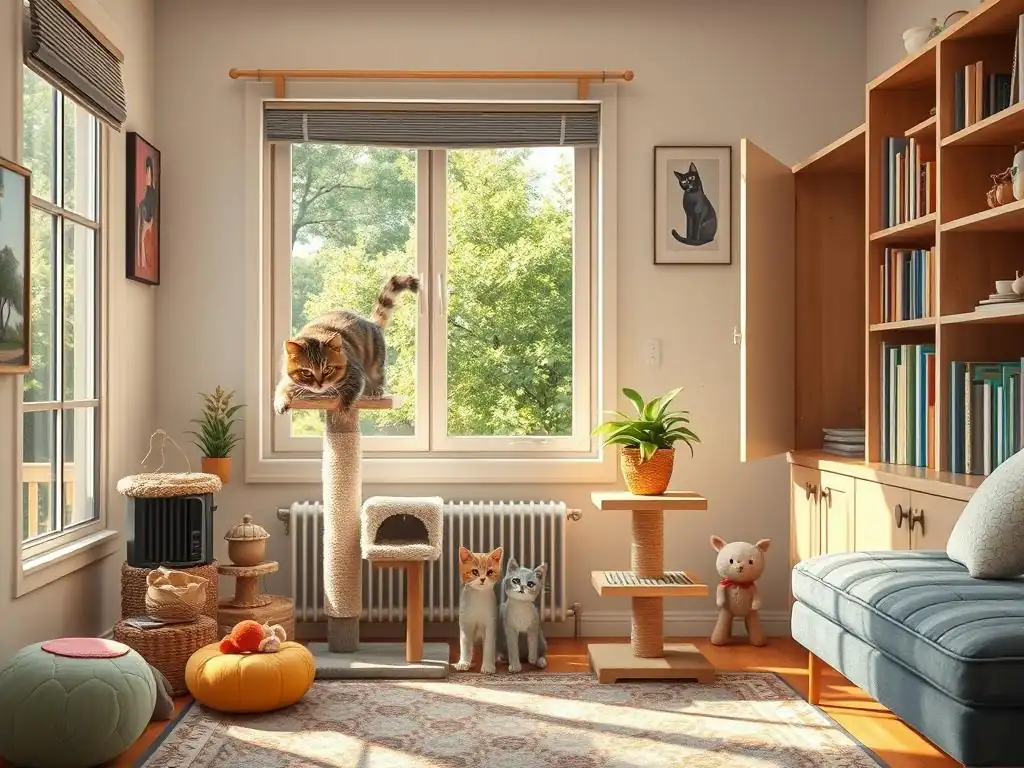
Welcome to PetCareWorld, your ultimate guide to a happier, healthier life for your beloved pets! Are you ready to create a purrfectly safe haven for your feline friend? Our comprehensive cat proof home safety guide reveals essential steps to protect your cat from common household hazards, ensuring their well-being and peace of mind. Discover how to transform your home into a secure and stimulating environment – explore now and unlock the secrets to a safer life for your cat!
- Creating a Safe and Secure Environment for Your Feline Friend: A Cat Proof Home Safety Guide
- Choosing Safe Cat Products and Supplies: A Cat Proof Home Safety Guide
- Emergency Preparedness for Cat Owners: A Cat Proof Home Safety Guide
- Maintaining a Safe Cat Environment: Ongoing Cat Proofing Strategies
- Creating a Happy and Healthy Home for Your Cat: Beyond Cat Proofing
- Frequently Asked Questions
- Final Reflection: Securing a Purrfectly Safe Haven
- Ready to Cat-Proof Your World?
Creating a Safe and Secure Environment for Your Feline Friend: A Cat Proof Home Safety Guide
Cats, with their innate curiosity and agile nature, can find themselves in precarious situations if their environment isn't properly prepared. This comprehensive guide, your ultimate "cat proof home safety guide," will walk you through the essential steps to create a safe and enriching home for your feline companion. We'll cover identifying potential hazards, securing hazardous areas, and tailoring your approach to your cat's unique personality. By following these steps, you can significantly reduce the risk of accidents and injuries, ensuring a long and happy life for your beloved cat.
This guide focuses on proactive measures to prevent common cat-related mishaps, transforming your home into a haven of feline security and joy. Remember, a little preparation goes a long way in ensuring your cat's well-being and peace of mind for you. Let's embark on this journey to create the purrfectly safe home for your furry friend! 😻
Assessing Your Home for Potential Cat Hazards
Before you begin actively cat-proofing, a thorough assessment of your home is crucial. This involves identifying potential dangers and understanding your cat's behavior to tailor your approach effectively.
Identifying Common Household Dangers for Cats
Many everyday household items pose significant risks to cats. These include:
- Toxic substances: Cleaning products, pesticides, medications, antifreeze, chocolate, certain plants (Lilies are especially dangerous! ), and even some essential oils can be lethal if ingested.
- Small objects: Buttons, coins, rubber bands, and other small items can cause choking or intestinal blockages if swallowed.
- Electrical cords: Chewing on electrical cords can lead to electrocution or severe burns.
- Sharp objects: Broken glass, needles, and other sharp objects can cause serious injuries.
- Falling hazards: High shelves, open windows, and balconies pose a risk of falls.
- Entrapment hazards: Narrow spaces, such as under appliances or in cabinets, can trap cats.
Evaluating Your Cat's Personality and Behavior: Tailoring Your Approach
Understanding your cat's individual personality and behavior is paramount. A playful, adventurous cat will require a different level of cat-proofing than a more cautious and sedentary feline. Consider:
- Your cat's age: Kittens are more prone to exploring and getting into trouble than older cats.
- Your cat's energy level: High-energy cats will need more stimulation and supervision.
- Your cat's curiosity level: Highly curious cats will require more thorough cat-proofing.
- Your cat's climbing ability: Cats are excellent climbers, so secure high areas to prevent falls.
By understanding these factors, you can create a cat-proofing plan that's tailored to your specific feline's needs and tendencies. This personalized approach will enhance both safety and their overall quality of life.
Securing Hazardous Areas: A Room-by-Room Cat Proofing Checklist
Now let's move onto a room-by-room walkthrough to effectively cat-proof your home. This checklist will guide you through the most critical areas, highlighting specific hazards and solutions.
Kitchen Safety for Cats: Preventing Accidents and Poisoning
The kitchen is a hub of potential dangers for cats. Keep all cleaning supplies, medications, and food items out of reach. Secure cabinets containing hazardous materials and consider using childproof locks. Be mindful of hot surfaces like stoves and ovens. Keep counter surfaces clean and free of tempting food scraps that could cause digestive upset.
Bathroom Safety Precautions: Preventing Drowning and Chemical Exposure
Bathrooms present risks of drowning (in toilets or sinks) and exposure to harmful chemicals. Keep the toilet lid closed, and store all cleaning products and medications securely out of reach. Consider using childproof latches on cabinets.
Bedroom Cat Safety Measures: Protecting Your Cat from Falling and Other Dangers
Bedrooms often contain hazards such as falling from dressers or beds. Ensure that your cat cannot access high areas without supervision. Secure any loose electrical cords and keep any small objects out of reach.
Living Room Cat Safety: Securing Electrical Cords and Fragile Items
The living room, a central area of activity, requires special attention. Secure all electrical cords, cover sharp edges of furniture, and protect fragile items that could break and injure your cat. Consider providing plenty of scratching posts to prevent damage to furniture.
Preventing Cat Escapes: Securing Windows, Doors, and Outdoor Access
Cats are naturally curious creatures, and their innate desire to explore can lead to dangerous situations if your home isn't properly cat-proofed. Preventing escapes is a crucial aspect of ensuring your feline friend's safety and well-being. This involves a multi-pronged approach focusing on securing windows, doors, and any potential outdoor access points.
Neglecting these precautions can result in lost or injured cats, significant stress for both the cat and owner, and potentially high veterinary bills. A comprehensive cat-proofing strategy minimizes these risks and provides peace of mind. Remember, even a seemingly small gap can be enough for a determined cat to squeeze through.
Window Safety for Cats: Preventing Falls and Escapes
Windows present a significant risk to cats, both in terms of falls and escapes. Many cats are excellent climbers and jumpers, easily reaching windowsills and potentially leaping out. To mitigate this risk, consider installing sturdy screens specifically designed for cats. Regularly inspect these screens for any damage or wear and tear, repairing or replacing them promptly.
Avoid opening windows completely; instead, use window restrictors to limit how far they can open, preventing falls and escapes. For windows that are frequently opened, consider installing a cat-proof mesh or netting over the entire window frame to create a barrier. Furthermore, placing plants or other deterrents on windowsills can discourage your cat from approaching the window and potentially jumping.
Remember, a cat's natural curiosity can override any training, so physical barriers are essential. Consider adding window guards or bars for added security, especially in upper-story windows. This is particularly important for high-rise apartments or houses.
Door Security for Cats: Preventing Escapes and Intrusions
Doors, like windows, offer tempting escape routes for cats. Ensure that all exterior doors are securely closed and latched at all times, even when you're home. Consider installing self-closing doors or door stops to prevent accidental openings.
If you have a pet door, ensure it's properly sized for your cat and that it's securely locked when not in use. A cat flap that only opens for your cat's microchip is a great way to keep other animals out while allowing your cat free access. Additionally, check for any gaps or cracks around the door frame, sealing them with caulk or weather stripping to prevent your cat from squeezing through.
Regularly inspect doors and frames for any damage that could compromise their security. A determined cat can find surprisingly small openings, so thoroughness is key to preventing escapes. Reinforcing weak points is a simple but highly effective way to bolster your home's cat-proofing.
Outdoor Cat Safety: Creating a Secure Outdoor Space (if applicable)
If you allow your cat outdoors, creating a secure outdoor space is paramount. This could involve a catio, a screened-in porch, or a securely fenced yard. Ensure the fencing is tall enough to prevent your cat from jumping over it, burying it deep enough to prevent digging under, and free of any gaps or holes. Regularly check for any damage or deterioration to the fence.
If you have a catio, ensure the mesh is strong and secure, preventing escapes. Consider planting cat-friendly plants to provide enrichment and stimulation within the secured area. Providing scratching posts and climbing structures will keep your cat entertained and reduce their urge to explore beyond the safe zone.
Remember, even in a seemingly secure space, regular supervision is important, especially during the initial adjustment period. A well-designed outdoor enclosure provides your cat with the benefits of fresh air and sunshine while minimizing the risks associated with outdoor roaming. Always prioritize their safety first.
Choosing Safe Cat Products and Supplies: A Cat Proof Home Safety Guide

This section focuses on selecting pet supplies that contribute to a safe and enriching environment for your feline companion. A cat-proof home isn't just about removing hazards; it's also about proactively choosing safe products that enhance your cat's well-being and prevent accidents. This is a crucial element of your comprehensive cat home safety guide.
Selecting Non-Toxic Cleaning Products and Plants
Cats are naturally curious creatures, often investigating their surroundings through taste and touch. Therefore, selecting non-toxic cleaning products is paramount for your cat's safety. Many common household cleaners contain chemicals that can be harmful, even fatal, if ingested by cats. Always opt for cleaning products explicitly labeled as pet-safe or those made with natural, plant-based ingredients.
Avoid using strong-smelling air fresheners, which can irritate your cat's sensitive respiratory system. Similarly, essential oils, while popular in human aromatherapy, are toxic to cats and should be strictly avoided. Consider using natural alternatives such as baking soda and vinegar for cleaning.
Examples of Pet-Safe Cleaning Products to Look For:
Many brands now offer cleaning solutions specifically formulated for pet households. Look for labels that indicate the product is non-toxic and safe for pets. Always read the product label carefully before use and follow the instructions precisely.
Regarding plants, many common houseplants are toxic to cats. Lilies, for example, can cause severe kidney failure. Before bringing any plants into your home, research their toxicity to cats. The ASPCA website offers a comprehensive database of toxic and non-toxic plants for pets. If you're unsure about a plant's safety, it's best to err on the side of caution and avoid it altogether. Opt for cat-friendly plants, like catnip or cat grass, instead.
Choosing Safe Cat Toys and Furniture
Selecting appropriate toys and furniture is crucial for both your cat's safety and enjoyment. Avoid toys with small parts that could be ingested, leading to choking hazards. Strings, ribbons, and elastic bands are particularly dangerous, as they can cause intestinal blockages if swallowed. Opt for sturdy, durable toys made from non-toxic materials.
When choosing cat furniture, look for items made from robust, non-toxic materials. Avoid furniture with sharp edges or easily breakable parts. Scratching posts are essential for maintaining your cat's claws and preventing damage to your furniture. Choose scratching posts made from sisal, cardboard, or carpet, depending on your cat's preference. Remember, a cat-proof home includes providing appropriate outlets for natural behaviors.
| Toy Type | Safety Considerations | Recommended Alternatives |
|---|---|---|
| String Toys | Choking hazard; intestinal blockages | Sturdy plush toys, feather wands with secure attachments |
| Small Plastic Toys | Choking hazard; potential for ingestion | Large, durable toys |
| Fabric Toys | Ingestion of stuffing; potential for tearing | Robust, well-stitched toys |
Providing Safe and Engaging Enrichment Activities
Enrichment is crucial for preventing behavioral problems and maintaining your cat's physical and mental well-being. A bored cat is more likely to engage in destructive behaviors. Providing a variety of safe and engaging activities can help prevent this.
This includes interactive play sessions with safe toys, puzzle feeders that stimulate their hunting instincts, and access to high perches for observation and climbing. Vertical space is especially important for cats, allowing them to express their natural climbing behaviors. Cat trees or shelves provide excellent opportunities for this. Rotating toys regularly helps to maintain your cat's interest and prevent boredom. Consider incorporating scent-based enrichment by using catnip or silvervine, which can provide mental stimulation and enjoyment.
Remember, a safe and enriching environment is key to a happy and healthy cat. By carefully selecting products and providing engaging activities, you can create a truly cat-proof home that prioritizes both safety and enjoyment for your feline friend. This comprehensive approach is vital to your cat proof home safety guide.
Emergency Preparedness for Cat Owners: A Cat Proof Home Safety Guide
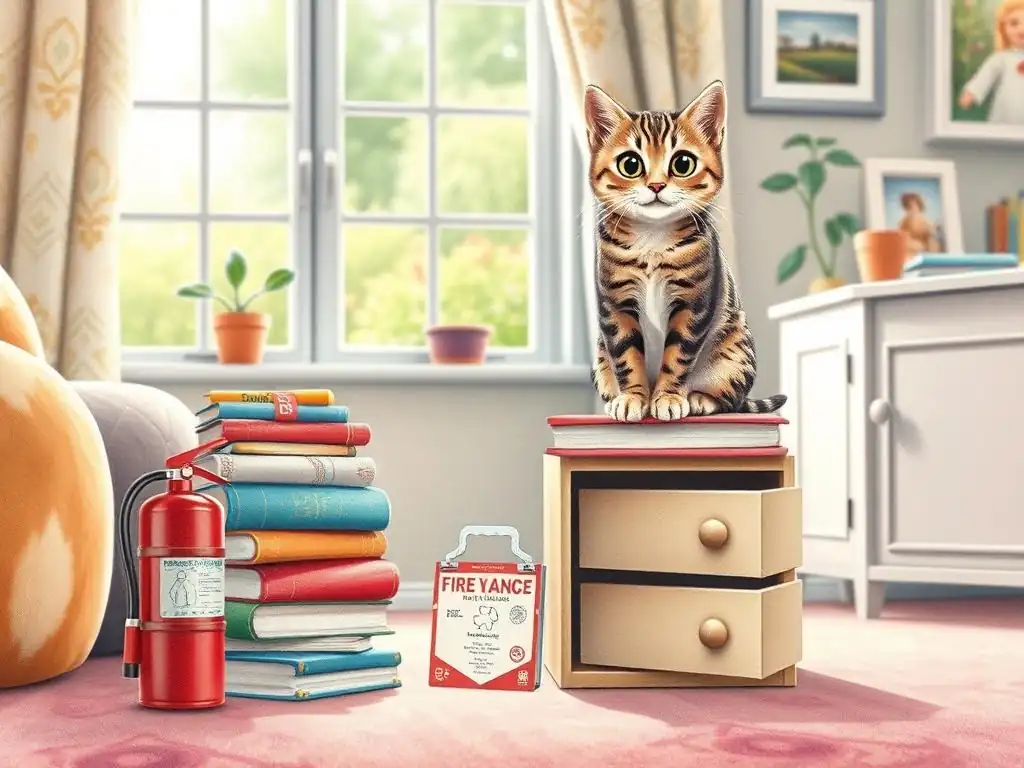
This section focuses on proactive measures to ensure your cat's safety, complementing the broader cat-proofing efforts detailed elsewhere in this cat proof home safety guide. A well-prepared owner is a safer owner, especially when dealing with curious and sometimes unpredictable feline companions. We'll cover crucial aspects of emergency preparedness, transforming your home into a haven of safety for your beloved pet.
Creating a First-Aid Kit for Cats
A well-stocked first-aid kit is essential for addressing minor cat injuries at home, potentially saving valuable time and reducing stress during an emergency. Your kit should include:
- Sterile gauze pads: For cleaning wounds and applying pressure.
- Adhesive bandage rolls: Various sizes to accommodate different wound sizes.
- Antiseptic wipes or solution: To clean minor cuts and scrapes. Avoid using hydrogen peroxide, as it can damage delicate tissues.
- Tweezers: For removing splinters or foreign objects.
- Pet-safe thermometer: Rectal thermometers are best for accurate readings.
- Soft cloth or towel: For cleaning and comforting your cat.
- Emergency contact information: Your veterinarian's number, emergency veterinary clinic details, and a list of any allergies or medications your cat takes, should be clearly displayed.
Remember, this kit is for minor emergencies. For anything serious, immediate veterinary attention is crucial. Consider including a small notebook to record your cat's vital signs and any observations you make during an emergency. This information can be invaluable to veterinary professionals. 🐾
Establishing a Communication Plan in Case of Emergency
Effective communication is paramount during a crisis. Develop a plan outlining who to contact in case your cat goes missing or suffers a serious injury. This should include:
- Emergency Contacts: List at least two reliable individuals who can assist in searching for your cat or transporting them to the vet. Include their phone numbers and addresses.
- Veterinary Clinic Information: Have your vet's number and address readily available, ideally printed and kept in multiple places.
- Microchip and Identification: Ensure your cat is microchipped and wears a collar with updated identification tags. This significantly increases the chances of safe return if they get lost.
- Photos: Take multiple recent photos of your cat from various angles. These can be invaluable for identification purposes if they go missing.
- Lost Pet Posters: Prepare a pre-written lost pet poster template with your cat's photo, description, and contact information. This will save you precious time in an emergency.
This proactive approach significantly enhances your chances of a swift and successful resolution in case of an emergency. Regularly review and update your communication plan, especially if you move or change your contact information.
Identifying the Nearest Emergency Veterinary Clinic
Knowing the location of the nearest 24/7 emergency veterinary clinic is crucial. Don't wait until an emergency arises to search for this information. Research clinics in your area now and record their contact information in your first-aid kit and emergency plan. Consider factors like distance, operating hours, and reviews when making your choice.
Having this information readily accessible can make all the difference in a time-sensitive situation. Knowing where to go can save your cat's life. 🏥 Consider creating a list of backup clinics as well, in case your primary choice is unavailable. This redundancy is essential for ensuring your cat receives timely care.
Maintaining a Safe Cat Environment: Ongoing Cat Proofing Strategies

Cat proofing your home isn't a one-time task; it's an ongoing process that requires vigilance and adaptation. A truly safe environment for your feline friend requires consistent effort to anticipate and mitigate potential dangers. Think of it as a dynamic process of assessing, adapting, and refining your safety measures to keep pace with your cat's growth, changing behaviors, and the inevitable shifts within your home environment. This section provides a comprehensive "cat proof home safety guide" for maintaining a secure and enriching space for your cat.
Regular Home Inspections for Potential Hazards
Regular inspections are crucial for proactive cat proofing. Aim for at least a monthly, thorough check of your home, focusing on areas your cat frequents. Look for potential hazards that might have been overlooked during the initial cat proofing process or have emerged due to normal wear and tear. This includes:
- Checking for loose wires: Cats are notorious for chewing on electrical cords. Regularly inspect all cords, ensuring they are securely taped down or protected with cord covers. Pay special attention to areas where cords are easily accessible, such as behind furniture or under rugs.
- Inspecting cleaning supplies: Ensure all cleaning products, pesticides, and other potentially toxic substances are stored securely out of your cat's reach, ideally in locked cabinets. Remember that even seemingly innocuous products can be harmful if ingested.
- Assessing furniture stability: Over time, furniture can become unstable, presenting a falling hazard for curious cats. Check for wobbly legs, loose screws, and any potential tipping points. Secure heavy items to walls where possible.
- Identifying new hazards: New items brought into the home, such as houseplants or decorations, might pose unforeseen risks. Carefully assess any new additions for potential toxicity or physical hazards to your cat.
Addressing Changes in Your Cat's Behavior or Habits
Changes in your cat's behavior can often signal underlying issues or indicate the emergence of new hazards in your home. A sudden increase in anxiety, unusual grooming habits, or a shift in preferred sleeping spots might warrant a closer inspection of your home environment. For example:
- Increased anxiety: If your cat suddenly becomes more anxious or fearful, it could be due to a new noise, smell, or object in your environment that you haven't considered. Try to identify the source of their stress and address it appropriately.
- Changes in toileting habits: If your cat starts urinating or defecating outside the litter box, it could be a sign of a medical problem or a stressor in their environment. A thorough veterinary check-up is essential, followed by a reassessment of your home to rule out any contributing factors.
- Sudden avoidance of certain areas: If your cat begins avoiding a particular area of the house, it could indicate the presence of a hazard you haven't noticed. Carefully examine the area for potential threats.
Regularly Updating Your Cat Proofing Measures
Your cat proofing strategy should evolve as your cat grows and your home changes. What works for a kitten might not be sufficient for a larger, more agile adult cat. Regular updates ensure your home remains safe and accommodating for your feline companion throughout their life. Consider these aspects:
| Update Category | Specific Actions | Frequency |
|---|---|---|
| Height & Accessibility | Raise plants, secure cords higher, install cat shelves/trees | Every 6-12 months, or as your cat grows |
| Toxic Substances | Review all cleaning products and medications; dispose of expired items safely | Annually or when new products are added |
| Furniture & Objects | Check stability of furniture; secure loose items; rearrange furniture as needed | Semi-annually or after home renovations |
| Outdoor Access | Inspect screens, windows, and doors for vulnerabilities; ensure secure closures | Monthly, especially during warmer months |
Remember, a safe home for your cat is a happy home for both of you! 😻 By consistently implementing these strategies, you'll contribute significantly to your cat's well-being and enjoyment of their environment. Regular updates and vigilance are key components of a comprehensive cat proof home safety guide.
Creating a Happy and Healthy Home for Your Cat: Beyond Cat Proofing
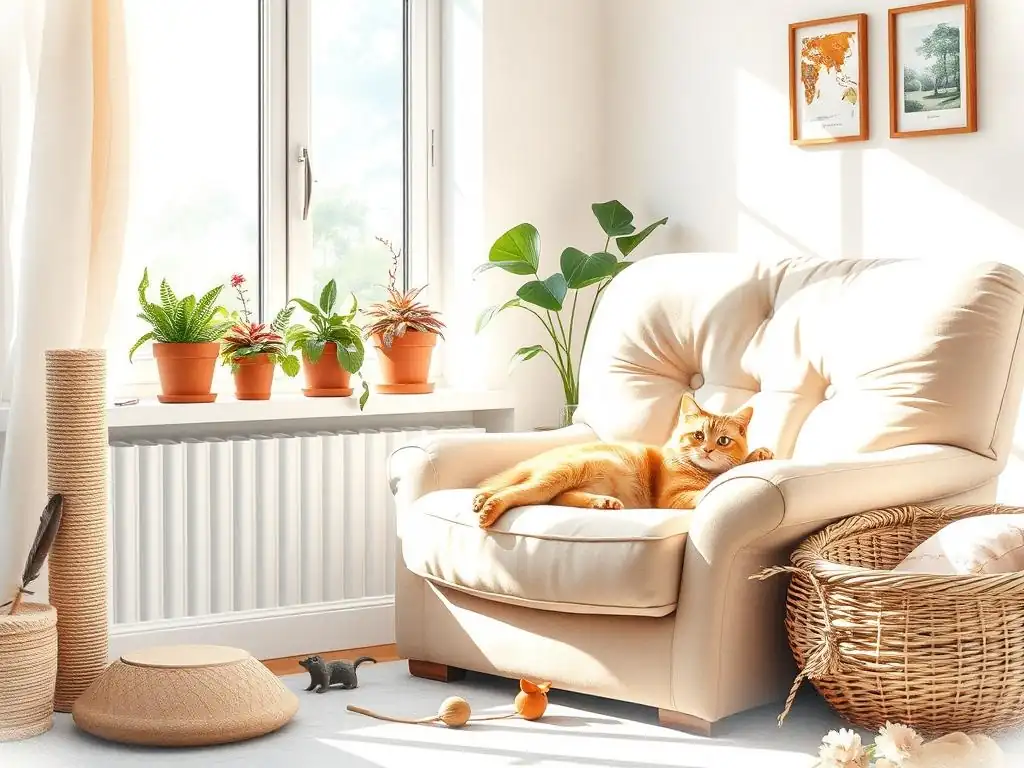
This section focuses on proactive measures to ensure your feline friend thrives in a safe and stimulating environment. While cat-proofing is crucial for preventing accidents, creating a truly cat-friendly home goes beyond simply removing hazards. It involves enriching your cat's life with the resources they need to flourish, leading to a happier, healthier pet and a more harmonious home. This extends beyond the basic necessities, focusing on mental and physical stimulation.
A well-adjusted cat is less likely to engage in destructive behaviors born out of boredom or frustration. Think of it as proactive cat care, preventing problems before they arise. This holistic approach is key to achieving a truly safe and enriching environment for your cat – a crucial part of your comprehensive cat proof home safety guide.
Providing Adequate Food, Water, and Litter Boxes
The foundation of a happy cat is access to essential resources. This isn't just about having food, water, and a litter box; it's about providing them strategically and abundantly. Multiple food and water bowls are recommended, especially in multi-cat households, to minimize competition and stress. Consider placing bowls in different locations throughout the house, catering to your cat's preferences and natural behaviors.
Cats often prefer to eat and drink in separate areas, away from their litter box. A good rule of thumb is to have one litter box per cat, plus one extra. For example, a household with two cats should have at least three litter boxes.
The location of the litter box is also crucial; avoid placing it near food or water sources. Cleanliness is paramount; scoop the litter box at least once a day, and completely change the litter regularly, according to the manufacturer's instructions. Using unscented litter is essential, as strong scents can irritate your cat's sensitive nasal passages.
Consider the type of food and water bowls as well. Some cats prefer wide, shallow bowls to avoid whisker fatigue, while others might prefer elevated bowls. Experiment to find what works best for your cat. Similarly, the type of litter can influence your cat's preferences and overall hygiene. Observe your cat's behavior to determine if adjustments are needed. Providing ample resources isn’t merely about convenience; it's a key element in preventing stress-related behaviors often overlooked in a cat proof home safety guide. 💧 🐈 🍽️
Ensuring Sufficient Playtime and Enrichment
Beyond the basics of food, water, and litter, a thriving cat requires ample opportunities for play and environmental enrichment. Cats are natural hunters, and providing opportunities to satisfy their predatory instincts is crucial for their physical and mental well-being. Interactive play sessions, using toys like wands, feathers, or laser pointers, are essential.
Aim for at least two 15-20 minute play sessions daily, mimicking the natural hunting behaviors of stalking, chasing, and pouncing. Remember, these aren't just games; they're vital for maintaining your cat's physical fitness and mental stimulation, reducing the likelihood of boredom-induced destructive behaviors. This is a crucial component of any comprehensive cat proof home safety guide.
Beyond playtime, consider environmental enrichment. Cats need vertical space; cat trees, shelves, and window perches provide opportunities for climbing and observing their surroundings. These vertical spaces also offer safe havens where cats can retreat when feeling overwhelmed or stressed. Providing scratching posts is also crucial for preventing furniture damage. Different types of scratching posts cater to different preferences; some cats prefer vertical posts, while others prefer horizontal scratching boards. Experiment to find what your cat prefers. Rotating toys and providing puzzle feeders also maintains interest and prevents boredom. Consider incorporating safe and cat-friendly plants into your home, adding a touch of nature to their environment. Remember, a bored cat is a destructive cat. By providing adequate playtime and enrichment, you're not only enriching your cat's life but also contributing to a safer and more harmonious home environment, a fundamental aspect of a successful cat proof home safety guide. 😻 🤸🐈⬛
Frequently Asked Questions
How can I cat-proof my home effectively?
A comprehensive approach is key! Start by securing hazardous items like cleaning supplies and medications, then blocking off dangerous areas such as electrical cords and windows. Finally, consider providing alternative scratching posts and enrichment activities to keep your cat entertained.
What are some common household dangers for cats?
Cats are naturally curious and can get into trouble easily. Toxic substances (cleaning products, medications), sharp objects, electrical cords, and open windows/balconies pose significant risks. Falling from heights is another major concern.
Are there specific plants I should keep away from my cat?
Many common household plants are toxic to cats. Lilies are especially dangerous, even small amounts can cause kidney failure. Research safe and toxic plants before bringing any greenery into your home. Consult a vet immediately if you suspect your cat has ingested a poisonous plant.
How can I prevent my cat from scratching my furniture?
Provide ample scratching posts in various textures and locations. Positive reinforcement with treats or praise when they use the posts is crucial. Consider using deterrents like cat repellent sprays on furniture, but always use pet-safe products.
My cat keeps getting into trouble despite my efforts. What should I do?
Consult a veterinarian or certified cat behaviorist. They can help identify the underlying causes of your cat's behavior and recommend tailored solutions. Rule out any medical conditions that might be contributing to the problem.
Final Reflection: Securing a Purrfectly Safe Haven
Cat-proofing your home isn't just about preventing minor mishaps; it's about ensuring the long-term health, happiness, and safety of your beloved feline companion. A seemingly small oversight can have significant consequences, highlighting the crucial role we play in creating a secure environment for our furry friends. This responsibility extends beyond simply providing food and water; it demands proactive measures to mitigate potential dangers.
The impact of a truly cat-proofed home extends far beyond the immediate safety of your cat. It fosters a deeper bond built on trust and mutual respect. The best things in life are free. The second best are very, very expensive.
This rings true for cat ownership; preventing costly vet bills through preventative measures is invaluable, but the peace of mind knowing your cat is safe and secure is priceless. The journey to a cat-proofed home is an ongoing process of learning and adaptation, reflecting our commitment to providing the best possible life for our feline family members.
Now, consider your own home. Are there potential hazards lurking unseen? Take a moment to walk through your house with fresh eyes, imagining the world from your cat's perspective. Identify those potential dangers, and take action. This isn't just about following a checklist; it's about cultivating a mindful approach to pet ownership, ensuring your cat's well-being is always a top priority. By creating a safe and enriching environment, you'll not only protect your cat but also strengthen the unbreakable bond you share.
Ready to Cat-Proof Your World?
Thank you for learning how to create a safer home for your feline friend! We hope you found the tips in this article helpful. Now, let's put that knowledge into action.
- Prioritize your cat's safety: Start by implementing at least one key safety measure, focusing on your cat's favorite areas. This could involve securing loose wires, blocking off dangerous areas, or storing potentially toxic household items securely.
- Share your cat-proofing journey: Tell us (and other pet parents!) about your experience! Share your before-and-after photos on social media using the hashtag #CatProofingChallenge.
- Explore our resources: Learn more about cat-proofing solutions by visiting our dedicated cat safety section on PetCareWorld.org.
What's one simple change you'll make today to improve your cat's safety and well-being?