
How to Train Your Dog to Dance and Do Fun Routines

Welcome to PetCareWorld, your ultimate guide to a happier, healthier life for your beloved companions! Are you ready to embark on a journey of fun and connection with your canine friend? Discover the joy of Dog dance training fun routines and unlock a whole new level of bonding through playful, engaging activities. Learn how simple steps can transform your dog's behavior and strengthen your relationship—explore the possibilities and start your training adventure today!
- Getting Started with Dog Dance Training: Choosing the Right Routines
- Basic Obedience Training: The Foundation of Dog Dancing
- Introducing Dance Moves: Simple Steps to Success
- Advanced Dog Dance Routines: Building on the Basics
- Troubleshooting Common Challenges in Dog Dance Training
- Performing Your Dog Dance Routine: Tips for Success
- Maintaining Your Dog's Interest and Motivation in Dance Training
- Resources for Further Dog Dance Training
- Frequently Asked Questions
- Final Reflection: The Joyful Bond of Dance Between Humans and Canines
- Unleash Your Dog's Inner Dancer!
Getting Started with Dog Dance Training: Choosing the Right Routines
Dog dance training is a fun and rewarding activity that strengthens the bond between you and your canine companion while providing both of you with excellent physical and mental stimulation. This comprehensive guide will walk you through the process of teaching your dog exciting dance routines, from selecting appropriate moves to mastering more complex choreography. We'll cover everything from choosing routines suitable for beginners and considering your dog's breed and temperament to gathering the essential supplies needed for a successful training journey. The key to success lies in patience, positive reinforcement, and understanding your dog's learning style.
Remember, the goal is to create a positive and enjoyable experience for both you and your furry friend, building a strong foundation of trust and communication. This will not only enhance your dog's skills but also significantly strengthen your relationship. Let's embark on this exciting adventure together! 🎉
Selecting Appropriate Dog Dance Routines for Beginners
Starting with simple routines is crucial for both you and your dog. Beginners should focus on foundational movements that build confidence and understanding. These early steps lay the groundwork for more complex routines later on. Avoid overly ambitious choreography initially. Instead, concentrate on mastering basic commands like "sit," "stay," "down," and "come." Once these are solid, you can gradually introduce movements like bowing, spinning, and stepping.
A good starting point might be a simple routine incorporating three to five basic commands, performed smoothly and consistently. Remember to keep training sessions short and sweet, especially in the beginning – around 5-10 minutes is ideal to avoid overwhelming your dog. Positive reinforcement, using treats and praise, is essential at this stage. The ultimate goal is to create a positive association with training so your dog eagerly anticipates each session. 🐶
Assessing Your Dog's Breed and Temperament for Suitable Routines
Not all dogs are created equal! Understanding your dog's breed and temperament is paramount in choosing the right dance routines. Some breeds are naturally more energetic and agile, making them ideal for routines involving jumps, spins, and quick changes of pace. Others might be more suited to slower, more deliberate movements. For example, a high-energy Border Collie might excel in a fast-paced routine with lots of dynamic movements, while a calm Golden Retriever might prefer a gentler sequence focused on precision and grace.
Consider your dog's physical limitations as well. A dog with joint issues, for instance, should avoid routines that involve excessive jumping or strenuous activity. Observe your dog's natural tendencies and choose routines that align with their personality and physical capabilities. Remember, the focus should always be on making the training fun and safe for your dog. 🐕
Gathering Essential Supplies for Dog Dance Training: Treats, Toys, and More
Having the right equipment makes a world of difference in your dog dance training journey. High-value treats are essential for positive reinforcement. Small, easily digestible treats are ideal to avoid disrupting the flow of your training sessions. These should be reserved specifically for training to maintain their effectiveness.
A comfortable and safe training space is also crucial. This could be your backyard, a park, or even a designated area in your home. A clicker can be a valuable tool to mark the precise moment your dog performs a desired behavior. While not strictly necessary, a clicker can improve training efficiency.
Finally, consider investing in a comfortable harness or collar that won't restrict your dog's movement during the routines. Having all these items readily available will ensure a smooth and efficient training process. Remember, the right tools can make all the difference in creating a positive and productive learning experience for both you and your dog. 🦴
Basic Obedience Training: The Foundation of Dog Dancing
Before you can even think about fancy footwork and impressive routines for your dog dance training, a solid foundation in basic obedience is crucial. This isn't just about ticking boxes; it's about building a reliable communication system between you and your canine partner. Without this, complex dog dance training fun routines become incredibly challenging, frustrating for both you and your dog, and potentially unsafe.
Think of basic obedience as the alphabet of dog training – you need to master the letters before you can write words, sentences, and eventually, captivating dance routines. This section will focus on establishing these fundamental skills.
Mastering Essential Commands: Sit, Stay, Come, Down
The four cornerstones of basic obedience – sit, stay, come, and down – are the building blocks for any successful dog dance routine. Mastering these commands ensures your dog understands and responds reliably to your cues, even in distracting environments. Consider these points:
- Sit: Start with lure training using a treat. Gradually fade the lure, using a hand signal and the verbal cue "sit." Practice in various locations and with increasing distractions. Consistency is key! Reward every successful sit with enthusiastic praise and a treat.
- Stay: Build on the "sit" command. Introduce the "stay" cue, initially for very short durations, gradually increasing the time. Use a hand signal to reinforce the command. Practice staying in different positions (sitting and standing) to prepare for the varied postures needed in dance routines.
- Come: This is arguably the most important command for safety. Use a happy, encouraging tone. Initially, practice in a controlled environment, gradually increasing distance and distractions. Always reward a prompt response.
- Down: Similar to "sit," lure your dog into a down position. Gradually fade the lure, using a hand signal and the verbal cue "down." Reward consistently and practice in varied settings.
Implementing Positive Reinforcement Techniques for Effective Learning
Positive reinforcement is the cornerstone of effective dog training, especially for dog dance training fun routines. It's all about rewarding desired behaviors, making training a positive and enjoyable experience for your dog. This approach builds confidence and strengthens the bond between you and your dog. Avoid punishment-based methods; they can create fear and anxiety, hindering learning and damaging your relationship.
Here's how to effectively use positive reinforcement:
- Timing is crucial: Reward your dog immediately after the desired behavior. A slight delay can confuse your dog.
- Use high-value rewards: Identify what motivates your dog – treats, praise, toys, or even a game. Vary the rewards to keep your dog engaged.
- Break down complex tasks: Instead of expecting your dog to learn a whole dance routine at once, break it down into smaller, manageable steps. Reward each successful step.
- Keep training sessions short and fun: Avoid overwhelming your dog. Short, frequent sessions are more effective than long, arduous ones. End each session on a positive note.
Building a Strong Bond with Your Dog Through Consistent Training
The process of dog dance training fun routines isn't just about teaching your dog tricks; it's about fostering a strong and trusting relationship. Consistent training strengthens this bond in several key ways:
- Improved communication: Regular training sessions enhance your understanding of your dog's body language and cues, improving communication and reducing misunderstandings.
- Increased confidence: As your dog masters new skills, their confidence grows, leading to a more relaxed and happy dog.
- Enhanced trust: Positive reinforcement builds trust, creating a secure and loving relationship.
- Shared activity: Dog dance training provides a fun and engaging activity you can share, strengthening your bond through shared experiences.
Remember, patience and consistency are paramount. Celebrate small victories and enjoy the journey of learning and growing together with your canine companion. The resulting bond and the fun you share during dog dance training fun routines will be invaluable.
Introducing Dance Moves: Simple Steps to Success
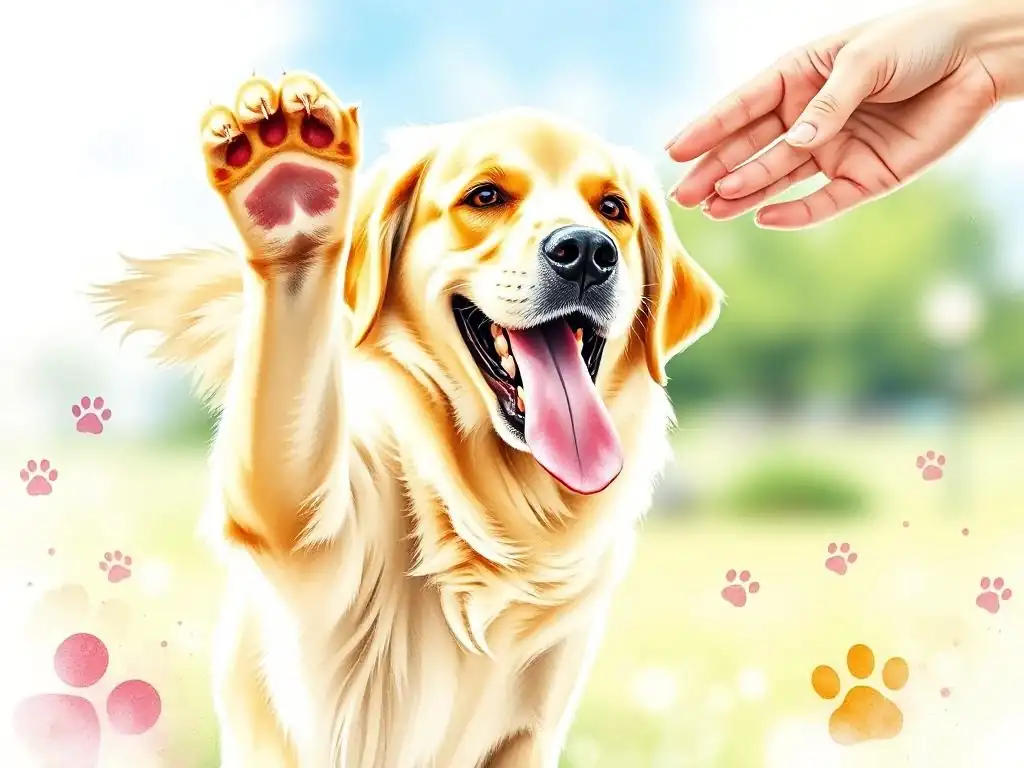
This section focuses on initiating your dog into the exciting world of canine dance. Remember, patience and positive reinforcement are key! We'll build a strong foundation before progressing to more complex routines. The ultimate goal is to create a fun and engaging experience for both you and your furry friend, fostering a deeper bond through shared activity.
Successful dog dance training hinges on understanding your dog's learning style and adapting your approach accordingly. Some dogs are quick learners, readily picking up new tricks, while others require more time and repetition. Don't get discouraged if your dog doesn't grasp a move immediately; consistency and positive reinforcement are paramount.
Teaching Your Dog Basic Dance Moves: Spins, Bows, and High Fives
Let's start with three fundamental dance moves: spins, bows, and high fives. These form the building blocks for more elaborate routines. We'll use lure-reward training, a highly effective method for teaching dogs new behaviors.
- Spins: Use a treat or toy to lure your dog in a circle. As they follow the lure, say "Spin!" Once they complete a full circle, reward them immediately with praise and a treat. Repeat this process several times, gradually fading the lure as your dog learns to associate the verbal cue with the action. Remember to keep the training sessions short and fun, aiming for several repetitions over multiple short sessions rather than one long one.
- Bows: Hold a treat close to the ground, just in front of your dog's nose. As they lower their head to reach for the treat, say "Bow!" Reward them immediately with the treat and enthusiastic praise. Again, repetition is key. Gradually increase the duration of the bow by slightly delaying the reward.
- High Fives: Hold your hand up, palm open, at your dog's nose level. As they touch your hand with their paw, say "High Five!" and reward them instantly with praise and a treat. If your dog doesn't understand initially, gently guide their paw towards your hand. Celebrate even small successes.
Remember to vary the location and timing of your training sessions to avoid boredom and maintain your dog's engagement. A change of scenery can do wonders for their focus and enthusiasm. Positive reinforcement, consistency, and short, frequent training sessions are the foundation of successful dog dance training.
Incorporating Music and Rhythm into Your Training Sessions
Adding music is a fantastic way to enhance your dog dance training and make it more enjoyable for both of you. The rhythm of the music can help to guide your dog's movements and create a more fluid and expressive performance. Start with simple, upbeat music with a clear beat. Avoid music with sudden loud noises or jarring changes in tempo, which could startle or confuse your dog.
Begin by practicing your dog's basic moves to the music. Initially, focus on associating the music with the commands. For example, play a specific section of music while practicing spins, and another section for bows. This helps your dog learn to associate the music cues with the specific actions. As your dog becomes more comfortable, you can gradually increase the complexity of the routine and incorporate more advanced moves.
It's crucial to monitor your dog's response to the music. If they seem stressed or anxious, reduce the volume or switch to a different piece of music. The goal is to create a positive and fun experience, not to overwhelm your dog. Remember that the focus should always remain on positive reinforcement and building a strong bond with your canine partner. The music should enhance, not detract from, the overall training experience. Experiment with different genres and tempos to find what works best for you and your dog.
Using Hand Signals and Verbal Cues for Clear Communication
Clear communication is vital for successful dog dance training. While verbal cues are essential, incorporating hand signals enhances understanding and allows for more precise guidance, especially in noisy environments or when your dog is distracted.
Develop consistent hand signals for each move. For instance:
| Move | Hand Signal | Verbal Cue |
|---|---|---|
| Spin | Circular motion with your hand | "Spin!" |
| Bow | Hand pointing downwards towards the ground | "Bow!" |
| High Five | Hand held up, palm open | "High Five!" |
Ensure your hand signals are distinct and easily understood by your dog. Practice both verbal cues and hand signals simultaneously, associating them with the actions. Gradually fade the reliance on treats as your dog learns to perform the moves reliably. Consistency in your hand signals and verbal cues is crucial for clear communication and successful training. Remember to use positive reinforcement and praise to maintain your dog's enthusiasm throughout the training process. A clear and consistent communication system will significantly improve the effectiveness and enjoyment of your dog dance training sessions.
Advanced Dog Dance Routines: Building on the Basics
This section delves into crafting more elaborate and engaging dog dance routines once your canine companion has mastered the fundamental moves, like staying, spinning, and bowing. We'll explore how to seamlessly blend these basics into more complex sequences, and ultimately, how to choreograph your own unique performance. Remember, patience and positive reinforcement remain key throughout this advanced training. The goal isn't just to teach tricks, but to build a strong bond and a fun, rewarding experience for both you and your dog.
Consistent practice, even in short bursts, will yield impressive results. The ultimate reward? A dazzling dog dance routine that will amaze your friends and family!
Progressing to More Complex Sequences: Combining Basic Moves
Once your dog reliably performs individual commands like "spin," "bow," and "stay," you can start chaining them together. Begin with simple two-step sequences. For example, you might try a "spin-stay-spin" combination. Reward your dog generously after each successful completion of the sequence. Gradually increase the complexity by adding more commands. Consider a sequence like: "stay, bow, spin right, spin left, stay." Use clear hand signals and verbal cues to guide your dog through each transition. Remember to keep training sessions short and fun to maintain your dog's enthusiasm. A tired or frustrated dog will not learn effectively.
Here's a sample training plan you can adapt:
| Day | Sequence | Duration | Rewards | Notes |
|---|---|---|---|---|
| 1 | Spin-Stay | 5 minutes | High-value treats, praise | Focus on smooth transitions |
| 2 | Spin-Stay-Spin | 7 minutes | High-value treats, praise, toy | Introduce a slightly faster pace |
| 3 | Stay-Bow-Stay | 5 minutes | High-value treats, praise | Ensure your dog understands the bow command clearly |
| 4 | Spin-Stay-Bow-Stay | 10 minutes | High-value treats, praise, petting | Gradually increase the length of the routine |
| 5 | Stay-Bow-Spin-Right-Stay | 10 minutes | High-value treats, praise, a game | Introduce directional cues |
Remember to break down complex sequences into smaller, manageable chunks. Celebrate even the smallest successes to keep your dog motivated. Positive reinforcement is the cornerstone of successful dog dance training.
Choreographing Your Own Unique Dog Dance Routine
Now for the fun part: creating a personalized dog dance routine! This is where your creativity shines. Consider your dog's strengths and weaknesses. Does your dog excel at spins or is it a natural at staying? Tailor your routine to showcase their talents. Think about incorporating music to enhance the performance. Upbeat, rhythmic music is ideal.
Start by outlining the sequence on paper. This will help you visualize the flow and ensure a smooth, cohesive routine. Remember, the routine should be challenging yet achievable for your dog. Don't try to cram too many moves into a short routine. Quality over quantity is key! It's helpful to film your dog performing the routine to identify areas for improvement.
Here are some tips for creating a captivating routine:
- Start simple: Build upon the basic commands your dog already knows.
- Use clear cues: Consistent hand signals and verbal commands are crucial.
- Incorporate transitions: Smooth transitions between movements are key to a polished routine.
- Add music: Upbeat music can enhance the overall performance.
- Practice regularly: Consistent practice is essential for mastering the routine.
- Film your practice sessions: This helps identify areas for improvement.
Increasing the Difficulty: Adding Jumps, Turns, and Other Tricks
Once your dog has mastered several complex sequences, you can start incorporating advanced tricks to elevate your dog dance routine. Adding jumps, turns, and other creative movements will require patience and persistence. Introduce these advanced elements gradually, breaking them down into smaller, manageable steps. For example, start with teaching a simple jump over a low hurdle before progressing to higher jumps or more complex jumps.
Similarly, start with simple turns and gradually increase the degree of rotation. Always prioritize your dog's safety and comfort. Never force your dog to perform a trick it's not ready for. Positive reinforcement remains paramount, and remember to celebrate every milestone achieved.
The key is to make training a fun and rewarding experience for both you and your dog. With dedication and the right approach, you can create a truly spectacular dog dance routine! Remember to tailor the difficulty to your dog's breed, age, and physical capabilities. Some breeds are naturally more athletic than others.
Troubleshooting Common Challenges in Dog Dance Training
Dog dance training, while incredibly rewarding, presents unique challenges. Successfully teaching your canine companion to execute fun routines requires patience, consistency, and a keen understanding of your dog's individual personality and learning style. This section addresses some common hurdles and offers practical solutions to help you navigate them effectively. Remember, positive reinforcement is key throughout the entire process. Even the most stubborn pup can learn to boogie with the right approach!
Addressing Distractions and Maintaining Focus During Training
Maintaining focus during dog dance training can be tricky, especially for excitable breeds. Distractions abound – other dogs, people, sounds, and even the tantalizing smell of a nearby squirrel can derail your training session in a heartbeat. The key is to gradually introduce distractions in a controlled manner. Start with minimal distractions in a quiet environment, gradually increasing the level of stimulation as your dog improves.
Here's a structured approach:
- Controlled Environment: Begin training in a quiet room with minimal distractions. Use high-value treats and praise to reward even the smallest successes.
- Gradual Introduction: Once your dog consistently performs the steps in the quiet environment, slowly introduce low-level distractions. This could be a person standing quietly a few feet away, or a soft, low-volume background sound.
- Positive Reinforcement: Reward your dog generously for maintaining focus in the presence of distractions. If your dog becomes distracted, calmly redirect their attention back to the task and reward them when they refocus.
- Vary the Location: Gradually move your training sessions to different locations, introducing new sights and sounds at a manageable pace. This helps your dog generalize their learning and perform reliably in various environments.
- Training Breaks: If your dog is struggling to focus, take short breaks to allow them to rest and refocus before resuming the training. Overtraining can lead to frustration and decreased motivation.
Remember, patience is paramount. Build your dog's confidence and focus gradually. Celebrate small victories and avoid pushing your dog too hard, especially in the beginning stages of dog dance training fun routines.
Dealing with Resistance or Lack of Motivation in Your Dog
Sometimes, even with positive reinforcement, your dog might exhibit resistance or a lack of motivation. This can stem from various factors, including physical discomfort, underlying health issues, or simply a lack of engagement with the activity.
Here are some strategies to address this:
- Check for Physical Issues: Ensure your dog is physically comfortable and healthy. Consult your veterinarian if you suspect any underlying health problems that might be affecting their performance.
- Vary Training Methods: If your dog seems bored or uninterested, try varying your training methods. Incorporate new games, toys, or different types of rewards.
- Short, Frequent Sessions: Instead of long, tiring sessions, opt for shorter, more frequent training sessions. This prevents your dog from becoming overwhelmed or fatigued.
- Positive Reinforcement Variety: Experiment with different types of rewards to find what truly motivates your dog. This could be treats, praise, toys, or even a favorite game.
- Make it Fun! Dog dance training should be enjoyable for both you and your dog. If your dog is not having fun, they are less likely to be motivated to learn. Incorporate playful elements into your training sessions to keep your dog engaged and excited.
It's crucial to understand that dogs, like humans, have different learning styles and personalities. What works for one dog may not work for another. Observing your dog's behavior and adjusting your approach accordingly is essential for successful training.
Adapting Training Methods to Suit Your Dog's Individual Learning Style
Every dog is unique, with its own learning style and pace. Some dogs are visual learners, responding well to demonstrations and visual cues. Others are kinesthetic learners, preferring hands-on guidance and physical interaction. Still others are auditory learners, responding best to verbal cues and commands.
To optimize your training, observe your dog's responses and adapt your approach accordingly:
- Visual Learners: Use clear and concise visual cues, such as hand signals and demonstrations. Break down complex movements into smaller, easily digestible steps.
- Kinesthetic Learners: Utilize physical guidance, such as gently guiding your dog into the correct position. Focus on hands-on interaction and tactile reinforcement.
- Auditory Learners: Use clear and consistent verbal cues and commands. Pair verbal cues with actions to reinforce learning.
Understanding your dog's preferred learning style is crucial for effective dog dance training. By tailoring your methods to their individual needs, you can create a positive and rewarding learning experience for both of you, leading to successful dog dance training fun routines. Remember, celebrate each milestone and maintain a positive and encouraging attitude throughout the process. 🎉
Performing Your Dog Dance Routine: Tips for Success
This section focuses on refining your dog dance routine and ensuring a polished, confident performance. Consistent practice is key, but understanding how to manage your dog's energy and focus during the actual performance is equally crucial. Remember, a successful dog dance routine isn't just about the steps; it's about the connection between you and your canine partner. A well-executed routine showcases not only your dog's training but also the bond you share. Let's explore some vital strategies to elevate your dog's performance.
Practicing in Different Environments to Build Confidence
Practicing your dog dance routine exclusively at home can lead to unexpected surprises during a real performance. Your dog might be perfectly coordinated in your living room, but a change of scenery – different flooring, sounds, smells, and even the presence of a crowd – can significantly impact their behavior and performance. To mitigate this, gradually introduce new environments into your practice sessions.
Start with a nearby park, practicing in a quiet corner initially. Gradually introduce more distractions, such as other dogs or people walking by. You can also try practicing in different rooms of your house, varying the surfaces your dog performs on (carpet, hardwood, tile).
This controlled exposure helps your dog adapt to diverse settings and build confidence in unpredictable environments. The goal is to desensitize your dog to potential distractions, ensuring a smoother and more confident performance in any location. Remember to always end each practice session on a positive note, rewarding your dog for their cooperation and focus, even if there were minor setbacks.
Preparing Your Dog for Performances: Reducing Anxiety and Excitement
Performing in front of an audience can be overwhelming for both you and your dog. While excitement is natural, excessive anxiety can hinder your dog's performance. Careful preparation is essential to manage your dog's emotional state. Before the actual performance, practice near the venue to familiarize your dog with the sounds and atmosphere. Use calming techniques, such as gentle massage or a relaxing aromatherapy spray, to soothe any pre-performance jitters.
Remember, your own calmness is contagious. If you're anxious, your dog will likely pick up on it. Maintain a positive and encouraging demeanor throughout the preparation and performance. Consider using a familiar cue word or phrase associated with calm behavior, reinforcing it with treats and praise. If your dog exhibits signs of extreme anxiety, consult a professional dog trainer or veterinarian to develop a personalized anxiety-reduction strategy. A well-prepared dog is a confident dog, and a confident dog delivers an outstanding performance.
Showcasing Your Dog's Talents: Tips for a Successful Dog Dance Performance
The culmination of your hard work is the performance itself. To ensure a successful dog dance performance, remember these key tips:
- Start strong: Begin with a confident and well-rehearsed opening. This sets the tone for the entire routine.
- Maintain eye contact: Regular eye contact strengthens the bond and helps guide your dog.
- Use clear cues: Give concise and consistent cues to avoid confusing your dog.
- Reward frequently: Don't hesitate to reward your dog with treats and praise throughout the routine.
- Embrace imperfections: Minor mistakes are inevitable. Stay calm, adjust, and continue with the routine. The audience appreciates the effort and bond you share.
- Finish with a bang: End with a strong and memorable move, leaving the audience impressed.
Remember, the most important aspect of a dog dance performance is the joy and connection shared between you and your dog. Enjoy the moment, and celebrate your accomplishments! 🎉 The successful execution of a dog dance routine is a testament to your dedication, patience, and the unique bond you share with your canine companion. This shared experience strengthens your relationship and provides lasting memories. The process of dog dance training fun routines is as rewarding as the performance itself.
Maintaining Your Dog's Interest and Motivation in Dance Training
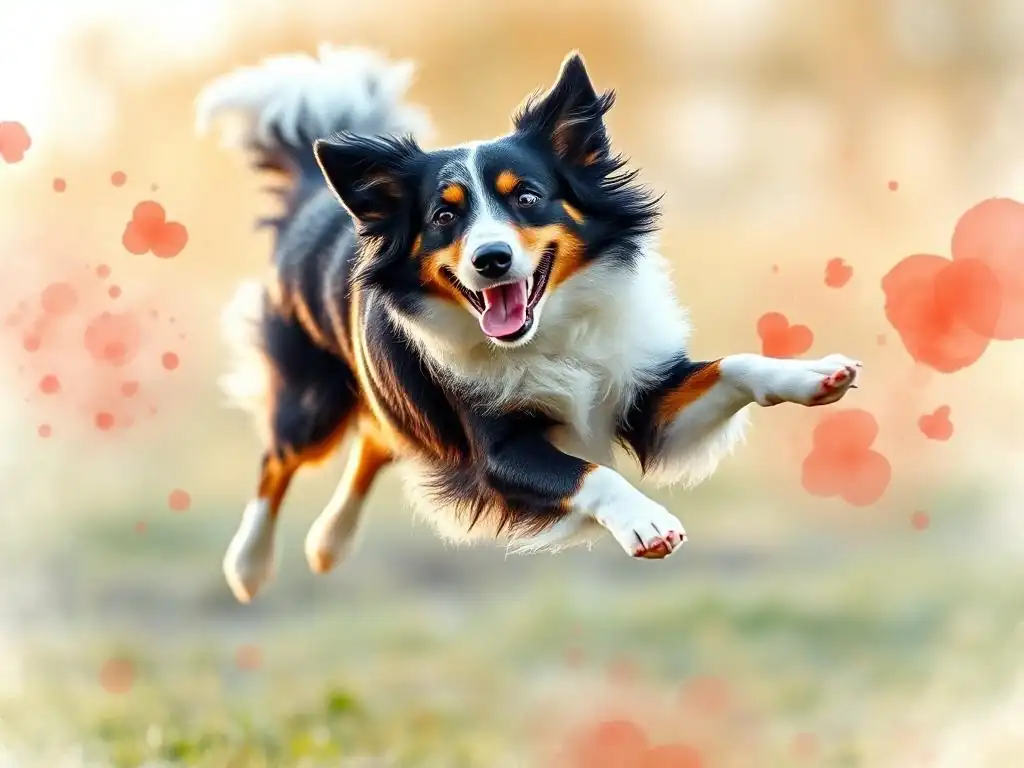
Maintaining your canine companion's enthusiasm throughout the dog dance training process is crucial for success. A bored or frustrated dog will quickly lose interest, making progress difficult. This section focuses on strategies to keep your dog engaged and motivated, ensuring a positive and rewarding learning experience for both of you. Remember, consistent positive reinforcement is key to building a strong bond and fostering a love for learning in your furry friend. The secret to successful dog dance training fun routines lies in making it an enjoyable activity for your dog.
Keeping Training Sessions Fun and Engaging to Prevent Boredom
Dog dance training, while rewarding, can become monotonous if not approached creatively. Preventing boredom is paramount. Short, frequent training sessions (10-15 minutes) are far more effective than long, drawn-out ones. Dogs have shorter attention spans than humans; respecting this is key. Vary your training location. Don't always train in the same spot; try the park, a friend's yard, or even a different room in your house. This provides environmental enrichment and keeps things interesting. Incorporate different types of rewards.
While treats are excellent motivators, vary them to prevent predictability. Try different toys, praise, or even a quick game of fetch as rewards. This variety keeps your dog guessing and engaged. Finally, remember to take breaks! If your dog seems restless or unfocused, stop the session and resume later. A tired or stressed dog won't learn effectively. Observe your dog's cues and adapt accordingly.
Introducing New Tricks and Challenges to Keep Your Dog Stimulated
Introducing new tricks and challenges is vital for preventing boredom and maintaining motivation. Once your dog masters a basic step, like a bow or a spin, gradually introduce more complex variations. For example, after mastering a simple spin, try incorporating a jump or a change of direction. This keeps the training mentally stimulating and prevents repetition. You can also introduce new music or rhythms to challenge your dog's coordination and timing. Consider using upbeat music that your dog responds positively to.
Gradually increase the difficulty of the routine. Start with simple sequences and progressively add more steps and movements. This builds confidence and provides a sense of accomplishment. Remember to break down complex routines into smaller, manageable steps. This prevents your dog from feeling overwhelmed and allows for gradual mastery. Using positive reinforcement throughout this process is crucial for maintaining a positive learning experience.
Celebrating Achievements and Rewarding Good Behavior
Celebrating achievements is just as important as the training itself. When your dog masters a new trick or completes a challenging sequence, reward them enthusiastically. This positive reinforcement strengthens the desired behavior and motivates your dog to continue learning. Use high-value rewards, such as their favorite treats or toys. Verbal praise is also crucial; enthusiastically praising your dog reinforces their good behavior.
Consider incorporating small celebrations into your training sessions. A short play session or a special treat can make the experience more rewarding. Keep a training journal to track your dog's progress. This allows you to visually see how far they've come and helps you celebrate milestones.
Remember, positive reinforcement is the cornerstone of successful dog training. Focus on rewarding good behavior rather than punishing mistakes. This creates a positive learning environment and strengthens the bond between you and your dog. This approach will contribute significantly to your success in dog dance training fun routines.
Resources for Further Dog Dance Training
This section provides valuable resources to help you continue your dog's dance training journey beyond the basics. We'll explore books, online resources, local classes, and community support networks to enhance your skills and bond with your canine partner. Remember, consistent training and positive reinforcement are key to success in dog dance!
Recommended Books and Online Resources for Dog Dance Enthusiasts
Finding the right resources is crucial for mastering dog dance techniques. Fortunately, numerous books and online platforms offer expert guidance and creative inspiration. Let's explore some options:
Several excellent books delve into the intricacies of dog dance training, offering step-by-step instructions, detailed diagrams, and insightful tips for handling various breeds and temperaments. Look for books that emphasize positive reinforcement methods, focusing on building a strong bond between you and your dog through rewarding desired behaviors. Some titles often include "dog dancing," "canine freestyle," or "trick training" in their descriptions.
Beyond books, the internet is a treasure trove of information. Numerous websites and online communities cater specifically to dog dance enthusiasts. These platforms often host video tutorials, showcasing advanced techniques and creative routines. You'll find helpful discussions on common challenges, such as overcoming obstacles in teaching specific moves, and advice on selecting appropriate music for your routines.
Many experienced dog dancers share their personal experiences and training strategies, providing valuable insights that can accelerate your progress. Remember to critically evaluate the information you find online and prioritize resources that align with positive reinforcement training principles. Look for websites and videos that demonstrate respectful and humane training practices.
Example of Online Resources to Explore:
While specific website names are omitted to avoid implied endorsement, search terms like "dog dance tutorials," "canine freestyle videos," and "positive reinforcement dog training" will yield many helpful results. Be discerning in your choices, focusing on resources that prioritize the dog's well-being and use positive training methods.
Finding Local Dog Dance Classes and Workshops
Hands-on learning offers invaluable benefits in dog dance training. Participating in local classes and workshops provides the opportunity to receive personalized instruction, learn from experienced instructors, and interact with other dog owners.
Finding these opportunities might involve searching online directories, checking local pet stores and veterinary clinics for flyers or announcements, or contacting dog training clubs in your area. Many dog trainers offer specialized courses in dog dancing, covering various aspects of the discipline. Look for instructors who are certified and experienced in positive reinforcement methods. A good instructor will be able to adapt their teaching style to suit your dog's personality and learning pace.
The class setting also provides a supportive environment, fostering a sense of community among fellow dog dance enthusiasts. You can observe other dogs and owners, gaining insights and learning from their experiences. Don't hesitate to ask questions and seek guidance from your instructor, making the most of this valuable learning opportunity. This personalized approach significantly accelerates learning, allowing you to refine your techniques and build confidence in your abilities.
Connecting with Other Dog Dance Owners for Support and Inspiration
Building a network of fellow dog dance enthusiasts can be incredibly beneficial. Sharing experiences, challenges, and successes with others provides invaluable support and motivation.
Connecting with others can be done through online forums, social media groups, or even attending local dog parks or events. These communities offer a platform to exchange ideas, share tips, and find inspiration for new routines. Observing other dog-owner teams can offer fresh perspectives and new ideas for your own training. You can learn from their successes and learn how they overcame specific challenges.
The collaborative spirit of these communities can foster a sense of camaraderie and mutual support. Sharing your progress and celebrating achievements with others creates a positive and encouraging environment. Remember, the journey of dog dance training is not just about mastering the moves; it's about building a stronger bond with your canine companion. The sense of community you cultivate will enhance both your training and your overall enjoyment.
Frequently Asked Questions
What is dog dance training?
Dog dance training involves teaching your dog choreographed movements to music, creating a fun and engaging activity for both you and your canine companion. It builds a strong bond and improves communication. It's not just about tricks; it's about teamwork!
What are some basic steps to start dog dance training?
Begin with simple commands like "sit," "stay," and "down," rewarding your dog with positive reinforcement (treats, praise). Gradually introduce more complex movements, breaking them down into smaller steps. Keep training sessions short and fun.
What kind of music is best for dog dance routines?
Upbeat music with a clear rhythm is ideal. Your dog will respond better to music with consistent beats that they can easily follow. Experiment with different genres to find what your dog enjoys most.
What equipment do I need for dog dance training?
You primarily need high-value treats, a comfortable training space, and upbeat music. A clicker can be helpful for marking desired behaviors. Consider comfortable clothing for yourself to allow for easy movement.
How can I make dog dance training more fun for my dog?
Keep training sessions short and positive. Use lots of praise and rewards. Vary the routines to keep your dog engaged and prevent boredom. Always end on a positive note, even if the session wasn't perfect.
Final Reflection: The Joyful Bond of Dance Between Humans and Canines
The ability to train your dog to dance isn't just a quirky trick; it's a powerful testament to the incredible bond we can forge with our animal companions. This journey of learning, patience, and mutual respect transcends simple obedience; it fosters a deeper connection built on trust, communication, and shared joy. The positive reinforcement techniques discussed throughout this article are not only effective for teaching dance routines, but also applicable to strengthening any relationship with your furry friend.
The impact of dog dancing extends far beyond the performance itself. It's a vibrant expression of the human-animal bond, a testament to the intelligence and trainability of our canine companions, and a celebration of the unique personalities that shine through in every wagging tail and happy bark. The dog is the only being on earth that loves you more than he loves himself.
- Josh Billings. This quote beautifully encapsulates the unwavering devotion we receive from our dogs, a devotion that is amplified through shared activities like dance training. It's a rewarding experience that strengthens the already profound connection we share.
Now, consider your own dog. Think about the unique quirks and talents they possess. What joyful activity could you share that would strengthen your bond and bring you both immense satisfaction? Don't be afraid to experiment, to embrace the playful chaos of training, and to celebrate the small victories along the way. The journey of learning to dance with your dog is a journey of discovery, not just for your dog, but for you as well. Embrace the challenge, and let the joy of the dance deepen the love you share.
Unleash Your Dog's Inner Dancer!
Thank you for learning how to help your furry friend become a dancing star! We hope you found our tips and tricks helpful. Now it's time to put your new skills into practice.
- Start practicing today! Even 15 minutes of playful training each day can make a big difference. Choose one of the routines from the article and begin.
- Share your progress! Post a video of your dog's dance moves on social media using #PetCareWorldDance. We'd love to see the fun!
- Consider joining our online dog training community to connect with other pet owners and share your experiences. Details can be found on our community page.
What creative dance moves will you and your dog learn first?