
Lethargy and Respiratory Issues in Birds: Connecting the Dots

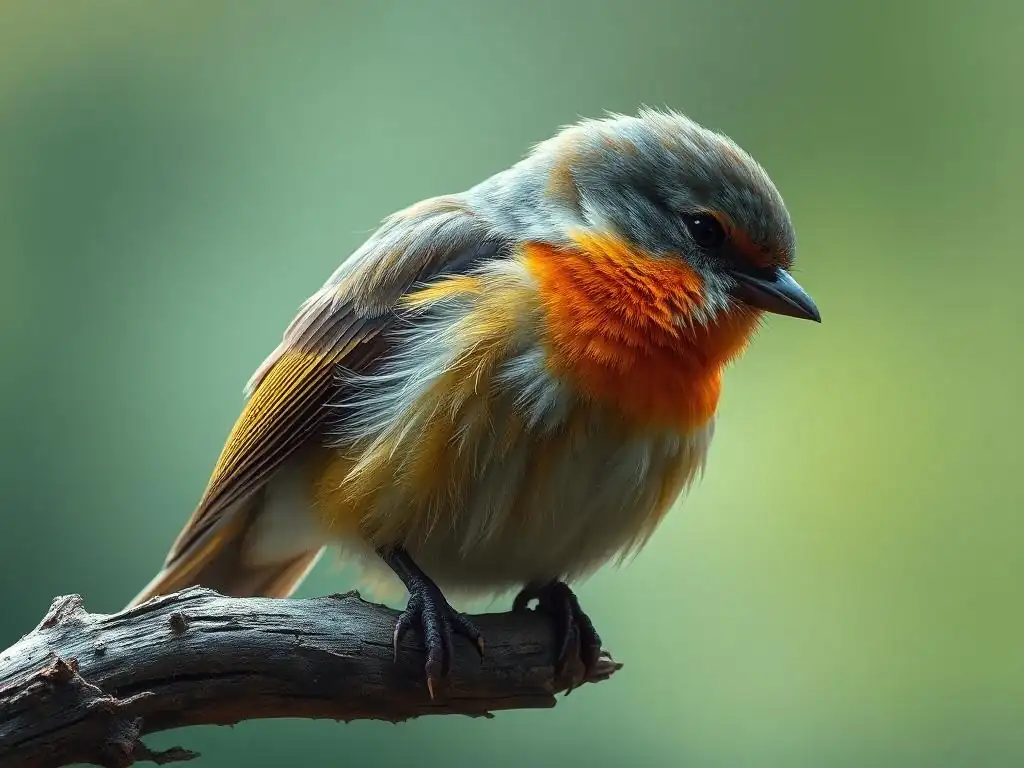
Welcome to PetCareWorld, your ultimate guide to a happier, healthier life for your beloved companion! Are you concerned about your feathered friend? We delve into the often-overlooked connection between bird lethargy and respiratory problems in our latest comprehensive guide. Discover the subtle signs, potential causes, and crucial steps you can take to ensure your bird's well-being. Unravel the mystery and empower yourself with the knowledge to provide the best possible care – read on to learn more!
- Understanding Bird Lethargy: A Key Symptom
-
Respiratory Problems in Birds: Common Causes and Symptoms
- Upper Respiratory Infections (URIs) in Birds: Symptoms and Diagnosis
- Lower Respiratory Infections in Birds: Pneumonia and Other Conditions
- Avian Influenza (Bird Flu) and Other Contagious Respiratory Diseases
- Environmental Factors Contributing to Respiratory Illness in Birds: Poor Air Quality and Stress
- Connecting Lethargy and Respiratory Distress in Birds
- Diagnosing Respiratory Problems and Lethargy in Birds
- Treatment Options for Respiratory Issues and Lethargy in Birds
-
Prevention of Respiratory Problems and Lethargy in Birds
- Maintaining a Clean and Healthy Bird Environment: Hygiene Practices
- Proper Bird Nutrition and Diet: Essential Nutrients for Respiratory Health
- Stress Reduction Techniques for Birds: Creating a Calm and Safe Environment
- Regular Veterinary Checkups: Preventative Care and Early Detection
- Maintaining a Clean and Hygienic Environment: A Crucial Factor in Respiratory Health
- Nutrition and Diet: Fueling a Healthy Respiratory System
- When to Seek Immediate Veterinary Attention for Your Bird
-
Frequently Asked Questions
- What are common signs of respiratory problems in birds?
- How is bird lethargy related to respiratory problems?
- Can I treat my bird's respiratory problems at home?
- What are some preventative measures against respiratory illnesses in birds?
- Where can I find more information about bird respiratory health?
- Final Reflection: Unraveling the Silent Struggle of Avian Respiratory Distress
- Unleash Your Bird's Full Potential: Breathe Easy, Live Better
Understanding Bird Lethargy: A Key Symptom
Lethargy in birds, often characterized by unusual inactivity and decreased alertness, is a significant warning sign that shouldn't be ignored. This seemingly simple symptom can be indicative of a wide range of underlying health issues, many of which are serious and require prompt veterinary attention. This article focuses on the crucial link between bird lethargy and respiratory problems, providing pet owners with the knowledge to recognize the signs, understand the potential causes, and take appropriate action.
We will explore how lethargy can serve as an early warning sign of respiratory distress in your feathered friend, emphasizing the importance of early intervention for optimal treatment and a positive outcome. Understanding the subtle changes in your bird's behavior is paramount in ensuring their health and well-being. Ignoring lethargy can lead to delayed diagnosis and potentially more severe complications.
Therefore, learning to identify and respond to this symptom is a crucial aspect of responsible bird ownership. This guide aims to equip you with the knowledge to become a more proactive and informed caregiver for your avian companion.
Recognizing Lethargy in Your Bird: Behavioral Changes and Reduced Activity
Recognizing lethargy in your bird requires careful observation of its normal behavior. A lethargic bird will exhibit noticeable changes in its activity levels. Instead of its usual energetic chirping, playful antics, and active exploration of its environment, you might observe a significant decrease in these behaviors. 1 Instead, your bird might spend prolonged periods perched in one spot, exhibiting minimal movement or interaction with its surroundings. Other behavioral changes can include:
- Reduced preening: Birds meticulously preen their feathers; a reduction in this behavior can indicate illness.
- Loss of appetite: A decreased interest in food and water is a common sign of lethargy and underlying illness.
- Listlessness and lack of interest in toys: A normally playful bird suddenly losing interest in its favorite toys is a concerning sign.
- Fluffed-up feathers: Birds may fluff their feathers to conserve heat when feeling unwell.
- Difficulty perching: A bird may struggle to maintain its balance or grip on its perch.
It's important to note that even slight deviations from your bird's normal behavior warrant attention. Keep a detailed record of your bird's daily activities to help you better identify changes. A comparison of its current behavior to its typical behavior will help you to accurately assess the severity of the lethargy. For example, a bird that typically spends hours exploring its cage might now only move to eat and drink. This is a significant change that requires further investigation.
Differentiating Lethargy from Normal Rest: Identifying Concerning Signs
It's crucial to distinguish between normal rest and concerning lethargy. All birds require periods of rest, but these periods are usually short and interspersed with periods of activity. True lethargy involves prolonged periods of inactivity, often accompanied by other symptoms. Consider the following points to help distinguish normal rest from concerning lethargy:
| Feature | Normal Rest | Lethargy |
|---|---|---|
| Duration | Short periods, interspersed with activity | Prolonged periods of inactivity |
| Posture | Relaxed but alert | Hunched, fluffed-up feathers, difficulty perching |
| Responsiveness | Responds readily to stimuli | Slow to respond or unresponsive |
| Appetite | Eats and drinks normally | Reduced or absent appetite |
| Breathing | Normal breathing pattern | Labored breathing, gasping, wheezing |
If your bird exhibits prolonged inactivity alongside other symptoms like labored breathing, changes in vocalizations, or a loss of appetite, it's crucial to seek immediate veterinary care. Don't hesitate to contact an avian veterinarian if you're unsure whether your bird's behavior is cause for concern. Early detection is key to successful treatment.
Lethargy as an Early Warning Sign of Respiratory Problems in Birds
Respiratory problems in birds often manifest initially as lethargy. The strain of breathing difficulties can quickly lead to exhaustion and reduced activity. Respiratory diseases can range from mild infections to severe conditions, and early intervention is crucial. Lethargy, in this context, is not just a symptom; it's a clear indication that something is seriously wrong and requires immediate professional attention. Common respiratory issues in birds that often present with lethargy include:
- Avian influenza: A highly contagious viral infection.
- Psittacine beak and feather disease (PBFD): A viral disease affecting the immune system.
- Pneumonia: An infection of the lungs.
- Aspergillosis: A fungal infection of the respiratory tract.
The presence of lethargy alongside other respiratory symptoms, such as sneezing, coughing, wheezing, open-mouth breathing, or nasal discharge, strongly suggests a respiratory issue. Do not attempt to self-treat your bird; always consult an avian veterinarian for proper diagnosis and treatment. Early diagnosis and treatment are essential to improve the chances of a full recovery and prevent further complications.
1 The specific behavioral changes will vary depending on the individual bird and its species.
Respiratory Problems in Birds: Common Causes and Symptoms
Respiratory distress in birds can manifest in various ways, often subtly at first, making early detection crucial for successful treatment. Recognizing the early warning signs of respiratory illness is paramount for bird owners. Understanding the connection between lethargy and respiratory problems is key to providing timely care and improving the chances of a full recovery for your feathered friend.
Many respiratory diseases in birds can cause lethargy as a primary symptom, highlighting the importance of observing your bird's behavior closely. This section details common causes and symptoms, helping you connect the dots between lethargy and respiratory issues in your avian companion.
Upper Respiratory Infections (URIs) in Birds: Symptoms and Diagnosis
Upper respiratory infections (URIs) are frequently encountered in birds, often stemming from bacterial, viral, or fungal pathogens. These infections primarily affect the upper respiratory tract, including the nasal passages, sinuses, and trachea. While many URIs are relatively mild and self-limiting, some can progress to more serious conditions if left untreated.
Several symptoms indicate a URI in your bird. These can include:
- Lethargy: A noticeable decrease in activity levels and a general lack of energy are common early indicators. Your bird might spend more time perched and less time engaging in normal activities like preening, playing, or singing.
- Sneezing: Frequent sneezing, often accompanied by nasal discharge, is a clear sign of irritation within the upper respiratory tract. The discharge can range in color from clear and watery to thick and mucoid.
- Rales: Abnormal rattling sounds during breathing, often described as "wet" or "gurgling" sounds, suggest fluid build-up in the airways.
- Wheezing: A whistling or squeaking sound during breathing, indicative of airway constriction.
- Open-mouth breathing: Birds typically breathe through their nostrils. Open-mouth breathing is a sign of respiratory distress, indicating difficulty breathing through the nose.
Diagnosing a URI often involves a thorough physical examination by an avian veterinarian. They may perform tests such as a Gram stain of nasal discharge to identify the causative agent and determine the appropriate antibiotic therapy if a bacterial infection is confirmed. In some cases, radiographs (X-rays) may be needed to rule out more serious underlying conditions. Early intervention is key, as URIs can rapidly progress if left untreated, potentially leading to secondary bacterial infections or pneumonia.
Lower Respiratory Infections in Birds: Pneumonia and Other Conditions
Lower respiratory infections (LRIs) affect the lower respiratory tract, including the bronchi and lungs. Pneumonia, a serious LRI, is often a secondary infection following a URI or another underlying condition that weakens the bird's immune system. The symptoms of LRIs are often more severe and life-threatening than those of URIs.
The symptoms of lower respiratory infections in birds are more pronounced and often include:
- Severe Lethargy: A significant decrease in activity and a noticeable decline in overall well-being. Your bird might be unresponsive to stimuli and appear weak or listless.
- Dyspnea (difficulty breathing): Labored breathing, with noticeable effort involved in each inhalation and exhalation. This might include rapid, shallow breathing or gasping.
- Cyanosis: Bluish discoloration of the beak, feet, or skin due to low blood oxygen levels – a serious sign requiring immediate veterinary attention.
- Coughing: A forceful expulsion of air from the lungs, often accompanied by a distinctive rattling or wheezing sound.
- Weight loss: Birds with LRIs often experience significant weight loss due to decreased appetite and difficulty breathing.
Diagnosing LRIs typically involves a more comprehensive veterinary examination, including blood tests, radiographs (X-rays), and possibly advanced imaging techniques such as computed tomography (CT) scans. Treatment usually involves supportive care, such as oxygen therapy, along with antibiotics or antifungal medications, depending on the identified pathogen. The prognosis for LRIs can vary depending on the severity of the infection and the bird's overall health. Prompt veterinary care is essential to improve the chances of recovery.
Avian Influenza (Bird Flu) and Other Contagious Respiratory Diseases
Avian influenza (AI), commonly known as bird flu, is a highly contagious viral disease affecting various bird species. While some strains cause only mild illness, others can be highly pathogenic and lead to significant mortality. Several other contagious respiratory diseases can also affect birds, posing a threat to both individual birds and entire flocks. These diseases spread rapidly through direct contact, contaminated surfaces, or airborne transmission. Early detection and prompt isolation of affected birds are crucial in preventing outbreaks.
Symptoms of Avian Influenza and other contagious respiratory diseases can overlap with those of other respiratory illnesses, including:
- Sudden onset of lethargy: A rapid decline in energy and activity levels, often occurring without any preceding symptoms.
- Neurological signs: In some cases, avian influenza can cause neurological symptoms such as tremors, paralysis, or incoordination.
- High mortality rate: Highly pathogenic strains of avian influenza can lead to significant mortality rates within a flock.
- Diarrhea: Some contagious respiratory diseases might also present with gastrointestinal symptoms such as diarrhea.
- Respiratory distress: Signs of respiratory distress, including dyspnea, open-mouth breathing, and abnormal respiratory sounds.
Diagnosing AI or other contagious respiratory diseases requires laboratory testing of samples from affected birds. This usually involves sending samples to a specialized diagnostic laboratory for PCR testing to confirm the presence of the virus. Strict biosecurity measures are essential to prevent the spread of these diseases. Vaccination may be available for certain strains of avian influenza, and strict quarantine procedures are often implemented to control outbreaks. Prompt reporting of suspected cases to animal health authorities is critical for containing the spread of these highly contagious diseases.
Environmental Factors Contributing to Respiratory Illness in Birds: Poor Air Quality and Stress
Poor air quality is a significant, often overlooked, contributor to respiratory problems in birds. Birds, with their highly efficient respiratory systems, are particularly sensitive to airborne pollutants. These pollutants can range from common household cleaners and air fresheners to cigarette smoke and dust mites. Even seemingly innocuous substances like cooking fumes or strong perfumes can irritate delicate respiratory tissues, leading to inflammation and increased susceptibility to infections.
The severity of the reaction depends on the concentration of the pollutant, the bird's individual sensitivity, and the duration of exposure. For example, prolonged exposure to a smoky environment can cause chronic bronchitis in birds, manifesting as persistent coughing and labored breathing. Similarly, dust mites, prevalent in many homes, can trigger allergic reactions, leading to sneezing, wheezing, and other respiratory distress.
Regular cleaning with bird-safe products, good ventilation, and avoiding exposure to irritants are crucial preventative measures. Owners should be mindful of the air quality in their homes and take steps to mitigate potential hazards. This includes using air purifiers with HEPA filters to remove particulate matter and ensuring adequate ventilation to prevent the buildup of harmful gases.
Furthermore, stress plays a crucial role in weakening a bird's immune system, making it more vulnerable to respiratory infections. Stressors for birds can be numerous and varied, encompassing anything from loud noises and sudden movements to changes in their environment, cage mates, or even diet. A new pet introduced to the household can create significant stress for existing birds, potentially triggering a decline in health and increasing their susceptibility to respiratory illnesses.
Similarly, moving the bird's cage to a new location or changing its routine can also be stressful. Even seemingly minor changes can trigger a stress response, weakening the immune system and increasing the risk of respiratory infections. Providing a stable and enriching environment, minimizing disruptions to their routine, and offering opportunities for safe social interaction are vital for maintaining a bird's well-being and bolstering its resistance to disease.
Recognizing and addressing sources of stress is a fundamental aspect of preventative bird care, promoting both physical and mental health. A calm, predictable environment is key to preventing stress-induced respiratory problems in birds. Owners should be observant of their bird's behavior and proactively address any potential stressors.
Connecting Lethargy and Respiratory Distress in Birds
Lethargy, often characterized by unusual stillness, decreased activity, and a general lack of energy, is a common nonspecific symptom in birds. It's crucial to understand that lethargy in birds is rarely an isolated issue; it frequently signals an underlying health problem. One particularly serious underlying cause is respiratory distress. Respiratory problems significantly impact a bird's overall health and well-being, leading to a cascade of symptoms, with lethargy often appearing early.
This section explores the intricate connection between bird lethargy and respiratory issues, emphasizing the importance of recognizing this link for timely intervention and improved bird health outcomes. Understanding this connection is vital for responsible bird ownership and contributes to the early diagnosis and treatment of potentially life-threatening conditions. The correlation between bird lethargy and respiratory problems highlights the need for vigilant observation and prompt veterinary care.
The Physiological Link Between Lethargy and Respiratory Compromise
Respiratory compromise, whether due to infection, inflammation, or other issues, directly impacts a bird's ability to efficiently take in oxygen and expel carbon dioxide. This impaired gas exchange leads to hypoxia, a state of oxygen deficiency in the body's tissues. Hypoxia, in turn, severely restricts the delivery of oxygen to cells, hindering cellular respiration – the process that generates energy (ATP) for bodily functions.
Without sufficient energy, the bird becomes lethargic, exhibiting reduced activity levels and a general lack of vitality. The severity of lethargy often correlates with the degree of respiratory compromise; more severe respiratory problems typically result in more pronounced lethargy. Furthermore, the body's attempt to compensate for hypoxia can further deplete energy reserves, exacerbating the lethargy.
Think of it like this: a car needs fuel (oxygen) to run (function). If the fuel supply is restricted (respiratory compromise), the car (bird) slows down (lethargy) and eventually stalls (severe illness).
How Respiratory Infections Cause Lethargy in Birds: Oxygen Deprivation and Energy Levels
Respiratory infections, such as avian influenza or Chlamydophila psittaci (avian chlamydiosis), are significant causes of respiratory distress in birds. These infections inflame the respiratory tract, obstructing airways and hindering efficient gas exchange. The resulting inflammation and mucus buildup can further impair breathing, leading to increased respiratory effort and ultimately, hypoxia.
The bird's body works harder to breathe, consuming more energy than usual. This increased energy expenditure, coupled with the decreased oxygen uptake, leads to a significant energy deficit, resulting in profound lethargy. The severity of lethargy often depends on the type and severity of the infection, as well as the bird's overall health and resilience.
For example, a young bird or a bird already weakened by another illness will likely exhibit more pronounced lethargy than a healthy adult bird with the same infection. Early detection and treatment of respiratory infections are critical to prevent further energy depletion and minimize the duration of lethargy. Prompt veterinary intervention can help alleviate respiratory symptoms, improve oxygenation, and restore energy levels.
The Importance of Early Detection of Respiratory Issues in Birds
Early detection of respiratory problems is paramount in preventing further complications and improving the prognosis for affected birds. Recognizing the subtle signs of respiratory distress, such as lethargy, is crucial. Other early signs might include:
- Increased respiratory rate (rapid breathing)
- Open-mouth breathing
- Wheezing or clicking sounds during breathing
- Abnormal posture (hunched or fluffed-up feathers)
- Discharge from the nostrils or eyes
If you observe any of these symptoms, including lethargy, in your bird, it's essential to seek immediate veterinary attention. Delaying treatment can allow the respiratory infection to progress, potentially leading to more severe complications, including pneumonia, secondary bacterial infections, and even death. Prompt diagnosis and treatment can significantly improve the bird's chances of recovery and reduce the duration of lethargy and other debilitating symptoms. Remember, early intervention is key to managing bird lethargy and respiratory problems effectively. Regular veterinary check-ups are also recommended to detect early signs of illness before they become more severe.
The early recognition of lethargy as a potential indicator of underlying respiratory issues is a crucial aspect of responsible bird ownership, aiding in the timely diagnosis and treatment of potentially serious conditions. Prompt veterinary care is vital for improving the outcome and overall well-being of your feathered companion.
Diagnosing Respiratory Problems and Lethargy in Birds
This section delves into the crucial diagnostic steps involved in identifying the root cause of lethargy and respiratory issues in birds. Early and accurate diagnosis is paramount for effective treatment and improved prognosis. Understanding the various diagnostic tools available is essential for bird owners and veterinarians alike, ensuring the best possible care for avian companions experiencing these debilitating symptoms. This information will help you navigate conversations with your avian veterinarian and understand the rationale behind recommended tests.
Veterinary Examination: Essential Tests and Procedures
A thorough veterinary examination is the cornerstone of diagnosing bird lethargy and respiratory problems. This initial assessment goes beyond simply observing the bird's outward symptoms. The veterinarian will meticulously examine several key areas, noting subtle signs often missed by untrained eyes. This includes a careful assessment of the bird's overall demeanor, respiratory rate and effort, mucous membrane color, and body condition.
The veterinarian will listen to the bird's respiratory sounds using a stethoscope, carefully differentiating between normal and abnormal sounds. Rales (crackling sounds), wheezes (whistling sounds), and stridor (a high-pitched sound during inhalation) are indicative of respiratory distress and can help pinpoint the location and nature of the problem. Additionally, the veterinarian will palpate the bird's abdomen and chest to detect any abnormalities in organ size or texture.
Digital examination of the cloaca is also important. The color and consistency of the droppings can provide valuable clues about the bird's digestive and overall health. Dehydration, often associated with respiratory illness, can be detected by assessing the bird's skin turgor and mucous membrane moisture. The veterinarian might also take a detailed history of the bird's diet, living environment, and any recent changes that might be relevant to the current condition. This detailed approach ensures no stone is left unturned in the quest for a precise diagnosis. Remember, even the smallest detail can be significant.
Radiographs (X-rays) and Other Imaging Techniques
Radiographs, or X-rays, are invaluable tools for visualizing the bird's internal structures and identifying underlying respiratory issues. They can reveal abnormalities in the lungs, air sacs, and bones, providing a visual confirmation of suspected conditions. For example, X-rays can help detect pneumonia, air sacculitis, tumors, or foreign body aspiration. The images can show the presence of fluid accumulation in the lungs, indicating potential infections or other pathologies.
Beyond traditional X-rays, other advanced imaging techniques, such as computed tomography (CT) scans and magnetic resonance imaging (MRI), may be necessary in complex cases. These techniques offer higher resolution images, providing more detailed information about the bird's internal anatomy and allowing for a more precise diagnosis. However, these advanced techniques are usually reserved for situations where standard X-rays are inconclusive or when more detailed information is crucial for treatment planning. The cost and availability of these procedures should be discussed with your avian veterinarian.
Blood Tests and Other Diagnostic Tools
Blood tests play a crucial role in evaluating the bird's overall health and identifying potential underlying causes of lethargy and respiratory problems. A complete blood count (CBC) can reveal anemia, infection, or other blood disorders. Blood chemistry analysis provides information about organ function, electrolyte balance, and the presence of any metabolic abnormalities. These results can help differentiate between infectious and non-infectious causes of respiratory problems.
Other diagnostic tools may include:
- Fecal analysis: Examining the bird's droppings can help identify parasitic infections or other digestive issues that may be contributing to lethargy.
- Serology: This involves testing blood samples to detect antibodies against specific pathogens, helping identify the causative agent of an infection.
- Culture and sensitivity testing: This technique involves growing samples from the respiratory tract to identify the specific bacteria or fungi responsible for an infection, and determining their susceptibility to various antibiotics or antifungals. This is essential for guiding appropriate treatment choices.
- Cytology: Microscopic examination of cells obtained from the respiratory tract can help identify the presence of inflammatory cells, indicating infection or other inflammatory processes.
The selection of appropriate diagnostic tests is tailored to the individual bird's presentation and clinical history. The veterinarian will carefully consider various factors before recommending specific procedures to ensure a timely and accurate diagnosis. The goal is to identify the underlying cause of the bird's lethargy and respiratory problems, paving the way for effective treatment and a positive outcome. 🐦
Treatment Options for Respiratory Issues and Lethargy in Birds

Diagnosing the underlying cause of lethargy and respiratory problems in birds is crucial before initiating treatment. This section outlines various treatment approaches, emphasizing the importance of veterinary consultation for accurate diagnosis and personalized care plans. Remember, never attempt to treat your bird without professional veterinary guidance. Self-medication can be extremely harmful and potentially fatal. Early intervention is key to improving the prognosis for birds suffering from these conditions. The severity of the bird lethargy respiratory problems will influence the treatment plan.
Medications for Avian Respiratory Infections: Antibiotics and Other Treatments
Avian respiratory infections often require medication to combat the underlying bacterial or viral pathogens. Veterinarians might prescribe antibiotics for bacterial infections, carefully selecting the appropriate type and dosage based on the specific bacteria identified through diagnostic testing (such as bacterial culture and sensitivity). It's vital to complete the entire course of antibiotics, even if your bird seems to be recovering, to prevent recurrence and the development of antibiotic resistance. Remember, antibiotics are ineffective against viral infections. In such cases, supportive care becomes paramount.
Other medications might include antifungals for fungal infections, anti-inflammatory drugs to reduce swelling and inflammation in the respiratory tract, and bronchodilators to open up constricted airways. The specific medication will depend on the diagnosis, the bird's species, age, and overall health. Always follow your veterinarian's instructions meticulously regarding dosage and administration. Incorrect medication use can have serious consequences.
For example, a common bacterial infection like Chlamydophila psittaci (avian chlamydiosis) often requires a course of doxycycline, an antibiotic commonly used in avian medicine. However, the dosage and duration of treatment must be tailored to the individual bird and the severity of the infection. Similarly, fungal infections may necessitate the use of antifungal agents like itraconazole or fluconazole, again under strict veterinary supervision.
Supportive Care for Birds with Respiratory Problems: Oxygen Therapy and Nutritional Support
In addition to medications, supportive care plays a vital role in managing lethargy and respiratory problems in birds. This involves providing optimal environmental conditions and nutritional support to aid the bird's recovery. Oxygen therapy can be crucial in cases of severe respiratory distress, helping to alleviate shortness of breath and improve oxygen saturation levels. This is often administered in a veterinary clinic using an oxygen cage or mask.
Nutritional support is equally important. Birds experiencing respiratory issues may have difficulty eating and maintaining their weight. Hand-feeding with a specialized avian formula might be necessary, providing the bird with the essential nutrients needed for healing and energy. This requires expertise and should be guided by your avian veterinarian. Furthermore, maintaining proper hydration is crucial. Birds with respiratory problems can easily become dehydrated, so close monitoring of their water intake and providing appropriate hydration methods might be necessary. Providing a humidified environment can also aid in loosening respiratory secretions and improving breathing.
Consider this example: A severely ill bird with pneumonia might require supplemental oxygen therapy in a veterinary hospital setting, along with a carefully formulated hand-feeding regimen to ensure adequate caloric intake and prevent malnutrition, a common consequence of severe respiratory disease.
Home Care and Management of Lethargy and Respiratory Illness in Birds
Once your bird is discharged from veterinary care, providing appropriate home care is essential for continued recovery. Maintaining a clean and hygienic environment is crucial to prevent reinfection. Regular cleaning of the cage and its surroundings, using appropriate disinfectants, is vital. Stress can exacerbate respiratory problems, so creating a calm and quiet environment is important. Avoid sudden temperature changes and drafts. Monitor your bird's breathing, appetite, and overall behavior closely. Any changes should be reported to your veterinarian immediately.
Providing a balanced and nutritious diet is essential for continued recovery and preventing future illness. This might include a high-quality bird seed mix supplemented with fresh fruits, vegetables, and other appropriate avian treats. Adequate hydration should also be maintained.
A detailed home care plan should be developed by your veterinarian, tailored to your bird's specific needs and condition. This might include specific instructions for medication administration, dietary adjustments, environmental modifications, and monitoring schedules. Closely adhering to this plan is essential for optimizing your bird's chances of a full recovery. Remember, consistent monitoring and prompt veterinary attention are key to successful management of bird lethargy respiratory problems at home.
Prevention of Respiratory Problems and Lethargy in Birds
This section focuses on proactive measures to minimize the risk of respiratory issues and lethargy in your avian companion. A healthy bird is less susceptible to illness, and preventative care is crucial for maintaining their well-being. Understanding the factors that contribute to respiratory problems and lethargy allows you to implement effective strategies to keep your bird vibrant and active. Remember, early intervention is key in managing potential health concerns. Let's delve into the specifics.
Maintaining a Clean and Healthy Bird Environment: Hygiene Practices
A clean environment is paramount in preventing respiratory illnesses in birds. Bacteria, fungi, and dust mites thrive in unclean cages, increasing the risk of respiratory infections. Regular and thorough cleaning is non-negotiable. This involves more than just spot cleaning; it requires a comprehensive approach.
Here's a detailed breakdown of essential hygiene practices:
- Daily Cleaning: Remove droppings and soiled food daily. This prevents the buildup of harmful microorganisms and keeps the cage fresh.
- Weekly Deep Cleaning: Once a week, thoroughly clean the entire cage, including perches, food and water dishes, and toys. Use a bird-safe disinfectant, rinsing thoroughly with clean water afterwards. Allow the cage to air dry completely before returning your bird.
- Cage Location: Place the cage away from drafts, direct sunlight, and areas with smoke or strong fumes. These environmental factors can irritate the bird's respiratory system.
- Air Quality: Ensure good air circulation within the room, but avoid placing the cage in a drafty area. Using an air purifier can help reduce airborne particles and improve air quality.
- Regular Substrate Changes: Replace the cage substrate (e.g., paper, wood shavings) regularly, according to the manufacturer's recommendations or as needed based on visible soiling. Choose a substrate that is dust-free and low in allergens.
Neglecting these hygiene practices significantly increases the risk of respiratory infections and can lead to lethargy and other health problems in your bird. Prioritizing cleanliness is a cornerstone of responsible bird ownership.
Proper Bird Nutrition and Diet: Essential Nutrients for Respiratory Health
A balanced and nutritious diet plays a vital role in maintaining a bird's overall health, including respiratory function. Nutritional deficiencies can weaken the immune system, making birds more vulnerable to respiratory infections. Providing a diverse and complete diet is essential for preventing lethargy and respiratory problems.
Here’s what to consider:
- High-Quality Pellets: Formulated pellets should constitute the foundation of your bird's diet. These provide a balanced mix of essential nutrients. Choose a high-quality brand specifically designed for your bird's species.
- Fresh Fruits and Vegetables: Supplement pellets with a variety of fresh fruits and vegetables daily. These offer essential vitamins, minerals, and antioxidants that support immune function and overall health. Examples include leafy greens, berries, and carrots. Introduce new foods gradually to monitor for any adverse reactions.
- Seeds in Moderation: While seeds can be offered as treats, they should not form the majority of the diet. Seeds are high in fat and low in essential nutrients. Over-reliance on seeds can lead to nutritional imbalances and health problems.
- Clean Water: Always provide fresh, clean water. Replace the water daily, and clean the water dish regularly to prevent bacterial growth.
- Supplements (If Necessary): Consult an avian veterinarian before introducing any supplements to your bird's diet. They can assess your bird's individual needs and recommend appropriate supplements if necessary.
Following a well-planned, nutritious diet provides your bird with the tools it needs to fight off infections and maintain energy levels, thus preventing lethargy and respiratory issues.
Stress Reduction Techniques for Birds: Creating a Calm and Safe Environment
Stress significantly weakens a bird's immune system, making them more susceptible to illness, including respiratory problems. A stressed bird is more likely to exhibit lethargy and other behavioral changes. Creating a calm and safe environment is crucial for maintaining your bird's well-being.
Here are some effective stress-reduction techniques:
- Consistent Routine: Birds thrive on routine. Maintaining a consistent daily schedule for feeding, cleaning, and interaction helps reduce stress and anxiety.
- Enrichment Activities: Provide plenty of opportunities for mental and physical stimulation. This includes toys, perches of varying textures and sizes, and opportunities for foraging. A bored bird is a stressed bird.
- Safe and Secure Cage: Ensure the cage is appropriately sized and located in a quiet area away from loud noises and sudden movements. Covering the cage at night can provide a sense of security.
- Minimize Handling: Avoid excessive handling, especially if your bird is already stressed or ill. Gentle handling is acceptable, but respect your bird's boundaries and avoid forcing interactions.
- Social Interaction (If Applicable): If your bird is a social species, ensure it has appropriate social interaction. This might involve pairing it with a compatible companion or spending quality time interacting with you. However, ensure the introduction of a new bird is done carefully and under veterinary guidance.
By reducing stress, you enhance your bird's immune response and overall well-being, thereby decreasing the likelihood of respiratory problems and lethargy. A happy, relaxed bird is a healthy bird.
Regular Veterinary Checkups: Preventative Care and Early Detection
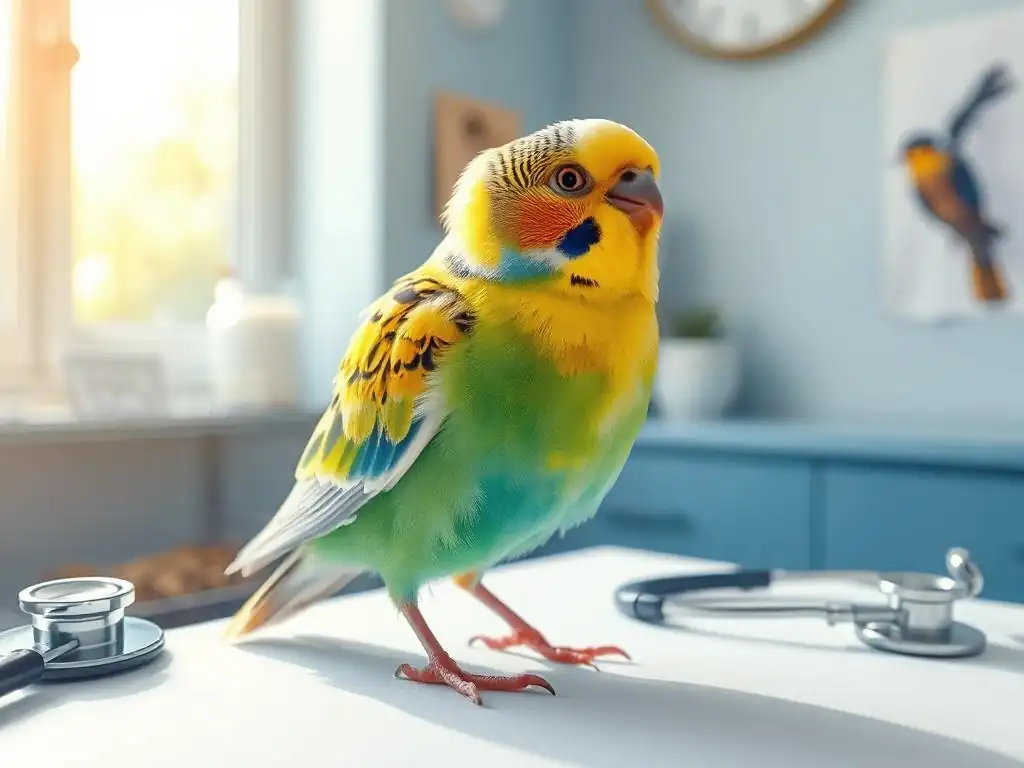
Regular veterinary checkups are paramount in preventing respiratory issues and lethargy in birds. These aren't just about addressing existing problems; they're crucial for proactive health management. A yearly wellness exam, or even more frequently for senior birds or those with pre-existing conditions, allows a veterinarian to identify potential problems before they become serious.
Early detection significantly improves the chances of successful treatment and a quicker recovery. During these checkups, the avian vet will perform a thorough physical examination, including assessing the bird's respiratory system for any abnormalities like unusual breathing patterns, wheezing, or abnormal sounds. They will also check the bird's weight, overall condition, and assess its behavior for signs of lethargy or other unusual symptoms.
Beyond the physical exam, regular checkups provide an opportunity to discuss your bird's lifestyle and diet. Your veterinarian can assess whether your bird's environment is conducive to good respiratory health, providing guidance on cage cleanliness, appropriate air quality, and reducing exposure to environmental irritants like dust, smoke, and strong fumes. They can also advise on the best nutritional choices to support your bird's immune system and overall well-being, helping to prevent illness and build resilience against respiratory infections.
Remember, a healthy bird is far less susceptible to respiratory problems and lethargy. Don't hesitate to discuss any concerns you have, no matter how small they may seem. A proactive approach to veterinary care is the best preventative measure against serious health issues in your feathered friend.
Early intervention is key when dealing with bird lethargy and respiratory problems. The cost of preventative care is significantly less than the cost of treating a severe illness.
Maintaining a Clean and Hygienic Environment: A Crucial Factor in Respiratory Health
A clean and hygienic environment is absolutely essential for preventing respiratory problems and lethargy in birds. Think of it this way: birds are highly sensitive to air quality. Poor air quality, caused by dust, mold, smoke, or other airborne irritants, can directly contribute to respiratory infections and weaken their immune systems, leading to lethargy. Regular cleaning of the bird's cage is therefore not just about aesthetics; it's a critical aspect of preventative healthcare.
This includes daily spot cleaning to remove droppings and spilled food, and a thorough weekly cleaning of the entire cage. Use appropriate bird-safe disinfectants and avoid harsh chemicals that could irritate your bird's respiratory system. Proper ventilation is also crucial. Ensure your bird's cage is placed in a well-ventilated area, away from drafts, but with sufficient airflow to prevent the buildup of pollutants.
Regularly changing the bird's water and food dishes prevents bacterial growth and keeps the environment clean. Consider using air purifiers with HEPA filters to remove airborne particles from the surrounding environment, especially if you live in an area with poor air quality or have other pets that might shed dander. Remember, a clean environment contributes significantly to a healthy bird, reducing the risk of respiratory issues and maintaining energy levels. A clean cage is a happy, healthy bird!
Nutrition and Diet: Fueling a Healthy Respiratory System
Proper nutrition plays a vital role in preventing respiratory problems and lethargy in birds. A balanced diet provides the essential nutrients needed to support a strong immune system, making your bird more resistant to infections. A diet lacking in essential vitamins and minerals can weaken the immune system, making your bird more susceptible to respiratory illnesses. Providing a varied diet that includes high-quality seeds, pellets, fruits, and vegetables is crucial. Pellets are particularly important as they provide a balanced nutritional profile, unlike many seed mixes that can be nutritionally unbalanced.
It's also important to consider the quality of the food you're providing. Avoid foods that contain preservatives or artificial additives, as these can be harmful to your bird's respiratory system. Fresh, clean water should always be available. Dehydration can also weaken the immune system and make your bird more susceptible to illness.
Consult with an avian veterinarian or a qualified avian nutritionist to determine the optimal diet for your specific bird species and age. They can help you create a balanced and nutritious meal plan that promotes respiratory health and overall well-being, thereby reducing the likelihood of lethargy and respiratory problems. Remember, a healthy diet is the foundation of a healthy bird.
When to Seek Immediate Veterinary Attention for Your Bird
Recognizing when your bird needs urgent veterinary care is crucial for their survival. While lethargy and respiratory problems can manifest subtly at first, certain signs demand immediate action. Early intervention significantly improves the chances of a successful outcome, especially when dealing with conditions affecting your bird's respiratory system. Delaying treatment can lead to irreversible damage and even death.
Therefore, understanding these critical indicators is paramount for responsible bird ownership. This section will highlight the most serious symptoms requiring immediate attention. Remember, even if you're unsure, it's always better to err on the side of caution and seek professional help. Your bird's health depends on your vigilance.
Emergency Signs Requiring Immediate Veterinary Care: Severe Respiratory Distress and Collapse
Severe respiratory distress is a life-threatening emergency. Symptoms include:
- Open-mouth breathing: Your bird's beak may be open, indicating difficulty breathing. This is a significant deviation from normal breathing patterns.
- Rapid, labored breathing: Observe the rate and effort your bird is expending to breathe. A rapid and visibly strenuous breathing pattern is a serious warning sign.
- Cyanosis: Bluish discoloration of the beak, feet, or skin indicates a lack of oxygen in the blood, a critical condition requiring immediate veterinary attention.
- Wheezing or gasping: Unusual sounds during breathing, such as wheezing or gasping for air, are clear indicators of respiratory distress.
- Collapse or unconsciousness: If your bird collapses or loses consciousness, this is a critical emergency. Act immediately.
These signs often indicate a severe underlying condition, such as severe pneumonia, air sacculitis, or a foreign body obstruction in the respiratory tract. The quicker you act, the higher the chances of successful treatment and recovery. Don't hesitate; immediate veterinary care is essential in these cases. Time is of the essence. Even seemingly minor changes accompanied by any of the above symptoms warrant an immediate visit to an avian veterinarian.
Contacting an Avian Veterinarian: Finding Specialized Care for Your Bird
Finding a qualified avian veterinarian is crucial for the proper diagnosis and treatment of your bird's respiratory issues and lethargy. Not all veterinarians have the specialized knowledge and experience necessary to treat birds effectively. Avian medicine is a specialized field requiring specific training and equipment.
To find an avian veterinarian, you can:
- Contact your regular veterinarian: They may be able to recommend a specialist in avian medicine.
- Search online directories: Many online resources list avian veterinarians by location.
- Check with local animal shelters or rescue organizations: These organizations often have relationships with avian veterinarians in the area.
- Contact avian-specific veterinary hospitals: Larger cities may have veterinary hospitals specializing in avian care.
When contacting a potential avian veterinarian, inquire about their experience treating birds with respiratory problems and lethargy. Ask about their diagnostic capabilities and treatment options. Choosing a veterinarian experienced in avian medicine is vital for your bird's well-being. Remember, prompt and specialized care is key to improving your feathered friend's chances of a full recovery. The right veterinarian can make all the difference in managing your bird's health concerns. 🐦
Frequently Asked Questions
What are common signs of respiratory problems in birds?
Birds with respiratory issues may exhibit lethargy, difficulty breathing, wheezing, coughing, sneezing, or open-mouth breathing. A change in their vocalizations can also be indicative. Seek veterinary attention immediately.
Lethargy is a common symptom of underlying respiratory issues in birds. Reduced energy levels are often a result of the body struggling to breathe efficiently, leading to oxygen deprivation. It's a crucial warning sign.
Can I treat my bird's respiratory problems at home?
No, never attempt to self-treat your bird's respiratory problems. Respiratory infections can be serious and require professional veterinary diagnosis and treatment. Delaying professional care can be detrimental.
What are some preventative measures against respiratory illnesses in birds?
Maintaining a clean environment, ensuring proper ventilation, and providing a balanced diet are crucial. Regular veterinary check-ups help detect early signs of illness. Avoid exposure to sick birds.
Where can I find more information about bird respiratory health?
PetCareWorld offers a wealth of information on bird respiratory health and related conditions. Consult our expert guides and articles for detailed advice. Always consult an avian veterinarian for personalized care.
Final Reflection: Unraveling the Silent Struggle of Avian Respiratory Distress
The subtle signs of lethargy in birds often mask a deeper, more serious respiratory issue, a silent struggle impacting avian health on a global scale. Ignoring these early warnings can have devastating consequences, leading to unnecessary suffering and loss. Understanding the intricate connection between lethargy and respiratory problems is crucial for responsible bird ownership and conservation efforts.
The impact of respiratory diseases on bird populations, both wild and captive, is profound and far-reaching. It's a constant reminder of our responsibility to protect these creatures, often overlooked in the face of more visible threats. The fate of individual birds is inextricably linked to the health of their environment.
This quote underscores the interconnectedness of avian health and ecological well-being, highlighting the need for a holistic approach to conservation and responsible pet ownership. The ongoing research into avian respiratory illnesses, and the development of improved diagnostic tools and treatments, offers a glimmer of hope for a healthier future for our feathered friends.
You, the reader, now hold the knowledge to recognize the early warning signs of respiratory distress in birds. Take this understanding and apply it. Become a vigilant observer, a proactive advocate for avian health. Whether you are a bird owner, a wildlife enthusiast, or simply someone who appreciates the beauty and importance of birds, your awareness can make a difference. Let's work together to ensure a healthier, more vibrant future for birds everywhere.
Unleash Your Bird's Full Potential: Breathe Easy, Live Better
Thank you for learning about lethargy and respiratory problems in birds! We hope you found helpful information to support your feathered friend's health. Now, let's put this knowledge into practice.
- Schedule a wellness checkup with your avian veterinarian: Early detection is crucial for maintaining your bird's respiratory health. A veterinary examination is the most important step.
- Share this article with other bird owners: Help spread awareness and encourage proactive bird care.
- Enrich your bird's environment: Provide new toys and activities to keep your bird stimulated and engaged. A happy bird is a healthier bird!
What positive change will you implement today to improve your bird's respiratory health and overall well-being?