
Loss of Consciousness in Birds: Emergency Steps to Take

Welcome to PetCareWorld, your ultimate guide to a happier, healthier life for your beloved pets! We're dedicated to providing you with the expert knowledge you need, no matter the furry, feathered, or scaled friend you share your life with. But right now, we need to address something critical: what do you do when your bird loses consciousness? This urgent situation demands immediate action, and our in-depth guide on "bird losing consciousness emergency" provides the vital steps you need to take to help your companion. Discover the critical information that could save a life – read on to learn more.
- Recognizing Signs of Unconsciousness in Birds
- Immediate Actions for an Unconscious Bird
- Transporting Your Unconscious Bird to Veterinary Care
- Potential Causes of Unconsciousness in Birds
- Post-Emergency Care and Prevention
- Frequently Asked Questions
- Final Reflection: Avian Unconsciousness: Our Shared Responsibility
- Become a Bird Emergency Hero: Act Now!
Recognizing Signs of Unconsciousness in Birds
Witnessing your beloved bird lose consciousness is a terrifying experience. Understanding the subtle signs and acting swiftly can be the difference between life and death for your feathered friend. This comprehensive guide will equip you with the knowledge and steps to take when faced with a bird losing consciousness emergency.
We’ll cover how to identify the critical signs of unconsciousness, assess your bird’s vital functions, and distinguish between true unconsciousness and simply deep sleep. Remember, prompt action is crucial in these situations, so familiarizing yourself with this information is a vital step in responsible bird ownership. This article focuses on providing immediate emergency steps; always seek veterinary attention as soon as possible after implementing these first aid measures.
Identifying Unresponsiveness in Your Avian Companion
Unconsciousness in birds isn't always immediately obvious. Unlike mammals, birds don't always exhibit the same clear signs of being unresponsive. Instead, look for these key indicators:
- Lack of Response to Stimuli: A normally responsive bird will react to sounds, touch, or movement. If your bird shows no reaction to gentle prodding or calling its name, this is a serious warning sign.
- Dropped Head or Limp Posture: An unconscious bird may have a drooping head, slumping posture, or be completely limp. Observe its usual posture for comparison.
- Closed or Unfocused Eyes: While birds sleep with their eyes closed, an unconscious bird's eyes may be closed but lack the normal relaxed appearance of a sleeping bird. Their eyes may appear slightly open or unfocused.
- Absence of Normal Behavior: Is your bird unusually quiet or still? Has it stopped engaging in its normal activities, such as preening, singing, or playing? Significant deviations from its typical behavior warrant immediate attention.
- Falling from Perch: If your bird suddenly falls from its perch without apparent reason, this could indicate a loss of consciousness or a serious underlying medical issue.
Assessing Breathing and Heart Rate in an Unconscious Bird
Once you suspect your bird is unconscious, carefully assess its breathing and heart rate. These vital signs provide crucial information about its condition. Remember to be gentle and avoid causing further stress.
- Breathing: Look for the rise and fall of its chest. Shallow, labored, or absent breathing is a critical indication requiring immediate action. Count the breaths per minute to get a baseline (a normal range is approximately 15-30 breaths per minute, but this varies greatly depending on the species and the individual bird).
- Heart Rate: This can be more challenging to assess without veterinary equipment. Look for faint pulsations in the area just below the wing where the heart is located. A very slow or absent heart rate is an emergency. If you cannot feel a heartbeat, assume the worst and proceed with emergency measures. Note: For very small birds, finding the heartbeat may be extremely difficult.
- Body Temperature: A significant drop in body temperature can be an indicator of a serious problem. While you may not be able to measure it precisely without a thermometer, feeling a significant chill could suggest a life-threatening situation.
Distinguishing Between Sleep and Unconsciousness in Birds
It's important to differentiate between normal sleep and unconsciousness. While a sleeping bird might appear still, it will generally respond to gentle stimuli. An unconscious bird will show no response.
Here's a table summarizing the key differences:
| Feature | Sleeping Bird | Unconscious Bird |
|---|---|---|
| Response to Stimuli | Responds to gentle touch/sound | No response to stimuli |
| Posture | Relaxed, natural sleeping position | Limp, drooping head, unnatural posture |
| Breathing | Regular, even breathing | Shallow, labored, or absent breathing |
| Eyes | Closed, relaxed appearance | Closed or unfocused, possibly slightly open |
| Behavior | Normal behavior before sleep | Absence of normal behavior |
Remember, if you are unsure whether your bird is sleeping or unconscious, err on the side of caution and treat it as an emergency. Seek immediate veterinary care for any bird exhibiting signs of unconsciousness. The sooner you act, the better the chances of a positive outcome. 🐦
Recognizing Subtle Signs Preceding Loss of Consciousness in Birds
Before a bird completely loses consciousness, there are often subtle warning signs that a vigilant owner can detect. These subtle cues can be crucial in providing timely intervention and potentially preventing a more serious emergency. Recognizing these early symptoms is paramount in ensuring the best possible outcome for your feathered friend. Don't dismiss seemingly minor changes in behavior; they could be harbingers of a more significant problem.
One common subtle sign is a noticeable lethargy or unusual stillness. A bird that is normally active and playful might suddenly become unusually quiet, perched motionless for extended periods, and exhibiting less interest in its surroundings. This change in behavior, even if seemingly minor, should raise a red flag. Compare their activity level to their typical behavior; any significant deviation warrants attention. For example, a cockatoo known for its boisterous nature becoming unusually quiet and withdrawn could be an early indicator of a problem.
Another subtle sign to watch for is difficulty in perching or maintaining balance. Birds rely on strong leg muscles and coordination to perch securely. A bird struggling to maintain its grip, swaying precariously, or falling from its perch could indicate a neurological issue or a drop in blood sugar, both potential precursors to loss of consciousness. Observe their posture carefully; any unusual swaying or instability warrants immediate observation and potential veterinary attention. For instance, a normally agile parrot suddenly struggling to climb its favorite toy could be showing signs of distress.
Changes in respiration rate and depth can also be subtle but significant indicators. While normal respiratory rates vary greatly depending on the species and activity level, a sudden increase or decrease in breathing rate, coupled with labored breathing or gasping, could signal a serious underlying problem that may lead to unconsciousness. Pay close attention to the rhythm and depth of your bird's breathing; any significant deviations should prompt a veterinary check-up. A normally even breathing pattern becoming rapid and shallow could be indicative of a developing emergency.
Finally, changes in the bird's droppings can sometimes provide an early warning sign. A sudden change in the color, consistency, or frequency of droppings could indicate underlying health issues that might ultimately lead to loss of consciousness. Regularly monitor your bird's droppings and compare them to their usual patterns.
Any changes in color (e.g., from normal green to dark or watery), consistency (e.g., from solid to watery), or frequency (e.g., significantly increased or decreased) should be investigated by a veterinarian. For example, a sudden increase in the frequency of watery droppings might indicate digestive upset, which, if left untreated, could lead to more serious complications. Careful observation and prompt veterinary care are crucial in preventing a potentially life-threatening situation.
Immediate Actions for an Unconscious Bird
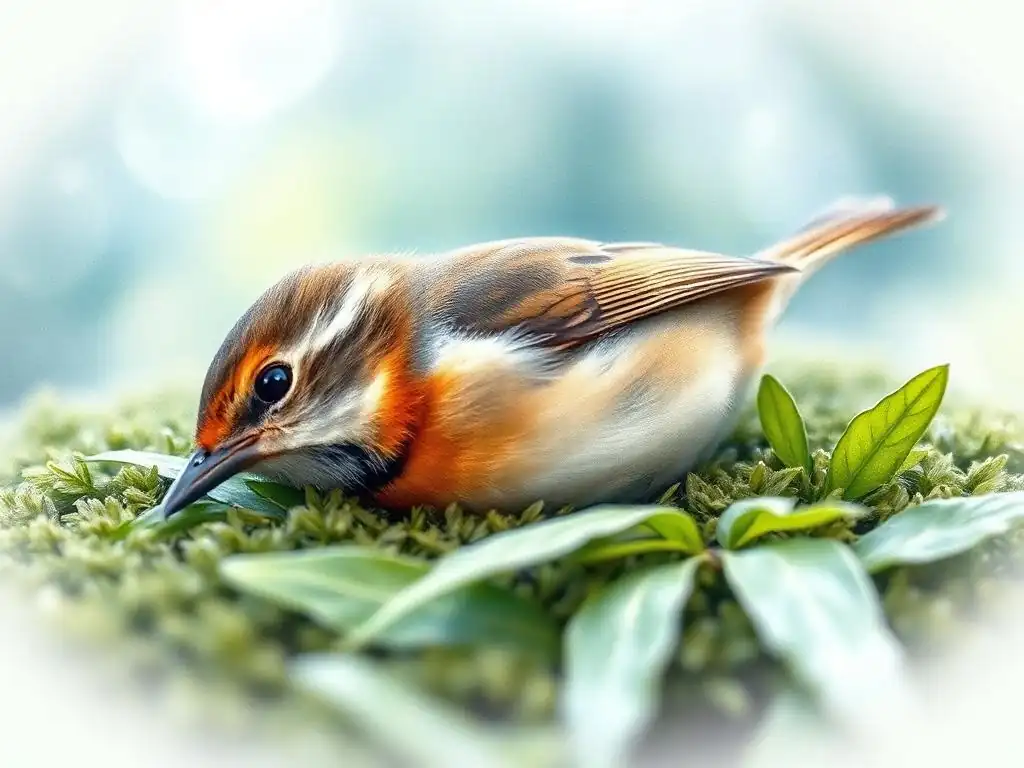
This section details the crucial first steps to take if you find your bird has lost consciousness. Time is of the essence in these situations, so swift and decisive action can significantly improve your bird's chances of recovery. Remember, even seemingly minor incidents can lead to serious complications, highlighting the need for immediate intervention when a bird is unresponsive. The keyword "bird losing consciousness emergency" underscores the urgency of this situation.
Ensuring a Safe and Stable Environment for Your Bird
The first priority is to create a safe and stable environment for your unconscious bird. This means minimizing stress and potential hazards. Quickly move your bird to a quiet, dimly lit area, away from noise and any potential sources of danger, such as other pets or drafts. A softly lined box or a similar container can provide a secure and comforting space.
Avoid handling the bird more than absolutely necessary at this stage; unnecessary movement could worsen any underlying injuries. Gentle handling is key, but minimizing contact is paramount until a proper assessment can be made. Think of this as creating a "bird emergency room" – a safe space where you can focus on immediate needs.
The temperature of the environment is also crucial. A sudden drop or increase in temperature could further compromise your bird's already precarious condition. Aim for a comfortable room temperature, avoiding extremes of heat or cold. Consider using a heating pad set on low (never directly under the bird) if the environment is cool, but always monitor the temperature carefully to prevent overheating.
Checking for Obvious Injuries and Obstructions
Once your bird is in a safe environment, carefully and gently check for any obvious injuries or obstructions. Look for bleeding, broken bones, or anything that might be obstructing their breathing, such as food lodged in their throat or a foreign object. Use a soft cloth or towel to gently restrain the bird during this examination, minimizing any unnecessary stress. Remember to be extremely gentle, as rough handling could worsen existing injuries.
This examination should be quick yet thorough. Note any unusual swelling, deformities, or discharge from the bird’s eyes, beak, or nostrils. Any and all observations should be carefully documented for later communication with an avian veterinarian. Even seemingly insignificant details could prove vital in determining the cause of the unconsciousness. A detailed account of the events preceding the incident is also essential – did the bird fall? Was it involved in a fight? Did it ingest something unusual? This information will be invaluable to the veterinarian.
Gently Positioning Your Unconscious Bird
The way you position your unconscious bird can significantly impact its breathing and overall well-being. Avoid placing the bird on its back, as this can restrict its breathing. Instead, gently position it on its side, supporting its head and body with soft, clean materials. This position allows for easier breathing and helps prevent choking.
If the bird is exhibiting labored breathing, you might consider using a very small, clean towel to gently support its chest, assisting with respiration. However, this should only be done if you are confident in your ability to do so without causing further harm. Incorrect handling could lead to more complications. Remember, the goal is to provide comfort and support, not to forcefully intervene.
Your gentle touch and calm demeanor can offer a sense of security during this stressful situation. The priority is to keep the bird calm and stable until professional veterinary help arrives. Observe the bird carefully for any changes in its condition, and be prepared to update the veterinarian with any new information.
Administering First Aid: Basic Steps
If your bird loses consciousness, immediate action is crucial. Time is of the essence, and swift, appropriate first aid can significantly improve the chances of survival. Remember, however, that you are not a veterinarian, and these steps are temporary measures until professional veterinary care can be provided. Do not attempt to diagnose or treat the underlying cause yourself.
First, gently assess your bird's breathing and pulse. Look for chest movements indicating respiration. A faint pulse can be felt by gently pressing your finger against the bird's breastbone. If breathing is absent or weak, begin artificial respiration immediately. This involves gently but firmly holding your bird, supporting its head and neck, and gently blowing air into its beak. Avoid forceful blowing, as this can damage the lungs. Give several short breaths, allowing time for the bird to exhale passively between each breath. Monitor the bird's response carefully.
Simultaneously, check for any obvious injuries. Look for bleeding, broken bones, or any signs of trauma that might have caused the loss of consciousness. If there's bleeding, apply gentle pressure with a clean cloth to stem the flow. If you suspect a broken bone, immobilize the affected area as best as you can using soft materials, such as a clean towel or cloth. Avoid causing further pain or injury during this process. Remember to handle your bird with utmost care and gentleness throughout this process. Rough handling can worsen the situation.
Next, carefully place your bird in a warm, dark, and quiet place. A small, covered carrier or box lined with a soft towel will do. The warmth will help maintain body temperature, while the darkness and quiet will minimize stress and allow your bird to rest. Avoid any sudden movements or loud noises near the bird's carrier. Maintaining a calm atmosphere is essential for its recovery. Keep a close eye on your bird's breathing and pulse, continuing artificial respiration if necessary. The warmth and quiet environment will help to stabilize the bird, but professional veterinary attention remains paramount.
Finally, and most importantly, contact your avian veterinarian immediately. Explain the situation clearly and concisely, providing as much detail as possible about the circumstances leading to the loss of consciousness and the bird's current condition. Follow the veterinarian's instructions carefully, and be prepared to transport your bird to the clinic as soon as possible. Remember, prompt veterinary care is the key to your bird's recovery. Even if your bird seems to be recovering, professional evaluation is essential to determine the underlying cause and ensure complete healing.
Transporting Your Unconscious Bird to Veterinary Care
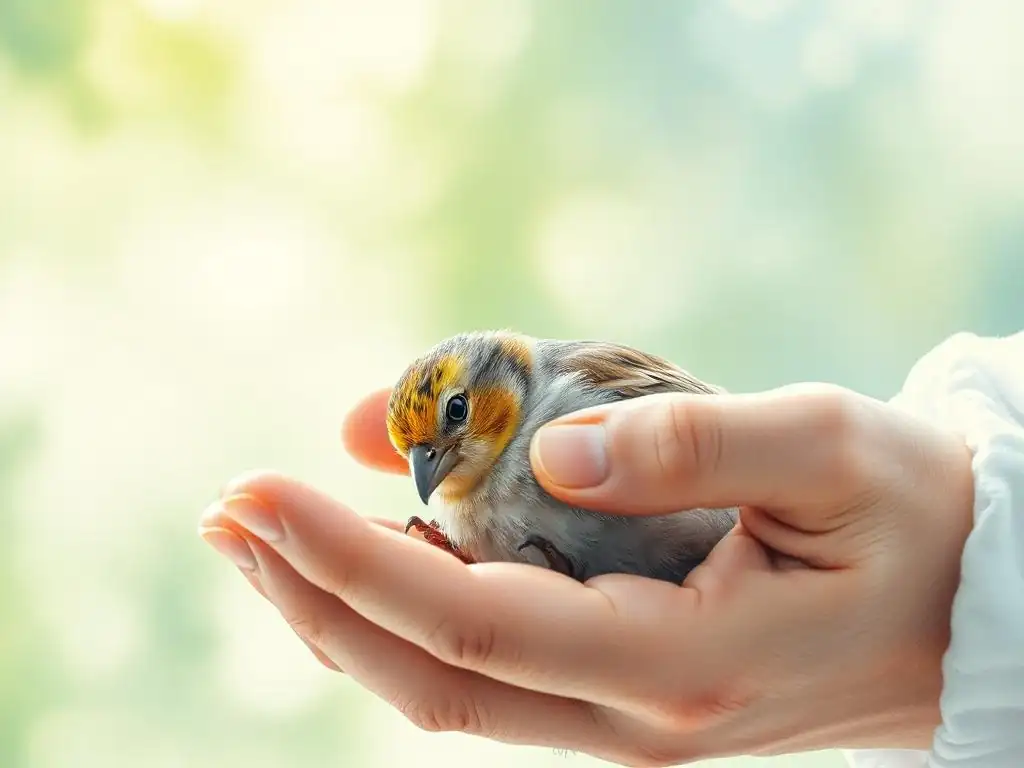
Getting your bird to an avian veterinarian swiftly and safely is crucial when dealing with a loss of consciousness. Time is of the essence in these emergency situations, as the underlying cause could be life-threatening. The way you transport your bird can significantly impact its recovery. Improper handling can worsen the situation, causing further stress and potentially injury. Therefore, careful preparation and a thoughtful approach are paramount.
Preparing for Transport: Essential Supplies and Considerations
Before moving your unconscious bird, gather essential supplies. This will ensure a smooth and safe journey to the veterinary clinic. Improvisation during an emergency can be stressful and lead to mistakes. Having these items readily available will reduce anxiety and allow you to focus on your bird's well-being.
- A sturdy, well-ventilated carrier: This should be appropriately sized for your bird to prevent injury during transport. Avoid using a cage that's too large, as this can cause your bird to become disoriented and further stressed. A small, secure carrier is ideal.
- Soft bedding: Line the bottom of the carrier with soft, absorbent material like a clean towel or fleece blanket. This will provide cushioning and prevent your bird from shifting around too much. Avoid using materials that could be ingested or cause entanglement.
- A small water source: If possible, include a small, shallow container with fresh, clean water. Even though your bird may be unconscious, providing access to hydration is important, particularly during transport. Avoid anything that could spill easily.
- Heat source (if needed): If your bird is hypothermic, a source of gentle heat might be necessary. A warm water bottle (wrapped in a towel to prevent burns) could help maintain body temperature. However, avoid overheating your bird.
- Emergency contact information: Keep your avian veterinarian's phone number readily accessible. It's also wise to have a list of emergency veterinary clinics in your area in case your regular vet is unavailable.
- Record of your bird's history: If possible, quickly jot down pertinent information such as your bird's species, age, any pre-existing medical conditions, and the time the incident occurred. This information will be valuable to the veterinarian.
Choosing the Right Transportation Method for Your Bird
The method of transportation depends on several factors, including the distance to the veterinary clinic and the severity of your bird's condition. Your bird's safety and comfort should be the top priority.
- Car transport: For most situations, driving your bird to the vet in a secure carrier is the best option. Maintain a stable and comfortable temperature inside the car. Avoid sudden stops or sharp turns.
- Taxi or ride-sharing service: If driving is not feasible, consider a taxi or ride-sharing service. Ensure the driver is aware of the situation and is willing to handle a pet carrier carefully.
- Emergency animal transport services: In some areas, specialized animal transport services exist. These services might be beneficial if your bird requires immediate, specialized care during transport.
Contacting Your Avian Veterinarian: Providing Crucial Information
Before you even begin preparing for transport, contact your avian veterinarian immediately. Explain the situation clearly and concisely, providing as much detail as possible. The more information you provide, the better prepared the veterinarian will be to handle your bird's emergency.
- Describe the symptoms: Explain exactly what you observed, including the onset of the loss of consciousness, any preceding symptoms (e.g., lethargy, difficulty breathing), and the bird's current condition.
- Provide your bird's history: Share any relevant information about your bird's age, species, diet, and any previous medical conditions.
- Explain your transport plan: Let the veterinarian know how you plan to transport your bird and the estimated arrival time. This allows them to prepare for your arrival and prioritize your bird's care.
- Ask for specific instructions: Don't hesitate to ask the veterinarian for any specific instructions or advice on how to best handle your bird during transport. They may offer valuable guidance based on your bird's specific needs.
Remember, prompt and proper action during a bird losing consciousness emergency can significantly improve your feathered friend's chances of survival. Being prepared and acting decisively can make all the difference. 🐦
Potential Causes of Unconsciousness in Birds
Understanding why your bird has lost consciousness is crucial for providing effective emergency care. Avian unconsciousness, often a symptom of a more serious underlying issue, requires immediate attention. This section explores several potential causes, emphasizing the need for swift veterinary intervention. Remember, this information is for educational purposes and should not replace professional veterinary advice. Always seek immediate veterinary care if your bird loses consciousness.
Avian Diseases Leading to Loss of Consciousness
Numerous avian diseases can manifest as a loss of consciousness. These range from relatively common infections to more serious, life-threatening conditions. Early recognition of symptoms is key to improving the chances of successful treatment. For example, severe cases of Avian Pox can lead to neurological complications and fainting spells. Similarly, Newcastle Disease, a highly contagious viral infection, can cause neurological signs, including loss of coordination and unconsciousness in advanced stages. Bacterial infections, such as colisepticemia, can also result in systemic illness that may culminate in a loss of consciousness due to sepsis and organ failure.
Furthermore, internal organ issues such as heart failure, liver disease, or kidney failure can lead to a sudden drop in blood pressure and result in fainting or unconsciousness. These conditions often exhibit other symptoms prior to the loss of consciousness, such as lethargy, weight loss, and changes in droppings. Identifying these subtle symptoms early can be vital. Avian influenza (highly pathogenic strains) can also cause severe neurological signs, including unconsciousness.
Accurate diagnosis requires laboratory tests and veterinary examination. Early intervention is critical with these diseases; delay can significantly reduce the bird's chances of survival. The specific symptoms and progression of the disease vary depending on the causative agent and the bird's overall health.
Trauma and Physical Injuries Causing Unconsciousness
Physical trauma is another significant cause of unconsciousness in birds. Accidents, such as falls from perches, collisions with windows, or attacks by other animals, can result in head injuries, internal bleeding, or spinal cord damage, leading to a loss of consciousness. The severity of the trauma dictates the urgency and type of veterinary care required. Minor injuries might only require rest and observation, while severe trauma demands immediate, potentially life-saving intervention.
Birds with head injuries might exhibit neurological symptoms such as seizures, tremors, or loss of coordination in addition to unconsciousness. Internal bleeding, often unseen without diagnostic imaging, can cause rapid circulatory collapse and unconsciousness. Fractures, especially those affecting the wings or legs, can cause significant pain and stress, potentially leading to shock and unconsciousness.
Even seemingly minor injuries should be evaluated by an avian veterinarian to rule out serious underlying problems. Prompt assessment and treatment are paramount to minimize long-term complications and improve the chances of recovery. Careful handling is vital to prevent further injury during transport to the veterinary clinic.
Toxic Exposures and Poisoning in Birds
Exposure to toxins, either through ingestion or inhalation, is a serious threat to avian health and can cause unconsciousness. Common household items, such as certain cleaning products, insecticides, and even certain cooking fumes, can be highly toxic to birds. The ingestion of contaminated food or water can also lead to poisoning and subsequent unconsciousness. The specific symptoms depend on the type and amount of toxin ingested or inhaled.
Symptoms can range from mild gastrointestinal upset to severe neurological impairment, including seizures and loss of consciousness. Some toxins act rapidly, causing immediate collapse, while others have a more delayed onset of symptoms. The severity of the poisoning depends on the bird's size, the toxicity of the substance, and the amount ingested or inhaled. Immediate veterinary care is crucial in cases of suspected poisoning.
If possible, bring the suspected toxin with you to the veterinary clinic for identification and treatment guidance. Rapid intervention can significantly improve the bird's prognosis, and sometimes can be the difference between life and death. Prevention through careful management of the bird's environment is crucial in minimizing the risk of toxic exposure.
Metabolic Disorders and Nutritional Deficiencies
Metabolic disorders can significantly impact a bird's neurological function, potentially leading to loss of consciousness. These disorders disrupt the body's ability to process and utilize nutrients, leading to a cascade of problems that affect the brain. For example, hypoglycemia, or low blood sugar, is a common cause of sudden weakness and unconsciousness in birds. This can occur due to insufficient food intake, especially in birds with underlying illnesses that reduce their appetite.
Similarly, liver disease can disrupt the metabolism of essential nutrients, leading to neurological symptoms, including loss of consciousness. The liver plays a crucial role in filtering toxins and processing nutrients, and its malfunction can have severe consequences. Symptoms might manifest gradually, with increasing lethargy and weakness preceding a loss of consciousness. Early diagnosis and treatment of liver disease are critical to preventing this severe outcome.
Another critical aspect is nutritional deficiencies. A balanced diet is paramount for a bird's health. Deficiencies in essential vitamins and minerals, particularly calcium, vitamin D3, and vitamin A, can lead to neurological problems, including seizures and loss of consciousness. These deficiencies can affect nerve function and overall metabolic processes, resulting in neurological symptoms.
Birds rely on a diverse diet to obtain all necessary nutrients; an unbalanced diet, whether due to a limited food selection or the owner unintentionally providing an inappropriate diet, can lead to significant health problems. Always consult an avian veterinarian to ensure your bird is receiving a diet appropriate to its species and life stage. Regular veterinary checkups including bloodwork can help detect early signs of nutritional deficiencies before they progress to a severe state.
Careful monitoring of your bird's diet and behavior is vital in preventing these issues. Recognizing subtle behavioral changes, such as lethargy or changes in appetite, can signal a potential problem and prompt timely veterinary intervention. Early detection is crucial for successful treatment and improving the chances of a full recovery.
Post-Emergency Care and Prevention
Following a frightening episode of your bird losing consciousness, immediate action is crucial, but equally important is the post-emergency care and preventative measures you take. Successfully navigating this period significantly impacts your feathered friend's long-term health and well-being. Remember, even after your bird appears to have recovered, vigilant monitoring is key. This section outlines crucial steps to ensure a complete recovery and minimize the risk of future occurrences.
Following Your Veterinarian's Instructions Carefully
After the emergency, your avian veterinarian will likely provide specific instructions tailored to your bird's condition and the suspected cause of the unconsciousness. These instructions are paramount and must be followed meticulously. This might include:
- Medication: Administering prescribed medications precisely as directed, including dosage and frequency. Any deviation could hinder recovery or even be harmful. Keep a detailed record of medication administration times and observe your bird closely for any adverse reactions. Note any changes in behavior or physical condition.
- Dietary Adjustments: Your vet may recommend a specific diet to support recovery, possibly including supplements or specialized food for digestive support or other health concerns. Strict adherence to these dietary guidelines is crucial for optimal healing. For example, a bird experiencing stress-induced unconsciousness might benefit from a diet rich in antioxidants.
- Environmental Modifications: The vet might suggest changes to your bird's cage environment, such as adjusting temperature, humidity, or lighting. These adjustments aim to create a calm and supportive environment conducive to recovery. This could involve relocating the cage to a quieter area or providing additional enrichment to reduce stress.
- Follow-up Appointments: Attending all scheduled follow-up appointments is non-negotiable. These appointments allow the veterinarian to monitor your bird's progress, make necessary adjustments to the treatment plan, and address any emerging concerns. Regular check-ups are critical in the weeks following an incident of bird losing consciousness emergency.
Providing Supportive Care During Recovery
Beyond following veterinary instructions, providing supportive care plays a vital role in your bird's recovery. This includes:
- Monitoring Vital Signs: Regularly monitor your bird's breathing, heart rate, and overall alertness. Any significant changes should be immediately reported to your veterinarian. This proactive approach allows for prompt intervention if complications arise. Keep a detailed log of your observations.
- Maintaining a Calm Environment: A stressful environment can hinder recovery. Minimize noise, disturbances, and sudden movements around your bird's cage. Creating a peaceful atmosphere promotes rest and healing. Consider using calming techniques, such as playing soft, calming music.
- Gentle Handling: Handle your bird gently and only when necessary to avoid causing further stress or injury. Minimize handling during the initial recovery phase to allow for undisturbed rest. If handling is unavoidable, do so with utmost care and gentleness.
- Nutritional Support: Ensure your bird receives a nutritious and balanced diet, possibly supplemented as advised by your veterinarian. Proper nutrition is essential for tissue repair and overall recovery. Consider offering small, frequent meals to encourage consumption.
Preventing Future Instances of Unconsciousness in Birds
Preventing future episodes of unconsciousness requires a multi-faceted approach that addresses potential underlying causes. This involves:
- Regular Veterinary Check-ups: Schedule regular check-ups with an avian veterinarian to detect and address any potential health problems early. Preventative care is crucial in minimizing the risk of future incidents. Early detection of underlying conditions can often prevent serious emergencies.
- Dietary Management: Maintain a balanced and nutritious diet appropriate for your bird's species. Nutritional deficiencies can weaken the immune system and contribute to various health problems, increasing the risk of unconsciousness. Consult your vet for species-specific dietary guidelines.
- Stress Reduction: Identify and minimize sources of stress in your bird's environment. This may include reducing noise levels, providing ample space, and ensuring adequate enrichment. A calm environment contributes significantly to a bird's overall health and well-being, reducing the likelihood of stress-related emergencies.
- Environmental Monitoring: Monitor your bird's environment for potential hazards, such as toxic substances, extreme temperatures, or drafts. A safe and controlled environment is essential for preventing accidents and health problems. Regularly check for potential dangers in and around the cage.
- Toxic Substance Awareness: Be vigilant about toxic substances that could potentially harm your bird. Common household items such as certain cleaning products, Teflon cookware, and lead-based paints can be extremely dangerous to birds. Ensure these substances are stored safely and out of reach.
By diligently following your veterinarian’s recommendations and implementing preventative measures, you significantly improve your bird's chances of a full recovery and reduce the risk of future episodes of unconsciousness. Remember, proactive care is paramount in ensuring the well-being of your feathered companion. 🐦
Establishing a Bird-Safe Environment at Home
Creating a bird-safe home is crucial for preventing future incidents of loss of consciousness and ensuring your feathered friend's overall well-being. A bird's environment significantly impacts its health and stress levels; a stressful environment can contribute to various health problems, including episodes of fainting or loss of consciousness. Therefore, proactively securing your home is a vital preventative measure. This involves identifying and eliminating potential hazards, providing a stimulating and enriching environment, and establishing a consistent routine.
One of the most common causes of bird emergencies stems from household toxins. Many common household items, such as cleaning products, cooking sprays, certain types of Teflon cookware, lead-based paint (in older homes), and even some air fresheners, can be incredibly toxic to birds, even in small amounts. Thorough cleaning with bird-safe products is paramount. Always check the labels of any cleaning products before use, ensuring they are explicitly labelled as safe for birds.
Consider using natural, non-toxic alternatives whenever possible. Furthermore, regularly inspect your home for potential sources of lead-based paint, especially if your home is older. If you suspect its presence, consult a professional for safe removal.
Beyond toxins, physical hazards pose a significant risk. Unsecured electrical cords can be tempting for birds to chew on, resulting in electrocution. Similarly, small objects, such as buttons, beads, or rubber bands, can be ingested, leading to internal blockages and potentially fatal consequences. Secure loose cords by taping them to the wall or using cord covers. Regularly check your bird's environment for any loose or small objects that could pose a choking hazard. Remember to keep windows securely closed or covered with bird-safe netting to prevent escape and potential injury.
Finally, consider the psychological well-being of your bird. A stressed bird is more prone to illness. Providing a spacious, enriched environment with plenty of toys, perches of varying textures and sizes, and opportunities for foraging will help keep your bird mentally stimulated and reduce stress levels. Maintaining a consistent daily routine, including feeding times, playtime, and cage cleaning, provides a sense of security and stability, minimizing anxiety.
Observe your bird regularly for any changes in behavior that might signal stress or illness. Early detection can allow for timely intervention, preventing potentially serious health issues. Remember, a proactive approach to bird safety is the best way to ensure your beloved companion enjoys a long, healthy, and happy life.
Frequently Asked Questions
What are the common causes of a bird losing consciousness?
Several factors can cause a bird to lose consciousness, including hypoglycemia (low blood sugar), heat stroke, internal bleeding, respiratory distress, and neurological issues. Immediate veterinary attention is crucial.
How can I tell if my bird is losing consciousness?
Signs include sudden collapse, unresponsiveness, pale comb or wattles, difficulty breathing, and weakness. If you observe any of these, act quickly.
What first aid should I provide to an unconscious bird?
Gently place your bird in a warm, dark, quiet place. Keep them still and contact an avian veterinarian immediately. Do not attempt to force-feed or give water.
How do I transport my unconscious bird to the vet?
Use a secure carrier to prevent further injury during transport. Keep the carrier warm and avoid sudden movements. Call ahead to inform the vet you're coming.
What long-term care might my bird need after losing consciousness?
Follow your avian veterinarian's instructions carefully. This may include medication, dietary changes, and ongoing monitoring to determine the underlying cause and prevent recurrence. Prognosis depends on the underlying cause and promptness of treatment.
The sudden loss of consciousness in a bird is a stark reminder of our interconnectedness with the natural world. These seemingly fragile creatures, vital components of our ecosystems, are vulnerable, and their well-being reflects the health of our planet. Understanding how to respond to such emergencies is not just about saving individual birds; it's about fostering a deeper respect for and responsibility towards all living beings.
Witnessing a bird fall from the sky, unresponsive and still, is a profoundly unsettling experience. It underscores the fragility of life and the urgent need for knowledge and compassion. The quiet suffering of a creature unable to care for itself highlights the ethical imperative to act. The greatness of a nation and its moral progress can be judged by the way its animals are treated.
- Mahatma Gandhi. This quote resonates deeply, reminding us that our actions, or inaction, speak volumes about our values and our commitment to a more compassionate world.
Now, consider what you've learned. You are now equipped with the knowledge to potentially save a bird's life. But more importantly, you possess a heightened awareness of the interconnectedness of life. Take this knowledge forward. Share it with others, advocate for bird-friendly environments, and remember that even the smallest act of kindness can make a world of difference. Let the image of a recovering bird, its eyes bright and its wings strong, be a symbol of hope and a testament to the power of human compassion and intervention.
Become a Bird Emergency Hero: Act Now!
Thank you for learning how to recognize and respond to emergencies in birds. You've gained valuable knowledge that can save a bird's life. Now, let's put that knowledge into action!
- Prioritize your bird's safety and comfort. Carefully assess the situation, handle your bird gently, and provide a quiet, dark, and warm environment. This is crucial in an emergency.
- Spread the word. Help other bird owners be prepared by sharing this article with your friends and family on social media or in your local bird-keeping groups.
- Prepare a bird first-aid kit. Having essential supplies readily available can save precious time during an emergency. Consider including items like a soft towel, a small carrier, and a heating pad.
What steps will you take today to ensure your bird's safety and well-being?