
Is It Feather Plucking or Molting? Distinguishing Between Normal and Problematic Behavior

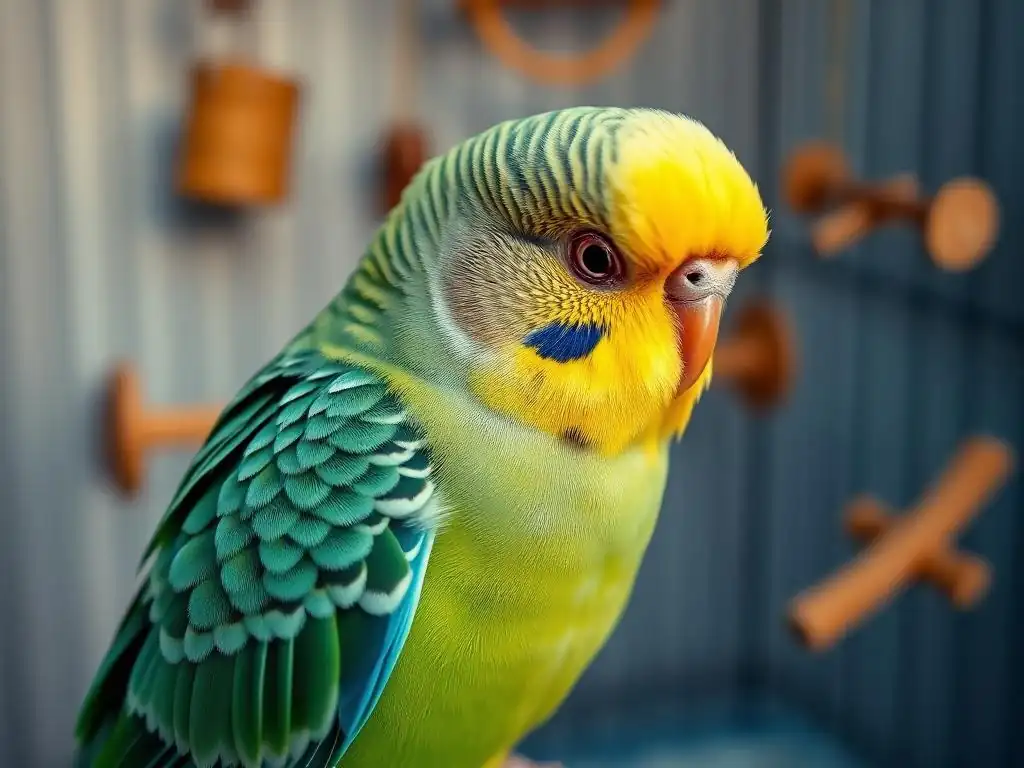
Welcome to PetCareWorld, your ultimate guide to happy and healthy pets! Are you concerned about your feathered friend? We delve into the often-confusing world of bird feather plucking causes, helping you differentiate between normal molting and potentially problematic behavior. Discover the crucial distinctions and learn how to ensure your bird thrives in this insightful article on bird care – read on to uncover the answers!
- Understanding Normal Bird Molting
- Recognizing Feather Plucking in Birds: Signs and Symptoms
-
Common Causes of Bird Feather Plucking: Understanding the Root of the Problem
- Underlying Medical Conditions Contributing to Feather Plucking
- Nutritional Deficiencies and Their Impact on Feather Health
- Environmental Stressors: Cage Size, Light, Noise, and Social Interactions
- Boredom and Lack of Enrichment as Bird Feather Plucking Causes
- Psychological Factors and Feather Plucking in Birds: Anxiety and Depression
- Diagnosing and Treating Bird Feather Plucking: A Veterinary Approach
-
Preventing Feather Plucking: Proactive Strategies for Bird Owners
- Enrichment Activities for Mental Stimulation and Prevention
- Providing a Safe and Comfortable Environment for Your Bird
- Maintaining a Healthy Diet for Optimal Feather Growth
- Regular Veterinary Check-ups for Early Detection of Problems
- Building a Strong Bond with Your Bird Through Interaction and Training
- When to Seek Veterinary Help for Feather Plucking in Your Bird
- Frequently Asked Questions
- Final Reflection: Understanding the Silent Struggle of Feather Plucking
- Unlock Your Bird's Health Secrets: Take Action Today!
Understanding Normal Bird Molting
Feather plucking in birds can be a distressing sight for owners, prompting immediate concern. However, it's crucial to differentiate between normal molting – a natural process – and problematic feather plucking, which often signals underlying health or behavioral issues.
This article will guide you through the key distinctions, helping you determine if your bird's feather loss is a cause for concern or simply a part of its natural life cycle. We'll explore the intricacies of bird molting, providing clear indicators to distinguish it from feather plucking, ultimately empowering you to address any potential problems effectively.
Understanding the root cause, whether it's a natural process like molting or a more serious issue like feather plucking, is paramount to ensuring the well-being of your feathered friend. This guide focuses on identifying the signs and symptoms, helping you understand the differences between normal molting and potentially problematic feather plucking behavior, specifically addressing common causes of bird feather plucking.
The Molting Process: A Natural Cycle in Birds
Molting is a periodic shedding of feathers that occurs in all birds. It's a vital process for maintaining healthy plumage. Think of it as a natural renewal process, where old, worn-out feathers are replaced with fresh, new ones. This cycle is influenced by several factors, including the bird's species, age, health, and even seasonal changes.
The frequency and intensity of molting can vary significantly. Some birds may molt once a year, while others may undergo multiple molts annually. During molting, you might observe a gradual loss of feathers, often appearing as scattered feathers around the cage. The new feathers that emerge are usually brighter and healthier than the ones they replace.
The duration of the molting process also varies, with some species completing the cycle within weeks, while others may take months. This process is generally a gradual and even one, without causing significant distress to the bird. It's a normal part of a bird's life cycle, and understanding this natural process is crucial in distinguishing it from feather plucking.
Identifying Molting: Signs and Stages
Recognizing molting is crucial to differentiate it from feather plucking. Several key signs can help you identify the process:
- Gradual feather loss: Feathers are shed gradually and evenly across the body. You won't see patches of bare skin or concentrated feather loss in specific areas.
- New feather growth: Simultaneously with the shedding of old feathers, new feathers will begin to grow. These new feathers will often be slightly different in color and texture, eventually matching the rest of the plumage.
- No skin irritation: Molting doesn't typically cause skin irritation or inflammation. The bird's skin will generally appear healthy and smooth.
- Normal behavior: A bird undergoing molting will usually exhibit normal behavior, with no signs of stress, anxiety, or self-mutilation. Their activity levels and appetite will remain consistent.
- Seasonal patterns: In many species, molting follows predictable seasonal patterns, often occurring after the breeding season.
The molting process often occurs in stages, with different parts of the body shedding feathers at different times. This ensures that the bird maintains some degree of flight and insulation throughout the process. Observing these stages can help confirm that the feather loss is indeed due to molting.
Molting vs. Feather Plucking: Key Differences in Appearance
The key difference between molting and feather plucking lies in the pattern and appearance of feather loss. While molting is a gradual and even process, feather plucking often presents a more irregular and concerning pattern.
| Feature | Molting | Feather Plucking |
|---|---|---|
| Feather Loss | Gradual, even distribution across body | Irregular, concentrated in specific areas |
| Skin Condition | Healthy, no irritation | Often irritated, inflamed, or bleeding |
| Behavior | Normal, no signs of stress | Restless, anxious, potentially self-mutilating |
| Appearance | New feathers growing simultaneously | Bare patches of skin, broken feathers |
Feather plucking often results in bare patches, broken feathers, and even bleeding or scabbing. In contrast, molting presents a more even distribution of feather loss, with new feathers replacing old ones. A careful observation of these differences is crucial for determining whether your bird is simply molting or suffering from a more serious condition requiring veterinary attention.
Remember, if you suspect feather plucking, consult an avian veterinarian immediately. Early intervention is key to addressing the underlying causes and ensuring your bird's well-being. The visual differences, coupled with behavioral observations, will provide a strong indication of whether the feather loss is a natural process or a sign of distress.
Recognizing Feather Plucking in Birds: Signs and Symptoms
This section focuses on identifying the visual and behavioral indicators of feather plucking in birds, helping you distinguish it from normal molting. Understanding these signs is crucial for early intervention and addressing potential underlying issues contributing to bird feather plucking causes. Early detection significantly improves the chances of successful treatment and prevents further damage to your feathered friend.
Excessive Preening and Feather Loss
One of the first signs of feather plucking is excessive preening. While all birds preen regularly to maintain their plumage, birds exhibiting feather plucking engage in this behavior to an extreme degree. This isn't just a quick tidy-up; it involves persistent and often frantic pecking and pulling at their feathers. This results in noticeable feather loss, often concentrated in specific areas. The lost feathers may be found around the bird's cage or scattered on the floor. The intensity of feather loss can vary significantly; some birds may only show minor thinning, while others may exhibit extensive bare patches. It's important to note that the frequency and intensity of preening are key indicators, not just the presence of some lost feathers. A bird preening excessively for prolonged periods, even if feather loss is minimal initially, warrants attention. Keep a daily log of your bird's preening habits to help monitor any changes.
Bare Patches and Skin Irritation
As feather plucking progresses, bare patches become increasingly visible. These patches are often located on the bird's chest, abdomen, wings, or head. The skin underneath these patches may appear irritated, red, or even inflamed. In severe cases, you might observe scabs, lesions, or even self-inflicted wounds. The location of these patches can sometimes provide clues about the underlying cause of the feather plucking.
For example, feather plucking concentrated on the breast might suggest an underlying medical condition affecting that specific area. Careful observation of the location, size, and condition of these bare patches is essential for accurate diagnosis and treatment planning. Consider taking detailed photographs to track the progression of the feather loss and skin irritation. Note that the appearance of the bare skin can vary depending on the bird species and the severity of the plucking.
Behavioral Changes Associated with Feather Plucking
Feather plucking in birds is rarely an isolated behavior; it's often accompanied by noticeable changes in the bird's overall demeanor and behavior. These changes can be subtle at first but become more pronounced as the problem worsens. These behavioral shifts are significant indicators of underlying stress or discomfort that contribute to bird feather plucking causes. Some common behavioral changes include:
- Increased anxiety: The bird may become more easily startled or frightened, exhibiting signs of nervousness.
- Restlessness: The bird might exhibit increased pacing or fidgeting within its cage.
- Lethargy: Conversely, the bird may become unusually lethargic and less active than usual.
- Changes in appetite: A decrease or increase in food consumption can be a sign of underlying stress or illness.
- Aggression: Some birds might become more aggressive towards their owners or other pets.
- Self-isolation: The bird may withdraw from social interaction and spend more time alone.
Careful observation of these behavioral shifts, combined with the physical signs of feather plucking, provides a more complete picture of the bird's overall health and well-being. Maintaining a detailed record of these behavioral changes alongside the physical symptoms is crucial for effective communication with an avian veterinarian. Remember, addressing the underlying causes of stress or discomfort is vital in managing and resolving feather plucking. Understanding the interplay between physical symptoms and behavioral changes is key to effectively tackling bird feather plucking causes.
Distinguishing Feather Plucking from Other Conditions (e.g., Parasites)
Feather plucking, while a significant concern, isn't the only reason a bird might exhibit feather loss. It's crucial to differentiate it from other conditions to ensure accurate diagnosis and appropriate treatment. One common differential diagnosis is parasitic infestation. Mites, lice, and other parasites can cause significant feather damage and discomfort, leading to itching and scratching, which might appear similar to feather plucking at first glance. However, a closer examination reveals key differences.
Parasite infestations often present with visible parasites themselves—tiny insects or their eggs—on the bird's skin and feathers. Furthermore, the feather damage associated with parasites is usually more widespread and less focused on specific areas as seen in self-plucking. The bird might also show signs of intense itching, scratching, and even skin irritation. A veterinarian can easily diagnose parasitic infestations through a thorough physical examination and microscopic analysis of feather samples. Treatment typically involves administering appropriate antiparasitic medications.
Another condition to consider is stress-induced feather loss. While stress can contribute to feather plucking, it can also manifest as generalized feather loss without the focused, self-inflicted pattern typical of plucking. Stressors in birds can range from environmental changes (cage size, location, noise levels) to social factors (lack of companionship, aggression from cage mates) and even dietary deficiencies.
In cases of stress-induced feather loss, the bird might exhibit other signs of stress, such as lethargy, changes in appetite, or increased vocalizations. Addressing the underlying stressor is paramount. This might involve environmental enrichment, behavioral modification, or adjustments to the bird's diet and social environment.
Finally, certain medical conditions can lead to feather loss. Nutritional deficiencies, hormonal imbalances, and various infections can all impact feather growth and quality. For example, a deficiency in certain vitamins and minerals can result in brittle feathers that break easily, mimicking feather plucking in appearance. Similarly, fungal or bacterial infections can damage feathers, leading to loss.
A thorough veterinary examination, including blood tests and possibly other diagnostic procedures, is necessary to rule out these underlying medical issues. Treatment will depend on the specific underlying condition identified. Ignoring these potential medical causes and solely focusing on behavioral modification could lead to ineffective treatment and further suffering for the bird. Therefore, distinguishing feather plucking from other conditions requires a comprehensive approach involving careful observation, veterinary examination, and appropriate diagnostic testing.
Common Causes of Bird Feather Plucking: Understanding the Root of the Problem
This section delves into the multifaceted issue of bird feather plucking, exploring the various factors that can contribute to this self-destructive behavior. Understanding the root cause is crucial for effective intervention and improving your feathered friend's well-being. While molting is a natural process, persistent feather plucking often signals an underlying problem requiring veterinary attention and behavioral modification. Let's examine some key contributing factors related to bird feather plucking causes.
Underlying Medical Conditions Contributing to Feather Plucking
Many medical conditions can manifest as feather plucking in birds. It's not simply a behavioral issue; it can be a symptom of a deeper problem. Ignoring potential underlying illnesses can lead to further complications and worsen the plucking. Some common medical conditions linked to feather plucking include:
- Parasites: Mites, lice, and other parasites can cause intense itching and discomfort, leading birds to pluck their feathers in an attempt to alleviate the irritation. Regular veterinary check-ups, including parasite screenings, are vital for preventative care.
- Bacterial or Fungal Infections: Skin infections can be incredibly itchy and painful, resulting in feather plucking. These infections often require specific medications prescribed by an avian veterinarian.
- Hormonal Imbalances: Disruptions in hormone levels can affect feather growth and quality, potentially leading to excessive preening and feather plucking. Veterinary diagnostics can help identify hormonal imbalances.
- Nutritional Deficiencies: While discussed in more detail below, deficiencies in essential vitamins and minerals can compromise feather health, leading to breakage and plucking.
- Liver or Kidney Disease: These serious illnesses can affect overall health and lead to secondary symptoms, including feather plucking. Early detection through regular veterinary care is crucial.
The severity of feather plucking often correlates with the severity of the underlying medical condition. A thorough veterinary examination is essential to rule out or diagnose any medical issues contributing to the problem. Early intervention is key to successful treatment and preventing further damage. Remember, prompt veterinary care is paramount when dealing with potential bird feather plucking causes.
Nutritional Deficiencies and Their Impact on Feather Health
A balanced diet is fundamental to a bird's overall health, including the health of its feathers. Nutritional deficiencies can significantly impact feather quality, making them brittle, prone to breakage, and more likely to be plucked. This is a crucial aspect of understanding bird feather plucking causes.
Several nutritional deficiencies are commonly associated with feather problems:
- Protein Deficiency: Protein is a crucial building block for feathers. A lack of protein can result in weak, brittle feathers, encouraging plucking.
- Vitamin A Deficiency: Vitamin A plays a vital role in feather growth and maintenance. Deficiency can lead to dull, dry feathers, increased susceptibility to breakage, and ultimately, feather plucking.
- Essential Fatty Acid Deficiency: These acids are necessary for healthy feather oils, keeping feathers supple and preventing dryness and breakage. A deficiency can lead to brittle feathers and increased plucking.
- Mineral Deficiencies: Minerals like zinc and calcium are crucial for feather structure and strength. Deficiencies can result in weaker feathers, promoting plucking behavior.
Providing a well-balanced diet that includes a variety of high-quality seeds, fruits, vegetables, and commercial bird food formulated for your specific bird species is essential to prevent nutritional deficiencies and promote healthy feather growth. Always consult with an avian veterinarian or a certified avian nutritionist to ensure your bird's dietary needs are met. Addressing nutritional deficiencies is a vital step in tackling bird feather plucking causes.
Environmental factors play a significant role in a bird's overall well-being and can directly contribute to feather plucking. Understanding and mitigating these stressors is crucial in addressing bird feather plucking causes.
- Insufficient Cage Size: A cramped cage can lead to stress and frustration, potentially triggering feather plucking. Birds need ample space to move around, stretch their wings, and engage in natural behaviors. Ensure your bird has a cage size appropriate for its species and size.
- Inadequate Lighting: Insufficient or inappropriate lighting can disrupt a bird's natural circadian rhythm, leading to stress and impacting feather health. Provide adequate natural or artificial light mimicking natural daylight cycles.
- Excessive Noise: Loud or constant noise can be incredibly stressful for birds, potentially leading to feather plucking as a stress response. Minimize exposure to loud noises and provide a quiet and peaceful environment.
- Lack of Social Interaction: Birds are social creatures and require appropriate social interaction. Isolation or lack of interaction with other birds or their human companions can lead to boredom, frustration, and feather plucking. Ensure your bird receives adequate attention, playtime, and interaction.
Careful consideration of the environmental factors influencing your bird's life is crucial in preventing stress-related feather plucking. Creating a stimulating, safe, and comfortable environment can significantly reduce the likelihood of this self-destructive behavior. Remember, a happy and well-adjusted bird is less likely to engage in feather plucking.
Boredom and Lack of Enrichment as Bird Feather Plucking Causes
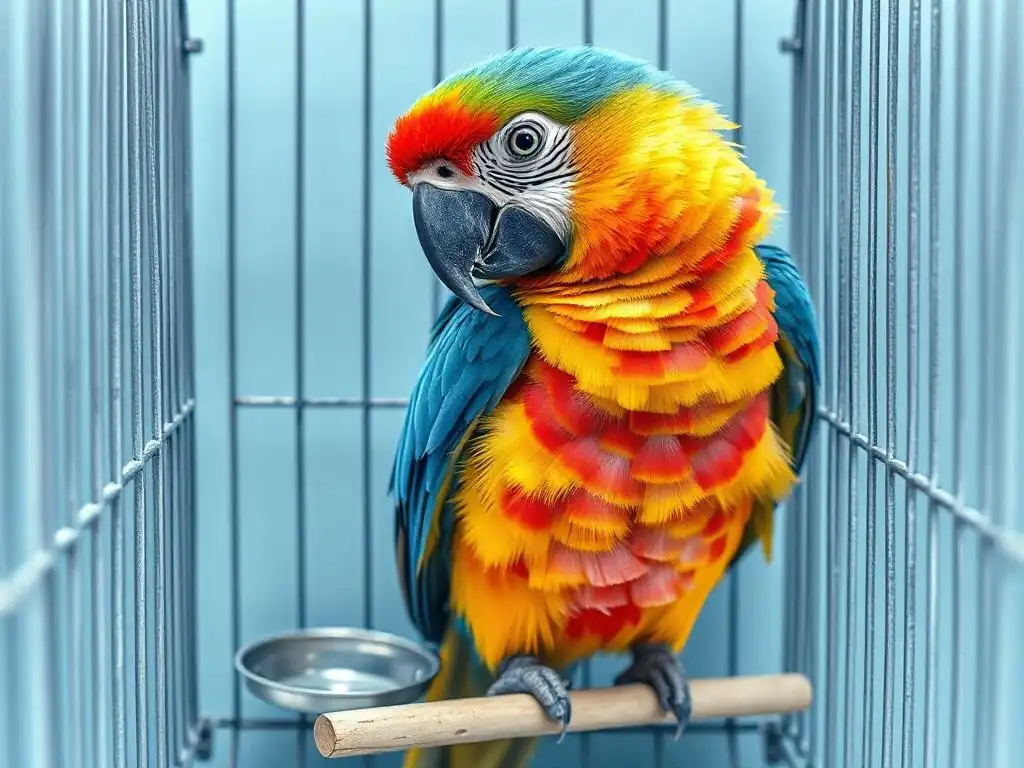
Birds are highly intelligent and active creatures. A monotonous environment lacking in stimulation can lead to behavioral problems, including feather plucking. Think of it like this: if a bird spends its days in a small, bare cage with little to do, it's essentially experiencing a form of sensory deprivation. This lack of mental and physical stimulation can manifest as self-destructive behaviors, such as feather plucking, as the bird seeks to alleviate its boredom and frustration.
Providing adequate enrichment is crucial for preventing feather plucking stemming from boredom. This doesn't just mean adding a few toys; it involves creating a stimulating and engaging environment that caters to your bird's natural instincts. Consider incorporating a variety of toys, including foraging toys that require your bird to work for its food, puzzle toys that challenge its problem-solving skills, and interactive toys that encourage play and exploration.
Rotating toys regularly keeps things fresh and prevents your bird from becoming bored with its current options. Providing opportunities for climbing, swinging, and exploring different textures and materials also contributes significantly to a bird's overall well-being and can reduce the likelihood of feather plucking. Remember, a happy, stimulated bird is far less likely to resort to self-destructive behaviors.
A lack of environmental enrichment is a significant factor to consider when addressing bird feather plucking causes. Many avian veterinarians will recommend a comprehensive enrichment program as a key component of treatment plans.
Psychological Factors and Feather Plucking in Birds: Anxiety and Depression
Psychological distress, manifesting as anxiety and depression, is another significant contributor to bird feather plucking. Unlike boredom, which is often addressed through environmental enrichment, addressing psychological factors requires a more nuanced approach. Stressful events, such as a change in environment, the introduction of a new pet, or even a change in the owner's routine, can trigger anxiety and depression in birds, leading to feather plucking as a coping mechanism.
Symptoms of anxiety and depression in birds can vary, but they often include changes in behavior, such as lethargy, decreased appetite, vocalizations, and of course, feather plucking. A bird suffering from anxiety might exhibit excessive preening or feather plucking in specific areas, often focusing on the breast or head. In contrast, a depressed bird might show a general lack of interest in its surroundings and exhibit less activity overall. The intensity of feather plucking can also reflect the severity of the underlying psychological condition.
Addressing these underlying psychological issues requires a multi-faceted approach. Creating a safe and predictable environment is crucial. This might involve minimizing noise and stress, providing a secure perch or hiding spot, and maintaining a consistent daily routine. In some cases, veterinary intervention, including behavioral modification techniques or even medication, may be necessary. Early intervention is key to preventing long-term damage and improving the bird's overall quality of life. Understanding the psychological factors contributing to bird feather plucking is vital for effective treatment and prevention. Identifying and addressing these underlying issues is often as important as addressing physical health concerns.
Diagnosing and Treating Bird Feather Plucking: A Veterinary Approach
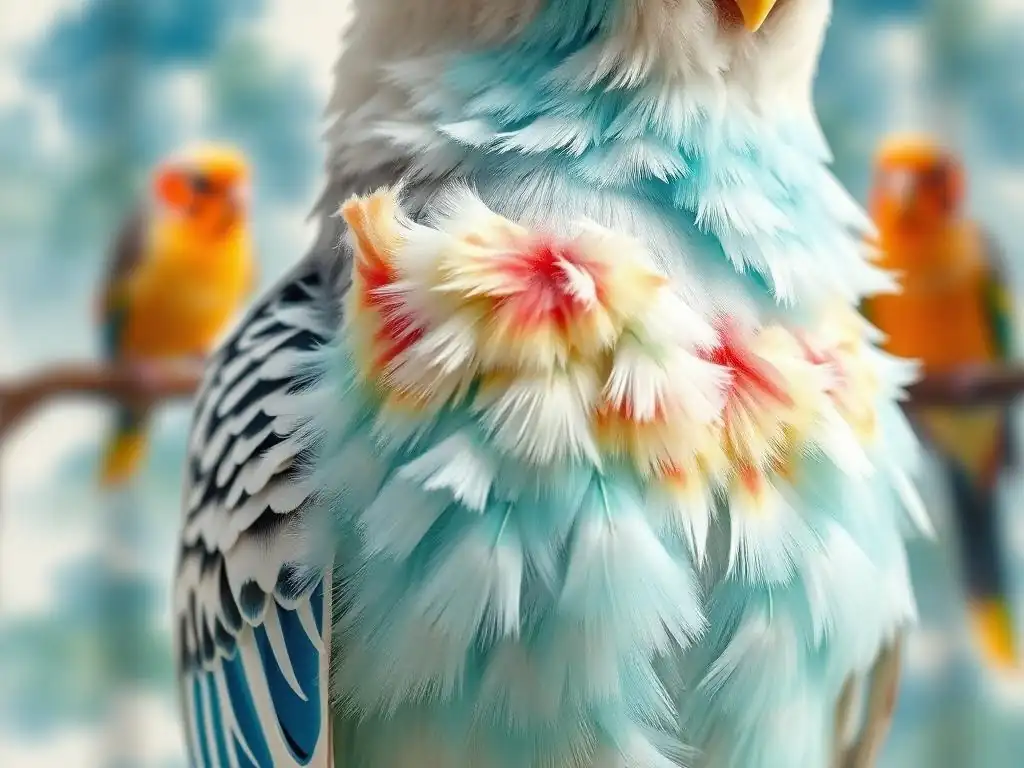
This section delves into the crucial role of veterinary intervention in addressing bird feather plucking. Understanding that feather plucking can stem from various underlying medical and behavioral issues, a proper diagnosis is paramount before initiating any treatment. Ignoring the underlying cause can lead to ineffective treatment and potentially worsen the bird's condition. Remember, early intervention is key to improving the prognosis. The severity of feather plucking, ranging from mild to severe, directly impacts the approach to diagnosis and treatment. Let's explore the veterinary aspects in detail.
Veterinary Examination: Essential for Accurate Diagnosis
A thorough veterinary examination is the cornerstone of diagnosing bird feather plucking. This isn't simply a quick visual check; it's a comprehensive assessment encompassing several key areas. The veterinarian will meticulously examine your bird's plumage, noting the pattern and extent of feather loss. Is it localized to a specific area, or is it widespread?
Are the plucked feathers broken or intact? These details provide valuable clues. Beyond the feathers themselves, the vet will carefully assess your bird's overall health. This includes checking for any signs of illness, such as weight loss, lethargy, respiratory issues, or changes in droppings.
The veterinarian will also assess the bird's skin for any abnormalities, including lesions, parasites, or infections. These skin conditions can often be the root cause of feather plucking, highlighting the importance of a complete physical examination. The examination also includes a careful assessment of the bird’s behavior, noting any unusual postures, repetitive movements, or signs of stress.
Blood Tests and Other Diagnostic Procedures
Often, a visual examination alone is insufficient to pinpoint the bird feather plucking causes. Further diagnostic tests may be necessary to rule out underlying medical conditions. Blood tests are commonly used to evaluate your bird's overall health and screen for various infections, hormonal imbalances, and metabolic disorders. These tests can reveal deficiencies in essential nutrients that might contribute to feather plucking.
For example, a deficiency in certain vitamins or minerals can lead to poor feather quality and potentially trigger plucking behavior. Additionally, tests might be conducted to assess liver and kidney function, as these organs play a critical role in overall health. Depending on the suspected cause, other diagnostic procedures may be employed.
These could include fecal examinations to detect intestinal parasites or X-rays to rule out skeletal abnormalities. In some cases, more specialized tests might be necessary, such as hormonal assays or biopsies of the skin. The choice of diagnostic tests depends on the individual bird's presentation and the veterinarian's clinical judgment.
Treatment Options Based on Underlying Causes: Medication, Dietary Changes, and Environmental Modifications
Treatment strategies for bird feather plucking are highly individualized and directly depend on the underlying cause identified during the diagnostic process. If a medical condition is discovered, such as a bacterial or fungal infection, the veterinarian may prescribe appropriate medication. This could range from topical treatments for skin infections to systemic antibiotics or antifungals for more widespread infections. If nutritional deficiencies are identified, dietary modifications are essential. This might involve supplementing the bird's diet with specific vitamins, minerals, or other nutrients.
A balanced, species-appropriate diet is crucial for maintaining healthy feathers and preventing feather plucking. Environmental modifications are often a key component of treatment, particularly when behavioral issues are implicated. This could involve enriching the bird's environment with more toys, perches, and opportunities for exploration to reduce boredom and stress. Adjusting the lighting in the cage, providing a more spacious cage, or reducing exposure to stressors can also be beneficial.
In cases where behavioral issues are significant, behavioral modification techniques might be recommended, often in conjunction with other treatments. This might involve positive reinforcement training or environmental enrichment strategies. The treatment plan should be carefully tailored to the individual bird’s needs, and regular follow-up visits with the veterinarian are crucial to monitor progress and make adjustments as needed. Remember, patience and consistency are key to successful treatment.
Addressing Psychological Factors Through Behavioral Therapy
Psychological factors frequently contribute to feather plucking in birds. Boredom, stress, and lack of environmental enrichment are common culprits. A bird confined to a small cage with limited stimulation may resort to feather plucking as a self-soothing mechanism or an outlet for pent-up energy. Similarly, stressful situations—such as a change in environment, the introduction of a new pet, or even a loud noise—can trigger the behavior. Understanding and addressing these underlying psychological issues is crucial for successful treatment.
Behavioral modification techniques, often implemented in conjunction with veterinary care, play a vital role. These therapies focus on creating a more enriching and stimulating environment for the bird. This might involve providing a larger cage, adding various toys and perches to encourage exploration and play, and ensuring ample opportunities for social interaction (with compatible birds or their human companions). Rotating toys regularly keeps the bird engaged and prevents boredom.
A structured routine can also help reduce stress. Birds thrive on predictability. Consistent feeding times, interaction schedules, and cage cleaning routines provide a sense of security and stability. Positive reinforcement training, using rewards such as treats and praise, can help build a strong bond between the bird and its owner, reducing anxiety and promoting positive behaviors. This training should be patient and consistent, focusing on rewarding desirable behaviors rather than punishing feather plucking. Remember, punishment is rarely effective and can worsen the bird’s anxiety.
For severe cases, consultation with a certified avian behaviorist is highly recommended. These specialists possess in-depth knowledge of avian psychology and can develop a tailored behavioral modification plan to address the specific needs of the bird. They may employ techniques such as desensitization and counter-conditioning to help the bird overcome its fear or anxiety, gradually associating positive experiences with previously stressful stimuli. The behaviorist can also provide guidance to the owner on how to manage the environment and interact with the bird to minimize stress and promote healthy behaviors.
The process requires patience, consistency, and a deep understanding of the bird's individual needs. Successfully addressing psychological factors can significantly reduce feather plucking and improve the bird's overall well-being. It’s a testament to the power of understanding the bird’s emotional landscape. 🐦
Preventing Feather Plucking: Proactive Strategies for Bird Owners
Feather plucking in birds, a behavior often stemming from underlying issues, can be significantly mitigated through proactive strategies. Understanding the root causes of bird feather plucking is crucial, as it allows for targeted preventative measures. This section focuses on proactive steps bird owners can take to reduce the risk of their feathered friends engaging in this self-destructive behavior. Remember, early intervention is key in addressing potential feather plucking issues.
Enrichment Activities for Mental Stimulation and Prevention
Boredom and lack of mental stimulation are significant contributors to feather plucking. Birds are intelligent creatures requiring a stimulating environment to thrive. Providing ample opportunities for exploration, problem-solving, and social interaction can greatly reduce the likelihood of feather plucking.
Consider implementing these enrichment activities:
- Rotating toys: Regularly change your bird's toys to maintain novelty and prevent boredom. A variety of textures, shapes, and materials will keep them engaged. Aim for at least two to three toy rotations per week.
- Puzzle feeders: These feeders require birds to work for their food, providing mental stimulation and mimicking their natural foraging behaviors. This can reduce stress and alleviate boredom-induced feather plucking.
- Foraging opportunities: Hide food throughout the cage or in puzzle toys to encourage natural foraging behaviors. This can be as simple as scattering seeds on the bottom of the cage or using foraging toys specifically designed for birds.
- Social interaction: Birds are social animals, and interaction with their owners and other birds (if appropriate) is vital for their well-being. Spending quality time with your bird, talking to them, and playing games can significantly improve their mental state and reduce stress. Consider adopting a second bird, but only after careful research and preparation to ensure compatibility.
- Out-of-cage time: Allow your bird supervised time outside of its cage daily. This provides opportunities for exploration, exercise, and interaction with its environment and you.
Remember to observe your bird's response to different enrichment activities to determine what works best for their individual personality and needs. Monitoring their behavior will provide valuable insights into their preferences and help tailor their enrichment program for optimal results.
Providing a Safe and Comfortable Environment for Your Bird
A secure and comfortable environment is paramount in preventing stress-related feather plucking. Birds are sensitive creatures and react negatively to changes in their surroundings or perceived threats.
Implementing the following can significantly improve their well-being:
- Spacious cage: Ensure your bird has a spacious cage that allows for ample movement and exploration. Cramped living conditions can contribute to stress and frustration, leading to feather plucking. The size of the cage should be proportional to the size of the bird.
- Safe perches: Provide a variety of perches with different diameters and textures to promote healthy foot muscles and prevent joint problems. Avoid perches that are too smooth or too thin.
- Cleanliness: Maintain a clean cage to prevent the spread of bacteria and parasites that can cause discomfort and stress. Regularly clean the cage, food and water dishes, and toys.
- Proper lighting: Birds need appropriate lighting to regulate their circadian rhythms. Insufficient or inappropriate lighting can disrupt their natural sleep patterns and increase stress levels.
- Quiet environment: Birds are sensitive to noise. A quiet and peaceful environment minimizes stress and promotes relaxation. Protect your bird from loud noises and sudden movements.
Maintaining a Healthy Diet for Optimal Feather Growth
Nutrition plays a vital role in feather health and growth. A deficient diet can lead to poor feather quality, making birds more prone to plucking.
Key nutritional aspects to consider:
- High-quality birdseed: Provide a balanced mix of high-quality birdseed that meets your bird's specific nutritional needs. Avoid low-quality seeds that are high in fillers and low in essential nutrients.
- Fresh fruits and vegetables: Supplement their diet with fresh fruits and vegetables to provide essential vitamins and minerals. Offer a variety to ensure a balanced intake of nutrients.
- Bird-specific pellets: Pellets are a good source of essential nutrients and can be a valuable addition to their diet. Choose pellets formulated specifically for your bird's species.
- Supplements: Consult with an avian veterinarian to determine if your bird requires any supplements, such as vitamins or minerals, to address any nutritional deficiencies. Self-medicating can be harmful, so professional guidance is essential.
- Clean water: Always provide access to fresh, clean water. Dehydration can negatively impact feather growth and overall health.
By addressing these nutritional needs, you significantly improve the quality of your bird's feathers, making them less likely to engage in feather plucking behavior. Remember, a holistic approach combining environmental enrichment, a safe environment, and a balanced diet is the most effective strategy for preventing feather plucking in birds.
Regular Veterinary Check-ups for Early Detection of Problems
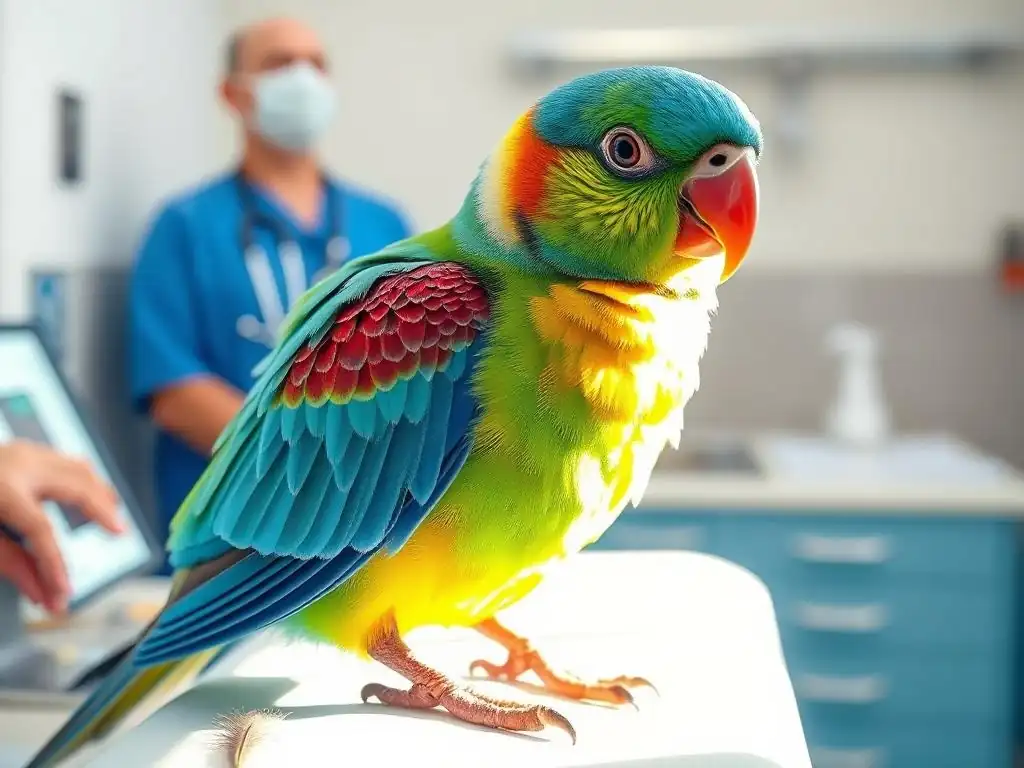
Regular veterinary check-ups are crucial for preventing feather plucking in birds. Many underlying medical conditions can manifest as feather plucking, making early detection paramount. A veterinarian can identify potential issues like allergies, nutritional deficiencies, parasites (mites, lice), or hormonal imbalances that might be causing your bird to pluck its feathers. These check-ups aren't just about treating existing problems; they're about proactive care.
A thorough examination, including blood tests and fecal analysis, can help rule out various medical causes and provide a baseline for your bird's health. Early intervention is key; addressing underlying health concerns promptly can often prevent the development of chronic feather plucking. Furthermore, a veterinarian can advise on appropriate dietary supplements or medication if necessary, ensuring your bird receives the optimal nutrition and support for healthy feather growth. Remember to schedule these check-ups at least once a year, or more frequently if your bird shows any signs of illness or behavioral changes.
Don't underestimate the value of a proactive approach to veterinary care; it's a significant step in preventing feather plucking and ensuring your feathered friend's overall well-being. Early detection significantly improves the chances of successful treatment and prevents the condition from becoming chronic and more difficult to manage. This preventative approach is especially important for birds prone to specific health issues or those with a family history of feather plucking.
Building a Strong Bond with Your Bird Through Interaction and Training
A strong bond between you and your bird is a powerful preventative measure against feather plucking. Birds who feel loved, secure, and stimulated are less likely to resort to self-destructive behaviors like feather plucking. This bond is built through consistent interaction and engaging activities. Spend quality time with your bird daily, talking to it, gently petting it (if it enjoys this), and providing opportunities for exploration and play. Enrichment is key; provide a variety of toys, perches, and foraging opportunities to keep your bird mentally and physically stimulated.
This prevents boredom, a common trigger for feather plucking. Consider implementing a training program using positive reinforcement methods. Teaching your bird tricks or commands not only strengthens your bond but also provides mental stimulation and a sense of accomplishment for both you and your bird. This positive interaction helps build trust and reduces stress, contributing to a happier, healthier bird less prone to feather plucking. Remember that consistent, positive interactions are more effective than sporadic attention.
Even short periods of focused interaction throughout the day can make a significant difference in your bird's emotional well-being and reduce the likelihood of feather plucking. Consider incorporating different types of interaction, such as singing to your bird, reading to it, or simply spending quiet time together. The goal is to build a trusting relationship based on mutual respect and positive reinforcement. This strengthens the human-animal bond and contributes significantly to the overall health and happiness of your feathered companion.
When to Seek Veterinary Help for Feather Plucking in Your Bird
Feather plucking in birds, while sometimes a minor issue linked to normal molting cycles, can often signal significant underlying health problems. Understanding when to seek professional veterinary care is crucial for your bird's well-being. Ignoring early signs can lead to irreversible damage and significantly impact your feathered friend's quality of life.
This section will guide you in recognizing situations demanding immediate veterinary intervention and understanding the importance of early diagnosis and treatment for bird feather plucking. The severity of feather plucking and the underlying bird feather plucking causes vary greatly, emphasizing the need for careful observation and timely veterinary consultation.
Emergency Situations Requiring Immediate Veterinary Attention
Certain situations related to feather plucking require immediate veterinary attention. These are emergencies that could rapidly deteriorate your bird's health and potentially be life-threatening. Do not delay seeking professional help if you observe any of the following:
- Significant self-mutilation: If your bird is pulling out large amounts of feathers, causing visible skin damage, bleeding, or open wounds, this is a critical emergency. The bird may be experiencing intense discomfort or a serious underlying medical condition requiring immediate treatment. The underlying bird feather plucking causes in such cases often need urgent diagnosis.
- Sudden onset of severe plucking: A rapid and dramatic increase in feather plucking, especially accompanied by lethargy, loss of appetite, or changes in droppings, suggests a possible serious underlying illness. This warrants immediate veterinary assessment to identify and address the bird feather plucking causes.
- Presence of blood or pus: Any sign of infection, such as bleeding, pus, or inflamed skin around plucked areas, requires immediate veterinary care. These are clear indicators that the feather plucking has progressed beyond self-management. The wound needs proper cleaning and treatment to prevent further complications.
- Behavioral changes: Beyond feather plucking, observe for drastic changes in behavior, such as excessive sleepiness, unusual vocalizations, difficulty perching, or self-isolation. These changes can be indicators of a more serious health issue. These symptoms, combined with feather plucking, highlight the urgent need for veterinary evaluation.
Recognizing Signs That Indicate a Serious Underlying Condition
While not always emergencies, several signs associated with feather plucking can indicate serious underlying health conditions requiring prompt veterinary attention. These are subtle clues that, when observed, necessitate a thorough veterinary examination to determine the root bird feather plucking causes. Early detection and intervention are key to successful treatment.
- Persistent feather plucking despite environmental changes: If you've addressed potential environmental stressors (such as inadequate cage size, poor diet, or lack of enrichment) and the feather plucking persists, it’s crucial to investigate underlying medical issues. This suggests that the bird feather plucking causes are not environmental but rather physiological.
- Weight loss or changes in appetite: Sudden weight loss or a significant change in eating habits, coupled with feather plucking, could signal a metabolic disorder, hormonal imbalance, or internal parasite infestation. A veterinarian can conduct the necessary tests to identify the underlying problem.
- Skin abnormalities: Examine your bird's skin carefully. Scaling, redness, lesions, or unusual growths could indicate skin infections, allergies, or other dermatological problems that often contribute to feather plucking. Identifying these skin abnormalities is crucial in understanding the bird feather plucking causes.
- Abnormal droppings: Changes in the color, consistency, or frequency of your bird's droppings can be indicators of digestive problems or other internal issues that might contribute to feather plucking. Careful observation of droppings is essential in understanding the bird feather plucking causes.
The Importance of Early Intervention in Feather Plucking Treatment
Early intervention is paramount in addressing feather plucking successfully. The sooner the underlying bird feather plucking causes are identified and treated, the better the chances of preventing long-term damage and improving your bird's quality of life. Delayed treatment can result in:
- Permanent feather loss: Prolonged feather plucking can lead to permanent bald patches, making it difficult for the feathers to regrow, potentially causing long-term cosmetic problems.
- Skin infections: Open wounds from feather plucking are susceptible to bacterial or fungal infections, which can lead to further complications requiring more extensive treatment.
- Behavioral problems: Chronic stress and discomfort associated with feather plucking can lead to behavioral issues, such as aggression, fear, or depression.
- Compromised immune system: Continuous stress and self-mutilation can weaken the bird’s immune system, making it more vulnerable to diseases.
Therefore, acting promptly and seeking veterinary advice at the first signs of feather plucking is crucial for ensuring your bird's overall health and well-being. A timely diagnosis and appropriate treatment plan can significantly improve the prognosis and prevent further complications. Remember, early intervention is key to successfully managing bird feather plucking causes and restoring your bird's plumage and overall health.
Frequently Asked Questions
What is feather plucking in birds?
Feather plucking is a behavior where birds repeatedly pull out their own feathers, resulting in bare patches or complete feather loss. This can be a sign of underlying health issues or stress.
How can I tell if my bird is molting or plucking its feathers?
Molting involves a gradual and even shedding of feathers, usually occurring seasonally. Plucking is often uneven and concentrated in specific areas, with signs of distress.
What are some common causes of feather plucking in birds?
Underlying medical conditions, such as parasites, allergies, or hormonal imbalances, can trigger feather plucking. Stress, boredom, and inadequate environmental enrichment are also significant factors.
What should I do if I suspect my bird is plucking its feathers?
Consult an avian veterinarian immediately. They can rule out medical causes and recommend appropriate treatment, behavioral modification, and environmental enrichment strategies.
Can feather plucking be prevented?
Prevention involves providing a stimulating environment, a balanced diet, and ensuring your bird's physical and mental well-being. Early intervention is key to address any potential causes.
Final Reflection: Understanding the Silent Struggle of Feather Plucking
The subtle signs of feather plucking in our avian companions often go unnoticed, yet understanding the root causes is crucial for their well-being. This silent struggle affects countless birds, highlighting the urgent need for responsible pet ownership and a deeper understanding of avian behavior. Ignoring these signs can lead to serious health complications and immense suffering for our feathered friends.
The emotional impact of witnessing a beloved bird engage in self-destructive feather plucking is profound. It forces us to confront the complex interplay of physical and psychological factors that influence their behavior. A bird's plumage is not merely adornment; it is an integral part of its identity, its health, and its ability to thrive.
This quote underscores the gravity of the situation and the responsibility we bear in ensuring their comfort and happiness. The ongoing research into the causes, from nutritional deficiencies to underlying anxieties, continues to shape our understanding and improve treatment options, offering hope for a brighter future for affected birds.
Now, consider your own relationship with your avian companion. Have you observed any unusual behaviors? Take a moment to reflect on their environment, their diet, and the quality of their interactions with you and their surroundings. By actively seeking knowledge, providing enriching environments, and fostering a strong bond built on understanding, you can play a vital role in preventing feather plucking and ensuring the well-being of your feathered friend. Let's work together to create a world where every bird can thrive, free from the silent struggle of self-harm.
Unlock Your Bird's Health Secrets: Take Action Today!
Thank you for learning more about feather plucking and molting in birds! We hope this article provided valuable insights into understanding your feathered friend's behavior. Now, let's put that knowledge to work.
- Schedule a veterinary checkup: This is crucial for ensuring your bird's health and well-being. Early detection of any problems is key!
- Keep a detailed record of your bird's behavior: Track your bird's activities, diet, and environment to help your veterinarian identify any patterns. Note the frequency of preening, the types of food consumed, and any changes in their living environment. This information will be invaluable.
- Connect with other bird owners: Our online forum (PetCareWorld.org) provides a supportive community where you can share experiences and receive valuable advice.
Ready to give your bird the best possible care? What small step will you take today to improve their health and happiness?