
Quick Dog Grooming Tips for Busy Pet Owners

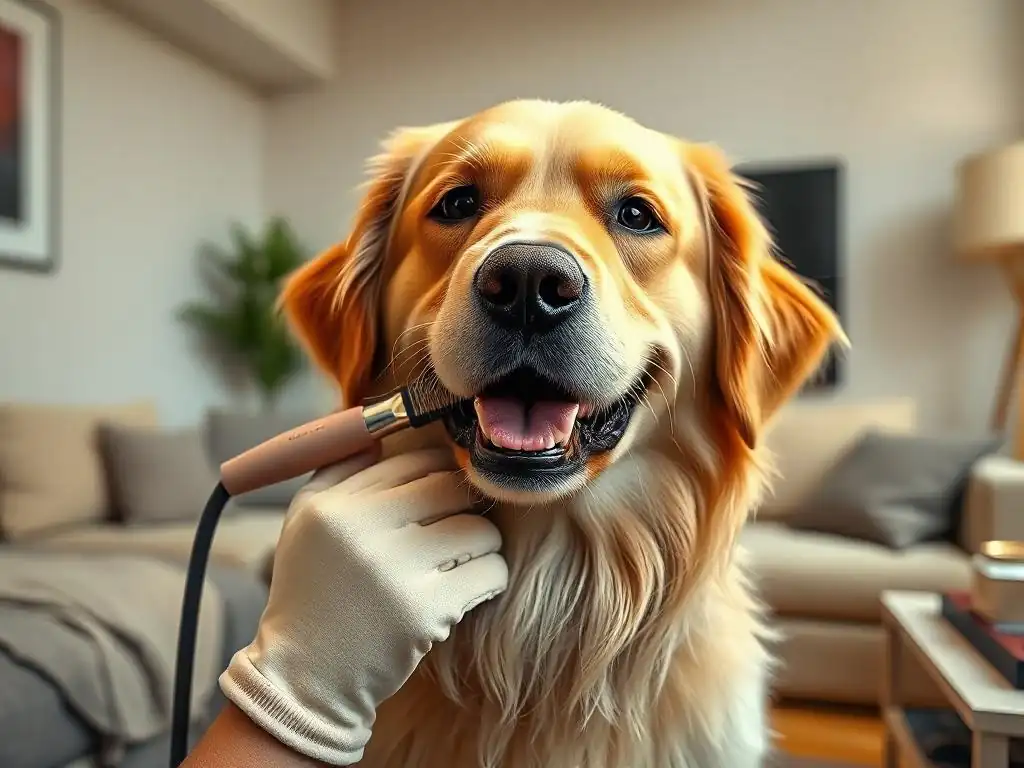
Welcome to PetCareWorld, your ultimate guide to happy and healthy pets! Are you a busy pet owner juggling a million things? Discover quick dog grooming tips that will help you keep your furry friend looking and feeling their best, without sacrificing precious time. Dive in and unlock the secrets to effortless grooming – you'll be amazed at how simple it can be!
- Essential Quick Grooming for Busy Dog Owners
- Speeding Up Bath Time: Efficient Dog Washing Techniques
- Maintaining Cleanliness Between Full Grooming Sessions
- Quick Grooming Tools for Busy Pet Owners
- Time-Saving Grooming Schedule for Busy Dog Owners
- Frequently Asked Questions
- Final Reflection: The Pawsitive Impact of Quick Grooming
- Unlock Your Dog's Sparkling Smile (and Save Time!)
Essential Quick Grooming for Busy Dog Owners
Juggling a demanding work schedule, family commitments, and the joys of pet ownership can leave even the most dedicated dog lovers feeling stretched thin. Finding time for regular grooming might seem like an impossible task, but neglecting your dog's grooming needs can lead to matted fur, painful nails, and potential health issues. This article provides essential, time-efficient grooming tips specifically designed for busy pet owners, ensuring your canine companion stays healthy, happy, and looking their best without consuming your entire day.
We'll cover the basics: brushing, nail trimming, and ear cleaning – all streamlined for maximum efficiency and minimal fuss. Remember, even a few minutes of daily attention can make a significant difference in your dog's overall well-being and prevent larger, more time-consuming problems down the line. Let's get started with some quick and effective strategies to incorporate into your busy routine!
Brushing Your Dog: A Quick Daily Routine for Healthy Coat
Maintaining a healthy coat for your dog doesn't require hours of dedicated grooming. A quick daily brush, even for just 5-10 minutes, can prevent matting, remove loose fur, and distribute natural oils, resulting in a shiny, healthy coat. The time investment is minimal, but the benefits are substantial. The type of brush will depend on your dog's coat type – short-haired breeds might only need a soft bristle brush, while long-haired breeds will benefit from a combination of brushes, possibly including an undercoat rake.
Consider these time-saving strategies:
- Brush during downtime: Incorporate brushing into your existing routine. Brush your dog while watching TV, listening to a podcast, or even during a phone call.
- Focus on high-traffic areas: Pay extra attention to areas prone to matting, such as behind the ears, under the legs, and around the tail.
- Regular shedding: Regular brushing reduces shedding significantly, keeping your home cleaner and saving you time on cleaning up loose fur.
Nail Trimming for Busy Schedules: Quick and Safe Techniques
Overgrown nails are not only unsightly but can also cause discomfort and even lead to lameness in your dog. Regular trimming is crucial, but it doesn't have to be a stressful experience. With the right technique and a little practice, you can quickly and safely trim your dog's nails in just a few minutes.
Here are some tips for efficient nail trimming:
- Use the right tools: Invest in a good quality pair of dog nail clippers – guillotine-style or scissor-style, depending on your preference and your dog's nail type.
- Quick identification: Locate the quick (the pink part of the nail containing blood vessels and nerves) to avoid cutting into it, which can be painful and cause bleeding. If unsure, consult your veterinarian or a professional groomer for guidance.
- Short, frequent trims: Trimming small amounts regularly is less stressful for both you and your dog than infrequent, large trims. Aim for a trim every 1-2 weeks, depending on your dog's nail growth rate.
Ear Cleaning for Busy Owners: Preventing Infections Quickly
Ear infections in dogs can be painful and require veterinary attention. Regular ear cleaning helps prevent these infections. While a thorough cleaning might be best left to a professional, quick daily checks and occasional cleaning can significantly reduce the risk.
Here's how to quickly check and clean your dog's ears:
- Visual inspection: Regularly inspect your dog's ears for any redness, swelling, discharge, or unusual odor.
- Gentle cleaning: Use a dog-specific ear cleaning solution and a cotton ball or soft cloth to gently wipe the visible part of the ear canal. Avoid inserting anything deep into the ear canal.
- Professional help: If you notice any signs of infection, consult your veterinarian immediately. They can provide appropriate treatment and guidance.
Remember, consistency is key. Even a few minutes of daily grooming can significantly improve your dog's health and well-being, saving you from more extensive grooming sessions (and potential vet bills!) in the long run. By incorporating these quick tips into your daily routine, you can ensure your furry friend remains happy and healthy, despite your busy schedule.
Speeding Up Bath Time: Efficient Dog Washing Techniques
Busy pet owners often find bath time a daunting task. However, with a few strategic adjustments, you can significantly reduce the time spent washing your canine companion. The key is preparation and efficiency. Forget the leisurely spa-day approach; we're aiming for a quick, effective clean.
Dry Shampoo for Dogs: A Quick Solution Between Baths
Dry shampoo offers a fantastic solution for maintaining your dog's cleanliness between full baths. It's particularly useful for quick touch-ups, especially for smaller breeds or dogs with short coats. Many commercially available dry shampoos are formulated specifically for dogs, ensuring gentle cleaning and a pleasant scent. Always choose a product designed for canine use, avoiding human dry shampoos which may contain harmful ingredients.
Application is generally straightforward: simply sprinkle the powder onto your dog's coat, massage it in thoroughly, and then brush out any excess. This method can dramatically reduce the frequency of full baths, saving you valuable time and effort. Remember to check the product instructions for specific application guidance, as this may vary depending on the brand and your dog's coat type.
This quick method is ideal for maintaining cleanliness between full baths, especially for less active dogs or those with short hair. For a quick refresh, this is a winner! ✨
Minimizing Shedding: Quick Brushing Strategies for Less Hair
Regular brushing is crucial for minimizing shedding, and smart brushing techniques can significantly reduce the time commitment. Instead of a lengthy, thorough brushing session, focus on key areas where shedding is most prominent. For example, concentrate on the belly, flanks, and tail, where undercoat tends to accumulate. A slicker brush is effective for removing loose undercoat, while a bristle brush helps to smooth the topcoat. Investing in a high-quality shedding tool can also significantly streamline the process.
Consider using a de-shedding tool once or twice a week to remove loose hair efficiently. This targeted approach reduces the overall grooming time without compromising cleanliness. Remember to always reward your dog with treats and praise during grooming to make it a positive experience! 🦴
This streamlined approach to dog bathing and brushing allows busy pet owners to maintain their dog's hygiene without sacrificing precious time. Remember, consistency is key; even short, regular grooming sessions are more effective than infrequent, lengthy ones. By incorporating these quick dog grooming tips into your routine, you can ensure your furry friend stays clean and healthy, even with a busy schedule.
Maintaining Cleanliness Between Full Grooming Sessions

Maintaining your dog's cleanliness between professional grooming appointments is crucial for their health and well-being. Regular upkeep prevents matting, reduces shedding, and helps detect potential skin issues early. For busy owners, incorporating a few quick grooming habits into your daily routine can make a significant difference. This section focuses on practical strategies for keeping your canine companion looking and feeling their best without extensive time commitments.
Spot Cleaning Accidents: Quick and Easy Solutions
Accidents happen, especially with puppies or dogs prone to excitement. Quick and efficient spot cleaning prevents stains from setting and minimizes the spread of unpleasant odors. Keep a dedicated cleaning solution on hand – a simple mixture of warm water and a mild pet-safe detergent is often sufficient. For tougher stains, consider enzymatic cleaners specifically designed to break down organic matter.
Apply the cleaning solution directly to the affected area, gently blotting (not rubbing) with a clean cloth or paper towel. Avoid harsh scrubbing, which can damage the coat and irritate the skin. Rinse thoroughly with clean water and allow the area to air dry completely. For stubborn stains, repeat the process as needed. Remember, speed is key in preventing stains from becoming permanent.
The faster you address an accident, the easier it will be to clean. Consider keeping some disposable cleaning cloths near high-traffic areas to facilitate quick cleanup. Regularly check your dog's paws and body for mud or other debris after walks, promptly wiping them clean. This proactive approach will significantly reduce the need for more extensive cleaning.
Dealing with Matted Fur: Quick Detangling Techniques for Busy Owners
Matted fur is a common problem, especially for long-haired breeds. While regular brushing is preventative, even diligent owners can find themselves dealing with small mats. Addressing mats promptly prevents them from worsening and causing discomfort to your dog. For busy owners, a few quick detangling techniques can be highly effective.
Firstly, never attempt to pull out mats. This is painful for your dog and can damage their skin and coat. Instead, use a wide-toothed comb or a de-matting tool to carefully work through the mat, starting from the outer edges. If the mat is particularly stubborn, you may need to use a small amount of pet-safe conditioner or detangler spray to help loosen the fur.
Work slowly and patiently, taking breaks if your dog shows signs of discomfort. For extremely tangled areas, it may be necessary to carefully trim the mat with blunt-ended scissors. However, if you're unsure about this, consult a professional groomer.
Regular brushing is the best preventative measure. Aim for at least a few minutes of brushing daily, increasing the frequency for long-haired breeds. This helps prevent mats from forming in the first place and keeps your dog's coat healthy and shiny.
Investing in high-quality brushes suitable for your dog's coat type is a worthwhile investment, saving you time and effort in the long run. Remember, a few minutes of daily brushing is much easier than tackling large mats later on. This proactive approach will save you significant time and effort in the long run, making grooming a less daunting task for busy pet owners.
Quick Grooming Tools for Busy Pet Owners
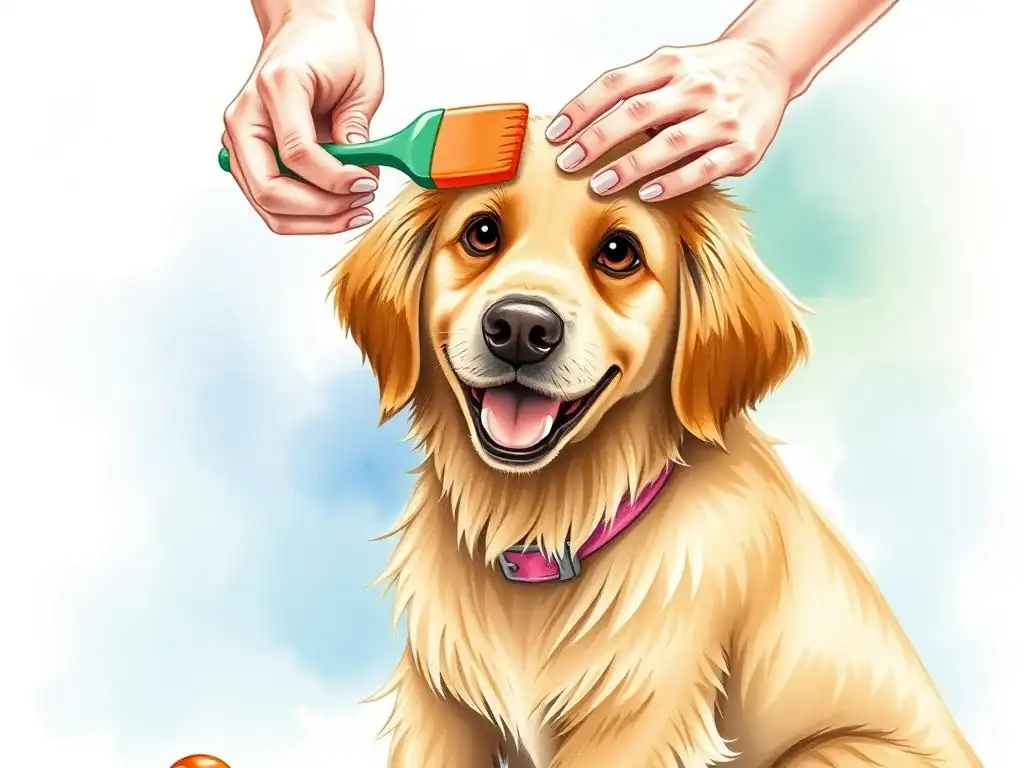
Efficient dog grooming doesn't require a salon's worth of equipment. Focusing on a few essential tools will help busy owners maintain their dog's hygiene without sacrificing precious time. The key is selecting high-quality, easy-to-use tools designed for speed and effectiveness. Remember, consistent, shorter grooming sessions are more manageable than infrequent, marathon grooming attempts. This approach minimizes stress for both you and your canine companion.
Essential Grooming Supplies for Speed and Efficiency
A streamlined approach to dog grooming hinges on having the right tools readily available. Here's a checklist of essentials for quick and efficient grooming:
- A high-quality slicker brush: This is crucial for removing loose fur and preventing mats, especially in dogs with longer coats. Look for brushes with comfortable ergonomic handles to reduce hand fatigue during longer grooming sessions.
- A de-shedding tool: These tools are specifically designed to remove undercoat, significantly reducing shedding and making your cleaning tasks much easier. They are particularly helpful for breeds that shed heavily.
- A metal comb: A fine-toothed metal comb is excellent for removing tangles and mats, especially in delicate areas like the face and paws. Use it in conjunction with the slicker brush for optimal results.
- Dog-specific shampoo and conditioner: Choose a shampoo tailored to your dog's coat type and skin sensitivities. Avoid human shampoos, as they can disrupt your dog's skin's natural pH balance. A conditioner helps detangle fur and adds shine.
- Soft towels: Several absorbent towels are necessary for thorough drying. Microfiber towels are particularly effective at quickly absorbing moisture.
- Nail clippers: Regular nail trimming is essential for your dog's comfort and health. Choose clippers specifically designed for dogs, ensuring a clean and precise cut.
- Ear cleaning solution: Regular ear cleaning helps prevent infections. Use a veterinarian-recommended ear cleaning solution and cotton balls or wipes to gently clean the outer ear canal.
Choosing the Right Brush for Your Dog's Coat Type
Selecting the appropriate brush is paramount for efficient grooming. Different coat types require different brushing techniques and tools. Using the wrong brush can lead to frustration and even damage your dog's coat.
Consider these factors when choosing a brush:
| Coat Type | Recommended Brush Type | Additional Notes |
|---|---|---|
| Short, smooth | Rubber curry brush, grooming mitt | Excellent for removing loose hair and stimulating the skin. |
| Medium length | Slicker brush, pin brush | Slicker brush removes loose hair; pin brush helps detangle and smooth the coat. |
| Long, thick | Undercoat rake, de-shedding tool | Essential for removing undercoat and preventing matting. Requires gentle handling. |
| Curly or Wiry | Dematting tool, wide-toothed comb | Dematting tools carefully remove mats; wide-toothed combs help prevent breakage. |
Remember to always brush your dog gently, paying attention to any signs of discomfort. Regular brushing not only improves coat appearance but also strengthens the bond between you and your furry friend. Regular grooming sessions, even short ones, are key to maintaining your dog's health and happiness. Making grooming a positive experience will make the entire process smoother and more enjoyable for both of you. The time invested in quick, regular grooming is far less than dealing with severely matted fur or other grooming-related issues later.
Time-Saving Grooming Schedule for Busy Dog Owners
This section focuses on developing a practical grooming schedule that fits seamlessly into the life of a busy dog owner. We'll explore strategies to maximize efficiency without compromising your dog's health and happiness. Remember, consistency is key; even short, regular grooming sessions are far more effective than infrequent, marathon sessions. The goal is to prevent matting and tangles, maintain hygiene, and strengthen the bond between you and your canine companion. Think of grooming as a series of small, manageable tasks rather than one overwhelming chore.
Creating a Realistic Grooming Routine
Creating a realistic grooming routine requires a honest assessment of your available time and your dog's specific needs. A long-haired breed will naturally require more frequent brushing than a short-haired one. Instead of aiming for perfection each time, focus on maintaining a manageable level of cleanliness.
Consider these suggestions:
- Daily Quick Checks: Dedicate just 5-10 minutes each day to a quick brush, checking for mats, fleas, or skin irritations. This preventative measure significantly reduces the time needed for more extensive grooming sessions. Think of it as preventative maintenance for your dog's coat.
- Weekly Deep Clean: Once a week, schedule a more thorough grooming session (approximately 20-30 minutes). This might include a more comprehensive brushing, nail trimming, and ear cleaning. This is when you can address any minor issues identified during your daily quick checks.
- Monthly Intensive Care: Once a month, allocate a longer time slot (approximately 45-60 minutes) for a more intensive grooming session. This could include a bath, thorough coat conditioning, and a more detailed check of your dog's overall health. This is a good opportunity to check for any lumps, bumps, or changes in your dog's skin or coat.
| Day | Time Allotment | Grooming Task | Notes |
|---|---|---|---|
| Monday | 5-10 minutes | Quick brush, flea check | Focus on areas prone to matting |
| Wednesday | 5-10 minutes | Quick brush, skin check | Pay attention to any redness, irritation, or unusual bumps |
| Friday | 20-30 minutes | Weekly deep clean (brushing, nail trim, ear cleaning) | Use this time to address any minor issues spotted earlier in the week |
| Last Sunday of the Month | 45-60 minutes | Monthly intensive care (bath, conditioning, full health check) | Consider using this time to schedule a professional grooming appointment if needed |
Remember to adjust this schedule based on your dog's breed, coat type, and individual needs. A small, short-haired dog will require significantly less grooming time than a large, fluffy breed. The key is to find a schedule that works for both you and your furry friend. Consistency and regular, shorter sessions are far more effective than infrequent, lengthy grooming sessions. This approach helps prevent larger grooming issues from developing, saving you time and effort in the long run. Think of it as a proactive approach to canine hygiene. 🐶
Frequently Asked Questions
How often should I groom my dog?
This depends on your dog's breed and coat type. Generally, short-haired dogs need less frequent grooming than long-haired breeds. Aim for at least a weekly brushing, more for longer coats.
What are the essential dog grooming tools I need?
You'll need a good quality brush, suitable for your dog's coat. A comb is helpful for detangling, and nail clippers are essential. Consider dog shampoo and conditioner formulated for their skin type.
How can I quickly brush my dog's coat?
Start with a thorough brushing session once a week. Then, focus on regular quick brush-downs, especially on areas prone to matting, to prevent build-up and keep your dog comfortable.
How do I quickly trim my dog's nails at home?
Only trim the tips of the nails, avoiding the quick (pink part). If you're unsure, consult a professional groomer for a demonstration. Cut small amounts at a time to prevent injury.
What if my dog hates being groomed?
Make it a positive experience. Use treats and praise. Start with short grooming sessions, gradually increasing the duration. Consider using calming aids if necessary. Consult a professional groomer if you're struggling.
Final Reflection: The Pawsitive Impact of Quick Grooming
The simple act of grooming your dog, even in short bursts, significantly impacts their health and your bond. It's not just about aesthetics; regular grooming, however brief, prevents matting, detects skin issues early, and strengthens the connection you share with your furry friend. This is especially crucial for busy pet owners who may feel time-constrained.
The ongoing influence of this simple act extends beyond the individual dog and owner. It contributes to a more responsible and caring pet-owning community. By prioritizing even a few minutes of grooming, we contribute to the overall wellbeing of our canine companions. A dog is the only thing on earth that loves you more than he loves himself.
– Josh Billings. This quote highlights the inherent bond we share, a bond that is strengthened through consistent care, even if it's just a quick brush.
Now, consider your own dog. Think about how a few minutes of dedicated grooming can improve their comfort and your relationship. Will you commit to incorporating these quick grooming tips into your daily or weekly routine? Even small, consistent actions can make a world of difference in the life of your beloved pet, fostering a healthier, happier, and more connected life together.
Unlock Your Dog's Sparkling Smile (and Save Time!)
Thank you for taking the time to learn some quick and easy dog grooming tips! We hope you feel empowered to keep your furry friend looking and feeling their best. Now it's time to put those tips into practice!
- Master the 5-Minute Brush: Dedicate just five minutes each day to brushing your dog – you'll be amazed at the difference it makes to their coat and strengthens your bond!
- Experiment with Different Brushing Techniques: Try a different brushing style or product – you might discover your dog's new favorite grooming secret!
- Share your grooming success story (and any funny moments!) with other PetCareWorld members in the comments below.
What small grooming change will you make today to benefit both you and your canine companion?