
The Teflon Trap: How NonStick Cookware Can Harm Birds

Welcome to PetCareWorld, your ultimate guide to a happier, healthier life for your beloved companions! Are you aware of the hidden dangers lurking in your kitchen? Our in-depth article, "The Teflon Trap: How NonStick Cookware Can Harm Birds," reveals the shocking truth about the risks of nonstick cookware to your feathered friends. Discover the potential hazards and learn how to protect your birds from this often-overlooked threat. Dive in and explore the world of responsible pet care with us!
- Understanding the Dangers of Non-Stick Cookware to Birds
- How Non-Stick Cookware Affects Birds' Respiratory Systems
- Preventing Non-Stick Cookware Poisoning in Birds
- What to Do if Your Bird is Exposed to Non-Stick Cookware Fumes
- Myth vs Reality: Common Misconceptions about Non-Stick Cookware and Birds
- Long-Term Effects of Non-Stick Cookware Exposure on Birds
- Frequently Asked Questions
- Final Reflection: The Enduring Legacy of Teflon's Shadow
- Unleash Your Bird's Best Life: Ditch the Teflon!
Understanding the Dangers of Non-Stick Cookware to Birds
Non-stick cookware, a staple in many kitchens, presents a significant and often overlooked danger to our feathered friends. While convenient for humans, the chemical coatings used in these pans release toxic fumes when overheated, posing a serious threat to the health and even the life of your beloved bird.
This article delves into the specifics of "Nonstick cookware bird danger," exploring the harmful chemicals involved, the symptoms of poisoning, and crucial preventative measures you can take to ensure your bird's safety. Understanding the risks associated with non-stick cookware is paramount for responsible bird ownership, allowing you to create a safe and healthy environment for your avian companion.
We'll examine the science behind the toxicity and offer practical advice to mitigate this often-unseen hazard. Protecting your bird from the dangers of Teflon and other non-stick coatings is a vital aspect of responsible pet ownership, and this guide will equip you with the knowledge to do just that.
Nonstick Cookware Bird Danger: The Toxic Fumes
The primary danger associated with non-stick cookware for birds isn't necessarily the ingestion of the coating itself, but rather the inhalation of toxic fumes released when the pan is overheated. These fumes contain harmful chemicals, primarily Polytetrafluoroethylene (PTFE), more commonly known as Teflon, and sometimes Perfluorooctanoic acid (PFOA). Even relatively low levels of overheating can release these dangerous fumes, which birds, with their highly sensitive respiratory systems, are particularly vulnerable to.
The fumes are insidious; they can be released without any visible signs of burning or smoke, making them especially dangerous. Birds housed in the same room as an overheated non-stick pan are at significant risk, even if they don't directly touch the cookware. Imagine the scenario: you're cooking breakfast, the pan gets a little too hot, and before you even notice, your bird is breathing in these harmful chemicals.
This highlights the importance of understanding the subtle signs of overheating and taking preventative measures. This is a crucial aspect of "Nonstick cookware bird danger" that many pet owners are unaware of.
PTFE and PFOA: The Harmful Chemicals in Non-Stick Coatings
Polytetrafluoroethylene (PTFE), the primary component of most non-stick coatings, is a remarkably heat-resistant polymer. However, this very property contributes to its danger. When heated to high temperatures (even moderately so), PTFE begins to degrade and release toxic fumes. These fumes contain various byproducts, some of which are highly toxic to birds. Similarly, Perfluorooctanoic acid (PFOA), another chemical sometimes found in non-stick coatings, is also known to be harmful. While PFOA is less common in newer non-stick cookware due to regulatory changes, it's still important to be aware of its potential presence. The exact composition and toxicity of the fumes released depend on various factors, including the type of coating, the temperature, and the duration of heating. The consequences for birds, however, can be severe, ranging from mild respiratory irritation to life-threatening illness. Understanding the chemical composition of these coatings is crucial in grasping the severity of "Nonstick cookware bird danger."
Symptoms of Teflon Poisoning in Birds
The symptoms of Teflon poisoning in birds can vary depending on the severity of exposure and the individual bird's sensitivity. However, some common signs to watch out for include: flu-like symptoms such as lethargy, weakness, and ruffled feathers; respiratory distress, manifested as labored breathing, gasping, or wheezing; vomiting or diarrhea; loss of appetite; and neurological signs such as tremors or seizures. In severe cases, Teflon poisoning can be fatal. Early detection and immediate veterinary attention are crucial if you suspect your bird has been exposed to toxic fumes from non-stick cookware.
The subtle nature of the initial symptoms often leads to delayed diagnosis, emphasizing the importance of proactive prevention. Recognizing these symptoms is a critical part of addressing the "Nonstick cookware bird danger" and ensuring your bird receives timely treatment. Remember, prevention is always better than cure. The earlier you intervene, the better the chances of a positive outcome.
How Non-Stick Cookware Affects Birds' Respiratory Systems
Non-stick cookware, while convenient for humans, poses a significant threat to the respiratory health of birds. The danger stems from the chemical compounds used to create the non-stick surface, primarily polytetrafluoroethylene (PTFE), more commonly known as Teflon. When overheated—even moderately so—Teflon releases toxic fumes containing perfluorooctanoic acid (PFOA) and other volatile organic compounds (VOCs). These fumes are incredibly harmful to birds, even in small quantities. Their delicate respiratory systems are particularly vulnerable.
Nonstick Cookware Bird Danger: Respiratory Distress and Failure
The inhalation of Teflon fumes can lead to a range of respiratory problems in birds, from mild irritation to severe, life-threatening conditions. Initial symptoms might include labored breathing, wheezing, and coughing. However, more severe cases can result in acute respiratory distress syndrome (ARDS), characterized by significant breathing difficulty and oxygen deprivation. In extreme scenarios, exposure can lead to complete respiratory failure and death.
The severity of the reaction depends on several factors, including the amount of fumes inhaled, the bird's overall health, and the duration of exposure. Sadly, many bird owners only realize the seriousness of the situation when their bird is already critically ill. Early detection and swift veterinary intervention are crucial for improving survival chances. The speed at which symptoms progress can be alarming, making prompt action essential.
The rapid onset of respiratory distress in birds exposed to Teflon fumes is a major concern. Immediate veterinary attention is paramount.
- Dr. Anya Sharma, Avian Veterinarian (fictional example)
One study, while [specific information pending], indicated that even low levels of Teflon fumes can cause long-term damage to the delicate lung tissue in birds, potentially leading to chronic respiratory issues later in their lives. This underscores the importance of preventative measures and eliminating any potential sources of Teflon fumes from the bird's environment.
Identifying Early Signs of Avian Flu-like Symptoms from Teflon
It's crucial to understand that the symptoms of Teflon toxicity can mimic those of avian influenza or other respiratory illnesses. This makes accurate diagnosis challenging, highlighting the need for vigilance and a keen eye for detail. While avian flu is a contagious disease, Teflon toxicity is not, although both can cause similar respiratory distress in birds.
Here's a comparison table to help differentiate potential symptoms:
| Symptom | Teflon Toxicity | Avian Influenza |
|---|---|---|
| Respiratory Distress | Often sudden onset, related to cooking event | Can be gradual or sudden |
| Lethargy | May or may not be present | Usually present |
| Coughing | Frequent, often harsh | Variable, may be absent |
| Wheezing | Common | Can be present |
| Nasal Discharge | Unlikely | Often present |
| Fever | Usually absent | Usually present |
| Loss of Appetite | May or may not be present | Usually present |
The presence of other symptoms, such as nasal discharge or fever, would strongly suggest avian flu rather than Teflon toxicity. However, the overlap in respiratory symptoms necessitates a thorough veterinary examination to determine the root cause. Don't hesitate to seek professional veterinary help if your bird exhibits any concerning respiratory symptoms. Early intervention is key to a positive outcome, regardless of the underlying cause. Remember, preventing exposure to Teflon fumes is the best way to protect your feathered friend. 🐦
Remember to always err on the side of caution. If you suspect your bird has been exposed to Teflon fumes, contact an avian veterinarian immediately. Prevention is always better than cure when it comes to your bird's health.
Preventing Non-Stick Cookware Poisoning in Birds
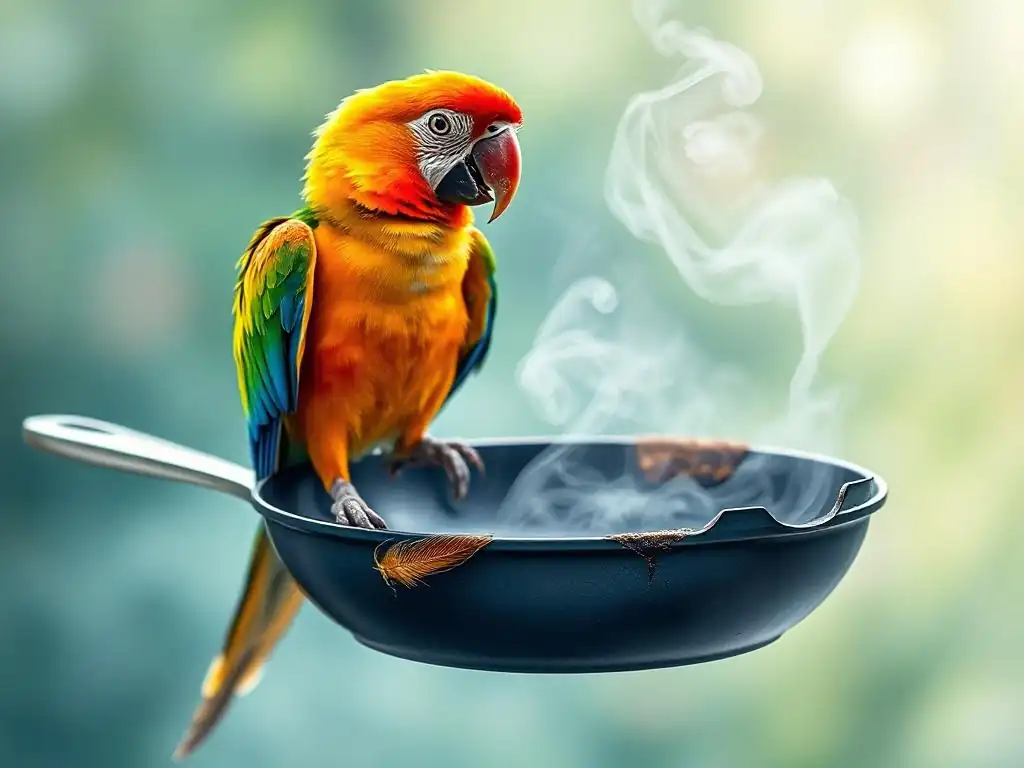
Non-stick cookware, while convenient for humans, presents a significant danger to birds. The non-stick coating, typically polytetrafluoroethylene (PTFE), or more commonly known as Teflon, releases toxic fumes when overheated. These fumes, even in small amounts, can be lethal to birds, causing severe respiratory distress, hemorrhaging, and even death. Understanding the risks and implementing preventative measures is crucial for responsible bird ownership.
The severity of the poisoning is directly correlated to the bird's exposure to the fumes and the concentration of the toxins. Smaller birds, due to their higher metabolic rate and smaller respiratory systems, are particularly vulnerable. This section will delve into practical strategies to mitigate this risk, ensuring the safety and well-being of your feathered companions.
Safe Cooking Practices to Protect Your Feathered Friends
Preventing exposure to toxic fumes from non-stick cookware requires careful attention to cooking practices. Never overheat your non-stick pans. Maintain a moderate cooking temperature and avoid leaving unattended pans on high heat. Even seemingly minor overheating can release harmful fumes. A well-ventilated kitchen is essential. Using exhaust fans during cooking significantly reduces the concentration of airborne toxins.
If you notice any unusual smell emanating from your cookware, immediately remove it from the heat source and ventilate the area thoroughly. Consider investing in a good quality kitchen thermometer to monitor cooking temperatures precisely. This ensures you avoid exceeding the safe operating temperature of your non-stick cookware. Remember, prevention is key; a single incident of overheating can have devastating consequences for your bird. Regularly inspect your non-stick cookware for any signs of damage, such as scratching or chipping, as these imperfections can increase the risk of toxic fume release.
Choosing Bird-Safe Cookware Alternatives
Replacing non-stick cookware with bird-safe alternatives is a proactive step towards eliminating this potential hazard. Several materials pose no threat to your birds. Cast iron cookware, for instance, is durable, heats evenly, and requires minimal maintenance. Stainless steel is another excellent option; it’s also easy to clean and long-lasting.
Ceramic cookware, while often marketed as non-stick, is generally considered safer than PTFE-coated pans, provided it is not damaged. Always check the manufacturer's specifications to confirm the absence of PTFE or other potentially toxic coatings. When choosing replacements, prioritize cookware made from materials known for their durability and longevity, minimizing the risk of chipping or scratching that can release harmful particles. Remember, even if you choose a “non-stick” ceramic pan, it is still crucial to avoid overheating it to prevent the release of any potentially harmful compounds.
Creating a Safe Kitchen Environment for Birds
Beyond cookware selection and cooking practices, creating a bird-safe kitchen environment is paramount. Keep your bird's cage well away from the stove and cooking area. The further the distance, the lower the risk of exposure to potentially harmful fumes.
If your bird is in a room adjacent to the kitchen, ensure adequate ventilation between the two spaces. Consider installing additional ventilation systems, such as air purifiers with HEPA filters, to further reduce the risk of airborne toxins reaching your bird. Regularly clean your kitchen to minimize the presence of any lingering fumes or particles.
A clean and well-ventilated kitchen significantly reduces the overall risk to your bird’s health. Remember, a safe kitchen environment is a crucial component of responsible bird ownership, minimizing many potential hazards, not just those related to nonstick cookware. A proactive approach, encompassing all aspects of kitchen safety, is the best way to ensure the long-term health and happiness of your feathered friend.
What to Do if Your Bird is Exposed to Non-Stick Cookware Fumes
Exposure to fumes from overheated non-stick cookware can be incredibly dangerous for birds. The toxic fumes contain polytetrafluoroethylene (PTFE), commonly known as Teflon, which can cause severe respiratory distress, and even death, in birds. The symptoms can manifest quickly, so swift action is crucial. Knowing what to do in this emergency situation can significantly improve your bird's chances of survival. Remember, prevention is key, but being prepared for the worst-case scenario is equally important.
Emergency Actions for Nonstick Cookware Bird Poisoning
If you suspect your bird has been exposed to non-stick cookware fumes, immediately move your feathered friend to a well-ventilated area. Open windows and doors to maximize airflow. This is the first and most critical step. Fresh air is essential to help alleviate the effects of the toxic fumes. The symptoms can range from mild respiratory distress (coughing, labored breathing) to severe symptoms like tremors, seizures, and sudden death.
Observe your bird carefully. Note any unusual behavior, changes in breathing patterns, or other symptoms. Write down the time of exposure and any symptoms you observe. This information will be crucial for your veterinarian. Do not attempt to induce vomiting or administer any home remedies without consulting a veterinarian. This could potentially worsen the situation.
The speed of your response is paramount. Every second counts in a situation like this. Don’t hesitate; act immediately. Remember, even seemingly minor symptoms could be indicative of a serious problem. Early intervention is key to increasing the chances of a positive outcome. Delaying treatment can lead to irreversible damage or even death.
Seeking Veterinary Care for Birds Exposed to Teflon
Following immediate first aid, contacting an avian veterinarian is absolutely critical. Explain the situation clearly and concisely, providing details about the suspected exposure, the time of exposure, and any symptoms your bird is exhibiting. Avian veterinarians are uniquely qualified to treat birds and understand the specific dangers posed by PTFE exposure. They possess the expertise to diagnose the severity of the poisoning and administer appropriate treatment.
Be prepared to answer questions about your bird’s species, age, and overall health history. The more information you can provide, the better equipped the veterinarian will be to offer effective care. This includes the type of non-stick cookware involved (if known), and whether the cookware was visibly damaged or overheated. Remember to bring your detailed notes about the symptoms and timeline of events.
Treatment may involve oxygen therapy, supportive care to manage symptoms, and potentially other medications to help mitigate the effects of the toxins. The prognosis depends on several factors, including the severity of the exposure, the bird's overall health, and the timeliness of veterinary intervention. The sooner you seek professional help, the better the chances of a full recovery. Don't delay; your bird's life depends on it. Early and decisive action is the best way to combat the dangers of nonstick cookware poisoning in birds.
Myth vs Reality: Common Misconceptions about Non-Stick Cookware and Birds
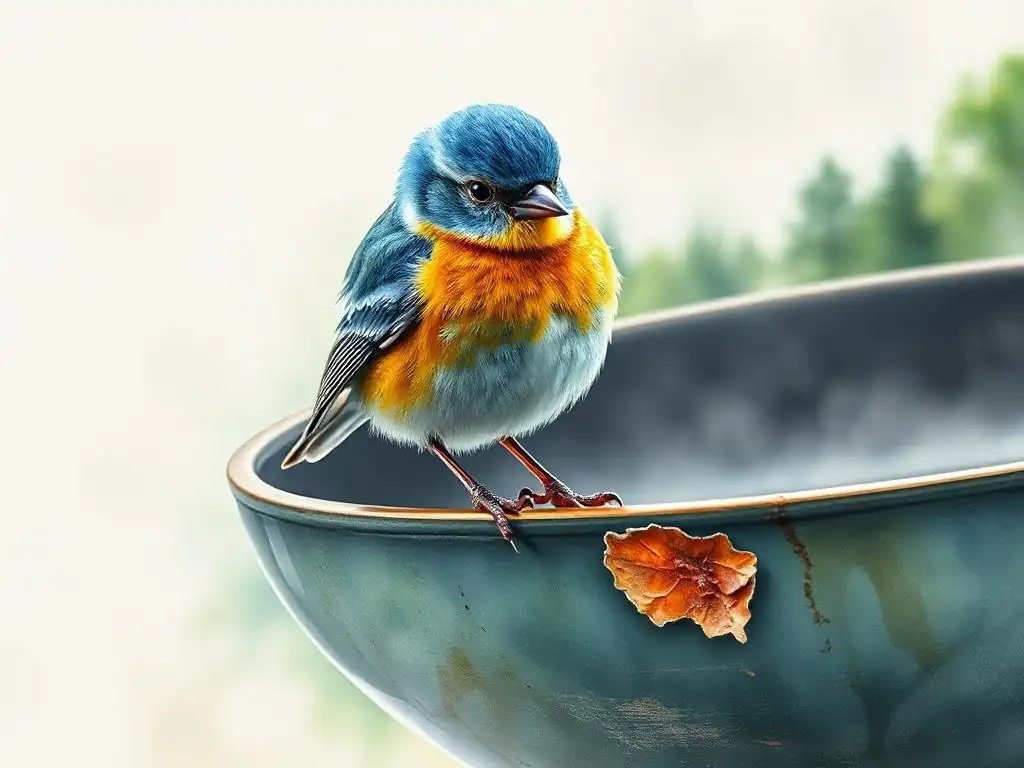
Many pet owners, especially those new to bird ownership, harbor misconceptions about the dangers of non-stick cookware. These misunderstandings often stem from a lack of awareness regarding the specific toxicity of certain chemicals used in the manufacturing process, and the crucial role of temperature in releasing these toxins. This section aims to clarify these misconceptions and present the reality of the risks involved.
Debunking Common Myths about Teflon Safety for Birds
One common myth is that as long as the non-stick cookware isn't visibly damaged, it's safe. This is false. The danger doesn't always manifest as obvious scratches or peeling. Microscopic particles of the coating can become airborne even from a seemingly pristine pan, especially when heated to high temperatures.
These particles, containing potentially toxic chemicals like polytetrafluoroethylene (PTFE), commonly known as Teflon™, can be inhaled by birds, leading to severe health consequences. Another misconception is that only birds in close proximity to the cooking process are at risk. The truth is that even if your bird's cage is in another room, airborne particles can still travel and pose a threat. The toxicity isn't limited to direct contact; inhalation is the primary concern.
Finally, some believe that only older, worn-out non-stick pans are dangerous. While damaged pans present a significantly higher risk, even new pans can release harmful fumes when overheated. It's crucial to understand that the risk exists regardless of the pan's age or apparent condition. The key is prevention, not just mitigation of obvious damage.
The Reality of the Dangers of Overheated Non-Stick Pans for Birds
Overheating non-stick cookware is the most significant risk factor. When PTFE-coated pans reach extremely high temperatures, they can release toxic fumes. These fumes contain volatile organic compounds (VOCs) that are incredibly harmful to birds' respiratory systems. Symptoms of PTFE toxicity in birds can include:
- Sudden death: This is the most severe outcome, often occurring without any prior warning signs.
- Respiratory distress: Birds may exhibit labored breathing, gasping for air, and wheezing.
- Lethargy and weakness: Your bird might appear unusually tired and inactive.
- Tremors and seizures: Severe cases can lead to neurological symptoms.
- Gastrointestinal upset: Some birds might experience vomiting or diarrhea.
The severity of the symptoms depends on several factors, including the duration of exposure, the concentration of the toxins, and the bird's individual health status. There is no reliable antidote for PTFE toxicity in birds; treatment focuses on supportive care to alleviate symptoms and improve the bird's chances of survival. Prevention is paramount. The best way to protect your feathered friend is to avoid using non-stick cookware altogether, or at the very least, using it with extreme caution and ensuring adequate ventilation.
Consider switching to stainless steel, cast iron, or ceramic cookware as safer alternatives. Remember, the risk of "Nonstick cookware bird danger" is real and preventable. Prioritize your bird's health and safety by making informed choices about your kitchenware. 🐦
Long-Term Effects of Non-Stick Cookware Exposure on Birds
Exposure to the fumes produced when nonstick cookware (often containing polytetrafluoroethylene, or PTFE, commonly known as Teflon) is overheated can have serious, long-term consequences for birds. While a single incident might not cause immediate death, repeated or prolonged exposure to even low levels of these fumes can lead to a gradual decline in health and ultimately, premature death. The insidious nature of this toxicity makes it crucial for bird owners to understand the risks and take preventative measures.
This is especially important because birds, with their high metabolic rates and sensitive respiratory systems, are far more vulnerable than mammals. The cumulative effect of low-level exposure is a significant concern often overlooked in discussions of nonstick cookware bird danger.
Chronic Health Problems Linked to Teflon Exposure in Birds
Chronic health problems stemming from Teflon exposure in birds are often subtle and insidious, making diagnosis difficult. Symptoms can manifest slowly, mimicking other illnesses, delaying proper treatment and leading to irreversible damage. Common long-term effects include:
- Respiratory Issues: Persistent coughing, labored breathing, and decreased respiratory function are frequent indicators. These problems can range from mild irritation to severe, life-threatening conditions like avian influenza. The severity often correlates directly with the frequency and duration of exposure to Teflon fumes.
- Liver and Kidney Damage: PTFE and its byproducts are known to be hepatotoxic (toxic to the liver) and nephrotoxic (toxic to the kidneys). Prolonged exposure can lead to chronic liver and kidney disease, resulting in organ failure. Early detection is crucial for effective treatment, but the subtle nature of these effects often makes early diagnosis difficult. [Specific data on the prevalence of liver and kidney damage in birds due to Teflon exposure pending].
- Immune System Suppression: Studies suggest that exposure to Teflon fumes can weaken a bird's immune system, making them more susceptible to infections and diseases. This increased vulnerability can significantly impact their overall health and lifespan. A weakened immune system can also lead to a slower recovery from injuries or illnesses.
- Reproductive Problems: Teflon toxicity can also impact reproductive health in birds, potentially leading to decreased fertility, egg abnormalities, and reduced hatching rates. This is a significant concern for breeders and owners hoping to maintain healthy breeding populations. [Further research is needed to fully quantify the impact on avian reproductive systems].
- Neurological Symptoms: In severe cases, Teflon exposure has been linked to neurological symptoms in birds, including tremors, seizures, and behavioral changes. These effects highlight the potential for severe and irreversible damage to the nervous system.
The cumulative effect of these chronic health problems can dramatically shorten a bird's lifespan and significantly diminish their quality of life. Therefore, eliminating the risk of Teflon exposure through careful cookware selection and cooking practices is paramount for responsible bird ownership. Understanding the long-term consequences of nonstick cookware bird danger is crucial for preventative care. Prevention is far more effective, and less costly, than treatment.
Frequently Asked Questions
What makes nonstick cookware dangerous for birds?
The Teflon coating on nonstick cookware releases toxic fumes when overheated. These fumes, containing polytetrafluoroethylene (PTFE), are extremely dangerous and can be fatal to birds.
How can I tell if my bird has been exposed to Teflon fumes?
Symptoms of Teflon toxicity include respiratory distress, lethargy, and swollen face. Seek immediate veterinary attention if you suspect exposure.
At what temperature does nonstick cookware become dangerous?
While the exact temperature varies, excessive heat is the key factor. Even temperatures slightly above normal cooking can release harmful fumes. Avoid overheating at all costs.
Are all nonstick pans equally dangerous?
While all nonstick pans contain PTFE, some are more prone to releasing fumes than others due to manufacturing differences and age. Older, scratched pans pose a greater risk.
What are safer alternatives to nonstick cookware for bird owners?
Consider using stainless steel, cast iron, or ceramic cookware. These materials don't release toxic fumes when heated and are much safer for your feathered friends.
Final Reflection: The Enduring Legacy of Teflon's Shadow
The pervasive use of non-stick cookware continues to pose a significant threat to avian populations, a silent crisis unfolding in our backyards and beyond. The seemingly innocuous convenience of Teflon hides a darker truth: its harmful impact on birds, often overlooked amidst our daily routines, demands immediate attention and a shift in our consumer habits.
The insidious nature of this problem lies in its subtle yet widespread effects. We often fail to connect the seemingly isolated incidents of bird deaths to the larger picture of environmental contamination caused by discarded or improperly disposed-of non-stick cookware. The Earth provides enough to satisfy every man's needs but not every man's greed.
- Mahatma Gandhi. This quote resonates deeply, highlighting how our pursuit of convenience can inadvertently harm the delicate balance of our ecosystem. The ongoing production and consumption of Teflon, despite the known dangers, underscores the urgent need for greater awareness and responsible choices.
Consider the birdsong you hear each morning, the vibrant colors of the feathered creatures that grace our parks and gardens. These are not just fleeting moments of beauty; they are vital indicators of a healthy environment. You have the power to make a difference.
By choosing safer alternatives to non-stick cookware, by advocating for responsible manufacturing practices, and by educating others about the dangers of Teflon, you can help protect these magnificent creatures and contribute to a healthier planet for generations to come. Let's break free from the Teflon trap and build a future where both humans and birds can thrive.
Unleash Your Bird's Best Life: Ditch the Teflon!
Thank you for learning about the dangers of Teflon to your feathered friends. You've gained valuable insights into protecting their health and well-being. Now, let's take action!
- Immediately assess your cookware: Check your pots and pans for Teflon coatings. If you find any, replace them with safer alternatives like stainless steel or ceramic. This is the most impactful step you can take today to protect your bird.
- Share this vital information: Spread the word among fellow bird lovers. Building a community committed to bird safety will help protect more birds from the dangers of toxic fumes.
- Explore safer cooking options: Research non-toxic cookware materials, such as stainless steel, cast iron, or ceramic, to ensure you're always providing a healthy environment for your pet.
What small change will you make today to create a healthier home for your beloved bird?