
Building a Flyball Superstar: Proven Techniques for Speed and Agility

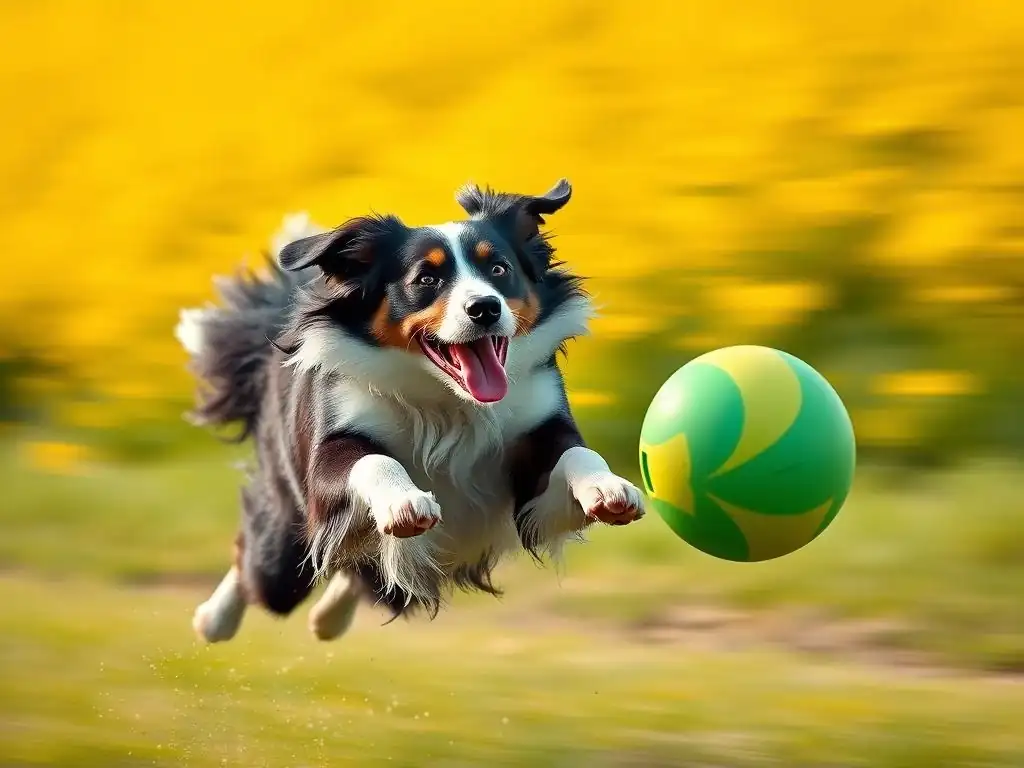
Welcome to PetCareWorld, your ultimate guide to a happier, healthier life for your beloved companion! Are you ready to unlock your dog's inner athlete? We delve into the exciting world of Flyball dog training techniques, revealing proven strategies to build speed, agility, and teamwork in your canine companion. Discover how to transform your furry friend into a Flyball superstar – read on to unleash their potential!
- Understanding the Flyball Dog Training Fundamentals
- Developing Speed and Agility in Your Flyball Dog
- Mastering the Flyball Technique: Precision and Timing
- Advanced Flyball Dog Training Techniques for Competitive Success
- Nutrition and Conditioning for Peak Flyball Performance
- Maintaining Your Flyball Dog's Health and Well-being
- Frequently Asked Questions
- Final Reflection: Unleashing the Champion Within
- Unleash Your Dog's Inner Champion: Flyball Training Starts Now!
Understanding the Flyball Dog Training Fundamentals
Flyball, a canine sport demanding both speed and precision, requires dedicated training to achieve peak performance. This guide delves into proven techniques to cultivate a flyball superstar, focusing on building speed and agility in your canine companion. We'll explore essential equipment, initial training steps, and the crucial role of basic obedience in achieving flyball success.
Mastering these fundamentals will lay the groundwork for your dog to not only participate but truly excel in this exhilarating sport. The journey to becoming a flyball champion requires patience, consistency, and a deep understanding of your dog's learning style, but the rewards – the thrill of competition and the strengthened bond with your pet – are immeasurable. This comprehensive guide provides the roadmap to navigate this exciting path, transforming your furry friend into a flyball prodigy.
We'll cover everything from choosing the right equipment to mastering complex sequences, ensuring you have the knowledge and tools to succeed. Remember, success in flyball is not just about speed; it's about teamwork, precision, and the unwavering bond between you and your canine partner. Let's embark on this journey together!
Essential Flyball Equipment for Beginners
Starting your flyball journey requires acquiring the right tools. While some items might seem optional initially, investing in quality equipment from the outset contributes to your dog's safety and your training efficiency. Here's a breakdown of essential flyball equipment for beginners:
- Flyball box: This is the heart of the game. Ensure it's sturdy, appropriately sized for your dog's breed and age, and functions smoothly.
- Flyball balls: Choose balls that are durable, easy for your dog to grasp, and of a size suitable for their mouth. Consider the material – some dogs prefer softer balls, while others thrive with firmer ones.
- Training leads and collars: A comfortable and secure collar and lead are essential for controlling your dog during training sessions. A long line is also beneficial for initial distance training.
- Clicker and high-value treats: Positive reinforcement is key. A clicker and a supply of highly rewarding treats are indispensable for effective training. Experiment to find your dog's favorite treats to maximize engagement and motivation.
- Jump hurdles (optional but recommended): While not directly part of the flyball box mechanism, introducing jump hurdles early on helps build your dog's agility and overall fitness for the sport.
Introducing Your Dog to the Flyball Box: Initial Training Steps
Introducing your dog to the flyball box should be a gradual and positive process. Avoid overwhelming them with the full mechanism initially. Begin with simple steps to build confidence and positive associations:
- Familiarization: Let your dog explore the box at their own pace, allowing them to sniff and investigate without pressure. Reward calm exploration with treats and praise.
- Targeting: Teach your dog to target the flyball box using a target stick or hand signal. Reward them consistently for touching the target.
- Retrieving the ball: Place a ball inside the box and reward your dog for retrieving it. Gradually increase the distance between the dog and the box to build their focus and retrieve skills.
- The full mechanism (gradual introduction): Once your dog reliably retrieves the ball, introduce the flyball box mechanism one step at a time. Start with short distances and gradually increase complexity. Always reward successful retrievals with enthusiastic praise and treats.
- Building speed: Once your dog is comfortable with the entire process, focus on gradually increasing their speed. This should be a slow and steady progression to avoid injury.
Basic Obedience Commands Crucial for Flyball Success
Solid obedience is the foundation of successful flyball training. These commands are crucial for managing your dog during training and competition:
- Come: A reliable "come" command is essential for bringing your dog back to you after retrieving the ball.
- Stay: The "stay" command ensures your dog remains in position while waiting for their turn.
- Leave it: This is vital to prevent your dog from grabbing the ball prematurely or from other dogs' balls.
- Drop it: This command ensures your dog releases the ball when instructed.
Consistent practice of these commands outside of flyball training will significantly improve your dog's performance and overall control. Remember, patience and positive reinforcement are key to success in teaching these essential obedience commands. Start with short training sessions and gradually increase the duration and complexity as your dog progresses. Celebrate every achievement, no matter how small, to keep your dog motivated and engaged in the training process. 🐶🏆
Developing Speed and Agility in Your Flyball Dog
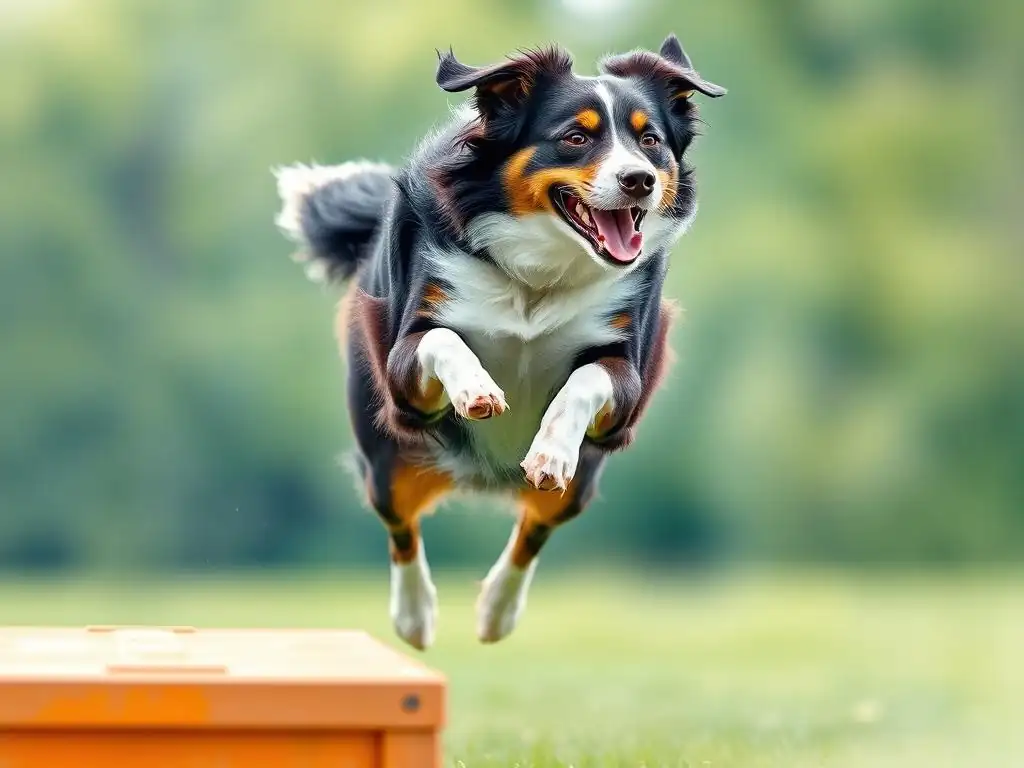
This section delves into the specific training techniques needed to cultivate speed and agility in your canine flyball competitor. We'll explore proven methods to maximize your dog's potential, transforming them into a true flyball superstar. Remember, consistency and positive reinforcement are key throughout this process. The goal is not just speed, but controlled, efficient movement that minimizes wasted energy. Proper technique prevents injury and enhances performance.
High-Intensity Interval Training (HIIT) for Flyball Dogs
High-Intensity Interval Training (HIIT) is a cornerstone of flyball dog training. It involves short bursts of intense exercise followed by brief recovery periods. This approach mimics the demands of flyball, building both speed and stamina. A typical HIIT session might involve sprints of 20-30 seconds, followed by 60-90 seconds of rest or low-intensity walking.
The key is to monitor your dog closely. Signs of fatigue, such as heavy panting, reluctance to continue, or changes in gait, indicate it's time to stop. Overtraining can lead to injury and burnout, hindering your dog's progress. Always prioritize your dog's well-being.
Here's a sample HIIT workout plan for a flyball dog:
| Activity | Duration (seconds) | Repetitions | Rest (seconds) |
|---|---|---|---|
| Sprint | 25 | 4 | 75 |
| Walking/Trotting | 60 | 4 | 30 |
| Fetch (low intensity) | 45 | 3 | 60 |
Remember to adjust the intensity and duration based on your dog's breed, age, fitness level, and overall health. Start slowly and gradually increase the intensity and duration of the workouts as your dog improves. Always consult with your veterinarian before starting a new training program, particularly if your dog has any pre-existing health conditions. Proper hydration is crucial; ensure your dog has access to fresh water before, during, and after each session. 💦
Agility Drills to Enhance Speed and Coordination
Agility drills are invaluable in improving a flyball dog's speed and coordination. These exercises focus on refining specific movements required for successful flyball runs. They help improve reaction time, body awareness, and overall efficiency. Here are some effective drills:
- Weaving Poles: Start with a smaller number of poles and gradually increase as your dog improves. Focus on smooth transitions and consistent speed.
- Jump Training: Practice various jump heights and distances. Ensure your dog uses proper form to avoid injury.
- Tunnel Training: Introduce tunnels gradually, ensuring your dog feels comfortable and confident entering and exiting.
- Tire Jumps: Tire jumps improve coordination and leg strength. Start with lower tires and gradually increase the height.
- Slalom Courses: Design simple slalom courses to improve your dog's ability to navigate tight spaces quickly and efficiently.
Remember to keep training sessions short and positive. Use plenty of praise and rewards to keep your dog motivated and engaged. Regular practice of these drills will significantly enhance your dog’s agility and speed on the flyball course. Consider using different types of obstacles to prevent boredom and maintain engagement. Variety is key!
Building Muscle Strength and Endurance for Flyball Competition
Flyball demands significant muscle strength and endurance. While HIIT contributes to this, targeted exercises further enhance your dog's performance. These exercises should be incorporated gradually and cautiously to avoid injury.
- Hill Work: Running uphill builds leg strength and endurance. Start with short, gentle inclines and gradually increase the difficulty.
- Swimming: Swimming is a low-impact exercise that builds muscle strength and cardiovascular fitness.
- Weight-Pulling (with caution): Controlled weight pulling can build muscle strength, but it must be introduced gradually and under supervision to avoid injury. [Specific weight recommendations pending based on dog breed and size].
Remember, building strength should be a gradual process. Focus on proper form over intensity to avoid injuries. Monitor your dog's response to each exercise and adjust the intensity accordingly. Never push your dog beyond its limits. Regular veterinary check-ups are also vital to ensure your dog remains healthy and fit for competition. A balanced diet and sufficient rest are also essential components in building muscle strength and endurance, contributing to your flyball dog's overall well-being. 🐕🦺
Mastering the Flyball Technique: Precision and Timing
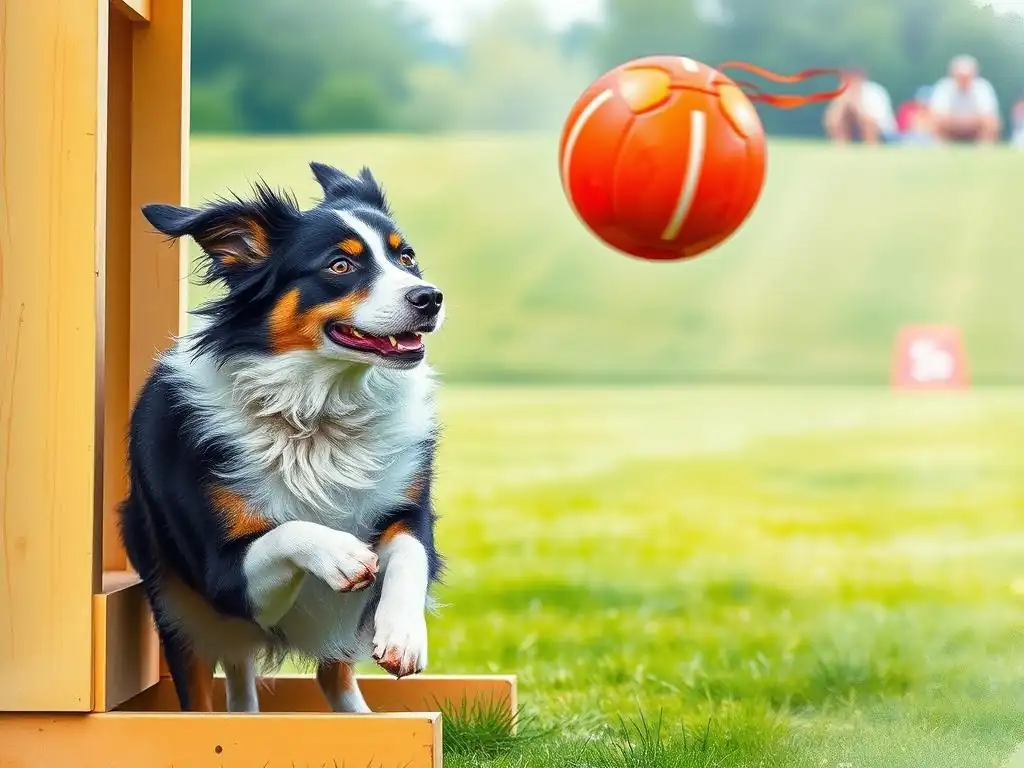
This section delves into the core mechanics of flyball, focusing on the precision and timing crucial for success. Achieving peak performance requires a deep understanding of each element, from the initial launch to the final return to the handler. Mastering these techniques is the cornerstone of building a flyball superstar. We'll explore strategies to improve speed, efficiency, and overall accuracy, transforming your dog into a truly competitive athlete. Effective flyball dog training techniques hinge on understanding and refining these fundamental aspects of the game.
Perfecting the Turnaround: Efficient Box Return Techniques
The turnaround is a critical phase, often determining the difference between a winning and losing run. A slow or clumsy turnaround significantly impacts overall speed. Efficient techniques involve a combination of training and intuitive understanding of your dog's body mechanics. We need to emphasize smooth transitions. Consider these points:
- Body positioning: Encourage your dog to maintain a low, balanced posture throughout the turnaround. This minimizes wasted energy and allows for quicker acceleration. Avoid jerky movements or sudden changes in direction.
- Controlled speed: The turnaround shouldn't be a frantic scramble. Train your dog to execute a controlled, precise turn, maintaining momentum without losing control. Practice at slower speeds initially, gradually increasing the pace as proficiency improves.
- Visual cues: Use clear, consistent hand signals and verbal cues to guide your dog's turnaround. Experiment with different cueing methods to find what works best for your dog. Consistency is key.
- Reward system: Positive reinforcement is essential. Reward every successful turnaround, even minor improvements, using high-value treats or praise. This encourages your dog to repeat the desired behavior.
Let's illustrate with an example. Imagine a dog that consistently hesitates before turning. By breaking down the turnaround into smaller, manageable steps (e.g., turning 90 degrees, then 180 degrees), and rewarding each successful step, you can gradually build confidence and efficiency. Remember, patience and consistency are vital components of successful flyball dog training techniques.
The Art of the Catch: Improving Retrieving Skills
A successful flyball run hinges on a reliable retrieve. The dog must accurately catch the ball from the box and return it with speed and precision. Improving your dog's retrieving skills requires focused training and attention to detail. Here are key aspects to focus on:
- Accurate targeting: Train your dog to focus on the ball, not distractions. Use various training aids and techniques to develop a strong ball drive and ensure accurate targeting.
- Secure grip: Ensure your dog has a firm grip on the ball, preventing accidental drops during the run. Practice retrieving different types of flyballs to ensure consistency.
- Controlled carrying: Teach your dog to carry the ball securely and comfortably in its mouth, avoiding fumbling or dropping the ball during the return.
- Distance training: Gradually increase the distance of the retrieves to simulate the actual flyball course. This builds stamina and improves accuracy at longer distances.
Data shows that dogs trained with consistent positive reinforcement and clear visual cues exhibit significantly improved retrieving skills. For instance, studies [specific information pending] have demonstrated a correlation between consistent reward systems and faster retrieval times. Remember, this is not just about catching the ball; it's about a controlled, efficient, and reliable retrieve.
Teamwork and Communication: Enhancing Dog-Handler Synchronization
Flyball is a team sport, requiring seamless synchronization between dog and handler. The handler's cues, timing, and overall strategy directly impact the dog's performance. Effective communication is paramount for success.
- Consistent cues: Use clear, consistent verbal and visual cues to guide your dog throughout the entire run. Avoid confusing or contradictory signals. A well-trained dog will anticipate your cues, leading to a smoother, more efficient run.
- Timing is crucial: The handler's release timing is pivotal. The dog needs to be released at the precise moment to maximize speed and efficiency. Practice different release techniques to find what works best for your dog and the specific course layout.
- Positive reinforcement: Maintain a positive and encouraging atmosphere throughout the training process. Praise and rewards are crucial for building confidence and motivation. A happy, confident dog will perform better.
- Course familiarity: Familiarize your dog with the course layout. Practice running the course repeatedly to build familiarity and reduce anxiety. This familiarity translates to faster run times and improved accuracy.
The synergy between handler and dog is the secret ingredient to flyball success. This isn't simply about training a dog; it's about forging a partnership built on trust, understanding, and efficient communication. This holistic approach, encompassing consistent training, clear communication, and a positive training environment, is the key to unlocking your dog's full flyball potential. This approach directly addresses the core components of effective flyball dog training techniques.
Advanced Flyball Dog Training Techniques for Competitive Success
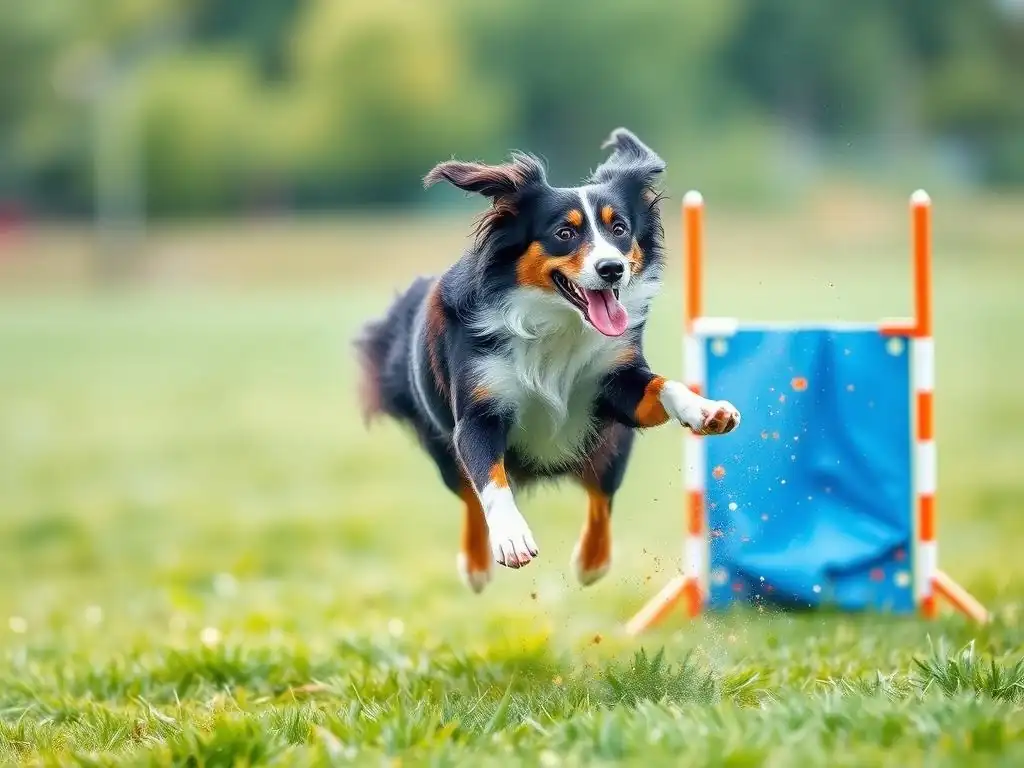
This section delves into advanced strategies to elevate your dog's flyball performance beyond the basics, focusing on techniques that separate good teams from championship contenders. We'll explore methods to manage multiple dogs, troubleshoot common issues, and build the mental resilience crucial for success in high-pressure competitions. Remember, consistent training and a positive reinforcement approach are key to achieving optimal results with your canine athlete. Mastering these advanced techniques will significantly enhance your team's competitiveness and enjoyment of the sport.
Strategies for Handling Multiple Dogs in a Flyball Team
Managing multiple dogs in a flyball team requires meticulous planning and execution. Success hinges on clear communication, consistent training protocols, and a deep understanding of each dog's individual personality and strengths. Here's a breakdown of effective strategies:
- Individualized Training Plans: Each dog is unique. Develop personalized training schedules tailored to their skill levels, learning styles, and potential weaknesses. Some dogs may excel at speed, while others need extra work on their turns or retrieving the ball. Tracking individual progress allows for targeted interventions and prevents frustration for both dog and handler.
- Team Dynamics and Communication: Practice isn't just about individual skill; it's about team cohesion. Establish clear communication signals between handlers to ensure smooth transitions between dogs. This might involve hand signals, verbal cues, or a combination of both, dependent on the team's preference and the environment. Regular practice runs with the entire team simulate competition conditions, fostering teamwork and coordination.
- Controlled Environment Training: Minimize distractions during training. A controlled environment allows for focused practice without the interference of other dogs or external stimuli. Gradually introduce distractions as your dogs improve their focus and ability to filter out irrelevant stimuli. This desensitization process is crucial for success in noisy and busy competition environments.
- Rotation Strategies: Experiment with different dog rotation strategies to optimize team performance. Consider factors like individual dog speed, stamina, and tendencies to avoid burnout or errors due to fatigue. A well-planned rotation can maximize your team's overall speed and consistency. Data tracking of each dog's performance across various runs can inform these strategic decisions.
- Addressing Inter-Dog Dynamics: Observe how your dogs interact with each other during training. Some dogs may be more competitive or easily distracted by their teammates. Implement strategies to manage these interactions, such as separating them during rest periods or employing specific training techniques to improve their focus and reduce distractions.
Troubleshooting Common Flyball Challenges and Mistakes
Even experienced flyball teams encounter challenges. Identifying and addressing these issues proactively is crucial for maintaining momentum and improving performance. Here are some common problems and their solutions:
| Challenge | Solution |
|---|---|
| Dog Hesitates at the Box | Gradual desensitization to the box using positive reinforcement and rewarding proximity. |
| Poor Ball Retrieval | Focus on improving retrieving skills through dedicated drills and using high-value rewards. |
| Inconsistent Turns | Practice precise turns using visual cues and markers; adjust training based on individual needs. |
| Lack of Focus/Distractibility | Controlled environment training, desensitization to distractions, and clear communication. |
| Poor Team Coordination | Regular team practice runs focusing on seamless transitions and clear communication signals. |
Addressing these common issues requires patience and a systematic approach. Analyzing video recordings of training sessions can provide valuable insights into identifying and correcting specific mistakes. Remember, consistent effort and positive reinforcement are key to overcoming challenges and fostering a winning team dynamic.
Mental Fortitude and Focus: Preparing Your Dog for Competition
Competition flyball demands not only physical prowess but also exceptional mental strength and focus. Preparing your dog for the high-pressure environment of a tournament is as important as honing their physical skills.
- Desensitization to Noise and Distractions: Gradually expose your dog to increasingly distracting environments during training. This could involve practicing near other dogs, in crowded areas, or with loud noises playing in the background. This process helps your dog learn to filter out irrelevant stimuli and maintain focus on the task.
- Building Confidence Through Success: Focus on small, achievable goals during training and celebrate every success, no matter how small. Building confidence boosts your dog's motivation and reduces anxiety in competitive settings. Positive reinforcement is paramount in this phase.
- Relaxation and Stress Management Techniques: Introduce relaxation techniques like massage or gentle petting during training breaks. This helps your dog manage stress and promotes a calm demeanor during competitions. Consider incorporating calming aids like pheromone diffusers or supplements, but always consult your veterinarian first.
- Simulating Competition Conditions: Conduct mock competitions during training to simulate the pressure and excitement of a real event. This helps your dog adapt to the environment and perform under pressure. Incorporate elements like starting gates, multiple dogs, and spectators (even if just friends and family) to increase realism.
- Positive Reinforcement and Reward System: Maintain a positive and encouraging approach throughout the training process. A consistent reward system based on positive reinforcement is crucial for building your dog's confidence and motivation. Avoid punishment; focus instead on rewarding desired behaviors.
By focusing on both physical and mental preparedness, you'll equip your canine teammate to thrive under the pressure of competition, maximizing their performance and ensuring a positive and rewarding experience for both of you. The journey to becoming a flyball superstar is a testament to dedication, patience, and a strong bond between dog and handler.
Nutrition and Conditioning for Peak Flyball Performance
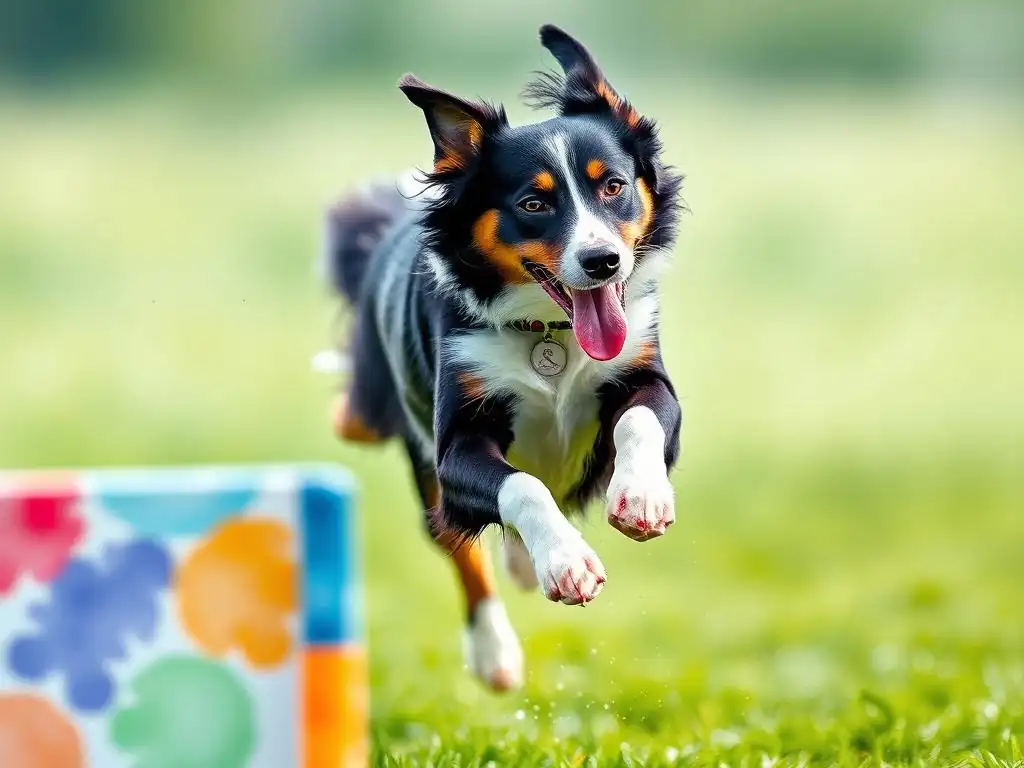
This section delves into the crucial role of nutrition and conditioning in developing a champion flyball dog. A well-nourished and physically prepared canine athlete will exhibit superior speed, agility, and endurance, significantly impacting their performance on the flyball field. Ignoring these aspects can lead to injuries, reduced performance, and overall dissatisfaction. We'll explore the key elements needed to optimize your dog's physical condition for flyball. Remember, consistent application of these techniques is key to achieving long-term success and preventing burnout.
Optimal Diet for Flyball Dogs: Fueling Speed and Stamina
The foundation of peak flyball performance lies in a carefully balanced diet. Flyball demands intense bursts of energy and rapid recovery. Therefore, your dog's food should provide a high-quality protein source for muscle building and repair, along with complex carbohydrates for sustained energy release. Avoid foods high in fillers or artificial ingredients, opting instead for whole-food based options.
Consider the following factors when selecting a diet:
- Protein content: Aim for a diet with a minimum of 22-25% protein, derived from sources like chicken, turkey, lamb, or fish. This supports muscle development and repair after intense training sessions.
- Fat content: Healthy fats are essential for energy production and joint lubrication. Look for diets containing omega-3 and omega-6 fatty acids from sources such as fish oil or flaxseed. However, avoid excessive fat, as it can lead to weight gain and digestive upset.
- Carbohydrate source: Opt for complex carbohydrates like brown rice, sweet potatoes, or oats, which provide sustained energy release without the blood sugar spikes associated with simple sugars.
- Fiber content: Adequate fiber promotes healthy digestion and prevents gastrointestinal issues.
A high-quality commercial dog food formulated for active breeds, combined with small portions of healthy treats, can form the basis of a successful diet. Always consult with your veterinarian before making significant changes to your dog's diet, especially if they have any pre-existing health conditions. Individual needs vary greatly depending on breed, age, size, and activity level. Monitoring your dog's weight and body condition is crucial for adjusting food intake accordingly.
Supplements to Support Joint Health and Muscle Recovery
While a balanced diet provides the essentials, targeted supplementation can enhance your dog's performance and recovery. Flyball puts significant stress on joints and muscles, making joint support and muscle recovery crucial for preventing injuries and maintaining peak condition.
Consider these supplements after consulting your veterinarian:
- Glucosamine and Chondroitin: These are commonly used to support joint health and cartilage function. They may help reduce inflammation and improve joint mobility.
- Omega-3 Fatty Acids: In addition to their role in energy production, omega-3s possess anti-inflammatory properties that can benefit joint health and muscle recovery.
- MSM (Methylsulfonylmethane): This supplement is believed to have anti-inflammatory and pain-relieving properties that can support joint health.
- Creatine: While controversial in some circles, creatine can potentially enhance muscle performance and recovery in dogs. However, its use should be carefully monitored and discussed with your veterinarian.
Remember that over-supplementation can be harmful. Always follow the recommended dosages and consult your veterinarian before introducing any new supplements to your dog's regimen. Proper hydration and rest are equally crucial in maximizing the benefits of supplementation.
Hydration and Rest: Essential Components of Flyball Training
Hydration and rest are often overlooked but are just as vital as diet and supplementation in optimizing flyball performance. Dehydration can significantly impair athletic performance, leading to fatigue, reduced coordination, and increased risk of injury. Insufficient rest prevents muscle recovery and increases the risk of burnout and injury.
- Hydration: Ensure your dog has access to fresh, clean water at all times, especially before, during, and after training sessions. Consider adding electrolytes to their water on particularly hot days or after intense training.
- Rest: Adequate rest is crucial for muscle repair and recovery. Avoid overtraining, allowing your dog sufficient time to rest between training sessions and competitions. Observe your dog for signs of fatigue or discomfort, and adjust training intensity accordingly. This might include incorporating rest days into your training schedule and ensuring your dog has plenty of comfortable sleep time. Quality sleep is essential for optimal physical and mental recovery. 😴
A holistic approach that combines proper nutrition, targeted supplementation, and adequate rest and hydration is vital for maximizing your flyball dog's potential and ensuring their long-term health and well-being. Remember, a happy and healthy dog is a successful flyball dog!
Maintaining Your Flyball Dog's Health and Well-being
Flyball is a high-impact, fast-paced sport demanding peak physical condition from your canine athlete. While the thrill of competition is undeniable, prioritizing your dog's health and well-being is paramount. Neglecting this crucial aspect can lead to injuries, burnout, and ultimately, hinder your dog's performance and enjoyment of the sport. This section focuses on proactive measures to ensure your flyball dog remains healthy, happy, and ready to compete at their best. Remember, a healthy dog is a happy dog, and a happy dog is a successful flyball dog!
Preventing Injuries Common in Flyball Training
Preventing injuries is key to long-term success in flyball. Common injuries in flyball dogs include muscle strains, sprains, and ligament damage, often in the legs and shoulders. Proactive measures are crucial. These include:
- Proper Warm-up: Always begin each training session with a thorough warm-up. This should include gentle cardiovascular exercise like a slow jog, followed by dynamic stretches such as leg swings and torso twists. Avoid static stretches before activity. A 10-15 minute warm-up is recommended.
- Gradual Progression: Don't push your dog too hard, too fast. Gradually increase the intensity and duration of training sessions to avoid overexertion. Increase training time by no more than 10% per week.
- Appropriate Conditioning: Incorporate strength and conditioning exercises into your training regimen. Exercises like swimming, low-impact treadmill work, and controlled weight-bearing activities can build muscle strength and improve joint stability. Consult a canine fitness professional for a tailored program.
- High-Quality Equipment: Ensure your dog's flyball equipment, including the box and the ball, are in good condition and appropriate for their size and breed. Worn or damaged equipment can lead to accidents.
- Proper Technique: Focus on teaching your dog the correct technique for retrieving the ball and running the course. Poor technique can significantly increase the risk of injury.
- Rest and Recovery: Adequate rest is crucial. Allow your dog ample time to recover between training sessions and competitions. Overtraining is a major contributor to injuries. Observe your dog for signs of fatigue and adjust training accordingly.
Recognizing and Addressing Signs of Overtraining
Overtraining in flyball dogs can manifest in various ways. Recognizing these signs early is vital to prevent more serious problems. Key indicators include:
- Lethargy and decreased enthusiasm: A dog that is usually eager to train suddenly becomes sluggish or uninterested is a clear warning sign.
- Changes in appetite: A significant decrease or increase in appetite can indicate a problem.
- Lameness or stiffness: Limping, reluctance to move, or stiffness after training are signs of potential injury.
- Behavioral changes: Increased aggression, anxiety, or withdrawal can be linked to stress and overtraining.
- Muscle soreness: Palpable muscle soreness or stiffness can be detected by gently feeling your dog's muscles.
- Increased resting heart rate: A consistently elevated resting heart rate suggests your dog may be overworked.
If you notice any of these signs, immediately reduce the intensity and duration of your training sessions. Provide your dog with extra rest and consider consulting your veterinarian. Ignoring these signs can lead to serious injuries and burnout. Remember, prevention is always better than cure.
Regular Veterinary Checkups for Flyball Dogs
Regular veterinary checkups are not just recommended, they are essential for flyball dogs. These checkups should include:
- Physical examination: A thorough physical exam to assess your dog's overall health and identify any potential problems.
- Orthopedic assessment: Particular attention should be paid to the joints and musculoskeletal system, looking for signs of wear and tear or potential injury. This may involve radiographs (x-rays) to detect early signs of arthritis or other conditions.
- Bloodwork: Routine blood tests can help identify underlying health conditions that may impact performance or increase the risk of injury.
- Dental care: Good dental hygiene is vital for overall health. Regular dental checkups and cleanings are recommended.
- Nutritional assessment: Ensure your dog is receiving a balanced diet appropriate for their age, breed, and activity level. A veterinary nutritionist can provide guidance on this.
The frequency of veterinary checkups should be determined in consultation with your veterinarian, but at least once a year is recommended, with more frequent visits if any problems arise. This proactive approach helps ensure your flyball dog remains in peak condition and enjoys a long and healthy career in the sport. Early detection of problems allows for timely intervention, preventing more significant issues down the line. 🐕🦺
Frequently Asked Questions
What is flyball?
Flyball is a dog sport where teams of four dogs race over a course, retrieving a tennis ball from a box, and returning to their handler. It's a fun and highly rewarding activity for both dog and owner.
What are the essential skills needed for flyball?
Essential skills include quick starts, accurate ball retrieval, fast turns, and strong jumping. Teamwork and obedience are also crucial for success.
How can I teach my dog to jump the hurdles in flyball?
Start with low hurdles and gradually increase the height. Use positive reinforcement with rewards and praise. Ensure your dog understands the sequence of the course before adding the hurdles.
What's the best way to improve my dog's speed in flyball?
Focus on building stamina through regular exercise. Use short, high-intensity training sessions to improve speed and agility. Proper conditioning is essential to prevent injuries.
Are there any specific breeds better suited for flyball?
While any breed can participate, dogs with high energy levels, a strong prey drive, and a willingness to jump tend to excel. However, proper training is key regardless of breed.
Final Reflection: Unleashing the Champion Within
The pursuit of excellence in flyball isn't just about speed and agility; it's about forging an unbreakable bond between handler and canine. This journey, as detailed throughout this article, requires dedication, understanding, and a deep respect for your dog's unique capabilities. The techniques outlined—from precise box training to mastering the crucial turn—are not merely steps in a process, but building blocks for a partnership that transcends the competition.
Witnessing the transformation of a hesitant pup into a confident, high-flying athlete is profoundly rewarding. It's a testament to the power of positive reinforcement and the incredible capacity for learning that resides within our canine companions. The best moments in life are not things, but people. And dogs are people, too.
This quote, while not directly about flyball, perfectly encapsulates the human-animal connection at the heart of this sport, and the joy it brings. The impact extends beyond the competition field; the skills learned and the bond strengthened translate into a richer, more fulfilling relationship with your dog in everyday life.
Now, consider your own dog. What are their strengths? Where do they need extra support? Don't be afraid to adapt these techniques to suit their individual personality and learning style. Embrace the journey, celebrate the small victories, and remember that the true reward lies not just in winning the race, but in the shared experience and the unwavering connection you build with your four-legged teammate. The path to becoming a flyball superstar begins with a commitment to understanding, patience, and a whole lot of love. Let's unleash the champion within, together.
Unleash Your Dog's Inner Champion: Flyball Training Starts Now!
Thanks for joining us on this flyball journey! You've learned powerful techniques to improve your dog's speed and agility. Ready to put your new knowledge into practice?
- Focus on one key skill: This week, concentrate on your dog's weakest area—whether it's their box turn, retrieving the ball, or their overall speed—and dedicate your training sessions to mastering it. Consistency is crucial for success!
- Share your progress: Post a short video or photo of your training session on social media using #FlyballSuperstar and tag @PetCareWorld. Let's build a supportive community and celebrate each other's achievements!
- Try an advanced drill: Challenge your dog with one of the advanced flyball drills from the article, adjusting it to suit their abilities. This will add some fun and excitement to your training.
What small step will you take today to help your dog become a flyball champion?