
Dog Nail Trimming: A Comprehensive Guide to Preventative Care

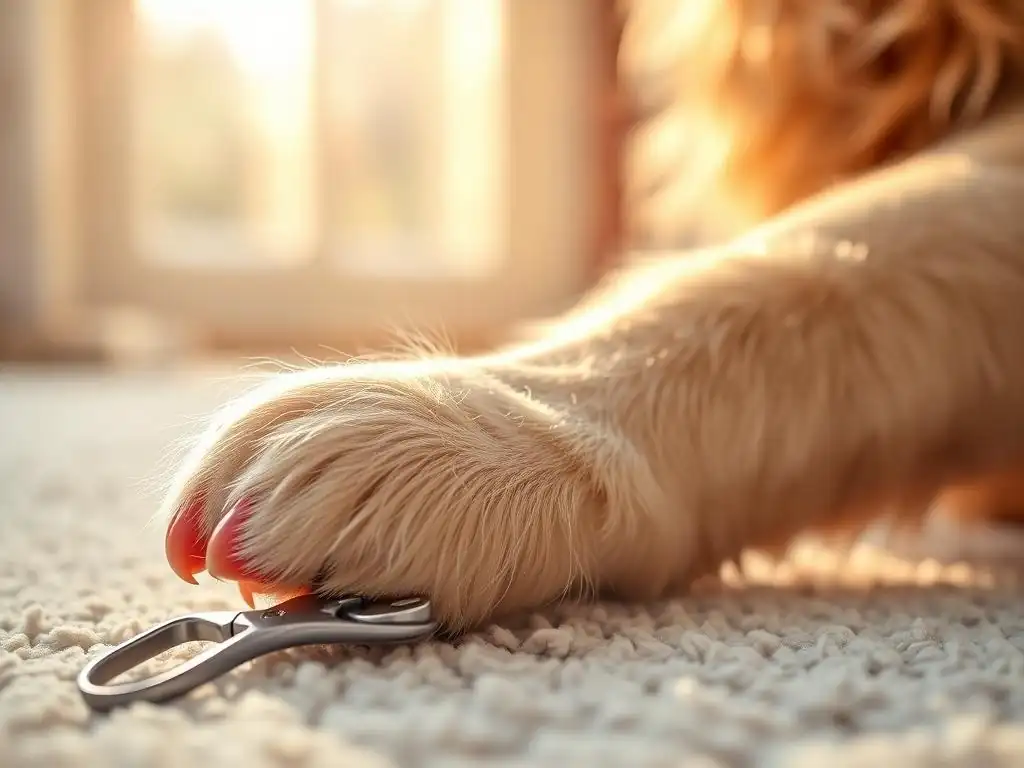
Welcome to PetCareWorld, your ultimate guide to a happier, healthier life for your beloved pets! Are you ready to tackle one of the most crucial (and sometimes daunting) aspects of dog ownership? Our comprehensive Dog nail trimming guide will equip you with the knowledge and confidence to provide preventative care, ensuring your canine companion's comfort and well-being. Discover the secrets to safe and effective nail trimming – explore now and unlock the key to happy paws!
Understanding Canine Nail Anatomy and Growth
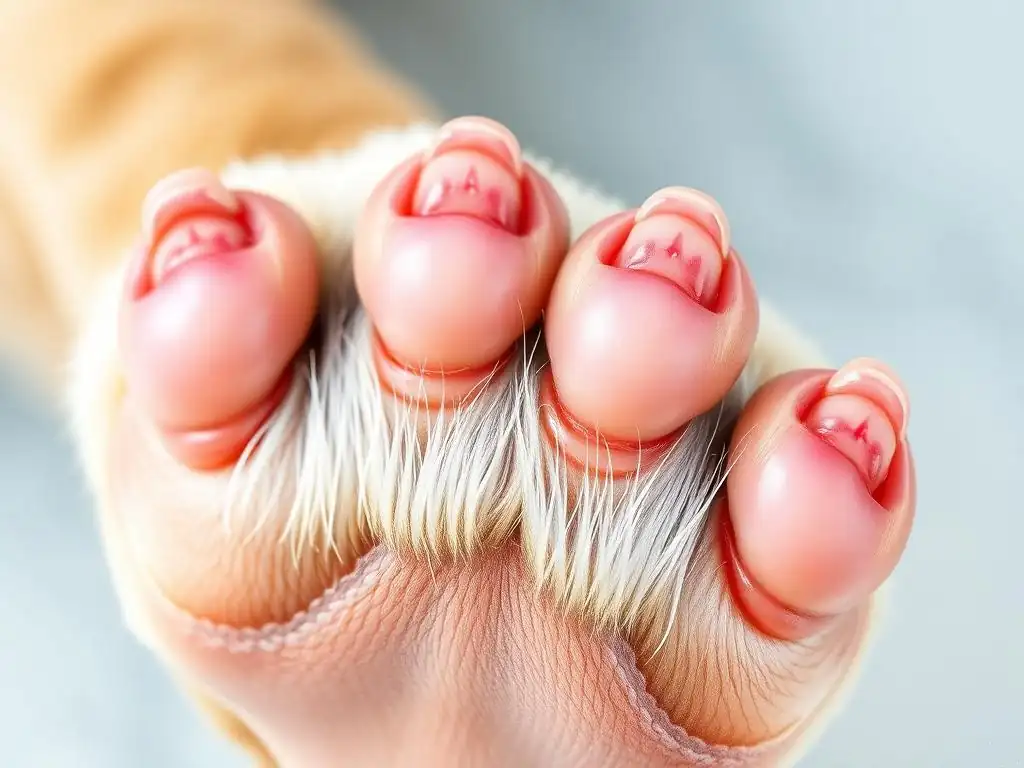
Keeping your dog's nails at a healthy length is crucial for their comfort and overall well-being. This comprehensive guide will walk you through the process of dog nail trimming, providing you with the knowledge and confidence to perform this essential task safely and effectively at home. Regular nail trims prevent painful overgrowth, which can lead to a range of problems including lameness, difficulty walking, and even changes in gait. Understanding the anatomy of a dog's nail and how it grows is the first step towards mastering this important aspect of canine preventative care.
This guide will equip you with the tools and techniques to ensure your canine companion enjoys happy, healthy paws for years to come. We'll cover everything from identifying the quick (the sensitive part of the nail) to choosing the right tools and mastering the trimming technique itself. Let's delve into the specifics!
The Anatomy of a Dog's Nail
A dog's nail isn't simply a hard outer shell; it's a complex structure with a sensitive core. The visible part of the nail, the claw, is made of keratin, the same protein that makes up human hair and skin. Beneath the surface lies the quick, a highly vascularized and innervated area containing blood vessels and nerves. Cutting into the quick is painful for your dog and can lead to bleeding.
The quick extends further down the nail in lighter-colored nails, making it easier to visualize. In darker nails, identifying the quick requires more care and attention to detail. Understanding the quick's location is paramount to safe and successful nail trimming. Incorrect trimming can cause significant discomfort and even necessitate a veterinary visit.
Nail Growth Patterns in Dogs
Dog nails grow continuously, at a rate that varies depending on factors such as breed, activity level, and overall health. Highly active dogs who frequently walk on hard surfaces often experience natural nail wear, requiring less frequent trimming. Conversely, less active dogs or those who primarily walk on soft surfaces may need more frequent attention to prevent overgrown nails.
Observing your dog's nails regularly allows you to monitor their growth and determine the appropriate trimming schedule. Signs of overgrown nails include clicking sounds when your dog walks, nails that curl under, and visible discomfort or limping. Regular observation is crucial for preventative care.
Identifying the Quick: A Crucial Step
Accurately identifying the quick is the most important aspect of safe nail trimming. In light-colored nails, the quick appears as a pink area within the nail. However, in dark-colored nails, the quick is less visible, making identification more challenging.
A helpful technique is to look for a slight change in color or texture near the base of the nail. Gradually trimming small amounts at a time, while carefully observing your dog's reaction, is a safer approach than attempting to remove large sections at once. If you're unsure, it's always best to err on the side of caution and consult a veterinarian or professional groomer.
Tools and Supplies for Safe Trimming
Having the right tools is essential for a smooth and safe nail trimming experience. You will need:
- High-quality dog nail clippers: Choose clippers specifically designed for dogs, as human nail clippers are often unsuitable. Guillotine-style clippers and scissor-style clippers are both popular choices.
- Styptic powder or pencil: This is crucial to stop any bleeding that may occur if you accidentally cut into the quick.
- Treats: Positive reinforcement is key to a stress-free experience for both you and your dog.
- A towel (optional): This can help to restrain your dog if necessary, especially if they are anxious or nervous.
This initial section provides a solid foundation for understanding the importance of regular dog nail trimming. The following sections will delve into the practical aspects of the process, providing detailed instructions and tips for a successful and stress-free experience.
Frequently Asked Questions
How often should I trim my dog's nails?
This depends on your dog's activity level and nail growth rate. Generally, you should trim them when you can hear them clicking on the floor, or when they start to curl under. Regular checks are key.
What tools do I need to trim my dog's nails?
You'll need guillotine-style clippers or scissor-style clippers, designed specifically for dogs. Having styptic powder on hand to stop bleeding is also crucial. Consider using a nail file for smoothing afterward.
How can I tell where to cut my dog's nails?
Avoid the quick, the pink part containing nerves and blood vessels. Look for the pale, whitish area at the tip of the nail; trim just before this area. If your dog has dark nails, trim small amounts at a time.
What should I do if I accidentally cut the quick?
Apply styptic powder immediately to the bleeding nail. Hold gentle but firm pressure until the bleeding stops. If bleeding continues, consult your veterinarian.
My dog is afraid of nail trims. How can I make the experience less stressful?
Start by handling your dog's paws regularly. Positive reinforcement with treats and praise is essential. Keep sessions short and end on a positive note. You may need to use a method like desensitization and counter-conditioning to build a positive association.
Final Reflection: The Unsung Hero of Canine Comfort
The seemingly simple act of trimming your dog's nails is far more than a routine chore; it's a crucial element of preventative care that directly impacts your dog's overall health and well-being. Neglecting this seemingly small task can lead to significant discomfort, pain, and even costly veterinary interventions. This guide has explored the various methods, tools, and considerations involved in ensuring your canine companion enjoys comfortable paws.
The impact of proper nail care extends beyond the individual dog, influencing the overall human-animal bond. Regular nail trims foster a closer relationship built on trust and care, creating a more positive and enjoyable experience for both owner and pet. As the saying goes, A happy dog is a healthy dog,
and this simple act of preventative care contributes significantly to that happiness. The knowledge gained from understanding the nuances of dog nail trimming empowers responsible pet ownership and strengthens the human-animal connection.
Now, consider your own canine companion. Have you learned something new from this guide that will improve your approach to nail trimming? Take a moment to reflect on the importance of this often-overlooked aspect of pet care. Schedule a nail trim today, and make it a regular part of your dog's wellness routine. By investing this small amount of time and effort, you are investing in a happier, healthier, and more comfortable life for your beloved furry friend.
Ready to Give Your Pup Paw-some Pedicures?
Thank you for learning about the importance of regular dog nail trimming! You're now equipped to keep your furry friend happy and healthy. Let's put that knowledge into action.
- Schedule your dog's first nail trim this week. Even a quick filing of the sharp edges will make a difference, and consistency is key!
- Share this article with other dog owners who might find it helpful. Let's build a supportive community dedicated to positive pet care!
- Try a new nail-trimming technique you learned today – and share your experience in the comments!
Ready to see a noticeable improvement in your dog's comfort and gait?