
The Importance of Regular Vet Checkups for Dogs: Early Detection of Health Issues

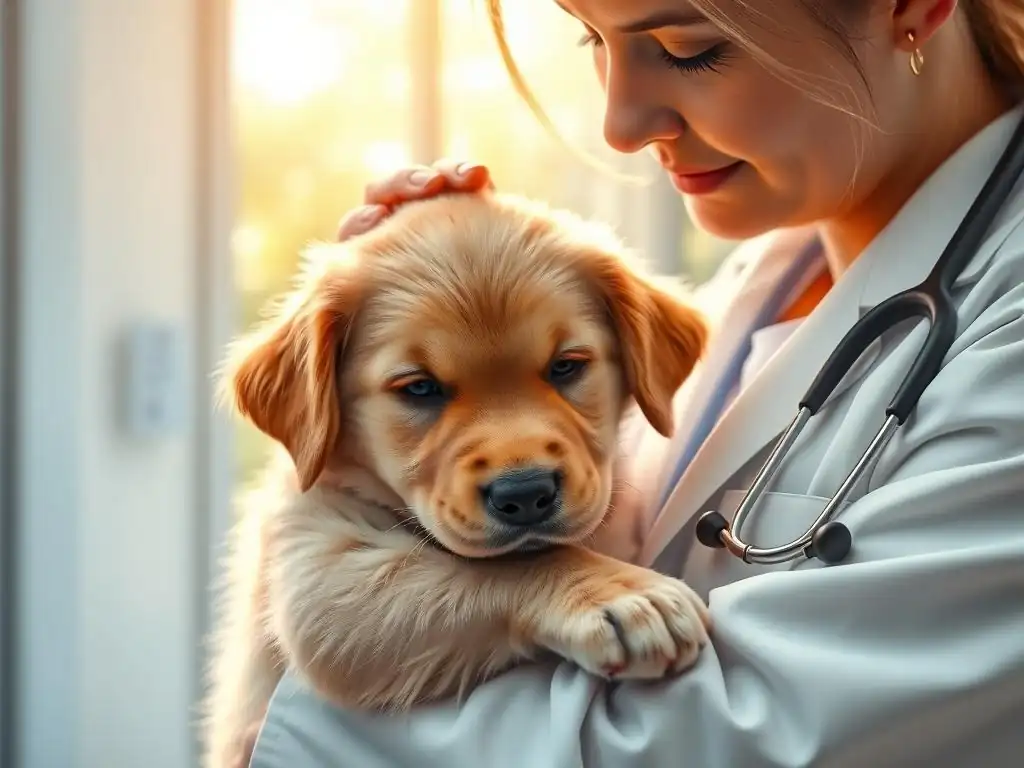
Welcome to PetCareWorld, your ultimate guide to a happier, healthier life for your beloved pets! Are you aware of the significant impact regular vet checkups can have on your dog's well-being? Discover how early detection, made possible through preventative care, can save your furry friend from serious health issues and ensure a longer, more fulfilling life together. Dive into our comprehensive guide on the importance of regular vet checkups for dogs and unlock the secrets to proactive pet care.
- Understanding the Crucial Role of Preventative Dog Healthcare
- Scheduling Your Dog's Regular Veterinary Checkups
- What to Expect During a Routine Dog Checkup
- Common Health Issues Detected Through Preventative Care
- The Financial Benefits of Preventative Dog Healthcare
- Building a Strong Bond with Your Veterinarian
- Frequently Asked Questions
- Final Reflection: A Stitch in Time Saves Nine Lives (and Tails!)
- Unlock Your Dog's Healthiest Life: Take Action Now!
Understanding the Crucial Role of Preventative Dog Healthcare
Regular veterinary care is paramount for maintaining the health and well-being of your canine companion. This isn't merely about addressing illnesses when they arise; it's about proactively preventing them and ensuring your dog enjoys a long, happy, and healthy life. Preventative care, including regular checkups, vaccinations, and parasite prevention, is an investment in your dog's future, offering peace of mind and significantly reducing the risk of serious, and potentially costly, health problems down the line.
This article will delve into the specific importance of regular vet checkups for dogs, highlighting how early detection of health issues can make all the difference. Understanding the benefits of proactive veterinary care will empower you to make informed decisions that contribute to your dog's overall health and longevity.
We'll explore the crucial role preventative care plays in managing canine diseases and ensuring your furry friend thrives. The information presented here is designed to help you understand why scheduling those regular appointments with your veterinarian is so crucial for your dog's health.
Why Regular Vet Visits are Essential for Canine Well-being
Regular vet visits are far more than just a yearly formality; they are a cornerstone of responsible dog ownership. These visits allow your veterinarian to monitor your dog's overall health, identifying potential problems before they become serious. Think of it as a comprehensive health screening, tailored specifically to your dog's breed, age, and lifestyle. During these checkups, your vet will perform a thorough physical examination, checking everything from your dog's weight and body condition to their heart rate, respiration, and dental health.
They will also assess your dog's behavior, looking for any signs of lethargy, pain, or discomfort that you might have missed. Early detection of issues like heart murmurs, hip dysplasia, or dental disease can significantly impact treatment outcomes and improve your dog's quality of life. Moreover, routine blood work and urinalysis can reveal underlying health problems even before visible symptoms appear.
For example, early detection of kidney disease allows for timely intervention, potentially extending your dog's life and improving their comfort. The peace of mind gained from knowing your dog is receiving optimal care is invaluable. The cost of preventative care is significantly less than the cost of treating a serious illness later on, making regular checkups a smart financial decision as well.
Early Detection: The Key to Effective Dog Disease Management
Early detection of disease is often the difference between successful treatment and a significantly worse prognosis. Many canine illnesses, such as cancer, heart disease, and diabetes, often exhibit subtle symptoms initially. Regular vet checkups allow for early detection of these subtle changes, enabling prompt treatment that can significantly improve the chances of a positive outcome.
For example, detecting a cancerous lump during a routine examination allows for early intervention, potentially preventing metastasis and increasing the chances of successful treatment. Similarly, early detection of heart murmurs can lead to appropriate lifestyle adjustments and medication, helping to manage the condition and extend your dog's lifespan. Furthermore, early identification of dental problems can prevent more serious issues like periodontal disease, which can impact overall health.
The proactive approach offered by regular vet checkups is crucial for effective disease management, ensuring that any problems are addressed promptly and decisively. Remember, a small investment in regular checkups can save you significant expense and heartache in the long run.
The Benefits of Proactive Veterinary Care for Dogs
Proactive veterinary care, centered around regular checkups, offers a multitude of benefits extending far beyond the immediate health of your dog. These benefits include:
- Extended Lifespan: Early detection and treatment of diseases directly contribute to a longer, healthier life for your dog.
- Improved Quality of Life: Managing health issues early can prevent significant discomfort and improve your dog's overall well-being.
- Reduced Veterinary Costs: Preventative care is significantly less expensive than treating advanced diseases.
- Peace of Mind: Knowing your dog is receiving regular health assessments provides invaluable peace of mind for you.
- Stronger Bond: Regular vet visits contribute to a stronger bond between you, your dog, and your veterinarian.
- Behavioral Insights: Your veterinarian can offer valuable insights into your dog's behavior and offer advice on training and enrichment.
Investing in your dog's health through regular vet checkups is an investment in a happier, healthier, and longer life together. It's a demonstration of responsible pet ownership and a testament to the deep bond you share with your furry friend. Don't delay – schedule your dog's next checkup today! 🐶❤️
Scheduling Your Dog's Regular Veterinary Checkups
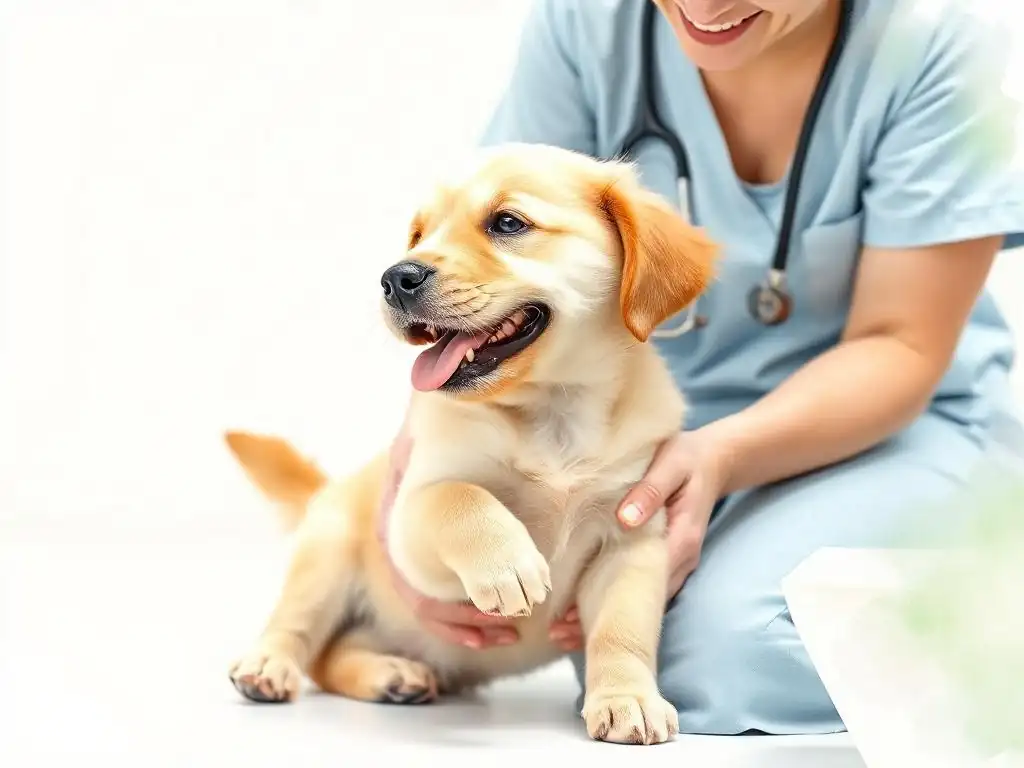
Regular veterinary checkups are crucial for maintaining your dog's health and well-being. These visits aren't just about vaccinations; they're a proactive approach to identifying potential health problems early, when treatment is often simpler and more effective. This preventative care significantly improves your dog's quality of life and can even extend its lifespan. The frequency of these visits, however, depends largely on your dog's age and overall health status.
Failing to schedule regular checkups can lead to undetected illnesses progressing to serious, and potentially costly, conditions. Proactive care is significantly cheaper than reactive care. Let's delve into the specifics of scheduling these important appointments.
Frequency of Vet Visits for Puppies vs. Adult Dogs
The frequency of veterinary visits differs significantly between puppies and adult dogs. Puppies, due to their developing immune systems and vulnerability to various diseases, require more frequent checkups.
- Puppies (under 1 year): Puppies typically need visits every 3-4 weeks for the first few months of life. This allows for crucial vaccinations, parasite prevention, and monitoring of their growth and development. This phase is vital for establishing a strong foundation for their future health. Each visit allows for early detection of any developmental issues.
- Adult Dogs (1-7 years): Once your puppy reaches adulthood (around 1 year), the frequency of visits can decrease. Annual checkups are generally recommended for healthy adult dogs. These annual visits include comprehensive physical examinations, blood work (potentially), and parasite prevention strategies.
- Senior Dogs (7+ years): Senior dogs require more frequent checkups, often every 6 months or even more frequently depending on their health status. As dogs age, they become more susceptible to age-related illnesses such as arthritis, kidney disease, and cancer. More frequent monitoring helps detect these conditions early and allows for timely intervention. Regular blood work becomes increasingly important.
Consider this table summarizing the recommended checkup frequency:
| Age Group | Recommended Checkup Frequency | Rationale |
|---|---|---|
| Puppies (<1 year) | Every 3-4 weeks | Vaccinations, parasite prevention, growth monitoring, early detection of issues |
| Adult (1-7 years) | Annually | Comprehensive physical exam, parasite prevention |
| Senior (7+ years) | Every 6 months or more frequent | Age-related illness detection and management |
Creating a Preventative Healthcare Schedule for Your Canine Companion
Creating a preventative healthcare schedule is essential for responsible dog ownership. This involves more than just scheduling vet visits; it’s about establishing a routine that encompasses all aspects of your dog's well-being. This proactive approach minimizes risks and maximizes your dog’s health and longevity.
Here's a sample preventative healthcare schedule:
- Monthly: Check your dog's teeth and gums for any signs of dental disease. Administer heartworm and flea/tick preventative medications as directed by your veterinarian. Observe your dog's behavior for any changes.
- Quarterly: Perform a thorough body check for lumps, bumps, skin irritations, and other abnormalities. Check their nails and ears.
- Annually (or as recommended by your vet): Schedule a comprehensive veterinary checkup, including vaccinations, blood work (as needed), and fecal exams. Consider dental cleanings as needed.
Remember, this is a sample schedule. Your veterinarian can help you tailor a specific plan based on your dog's breed, age, lifestyle, and overall health. Regular communication with your vet is key to effective preventative care. Consider setting calendar reminders to ensure you don't miss any appointments or preventative treatments.
Signs Your Dog Needs Immediate Veterinary Attention
While regular checkups are essential, some situations require immediate veterinary attention. Recognizing these signs can be life-saving. Don't hesitate to contact your vet or seek emergency care if your dog exhibits any of the following symptoms:
- Lethargy or weakness: Unusual tiredness or weakness that persists beyond a day or two.
- Difficulty breathing: Labored breathing, gasping, or excessive panting.
- Vomiting or diarrhea: Persistent vomiting or diarrhea, especially if accompanied by blood.
- Seizures: Any uncontrolled shaking or convulsions.
- Sudden lameness: Inability to put weight on a leg.
- Loss of appetite: Refusal to eat for more than 24 hours.
- Changes in urination or defecation: Straining to urinate or defecate, changes in urine or stool color or frequency.
- Excessive bleeding: Bleeding from any part of the body that doesn't stop easily.
- Swollen abdomen: A noticeable increase in abdominal size.
- Eye or ear discharge: Unusual discharge from the eyes or ears.
The timely intervention following these signs is crucial for maximizing the chances of a positive outcome. Early detection often means a swifter recovery. Remember, when in doubt, always err on the side of caution and contact your veterinarian. Your dog's health is paramount.
What to Expect During a Routine Dog Checkup
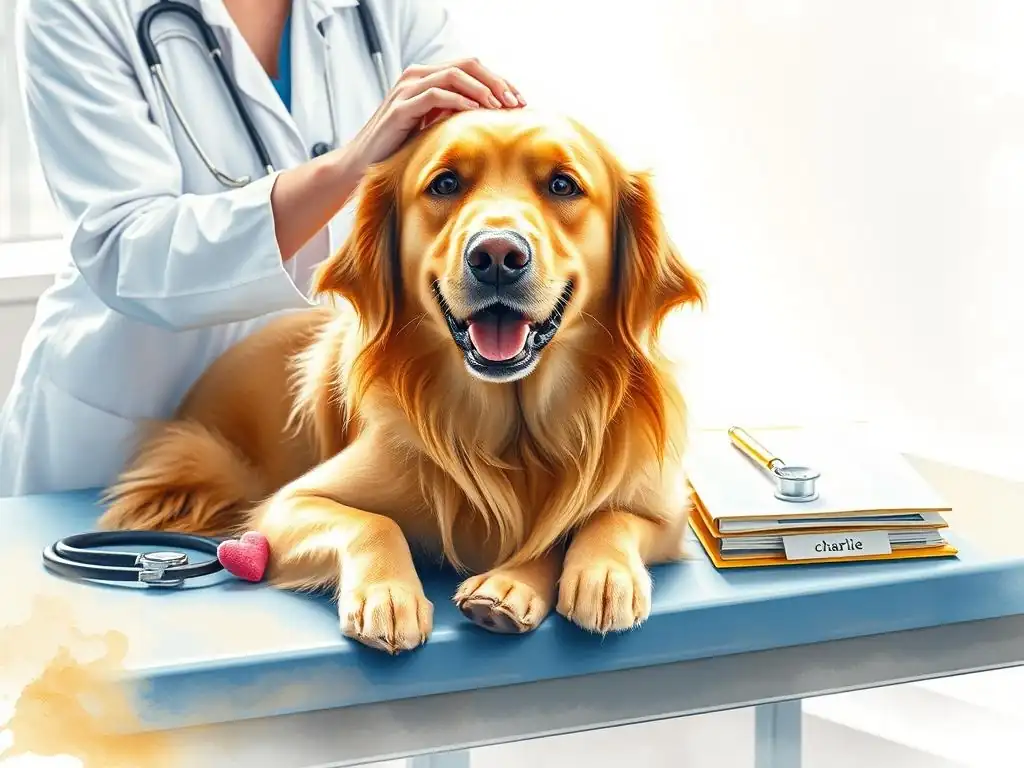
Regular veterinary checkups are crucial for maintaining your dog's health and well-being. These visits aren't just about vaccinations; they're a proactive approach to preventing serious health problems and ensuring your canine companion lives a long, happy life. Understanding what to expect during a typical checkup will help you feel more prepared and allow you to actively participate in your dog's healthcare.
The importance of these routine visits cannot be overstated, as early detection of even subtle changes can make a significant difference in treatment outcomes. This section will detail the key components of a standard checkup, emphasizing the value of preventative care for your dog's overall health. Remember, proactive care is significantly cheaper and less stressful than reactive emergency care.
Comprehensive Physical Examination of Your Dog
A thorough physical examination forms the cornerstone of every routine dog checkup. Your veterinarian will perform a systematic assessment, carefully observing your dog's overall appearance, behavior, and vital signs. This involves more than just a quick glance; it's a detailed process.
This examination typically includes:
- Visual Inspection: Assessing your dog's coat condition, looking for any signs of parasites, skin lesions, or abnormalities. Is their coat shiny and healthy, or dull and dry? Are there any unusual lumps or bumps?
- Weight Measurement: Tracking your dog's weight over time helps identify potential weight gain or loss, which can indicate underlying health issues. Consistent monitoring is key to maintaining a healthy weight.
- Auscultation: Listening to your dog's heart and lungs with a stethoscope to detect any murmurs, abnormal heart rhythms, or respiratory issues. The sounds of a healthy heart and lungs are distinct and easily identifiable by a trained professional.
- Palpation: Gently feeling your dog's abdomen and lymph nodes to check for any unusual enlargements, tenderness, or masses. This allows for the detection of internal issues that might not be otherwise apparent.
- Oral Examination: Inspecting your dog's teeth and gums for signs of periodontal disease, such as plaque buildup, gingivitis, or loose teeth. Dental health is often overlooked, but it's incredibly important for overall health.
- Neurological Assessment: Observing your dog's gait, posture, and reflexes to identify any signs of neurological problems. This assessment helps detect subtle changes that might signal a more serious condition.
The veterinarian will meticulously note any abnormalities found during this examination. These observations, combined with other diagnostic tests, help paint a complete picture of your dog's health status. Early detection of problems, such as heart murmurs or skin allergies, allows for timely intervention and improved treatment outcomes.
Routine Bloodwork and Diagnostic Testing for Dogs
Beyond the physical examination, your veterinarian may recommend routine bloodwork and other diagnostic tests as part of your dog's preventative care. These tests provide valuable insights into your dog's internal health, often revealing problems before they manifest clinically. The frequency of these tests will depend on your dog's age, breed, and overall health status.
Common tests include:
- Complete Blood Count (CBC): Evaluates the different components of your dog's blood, providing information about red blood cells, white blood cells, and platelets. This helps detect infections, anemia, and other blood disorders.
- Serum Chemistry Profile: Measures various substances in your dog's blood, providing insights into the function of their kidneys, liver, and other organs. This can detect early signs of organ damage or dysfunction.
- Urinalysis: Analyzing your dog's urine to detect infections, kidney problems, and other urinary tract disorders. Changes in urine color or frequency should always be investigated.
These tests are invaluable tools for early disease detection. For example, a subtle elevation in liver enzymes might indicate early-stage liver disease, allowing for timely intervention and potentially preventing more serious complications later. The cost of these preventative tests is far outweighed by the potential savings in the long run by avoiding costly emergency treatments.
Discussing Your Dog's Lifestyle and Addressing Potential Health Concerns
A routine checkup is more than just a physical examination and blood tests; it's an opportunity for open communication with your veterinarian. This is the time to discuss your dog's lifestyle, any behavioral changes you've noticed, and any specific health concerns you may have.
This discussion should include:
- Diet and Exercise: Your veterinarian can provide guidance on appropriate nutrition and exercise for your dog's age, breed, and activity level. Maintaining a healthy weight and providing a balanced diet are key to preventing many health problems.
- Behavioral Changes: Any changes in your dog's behavior, such as increased lethargy, changes in appetite, or changes in urination/defecation patterns, should be reported to your veterinarian. These seemingly small changes can often be early warning signs of underlying health issues.
- Parasite Prevention: Discuss appropriate parasite prevention strategies, including heartworm prevention, flea and tick control, and intestinal parasite treatment. Regular preventative measures are crucial for protecting your dog from these potentially harmful parasites.
Open and honest communication with your veterinarian is essential for proactive pet care. Don't hesitate to ask questions and express any concerns you have about your dog's health. The goal is a collaborative approach to ensure your dog receives the best possible care. Remember, a healthy dog is a happy dog, and regular vet checkups are the cornerstone of maintaining that happiness.
Common Health Issues Detected Through Preventative Care
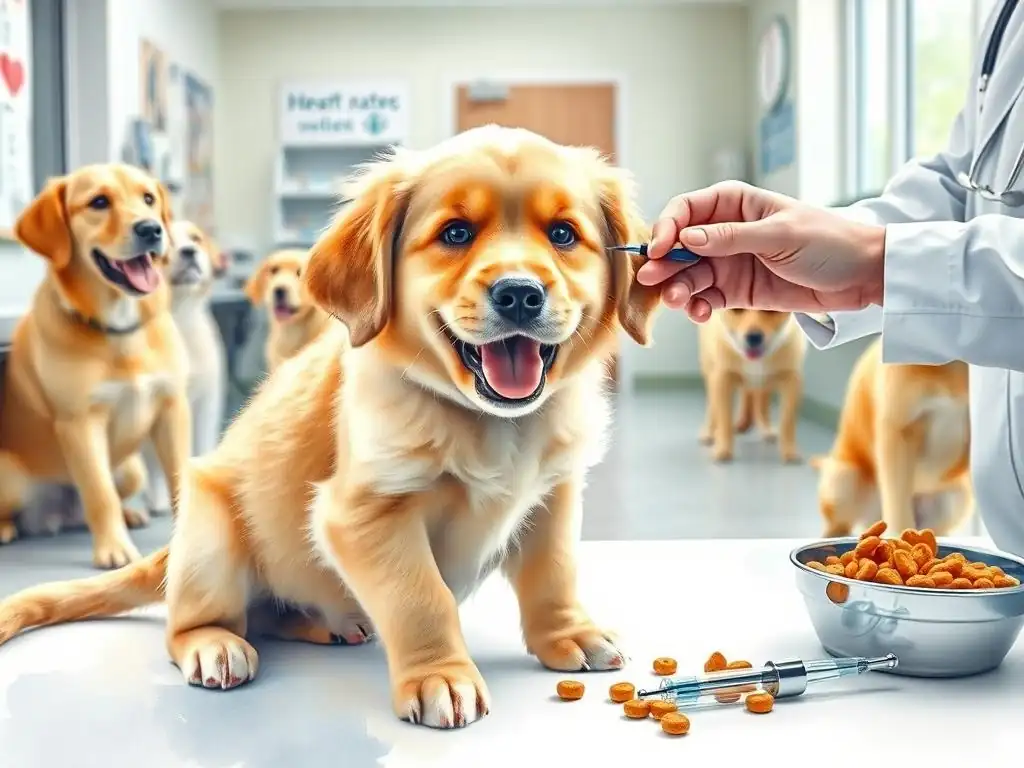
Regular veterinary checkups are crucial for maintaining your dog's health and well-being. Preventative care, including these routine visits, allows for the early detection of numerous health problems, significantly improving the chances of successful treatment and a better quality of life for your canine companion. The importance of these checkups cannot be overstated, as many diseases are asymptomatic in their early stages. By scheduling regular visits, you're proactively safeguarding your dog's health and potentially saving them from significant suffering later on.
The cost of preventative care is far outweighed by the potential cost and emotional toll of treating advanced, often untreatable, diseases. This proactive approach is a key component of responsible dog ownership and contributes significantly to the overall well-being of your furry friend. Think of it as an investment in your dog's long-term health and happiness. The peace of mind alone is invaluable.
Detecting Early Signs of Canine Cancer Through Regular Checkups
Canine cancer is a serious threat, and early detection is key to successful treatment. Many types of canine cancer, such as lymphoma, osteosarcoma, and hemangiosarcoma, often show no obvious symptoms in their early stages. Regular veterinary checkups, however, allow for the detection of subtle changes that may indicate the presence of cancer. These changes can include: lumps or bumps under the skin, changes in appetite or weight, persistent limping or lethargy, and unusual bleeding or discharge.
During a routine checkup, your veterinarian will perform a thorough physical examination, feeling for any abnormalities and assessing your dog's overall health. Blood tests can also detect subtle changes in blood cell counts or other markers that may point towards cancer. Early detection significantly increases the chances of successful treatment, potentially extending your dog's life and improving their quality of life.
Don't underestimate the power of regular checkups in the fight against canine cancer. Early detection truly makes a difference. The earlier the diagnosis, the higher the likelihood of effective treatment and a positive outcome.
Identifying and Managing Canine Heart Disease Through Preventative Care
Canine heart disease, encompassing conditions like dilated cardiomyopathy (DCM) and mitral valve disease (MVD), is another prevalent health issue that often progresses silently. Regular veterinary checkups play a vital role in early detection and management. During these visits, your veterinarian will listen to your dog's heart with a stethoscope, checking for murmurs or other irregularities. Blood pressure measurements are also crucial, as hypertension can exacerbate heart conditions.
In some cases, echocardiograms (ultrasound of the heart) may be recommended to provide a more detailed assessment. Early identification allows for timely intervention, potentially slowing the progression of the disease and improving your dog's quality of life. Treatment options may include medication to manage symptoms and improve heart function. Regular monitoring through checkups is essential to track the effectiveness of treatment and make adjustments as needed.
By addressing heart disease early, you can help your dog live a longer, healthier life. The proactive approach of regular checkups is paramount in managing this often-serious condition. It's a vital part of responsible pet ownership and shows your commitment to your dog's well-being.
Early Detection of Dental Problems in Dogs
Dental disease is incredibly common in dogs, and often goes unnoticed until it becomes severe. Regular dental checkups are essential for preventing and managing these problems. During checkups, your veterinarian will assess your dog's teeth and gums, looking for signs of periodontal disease, such as plaque buildup, gingivitis, and tooth decay. Early detection of these issues can prevent more serious problems, such as tooth loss, infection, and even damage to internal organs.
Professional dental cleanings, performed under anesthesia, are often recommended to remove plaque and tartar buildup. Home care, including regular brushing, can also significantly reduce the risk of dental disease. The importance of oral hygiene for dogs should not be underestimated.
Just like in humans, good dental health contributes to overall health and well-being. A healthy mouth leads to a happier, healthier dog. Regular vet checkups provide the opportunity to address dental issues before they become major problems, saving your dog from pain and discomfort, and you from potentially costly treatments.
Remember, preventative care is an investment in your dog's health and longevity. The peace of mind gained from knowing your dog is receiving regular checkups is invaluable. Regular vet visits are not just about addressing problems; they are about proactively maintaining your dog's overall health and well-being. Don't delay – schedule your dog's next checkup today! 🐶❤️
Recognizing and Treating Parasites in Dogs
Regular veterinary checkups are crucial for the early detection and treatment of parasites in dogs. Parasites, including fleas, ticks, heartworms, and intestinal worms, can significantly impact a dog's health and well-being. Many parasites are easily transmitted between dogs, and some can even be passed to humans. Early detection through preventative care is key to minimizing the risk of serious complications.
One of the most common signs of a parasitic infection is itching and scratching. Dogs infested with fleas will often exhibit excessive grooming, leading to hair loss and skin irritation. Ticks, on the other hand, can be identified visually as small, dark-colored bumps attached to the skin.
Careful examination of your dog's coat during regular grooming is essential for spotting these external parasites. Furthermore, regular fecal examinations as part of your dog's preventative care can identify intestinal parasites like roundworms, hookworms, and whipworms. These internal parasites can cause a range of symptoms, from diarrhea and vomiting to weight loss and anemia.
The treatment for parasites varies depending on the type and severity of the infestation. For fleas and ticks, topical medications, oral treatments, and even collars are available. These products often contain insecticides that kill adult parasites and prevent further infestations. For internal parasites, your veterinarian will likely prescribe deworming medication, tailored to the specific parasite identified through fecal testing. This medication effectively eliminates the adult worms and their eggs from your dog's system. It's important to follow your veterinarian's instructions carefully regarding dosage and administration to ensure the treatment is effective and safe for your dog.
Beyond medication, preventative measures play a significant role in minimizing parasitic infestations. Regular grooming, using flea and tick preventative products as recommended by your vet, and maintaining a clean living environment for your dog can significantly reduce the risk of infestation. Furthermore, avoiding areas known to harbor ticks and fleas, like tall grass and wooded areas, can also minimize exposure.
Consistent preventative care, including regular veterinary checkups, is the best strategy to protect your canine companion from the harmful effects of parasites and to ensure their long-term health and happiness. Remember, early detection and prompt treatment are crucial for a positive outcome, emphasizing the importance of regular vet visits for your dog's overall well-being. This proactive approach to parasite control is a vital component of responsible dog ownership and contributes greatly to your dog's ability to live a long, healthy, and happy life.
The Financial Benefits of Preventative Dog Healthcare

Preventative care, often overlooked, is a cornerstone of responsible dog ownership. While the upfront cost of regular vet checkups might seem daunting to some, the long-term financial advantages significantly outweigh the initial expense. Investing in your dog's health through preventative measures ultimately saves you money and reduces the likelihood of facing crippling veterinary bills. This section will delve into the significant financial benefits associated with prioritizing regular veterinary care for your canine companion. The importance of a dog regular vet checkup is frequently underestimated in terms of its financial implications.
Preventing Costly Emergency Veterinary Care
Emergency veterinary care is notoriously expensive. Conditions that could have been easily addressed with early detection and preventative measures often escalate into life-threatening situations requiring extensive and costly treatment. A simple infection, for instance, left untreated, can rapidly develop into sepsis, necessitating hospitalization, intensive care, and potentially life-saving interventions, incurring thousands of dollars in expenses.
Consider this scenario: a dog experiencing subtle signs of kidney disease might initially show only mild lethargy or increased thirst. A routine checkup, however, would reveal elevated creatinine levels, allowing for early intervention with dietary changes and medication. Delaying treatment until the disease progresses to kidney failure will result in significantly higher costs associated with dialysis, hospitalization, and specialized medications.
The financial burden of emergency care far surpasses the cost of regular checkups and preventative tests. Early detection through regular vet visits is crucial for preventing such costly emergencies. The difference can be the difference between manageable expenses and a potential financial crisis.
Long-Term Cost Savings Through Early Intervention
Regular veterinary checkups are not just about preventing emergencies; they also facilitate early intervention for chronic conditions. Many chronic diseases, such as arthritis, diabetes, and heart disease, can be managed effectively with early diagnosis and ongoing treatment. Early intervention often means less aggressive treatments are needed, leading to lower overall costs. For example, managing diabetes with insulin injections and diet modifications is far less expensive in the long run than dealing with the complications of uncontrolled diabetes, such as blindness, kidney failure, or limb amputation.
Furthermore, preventative measures like vaccinations and parasite prevention significantly reduce the risk of contracting costly illnesses. The cost of a yearly vaccination is considerably lower than the treatment expenses associated with parvovirus, distemper, or other preventable diseases. Similarly, regular flea and tick prevention is far cheaper than treating infestations or dealing with the associated health complications like Lyme disease.
By proactively protecting your dog through preventative care, you are essentially investing in long-term cost savings and ensuring a healthier, happier life for your beloved pet. The cumulative effect of these savings over your dog's lifespan can be substantial, highlighting the true financial wisdom of prioritizing regular vet checkups.
Building a Strong Bond with Your Veterinarian
Building a strong relationship with your veterinarian is crucial for your dog's health and well-being. This goes beyond simply scheduling annual checkups; it's about establishing a collaborative partnership focused on preventative care and proactive health management. A strong veterinarian-owner bond ensures your dog receives the best possible care throughout its life. This proactive approach is key to addressing the "Dog regular vet checkup importance" question effectively.
Choosing the Right Veterinarian for Your Dog
Selecting the right veterinarian is the first step in building this crucial relationship. Consider factors beyond mere proximity. Research potential veterinarians, reading online reviews and asking for recommendations from other dog owners. Look for a practice that prioritizes preventative care and offers a range of services, including vaccinations, dental care, and geriatric care.
A veterinarian’s experience with your dog's breed or specific health concerns can also be beneficial. For example, a veterinarian specializing in large breeds will have a different understanding of potential health challenges compared to one focusing on small breeds. The right fit will involve a veterinarian who actively listens to your concerns and explains things clearly, ensuring you understand the treatment plan and any potential risks. Don't hesitate to schedule a brief introductory meeting before committing to a particular practice.
Fostering Open Communication with Your Veterinary Team
Open and honest communication is paramount in maintaining a strong bond with your veterinary team. Don't be afraid to ask questions – no matter how seemingly small or insignificant they may appear. A good veterinarian will welcome your queries and explain things clearly, using language you understand. This open dialogue is essential for managing your dog's health effectively.
Regular checkups provide an ideal opportunity to discuss any concerns, such as changes in appetite, behavior, or energy levels. Keep a detailed record of your dog's health history, including any medications, allergies, or previous illnesses. This information will prove invaluable during vet visits and will help build a comprehensive profile for your canine companion. Consider using a dedicated notebook or a digital health record app to track this information meticulously.
Remember, proactive communication is a cornerstone of preventative care and contributes significantly to the overall "Dog regular vet checkup importance." The more information you share, the better equipped your veterinarian is to provide the best care for your furry friend. This collaborative approach helps ensure early detection of potential health issues, ultimately leading to better outcomes for your dog. Open communication also fosters trust, making veterinary visits less stressful for both you and your dog.
Frequently Asked Questions
How often should I take my dog for a vet checkup?
The frequency depends on your dog's age and health. Puppies need more frequent visits, while generally healthy adult dogs should see a vet at least once a year. Senior dogs may require checkups every six months.
What happens during a regular vet checkup for my dog?
Your vet will perform a physical examination, checking your dog's weight, temperature, heart and lung function, and examining their eyes, ears, teeth, and skin. They may also recommend blood work or other tests depending on your dog's age and health history.
Why are regular vet checkups important for my dog's health?
Regular checkups are crucial for early detection of diseases. Many illnesses, like cancer or heart disease, can be treated more effectively if caught early. Preventative care through vaccinations and parasite control is also administered.
Can I skip a vet checkup if my dog seems healthy?
No, even if your dog appears healthy, hidden health problems can exist. A yearly checkup allows your vet to identify potential issues before they become serious, saving you time, money, and your dog's health. Preventative care is key.
What should I do if I can't afford regular vet checkups for my dog?
Many veterinary clinics offer payment plans or discounts for low-income pet owners. Contact your local animal shelters or rescue organizations; they may also offer financial assistance or resources to help you access affordable veterinary care.
Final Reflection: A Stitch in Time Saves Nine Lives (and Tails!)
The proactive approach to canine health, embodied by regular veterinary checkups, isn't merely a suggestion; it's a cornerstone of responsible pet ownership. Early detection of health problems significantly improves treatment outcomes and, crucially, extends the precious time we have with our beloved companions. Ignoring this fundamental aspect of care can lead to preventable suffering and unnecessary heartache.
The impact of regular vet visits extends far beyond individual dogs; it contributes to a broader culture of responsible pet ownership. We, as pet owners, are entrusted with the well-being of these creatures who enrich our lives immeasurably. The bond with a dog is as powerful as any human relationship, and we owe it to them to provide the best possible care.
This responsibility includes proactive health management, ensuring that our furry friends receive the attention they deserve, allowing us to enjoy many happy years together.
Now, consider your own dog. Think about the joy they bring into your life – the unconditional love, the playful antics, the comforting presence. Are you providing them with the gift of preventative care? Schedule that appointment today. Don't wait for a visible sign of illness; proactive care is the best way to ensure your canine companion lives a long, healthy, and happy life. Your commitment to their well-being will be repaid tenfold in the unwavering loyalty and affection they offer.
Unlock Your Dog's Healthiest Life: Take Action Now!
Thank you for learning about the crucial role of regular veterinary checkups in your dog's well-being. You've gained valuable insights into proactive health management, and now it's time to put that knowledge into practice!
Here's how you can make a difference:
- Schedule your dog's next checkup today! Early detection is key; don't delay. A quick call to your veterinarian could save your furry friend considerable discomfort and expense in the future.
- Share this article with other dog owners. Let's spread the word about the importance of preventative care and help keep more dogs happy and healthy.
- Connect with other dog owners by joining a local dog owners' group. This is a great way to share tips on pet health and wellness and discover new resources.
Ready to give your loyal companion the gift of a long, healthy life? What small step will you take today to ensure your dog receives the best possible care?