
Electrical Emergencies: Protecting Your Bird From Cords and Outlets

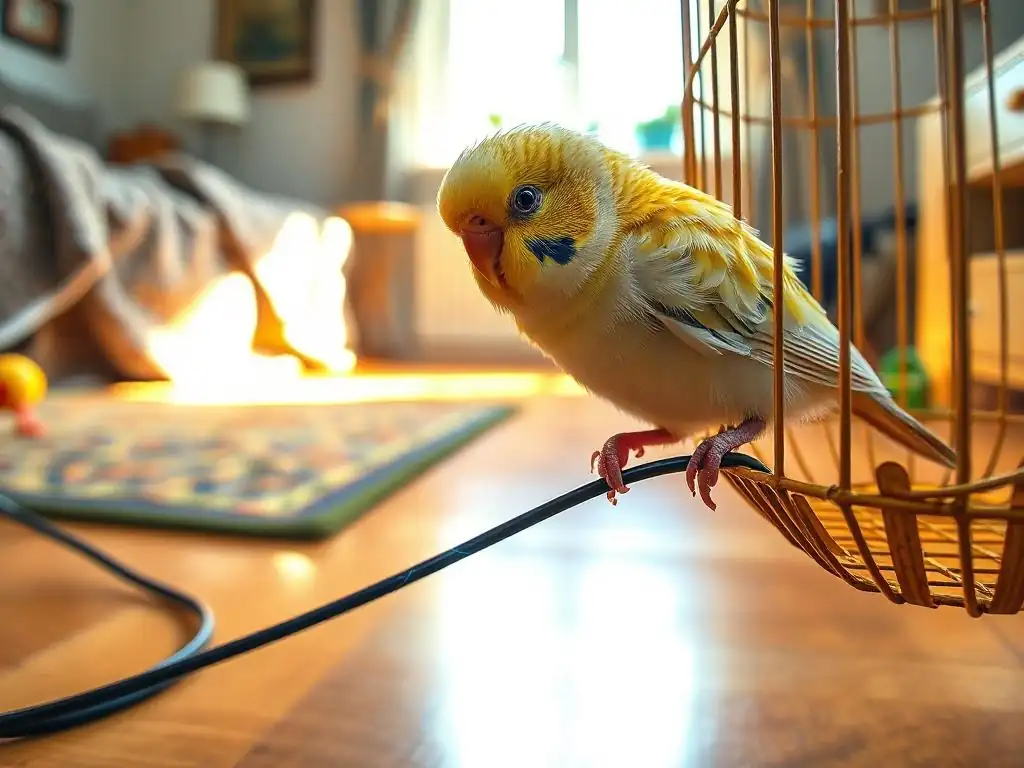
Welcome to PetCareWorld, your ultimate guide to a happier, healthier life for your beloved companion animals! We're passionate about providing the most reliable and engaging pet care information available. But did you know that seemingly harmless household items, like electrical cords, can pose a significant danger to your feathered friends? Discover crucial safety tips and preventative measures in our in-depth article on Bird Electrical Cord Safety, and learn how to protect your bird from potential electrical emergencies. Start exploring now and ensure your avian companion thrives!
- Understanding the Dangers of Electrical Cords for Birds
- Preventing Electrical Accidents: Bird-Proofing Your Home
- Responding to Electrical Emergencies Involving Birds
- Creating a Safe Electrical Environment for Your Feathered Friend
- Frequently Asked Questions
- Final Reflection: A Shocking Truth: Protecting Our Feathered Friends
- Power Up Your Pet's Safety: Simple Steps to a Safer Home
Understanding the Dangers of Electrical Cords for Birds
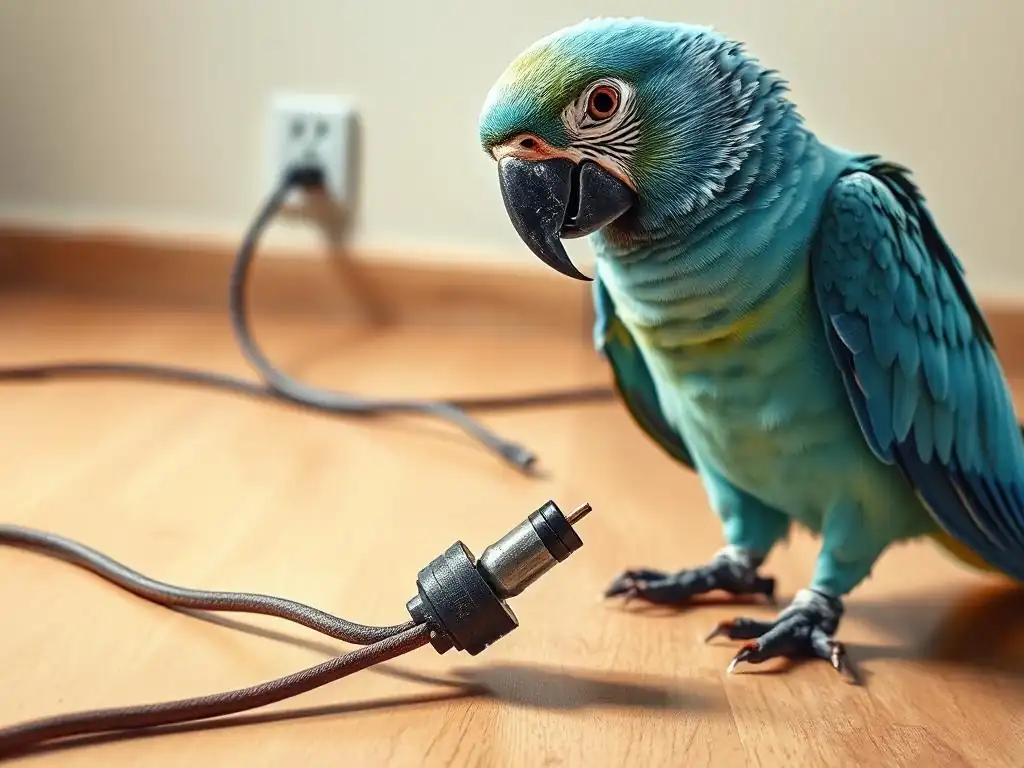
Electrical hazards represent a serious, often overlooked, threat to the safety and well-being of pet birds. Unlike larger pets, birds are uniquely vulnerable to electrical shock due to their small size and physiology. Their curious nature and inherent need to explore their environment often lead them to investigate electrical cords, outlets, and appliances – a potentially fatal attraction.
This article will delve into the specific dangers posed by electrical cords and outlets to birds, offering practical advice and preventative measures to protect your feathered friend. We'll explore why these hazards are so significant, identify common household threats, and highlight which birds may be at greater risk. Understanding these dangers is the first crucial step in creating a safe and enriching home environment for your avian companion.
Safeguarding your bird from electrical hazards is not just about preventing injury; it's about ensuring a long and healthy life for your beloved pet. Let's learn how to mitigate these risks effectively.
Why Electrical Cords Pose a Significant Threat to Avian Companions
Birds, particularly those with a high degree of curiosity, are naturally drawn to dangling cords and the intriguing shapes of electrical appliances. Chewing on electrical cords, however, can lead to a range of serious consequences. The most immediate danger is electrocution. Even a small current can be fatal to a bird, causing severe burns, cardiac arrest, or immediate death. Beyond electrocution, chewing on cords can cause:
- Internal injuries: Ingesting small pieces of cord can lead to internal blockages and damage to the digestive tract, requiring veterinary intervention.
- Toxic exposure: Many electrical cords contain materials that are toxic if ingested, leading to poisoning and further complications.
- Shock and trauma: The sudden shock of an electrical current can cause significant trauma, even if it doesn't result in immediate death.
The risk isn't limited to direct contact. Birds can also be injured indirectly, for instance, if they knock over a lamp or appliance with exposed wires. The resulting short circuit or falling object can cause further injury or damage. Therefore, proactive measures to prevent access to electrical hazards are paramount.
Common Household Electrical Hazards for Birds: Cords, Outlets, and Appliances
Many everyday household items pose significant risks to birds. These include:
- Dangling cords: Phone chargers, lamp cords, computer cables – any cord within reach presents a potential hazard. Birds are adept climbers and can easily reach cords that seem out of reach.
- Wall outlets: Exposed outlets are a major concern. Birds can easily access these and receive a potentially fatal shock.
- Appliances: The cords of appliances like toasters, irons, and microwaves are particularly dangerous due to their heat and the potential for burns in addition to electrocution.
- Heating elements: Birds are especially sensitive to heat, and proximity to heating elements like space heaters can lead to burns and injuries.
A thorough assessment of your home environment is crucial. Identify all potential hazards and take steps to secure or remove them. This proactive approach is the best way to protect your bird. Remember, even seemingly minor hazards can have serious consequences for your pet.
Identifying Birds at Higher Risk from Electrical Hazards
While all birds are vulnerable to electrical hazards, some species may be at higher risk due to their inherent traits:
| Bird Species | Risk Factor |
|---|---|
| Small Parrots (e.g., budgies) | Size and increased curiosity |
| Cockatiels | Inquisitive nature and tendency to chew |
| Conures | Active and playful, often exploring their surroundings |
| Young Birds | Increased curiosity and less developed awareness of danger |
Birds known for their chewing habits, or those that are particularly curious and active, require extra attention and preventative measures. Regular monitoring and a bird-proofed environment are crucial for these species. Remember, the best defense is a proactive approach to bird safety. Regularly assess your home for potential hazards and take steps to eliminate or mitigate them. Early intervention can prevent serious accidents and ensure your bird's safety.
Preventing Electrical Accidents: Bird-Proofing Your Home
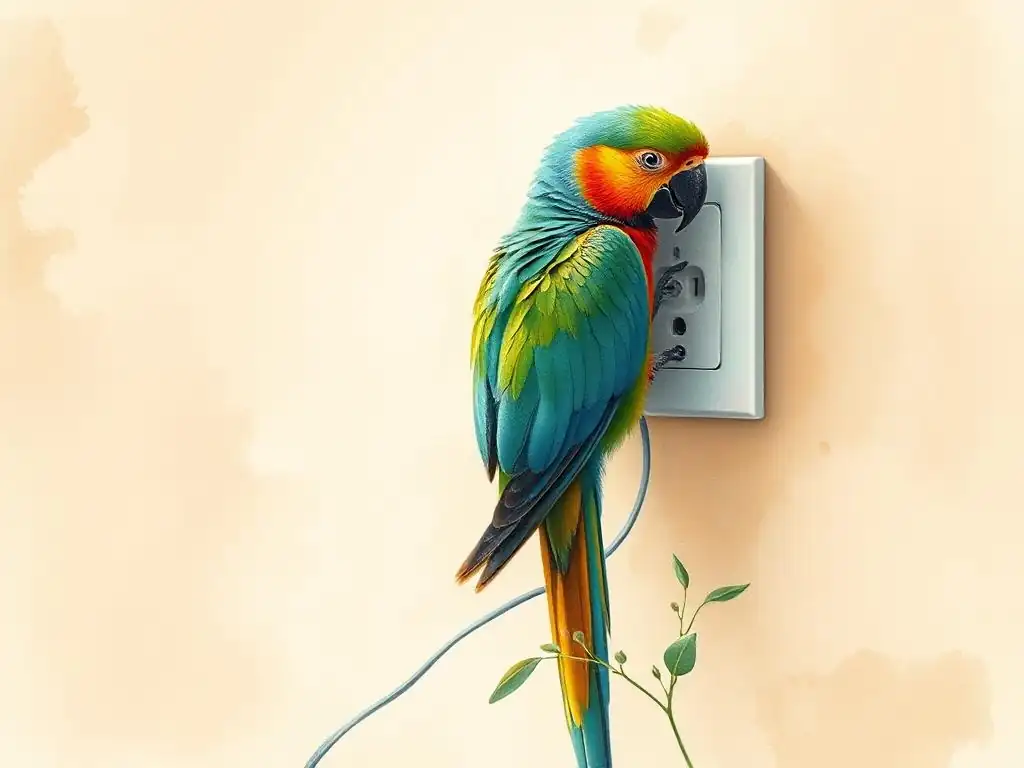
Protecting your feathered friend from electrical hazards requires a proactive approach to bird electrical cord safety. Birds, with their natural curiosity and penchant for chewing, pose a significant risk to themselves when exposed to electrical cords and outlets. This section details crucial steps to bird-proof your home, minimizing the dangers associated with electricity. Understanding your bird's behavior is the first step; some birds are more prone to chewing than others, and certain breeds might display a more intense curiosity about electrical cords. Observing your bird's habits will help you identify potential problem areas and tailor your safety measures accordingly.
Securing Electrical Cords and Cables: Practical Tips and Techniques
Electrical cords represent a significant threat to birds. Chewing on these can result in electrocution, severe burns, or internal injuries. Therefore, securing cords is paramount for bird electrical cord safety. Here's how:
- Cord Management: Use cord covers or raceways to conceal cords and cables, especially those within reach of your bird's cage or play area. These plastic or flexible coverings prevent access and protect the wires from being chewed. Consider using zip ties or Velcro straps to neatly bundle cords together, reducing the amount of exposed wire.
- Out-of-Reach Placement: Keep all electrical cords and appliances out of your bird's reach. This might involve rearranging furniture or placing frequently used appliances in designated areas. Remember, even seemingly secure cords can be reached by a determined bird, so vigilance is key.
- Regular Inspection: Regularly inspect all cords for any signs of chewing or damage. Replace any damaged cords immediately; frayed wires are a serious fire hazard and can easily electrocute your pet. A damaged cord, even a small nibble, compromises the insulation and increases the risk significantly.
- Hidden Cords: For appliances that must be within reach (like lamps), consider using extension cords to route the power source away from the bird's immediate surroundings. This helps maintain a safe distance while still allowing you to use the appliance.
- Material Considerations: While not foolproof, some birds are less interested in chewing on certain materials than others. Experimenting with different cord protectors made from less appealing materials (such as those with a bitter taste) might deter your bird. However, this should be considered a supplemental measure, not a primary solution.
Covering and Protecting Electrical Outlets: Safe and Effective Methods
Outlets present a direct and immediate danger to curious birds. Even a brief contact can lead to a severe shock or electrocution. Implementing robust outlet protection is crucial for bird electrical cord safety.
- Outlet Covers: Use safety plugs or outlet covers designed specifically to prevent access. These inexpensive devices effectively block access to the electrical contacts within the outlet. Ensure that the covers are securely fitted and regularly checked for damage or looseness.
- Furniture Placement: Strategically placing furniture in front of outlets can provide an additional layer of protection, especially in areas where complete outlet coverage isn't feasible. This prevents direct access while still allowing the outlet to function as needed.
- Elevated Cages: Keeping your bird's cage elevated can also help reduce access to outlets located lower on walls. This simple step creates a considerable distance, making it more difficult for the bird to reach the outlets.
Managing Electrical Appliances Safely Around Birds: Best Practices
Safe appliance management is vital for bird electrical cord safety. Even with secured cords, some appliances pose unique risks.
- Appliance Placement: Keep appliances away from the bird's cage and play area whenever possible. This limits the opportunities for interaction and reduces the chance of accidents.
- Supervision: Always supervise your bird when electrical appliances are in use, especially those that generate heat or have exposed cords. This allows for immediate intervention should your bird show any interest in the appliance.
- Unplugging When Unused: Develop a habit of unplugging appliances when not in use. This eliminates the risk of electrocution from exposed wires or faulty appliances. The simple act of unplugging drastically reduces the potential hazards.
- Cord Length: Use appropriately sized extension cords. Excessively long cords can pose tripping hazards and increase the likelihood of birds accessing them.
Implementing these strategies will significantly enhance your bird's safety and contribute to a more secure home environment. Remember, consistent vigilance and proactive measures are key to preventing electrical accidents. Regularly reviewing and updating your safety precautions is essential to maintain a safe and enriching environment for your beloved bird.
Choosing Bird-Safe Electrical Products and Equipment
Selecting bird-safe electrical products is crucial for preventing electrical accidents. Birds, particularly those with a penchant for chewing, can easily damage exposed wires, leading to electrocution or fire. Therefore, opting for products designed with safety in mind is paramount. This doesn't necessarily mean purchasing specialized "bird-proof" appliances, although these are available. Instead, focus on products with features that minimize risk. Look for appliances and cords with heavy-duty insulation and durable casings that resist chewing and pecking.
Avoid flimsy cords or those with easily accessible wires. Consider using cord covers or protectors, readily available at most pet stores, to further safeguard exposed wires. These flexible sleeves encase cords, preventing your bird from accessing the wires within. Remember, prevention is key when it comes to bird electrical cord safety. A proactive approach to choosing and utilizing electrical equipment significantly reduces the potential for accidents.
Regularly inspect all electrical cords and appliances for any signs of damage, such as frayed wires, exposed conductors, or cracks in the casing. Even seemingly minor damage can quickly escalate into a significant hazard. Damaged equipment should be immediately replaced, not repaired, to ensure your bird's safety. Don't underestimate the importance of this step; a seemingly small nick in the cord could easily become a major hazard. Remember, your bird's safety depends on your vigilance. A proactive approach to maintenance can prevent many accidents. Think of it as a form of preventative bird electrical cord safety.
Furthermore, consider the placement of electrical appliances. Keep appliances with exposed cords out of reach of your bird, preferably in areas your bird cannot access. This simple preventative measure can significantly reduce the risk of electrical accidents. For example, consider using surge protectors that are designed to be placed out of your bird's reach. Strategic placement is another crucial aspect of bird electrical cord safety. By combining careful product selection with mindful placement, you create a safer environment for your feathered friend. Remember, a well-planned setup minimizes the chances of an accident.
Responding to Electrical Emergencies Involving Birds
This section focuses on the crucial steps to take when your bird has encountered an electrical hazard, encompassing immediate actions, recognizing signs of injury, and administering appropriate first aid. Remember, swift action is paramount in these situations to maximize your bird's chances of survival. Effective bird electrical cord safety involves prevention, but knowing how to respond to an emergency is equally important.
Immediate Actions to Take if Your Bird Encounters an Electrical Hazard
The first few moments after your bird encounters an electrical hazard are critical. Your rapid response can significantly impact the outcome. Do not touch your bird or the electrical source directly! Here's the breakdown of immediate actions:
- Disconnect the Power Source: This is the absolute priority. Immediately switch off the power at the wall outlet or circuit breaker. If you can't reach the source safely, call for help immediately. Prioritize your own safety; you cannot help your bird if you are injured.
- Assess the Situation: Once the power is off, carefully approach your bird. Observe their condition, noting any visible injuries or unusual behavior. Are they responsive? Are they breathing?
- Protect Yourself: Wear thick, insulating gloves (rubber or leather) if possible before handling your bird. This protects you from potential residual charge.
- Gently Remove Your Bird: Carefully remove your bird from the vicinity of the electrical hazard, ensuring you are not touching any electrical components. Use a non-conductive material, like a towel or thick cloth, if needed.
- Seek Veterinary Help Immediately: Do not delay. Electrical shock can cause internal damage not immediately visible. Contact your avian veterinarian or the nearest emergency veterinary clinic. Explain the situation clearly and concisely to ensure the appropriate treatment is ready.
Important Note: Even if your bird appears unharmed after the incident, it's crucial to seek veterinary attention. Internal injuries might not be immediately apparent. Early intervention is key to preventing long-term complications.
Signs of Electrical Shock or Injury in Birds
Recognizing the signs of electrical shock in birds is essential for prompt treatment. These signs can vary in severity, ranging from subtle changes in behavior to obvious injuries. Here are some key indicators to watch for:
- Loss of Consciousness: This is a serious sign indicating severe electrical shock.
- Difficulty Breathing: Observe for labored breathing, gasping, or irregular respiratory patterns.
- Muscle Tremors or Spasms: Your bird may exhibit involuntary muscle contractions.
- Burns: Look for singed feathers, skin burns, or discoloration around the areas where the bird made contact with the electrical source.
- Lethargy and Weakness: Your bird may appear unusually tired, weak, and unresponsive.
- Abnormal Heart Rate: If you can feel your bird's heartbeat, note any irregularities. (This requires experience and should be done carefully.)
- Changes in Behavior: Sudden changes in temperament, such as increased aggression or unusual stillness, can also be indicative of shock.
| Sign | Severity | Description |
|---|---|---|
| Loss of Consciousness | Severe | Unresponsive, no visible signs of life. |
| Difficulty Breathing | Moderate to Severe | Labored breathing, gasping, wheezing, or irregular respiratory patterns. |
| Muscle Tremors/Spasms | Moderate to Severe | Involuntary muscle contractions. |
| Burns | Variable | Singed feathers, skin burns, or discoloration. |
| Lethargy/Weakness | Moderate to Severe | Unusual tiredness, weakness, and unresponsiveness. |
First Aid for Birds Suffering from Electrical Shock
While professional veterinary care is paramount, there are a few preliminary first aid steps you can take before reaching the vet. Remember, these are temporary measures and should not replace professional veterinary treatment.
- Keep Your Bird Warm: Gently wrap your bird in a warm towel to help maintain body temperature.
- Ensure Airway is Clear: Gently check the airway to ensure there are no obstructions.
- Administer Oxygen (If Trained): If you have access to oxygen and are trained in its administration, carefully provide supplemental oxygen. (This should only be done by someone with appropriate training.)
- Minimize Stress and Movement: Keep your bird calm and minimize handling to prevent further injury.
- Transport Carefully: Use a secure, well-ventilated carrier to transport your bird to the veterinary clinic. Maintain a comfortable and stable environment during transport.
Remember, prevention is the best approach to bird electrical cord safety. Secure cords, use cord covers, and provide a safe environment for your feathered friend. By following these guidelines and prioritizing swift action, you will significantly improve the chances of a positive outcome in the event of an electrical emergency. 🐦
When to Seek Veterinary Care for Electrical Injuries in Birds
Electrical injuries in birds can range from minor to life-threatening. Even seemingly insignificant shocks can cause internal damage not immediately visible. Therefore, prompt veterinary attention is crucial in many cases. Don't assume your bird is fine just because it appears to have recovered quickly after an incident. Internal bleeding, organ damage, and nerve damage can take time to manifest. A seemingly unaffected bird might later develop serious complications. Early intervention dramatically increases the chances of a full recovery.
Several indicators should trigger an immediate trip to an avian veterinarian. These include, but are not limited to: visible burns, singed feathers, difficulty breathing, seizures, lethargy, loss of coordination (ataxia), unusual vocalizations, changes in appetite or drinking habits, or any behavioral changes like increased aggression or unusual sleep patterns. Even if your bird seems to be behaving normally after an electrical incident, it's advisable to seek professional evaluation, especially if you suspect a significant exposure to electricity. The veterinarian will conduct a thorough examination, potentially including blood tests and X-rays, to assess the extent of the injury and provide appropriate treatment.
Remember, prevention is always better than cure when it comes to bird electrical cord safety. But should an accident occur, swift action is vital for your feathered friend's well-being. Delaying veterinary care can have severe consequences. The faster your bird receives treatment, the better the prognosis.
Consider the severity of the electrical shock. A brief, low-voltage shock might seem less concerning, but even a minor incident can cause internal damage. A high-voltage shock, on the other hand, is an immediate emergency requiring immediate veterinary attention. Your bird's size also plays a role; a smaller bird is naturally more vulnerable to the effects of an electrical shock. The symptoms your bird presents post-incident should guide your decision-making.
If you observe any of the aforementioned signs, do not hesitate to contact your avian veterinarian immediately. Time is of the essence in these situations. Acting quickly can significantly improve your bird's chances of survival and full recovery. Don't underestimate the potential for hidden injuries; a seemingly minor incident can have long-term health consequences.
Creating a Safe Electrical Environment for Your Feathered Friend
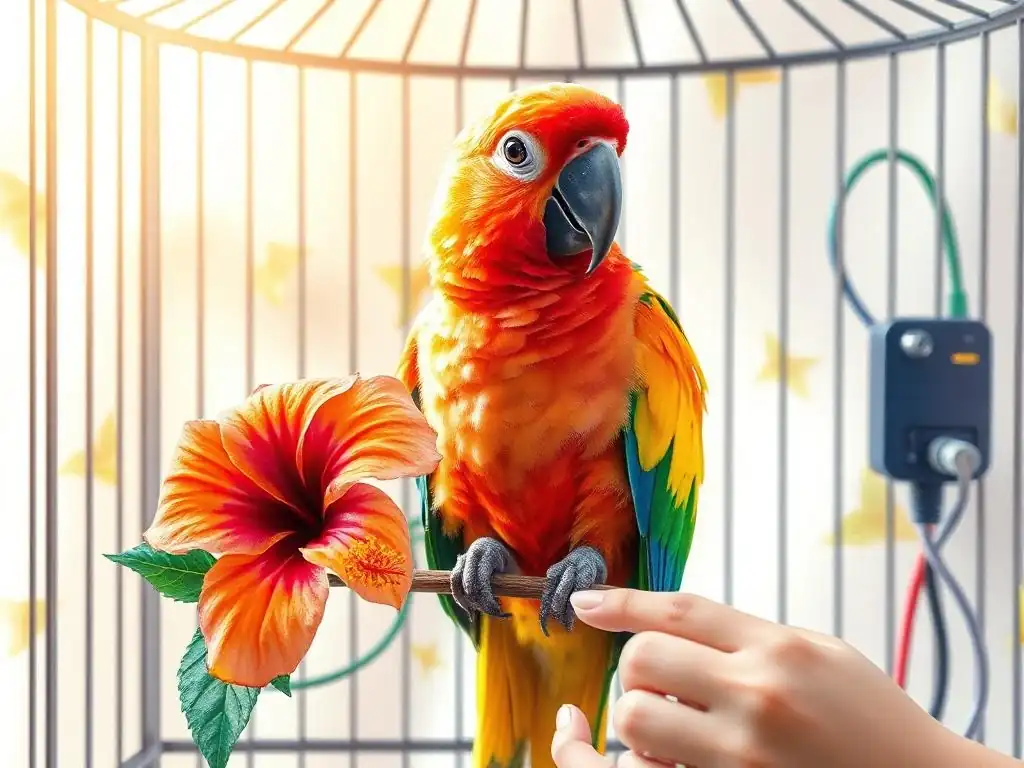
Protecting your bird from electrical hazards requires a proactive and multifaceted approach. This isn't just about immediate fixes; it's about creating a long-term strategy to minimize risks and ensure your feathered friend's safety. Bird electrical cord safety is paramount, and understanding the potential dangers is the first step towards prevention. Remember, even seemingly minor electrical hazards can pose significant threats to your bird's well-being. Their curious nature and tendency to chew can lead to serious accidents.
Long-Term Strategies for Preventing Future Electrical Accidents
Creating a truly safe environment for your bird necessitates a long-term commitment to safety. This involves more than just tidying up loose cords; it's about designing a space where electrical hazards are minimized.
Consider these long-term solutions:
- Cord Management Systems: Invest in cord covers or protectors designed specifically for pets. These are available in various styles and materials, offering robust protection against chewing and accidental contact. Choose durable options that can withstand a bird's persistent pecking.
- Wall-Mounted Outlets: Consider replacing floor and low-level outlets with wall-mounted versions. This reduces the accessibility of cords and outlets to your bird. This is particularly important in rooms where your bird spends a significant amount of time.
- Furniture Placement: Strategically position furniture to block access to electrical cords and outlets. This simple act can significantly reduce the chances of your bird encountering a hazard.
- Regular Cable Audits: Conduct regular checks of all electrical cords and appliances in your bird's vicinity. Replace frayed or damaged cords immediately to prevent potential short circuits and shocks. This proactive approach is crucial for maintaining a safe environment.
- Wireless Technology: Where possible, switch to wireless alternatives for appliances and electronics. This eliminates the need for many potentially dangerous cords. This is a significant long-term investment in bird electrical cord safety.
Regularly Inspecting Your Home for Electrical Hazards
Regular inspections are crucial for maintaining a bird-safe home. Don't just focus on your bird's immediate surroundings; consider the entire house. Even seemingly safe areas can harbor hidden dangers.
Here's a checklist for your regular inspections:
| Room | Inspection Points | Frequency |
|---|---|---|
| Bird's Room | All cords, outlets, appliances within reach | Daily |
| Living Room | Cords from lamps, TVs, electronics, charging devices | Weekly |
| Kitchen | Cords from appliances, outlets near counters | Weekly |
| Bedrooms | Cords from lamps, alarm clocks, charging devices | Bi-weekly |
| Bathrooms | Cords from hair dryers, electric toothbrushes, etc. | Monthly |
Remember to check for:
- Frayed or damaged cords: These are immediate safety hazards and need replacing.
- Exposed wires: Any exposed wires should be immediately covered or repaired by a qualified electrician.
- Loose outlets: Loose outlets can pose a significant risk of shock.
- Overloaded circuits: Avoid overloading circuits to prevent fire hazards.
Educating Family Members and Guests About Bird Electrical Safety
Bird electrical cord safety is a shared responsibility. Everyone in your household, including children and guests, needs to understand the potential dangers and how to prevent accidents.
- Clear Communication: Clearly communicate the importance of bird safety to all family members and guests. Explain the dangers of electrical cords and outlets to birds.
- Supervision: Supervise children and guests around your bird to prevent accidental exposure to electrical hazards.
- Designated Areas: Establish designated areas where birds are allowed to roam freely, ensuring these areas are free from electrical hazards.
- Guest Guidelines: Provide clear guidelines for guests regarding interacting with your bird and handling electrical appliances. This prevents accidental hazards caused by carelessness.
- Training: For children, consider educational materials or games to reinforce the importance of bird safety around electricity. Early education is key.
By implementing these strategies, you significantly reduce the risk of electrical accidents and create a safer, more secure environment for your beloved feathered companion. Remember, proactive measures are far more effective than reactive ones when it comes to bird electrical cord safety. 🦜
The Importance of Bird-Specific Cords and Adapters (if needed)
Birds, especially those with a penchant for chewing, present unique challenges when it comes to electrical safety. Standard electrical cords, often made of materials enticing to birds, pose a significant risk. A bird's beak can easily pierce the insulation, leading to electrocution or severe injury. This risk is amplified by the fact that birds often perceive cords as toys or climbing structures. They may attempt to shred them, resulting in exposed wires and a dangerous shock hazard. Therefore, understanding the importance of bird-specific cords and adapters is crucial for maintaining a safe environment.
Using bird-safe cords, often constructed from tougher, less palatable materials, significantly reduces the risk of damage and subsequent electrocution. These cords are designed with enhanced insulation and are often covered in a material that is less appealing to a bird's natural chewing instincts. This proactive measure is a simple yet effective way to minimize the chances of an electrical accident. Think of it as an extra layer of protection, ensuring your feathered friend is safe from the temptations of electrical cords.
In some cases, you might need to use adapters to make your electronics compatible with bird-safe cords. This is particularly relevant when dealing with older appliances or devices that don't have easily replaceable cords. Choosing adapters made of durable, non-toxic materials is essential. Avoid adapters made of cheap plastic that might easily break or contain harmful chemicals.
Always inspect adapters regularly for any signs of wear and tear, replacing them immediately if any damage is observed. Remember, prevention is key when it comes to bird electrical safety, and selecting the right cords and adapters plays a vital role in this preventative approach. Prioritizing bird-specific products is a small investment that can prevent a potentially tragic accident.
Frequently Asked Questions
How can I prevent my bird from chewing on electrical cords?
Keep electrical cords out of your bird's reach by using cord covers, zip ties, or routing them through walls or behind furniture. Supervise your bird closely, especially during playtime. Consider using cord protectors designed specifically for pets.
What should I do if my bird chews on an electrical cord?
Immediately unplug the appliance and assess your bird for injuries. Look for burns, shock, or bleeding. Contact your avian veterinarian immediately for emergency care.
Are there any bird-safe cord covers available?
Yes, many pet stores and online retailers sell flexible, durable cord covers specifically designed to deter pets from chewing. Look for options made from non-toxic materials.
My bird seems fascinated by electrical outlets. How do I address this?
Cover unused outlets with childproof safety covers. Keep your bird's cage away from walls with outlets. Distract your bird with toys and activities to redirect their attention.
What are the signs of electrical shock in birds?
Signs can include lethargy, difficulty breathing, seizures, burns, or sudden death. If you suspect electrical shock, seek immediate veterinary attention. Time is critical in these situations.
Final Reflection: A Shocking Truth: Protecting Our Feathered Friends
The silent danger of household electricity to our beloved birds is a pervasive threat, a hidden risk lurking in every home. While we diligently protect our pets from more obvious hazards, the insidious nature of electrical cords and outlets often goes unnoticed, leading to tragic consequences for our avian companions. This silent danger demands our immediate attention and proactive measures.
The impact of educating pet owners about bird electrical cord safety is profound and far-reaching. It's not just about preventing accidents; it's about fostering a deeper understanding of our responsibility towards the creatures we share our lives with. The bond we share with our birds is unique and precious, demanding a level of care that extends beyond the basics. The greatness of a nation and its moral progress can be judged by the way its animals are treated.
- Mahatma Gandhi. This quote transcends species and speaks to the ethical imperative of protecting all vulnerable beings under our care.
Now, consider your own home. Take a moment to examine your environment through the eyes of your feathered friend. Are there exposed wires? Are cords easily accessible? Make a conscious effort to bird-proof your home, not just for today, but for every day. By implementing simple safety measures, we can create a haven for our birds, a space where they can thrive without the constant threat of electrical hazards. Let's work together to ensure the safety and well-being of our avian companions, building a future where every bird can chirp freely and safely.
Power Up Your Pet's Safety: Simple Steps to a Safer Home
Thank you for learning about protecting your bird from electrical hazards! We hope you feel confident in keeping your feathered friend safe. Ready to put your knowledge into practice?
- Prioritize cord management: Take a few minutes to check your home for exposed wires or easily accessible outlets within your bird's reach. This simple precaution can significantly reduce risks.
- Share this vital information: Spread the word! Share this article with fellow bird owners to help them protect their pets.
- Use attractive cord covers: Consider using safe and aesthetically pleasing cord covers to enhance your home's safety.
What creative solutions have you discovered to protect your pet from electrical cords? Share your ideas in the comments below!