
The Benefits of Puppy Training Classes: A Social and Educational Experience

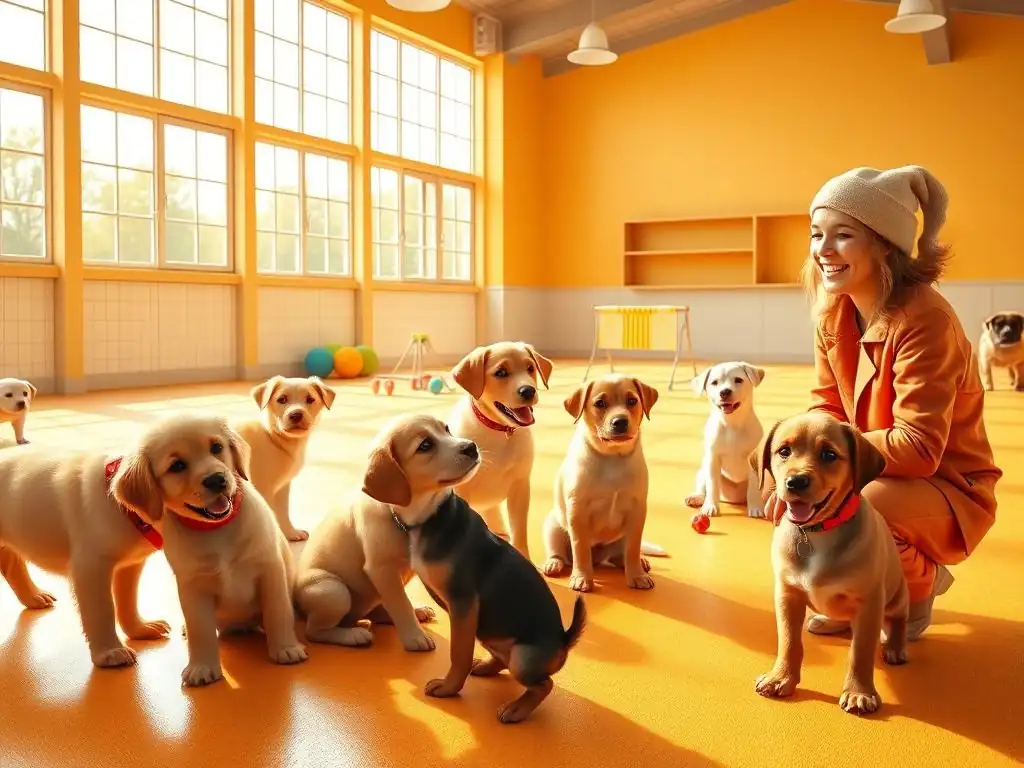
Welcome to PetCareWorld, your ultimate guide to a happier, healthier life for your beloved pet! Are you ready to unlock the incredible potential of your furry friend? Discover the transformative benefits of puppy training classes – from building essential social skills to fostering a strong bond between you and your canine companion. Dive into our expert guide and learn how early training sets the stage for a lifetime of joyful companionship. Let's explore the rewarding journey together!
- Understanding the Advantages of Puppy Socialization Classes
- Educational Aspects of Puppy Training Classes
- Puppy Training Classes: A Socialization Hub
- Choosing the Right Puppy Training Class for Your Dog
- Long-Term Benefits of Puppy Training Classes
- Beyond Basic Obedience: Advanced Training Opportunities
- Frequently Asked Questions
- Final Reflection: Unlocking a Lifetime of Harmony Through Puppy Training
- Unlock Your Puppy's Potential: Start Their Journey Today!
Choosing to enroll your puppy in training classes offers a wealth of benefits that extend far beyond basic obedience. It's an investment in your puppy's future well-being, fostering not only crucial behavioral skills but also vital social development. This article delves into the multifaceted advantages of puppy training classes, highlighting their impact on socialization, behavioral development, and overall confidence.
We'll explore how these classes contribute to raising a well-adjusted, happy, and confident canine companion, ultimately strengthening the bond between you and your furry friend. Understanding these benefits will empower you to make an informed decision about enriching your puppy's early life and setting them up for success.
The positive effects of early training are undeniable, impacting everything from your puppy's behavior in the home to its interactions with other dogs and people throughout its life. This comprehensive guide will equip you with the knowledge to understand why investing in a puppy training class is one of the best decisions you can make for your new pet.
Early socialization is paramount for a puppy's healthy development. Puppy training classes provide a controlled environment where your puppy can safely interact with other puppies and dogs of various breeds, sizes, and temperaments. This exposure helps them learn appropriate canine social etiquette, such as understanding body language, appropriate play, and respecting boundaries.
Without proper socialization, puppies can develop fear-based aggression or excessive shyness, leading to behavioral problems later in life. A structured class setting, guided by a professional trainer, ensures that interactions are positive and supervised, minimizing the risk of negative experiences. This early exposure to diverse canine interactions is crucial for building a well-adjusted adult dog, capable of navigating various social situations with confidence and ease.
Consider this: a puppy that hasn't been properly socialized might exhibit fear or aggression towards other dogs, leading to challenging situations in parks or on walks. A well-socialized puppy, however, will display appropriate behavior, making for a more enjoyable and less stressful experience for both you and your pet.
Preventing Behavioral Problems Through Early Training
Puppy training classes offer a proactive approach to preventing behavioral issues before they become ingrained habits. Early training establishes a foundation of good manners and obedience, addressing potential problem behaviors like jumping, biting, and excessive barking, before they escalate. Learning basic commands such as "sit," "stay," "come," and "leave it" are not just about obedience; they are essential tools for managing your puppy's behavior in various situations. These skills provide you with the ability to redirect unwanted behaviors and maintain control, creating a more harmonious household.
Furthermore, consistent training builds a strong bond between you and your puppy based on trust and mutual understanding. The structure and consistency of a class setting reinforces these lessons, resulting in a more confident and well-behaved canine companion. Think of it as preventative medicine for your puppy's behavior – addressing potential problems early on prevents more significant challenges later.
Building Confidence and Reducing Anxiety in Young Puppies
Many puppies experience anxiety in new situations. Puppy classes provide a safe and supportive environment for puppies to build confidence and overcome anxieties. The structured environment, combined with positive reinforcement techniques, helps puppies learn to cope with new stimuli and navigate unfamiliar situations without fear.
The presence of other puppies can also have a calming effect, encouraging socialization and reducing feelings of isolation. This confidence-building aspect extends beyond the class setting; a confident puppy is more likely to be resilient and adaptable, making transitions and changes in their environment easier to manage. By building their confidence, you are not only helping your puppy feel secure, but you are also fostering a stronger bond with them.
A confident puppy is a happier, healthier puppy, and that translates into a more fulfilling experience for both of you. The positive reinforcement techniques used in these classes are crucial in building a trusting relationship and promoting a happy, well-adjusted dog.
Educational Aspects of Puppy Training Classes

Puppy training classes offer far more than just basic obedience; they provide a crucial educational foundation for both puppy and owner, impacting their relationship and the dog's overall well-being. Understanding these educational benefits is key to maximizing the positive impact of these classes and building a strong bond with your canine companion.
The structured learning environment fosters a deeper understanding of canine behavior and communication, equipping owners with the tools to navigate potential challenges effectively. This section will delve into the specific educational advantages offered by puppy training classes, focusing on key areas of development for both the puppy and the owner.
Learning Basic Obedience Commands: Sit, Stay, Come
Mastering basic obedience commands like "sit," "stay," and "come" is fundamental to responsible dog ownership. Puppy training classes provide a structured environment where puppies learn these commands through positive reinforcement methods. Instead of relying on punishment, trainers utilize rewards such as treats, praise, and toys to motivate puppies to perform desired behaviors. This positive approach builds a strong positive association between the command and the reward, fostering a happy and willing learner.
The consistent repetition and clear communication in a class setting significantly accelerate the learning process compared to trying to train a puppy independently. Trainers demonstrate effective techniques, address individual puppy challenges, and provide personalized guidance to owners, ensuring consistent application of training methods at home. This structured approach is particularly beneficial for first-time dog owners, who may lack experience in positive reinforcement techniques.
Furthermore, the social interaction within the class helps puppies learn to focus amidst distractions, improving their ability to respond to commands in various environments. For example, a puppy initially distracted by other dogs might gradually learn to concentrate on its handler and respond to commands even when surrounded by other puppies. This prepares them for real-world scenarios and strengthens their obedience.
House Training and Potty Training Techniques
House training is a crucial aspect of puppy ownership, often presenting significant challenges for new owners. Puppy training classes offer invaluable support in navigating this process. Trainers provide evidence-based strategies for establishing a consistent potty routine, including the importance of frequent potty breaks, establishing designated potty areas, and using positive reinforcement to reward successful elimination.
Many classes integrate crate training techniques, which can be incredibly beneficial for house training. Trainers explain how to use a crate safely and effectively as a den and a tool for managing potty breaks and preventing accidents. They emphasize the importance of making the crate a positive space, avoiding its use as punishment. The class setting also allows owners to share their experiences and learn from each other, addressing common challenges and finding solutions that work best for their individual puppies.
For example, owners might learn about different types of potty pads, effective cleaning solutions for accidents, and the importance of consistent scheduling. This shared learning environment creates a supportive community where owners feel comfortable asking questions and seeking guidance without judgment. This collaborative approach significantly increases the chances of successful house training.
Bite Inhibition and Gentle Handling Techniques
Puppies, especially during their teething phase, naturally explore the world through biting. Puppy training classes teach owners techniques to manage this behavior and encourage gentle handling from a young age. Trainers demonstrate methods for redirecting biting behavior using positive reinforcement, teaching puppies to gently mouth instead of biting hard. This is crucial for preventing aggressive behavior later in life and ensuring safe interactions with humans and other animals.
The classes also focus on proper handling techniques to minimize stress and potential injury to the puppy. Trainers emphasize the importance of gentle movements, appropriate handling positions, and the use of calming techniques to ensure a positive experience. This is particularly important for puppies who are anxious or easily frightened.
By teaching owners to handle their puppies confidently and calmly, the classes help prevent the development of fear-based aggression or other behavioral issues. For example, trainers might demonstrate how to safely restrain a puppy for nail trimming or administering medication, reducing the stress for both the puppy and the owner. This emphasis on positive handling contributes to a stronger bond and a more confident, well-adjusted dog.

Puppy training classes offer far more than just basic obedience skills; they are crucial for a puppy's healthy social and emotional development. The structured environment and controlled interactions provide invaluable opportunities for socialization, shaping your puppy's behavior and personality in positive ways. This section delves into the multifaceted social benefits provided by puppy training classes, highlighting their impact on your puppy's overall well-being and future behavior. Understanding these advantages will help you appreciate the long-term value of investing in professional puppy training.
Proper socialization during puppyhood is paramount. A well-run puppy training class offers a safe and supervised environment for puppies to interact with their peers. This controlled exposure allows them to learn appropriate play behaviors, bite inhibition, and conflict resolution. Puppies learn to read canine body language, understand boundaries, and navigate social dynamics in a way that wouldn't be possible in less structured settings.
This is crucial for preventing aggression and developing positive social skills later in life. For example, a shy puppy might initially avoid interaction, but through observation and gradual encouragement from the trainer and other puppies, it may start to engage in play, building confidence and reducing anxieties. Conversely, an overly boisterous puppy can learn to temper its enthusiasm and respect the boundaries of other dogs.
This controlled socialization minimizes the risk of negative experiences that could lead to behavioral issues down the line. The benefits extend beyond immediate play; puppies learn to tolerate the presence of other dogs, preparing them for future encounters in parks, dog runs, or even during visits to friends and family. The class environment allows for observation of different breeds and sizes, enriching their social understanding and reducing potential anxieties about unfamiliar dogs.
Positive Interactions with Humans: Building Trust and Comfort
Puppy training classes aren't just about dog-to-dog interaction; they are equally important for building positive relationships with humans. The consistent exposure to various individuals — trainers, assistants, and other dog owners — helps puppies develop comfort and trust around people of different ages, appearances, and even physical limitations. This is particularly beneficial for puppies who may have limited exposure to humans outside their immediate family.
The calm and controlled atmosphere encourages positive interactions, allowing puppies to approach people at their own pace without feeling threatened or overwhelmed. Trainers often incorporate handling exercises, such as gentle petting and nail trimming, into the class, making these potentially stressful experiences more positive and less frightening. This early positive association with human touch lays the foundation for a well-adjusted adult dog who is comfortable with grooming, veterinary visits, and general handling.
Moreover, observing other dogs interacting positively with humans provides a powerful form of social learning – puppies often mimic the behavior of their peers, reinforcing the message that humans are friendly and trustworthy. The cumulative effect of these positive experiences enhances the puppy's overall temperament and makes them better companions.
Learning from Experienced Trainers and Other Dog Owners
Beyond the socialization aspect, puppy training classes provide access to valuable expertise. Experienced trainers offer guidance on appropriate training techniques, addressing common puppy issues such as housebreaking, chewing, and barking. Furthermore, observing other dog owners handling their puppies effectively can provide additional insights and inspiration.
This peer-to-peer learning is incredibly valuable, creating a supportive community where owners can share their experiences, ask questions, and learn from each other's successes and challenges. The trainer's expertise goes beyond simple commands; they often offer advice on nutrition, health, and overall puppy care, providing a holistic approach to raising a well-adjusted dog. This comprehensive knowledge base empowers owners to make informed decisions about their puppy's well-being, leading to a stronger bond and a happier, healthier pet.
The opportunity to network with other dog owners is also a significant benefit, creating a support system for new pet owners and offering access to a wealth of collective knowledge and experience. This shared experience can significantly reduce the stress and uncertainty often associated with puppy ownership, ensuring that owners feel confident and prepared to handle any challenges that may arise.
Choosing the Right Puppy Training Class for Your Dog

Selecting the appropriate puppy training class is crucial for maximizing the benefits of socialization and education for your canine companion. A poorly chosen class can hinder progress, create anxieties, or even worsen behavioral issues. Understanding your options and carefully evaluating different programs is key to a successful and positive learning experience for both you and your puppy. The right class will significantly impact your puppy's development, fostering confidence and building a strong bond between you.
This section will guide you through the key considerations to make when choosing a puppy training class. We'll explore factors like instructor qualifications, class size, training methodologies, and how to match the class to your puppy's unique personality and needs. Remember, the investment in a good puppy training class is an investment in your dog's future well-being and your relationship with them.
Finding Qualified and Reputable Instructors
The cornerstone of a successful puppy training class is a skilled and experienced instructor. Look for instructors with certified credentials, such as those from reputable organizations like the Certification Council for Professional Dog Trainers (CCPDT) or the Association of Professional Dog Trainers (APDT). These certifications indicate a commitment to ongoing education and adherence to humane, science-based training methods. Avoid instructors who utilize aversive training techniques, such as shock collars or harsh physical corrections.
These methods can be detrimental to your puppy's emotional well-being and can severely damage your relationship. Positive reinforcement, based on rewarding desired behaviors, is the gold standard in modern dog training and should be the hallmark of any reputable program. Reading reviews and testimonials from previous clients can provide valuable insights into an instructor's teaching style, patience, and effectiveness.
Inquire about their experience with various breeds and age ranges to ensure they have the expertise to handle your puppy's specific needs. A good instructor will also provide individual attention and guidance, adapting their approach to the unique challenges faced by each puppy-owner pair. Remember, a positive learning environment is essential for your puppy's development.
Considering Class Size and Training Methods
Class size significantly impacts the quality of instruction your puppy receives. Smaller classes allow for more individualized attention from the instructor, enabling them to address each puppy's specific needs and correct any issues promptly. Larger classes can be overwhelming for some puppies, leading to increased stress and hindering their learning progress. Ideally, the class should have a student-to-instructor ratio that allows for personalized feedback and guidance.
The training methods employed by the instructor are equally crucial. Look for classes that emphasize positive reinforcement techniques, such as rewarding desired behaviors with treats, praise, and toys. Avoid classes that rely on punishment or intimidation, as these methods can be detrimental to your puppy's emotional well-being and can create fear and anxiety. Positive reinforcement fosters a strong bond between you and your puppy, making the learning process enjoyable and effective.
Inquire about the curriculum and the specific skills that will be covered in the class. A well-structured curriculum will progressively build upon previously learned skills, ensuring a comprehensive and effective training experience. A good program will incorporate a variety of training techniques to cater to different learning styles and ensure your puppy masters the necessary skills.
Assessing Your Puppy's Personality and Needs
Before enrolling your puppy in a training class, carefully assess their temperament and needs. Some puppies are naturally outgoing and thrive in group settings, while others are more shy and may benefit from a smaller, more intimate class or even private lessons. If your puppy displays signs of anxiety or fearfulness, a smaller class with a patient and understanding instructor is crucial.
Consider your puppy's breed and any pre-existing behavioral issues. Certain breeds have predispositions to specific behavioral challenges, and a qualified instructor should be able to address these concerns effectively. If your puppy has already exhibited problematic behaviors, such as excessive barking or aggression, choosing a class specifically designed to address these issues may be necessary.
A good instructor will be able to assess your puppy's personality and adjust their teaching methods accordingly, creating a safe and supportive learning environment that caters to your puppy's individual needs. Remember, the goal is to create a positive and rewarding experience for both you and your puppy, fostering a strong bond and equipping you with the skills to manage your dog's behavior effectively throughout their life. Choosing the right class is a vital step in achieving this goal.
Long-Term Benefits of Puppy Training Classes

Puppy training classes offer a wealth of advantages that extend far beyond the immediate goal of teaching basic obedience. Investing in professional puppy training provides significant long-term benefits for both the puppy and the owner, impacting their relationship, communication, and the overall well-being of the dog throughout its life. Understanding these long-term advantages can help prospective pet owners appreciate the value of early socialization and training.
The benefits are not just about a well-behaved dog; they are about building a strong, lasting bond founded on mutual respect and understanding. This section delves into the significant, enduring impacts of puppy training classes.
Strengthening the Bond Between Puppy and Owner
Puppy training classes are not just about teaching your puppy to sit, stay, and come; they are about building a strong and lasting relationship. The shared experience of learning and achieving goals together fosters a deeper connection between you and your puppy. The positive reinforcement techniques used in many classes create positive associations with training, making it a fun and rewarding experience for both of you.
This positive interaction strengthens the bond, building trust and mutual respect. Studies have shown that dogs trained using positive reinforcement methods exhibit lower levels of stress and anxiety and display stronger bonds with their owners. The consistent, positive interaction during training sessions helps create a secure and loving environment, leading to a more well-adjusted and happier dog.
This strengthened bond translates into a more harmonious and fulfilling life together, enriching the relationship for years to come. Consider the time spent working together as an investment in your relationship, a time for shared learning and growth.
Improving Communication and Understanding
Effective communication is crucial for any successful relationship, and this holds true for the human-animal bond as well. Puppy training classes provide a structured environment to learn effective communication techniques with your puppy. You'll learn to understand your puppy's body language, recognizing subtle cues that indicate happiness, fear, or anxiety. Conversely, your puppy will learn to understand your commands and signals, leading to a more harmonious and predictable relationship.
This improved communication translates into fewer misunderstandings, reducing frustration and stress for both you and your furry friend. Think of it as learning a new language – the language of canine communication. Mastering this language allows for clearer and more effective interactions, strengthening the bond and preventing behavioral problems that often stem from miscommunication. The ability to anticipate and respond appropriately to your dog's cues is invaluable in managing behavior and preventing future issues.
Preparing Your Puppy for a Well-Adjusted Adult Life
Early socialization and training are essential for raising a well-adjusted adult dog. Puppy training classes provide a safe and controlled environment for your puppy to interact with other dogs and people of different ages and sizes. This early exposure helps prevent the development of fear-based aggression or excessive shyness.
Moreover, the structured environment of a training class teaches your puppy valuable social skills, such as appropriate play behavior and respect for boundaries. A well-socialized puppy is more likely to become a confident and well-behaved adult dog, easily adapting to various situations and environments. This reduces the likelihood of behavioral issues later in life, saving you time, effort, and potential veterinary costs.
The benefits of early socialization extend to all aspects of your dog's life, contributing to a happier, healthier, and more well-rounded companion. Investing in puppy training classes is an investment in your dog's future well-being and your own peace of mind. It’s a proactive approach that yields significant long-term returns.
Beyond Basic Obedience: Advanced Training Opportunities
Exploring Agility Training and Other Enrichment Activities
Once your puppy has mastered the basics of obedience training – sit, stay, come, down – it's time to explore more advanced training opportunities that enrich their lives and strengthen your bond. Agility training is a fantastic option, providing both physical and mental stimulation. This dynamic sport involves navigating an obstacle course, challenging your dog's coordination, problem-solving skills, and focus. The benefits extend beyond just the physical activity; agility training builds confidence, improves communication between you and your dog, and provides a rewarding shared experience.
Many dogs also thrive on activities like scent work, where they use their incredible noses to locate hidden objects. This mentally stimulating activity taps into their natural instincts and provides a fulfilling challenge. Other enriching activities include trick training, which can be incredibly fun and further strengthens the bond between you and your pet. Teaching your dog tricks not only improves their cognitive skills but also provides opportunities for positive reinforcement and rewarding interactions.
Remember to always prioritize positive reinforcement methods, focusing on rewarding desired behaviors rather than punishing mistakes. This approach fosters a positive learning environment and strengthens the human-animal bond. The key is to find activities that your specific puppy enjoys and excels at. Some dogs are natural athletes, while others might prefer a more relaxed approach to enrichment.
The frequency of these enrichment activities should be balanced with rest and playtime. Overtraining can lead to stress and burnout, negating the positive effects. A good rule of thumb is to keep training sessions short and engaging, focusing on positive reinforcement and ending on a high note. Observing your puppy's body language is crucial; signs of fatigue or stress include yawning, lip licking, and avoiding eye contact. Always prioritize your puppy's well-being and adjust your training schedule accordingly. Consider incorporating these activities 2-3 times a week, alongside your regular obedience training.
Preparing for Canine Good Citizen Certification
The Canine Good Citizen (CGC) program is a valuable certification that demonstrates your dog's good manners and socialization skills. Achieving CGC certification requires training in ten key areas, including acceptance of a friendly stranger, supervised separation, and appropriate responses to other dogs. The program provides a structured framework for further developing your puppy's obedience and socialization, preparing them for various situations they might encounter in daily life. It's more than just a certificate; it's a testament to your dedication to responsible pet ownership and your dog's excellent behavior.
Preparing for the CGC test involves consistent practice and reinforcement of the ten key areas. This means regularly practicing the specific behaviors required, ensuring your puppy understands and responds reliably in various environments. Consider enrolling in a CGC preparation class, which offers structured training and expert guidance.
These classes provide a supportive learning environment, allowing you to practice with other dogs and owners, further enhancing socialization skills. The benefits of CGC certification extend beyond personal satisfaction; it can also make a difference when renting a home or traveling with your dog. Many landlords and pet-friendly establishments value CGC certification as an indicator of responsible pet ownership.
Successfully navigating the CGC test not only validates your training efforts but also instills confidence in your dog's abilities. The process itself is a rewarding journey, strengthening the bond between you and your canine companion. The structured approach to training involved in preparing for CGC certification reinforces good manners and responsible pet ownership, benefiting both you and your dog for years to come. The certification itself provides a tangible reward for your dedication and your dog’s achievements.
Continuing Education for Owners and Their Dogs
Even after achieving CGC certification or mastering advanced training techniques, continuing education is crucial for both you and your dog. Regular refresher courses help maintain your dog's skills and address any behavioral challenges that might arise. Furthermore, attending workshops or seminars on specific topics such as canine behavior or advanced training methods can significantly enhance your understanding of your dog's needs and improve your training effectiveness. Keeping up-to-date with the latest research and best practices in dog training ensures you're providing the best possible care for your companion.
Think of continuing education as an investment in your relationship with your dog. It's an opportunity to learn new techniques, refine existing skills, and address any specific concerns. This might involve attending workshops on specific problem behaviors, such as excessive barking or leash pulling, or exploring new training methods tailored to your dog's personality and learning style. Staying informed about current dog training practices ensures you're using the most effective and humane methods.
Remember that dogs, like humans, are individuals with unique personalities and learning styles. Continuing education allows you to adapt your training approach to meet your dog's specific needs and ensure a positive and rewarding learning experience. The benefits extend beyond improved obedience; continuing education fosters a deeper understanding of canine behavior and strengthens the bond between owner and dog. This ongoing learning process ensures a happy, healthy, and well-adjusted canine companion for years to come.
Frequently Asked Questions
What are the key benefits of enrolling my puppy in a training class?
Puppy training classes offer socialization with other dogs and people, crucial for healthy development. They also provide structured learning in basic obedience, preventing behavioral problems later. Professional guidance from experienced trainers is a major advantage.
Classes provide a controlled environment for puppies to interact safely with other dogs of various breeds and sizes. This helps them develop appropriate social skills, reducing aggression and fear-based behaviors. Supervised interaction minimizes risks associated with unsupervised play.
What kind of obedience skills will my puppy learn in a class?
Puppies typically learn basic commands like sit, stay, come, and down. They also learn impulse control and focus skills, building a strong foundation for future training. Classes often incorporate positive reinforcement techniques.
Are puppy training classes suitable for all breeds and ages?
Generally, yes, but the ideal age to start is around 8-12 weeks. The suitability for specific breeds depends on their temperament and energy levels. Consult with a trainer to determine the best fit for your puppy.
How do I choose a reputable puppy training class?
Look for classes that use positive reinforcement methods and have certified trainers. Check reviews and ask about class sizes and the trainer's experience. Ensure the facility is clean and safe.
Final Reflection: Unlocking a Lifetime of Harmony Through Puppy Training
The benefits of puppy training classes extend far beyond basic obedience; they are a foundational investment in a lifetime of joyful companionship and responsible pet ownership. These classes aren't just about teaching your puppy to sit and stay; they're about building a strong bond, fostering clear communication, and preventing potential behavioral problems down the line. This investment in early training pays dividends in a calmer, happier, and more well-adjusted dog, enriching the lives of both pet and owner.
The impact of early socialization and consistent training on a puppy's development is profound, shaping not only their behavior but also their overall well-being. It's a privilege to witness the transformation – from a bundle of nervous energy to a confident, well-mannered companion. This positive change ripples outwards, affecting the entire family dynamic and even influencing how others perceive and interact with your dog. A well-trained dog is a happy dog, and a happy dog makes a happy owner.
This simple truth underscores the far-reaching consequences of prioritizing puppy training.
Consider the lessons learned within these classes – not just for your puppy, but for yourself. You've gained valuable insights into canine behavior, communication, and the importance of consistent, positive reinforcement. Now, take this knowledge and continue to nurture the bond you've built. Embrace ongoing learning, continue practicing the techniques you've learned, and remember that every interaction with your dog is an opportunity to strengthen your relationship and build a truly exceptional partnership. The journey of training is a lifelong commitment, filled with rewarding moments and the unwavering love of your canine companion.
Unlock Your Puppy's Potential: Start Their Journey Today!
Thank you for learning about the amazing benefits of puppy training classes! We hope you now understand how enriching these classes are for both you and your furry friend. Ready to take the next step?
- Enroll your puppy in a local training class this week! This is the most impactful way to build a strong bond and ensure your puppy grows into a well-adjusted companion.
- Share this article with other dog owners who might benefit from learning about the social and educational advantages of puppy training classes. Let's spread the word!
- Consider exploring online resources for additional training tips and techniques to enhance your puppy's development.
What training technique are you most excited to try with your puppy? Let's discuss in the comments below!