
The Importance of Early Socialization for a WellAdjusted Bird

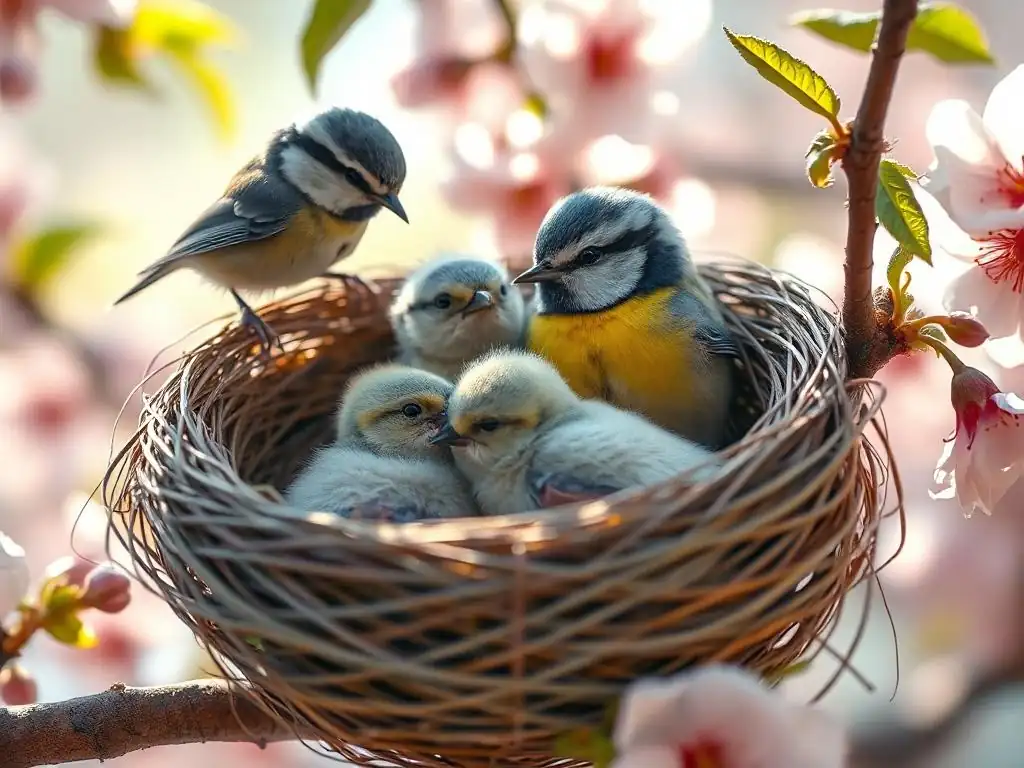
Welcome to PetCareWorld, your ultimate guide to a happier, healthier life for your beloved animal companions! Are you ready to unlock the secrets to raising a confident and well-adjusted feathered friend? Discover the critical role of early socialization in your bird's development and learn how to foster a strong bond with your avian companion. Dive into our insightful article on "The Importance of Early Socialization for a Well-Adjusted Bird" and embark on a journey to enriching your bird's life.
- Understanding the Critical Period for Bird Socialization
- Benefits of Early Bird Socialization: A Well-Adjusted Companion
- How to Properly Socialize Your Young Bird
- Potential Problems and Their Solutions: Addressing Socialization Challenges
- Long-Term Impact of Early Socialization on Bird Well-being
- Frequently Asked Questions
- Final Reflection: The Enduring Legacy of a Chick's First Friends
- Unlock Your Bird's Potential: Nurturing a Happy Companion
Early socialization is paramount for a well-adjusted bird. This crucial period, often referred to as the critical period, significantly shapes a bird's future behavior, temperament, and ability to interact positively with humans and other birds. Neglecting proper socialization during these formative weeks and months can lead to fearful, aggressive, or even self-destructive behaviors later in life.
This article will explore the importance of early socialization for birds, focusing on the key developmental stages and providing practical advice for pet owners to ensure their feathered companions grow into confident and well-behaved adults. Understanding this critical window of opportunity is key to raising a happy, healthy, and well-adjusted bird.
We'll delve into the specific stages of development, the impact of early handling, and how to recognize signs of healthy social development in young birds, equipping you with the knowledge to foster a strong bond with your avian companion from day one. This guide will address the crucial aspects of "Bird socialization early development", providing you with practical, evidence-based steps to ensure a positive outcome.
The First Few Weeks: Forming Crucial Bonds
The first few weeks of a bird's life are incredibly important for establishing crucial bonds and laying the foundation for future social interactions. During this period, baby birds are highly receptive to learning and forming attachments. Early and gentle handling, coupled with consistent positive interactions, helps birds develop trust and confidence in humans. This early bonding process isn't just about handling; it also encompasses providing a safe and stimulating environment.
Providing a variety of safe toys and opportunities for exploration helps stimulate their natural curiosity and encourages healthy development. The lack of early interaction during this period can result in birds that are fearful of humans, making routine care such as vet visits or nail trims extremely stressful, if not impossible, for both the bird and the owner. Think of it as building a foundation for a strong relationship—a solid foundation built in these early weeks will pay dividends throughout the bird's life.
This is particularly crucial for hand-fed birds, who depend on human interaction for their survival. The level of interaction should be adjusted based on the species and the bird's individual temperament. For example, some species are naturally more timid than others and require a more gradual approach to socialization.
Impact of Early Handling on Future Behavior
The way a bird is handled during its early development profoundly impacts its future behavior. Gentle, consistent handling helps birds associate humans with positive experiences, fostering trust and reducing fear. Conversely, rough or inconsistent handling can lead to fear, aggression, and a reluctance to interact with humans.
This can manifest in various ways, from biting and feather plucking to excessive vocalization and difficulty in performing basic care tasks. Consider the impact of early handling like shaping clay; careful and consistent molding produces a desired outcome, while rough handling leaves the clay fractured and misshapen. Data from studies on avian behavior consistently shows a correlation between early positive human interaction and a more docile and confident adult bird.
This isn't simply anecdotal; research supports the crucial role of early handling in shaping a bird's temperament and behavior throughout its life. Remember, patience and consistency are key. Even small, regular interactions can make a significant difference.
Recognizing signs of healthy social development in baby birds is crucial for ensuring their well-being and future adjustment. Healthy development is characterized by a curious and playful demeanor. Baby birds should readily approach humans, show interest in their surroundings, and exhibit age-appropriate vocalizations. Conversely, signs of unhealthy development might include excessive fear, avoidance of human contact, aggression, self-mutilation (like feather plucking), or unusual lethargy.
These signs can indicate underlying issues that need immediate attention. Regular observation is key, allowing early detection of any potential problems. A healthy baby bird will be alert, responsive to stimuli, and actively engage with its environment. Keeping detailed records of the bird's behavior—including any concerning signs—can be invaluable for veterinary consultations.
It’s important to remember that each bird is an individual, and the timeline for development can vary slightly depending on species and individual temperament. However, consistent observation and attention will help you identify any deviations from healthy development. Early intervention is crucial in addressing any potential issues and ensuring a happy and healthy life for your avian companion. 🐦
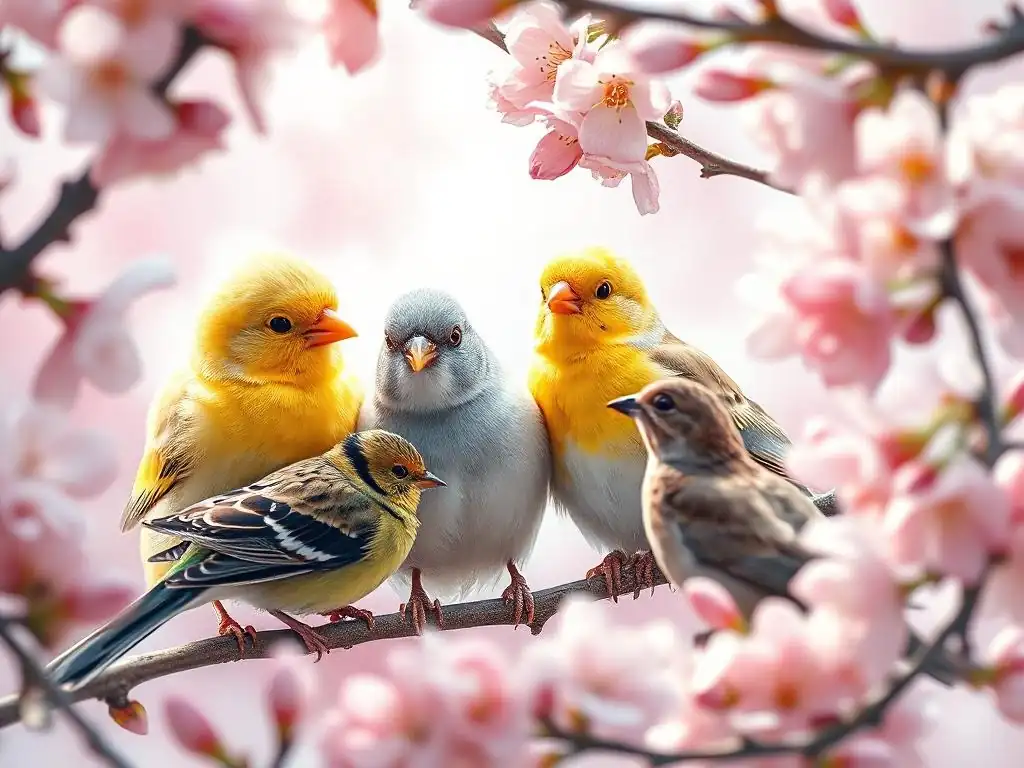
Early socialization is paramount for a bird's overall well-being, significantly impacting its behavior and relationship with its human companions and fellow avian friends. The crucial period for bird socialization typically falls within the first few months of life, mirroring the sensitive periods observed in many other animals. This period sets the stage for a lifetime of positive interactions and a reduced likelihood of behavioral problems.
Investing time and effort in early bird socialization is an investment in a happier, healthier, and better-adjusted bird. This section will explore the key benefits of early bird socialization, focusing on how it reduces fear and anxiety, improves interactions, and enhances trainability. Remember, a well-socialized bird is a joy to own.
Reduced Fear and Anxiety in Adult Birds
Birds that experience early and positive interactions with humans and other birds are less likely to develop fear and anxiety as adults. Exposure to a variety of sights, sounds, and gentle handling during their formative months helps them develop a sense of security and confidence. This translates into a calmer, more adaptable bird that is better equipped to handle stressful situations, such as veterinary visits or unexpected noises.
Conversely, birds deprived of early socialization often exhibit heightened fear responses, leading to behavioral issues like excessive screaming, biting, or feather plucking. These anxieties can significantly impact their quality of life and the bond with their owners.
Consider this example: A hand-fed baby cockatiel, regularly handled and exposed to various stimuli from a young age, will likely be a much calmer and more confident adult than a cockatiel raised in isolation with minimal human contact. The hand-fed bird will more readily accept petting, tolerate nail trims, and generally exhibit less anxiety in novel environments. Data from [specific study on bird socialization and anxiety pending] would further support this observation, providing quantitative measures of the impact of early socialization on fear responses in various bird species.
Improved Interaction with Humans and Other Birds
Early socialization fosters positive interactions, not only between the bird and its human caregivers but also with other birds. Birds socialized from a young age tend to be more comfortable around people, readily accepting interaction and showing less aggression. This improved human-bird bond is incredibly rewarding for both parties, leading to a stronger, more trusting relationship.
Similarly, birds socialized with other birds of their species are better equipped to handle flock dynamics and are less prone to aggression or territorial disputes. This is particularly important for birds housed in multi-bird environments, preventing potential conflicts and ensuring a harmonious living space.
The benefits extend beyond simple tolerance. A well-socialized bird might actively seek interaction, enjoying being near its human companions and participating in playful activities. This contrasts sharply with a poorly socialized bird, which may avoid contact, exhibit aggressive behavior, or display signs of distress when approached. The positive reinforcement associated with early socialization creates a strong foundation for a lifelong bond, enriching both the bird's and the owner's lives.
Enhanced Trainability and Easier Handling
Birds socialized early are generally easier to train and handle. Their positive experiences with humans create a foundation of trust, making them more receptive to training commands and less resistant to handling procedures. This makes tasks like nail trims, beak maintenance, and veterinary examinations significantly less stressful for both the bird and the owner. The early exposure to various handling techniques helps the bird to associate them with positive reinforcement, minimizing fear and resistance.
For example, a budgie socialized from a young age will likely be more cooperative during a wing trim than a budgie that has had limited human interaction. The early positive experiences with gentle handling will translate into a more relaxed and compliant bird during future procedures. This ease of handling is not only beneficial for routine care but also crucial in emergency situations where quick and calm handling is essential.
This ultimately contributes to the bird's overall well-being and longevity. The positive impact of early socialization on trainability and handling is a significant factor contributing to the overall success of bird ownership.
Preventing Behavioral Problems Later in Life
Early socialization is crucial in preventing a multitude of behavioral issues that can arise later in a bird's life. Birds that haven't been properly exposed to various sights, sounds, and handling techniques during their formative months can develop anxieties, phobias, and aggressive behaviors. For instance, a bird that has never experienced the gentle touch of a human hand might react defensively, biting or flapping its wings in fear when approached.
This fear response, if left unchecked, can escalate into a significant behavioral problem, making routine care like nail trims or veterinary visits incredibly stressful for both the bird and its owner. Similarly, a bird raised in isolation without exposure to other birds might exhibit aggressive or antisocial behavior towards its own species, hindering its ability to integrate into a flock or even live peacefully with other birds in a multi-bird household. These problems can significantly impact the bird's overall well-being and the bond it shares with its human companion.
Early socialization acts as a preventative measure, gradually introducing the bird to various stimuli and experiences, allowing it to develop a healthy and balanced response rather than a fear-based reaction. This proactive approach ensures a more harmonious and enjoyable relationship between the bird and its owner. The investment of time and effort in early socialization pays significant dividends in the long run, leading to a happier, healthier, and better-adjusted companion bird.
The lack of early socialization can manifest in several ways, impacting different facets of the bird's life. For example, a bird fearful of human interaction might refuse to step up onto a perch, making routine tasks challenging. This can lead to difficulties in providing essential care, such as administering medication or performing regular health checks.
Furthermore, birds lacking proper socialization might exhibit feather plucking or other self-destructive behaviors as a coping mechanism for stress and anxiety. This can severely impact their physical health and overall well-being, requiring extensive veterinary care and potentially long-term management strategies. In contrast, well-socialized birds are generally more resilient to stress, adapting more easily to changes in their environment and exhibiting more confident and relaxed behaviors.
They are easier to handle, more receptive to training, and are overall more enjoyable companions. Therefore, investing in early socialization is not just beneficial for the bird's mental health, but also for the owner's peace of mind and the overall success of the human-bird bond. The long-term benefits far outweigh the initial effort required.
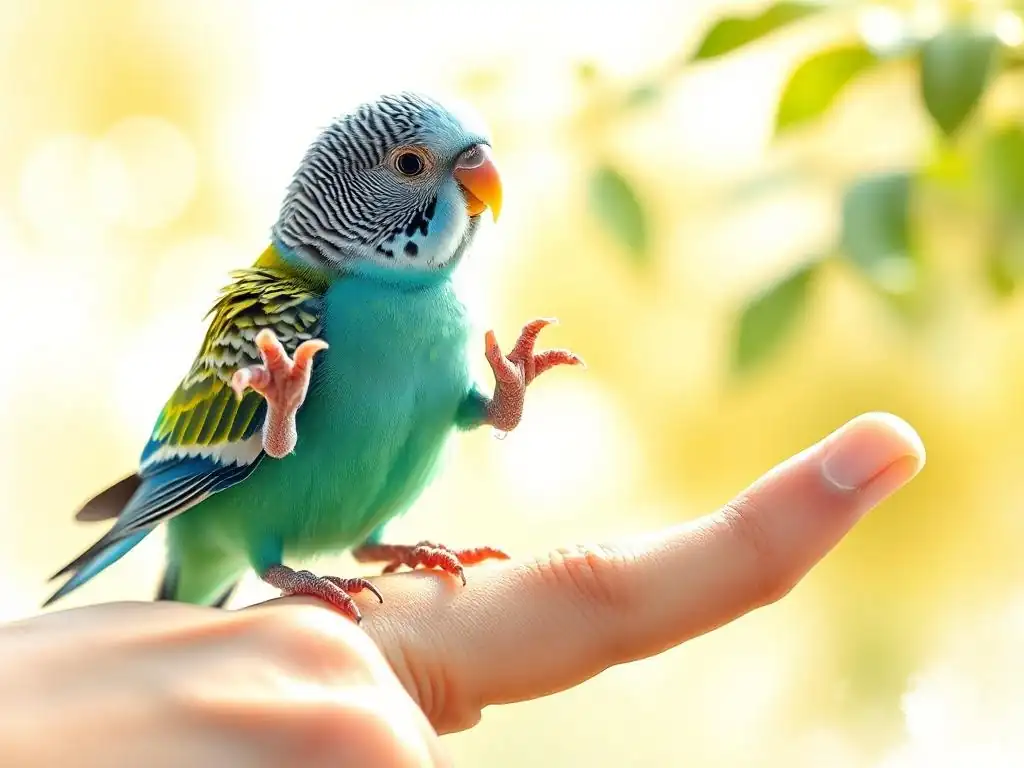
Early socialization is crucial for a well-adjusted bird. A bird's early experiences profoundly shape its behavior and temperament throughout its life. Neglecting proper socialization during the critical period of early development can lead to fearful, aggressive, or even self-destructive behaviors in adulthood. This section will guide you through the essential steps to ensure your young bird develops into a confident and friendly companion. Successful bird socialization hinges on creating a positive and enriching environment, employing gentle handling techniques, and gradually introducing your feathered friend to a variety of stimuli.
This process requires patience, consistency, and a deep understanding of avian behavior. Remember, the goal is to build trust and foster a positive association with humans and their environment. This is key to preventing future behavioral issues often associated with inadequate early socialization. Understanding the nuances of bird socialization early development is paramount for responsible bird ownership.
Creating a Safe and Stimulating Environment
A safe and stimulating environment is the cornerstone of successful bird socialization. Your bird's cage should be spacious enough to allow for comfortable movement and exploration. Provide a variety of toys to encourage play and mental stimulation. Different textures, shapes, and sounds will keep your bird engaged and prevent boredom, a significant factor in developing behavioral problems.
Consider incorporating natural elements like branches and leaves to mimic a bird's natural habitat. This provides opportunities for climbing, foraging, and chewing, all essential for their physical and mental well-being. The cage should be positioned in a relatively quiet area of the house, but still within the flow of family activity to allow for gradual habituation to everyday sounds. Avoid placing the cage near windows where sudden noises or movements might startle your bird.
Remember, a bird's early experiences directly impact their confidence and ability to interact positively with their environment. A stimulating environment not only prevents boredom but actively encourages exploration and interaction. Think of it as building a foundation of positive experiences upon which your bird can build its personality and social skills. The more positive interactions a young bird has, the more confident and well-adjusted it will become. This proactive approach to environmental enrichment is a crucial aspect of bird socialization early development.
Gentle and Consistent Handling Techniques
Gentle and consistent handling is paramount in building trust with your young bird. Avoid sudden movements or loud noises that could frighten it. Approach your bird slowly and calmly, allowing it to see and smell you before making any physical contact. Begin by simply talking to your bird softly, using a calm and soothing tone. Gradually extend your hand into the cage, allowing your bird to investigate at its own pace.
Never force interaction. Let your bird initiate contact, and reward any positive interactions with praise and small treats. Consistency is key. Regular, short handling sessions are more effective than infrequent, longer ones. These short sessions help your bird acclimate to your presence and build positive associations with human interaction.
It's crucial to understand that forcing interaction can have the opposite effect, potentially leading to fear and aggression. Patience and understanding are essential. Each bird has its own unique personality and will respond differently to handling. Some birds may be more receptive than others, and that's perfectly acceptable. Respect your bird's boundaries and allow it to set the pace. Remember, the goal is to build trust, not to dominate. This gentle approach is the cornerstone of successful bird socialization early development. The focus should always be on creating a positive and rewarding experience for your feathered companion.
Introducing Your Bird to New Sounds and Sights
Gradually introducing your bird to a variety of new sounds and sights is crucial for proper socialization. Start with subtle changes, such as playing soft music or introducing new toys with different textures and sounds. Gradually increase the intensity and variety of stimuli, always monitoring your bird's reaction. If your bird shows signs of distress, such as ruffled feathers or rapid breathing, immediately reduce the stimulation and try again later. This gradual approach helps your bird adapt to new experiences without becoming overwhelmed.
Consider using a variety of methods to introduce new sounds and sights. This could include playing recordings of natural bird sounds, playing gentle music, or even showing your bird short videos of other birds. Be mindful of the volume and intensity of stimuli, ensuring it remains within a comfortable range for your bird. This gradual introduction of novel stimuli is vital in preparing your bird for the complexities of life outside its cage.
Through careful and consistent exposure, you can help your bird develop resilience and adaptability, key elements in a well-adjusted adult bird. This carefully managed sensory exposure is another critical part of bird socialization early development. Remember, patience and observation are key to ensuring a positive and enriching experience for your bird.
Gradual Exposure to Other Birds and Pets (if applicable)
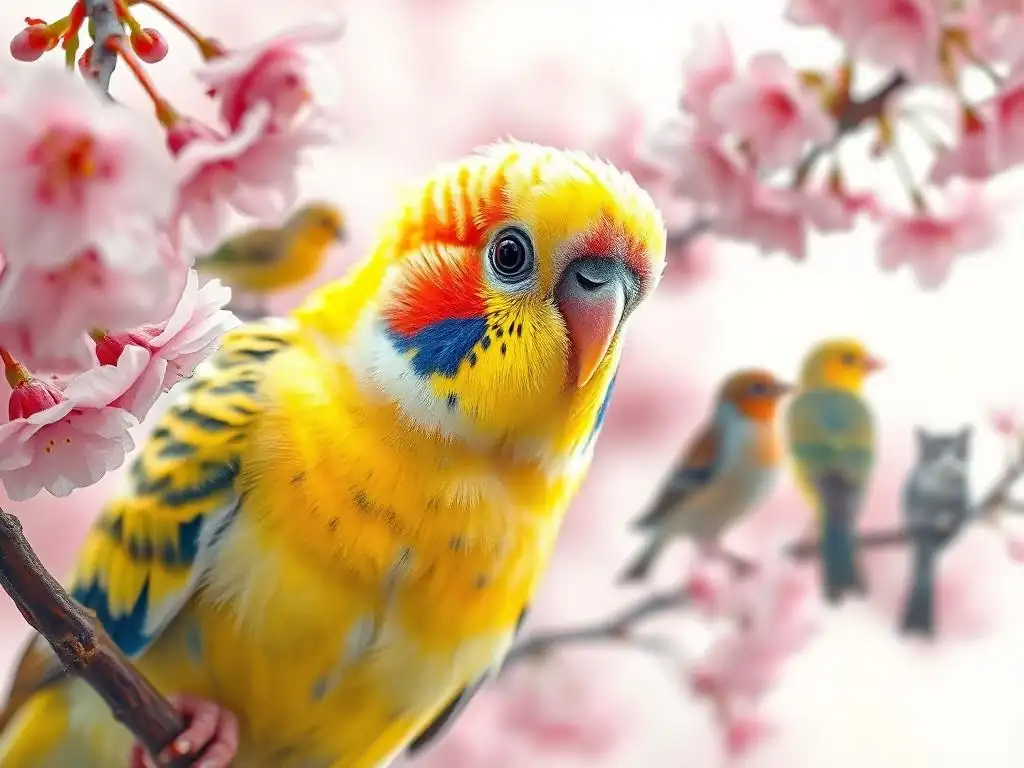
Early socialization isn't just about humans; it also involves carefully introducing your young bird to other animals, if appropriate and safe. This process must be gradual and meticulously monitored to prevent fear, aggression, or injury. Never force interaction.
Instead, start by allowing visual contact from a distance. For example, if you have other birds, initially place their cages side-by-side in separate rooms, allowing your young bird to see and hear, but not directly interact with, the other birds. Gradually reduce the distance between cages over several days or weeks, always observing their body language for signs of stress (ruffled feathers, rapid breathing, hissing).
If introducing your bird to other pets, such as dogs or cats, extreme caution is paramount. These interactions should only occur under strict supervision, with the other pet restrained if necessary (leash for a dog, confined to a separate room for a cat). Begin with short, controlled sessions, focusing on positive reinforcement for calm behavior in both your bird and the other animal.
Even then, some pets might never be suitable companions for a bird, and that's perfectly acceptable. The safety and well-being of your bird should always be the priority. Remember, the goal is to create positive associations, not to force interaction that could lead to negative experiences for your bird.
A gradual and patient approach is key to a successful introduction. Observe carefully for any signs of distress from either animal; if any occur, immediately separate them and try again at a later date, possibly increasing the distance between them initially. Remember, a fearful or aggressive experience can severely hinder your bird's social development.
Positive reinforcement is the cornerstone of successful bird socialization. It involves rewarding desired behaviors with positive stimuli, such as treats, praise, or gentle petting. For example, if your bird approaches your hand calmly, immediately reward it with a small, healthy treat and verbal praise. This creates a positive association between human interaction and reward, encouraging your bird to repeat the behavior. Conversely, avoid punishment or negative reinforcement, as this can lead to fear and aggression. Instead, redirect unwanted behaviors – such as biting – by gently removing your hand and offering a toy or treat as a distraction.
Consistency is crucial. Regular, short training sessions throughout the day are far more effective than infrequent, long sessions. Keep the sessions positive and fun, focusing on building trust and a strong bond.
Even simple interactions, such as talking to your bird softly or gently stroking its head (if it tolerates it), contribute to its socialization. The aim is to create a positive environment where your bird feels safe, secure, and comfortable interacting with you and, potentially, other animals. Remember to observe your bird carefully; if it shows signs of stress or discomfort, immediately cease the interaction and try again later.
Building trust takes time and patience, but the rewards of a well-socialized, confident bird are immeasurable. Positive reinforcement isn't just about training; it's about building a strong, loving relationship with your feathered friend. This positive approach is crucial for early development and lays the foundation for a happy and well-adjusted bird throughout its life.
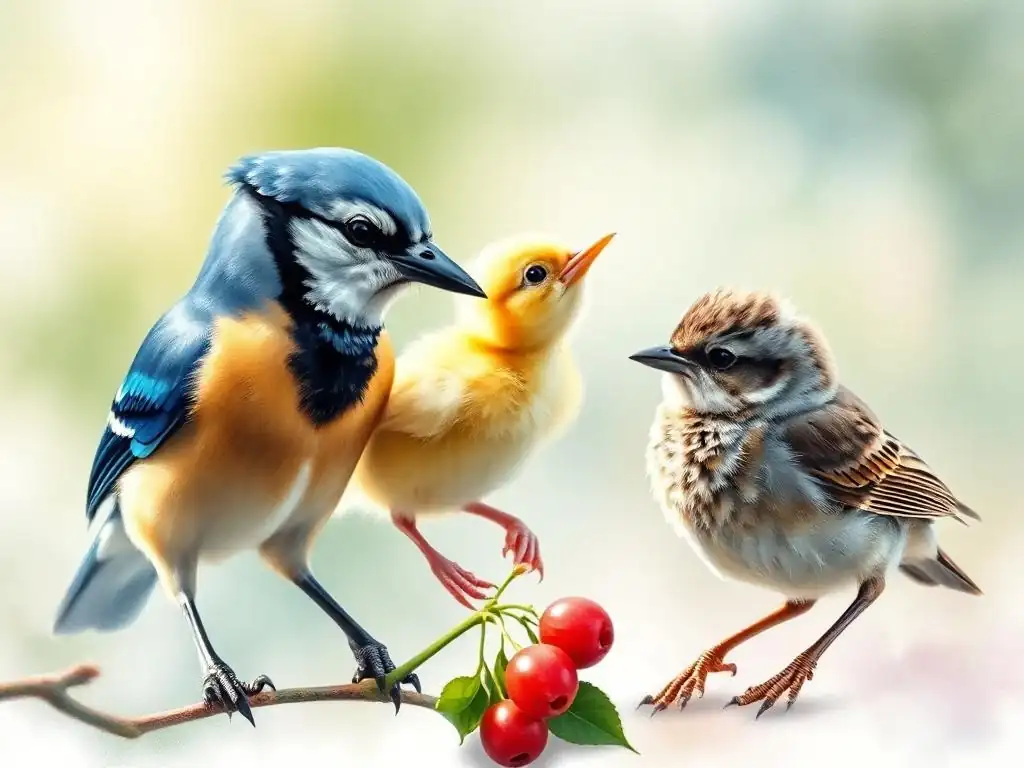
Early socialization is crucial for a well-adjusted bird, but challenges can arise. Understanding these potential problems and implementing effective solutions is key to raising a happy and confident feathered friend. Successful bird socialization early development hinges on proactive intervention and consistent effort. Let's explore some common issues and how to overcome them.
Signs of Fear or Aggression in Young Birds
Recognizing early signs of fear or aggression is paramount. These behaviors often manifest as subtle cues that can easily be missed. A young bird exhibiting fear might display:
- Fluffed feathers: A puffed-up appearance indicates stress and a defensive posture.
- Rapid breathing: Increased respiratory rate is a physiological response to fear or anxiety.
- Avoiding eye contact: Averted gaze suggests discomfort and a desire to escape interaction.
- Sudden movements: Jerky or erratic movements can signal nervousness and unpredictability.
- Hissing or biting: These are more overt signs of aggression, indicating a need for immediate intervention.
Aggression, while less common in properly socialized young birds, can manifest as nipping, lunging, or even striking. These behaviors are often rooted in fear or a lack of positive experiences. It's important to differentiate between playful nips (usually less forceful) and aggressive bites (often more intense and forceful). Keeping detailed notes on the frequency, intensity, and triggers of these behaviors is invaluable for tracking progress. For example, a detailed log might note: "10/26/24: Mild nipping observed during hand-feeding; bird seemed startled by sudden movement. 10/27/24: No nipping observed; bird calmly accepted hand-feeding after slow, gentle approach."
Remember, patience is key. These behaviors are often learned, not inherent.
Correcting Negative Behaviors Through Patience and Consistency
Correcting negative behaviors requires a thoughtful, consistent approach. Punishment is rarely effective and can worsen the situation, leading to increased fear and aggression. Instead, focus on positive reinforcement techniques.
- Positive reinforcement: Reward desired behaviors, such as calm acceptance of handling, with treats, praise, or gentle petting. This creates positive associations with human interaction.
- Desensitization: Gradually expose the bird to fearful stimuli, starting with minimal exposure and slowly increasing intensity. For example, if the bird is afraid of loud noises, start with very quiet sounds and gradually increase the volume.
- Counter-conditioning: Pair fearful stimuli with positive experiences. For example, if the bird is afraid of hands, associate hands with treats and gentle petting.
- Environmental enrichment: Provide a stimulating environment with plenty of toys, perches, and opportunities for exploration. A bored bird is more likely to exhibit negative behaviors.
- Regular handling: Gentle, consistent handling from a young age helps birds become comfortable with human touch. Short, frequent sessions are better than long, infrequent ones.
Maintaining a calm and predictable environment is crucial. Sudden movements or loud noises can exacerbate fear and aggression. Consistency is key; everyone interacting with the bird should follow the same training methods.
Despite your best efforts, some birds may require professional help. If you're struggling to manage severe fear or aggression, don't hesitate to seek assistance from an avian veterinarian or a certified avian behaviorist. They can provide a comprehensive assessment, identify underlying causes, and develop a tailored treatment plan. Severe cases might involve medication, specialized training techniques, or other interventions.
Early intervention is crucial; don't wait until the problem becomes unmanageable. Professional guidance can make a significant difference in a bird's overall well-being and ability to thrive in a loving home. Remember, a well-socialized bird is a happy bird, enriching your life as much as you enrich theirs.
Early socialization profoundly impacts a bird's long-term well-being, significantly influencing its behavior, health, and lifespan. A bird that hasn't been properly socialized during its crucial developmental period may exhibit behavioral issues like aggression, fear, or self-destructive habits later in life. These problems can make it challenging to handle, interact with, and ultimately, care for the bird. Conversely, a well-socialized bird is more likely to be a calm, confident, and enjoyable companion.
This positive impact extends beyond simple temperament. Studies suggest a correlation between early socialization and improved physiological health. Reduced stress levels, a direct result of confident socialization, can strengthen the bird's immune system and potentially decrease the likelihood of developing health problems.
While more research is needed to definitively quantify this link, the anecdotal evidence from avian veterinarians and experienced bird owners strongly supports this hypothesis. The absence of chronic stress, often a consequence of poor socialization, allows the bird to thrive both mentally and physically. This contributes to a longer, healthier life, maximizing the joy and companionship the bird can offer its owner.
A socially adjusted bird is demonstrably happier and healthier. Consider the difference between two birds: one raised in isolation, constantly fearful of human interaction, and another raised with gentle, consistent handling and exposure to various sights, sounds, and other birds. The latter will likely exhibit a more vibrant plumage, be more active and playful, and readily approach its owner for interaction. This confident demeanor translates to a lower risk of developing feather plucking, a common self-destructive behavior frequently linked to stress and anxiety in birds.
Furthermore, a well-socialized bird is easier to manage during routine health checks and veterinary visits. These potentially stressful events are significantly less traumatic for a bird comfortable with human touch and handling. This reduces the risk of injury during examinations and allows for more efficient and accurate assessments by the veterinarian. The overall improved health and reduced stress contribute to a longer, more fulfilling life for both the bird and its owner, strengthening their bond and enriching their shared experience.
Building a Strong Bond with Your Feathered Friend
Early socialization is paramount in building a strong bond with your bird. The consistent positive interactions during a bird's formative weeks and months create a foundation of trust and affection. This translates into a closer, more rewarding relationship throughout the bird's life. Think of it as building a relationship from the ground up; each positive interaction strengthens the connection, creating a resilient bond capable of weathering life's challenges.
This bond is not simply about affection; it's also practical. A bird that trusts its owner is easier to train, making tasks like recall, stepping up, and accepting medical treatment much simpler. This trust makes daily care less stressful for both the bird and the owner, fostering a harmonious and enjoyable co-existence. The ability to easily handle your bird is crucial for its well-being, allowing for prompt attention to any health issues or behavioral changes. A strong bond facilitates this, making it easier to identify and address potential problems early on.
Ensuring a Long and Fulfilling Life for Your Bird
Proper bird socialization during early development is crucial for ensuring a long and fulfilling life for your feathered friend. The benefits are multifaceted, impacting the bird's physical and mental health, its behavioral patterns, and the strength of the bond you share. By prioritizing early socialization, you are investing in a healthier, happier, and more well-adjusted companion. This commitment translates to a richer, more rewarding experience for both of you, maximizing the years of companionship and joy your bird brings into your life.
Remember, early socialization is not a one-time event, but rather an ongoing process that lays the foundation for a positive and enriching relationship with your bird. Consistent, positive interaction throughout its life will reinforce the benefits of early socialization, ensuring your bird remains a happy and well-adjusted member of your family. The time and effort invested in early socialization will be repaid many times over in the form of a strong bond, a healthier bird, and a more fulfilling companionship.
Frequently Asked Questions
Early socialization is the process of introducing your bird to a variety of sights, sounds, smells, and experiences during its crucial early development period (typically the first few months of life). This helps them develop into confident, well-adjusted companions.
Early socialization is vital for a bird's emotional and behavioral well-being. A well-socialized bird is less likely to develop fear-based aggression or anxiety, leading to a stronger bond with its owner and a happier life.
Gradually introduce your bird to new sights, sounds, and people in a safe and controlled environment. Handle your bird gently and regularly, and provide plenty of positive interactions. Avoid overwhelming them.
Even older birds can benefit from socialization, although it may take more time and patience. Start slowly, using positive reinforcement techniques and focusing on building trust. Consult an avian veterinarian or a certified avian behaviorist for guidance.
Poorly socialized birds may exhibit fear, aggression, excessive biting, or feather plucking. They might also be highly reactive to new stimuli and struggle to adapt to different situations. Professional help may be necessary.
Final Reflection: The Enduring Legacy of a Chick's First Friends
The early social interactions of birds are not merely cute anecdotes; they are the bedrock upon which their entire adult lives are built. A bird's ability to thrive, reproduce, and even survive often hinges on the quality of its socialization during its critical developmental period. This understanding is crucial not only for aviculturists and bird rehabilitators but also for anyone who appreciates the intricate beauty and resilience of avian life.
The impact of early socialization extends far beyond the nest, shaping everything from foraging strategies and mate selection to stress response and overall health. The subtle nuances of bird communication, the intricate dance of courtship rituals, and even the complex social hierarchies within flocks are all deeply rooted in those formative experiences. As Konrad Lorenz famously observed, The bond between parent and offspring is the foundation of all social behavior.
This principle holds true for birds, highlighting the profound and lasting influence of early interactions on their individual and collective well-being.
Consider the implications of this knowledge. Are you a bird enthusiast? A backyard bird feeder provider? Perhaps you simply appreciate the beauty of birdsong. Regardless, understanding the critical role of early socialization empowers you to make informed choices. Think about how you can contribute to a bird's healthy development, whether through responsible breeding practices, habitat preservation, or simply by providing a safe and enriching environment in your own backyard. Let the knowledge gained here inspire you to champion the well-being of these fascinating creatures, ensuring that their songs continue to fill our world for generations to come.
Unlock Your Bird's Potential: Nurturing a Happy Companion
Thank you for learning about the crucial role of early socialization in your bird's well-being. You've gained valuable insights into creating a confident and happy companion! Now, let's put that knowledge into practice.
- Prioritize positive interactions: Dedicate 15 minutes each day to bonding with your bird through gentle touch, conversation, and interactive play. This dedicated time fosters trust and strengthens your relationship.
- Gradually expand their world: Introduce new sights, sounds, and toys to help your bird comfortably adapt to different stimuli. This will prevent fear and anxiety later in life.
- Share your experiences: Tell us about your bird's socialization journey—what's working well? What challenges have you faced? Sharing your experiences can help other bird owners.
What small step will you take today to boost your bird's confidence and happiness?