
Bird Supplement Overdoses: Risks and How to Avoid Them

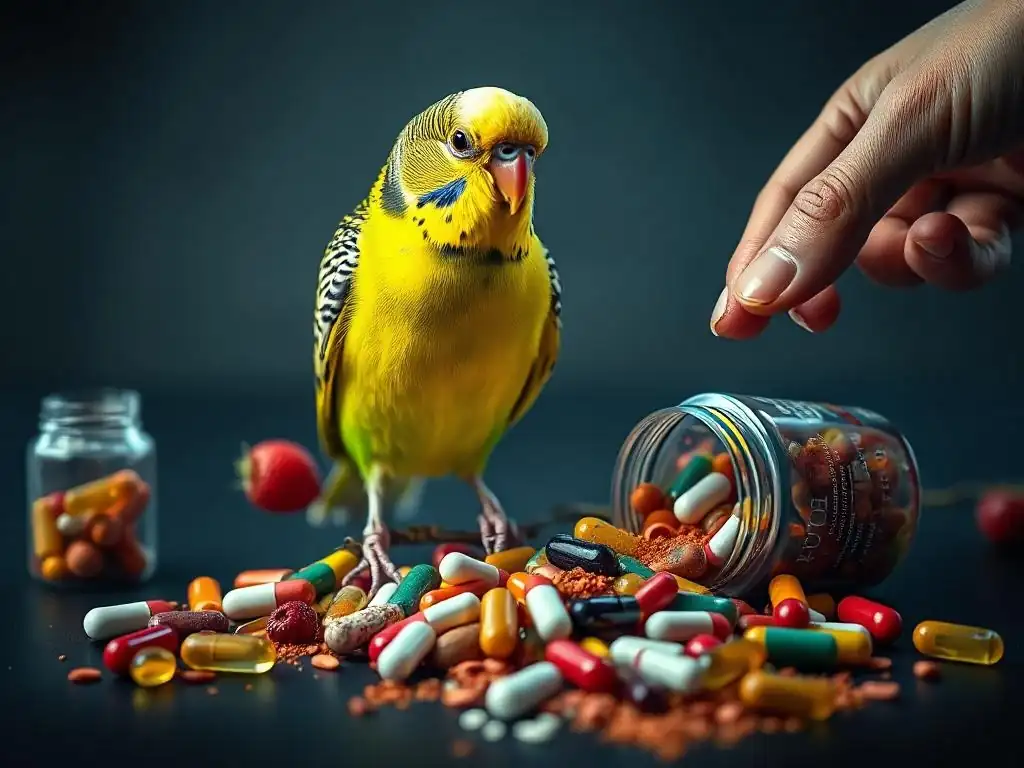
Welcome to PetCareWorld, your ultimate guide to a happier, healthier life for your beloved companions! We're passionate about providing pet owners with the knowledge and tools they need to thrive, and our expert advice covers everything from playful puppies to exotic feathered friends. But did you know that even something as seemingly beneficial as bird supplements can pose serious risks if not carefully managed?
Learn how to avoid bird supplement overdose and ensure your feathered friend enjoys a long and vibrant life. Discover the critical information you need to keep your avian companion safe and healthy – explore our Bird Care section now!
- Understanding Bird Supplement Needs: Preventing Overdoses
- Risks of Bird Supplement Overdosing: Symptoms and Consequences
- How to Safely Administer Bird Supplements: Dosage and Safety Precautions
- Avoiding Bird Supplement Overdose: Practical Tips and Guidelines
- Supplementing Your Bird's Diet: When and Why
- When to Seek Veterinary Care for Your Bird
-
Frequently Asked Questions
- What are the common signs of a bird supplement overdose?
- How can I prevent accidental bird supplement overdoses?
- My bird accidentally ingested a large amount of a supplement. What should I do?
- Are all bird supplements created equal? What should I look for?
- What are some natural ways to ensure my bird gets the nutrients it needs, reducing the need for supplements?
- Final Reflection: Protecting Our Feathered Friends: A Call to Responsible Supplementation
- Take Flight with Informed Bird Care!
Understanding Bird Supplement Needs: Preventing Overdoses
Providing your feathered friend with the best possible care involves understanding their nutritional requirements. While a balanced diet should be the cornerstone of your bird's health, sometimes supplemental support is necessary. However, the line between beneficial supplementation and dangerous overdose is surprisingly thin.
This article will delve into the crucial aspects of bird nutrition, focusing on how to identify and avoid supplement overdoses to ensure your bird thrives. We'll explore essential nutrients, common supplements, and the warning signs of nutritional imbalances, equipping you with the knowledge to make informed decisions about your bird's well-being and avoid the potentially devastating consequences of supplement overdose. Remember, prevention is key when it comes to your bird's health; careful planning and informed choices will help you avoid the risks associated with "Avoid bird supplement overdose".
Essential Nutrients for Birds and Dietary Considerations
Birds have unique nutritional needs compared to other pets. Their diets require a precise balance of vitamins, minerals, and amino acids to maintain optimal health and feather quality. A deficiency in even one essential nutrient can lead to significant health problems. For example, a deficiency in Vitamin A can cause eye problems and weakened immunity, while a calcium deficiency can result in weakened bones and egg-laying difficulties. Understanding these needs is paramount before considering supplementation.
The foundation of a healthy bird diet is a high-quality seed mix, supplemented with fresh fruits, vegetables, and pellets formulated for their specific species. The exact proportions will vary depending on your bird’s age, breed, and activity level. Always consult with an avian veterinarian to determine the appropriate diet for your specific bird. They can provide tailored recommendations based on your bird's individual needs and help you assess whether supplementation is truly necessary. 🐦 Over-reliance on supplements without addressing underlying dietary deficiencies can be counterproductive and even harmful.
It's crucial to remember that providing a complete and balanced diet is the best way to avoid the need for excessive supplementation. Many commercially available birdseed mixes are deficient in certain nutrients, leading owners to believe supplementation is necessary when it might simply be a case of improving the base diet. Prioritizing a high-quality, diverse diet should be the first step in maintaining your bird's health.
Common Bird Supplements: Vitamins, Minerals, and Amino Acids
Several common supplements are used to address potential deficiencies in a bird's diet. These include:
- Vitamins: Vitamin A, D3, E, and K are frequently supplemented, but only when a deficiency is confirmed by a veterinarian. Incorrect dosage can lead to serious health problems.
- Minerals: Calcium is particularly important for bone health and egg production. However, excessive calcium can lead to kidney problems.
- Amino Acids: Certain amino acids, like methionine and lysine, might be supplemented to support feather growth and overall health. Again, only with veterinary guidance.
It's vital to understand that these supplements are not a replacement for a balanced diet. They should only be used under the guidance of an avian veterinarian who can assess your bird's specific needs and recommend the appropriate dosage. Improper use can lead to serious health complications, including organ damage and even death. Always follow the instructions on the supplement label carefully and never exceed the recommended dosage. Remember, too much of a good thing can be detrimental.
Recognizing Signs of Nutritional Imbalance in Birds
Recognizing the early signs of nutritional imbalance is crucial for preventing more severe health issues. While some symptoms might be subtle, others are more pronounced. Common signs include:
- Feather problems: Dull, brittle feathers, excessive feather plucking, or abnormal feather growth can indicate nutritional deficiencies.
- Changes in behavior: Lethargy, increased aggression, or changes in appetite can be indicators of underlying health problems, often linked to nutrition.
- Weight changes: Sudden weight loss or gain can be a significant warning sign.
- Digestive issues: Diarrhea, vomiting, or changes in droppings can suggest nutritional imbalances.
- Bone deformities: In severe cases, bone deformities might develop due to mineral deficiencies.
If you observe any of these symptoms in your bird, consult an avian veterinarian immediately. They can conduct thorough examinations, including blood tests, to determine the underlying cause and recommend appropriate treatment, which may or may not include supplementation. Early intervention is key to preventing further complications. Don't delay seeking professional help if you suspect a nutritional problem. The health and well-being of your bird depend on it.
Risks of Bird Supplement Overdosing: Symptoms and Consequences
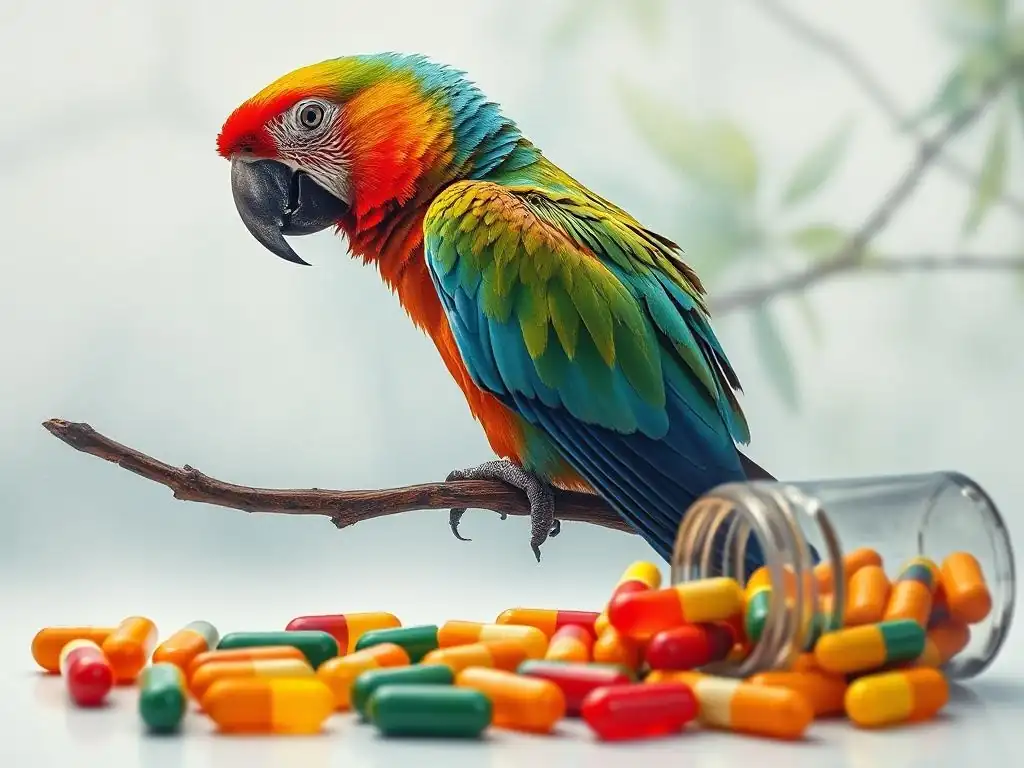
Supplementing your bird's diet can be beneficial, offering crucial nutrients to support their health and well-being. However, the line between beneficial supplementation and dangerous overdose is surprisingly thin. Understanding the potential risks associated with exceeding recommended dosages is crucial for responsible bird ownership. Failing to do so can lead to serious health complications and even death for your feathered friend. This section details the potential consequences of bird supplement overdose, highlighting the importance of careful monitoring and adherence to recommended guidelines to avoid bird supplement overdose.
Toxicity from Excess Vitamins and Minerals
Overdosing on vitamins and minerals is a significant risk. Many vitamins, particularly fat-soluble vitamins like A, D, E, and K, are stored in the body and can accumulate to toxic levels if ingested in excess. This is particularly dangerous for birds, as their metabolism processes nutrients differently than mammals.
For example, excessive Vitamin A can lead to skeletal deformities, liver damage, and even death. Too much Vitamin D can cause hypercalcemia (high blood calcium), resulting in kidney stones, weakness, and lethargy. Mineral imbalances, such as an excess of calcium or iron, can also have severe consequences, affecting bone development, organ function, and overall health. The specific symptoms will vary depending on the vitamin or mineral involved and the severity of the overdose. Early detection is critical, as many symptoms may initially appear subtle.
Here's a table summarizing some common toxic effects:
| Vitamin/Mineral | Toxic Effects | Symptoms |
|---|---|---|
| Vitamin A | Skeletal deformities, liver damage, death | Lethargy, anorexia, bone pain, lameness |
| Vitamin D | Hypercalcemia, kidney stones, weakness, lethargy | Loss of appetite, weight loss, increased thirst |
| Iron | Liver damage, organ failure | Vomiting, diarrhea, weakness, dark-colored stools |
| Calcium | Kidney stones, organ damage | Lethargy, anorexia, weakness |
It's crucial to always follow the recommended dosage instructions printed on the supplement packaging, and to consult with an avian veterinarian before introducing any new supplements to your bird's diet. Remember, avoid bird supplement overdose by carefully measuring and administering supplements.
Digestive Issues and Liver Problems in Birds
Beyond vitamin and mineral toxicity, supplement overdoses can significantly impact a bird's digestive system and liver function. Birds have sensitive digestive tracts, and an excess of certain supplements can cause irritation, leading to diarrhea, vomiting, and loss of appetite. This can further complicate matters, hindering the bird's ability to absorb essential nutrients and potentially leading to malnutrition.
The liver plays a crucial role in detoxifying the body, and excessive supplement intake can place an undue burden on this vital organ. Over time, this can lead to liver damage, potentially resulting in jaundice (yellowing of the skin and eyes), lethargy, and a weakened immune system. Chronic liver problems can severely impact a bird's quality of life and longevity.
Therefore, careful monitoring of your bird's stool consistency and overall health is important to catch any potential digestive issues early. Early intervention can often prevent more serious complications. Prevention, through careful adherence to supplement guidelines, is key to avoid bird supplement overdose.
Behavioral Changes Due to Supplement Overdose
Interestingly, supplement overdosing can also manifest as behavioral changes in birds. While not always immediately apparent, subtle shifts in behavior can be an early warning sign of a problem. These changes might include:
- Increased aggression or irritability
- Lethargy and decreased activity levels
- Changes in vocalizations (e.g., quieter or more frequent chirping)
- Feather plucking or other self-mutilating behaviors
- Difficulty perching or maintaining balance
These behavioral shifts can be attributed to the underlying physiological effects of the overdose, such as mineral imbalances affecting nerve function or organ dysfunction causing discomfort. If you notice any unusual changes in your bird's behavior, especially in conjunction with other symptoms, it's crucial to consult an avian veterinarian immediately. Early diagnosis and intervention are key to preventing more serious health issues and to avoid bird supplement overdose. Remember, a healthy bird is a happy bird, and responsible supplementation is a vital part of ensuring their well-being.
Long-Term Health Risks from Chronic Overdosing
Chronic overdosing on bird supplements, even with seemingly small excesses, can lead to a cascade of serious long-term health problems. The cumulative effect of excessive vitamins, minerals, or other nutrients can severely strain vital organs and compromise overall well-being. For example, consistent overdoses of Vitamin A can result in skeletal deformities, particularly in young, growing birds. These deformities can be irreversible, impacting mobility and quality of life. Similarly, excessive calcium intake can lead to kidney stones, a painful and potentially fatal condition.
Kidney failure, a devastating consequence of long-term mineral imbalances, is a significant risk associated with chronic supplement overdoses. The symptoms may not be immediately apparent, often manifesting gradually as lethargy, weight loss, and changes in feather quality. Early detection is crucial, but unfortunately, the subtle nature of these initial signs often leads to delayed diagnosis and treatment. In severe cases, chronic overdosing can weaken the bird's immune system, making it more susceptible to infections and diseases. This increased vulnerability can significantly reduce the bird's lifespan and overall health.
It's important to remember that even seemingly harmless supplements can have detrimental long-term effects if administered incorrectly or in excess. Regular veterinary check-ups and careful monitoring of your bird's diet are essential to avoid these potentially devastating consequences. Prevention is always better than cure when it comes to avoiding bird supplement overdoses. Careful adherence to recommended dosages and a holistic approach to bird nutrition are key to ensuring your feathered friend's long-term health and happiness. Remember, a balanced diet is the cornerstone of a healthy bird; supplements should be viewed as a complement, not a replacement, for a nutritious diet.
How to Safely Administer Bird Supplements: Dosage and Safety Precautions
This section focuses on the practical application of bird supplements, emphasizing safe administration techniques to avoid overdoses. A common mistake among bird owners is misinterpreting dosage instructions or failing to consider individual bird needs. Remember, even beneficial supplements can be harmful if given in excessive amounts. Always prioritize safety and consult an avian veterinarian before starting any new supplement regimen, especially for birds with pre-existing health conditions. This proactive approach is crucial for preventing bird supplement overdose.
Determining the Correct Dosage for Your Bird
Determining the appropriate dosage for your bird requires careful consideration of several factors. These include the bird's species, age, weight, overall health, and the specific supplement being used. Never assume a one-size-fits-all approach; what might be safe for a large macaw could be toxic to a small finch. Supplement labels often provide general guidelines, but these should be viewed as starting points, not definitive answers.
For instance, a calcium supplement recommended for a cockatoo weighing 1kg might be far too potent for a budgie weighing only 30g. Always begin with a lower dose than the label suggests and observe your bird closely for any adverse reactions. If you're unsure about the correct dosage, contacting an avian veterinarian is paramount.
They can tailor a supplement plan to your bird's specific needs, minimizing the risk of overdose and maximizing the benefits. It's far better to err on the side of caution and underdose slightly than to risk harming your feathered friend through an accidental bird supplement overdose.
Understanding Supplement Labels and Ingredients
Supplement labels can be confusing, even for experienced bird owners. Understanding the information provided is critical to avoiding potential overdoses. Pay close attention to the following:
- Active Ingredients: Identify the key components and their concentrations. This helps you compare different products and ensure you're getting the desired nutrients in appropriate amounts.
- Inactive Ingredients: Be aware of any fillers or additives that might be present. Some birds might have sensitivities to certain ingredients.
- Dosage Instructions: Carefully read and understand the recommended dosage based on your bird's weight or age. Again, always start with a lower dose and gradually increase it as needed under veterinary guidance.
- Warnings and Precautions: Pay close attention to any warnings about potential side effects or interactions with other medications or supplements. Ignoring these warnings can lead to serious health problems, including a supplement overdose.
Here's a sample table illustrating the importance of understanding ingredient lists:
| Supplement Brand | Active Ingredient | Concentration | Inactive Ingredients |
|---|---|---|---|
| Brand A | Calcium Carbonate | 500mg per capsule | Cellulose, Magnesium Stearate |
| Brand B | Calcium Citrate | 250mg per capsule | Rice Flour, Silicon Dioxide |
Note the differences in active ingredient concentration and inactive ingredients. These variations highlight the need for careful scrutiny of supplement labels before administration. Ignoring these details could inadvertently contribute to an avoidable bird supplement overdose.
Safe Storage and Handling of Bird Supplements
Improper storage and handling can compromise the efficacy and safety of bird supplements, increasing the risk of accidental ingestion and overdose. Always follow these guidelines:
- Store supplements in a cool, dry place: Avoid direct sunlight and extreme temperatures, which can degrade the active ingredients.
- Keep supplements out of reach of children and pets: Accidental ingestion can be dangerous, even fatal.
- Use airtight containers: This helps maintain the freshness and potency of the supplement.
- Label clearly: Use labels indicating the supplement name, dosage, and expiration date. This prevents confusion and accidental overdoses.
- Dispose of expired supplements properly: Never reuse expired supplements; their efficacy and safety are compromised.
Following these simple steps will significantly reduce the risk of accidental bird supplement overdose, ensuring the well-being of your beloved companion. Remember, responsible pet ownership includes being proactive in preventing potential health hazards. By carefully monitoring dosage, understanding labels, and practicing safe storage, you can provide optimal nutrition for your bird without risk.
Monitoring Your Bird's Health While Administering Supplements
Supplementing your bird's diet can significantly improve their health and well-being, but it's crucial to closely monitor their condition throughout the process. Regular observation is key to avoiding potential overdoses and identifying any adverse reactions. This involves more than just a quick glance; it requires attentive monitoring of several key indicators.
One of the most important aspects of monitoring is observing your bird's behavior. Changes in activity levels, appetite, droppings, or feather condition can all be subtle signs of a problem. For instance, a usually energetic bird becoming lethargic or a bird with a consistently bright and shiny plumage suddenly appearing dull could indicate an issue. Keep detailed records of your bird's daily activities, noting any deviations from their normal routine. A simple notebook or a dedicated app can be invaluable for this purpose. Remember, early detection is crucial in addressing any potential negative effects of supplements.
Furthermore, regular weighing is essential. A consistent weight provides a baseline for comparison. Any sudden or significant weight gain or loss should trigger immediate concern and warrant a consultation with an avian veterinarian. This is particularly important when starting a new supplement regimen, as some birds may react differently to certain ingredients. Keep a detailed weight chart to easily track your bird's progress and identify any concerning trends. Weigh your bird at the same time each day, using the same scale, to ensure accuracy and consistency.
Finally, regular droppings analysis can offer valuable insights into your bird's digestive health and the efficacy of the supplement. Changes in the color, consistency, or frequency of droppings can indicate problems with digestion or absorption of the supplement. While you don't need to become an expert in avian fecal analysis, keeping an eye out for significant changes and consulting with an avian vet if necessary is a proactive step in ensuring your bird's safety.
Remember, even seemingly minor changes in your bird's droppings can sometimes be early warning signs of a more serious health issue. By combining behavioral observation, weight monitoring, and droppings analysis, you can significantly reduce the risk of supplement overdose and ensure your feathered friend remains healthy and happy. Proactive monitoring is the best way to avoid bird supplement overdose and maintain optimal health.
Avoiding Bird Supplement Overdose: Practical Tips and Guidelines
This section focuses on practical strategies to prevent accidental bird supplement overdoses, a significant concern for avian health. Supplementing your bird's diet can be beneficial, but improper administration can lead to serious health complications. Careful planning and diligent monitoring are crucial to ensure your feathered friend receives the right amount of nutrients without risking an overdose. Remember, prevention is key when it comes to avoiding bird supplement overdose.
Consulting an Avian Veterinarian Before Supplementing
Before introducing any supplements to your bird's diet, a consultation with an avian veterinarian is paramount. This is not merely a suggestion; it's a crucial step to avoid potential harm. An avian vet can assess your bird's individual needs, considering factors like species, age, health status, and current diet. They can determine if supplementation is even necessary and, if so, recommend specific products and appropriate dosages. Ignoring this step can lead to an imbalance of nutrients, potentially causing more harm than good.
Many owners mistakenly believe that "more is better" when it comes to vitamins and minerals. This couldn't be further from the truth. Over-supplementation can lead to a range of issues, including:
- Kidney damage: Excessive calcium or vitamin D can severely strain the kidneys.
- Liver problems: Certain vitamins and minerals can overload the liver's detoxification processes.
- Gastrointestinal upset: This can manifest as diarrhea, vomiting, or loss of appetite.
- Mineral imbalances: An excess of one mineral can disrupt the absorption or utilization of others, creating a cascade of negative effects.
Avian vets are uniquely qualified to understand the complex nutritional requirements of birds and can provide tailored advice based on your bird's specific circumstances. They can also help you identify reputable supplement brands and ensure you're using products that are safe and effective. Don't hesitate to ask questions – your vet is your best resource for ensuring your bird's well-being.
Gradual Introduction of New Supplements
Even with veterinary approval, introducing new supplements should be a gradual process. A sudden influx of unfamiliar nutrients can shock your bird's system and lead to adverse reactions. Start with a significantly reduced dose—perhaps 25% to 50% of the recommended amount—for the first few days. Carefully monitor your bird for any signs of discomfort or unusual behavior.
The following table illustrates a sample gradual introduction schedule for a hypothetical calcium supplement:
| Day | Dosage Percentage | Notes |
|---|---|---|
| 1-3 | 25% | Observe closely for any changes in behavior or stool consistency. |
| 4-7 | 50% | Continue monitoring. If no adverse reactions, you can slowly increase. |
| 8-14 | 75% | Maintain close observation. |
| 15+ | 100% | Reach the full recommended dosage only after careful observation. |
This gradual approach allows your bird's digestive system to adapt slowly, minimizing the risk of upset and allowing you to identify any potential problems early on. Remember to always follow your avian veterinarian's specific instructions for dosage and administration.
Observing Your Bird for Adverse Reactions
Consistent monitoring is critical throughout the supplementation process. Familiarize yourself with the common signs of an adverse reaction in birds. These can include:
- Changes in feather condition (dullness, loss)
- Changes in droppings (color, consistency, frequency)
- Lethargy or decreased activity levels
- Loss of appetite or weight loss
- Vomiting or regurgitation
- Respiratory distress (wheezing, gasping)
- Swollen joints or limbs
If you observe any of these symptoms, immediately discontinue the supplement and contact your avian veterinarian. Early intervention is crucial in mitigating potential harm. Accurate record-keeping, including the type of supplement, dosage, and any observed changes in your bird's behavior or health, will be invaluable in assisting your vet in diagnosis and treatment. Remember, your bird's health is paramount; don't hesitate to seek professional help if you have any concerns. Careful observation and prompt action are essential elements in effectively avoiding bird supplement overdose. 🐦
Creating a Balanced Diet to Minimize Supplement Needs
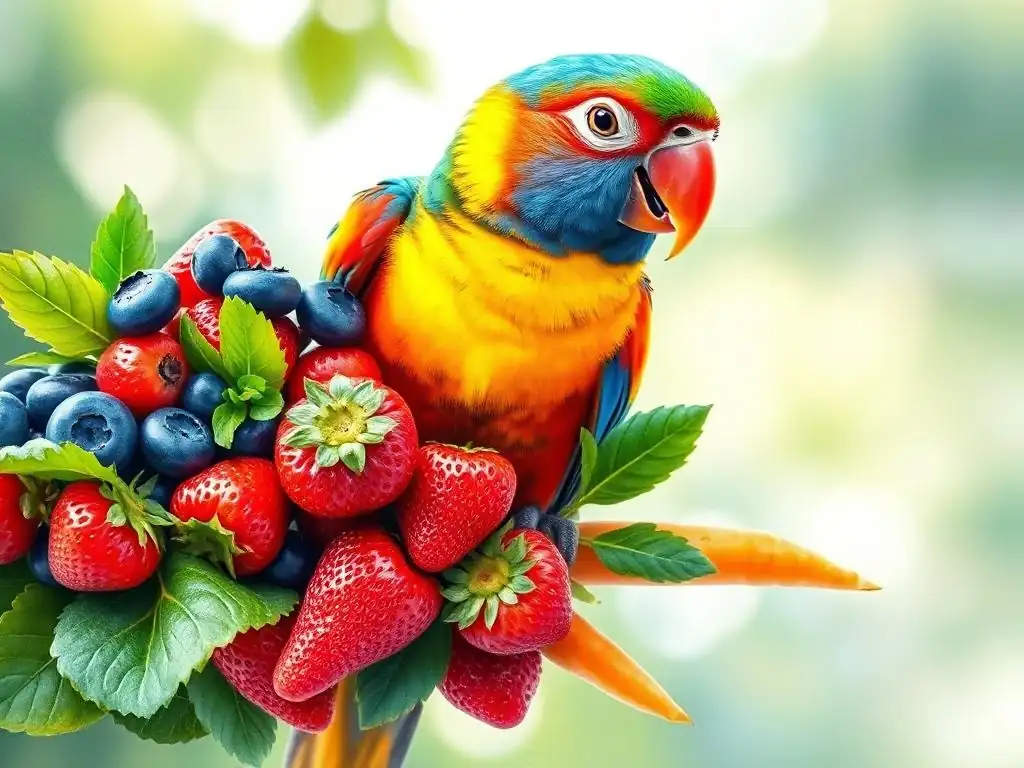
A balanced diet is the cornerstone of avian health and significantly reduces the need for supplements. Many health problems attributed to nutritional deficiencies can be prevented by providing a varied and nutritious diet. This includes a high-quality seed mix—but remember, seed mixes alone are insufficient.
They should be supplemented with fresh fruits, vegetables, and pellets formulated specifically for your bird's species and age. For example, a cockatiel's diet should differ significantly from that of a macaw, both in terms of quantity and the types of food offered. A balanced diet should also consider the different nutritional requirements at various life stages; a growing chick will have different needs than an adult bird.
Consider the specific needs of your bird. For instance, larger parrots may require more calcium due to their larger bone structure and higher activity levels. Small birds, on the other hand, might need a diet richer in certain vitamins to support their faster metabolisms. Always research your specific bird species to understand their unique dietary requirements.
Incorrect dietary choices can lead to deficiencies that might tempt owners to over-supplement, increasing the risk of overdose. Remember, a complete and balanced diet is the best preventative measure against deficiencies and the consequent need for excessive supplementation. Consult an avian veterinarian for personalized dietary advice tailored to your bird's breed, age, and health status. They can help you create a feeding plan that meets all your bird's nutritional needs, minimizing the reliance on supplements.
Choosing Reputable Bird Supplement Brands
Selecting high-quality bird supplements from reputable brands is crucial in avoiding overdoses and ensuring your bird receives the proper nutrients. Not all supplement brands adhere to the same quality standards, and some may contain inaccurate or even harmful levels of vitamins and minerals. Look for brands that undergo third-party testing to verify the accuracy of their label claims. This ensures that the supplement contains the stated amount of each ingredient, minimizing the risk of accidental overdose from inaccurate labeling.
Furthermore, research the brand's reputation. Look for reviews and testimonials from other bird owners, focusing on their experiences with product quality and customer service. A reputable brand will be transparent about its manufacturing processes and ingredient sourcing, providing detailed information about the composition and safety of their products. Be wary of brands making exaggerated claims or those lacking detailed information about their products.
Avoid supplements with ambiguous ingredient lists or those that lack clear instructions on dosage and administration. Remember, a reputable brand will prioritize the health and well-being of your pet, adhering to strict quality control measures and providing accurate information to help you avoid potential problems. Choosing a reputable brand is an important step in responsible pet ownership and will significantly reduce the risk of supplement-related health issues for your bird.
Supplementing Your Bird's Diet: When and Why
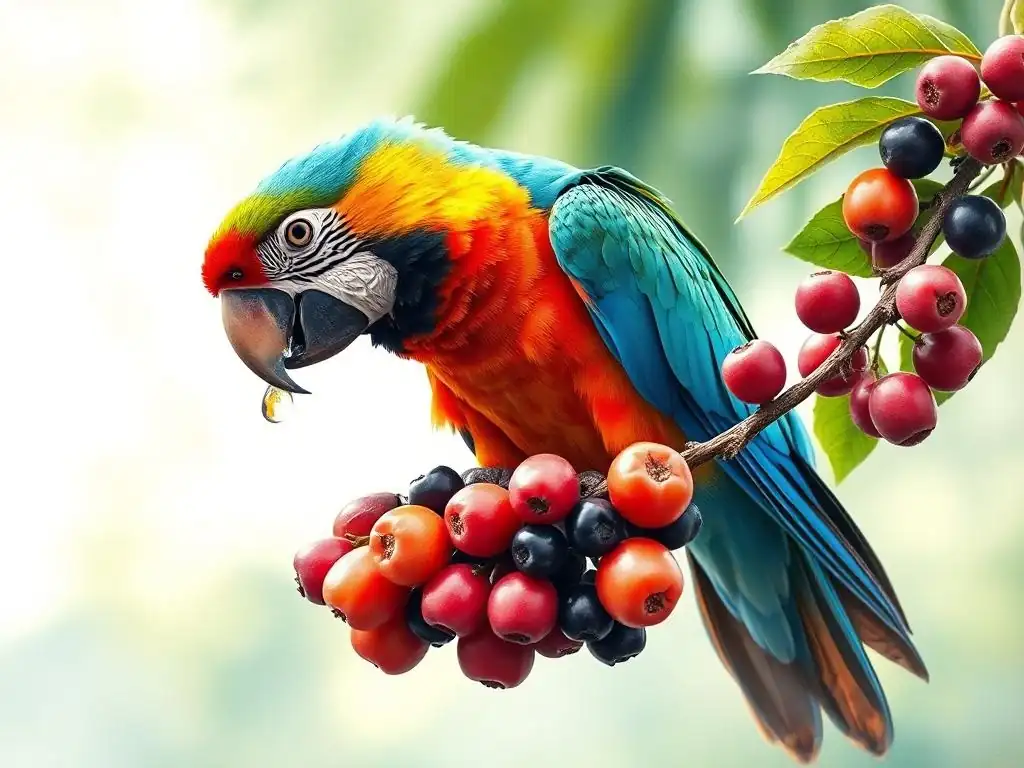
Supplementing your bird's diet should be approached cautiously and strategically. While a well-balanced diet consisting of high-quality seeds, pellets, fresh fruits, and vegetables typically provides all the necessary nutrients, certain situations may necessitate supplementation. Understanding when and why supplementation is needed is crucial to avoiding potential overdoses and ensuring your feathered friend's health.
Over-supplementation can be just as harmful as under-supplementation, leading to serious health issues. Therefore, a proactive approach, involving regular veterinary check-ups and careful monitoring of your bird's health, is key. This proactive approach to bird care is essential for preventing problems before they arise, ultimately leading to a longer, healthier life for your pet.
Identifying Nutritional Deficiencies in Your Bird
Identifying nutritional deficiencies in birds can be challenging, as symptoms often mimic other illnesses. However, some telltale signs can indicate a potential deficiency. These include lethargy, dull plumage, weight loss, changes in droppings, and decreased appetite. A thorough physical examination by an avian veterinarian is paramount for accurate diagnosis. They may recommend blood tests or fecal analysis to determine specific deficiencies.
For example, a deficiency in Vitamin A might manifest as respiratory issues or skin problems, while a calcium deficiency could lead to weakened bones and egg-laying problems. Early detection is vital, as untreated deficiencies can lead to irreversible damage. Careful observation of your bird's behavior and physical appearance, coupled with regular professional veterinary care, are your best tools for identifying and addressing potential nutritional imbalances. Remember, preventing deficiencies is always easier and less costly than treating them.
Using Supplements to Address Specific Health Concerns
Supplements should only be used to address specific health concerns identified by an avian veterinarian. Self-medicating your bird can be incredibly dangerous. For instance, if your vet diagnoses a calcium deficiency, they might recommend a calcium supplement tailored to your bird's species and age. Similarly, if your bird is recovering from an illness, specific supplements might be prescribed to aid in recovery and boost their immune system.
It's crucial to follow the veterinarian's instructions precisely regarding dosage and administration. Overdosing on even seemingly harmless supplements can lead to serious consequences, including organ damage and even death. Always opt for high-quality, avian-specific supplements from reputable sources, ensuring they are formulated to meet the unique nutritional needs of birds. Never substitute human supplements for avian-specific ones.
Supplements for Breeding Birds and Chicks
Breeding birds and their chicks have significantly higher nutritional demands than adult birds. During egg production and chick rearing, the mother bird requires increased calcium, protein, and other essential nutrients. Supplementation may be necessary to meet these increased demands and ensure healthy egg production and chick development. However, even in this situation, it's crucial to consult an avian veterinarian to determine the appropriate type and dosage of supplements.
Incorrect supplementation can lead to egg-binding, weak chicks, and other breeding complications. A vet can conduct thorough assessments to determine the specific nutritional needs of the breeding pair and their offspring, ensuring that any supplementation is safe and effective. Monitoring the health of both parents and chicks is essential throughout the breeding process, making adjustments to the supplementation strategy as needed based on the veterinarian's guidance. This proactive and expert-guided approach will help ensure healthy breeding and strong, thriving chicks.
Senior birds, like senior humans, often experience age-related health issues that can impact their nutritional needs. As birds age, their digestive systems may become less efficient, leading to decreased nutrient absorption. This can manifest in weight loss, decreased energy levels, and a weakened immune system. Supplementation can play a crucial role in mitigating these issues and supporting the overall well-being of your aging feathered friend.
Many senior birds benefit from supplements that focus on joint health. Conditions like arthritis become more prevalent with age, causing discomfort and limiting mobility. Glucosamine and chondroitin are commonly used supplements that can help support cartilage health and reduce joint pain and inflammation. It's vital to consult your avian veterinarian before starting any joint supplement regimen, as the appropriate dosage and type will vary depending on the bird's species, size, and specific condition. They can also advise on whether other supplements, such as omega-3 fatty acids for anti-inflammatory effects, would be beneficial.
Another crucial aspect of senior bird care is maintaining a healthy immune system. As birds age, their immune response weakens, making them more susceptible to infections and illnesses. Supplements containing antioxidants, such as vitamin C and vitamin E, can help boost the immune system and protect against oxidative stress. These antioxidants are also beneficial in combating the effects of free radicals, which contribute to the aging process. However, it’s crucial to remember that over-supplementation can be detrimental; therefore, precise dosage according to your bird’s specific needs is paramount. Always follow your vet's recommendations carefully.
Furthermore, maintaining healthy digestion is paramount in senior birds. Probiotics can be beneficial in supporting gut health and improving nutrient absorption. A healthy gut microbiome is essential for overall health and can help prevent digestive issues common in older birds. Remember, the specific probiotic strain and dosage should be determined by your avian veterinarian to ensure its suitability and safety for your bird. They will consider factors such as the bird's species, age, and any pre-existing conditions.
Finally, monitoring your senior bird's weight and energy levels is crucial. If you notice significant weight loss or a decrease in activity, it's essential to consult your veterinarian. They can perform a thorough examination to identify any underlying health problems and recommend appropriate dietary adjustments and supplementation to address the specific needs of your aging companion. Remember, a proactive approach to senior bird care is key to ensuring a happy and healthy life for your beloved pet. Regular veterinary check-ups and careful monitoring of your bird's health are vital components of this approach.
When to Seek Veterinary Care for Your Bird
Supplement overdoses in birds can be life-threatening, requiring immediate veterinary attention. While minor ingestion of excess vitamins or minerals might not immediately show severe symptoms, any sign of distress warrants a call to your avian veterinarian. Early intervention significantly improves the chances of a successful outcome. Knowing when to seek help is crucial in avoiding bird supplement overdose complications. This section will help you identify the critical moments requiring immediate professional help.
Recognizing the signs of a bird supplement overdose is paramount. Symptoms can vary depending on the specific supplement ingested and the quantity consumed. However, some common emergency symptoms include:
- Lethargy and Weakness: Your bird may appear unusually tired, showing reduced activity levels and difficulty perching.
- Respiratory Distress: Rapid or labored breathing, gasping for air, or open-mouth breathing are serious indicators.
- Gastrointestinal Issues: Vomiting, diarrhea (possibly bloody), or loss of appetite are significant warning signs.
- Neurological Symptoms: Tremors, seizures, incoordination, or paralysis can indicate severe toxicity.
- Changes in Feathering: Sudden changes in feather condition, such as ruffled feathers or excessive feather plucking, can be a subtle sign of underlying health issues, including toxicity.
- Dehydration: Sunken eyes, dry mouth, and loss of skin elasticity are critical indicators that need immediate attention.
- Changes in Behavior: Unusual aggression, excessive vocalization, or self-mutilation can be symptoms of neurological problems linked to toxicity.
It's important to note that some symptoms might be subtle at first. A seemingly minor change in your bird's behavior, such as a slight decrease in activity or appetite, could be an early warning sign. Don't hesitate to contact your veterinarian if you observe any deviation from your bird's normal behavior. Even if you are unsure, it's always better to err on the side of caution. Remember, early detection is key to avoiding bird supplement overdose complications and ensuring the best possible outcome for your feathered friend.
The Importance of Prompt Veterinary Intervention
Prompt veterinary intervention is absolutely crucial in cases of suspected bird supplement overdose. Delaying treatment can lead to irreversible organ damage and even death. Avian veterinarians possess specialized knowledge and equipment to diagnose and treat these cases effectively. They can:
- Stabilize your bird: Provide immediate supportive care, such as fluid therapy to address dehydration and manage any immediate life-threatening conditions.
- Diagnose the cause: Conduct thorough examinations, including blood tests and potentially other diagnostic procedures, to identify the specific supplement involved and assess the extent of the toxicity.
- Administer appropriate treatment: Utilize specific antidotes if available, or employ other treatment strategies to counteract the effects of the supplement. This may involve medication to induce vomiting or activated charcoal to absorb toxins.
- Monitor your bird's progress: Provide intensive care, including close monitoring of vital signs, to ensure your bird's recovery.
The speed of your response can drastically influence the outcome. Every minute counts in these situations. Don't attempt to treat your bird yourself; professional veterinary care is essential for successful management of a supplement overdose. Delaying veterinary care can lead to complications, increasing the severity of the condition and potentially lowering your bird's chances of survival. By acting quickly and seeking professional help, you significantly improve your bird's chances of recovery.
Treatment Options for Supplement Overdose in Birds
Treatment for bird supplement overdose varies depending on the type and amount of supplement ingested, as well as the severity of the symptoms. Treatment options may include:
- Induced Emesis: In some cases, your veterinarian might induce vomiting to remove the ingested supplement from the bird's system. This is usually done using medication.
- Activated Charcoal: Administering activated charcoal can help absorb the toxins in the bird's digestive tract, preventing further absorption into the bloodstream.
- Fluid Therapy: Intravenous fluids are often used to correct dehydration and support vital organ function.
- Supportive Care: This involves providing oxygen therapy, nutritional support, and managing any other complications that may arise.
- Specific Antidotes: In certain cases, specific antidotes may be available to counteract the effects of the ingested supplement. However, this depends on the specific substance involved.
The treatment plan will be tailored to your bird's specific needs and condition. Your veterinarian will closely monitor your bird's progress and adjust the treatment plan as needed. The recovery period can vary depending on the severity of the overdose and your bird's overall health. Careful follow-up care is essential to ensure a full recovery and to prevent any long-term complications. Remember, preventing future overdoses through careful supplement administration is paramount to your bird's long-term health and well-being. Always follow the recommended dosage instructions carefully and consult your veterinarian if you have any questions or concerns.
Frequently Asked Questions
What are the common signs of a bird supplement overdose?
Signs can vary depending on the supplement, but may include lethargy, loss of appetite, diarrhea, vomiting, or tremors. If you suspect an overdose, contact your avian veterinarian immediately.
How can I prevent accidental bird supplement overdoses?
Carefully read and follow the dosage instructions on the supplement label. Measure supplements accurately using a calibrated measuring spoon or syringe. Store supplements safely out of your bird's reach.
My bird accidentally ingested a large amount of a supplement. What should I do?
Immediately contact your avian veterinarian. Describe the supplement, the amount ingested, and your bird's symptoms. Follow your vet's instructions carefully.
Are all bird supplements created equal? What should I look for?
No, supplement quality varies greatly. Look for supplements from reputable manufacturers that list their ingredients clearly and have undergone third-party testing. Consult your vet for recommendations.
What are some natural ways to ensure my bird gets the nutrients it needs, reducing the need for supplements?
Provide a diverse and balanced diet consisting of high-quality seeds, pellets, fruits, and vegetables. Fresh water should always be available. A vet checkup can help determine if additional supplementation is necessary.
Final Reflection: Protecting Our Feathered Friends: A Call to Responsible Supplementation
The careless use of bird supplements poses a significant and often overlooked threat to avian health. A seemingly innocuous vitamin or mineral, administered incorrectly, can have devastating consequences, leading to illness, suffering, and even death. This underscores the critical need for responsible pet ownership and a deeper understanding of avian nutritional needs.
The impact of readily available supplements, coupled with a lack of widespread awareness regarding proper dosage and potential interactions, is a growing concern. We must actively combat misinformation and promote evidence-based practices in avian care. The best medicine is prevention,
a saying often applied to human health, holds equally true for our feathered companions. This requires a collective effort from breeders, veterinarians, and bird owners alike to prioritize responsible supplementation and prioritize the well-being of our birds above all else. The subtle signs of an overdose can be easily missed, leading to irreversible damage.
You, as a bird owner, hold the key to your bird's health and happiness. Take the time to understand your bird's specific dietary requirements, consult with an avian veterinarian before introducing any supplements, and meticulously follow dosage instructions. By making informed choices and prioritizing responsible care, you can ensure a long, healthy, and vibrant life for your beloved feathered friend. Let's work together to prevent bird supplement overdoses and create a safer, healthier world for our avian companions.
Take Flight with Informed Bird Care!
Thank you for learning about the crucial topic of bird supplement overdoses. We hope you gained valuable insights into protecting your feathered friend's health. Now, let's put that knowledge into practice!
- Prioritize a balanced diet: Carefully assess your bird's current diet, ensuring it meets their specific nutritional needs and avoids excesses of any vitamins or minerals. This is the most important step you can take.
- Share this vital information: Spread awareness about responsible bird supplement use by sharing this article with other bird owners. A healthy flock starts with informed care!
- Explore further: Learn more about avian nutrition by consulting reputable sources and an avian veterinarian.
What small change will you make today to ensure your bird receives the best possible nutritional care?