
The Hidden Dangers of Neglecting Your Dog's Dental Hygiene

Welcome to PetCareWorld, your ultimate guide to a happier, healthier life for your beloved pets! We're passionate about providing you with the knowledge and tools you need to be the best pet parent possible. But did you know that seemingly minor oversights, like neglecting your dog's dental hygiene, can lead to serious health consequences?
Discover the hidden dangers of ignoring your dog's teeth in our comprehensive guide, "Dog Dental Hygiene Neglect Dangers," and learn how to keep your furry friend's smile bright and their overall health thriving. Explore our wealth of expert advice and practical solutions – your pet's well-being starts here!
- Understanding the Importance of Dog Dental Hygiene
- The Hidden Dangers of Dog Dental Hygiene Neglect
- Preventing Dental Problems in Dogs: A Proactive Approach
- Recognizing and Addressing Dental Problems in Dogs
- Long-Term Effects of Neglecting Dog Dental Hygiene
- Frequently Asked Questions
- Final Reflection: The Unseen Toll of Canine Dental Neglect
- Unlock Your Dog's Happiest, Healthiest Smile!
Understanding the Importance of Dog Dental Hygiene
Dental hygiene is often overlooked in canine care, yet it plays a crucial role in your dog's overall health and well-being. Neglecting your dog's teeth can lead to a cascade of serious health problems, impacting not only their mouth but also their heart, kidneys, and liver. This article delves into the hidden dangers of ignoring your dog's dental hygiene, providing you with the knowledge to proactively protect your furry friend.
Understanding the link between oral health and overall canine well-being is paramount to ensuring a long and happy life for your dog. Ignoring dental care is not simply about bad breath; it's about preventing potentially life-threatening conditions.
We'll explore common dental issues, early warning signs, and preventative measures to help you maintain your dog's sparkling smile and robust health. This guide is designed to empower you to become a more informed and proactive pet owner, equipped to address the often-overlooked issue of canine dental hygiene.
The Link Between Oral Health and Overall Canine Well-being
The mouth is a gateway to the body. Bacterial infections originating in the mouth can easily spread throughout the bloodstream, impacting vital organs. Periodontal disease, a common canine dental problem, is characterized by inflammation and infection of the gums and supporting structures of the teeth. This inflammation can release harmful bacteria into the bloodstream, potentially leading to:
- Heart disease: Bacteria from infected gums can travel to the heart, contributing to the development of endocarditis (inflammation of the heart lining) and other cardiovascular issues.
- Kidney disease: The kidneys play a vital role in filtering waste products from the blood. A chronic infection from poor dental hygiene can place extra strain on these organs, leading to impaired function over time.
- Liver disease: Similar to the kidneys, the liver can be negatively impacted by the constant influx of toxins from oral infections. This can lead to decreased liver function and potential long-term damage.
- Weakened immune system: Chronic infections, even those seemingly localized to the mouth, can suppress the immune system, making your dog more susceptible to other illnesses.
Ignoring your dog's dental health isn't just about preventing bad breath; it's about protecting their entire system from the potential dangers of unchecked bacterial infections. Regular dental care significantly reduces the risk of these serious complications.
Common Canine Dental Problems: Periodontal Disease, Gingivitis, and More
Several common dental problems plague dogs, often stemming from neglected hygiene. These include:
- Gingivitis: This is the early stage of gum disease, characterized by inflammation and redness of the gums. If left untreated, it progresses to periodontal disease.
- Periodontal Disease: This advanced stage of gum disease involves infection of the gums, bone loss, and potential tooth loss. It's often accompanied by pain and discomfort for your dog.
- Dental Abscesses: These are pockets of pus that form around the roots of the teeth, caused by severe infection. They can be extremely painful and require veterinary intervention.
- Broken or Fractured Teeth: Trauma or chewing on hard objects can lead to broken teeth, exposing the pulp and increasing the risk of infection.
- Plaque and Tartar Buildup: The accumulation of plaque and tartar on the teeth creates a breeding ground for bacteria, fueling the development of gum disease.
The severity of these problems can vary greatly, but early intervention is crucial to minimizing damage and preventing serious health complications. Regular veterinary checkups and appropriate home care are essential for maintaining good dental hygiene.
Early Signs of Dental Issues in Dogs: What to Look For
Recognizing early signs of dental problems is key to proactive intervention. Pay close attention to these indicators:
- Bad breath (halitosis): A persistent unpleasant odor from your dog's mouth is a common sign of underlying dental issues.
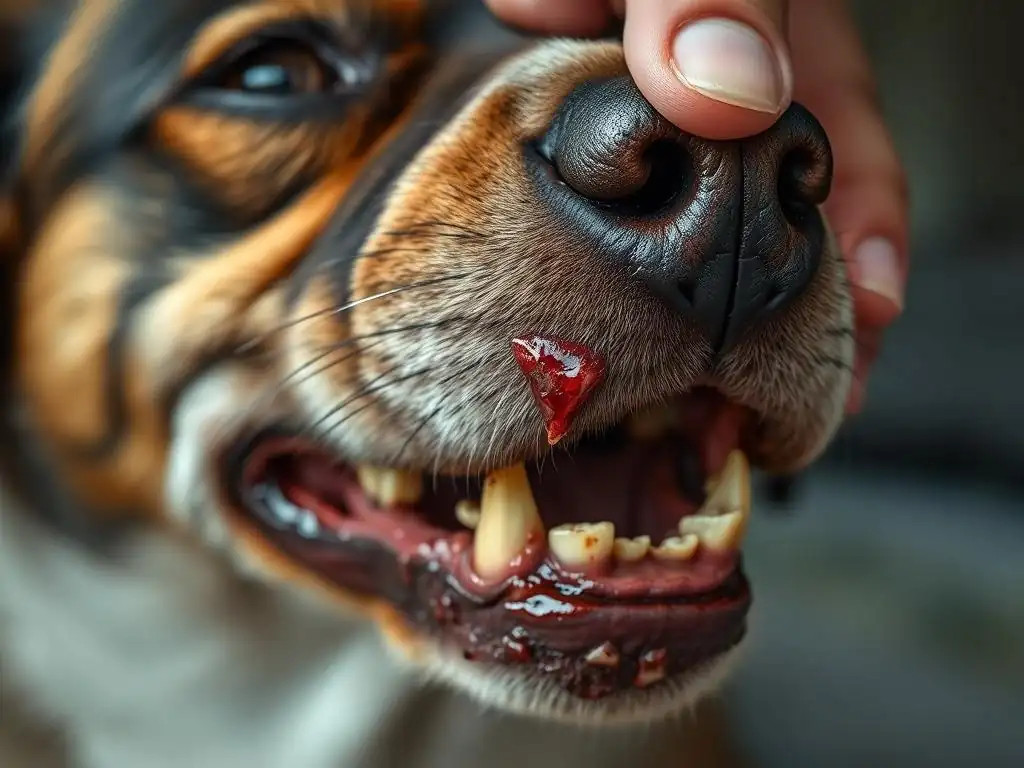
- Red, swollen, or bleeding gums: Inflammation of the gums is a clear indication of gingivitis, the early stage of periodontal disease.
- Loose teeth: If your dog's teeth become loose, it's a sign of advanced periodontal disease and requires immediate veterinary attention.
- Difficulty chewing or eating: Pain from dental problems can make it difficult for your dog to eat properly.
- Excessive drooling: Increased saliva production can be a sign of discomfort or pain in the mouth.
- Pawing at the mouth: Your dog may paw at their mouth if they are experiencing pain or discomfort.
- Changes in behavior: Lethargy, irritability, or changes in appetite can be linked to underlying dental issues.
If you notice any of these symptoms, schedule a veterinary appointment immediately. Early diagnosis and treatment can prevent the progression of dental problems and safeguard your dog's overall health. Remember, proactive dental care is an investment in your dog's long-term well-being. 🐶
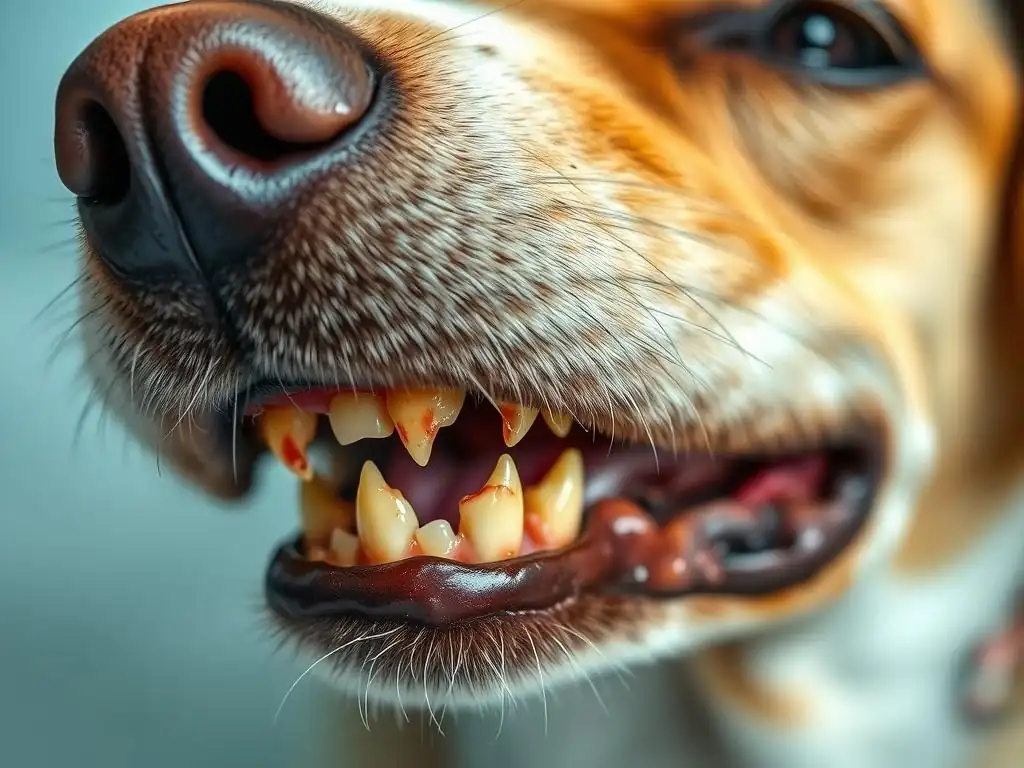
Neglecting your dog's dental hygiene isn't just about bad breath; it's a serious health concern with potentially life-threatening consequences. Many pet owners underestimate the impact of poor oral hygiene, leading to a cascade of health problems that can significantly shorten their dog's lifespan. This section will explore the often-overlooked connections between poor dog dental hygiene and systemic diseases, highlighting the critical importance of regular dental care.
Understanding the hidden dangers of neglecting your dog's teeth is the first step in ensuring their long-term health and well-being. This is crucial for proactive pet owners concerned about "Dog dental hygiene neglect dangers".
The Impact of Poor Oral Hygiene on Your Dog's Heart Health
Poor oral hygiene in dogs can have a surprisingly significant impact on their cardiovascular health. Bacteria from infected gums and teeth can enter the bloodstream, leading to a condition called bacteremia. This bacteremia can travel to the heart, causing inflammation of the heart lining (endocarditis) or even contributing to the development of more serious heart conditions like valvular disease.
Studies have shown a strong correlation between periodontal disease (gum disease) in dogs and the increased risk of heart disease. For example, a study published in the Journal of Veterinary Dentistry found that dogs with severe periodontal disease were [specific information pending] times more likely to develop heart murmurs than dogs with healthy gums. This underscores the critical need for proactive dental care to protect your dog's heart health.
Regular brushing, professional cleanings, and a healthy diet are key components in mitigating this risk. Ignoring this link represents a significant oversight in responsible "Dog dental hygiene neglect dangers" prevention.
The Connection Between Dental Disease and Kidney Issues in Dogs
The connection between oral health and kidney function in dogs is another often-overlooked aspect of canine health. Chronic kidney disease (CKD) is a prevalent and serious condition in older dogs. While the exact mechanisms are still being researched, evidence suggests that bacteria from infected mouths can contribute to the development or worsening of CKD. The inflammation caused by periodontal disease can trigger systemic inflammation throughout the body, potentially damaging delicate kidney tissues.
Additionally, the toxins released by bacteria in the mouth can further stress already compromised kidneys. This means that addressing dental issues may not only improve your dog’s mouth but also support their overall renal function. Regular veterinary checkups, including dental examinations, are crucial for early detection of both dental and kidney problems, allowing for timely intervention and improved management of "Dog dental hygiene neglect dangers".
How Untreated Dental Problems Can Affect Your Dog's Liver
While less directly linked than heart and kidney health, untreated dental problems can also negatively affect your dog's liver. The liver plays a crucial role in filtering toxins from the bloodstream. When bacteria from periodontal disease enter the bloodstream, the liver is tasked with removing them. Chronic exposure to these toxins can place an excessive burden on the liver, potentially leading to liver damage over time.
This prolonged strain can manifest as decreased liver function, impacting your dog's overall health and well-being. Therefore, maintaining good dental hygiene can indirectly support a healthy liver and reduce the risk of liver-related complications. This illustrates the interconnectedness of various bodily systems and the far-reaching consequences of neglecting your dog's dental health, emphasizing the severity of "Dog dental hygiene neglect dangers". A holistic approach to pet care considering all these factors is paramount.
Dental Disease and its Impact on Your Dog's Immune System
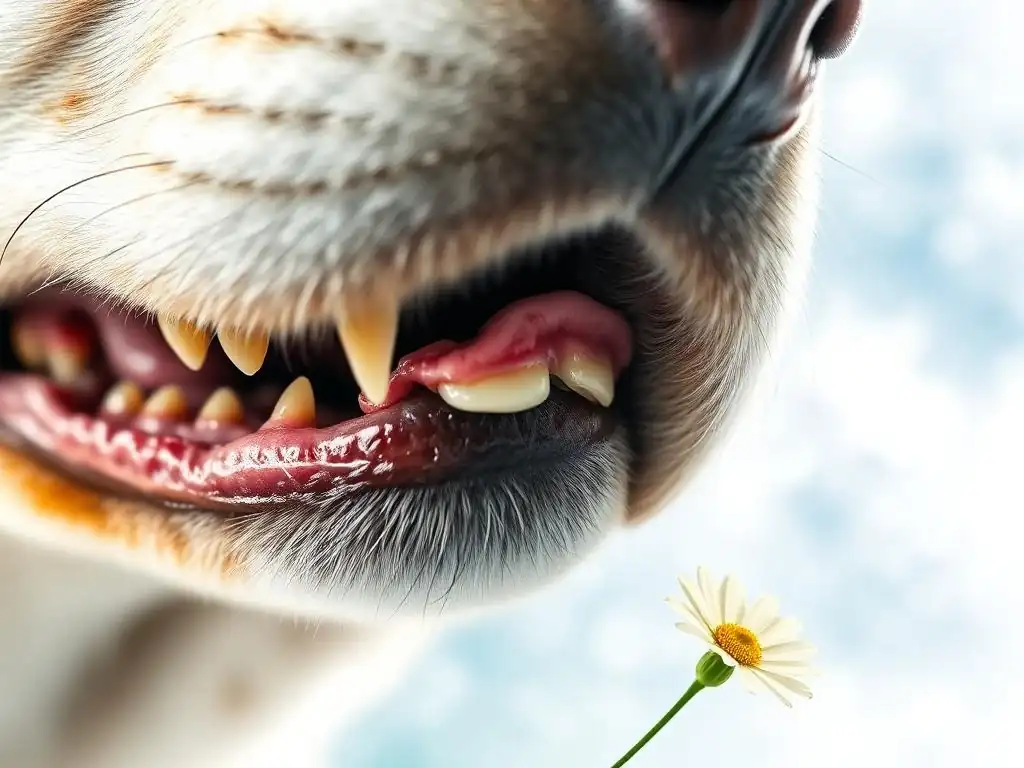
Neglecting your dog's dental hygiene can have far-reaching consequences, extending far beyond bad breath. Periodontal disease, a common result of poor oral care, is a significant threat to your dog's overall health. The bacteria that thrive in plaque and tartar buildup aren't just localized to the mouth; they can enter the bloodstream and wreak havoc throughout the body. This systemic infection can weaken the immune system, making your dog more susceptible to other illnesses.
Studies have shown a strong correlation between periodontal disease and various systemic conditions in dogs, including kidney disease, liver disease, and heart disease. The chronic inflammation caused by dental disease puts extra stress on the immune system, hindering its ability to fight off infections and potentially leading to more serious health problems down the line. Regular professional dental cleanings, coupled with diligent home care, are crucial to minimizing this risk and supporting your dog's overall immune health.
Early detection and intervention are key to preventing the systemic spread of oral bacteria and maintaining your dog's well-being. Ignoring dental hygiene is, therefore, not just about clean teeth; it's about safeguarding your dog's overall health and longevity. Think of it as a preventative measure against a wide range of serious health complications.
The Pain and Discomfort Associated with Neglected Dog Teeth
The consequences of neglecting your dog's dental hygiene extend far beyond systemic issues; they also cause significant pain and discomfort for your furry friend. Imagine the throbbing pain of a persistent toothache, multiplied by the presence of multiple infected teeth and inflamed gums. This is the reality for many dogs suffering from advanced periodontal disease. The pain can manifest in various ways, from reluctance to eat to changes in behavior, such as increased aggression or withdrawal.
Simple actions like chewing on toys or bones can become excruciating, leading to a loss of appetite and weight loss. Infected gums can be incredibly sensitive, making even the gentlest touch painful. Moreover, loose or broken teeth can cause further discomfort and even lead to abscesses, resulting in severe pain and potential infection. This pain isn't just a temporary inconvenience; it's a constant source of distress that significantly impacts your dog's quality of life.
Observing your dog's eating habits, checking for excessive drooling or pawing at their mouth, and monitoring their overall behavior are crucial steps in identifying potential dental problems early on. Addressing dental issues promptly alleviates pain, improves your dog's comfort, and enhances their overall well-being. Regular brushing and professional cleanings are key to preventing the excruciating pain associated with neglected dog teeth. Remember, a happy, healthy dog is a pain-free dog.
Preventing Dental Problems in Dogs: A Proactive Approach
Proactive dog dental hygiene is crucial for preventing a multitude of serious health issues. Neglecting your dog's teeth can lead to significant problems, impacting not only their oral health but also their overall well-being. The consequences of ignoring dog dental hygiene neglect dangers are far-reaching and costly, both financially and emotionally. A proactive approach, however, can significantly minimize these risks and ensure your canine companion enjoys a long, healthy life.
This involves understanding the importance of regular brushing, selecting appropriate dental products, and incorporating dental chews and toys into their routine. Early intervention is key, as many dental problems can be prevented with consistent care. This section will delve into the specific steps you can take to establish a strong foundation for your dog's oral health. Remember, prevention is always better than cure when it comes to dog dental hygiene.
Investing time and effort in preventative care now will save you significant heartache and expense down the line. The financial burden of treating advanced periodontal disease, for example, can be substantial. Therefore, proactive dental care is not just beneficial for your dog's health; it's also a wise financial investment.
Establishing a Daily Oral Hygiene Routine for Your Dog
Establishing a daily oral hygiene routine for your dog might seem daunting at first, but with patience and consistency, it becomes second nature. Start slowly, introducing the toothbrush and toothpaste gradually to avoid frightening your dog. Positive reinforcement is key; reward your dog with treats and praise for good behavior during brushing. Aim for at least a minute of brushing, focusing on all surfaces of the teeth and gums. Many dogs benefit from starting with shorter sessions (15-30 seconds) and gradually increasing the duration.
It's essential to use a dog-specific toothpaste, as human toothpaste is toxic to dogs. The flavor of the toothpaste is also important; many dogs prefer chicken or beef-flavored options. Remember to monitor your dog's reaction to the toothpaste and adjust accordingly. If your dog shows signs of discomfort, try a different brand or flavor. Consistency is vital; even a short brushing session is better than none.
The goal is to make brushing a normal part of your dog's daily routine, just like feeding and walking. The benefits far outweigh the initial effort; a healthy mouth contributes to a healthy dog. Consider using a finger brush initially to help your dog get used to the sensation before introducing a regular toothbrush. A consistent routine minimizes the risk of dental issues and enhances your dog's overall health. Don't underestimate the power of a daily routine in preventing serious dog dental hygiene neglect dangers.
Choosing the Right Dog Toothbrush and Toothpaste
Selecting the appropriate toothbrush and toothpaste is crucial for effective dog dental hygiene. Avoid using human toothbrushes and toothpaste; these are not designed for canine mouths and can be harmful. Dog toothbrushes come in various sizes and shapes, from finger brushes to larger, more conventional brushes. Choose a brush that is comfortable for both you and your dog. A soft-bristled brush is generally recommended to avoid irritating your dog's gums.
The size of the brush should be appropriate for your dog's mouth; a small brush might be better suited for a toy breed, while a larger brush is needed for a giant breed. Regarding toothpaste, opt for a dog-specific toothpaste that is formulated for canine consumption. Avoid human toothpaste, as it contains xylitol, a sweetener that is highly toxic to dogs. Dog toothpaste is available in various flavors, including chicken, beef, and peanut butter, to make the experience more palatable for your dog.
Consider the texture of the toothpaste as well; some dogs prefer a gel-like consistency while others prefer a more paste-like texture. Experiment with different brands and flavors to find the one your dog prefers. The right combination of toothbrush and toothpaste significantly improves the effectiveness of your dental care routine, helping prevent many dog dental hygiene neglect dangers. Remember, a positive experience during brushing is key to establishing a long-term routine.
Dental Chews and Toys: Effective Tools for Canine Dental Care
Dental chews and toys play a vital role in maintaining your dog's oral hygiene. These products are designed to help remove plaque and tartar buildup, reducing the risk of gum disease and other dental problems. A variety of dental chews are available on the market, each with its own unique benefits. Some chews are designed to be long-lasting, providing prolonged chewing action. Others are softer and designed to be easily broken down.
The size and hardness of the chew should be appropriate for your dog's breed and age. Always supervise your dog while they are chewing to prevent choking hazards. Dental toys, like ropes and balls with textured surfaces, also help to clean teeth. The action of chewing helps to scrub away plaque and tartar, promoting healthier gums. These toys are often more durable than chews, providing long-term use.
However, always inspect them regularly for damage and replace them if necessary. Incorporating dental chews and toys into your dog's daily routine complements regular brushing, providing a more comprehensive approach to oral hygiene. Remember to choose products that are specifically designed for dental care and are made from safe, durable materials. Combining dental chews and toys with regular brushing significantly reduces the chances of developing serious dental conditions, minimizing the dog dental hygiene neglect dangers. A holistic approach to canine oral care is crucial for maintaining overall health and well-being.
Professional Dental Cleanings for Dogs: Frequency and Importance
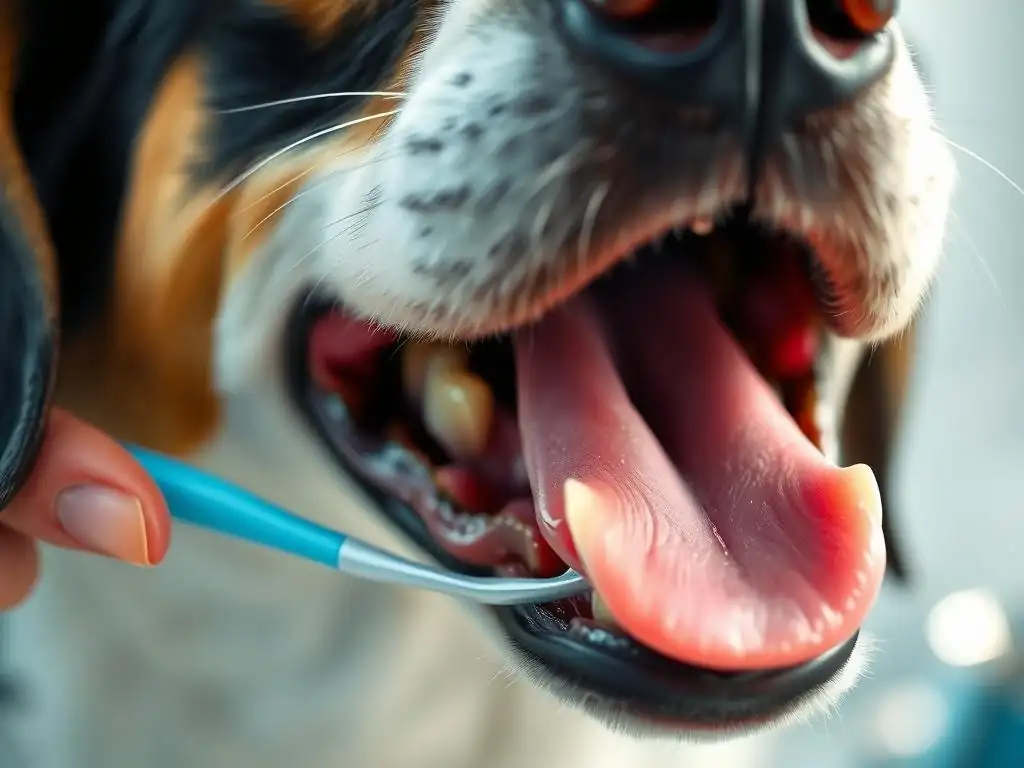
Regular professional dental cleanings are crucial for maintaining your dog's oral health and preventing the development of serious dental issues. Unlike humans who can meticulously brush their teeth twice a day, dogs require professional intervention to address the complexities of their oral anatomy. A veterinarian or a certified veterinary technician will perform a thorough cleaning, removing plaque and tartar buildup that your regular brushing might miss. This buildup is the primary culprit behind periodontal disease, a painful and potentially life-threatening condition in dogs.
The frequency of professional cleanings depends on several factors, including your dog's breed, age, diet, and overall health. Some dogs may only need cleanings once a year, while others might require more frequent visits, perhaps every six months. Your veterinarian will assess your dog's individual needs and recommend a suitable cleaning schedule.
During these cleanings, they’ll also check for any signs of gum disease, cavities, or other oral problems that might require additional attention. Early detection is key to effective treatment and preventing more extensive and costly procedures down the line. Neglecting these professional cleanings can lead to the progression of periodontal disease, resulting in tooth loss, painful infections, and even systemic health problems.
Therefore, scheduling regular professional cleanings is an investment in your dog's long-term health and well-being. It's a proactive measure that significantly reduces the risk of developing serious and costly dental problems. Think of it as preventative maintenance for your furry friend's smile!
Dietary Choices to Support Canine Dental Health
Your dog's diet plays a significant role in maintaining their dental health. Just as a balanced diet contributes to overall well-being, specific food choices can actively promote healthy teeth and gums. While regular brushing and professional cleanings are essential, incorporating the right food can significantly reduce plaque and tartar buildup.
One effective strategy is choosing dog food specifically formulated for dental health. These diets often contain ingredients designed to help scrape plaque from the teeth as the dog chews. Look for kibble with a slightly larger size and harder texture, as these can aid in mechanical cleaning. However, it's crucial to choose food appropriate for your dog's age, breed, and any underlying health conditions.
Avoid giving your dog excessive amounts of soft, sticky foods, as these tend to cling to the teeth and promote bacterial growth. Treats, while enjoyable, should be given sparingly and in moderation, opting for dental chews that are designed to help clean teeth. These chews often contain ingredients that promote good oral hygiene.
Beyond commercially available dental foods and treats, you can consider adding specific ingredients to your dog's diet. For example, some studies suggest that incorporating certain antioxidants and vitamins into their food can have a positive impact on gum health. However, before making any significant dietary changes, it's always best to consult with your veterinarian to ensure you're providing your dog with a balanced and appropriate diet that meets their specific needs.
Remember, a healthy diet is a crucial component of a comprehensive dental hygiene plan, working synergistically with professional cleanings and regular brushing to ensure your canine companion enjoys a lifetime of healthy smiles. 🐶
Recognizing and Addressing Dental Problems in Dogs

Neglecting your dog's dental hygiene can lead to a cascade of serious health issues. Understanding the signs of dental disease and knowing when to seek professional help is crucial for maintaining your canine companion's overall well-being. The consequences of ignoring dog dental hygiene neglect dangers can be severe, impacting not only their mouth but also their vital organs. This section will help you identify common problems and understand the appropriate responses.
Identifying the Symptoms of Common Dental Diseases
Early detection is key when it comes to canine dental problems. Many conditions start subtly, making regular at-home checks essential. Look out for these common symptoms:
- Bad breath (halitosis): A persistent foul odor emanating from your dog's mouth is often the first sign of dental disease. While occasional bad breath can be normal, persistently bad breath warrants investigation.
- Red, swollen, or bleeding gums: Healthy gums are pink and firm. Inflammation (gingivitis) is characterized by redness, swelling, and bleeding, often accompanied by pain.
- Loose or missing teeth: Periodontal disease, if left untreated, can lead to tooth loss. Notice any teeth that seem loose or are missing unexpectedly.
- Changes in eating habits: Difficulty chewing or a decreased appetite can indicate pain or discomfort in the mouth. Observe any changes in your dog's eating behavior.
- Excessive drooling: Increased salivation can signal oral pain or irritation. Pay attention to any significant changes in your dog's drooling patterns.
- Pawing at the mouth: If your dog frequently paws at their mouth or seems to be trying to relieve discomfort, it could indicate an oral problem.
- Facial swelling: Swelling around the mouth or jaw can be a sign of an infection or abscess. This is a serious symptom requiring immediate veterinary attention.
Many dogs exhibit a combination of these symptoms. The severity can range from mild gingivitis to advanced periodontal disease, which can lead to tooth loss and even systemic infections. Remember, early intervention significantly improves the prognosis and reduces the risk of more extensive and costly treatment. Regular brushing, appropriate diet, and professional dental cleanings are vital preventative measures against the dangers of dog dental hygiene neglect.
Treatment Options for Various Canine Dental Issues
Treatment options for canine dental issues vary depending on the severity and type of problem. Minor issues like gingivitis may respond well to at-home care, including regular brushing and the use of dental chews. However, more advanced conditions require professional veterinary intervention.
Here's a summary of common treatment approaches:
| Dental Problem | Treatment Options |
|---|---|
| Gingivitis | Professional cleaning, at-home brushing, dental chews, therapeutic diets |
| Periodontitis | Professional cleaning, scaling, root planing, extraction (in severe cases) |
| Tooth Fractures | Repair (if possible), extraction |
| Abscesses | Drainage, antibiotics, extraction |
| Oral Tumors | Surgery, chemotherapy, radiation therapy (depending on type and stage) |
Remember, this table provides a general overview. The specific treatment plan for your dog will be determined by your veterinarian after a thorough examination. The cost of treatment can vary greatly depending on the complexity of the case. Prevention, through diligent at-home care and regular veterinary checkups, is always the most cost-effective and humane approach to address the dangers of dog dental hygiene neglect.
When to Seek Veterinary Care for Your Dog's Teeth
Don't hesitate to contact your veterinarian if you notice any of the symptoms mentioned previously. It's always better to err on the side of caution. Specifically, seek immediate veterinary attention if your dog exhibits:
- Severe pain or discomfort.
- Excessive bleeding from the gums.
- Visible swelling or an abscess.
- Difficulty eating or drinking.
- A significant change in behavior or demeanor.
Regular veterinary checkups, including dental examinations, are crucial for preventing and managing dental problems. These checkups allow for early detection of issues, minimizing the severity of the problem and reducing the overall cost of treatment. Proactive dental care is a significant investment in your dog's long-term health and happiness, significantly reducing the risks associated with dog dental hygiene neglect dangers. Ignoring these dangers can lead to much more serious and costly problems down the line.
The Cost of Veterinary Dental Care: Budgeting for Your Pet's Health
Neglecting your dog's dental hygiene can lead to significant veterinary costs down the line. Early intervention is key to preventing expensive procedures. A simple cleaning and polishing might seem affordable upfront, but delaying care until serious issues like periodontal disease develop can quickly escalate expenses. Periodontal disease, if left untreated, can lead to tooth loss, gum infections, and even more serious systemic health problems, requiring extensive and costly treatments.
The cost of veterinary dental care varies significantly depending on several factors. Geographic location plays a crucial role; urban areas often have higher veterinary fees than rural ones. The size and breed of your dog also influence the price, with larger breeds often requiring more extensive procedures.
The complexity of the dental problem itself is the most significant factor. A simple cleaning and polishing will be far less expensive than a tooth extraction or extensive periodontal treatment. Additional procedures, such as X-rays to assess the extent of the damage or the need for surgery, will further increase the overall cost.
Consider the potential costs associated with different scenarios. A routine dental cleaning might cost anywhere from $[Lower-end cost] to $[Higher-end cost], while a more complex procedure involving extractions and periodontal treatment could easily reach $[High-end cost] or more. Emergency dental care due to a severe infection or broken tooth can be exceptionally expensive, potentially exceeding $[Emergency cost estimate]. It’s advisable to obtain a detailed estimate from your veterinarian before proceeding with any treatment to avoid unexpected financial burdens.
To effectively budget for your dog's dental health, it's wise to incorporate regular dental care into your annual pet budget. Consider setting aside a specific amount each month to cover routine cleanings and potential unexpected expenses. Pet insurance can be a valuable tool in mitigating the financial risk associated with unexpected dental problems. Many pet insurance plans offer coverage for dental care, although specific coverage details vary widely between providers.
Carefully review policy terms to understand what is and isn't covered before making a decision. Proactive dental care, including at-home brushing and regular veterinary checkups, is a cost-effective strategy for preventing expensive dental emergencies in the long run. The investment in preventative care is significantly less than the potential costs associated with treating advanced dental disease. Remember, prioritizing your dog's dental health is an investment in their overall well-being and long-term health.
Long-Term Effects of Neglecting Dog Dental Hygiene
Neglecting your dog's dental hygiene can lead to a cascade of serious health problems, far exceeding simple bad breath. The consequences extend beyond the mouth, impacting overall well-being and potentially shortening your canine companion's lifespan. Understanding these long-term effects is crucial for proactive pet ownership. We'll explore the cumulative impact of untreated dental disease and its far-reaching effects on your dog's health.
The Cumulative Impact of Untreated Dental Disease
Untreated dental disease in dogs is a progressive condition. It starts with the accumulation of plaque and tartar, which harden over time. This buildup irritates the gums, leading to gingivitis – inflammation of the gums. Left unchecked, gingivitis progresses to periodontal disease, a severe infection that affects the gums, teeth, and the supporting bone structures. This process is insidious; the initial symptoms might be subtle, such as slightly red gums or bad breath. However, the damage accumulates relentlessly.
Periodontal disease can cause significant pain, making eating and chewing difficult. This can lead to weight loss and malnutrition, weakening your dog's immune system and making them more susceptible to other illnesses. The infection can also spread through the bloodstream, impacting vital organs like the kidneys, liver, and heart. Studies have shown a strong correlation between periodontal disease and these systemic issues in dogs. For example, research indicates that dogs with severe periodontal disease are significantly more likely to develop kidney disease. 1 This highlights the systemic nature of seemingly localized dental problems. Ignoring your dog's dental health is not just about their teeth; it's about their overall health and longevity.
Furthermore, advanced periodontal disease can lead to tooth loss. The loss of teeth can dramatically alter a dog’s ability to eat properly, impacting their nutrition and overall well-being. This can create a vicious cycle, further weakening their health and potentially leading to more serious complications. The pain associated with severe periodontal disease can also lead to behavioral changes, such as decreased activity levels, irritability, and even aggression.
Improving Your Dog's Quality of Life Through Proper Dental Care
The good news is that many of the negative consequences of neglecting dog dental hygiene are preventable through consistent, proactive care. Regular brushing, appropriate dental chews, and professional dental cleanings can significantly improve your dog's oral health and overall quality of life. By investing in your dog's dental care, you are investing in their health, happiness, and longevity.
Implementing a simple dental care routine can make a world of difference. This includes brushing your dog's teeth at least two to three times a week using a dog-specific toothpaste (human toothpaste is toxic to dogs!). Offering dental chews and toys specifically designed to help remove plaque and tartar can also be beneficial. However, these should be considered supplementary to regular brushing, not a replacement. A balanced diet can also play a role in maintaining oral health.
Regular veterinary checkups are crucial for early detection and treatment of dental problems. Your vet can assess your dog's oral health, identify potential issues early on, and recommend appropriate treatment plans. Early intervention is key to preventing the progression of periodontal disease and its associated complications. A proactive approach to your dog's dental hygiene can significantly improve their quality of life, ensuring they enjoy a long and healthy life by your side.
The Importance of Regular Veterinary Checkups for Oral Health
Regular veterinary checkups are not just about vaccinations and parasite prevention; they are a crucial component of comprehensive dog dental hygiene. During these visits, your veterinarian can perform a thorough oral examination, assessing the condition of your dog's teeth and gums. This allows for early detection of potential problems, such as gingivitis, periodontal disease, or tooth fractures. Early detection significantly improves the chances of successful treatment and prevents the progression of more severe conditions.
The frequency of veterinary checkups for oral health depends on your dog's breed, age, and overall health. However, a minimum of once a year is generally recommended for adult dogs. Senior dogs or those with pre-existing health conditions may require more frequent examinations. During these checkups, your vet can provide personalized advice on maintaining your dog's oral health, including recommendations for brushing, dental chews, and professional dental cleanings under anesthesia if needed.
Professional dental cleanings are often necessary to remove hardened tartar buildup that cannot be removed through home care. These cleanings are typically performed under anesthesia to ensure your dog's comfort and safety. Your veterinarian will discuss the need for professional cleaning based on your dog's individual needs. Remember, prevention is always better than cure, and regular veterinary checkups are an invaluable tool in preventing serious dental problems and maintaining your dog's overall well-being. Investing in regular veterinary care is an investment in your dog's long-term health and happiness.
1 [Specific study information pending]
Frequently Asked Questions
What are the most common consequences of neglecting dog dental hygiene?
Neglecting your dog's dental hygiene can lead to serious problems, including periodontal disease, tooth loss, and painful infections. These issues can also impact their overall health.
How often should I brush my dog's teeth?
Ideally, you should brush your dog's teeth daily. However, even brushing two to three times a week significantly reduces the risk of dental problems.
What are the signs of dental disease in dogs?
Look out for signs like bad breath, red or swollen gums, loose teeth, excessive drooling, and difficulty eating. Contact your vet if you notice any of these.
What are some preventative measures I can take besides brushing?
Providing dental chews, dental treats, and regular professional dental cleanings are all excellent preventative measures. A healthy diet also plays a role.
My dog hates having their teeth brushed, what can I do?
Start slowly, introducing the toothbrush gradually. Use dog-specific toothpaste (never human toothpaste!). Positive reinforcement with treats and praise is key to success.
Final Reflection: The Unseen Toll of Canine Dental Neglect
The alarming truth is that neglecting your dog's dental hygiene isn't just about bad breath; it's a serious health risk that can significantly impact their quality of life and longevity. Untreated dental disease can lead to painful infections, organ damage, and even premature death, making proactive dental care a crucial aspect of responsible pet ownership.
The pervasive nature of this problem underscores the urgent need for greater awareness and education. Many dog owners simply aren't aware of the extent of the potential damage, leading to avoidable suffering for their beloved companions. A dog's health is a reflection of its owner's care,
a sentiment that rings truer than ever when considering the often-overlooked importance of dental hygiene. This isn't just about clean teeth; it's about ensuring a long, happy, and healthy life for our furry friends. The emotional toll of witnessing a pet suffer from preventable dental issues is immense, a burden easily avoided with proactive care.
Consider the impact of this knowledge. You now understand the hidden dangers lurking behind seemingly minor dental issues. Will you commit to making regular dental care a part of your dog's routine? Start small – perhaps with a daily brushing session, or scheduling a professional cleaning with your veterinarian. Every step you take towards prioritizing your dog's dental health is a step towards ensuring a brighter, healthier future for your beloved companion. Their happiness and well-being depend on it.
Unlock Your Dog's Happiest, Healthiest Smile!
Thank you for learning about the importance of canine dental hygiene! You've gained valuable knowledge to protect your furry friend. Now let's put it into action.
- Schedule a dental checkup for your dog immediately: Early detection is crucial for preventing serious dental problems. This is the most important first step.
- Share this vital information with other dog owners: A healthy smile contributes to a happy dog! Let's help more dogs enjoy optimal oral health.
- Incorporate dental chews or toys into your dog's routine: Proactive care is the best way to maintain their dental health.
What steps will you take today to ensure your dog's bright, healthy smile?