
Handling Baby Birds: Special Considerations for Young Feathered Friends

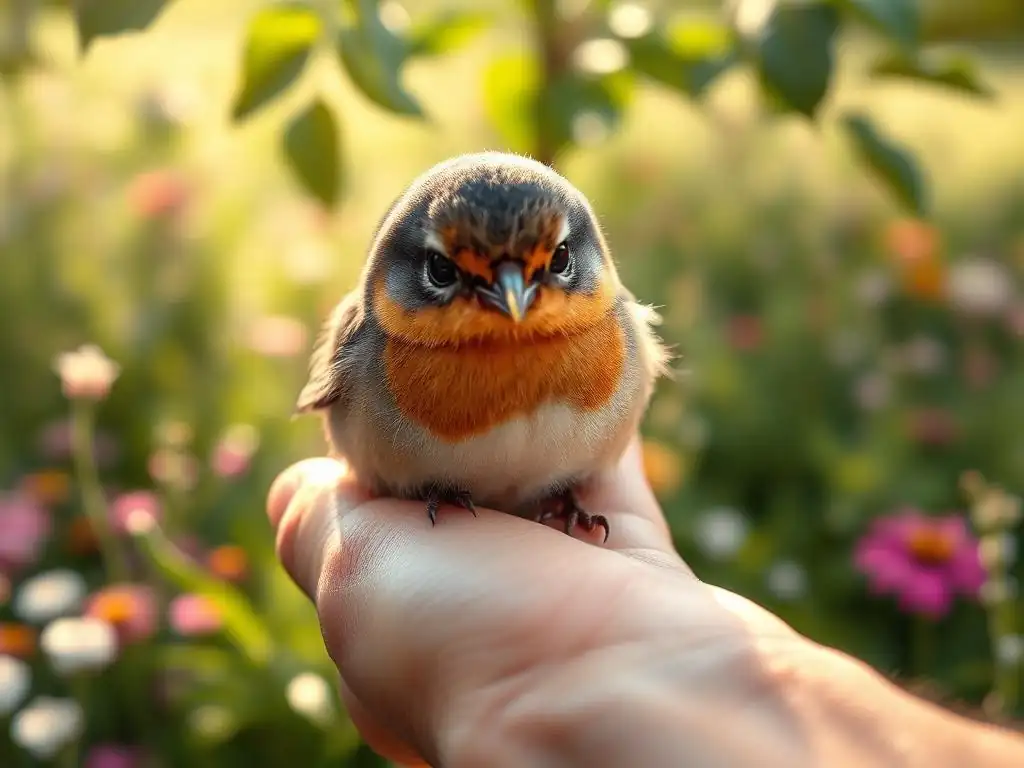
Welcome to PetCareWorld, your ultimate guide to a happier, healthier life for your beloved companions! Are you ready to unlock the secrets to providing exceptional care? Then dive into our expert advice on critical aspects of pet well-being, starting with our insightful guide on Baby Bird Care Tips. Discover essential knowledge and practical strategies for nurturing these delicate creatures, ensuring they thrive under your care. Learn more and embark on this enriching journey of responsible pet ownership!
- Understanding Baby Bird Development Stages & Needs
- Safe Handling Techniques for Baby Birds: Minimizing Stress
- Baby Bird Care Tips: Essential Actions for Healthy Development
- When to Seek Professional Veterinary Care for Baby Birds
- Rehabilitating Injured or Orphaned Baby Birds: Ethical Considerations
- Frequently Asked Questions
- Final Reflection: A Tiny Life, A Great Responsibility
- Ready to Become a Baby Bird Superhero?
Understanding Baby Bird Development Stages & Needs
Caring for a baby bird is a rewarding but demanding experience. These tiny creatures require specialized care, differing significantly from that of adult birds. This comprehensive guide will equip you with the essential knowledge and practical tips to successfully nurture a baby bird, ensuring its health, development, and eventual release back into the wild (where applicable). Understanding the various stages of baby bird development and their unique nutritional and environmental needs is paramount to their survival and well-being.
From recognizing subtle signs of illness to providing the correct diet, this article will cover the critical aspects of baby bird care, helping you navigate the challenges and joys of this unique responsibility. We'll focus specifically on providing "baby bird care tips" to help you confidently handle these delicate creatures. Remember, always prioritize the bird's safety and well-being, and seek professional veterinary advice if you have any concerns.
Identifying the Age of a Baby Bird: Key Indicators
Determining a baby bird's age is crucial for providing appropriate care. Younger birds require more frequent feedings and a different diet than older fledglings. Several key indicators can help you estimate their age:
- Eyes: Newly hatched birds typically have closed eyes, which open within a few days. The eye color can also provide clues; initially, they might be dark and then gradually change to their adult color.
- Feathers: The presence and development of feathers are strong indicators of age. Newly hatched birds are almost entirely featherless, while older fledglings have more developed feathers, although they might still be downy.
- Ability to move: Very young birds are completely immobile, while older fledglings might be able to hop or even attempt short flights.
- Body size and weight: As birds grow, their size and weight increase significantly. This growth pattern can be tracked to monitor their development.
- Behavior: Younger birds are highly dependent on their parents for warmth, feeding, and protection. Older birds might show increased independence, exploring their surroundings and attempting to feed themselves.
Careful observation of these factors will help you assess the bird's age and tailor your care accordingly. Remember to handle the bird gently and minimize stress to promote its healthy development. Accurate age assessment is crucial for determining the appropriate feeding schedule and nutritional requirements.
Nutritional Requirements for Baby Birds: A Comprehensive Guide
Proper nutrition is essential for the growth and development of baby birds. Their dietary needs vary depending on their species and age. Providing an inappropriate diet can lead to malnutrition, developmental problems, and even death.
The following table summarizes the nutritional needs of baby birds, categorized by age and species (note that this is a general guideline, and specific requirements may vary):
| Age Group | Diet | Important Considerations |
|---|---|---|
| Newly Hatched | Primarily insects, finely ground seeds (depending on species) | Ensure food is easily digestible. Frequent small feedings are key. |
| Young Fledglings | Increasingly larger insects, soft fruits, seeds | Gradually introduce more solid foods. Monitor for digestive issues. |
| Older Fledglings | Wider variety of insects, fruits, seeds, and possibly nectar (depending on species) | Transition towards adult bird diet. Still require high protein. |
It's crucial to research the specific dietary needs of the bird species you're caring for. Never attempt to feed a baby bird human food; many human foods are toxic to birds. Always use high-quality, species-appropriate food. If unsure, consult a veterinarian or avian specialist for personalized dietary advice. Providing the correct nutrition is key to raising a healthy and thriving baby bird. Remember, a balanced diet is vital for their growth and overall health.
Recognizing Signs of Illness or Distress in Baby Birds
Recognizing signs of illness or distress in baby birds is critical for timely intervention. Early detection and treatment can significantly improve their chances of survival. Some common signs to watch out for include:
- Lethargy and weakness: A baby bird that seems unusually weak, inactive, or unresponsive could be ill.
- Changes in appetite: A significant decrease or increase in appetite can indicate a health problem.
- Diarrhea or abnormal droppings: Changes in the consistency, color, or frequency of droppings can signal digestive issues or infection.
- Respiratory distress: Difficulty breathing, gasping, or wheezing can indicate respiratory problems.
- Abnormal posture or behavior: Unusual posture, such as hunched or twisted body, or unusual behavior, such as excessive shivering or feather ruffling, should be carefully monitored.
- Discharge from eyes or nostrils: Any discharge, including pus or mucus, could indicate an infection.
- Dehydration: Signs of dehydration include sunken eyes, dry skin, and decreased skin elasticity.
If you observe any of these signs, immediately seek veterinary care. Avian veterinarians have specialized knowledge and experience in treating baby birds, and early intervention can significantly increase the bird's chances of recovery. Early detection is key; don't hesitate to contact a professional if you have any concerns about the baby bird's health. Remember, your prompt action can save a life. 🐦
Safe Handling Techniques for Baby Birds: Minimizing Stress
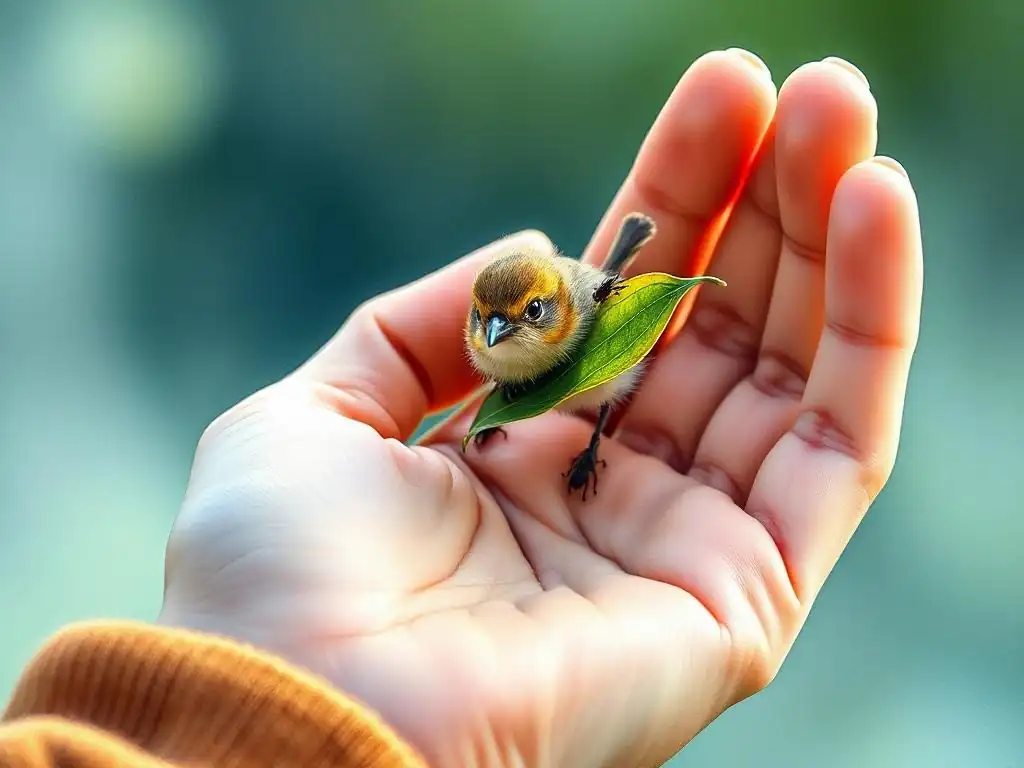
Handling baby birds requires a gentle touch and understanding of their delicate nature. Minimizing stress is paramount to their health and development. Improper handling can lead to injury, illness, and even death. Remember, these are vulnerable creatures requiring special care. This section details crucial techniques to ensure safe and stress-free interactions. Effective "baby bird care tips" prioritize the bird's well-being above all else.
Gentle Handling Procedures for Different Bird Species
Different bird species have varying sensitivities and physical characteristics. A handling technique appropriate for a robust parrot chick might be too rough for a fragile hummingbird. Understanding these differences is key to safe handling.
For example, small songbirds require exceptionally gentle handling. Support their entire body with both hands, cupping them gently to prevent injury to their wings and legs. Avoid squeezing. Larger birds, such as parrots, can tolerate slightly more firm handling, but always support their weight and avoid sudden movements. Their beaks can inflict painful bites, so approach cautiously and observe their body language for signs of stress. Larger birds of prey, even as chicks, require specialized handling techniques, often best left to experienced professionals due to their strength and potential to inflict injury.
| Bird Species | Handling Considerations |
|---|---|
| Small Songbirds | Extremely gentle, support entire body, avoid squeezing. |
| Parrots | Support weight, avoid sudden movements, be mindful of beaks. |
| Raptors (Birds of Prey) | Specialized handling often required by experienced professionals due to their strength |
| Hummingbirds | Extremely delicate; requires specialized handling and expertise. |
Remember to always wash your hands thoroughly before and after handling any bird to prevent the transmission of germs. Using a clean towel or cloth can also provide an extra layer of protection. The goal is to make the experience as positive and stress-free as possible for the baby bird. These gentle handling procedures are essential components of effective baby bird care.
Avoiding Injury: Proper Support and Positioning Techniques
The way you support and position a baby bird is crucial for preventing injury. Their bones are fragile, and improper handling can easily lead to fractures or dislocations. Always cradle the bird securely, ensuring its entire body is supported.
Avoid holding the bird by its wings or legs. This can cause pain, damage, and significant stress. Instead, gently cup the bird in your hands, providing support for its chest and abdomen. When examining a baby bird, keep it close to your body to minimize the risk of falls or sudden movements. The proper support and positioning of the bird are vital aspects of safe baby bird care. This minimizes the risk of accidental injuries, thus ensuring the well-being of the young bird. Think of it as providing a secure "nest" in your hands.
Creating a Safe and Comfortable Handling Environment
The environment in which you handle a baby bird plays a crucial role in minimizing stress. A calm, quiet, and dimly lit space is ideal. Avoid sudden noises or movements that might frighten the bird. A comfortable temperature is also important. The temperature should be appropriate for the species of bird being handled. Too hot or too cold can cause stress and discomfort.
Additional Tips for a Safe Handling Environment:
- Minimize distractions: Turn off loud music or television.
- Use soft, clean cloths or towels to handle the bird.
- Avoid strong scents (perfumes, colognes, etc.)
- Keep children and other pets away during handling.
- Have a designated safe space prepared in case the bird needs to be temporarily placed down.
By following these "baby bird care tips" and creating a calm and safe handling environment, you can significantly reduce stress and ensure the well-being of your young feathered friend. Remember, patience and a gentle approach are essential for successful and safe handling. Prioritize the bird's comfort and safety at all times.
Baby Bird Care Tips: Essential Actions for Healthy Development
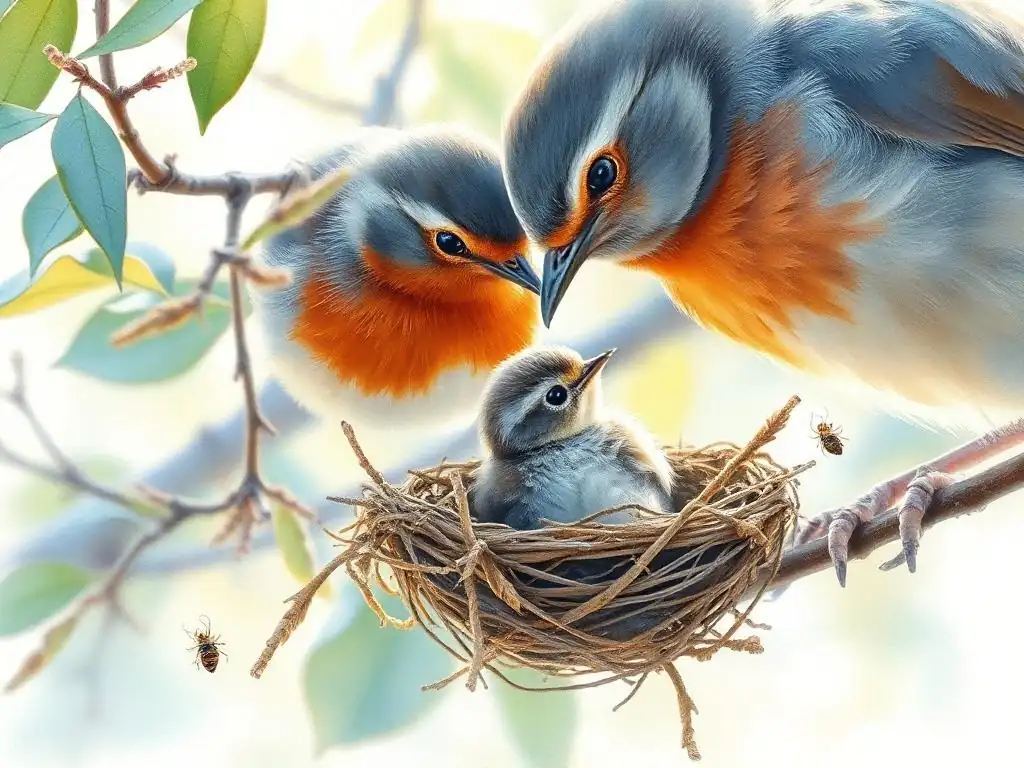
This section focuses on providing crucial baby bird care tips to ensure the healthy development of your young feathered friends. Successfully raising baby birds requires diligence, patience, and a deep understanding of their specific needs. Remember, these tips are general guidelines; always consult with an avian veterinarian for personalized advice tailored to your bird's species and age. Improper care can lead to serious health issues and even death, so meticulous attention to detail is paramount. This information is crucial for anyone searching for "baby bird care tips" online.
Providing Adequate Warmth and Comfort for Baby Birds
Maintaining the correct temperature is critical for baby bird survival. Newly hatched birds are highly susceptible to hypothermia and require a consistent source of warmth. The ideal temperature varies depending on the species, but generally ranges from 85-95°F (29-35°C). You can achieve this using a variety of methods:
- Brooding Lamp: A heat lamp with a thermostat is a common and effective solution. Position it above the nest box, ensuring the temperature is consistently within the recommended range. Avoid placing the lamp directly above the nest, to prevent burns. Regularly monitor the temperature using a thermometer.
- Heating Pad: A low-wattage heating pad can provide supplemental warmth, especially during colder nights. Never place the pad directly under the nest; instead, place it under a portion of the enclosure to create a thermal gradient, allowing the birds to move to areas of preferred temperature.
- Warm Water Bottles: Filled with warm (not hot!) water, these can provide a gentle source of warmth. Wrap the bottle securely in a towel to prevent direct contact and burns. Check the temperature regularly to ensure it remains comfortably warm.
Remember to avoid overheating! Signs of overheating include panting, lethargy, and excessive thirst. If you notice any of these symptoms, immediately lower the temperature and seek veterinary attention. Providing a safe, comfortable environment is one of the most important "baby bird care tips" to remember.
Stimulating Natural Behaviors in Young Birds
Encouraging natural behaviors is vital for the healthy development of baby birds. This includes activities like foraging, preening, and social interaction. Even hand-raised birds benefit from these experiences. Here's how you can stimulate these behaviors:
- Foraging Enrichment: Instead of simply placing food in a dish, scatter it around the enclosure to encourage foraging. Use shallow dishes, or even hide food amongst branches and leaves. This simulates their natural search for food and helps develop their hunting instincts.
- Preening Stimulation: Gently rub the birds' feathers to encourage preening. This helps maintain feather health and strengthens the bond between you and the bird. You can also provide a shallow dish of water for bathing, which will help them preen effectively.
- Social Interaction: If you have multiple baby birds, allow them to interact and play together. This promotes social skills and reduces stress. For single birds, providing regular interaction with you, through gentle handling and talking, helps foster a strong bond and prevents loneliness. This is a key component of effective "baby bird care tips".
The goal is to create an environment that mimics their natural habitat as closely as possible, fostering healthy development and reducing stress. Careful observation is key to understanding your bird's needs and adjusting your approach accordingly.
Introducing Solid Foods Gradually: A Step-by-Step Approach
The transition from baby food to solid food requires a gradual and careful approach. The timing and type of food will depend on the species and age of the bird. Sudden changes in diet can lead to digestive upset and other health problems.
- Initial Stages: Start by introducing finely mashed or pureed fruits and vegetables. Offer small amounts several times a day, alongside their usual formula. Observe their reactions closely for any signs of digestive problems, such as diarrhea or vomiting.
- Gradual Increase: As they become accustomed to the new foods, gradually increase the amount of solid food while reducing the amount of formula. This allows their digestive systems to adapt slowly.
- Variety of Foods: Offer a variety of fruits, vegetables, seeds, and insects (depending on the species) to ensure a balanced diet. Always provide fresh, clean water.
Remember to monitor their weight and overall health throughout the transition. Consult with an avian veterinarian for species-specific dietary recommendations and to address any concerns. A well-planned transition to solid foods is a critical part of comprehensive "baby bird care tips". Careful monitoring and gradual changes are key to success.
When to Seek Professional Veterinary Care for Baby Birds
Knowing when to intervene and seek professional veterinary care for a baby bird is crucial for its survival. While many minor ailments might resolve themselves, certain signs indicate a serious problem requiring immediate attention. Ignoring these could lead to irreversible damage or even death. This section focuses on identifying those critical situations and finding the right avian veterinarian to provide the necessary care. Efficient and timely intervention significantly improves the chances of a positive outcome for your young feathered friend. Remember, early detection is key when it comes to baby bird care tips.
Recognizing Critical Signs Requiring Immediate Veterinary Attention
Several symptoms warrant immediate veterinary attention. These signs often indicate a serious underlying condition requiring specialized care. Don't delay; prompt action can save the bird's life. Here's a list of critical signs to watch out for:
- Lethargy and Weakness: A baby bird that appears unusually weak, lethargic, or unresponsive is cause for concern. This could stem from various issues, including malnutrition, dehydration, or infection. Lack of response to stimuli is a particularly serious warning sign.
- Difficulty Breathing: Rapid, labored breathing, gasping, or open-mouth breathing are all alarming symptoms. These could suggest respiratory infections, pneumonia, or other severe medical conditions. Observe the bird carefully for any unusual sounds or patterns.
- Visible Injuries: Obvious injuries like broken bones, bleeding wounds, or missing feathers necessitate immediate veterinary attention. Even seemingly minor injuries can lead to complications if left untreated.
- Diarrhea or Unusual Droppings: Changes in the consistency, color, or frequency of droppings can signal digestive problems or internal parasites. Watery or unusually colored droppings are significant red flags.
- Loss of Appetite: A baby bird that consistently refuses food or is unable to feed effectively is severely compromised. This indicates a potential underlying illness or injury.
- Dehydration: Signs of dehydration include sunken eyes, loss of skin elasticity (skin slowly returns to its original position after being pinched), and lethargy. Dehydration is life-threatening and requires urgent veterinary intervention.
- Abnormal Posture or Behavior: Unusual posture, such as tilting the head or difficulty perching, might signify neurological problems or other serious health issues. Changes in behavior such as excessive vocalization or unusual aggression can also be indicative of underlying problems.
Finding an Avian Veterinarian: Resources and Recommendations
Finding a veterinarian experienced in avian medicine is essential for providing the best possible care for your baby bird. Not all vets are equally equipped to handle the specific needs of birds, particularly baby birds. Therefore, it's crucial to find a specialist who understands their unique physiology and health requirements. Here's how to find an avian veterinarian:
- Online Search: Use search engines to locate avian veterinarians in your area. Look for reviews and testimonials to gauge the quality of care offered.
- Local Animal Shelters and Wildlife Rehabilitation Centers: These organizations often have a list of recommended avian veterinarians.
- Veterinary Specialty Hospitals: Some larger veterinary hospitals have dedicated avian medicine departments.
- Avian Veterinary Associations: Professional organizations can provide referrals to avian veterinarians in your region.
Remember to call ahead to confirm the veterinarian's experience with baby birds and their availability for emergencies. Having a list of potential avian veterinarians on hand before an emergency arises can save precious time.
Emergency Care for Injured or Sick Baby Birds
Before reaching the veterinarian, providing immediate first aid can significantly improve the baby bird's chances of survival. However, remember that this is temporary care; professional veterinary attention is still crucial. Here are some immediate steps you can take:
- Keep the Bird Warm: Place the bird in a small, warm box lined with soft material like a clean cloth. A heating pad set on low can provide additional warmth, but ensure the bird isn't directly touching it to avoid burns.
- Provide Hydration: If the bird appears dehydrated, offer a few drops of water using an eyedropper. Do not force-feed.
- Minimize Stress: Keep the bird quiet and undisturbed in a dark, quiet environment. Excessive handling can further stress a fragile baby bird.
- Avoid Food: Unless explicitly instructed by a veterinarian, do not attempt to feed the bird. Improper feeding can cause more harm than good.
- Transport Carefully: Use a sturdy, well-ventilated container for transport to the veterinarian. Ensure the container is secure to prevent the bird from escaping or injuring itself during travel.
Remember, these are emergency measures. Professional veterinary care is essential for proper diagnosis and treatment. Prompt action and access to specialized avian care significantly impact the outcome for injured or sick baby birds. These baby bird care tips highlight the importance of preparedness and swift action.
Rehabilitating Injured or Orphaned Baby Birds: Ethical Considerations
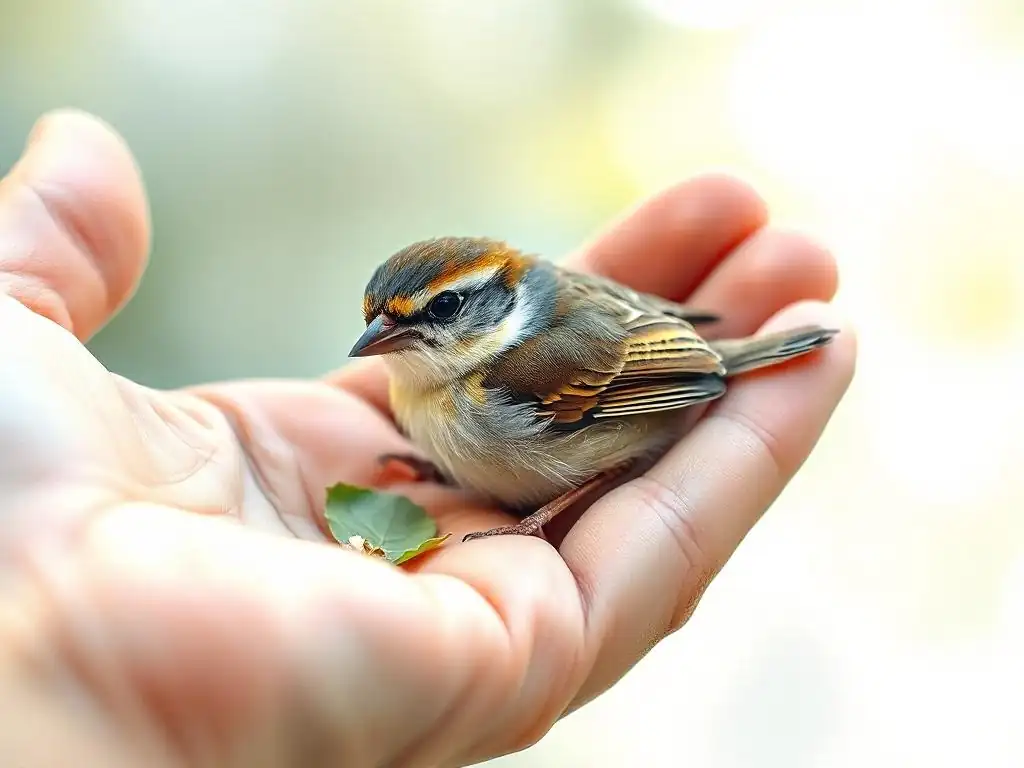
Caring for baby birds requires careful consideration of ethical implications. The primary concern is always the bird's well-being. Intervening without proper knowledge can cause more harm than good, potentially leading to the bird's death or hindering its natural development. Remember, "baby bird care tips" often involve recognizing when not to intervene.
Legal Aspects of Wildlife Rehabilitation
Many jurisdictions have specific regulations regarding the handling and rehabilitation of wild animals, including birds. It's crucial to understand the local laws before attempting to care for an injured or orphaned baby bird. Unauthorized possession or rehabilitation can lead to significant penalties, including fines and even legal action. Contacting your local wildlife agency or animal control is paramount to determine the legal path forward.
They can advise on the proper procedures for reporting a found bird and potentially guide you towards licensed rehabilitators. Failure to comply with these legal aspects of wildlife rehabilitation can result in severe consequences. Always prioritize legal compliance when dealing with wild animals. Understanding the legal framework is a key component of responsible baby bird care.
Working with Wildlife Rehabilitation Centers
Licensed wildlife rehabilitation centers possess the expertise, facilities, and permits to provide optimal care for injured or orphaned baby birds. These centers have trained professionals who understand the specific dietary and environmental needs of various bird species. They have access to specialized equipment, medications, and resources necessary for successful rehabilitation and eventual release back into the wild. Contacting a local center is often the best course of action when you find a baby bird that needs help.
They can assess the bird's condition, provide appropriate treatment, and monitor its progress. This approach ensures the bird receives the best possible care and maximizes its chances of survival and successful reintegration into its natural habitat. This is a crucial aspect of responsible baby bird care tips.
When Intervention is Necessary and When to Leave Them Alone
Determining whether intervention is necessary is a critical aspect of responsible baby bird care. Many fledglings appear helpless but are actually undergoing a normal developmental stage. Parent birds often forage away from the nest, leaving young ones seemingly abandoned. Unless the bird shows signs of injury (broken wings, bleeding), starvation (emaciated body), or clear distress (constant chirping, shivering), it's often best to observe from a distance.
Direct intervention can disrupt the natural parent-offspring bond and lead to parental abandonment. However, if a bird is visibly injured or in immediate danger (e.g., in a dangerous location like a busy road), immediate action is required. Remember, responsible "baby bird care tips" emphasize observation and cautious intervention only when absolutely necessary. Weigh the potential risks and benefits carefully before taking any action.
Frequently Asked Questions
What should I do if I find a baby bird that has fallen from its nest?
If you find a fallen baby bird, first assess if it's injured. If it appears unharmed and the nest is nearby, gently return it. If injured or the nest is unreachable, contact a wildlife rehabilitator or local animal rescue.
How do I determine if a baby bird needs help?
Look for signs of injury, such as bleeding or broken wings. If the bird is cold, weak, or alone for an extended period, it likely requires assistance. Parents' absence for short periods is normal.
What should I feed a baby bird?
Do not attempt to feed a baby bird yourself unless you are a licensed wildlife rehabilitator. Improper feeding can be fatal. Contact a professional for guidance on care.
Are there any specific dangers to watch out for when handling baby birds?
Yes, handling baby birds without proper training is risky. You could unintentionally injure them or expose them to diseases. Always prioritize their safety and contact a professional.
What resources are available for learning more about baby bird care?
PetCareWorld offers in-depth guides and expert advice on various aspects of pet care, including baby bird care. You can also consult with licensed wildlife rehabilitators and veterinary professionals for further assistance.
Final Reflection: A Tiny Life, A Great Responsibility
The delicate balance of intervening and observing in the life of a baby bird is a crucial lesson, not just for bird enthusiasts, but for anyone who values the interconnectedness of life. The seemingly simple act of finding a fallen fledgling can trigger a cascade of ethical and practical considerations, highlighting our responsibility towards the natural world. Our actions, informed or not, can significantly impact the survival of these tiny creatures.
The impact of human intervention, both positive and negative, on wildlife populations is a profound and ongoing conversation. We've explored the crucial distinctions between needing help and simply needing time, and the potential consequences of well-intentioned but misguided actions. The best help is often no help at all,
a wise ornithologist once told me, and this rings true when considering the delicate ecosystem in which these birds thrive. Understanding this principle is vital to fostering a respectful and responsible relationship with the natural world.
Now, consider your own role. What have you learned about the importance of observation, patience, and informed action? The next time you encounter a baby bird, remember the information shared here. Will you choose to intervene, or will you choose to observe from a distance, ensuring the bird's safety and the integrity of its natural environment? The choice, and the responsibility, rests with you. Let's strive to be informed stewards of the wild, ensuring that these tiny lives have the best chance to flourish.
Ready to Become a Baby Bird Superhero?
Thank you for taking the time to learn about caring for baby birds! We hope you feel more confident in helping these delicate creatures. Let's put your knowledge into action:
- Your Primary Mission: Provide Safe and Supportive Care: This involves carefully observing the bird for signs of illness or distress, maintaining a clean and warm environment, and providing appropriate food and water. Even small actions can make a big difference!
- Share your experiences (or questions!) with other bird lovers. Helping others is a wonderful way to continue learning.
- Consider keeping a detailed bird-care journal. Tracking your progress can be incredibly rewarding and helpful for future rescues.
What unique challenge or surprising success have you experienced while caring for baby birds? Let's learn from each other!