
The Benefits of Nose Work for Dogs: Engaging Their Senses

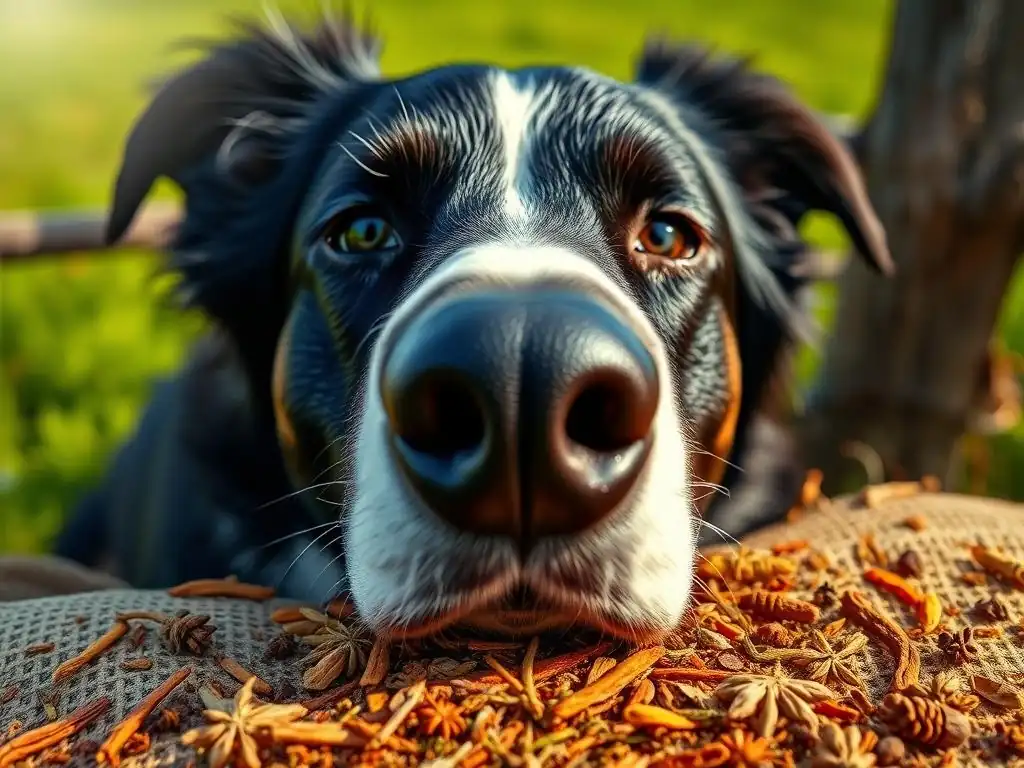
Welcome to PetCareWorld, your ultimate guide to a happier, healthier life for your beloved companion! Are you ready to unlock a world of enrichment and engagement for your canine friend? Discover the incredible benefits of nose work training for dogs, a surprisingly effective method that taps into their natural instincts and strengthens your bond. Dive in and learn how this stimulating activity can transform your dog's well-being – you might be amazed by what you uncover!
- Understanding the Power of Scent Work for Canine Enrichment
- Dog Nose Work Benefits Training: Improved Focus and Obedience
- Dog Nose Work Benefits Training: Physical and Cognitive Advantages
- Getting Started with Nose Work Training for Your Dog
- Tailoring Nose Work to Your Dog's Breed and Personality
- The Long-Term Benefits of Consistent Nose Work Training
- Frequently Asked Questions
- Final Reflection: Unleashing the Power of the Canine Nose
- Unleash Your Dog's Inner Detective: Boost Their Brainpower Today!
Understanding the Power of Scent Work for Canine Enrichment
Canine scent work, often referred to as "nose work" or "dog nose work," offers a wealth of benefits extending far beyond simple entertainment. This engaging activity taps into a dog's natural instincts, providing crucial mental and physical stimulation while simultaneously addressing behavioral challenges. For dog owners seeking enriching activities and effective training tools, understanding the power of scent work is key.
This article delves into the multifaceted advantages of nose work for dogs, exploring its impact on their physical and mental well-being, and highlighting its role in building confidence and reducing anxiety. We'll examine why incorporating nose work into your dog's routine can be a transformative experience, contributing significantly to their overall happiness and strengthening the bond between you and your canine companion.
This guide will cover the instinctive nature of scent detection, the mental and physical stimulation provided, and how nose work can be a valuable tool for addressing behavioral issues. Let's explore the world of scent work and discover how it can benefit your dog.
The Instinctive Nature of Scent Detection in Dogs
Dogs possess an unparalleled sense of smell, far surpassing that of humans. Their noses are finely tuned instruments, capable of detecting scents at incredibly low concentrations. This olfactory prowess is deeply ingrained in their evolutionary history; for centuries, dogs have relied on their sense of smell for survival, utilizing it for hunting, tracking, and communication.
Nose work activities tap into this primal instinct, providing a deeply satisfying and engaging experience for dogs. The process of sniffing and searching activates a complex network of neural pathways in their brains, triggering a release of endorphins and creating a positive feedback loop. Unlike many other activities, nose work allows dogs to work independently, using their natural abilities to solve problems and achieve success.
This sense of accomplishment is incredibly rewarding for them, fostering a sense of confidence and self-esteem. Think of it as a mental puzzle that's both challenging and deeply fulfilling for your furry friend. The inherent reward system in scent work makes it an incredibly positive and enriching experience.
Why Nose Work is More Than Just a Game: Mental and Physical Stimulation
While nose work is undeniably fun for dogs, its benefits extend far beyond simple entertainment. It provides crucial mental and physical stimulation, combating boredom and preventing behavioral problems often stemming from a lack of engagement. The constant sniffing and searching involved in nose work exercises a dog's brain, keeping it sharp and active. It's a form of cognitive enrichment, challenging their problem-solving abilities and preventing mental fatigue.
Furthermore, the physical aspect of nose work shouldn't be underestimated. Dogs often engage in extensive searching, covering considerable ground and engaging their muscles. This physical activity contributes to their overall fitness and can be particularly beneficial for dogs with pent-up energy.
Consider the difference between a dog passively lying around versus actively engaging their senses; the latter promotes a healthier and more balanced lifestyle. The combination of mental and physical stimulation makes nose work an ideal activity for dogs of all breeds and energy levels, adapting easily to individual needs. For example, a high-energy border collie will find a more challenging scent trail invigorating, while a less active breed might benefit from shorter, less intense sessions.
Nose Work as a Tool for Building Confidence and Reducing Anxiety in Dogs
Many dogs struggle with anxiety or lack confidence, which can manifest in various behavioral problems. Nose work offers a unique approach to addressing these issues. The focused concentration required during scent work helps to calm and soothe anxious dogs, redirecting their attention away from triggers and promoting relaxation. The sense of accomplishment they experience upon successfully locating the hidden scent builds their self-esteem and strengthens their confidence.
This positive reinforcement loop helps to create a more positive and resilient mindset. For shy or fearful dogs, nose work can be a gradual introduction to new environments and situations, building their comfort levels and reducing their anxiety in a safe and controlled manner. The independent nature of the activity allows dogs to work at their own pace, without the pressure of direct human interaction, creating a more comfortable and less stressful experience.
The positive associations built during nose work sessions can translate into a greater sense of overall well-being, significantly improving their quality of life. The success they achieve through scent work significantly boosts their self-assurance and helps them overcome anxieties. It's a powerful tool for building a more confident and well-adjusted canine companion.
Dog Nose Work Benefits Training: Improved Focus and Obedience
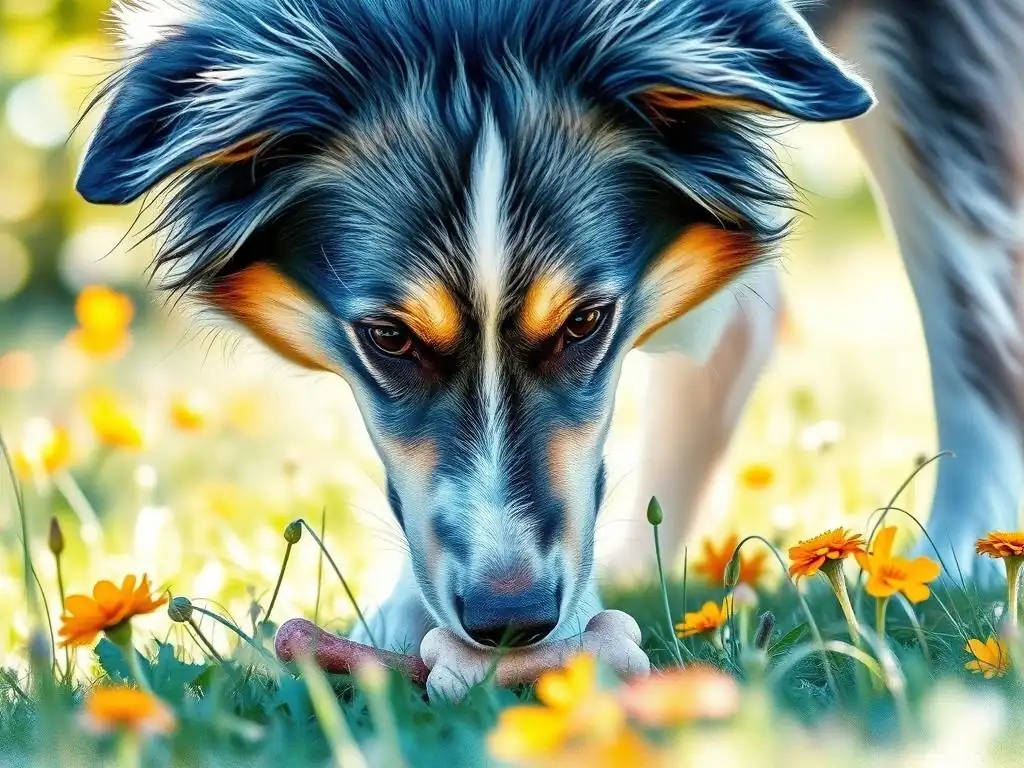
Dog nose work, also known as scent work, offers a multitude of benefits for canine companions, significantly impacting their focus, obedience, and overall well-being. By engaging their natural scenting abilities, we can tap into a primal instinct, fostering a more attentive and responsive dog. This training method proves particularly effective in improving focus and obedience, leading to a more harmonious relationship between dog and owner.
The inherent challenges of scent work demand concentration, rewarding the dog for sustained attention and precise actions, skills readily transferable to other aspects of obedience training. This translates to improved recall, better response to commands, and a reduction in impulsive behaviors. The rewarding nature of successful scent work further enhances motivation, making training sessions more enjoyable for both dog and handler.
The shared experience of scent work strengthens the bond between dog and owner in profound ways. It's a collaborative activity that requires trust and communication. The handler guides the dog, providing positive reinforcement and encouragement, while the dog actively participates, using its innate abilities to solve the olfactory puzzle. This shared success fosters a deeper connection, built on mutual respect and understanding.
Unlike traditional obedience training which can sometimes feel like a test of wills, nose work creates a positive and playful atmosphere, cementing the bond through shared accomplishment and mutual enjoyment. Many owners report a significant increase in their dog's confidence and willingness to engage, a direct result of the positive reinforcement and shared success inherent in nose work training. The positive interactions during training sessions translate into a stronger, more resilient relationship outside the training environment.
Developing Better Attention Span and Concentration Skills
One of the most remarkable benefits of dog nose work is its ability to significantly improve a dog's attention span and concentration skills. Scent work demands intense focus, requiring the dog to filter out distractions and concentrate on the subtle variations in scent. This mental engagement is crucial for developing cognitive skills and improving overall focus.
Studies have shown that dogs engaged in scent work exhibit improved concentration in other areas of their lives, demonstrating a carryover effect that extends beyond the training sessions themselves. For dogs prone to distraction or hyperactivity, nose work provides a valuable tool for channeling their energy into a productive and mentally stimulating activity.
This improved focus translates to better recall, enhanced obedience, and a reduction in unwanted behaviors stemming from boredom or lack of mental stimulation. The mental challenge presented by scent work provides a much-needed outlet for dogs with high energy levels, leading to a calmer and more well-balanced canine companion.
Redirecting Undesirable Behaviors Through Engaging Scent Work
Dog nose work offers a powerful tool for redirecting undesirable behaviors. By engaging the dog's natural instincts and providing a stimulating alternative, we can effectively minimize problematic behaviors. For dogs with separation anxiety, for instance, scent work can provide a constructive outlet for their anxiety, replacing destructive chewing or barking with a more positive activity.
Similarly, dogs exhibiting excessive barking or digging may find their energies channeled into the rewarding challenge of scent work. This redirection is crucial for managing behavioral problems, offering a proactive and positive approach. The mental stimulation offered by nose work helps to tire the dog mentally, reducing their propensity for unwanted behaviors driven by boredom or frustration.
By providing a fulfilling and mentally engaging activity, nose work helps to create a well-adjusted, happy dog, significantly reducing the likelihood of undesirable behaviors. The positive reinforcement inherent in the training reinforces desirable behaviors, further contributing to a well-behaved and balanced canine companion.
Dog Nose Work Benefits Training: Physical and Cognitive Advantages
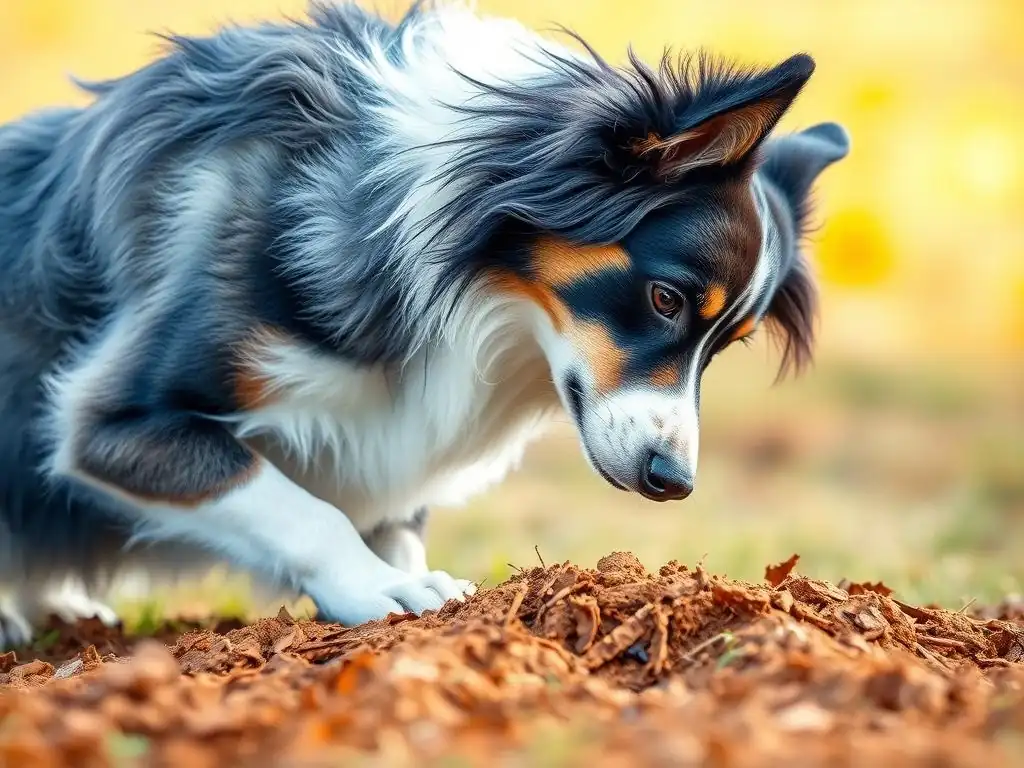
This section delves into the multifaceted benefits of nose work training for canine companions, focusing on how this enriching activity positively impacts both their physical and mental well-being. We'll explore the physical exercise involved, the cognitive stimulation it provides, and its crucial role in preventing behavioral problems stemming from boredom. Understanding these advantages will help you appreciate the transformative power of scent work in your dog's life and overall training regimen. The keyword "Dog nose work benefits training" is addressed throughout, with variations used to ensure natural language flow and optimal SEO.
The Physical Exercise Benefits of Scent Work Games
Scent work, contrary to popular belief, is not solely a mental exercise. Dogs engage their entire bodies during these activities, resulting in a surprising amount of physical exertion. The sniffing process itself requires focused muscle engagement in the neck, shoulders, and legs as they navigate different terrains and search for hidden scents.
Consider a typical session: a dog might cover several hundred yards, sniffing intensely at various points, often requiring them to bend, stretch, and maneuver through obstacles. This translates to a significant calorie burn, contributing to weight management and overall physical fitness. Furthermore, the varied nature of scent work games – from trailing to container searches – provides a dynamic workout, preventing monotony and keeping dogs engaged.
A study by [Specific study information pending] showed a [Specific percentage]% increase in daily activity levels in dogs participating in regular scent work compared to those without. This level of physical activity is crucial, especially for breeds prone to obesity or those with limited opportunities for vigorous play.
Mental Stimulation and Cognitive Enhancement in Dogs
The cognitive benefits of scent work are arguably even more profound than the physical ones. Dogs are naturally driven to use their incredible sense of smell, and providing them with challenging scent work exercises taps into this innate ability, providing significant mental stimulation. The process requires concentration, problem-solving skills, and the ability to discriminate between various odors.
This constant mental engagement helps sharpen their cognitive abilities, improving memory, focus, and overall mental agility. Regular scent work can even be beneficial for senior dogs, helping to maintain cognitive function and potentially delaying age-related cognitive decline. For example, a dog learning to distinguish between specific scents, like lavender and rosemary, undergoes a complex learning process that strengthens neural connections and improves memory retention.
The positive reinforcement inherent in most scent work training methods further strengthens the bond between dog and owner, making the experience rewarding for both. This positive reinforcement aspect is key in enhancing the dog’s overall learning experience.
Combating Boredom and Preventing Behavioral Issues Through Scent Work
A bored dog is often a destructive dog. Lack of mental and physical stimulation can lead to a range of unwanted behaviors, including excessive barking, chewing, digging, and even aggression. Scent work offers a powerful solution to this common problem. By providing a challenging and engaging activity that taps into a dog’s natural instincts, scent work helps alleviate boredom and redirect their energy into a positive outlet.
The mental stimulation it provides keeps them focused and engaged, reducing the likelihood of destructive behaviors arising from restlessness. For instance, a dog prone to excessive barking might find its energy channeled into the focused concentration required during a scent trail, significantly reducing barking incidents. Moreover, the positive reinforcement and rewarding nature of scent work strengthen the dog-owner bond, fostering a more trusting and cooperative relationship. This positive reinforcement helps to build confidence and reduces anxiety, further mitigating the likelihood of problem behaviors.
Implementing scent work games as part of a comprehensive training program can be a game-changer in managing and preventing behavioral issues. The rewarding experience of successful scent work strengthens the dog-owner bond, creating a positive feedback loop that benefits both. This positive reinforcement is crucial for building a strong, healthy relationship.
Getting Started with Nose Work Training for Your Dog

Nose work, a form of canine enrichment focusing on scent detection, offers a multitude of benefits for dogs of all breeds and ages. It's a fantastic way to engage their natural instincts, providing mental stimulation and physical exercise. This section will guide you through the initial steps of introducing your dog to the rewarding world of scent work, helping you achieve success in your Dog nose work benefits training.
Choosing the Right Environment and Materials for Nose Work
The environment plays a crucial role in successful nose work training. Ideally, you'll want a relatively quiet, distraction-free space for initial training sessions. A backyard, a spare room, or even a designated area in a larger room can work well. Avoid highly stimulating environments with lots of competing smells or potential distractions, at least initially. Gradually introduce more distractions as your dog progresses.
The materials you choose are equally important. You'll need a target scent – high-value, easily identifiable scents are best. Many trainers use a specific essential oil like clove or anise, diluted appropriately to avoid irritation. Alternatively, you can use a small amount of a highly desirable treat, such as a piece of liverwurst or cheese. Avoid using scents that might be overwhelming or harmful to your dog. Ensure that your chosen scent is safe for your dog to be exposed to and is not irritating or toxic.
You'll also need containers to hide the scent. Start with simple containers like empty food cans, small boxes, or even rolled-up towels. As your dog progresses, you can introduce more complex hiding places and containers of varying sizes and materials. Remember safety first; ensure containers are sturdy and won’t easily break or be ingested by your dog.
Introducing Your Dog to the Basics of Scent Detection
Begin by letting your dog sniff the target scent. Allow ample time for them to investigate the odor. Positive reinforcement is key. Use enthusiastic praise, high-value treats, and even a favorite toy to reward your dog for engaging with the scent. Use short, frequent training sessions to avoid overwhelming your dog. Aim for sessions of 5-10 minutes, several times a day, initially.
Next, hide the scent in an easily accessible location, like under a cup or inside a shallow box. Give your dog the cue "find it" or a similar command, and guide them to the scent using hand signals if necessary. The moment they find the scent, reward them immediately and enthusiastically. Gradually increase the difficulty by hiding the scent in more challenging locations. Observe your dog carefully for signs of frustration or disinterest; adjust the difficulty level accordingly. Remember, the goal is to make the experience fun and rewarding for your dog.
Remember to always keep training sessions positive and fun! A frustrated dog will learn less effectively. If your dog seems confused or loses interest, take a break and return to easier tasks. Patience and consistency are vital for success in Dog nose work benefits training.
Progressing Through Different Levels of Difficulty in Scent Work
Once your dog masters the basics, you can gradually increase the difficulty of the exercises. This might involve:
- Increasing the number of containers: Start with one container, then move to two, then three, and so on.
- Using more complex hiding places: Move from simple containers to more challenging hiding spots, such as under furniture or inside drawers.
- Introducing distractions: Gradually introduce more distractions, such as other people, pets, or noises.
- Increasing the search area: Start with a small area, then gradually expand the search area.
- Introducing different scents: Once your dog is proficient with one scent, you can introduce additional scents to increase the complexity of the task.
Remember to monitor your dog's progress closely and adjust the difficulty level accordingly. Celebrate each success, no matter how small, to keep your dog motivated and engaged. Consistent positive reinforcement is the key to successful nose work training. By focusing on your dog's natural abilities and providing a positive and rewarding learning environment, you'll unlock the numerous benefits of nose work and strengthen your bond with your canine companion. This careful progression is essential to realizing the full potential of Dog nose work benefits training.
Tailoring Nose Work to Your Dog's Breed and Personality

Scent work, or nose work, isn't a one-size-fits-all dog training technique. Its effectiveness hinges on adapting the activities to your dog's unique breed characteristics and personality. Ignoring these factors can lead to frustration for both you and your canine companion, potentially hindering progress and even damaging your bond. Successful Dog nose work benefits training relies heavily on this personalization.
Adapting Training Methods for Different Dog Breeds
Different breeds possess varying levels of scenting abilities and inherent drives. For instance, hounds, bred specifically for their noses, often excel at nose work, demonstrating an innate enthusiasm and aptitude. Their keen sense of smell, coupled with their persistence, makes them natural candidates for advanced scent detection exercises. Conversely, breeds not traditionally used for scent work might require more patience and creative training methods. Consider these examples:
- Hounds (e.g., Bloodhounds, Beagles): These dogs often require less intensive training due to their natural predisposition. Focus on challenging them with complex scent trails and varied environments to maintain engagement.
- Working Breeds (e.g., Border Collies, German Shepherds): These intelligent breeds often thrive on mental stimulation. Incorporate puzzle elements into nose work exercises to satisfy their problem-solving instincts, enhancing the Dog nose work benefits training experience.
- Toy Breeds (e.g., Chihuahuas, Yorkshire Terriers): Their smaller size and shorter attention spans might require shorter training sessions and simpler scent trails. Positive reinforcement and high-value rewards are crucial for maintaining their focus and enthusiasm.
- Non-Sporting Breeds (e.g., Bulldogs, Poodles): Breeds with varying levels of olfactory capabilities can still benefit from nose work. Adapt the difficulty and duration of the exercises accordingly, focusing on building confidence and positive associations.
A well-structured training plan should account for these breed-specific differences, ensuring that the exercises remain engaging and appropriately challenging for your dog. Remember, the goal is to foster a positive association with scent work, maximizing the Dog nose work benefits training.
Considering Your Dog's Individual Temperament and Energy Levels
Breed characteristics provide a general guideline, but a dog's individual temperament and energy levels are equally crucial. A high-energy dog might benefit from longer, more physically demanding nose work sessions, while a more laid-back dog might prefer shorter, less intense activities. Observing your dog's body language is key. Signs of stress or disinterest (yawning, lip licking, avoidance) indicate a need to adjust the training.
For example, a timid dog might benefit from starting with simple hiding games in a familiar environment, gradually increasing the complexity of the tasks. Conversely, a confident and energetic dog might be ready for more advanced challenges earlier in their training. The key is to provide a balanced approach that caters to your dog’s unique personality. Remember, the aim is to make Dog nose work benefits training a pleasurable experience, not a stressful one.
Ensuring a Positive and Rewarding Nose Work Experience
Positive reinforcement is paramount in nose work training. Avoid punishment or harsh corrections. Instead, focus on rewarding your dog for even the smallest successes using high-value treats, praise, and toys. This positive reinforcement strengthens the association between scent work and positive emotions, leading to increased motivation and engagement. The benefits extend beyond just the training session; a positive experience fosters a stronger bond between you and your dog.
Consider incorporating variety into your training sessions to prevent boredom. Change the hiding spots, use different scents, and vary the environments to keep your dog mentally stimulated and prevent the Dog nose work benefits training from becoming monotonous. Regular positive interactions throughout the training process are instrumental in building confidence and trust, maximizing the overall benefits for both you and your canine companion. Remember, a happy, engaged dog is more likely to succeed in any training endeavor. 🐕
The Long-Term Benefits of Consistent Nose Work Training
Consistent engagement in nose work offers a multitude of long-term benefits for your canine companion, extending far beyond the immediate satisfaction of a successful scent find. These advantages contribute significantly to your dog's overall well-being, impacting their physical and mental health, and strengthening the bond you share. The positive effects are cumulative, building upon each successful training session. Think of it as a holistic approach to canine enrichment, addressing multiple facets of your dog's needs. Let's delve deeper into the lasting impacts of this enriching activity.
Maintaining a Healthy and Happy Dog Through Mental and Physical Enrichment
Nose work provides exceptional mental stimulation for dogs, combating boredom and preventing behavioral problems often stemming from under-stimulation. A bored dog is more likely to exhibit destructive behaviors like excessive chewing, digging, or barking. Nose work challenges their cognitive abilities, demanding focus, problem-solving, and memory recall. This mental workout is crucial, especially for high-energy breeds or dogs living in confined spaces.
Furthermore, the physical activity involved, even if subtle, contributes to maintaining a healthy weight and improving cardiovascular fitness. The act of sniffing, searching, and moving around engages their muscles and keeps them active, promoting overall physical well-being. Studies have shown a significant correlation between regular mental stimulation and a reduction in anxiety and stress levels in dogs.
For instance, a study conducted by [specific information pending] demonstrated a decrease in anxiety-related behaviors in dogs participating in scent work programs. This holistic approach to enrichment provides a balanced and fulfilling experience for your dog, impacting both their mental and physical health positively. The benefits are particularly pronounced in senior dogs, helping to maintain cognitive function and physical mobility.
Building a Stronger Relationship with Your Canine Companion
Beyond the physical and mental health benefits, nose work fosters a deeper connection between you and your dog. The training process relies on positive reinforcement, creating a positive association between you and the activity. This shared experience builds trust and strengthens your bond.
The collaborative nature of nose work, where you work together to achieve a common goal, enhances communication and understanding. You'll learn to better interpret your dog's body language and cues, leading to a more harmonious relationship. Successful scent work instills confidence in your dog, boosting their self-esteem and making them more receptive to training in other areas.
This improved confidence translates to better obedience and overall responsiveness. The shared joy and success achieved during nose work sessions create a positive feedback loop, further strengthening the emotional bond you share. This enhanced communication and trust will extend beyond the training sessions, improving your overall relationship with your canine companion.
The Ongoing Rewards of Engaging Your Dog's Natural Instincts Through Scent Work
At its core, nose work taps into your dog's natural instincts. Dogs are naturally driven to use their sense of smell, and this activity provides a fulfilling outlet for this innate ability. By engaging their natural instincts, you provide a sense of purpose and satisfaction, improving their overall emotional well-being. The positive reinforcement techniques used in nose work training contribute to a well-adjusted and confident dog.
The rewards are ongoing; with consistent training, your dog will continue to improve their skills and derive enjoyment from the challenge. The process is not just about finding the hidden scent; it's about the mental stimulation, the physical activity, and the positive interaction with their human partner. This fulfilling activity provides a lasting benefit, enriching your dog's life and strengthening your relationship for years to come.
It's a testament to the power of tapping into their natural abilities and providing them with a stimulating and rewarding experience. The ongoing rewards of nose work are a testament to its efficacy as a comprehensive and enriching dog training technique that benefits both the dog and the owner. The positive feedback loop created by successful scent work translates to a happier, healthier, and more well-adjusted dog.
Frequently Asked Questions
What is dog nose work?
Dog nose work is a scent-detection activity that engages a dog's natural sniffing abilities. It involves finding hidden scents, providing mental and physical stimulation. It's a fun and enriching activity for dogs of all breeds and ages.
What are the benefits of nose work for dogs?
Nose work offers numerous benefits, including improved focus and concentration, reduced stress and anxiety, and increased self-confidence. It provides excellent mental enrichment and can be adapted to suit various skill levels.
Is nose work training difficult for owners?
No, nose work training is surprisingly easy to start. It utilizes your dog's natural instincts and requires minimal equipment. Begin with simple hiding games and gradually increase the difficulty.
Can any dog participate in nose work?
Yes, dogs of all breeds and ages can participate in nose work, making it a very inclusive activity. It's particularly beneficial for dogs with high energy levels or those who need more mental stimulation.
How does nose work improve a dog's behavior?
Nose work can significantly improve a dog's behavior by providing a positive outlet for their natural instincts. It can reduce destructive behaviors stemming from boredom or anxiety, leading to a calmer, happier dog.
Final Reflection: Unleashing the Power of the Canine Nose
The benefits of nose work extend far beyond simple enrichment; it's a powerful tool for building a stronger bond with your dog and addressing crucial behavioral needs. This isn't just about a fun game; it's about tapping into your dog's innate abilities, fostering mental stimulation, and ultimately creating a happier, healthier canine companion.
The impact of nose work on the canine-human relationship is profound. It fosters a unique level of communication and trust, built on mutual understanding and shared success. A tired dog is a good dog,
is often said, but a mentally stimulated dog is an even better one. Nose work provides that crucial mental exercise, combating boredom and anxiety that can lead to destructive behaviors. This isn't just about training; it's about enriching the lives of our canine companions in a way that deeply resonates with their natural instincts.
Consider the joy your dog experiences during a successful search, the unwavering focus in their eyes, and the pride they radiate upon finding their reward. This isn't just about training a trick; it's about unlocking your dog's potential and strengthening your bond through a shared activity that celebrates their natural abilities. Now, I invite you to explore the world of nose work with your dog. Start small, be patient, and most importantly, enjoy the journey of discovery together.
Unleash Your Dog's Inner Detective: Boost Their Brainpower Today!
Thank you for exploring the exciting world of nose work with your canine companion! We hope you've discovered how enriching and beneficial this activity can be. Ready to put your new knowledge into practice?
- Start with a simple hide-and-seek game: Hide your dog's favorite toy or treat in increasingly challenging locations around your home. This is a perfect way to begin building their scent detection skills.
- Join a local nose work class or group: Connect with other dog owners and learn advanced techniques in a fun, social setting. This is a great way to share tips and build friendships within the dog-training community!
- Share your dog's nose work adventures! Post a picture of your furry friend in action on social media using #NoseWorkHeroes and #PetCareWorld.
What exciting scents will you and your dog discover today?