
Macaw and Children: Supervising Interactions for Safety

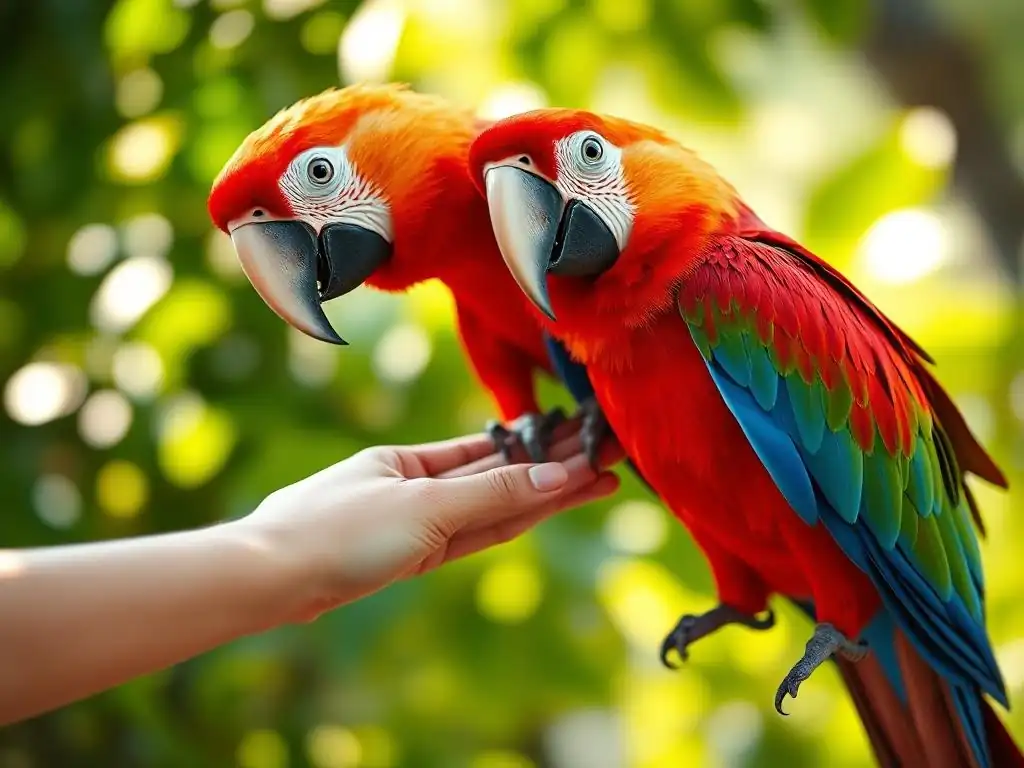
Welcome to PetCareWorld, your ultimate guide to a happier, healthier life for your beloved companion! Are you a proud macaw owner with young children? Then you've come to the right place. Learn crucial insights into macaw safety around children and discover how to ensure harmonious and safe interactions between your feathered friend and your little ones. Dive in and unlock the secrets to a peaceful coexistence – your family's well-being depends on it!
- Understanding Macaw Behavior Around Children: Key Considerations for Safe Interactions
- Safe Handling Techniques: Minimizing Risk During Interactions
- Potential Hazards: Preventing Bites, Injuries, and Accidents
- Emergency Preparedness: Knowing What to Do in Case of an Incident
- Macaw Safety: Ongoing Monitoring and Training
- Frequently Asked Questions
- Final Reflection: A Lasting Bond, a Shared Responsibility
- Unlock a World of Joy: Building Safe Macaw-Child Bonds
Understanding Macaw Behavior Around Children: Key Considerations for Safe Interactions
Macaws, with their vibrant plumage and engaging personalities, make captivating companions. However, their powerful beaks and potentially unpredictable behavior necessitate careful consideration when children are involved. This comprehensive guide explores the crucial aspects of ensuring safe and positive interactions between macaws and children, emphasizing proactive measures to prevent accidents and foster a harmonious coexistence. Understanding macaw body language, tailoring supervision to a child's developmental stage, and creating a safe, macaw-proofed environment are essential components of responsible pet ownership and child safety.
Ignoring these precautions can lead to serious injury for both the child and the bird, highlighting the importance of responsible and informed interaction. This article will equip you with the knowledge and strategies needed to create a safe and enriching environment for both your feathered friend and your children. Remember, responsible macaw ownership includes prioritizing the safety and well-being of everyone in your household.
Macaw Body Language: Recognizing Signs of Stress or Aggression in Your Bird
Learning to interpret your macaw's body language is paramount to preventing negative interactions with children. A stressed or agitated macaw might exhibit several tell-tale signs. These include:
- Dilated pupils: Enlarged pupils often indicate fear or anxiety.
- Flattened feathers: A bird with flattened feathers is likely feeling threatened or stressed.
- Rapid breathing: Increased respiratory rate can signify distress.
- Aggressive vocalizations: Loud squawking, hissing, or screeching are clear warnings.
- Tail bobbing: While sometimes a sign of excitement, rapid tail bobbing can also indicate aggression.
- Beak grinding: This might indicate stress or discomfort, potentially escalating to aggression if the cause isn't addressed.
- Aggressive posturing: This could include lunging, biting, or wing flapping.
Understanding these signals allows for prompt intervention, preventing escalation and potential harm. For example, if your macaw displays dilated pupils and flattened feathers when a child approaches, it's crucial to intervene immediately and create distance between them. This might involve moving the child to another room or gently covering the macaw's cage. Consistent observation and careful response to your macaw's cues are key to maintaining a safe environment. Remember, early recognition of stress signals is crucial for preventing incidents.
Child Development Stages & Macaw Interactions: Age-Appropriate Supervision Levels
The level of supervision required during macaw-child interactions must adapt to the child's developmental stage.
| Child's Age Range | Supervision Level | Considerations |
|---|---|---|
| 0-3 years | Constant, direct adult supervision | Children in this age group lack the understanding and physical control to safely interact with a macaw. |
| 4-7 years | Close, constant adult supervision | Even with older children, constant monitoring is critical. Teach children about respecting the bird's space. |
| 8-12 years | Close supervision, age-appropriate instruction | Children can learn basic macaw care tasks with close supervision. Emphasize gentle handling techniques. |
| 13+ years | Supervised, age-appropriate responsibility | Older children can take on more responsibility with consistent adult oversight. |
It's crucial to teach children about appropriate interaction with macaws from a young age. This includes emphasizing gentle handling, respecting the bird's personal space, and recognizing signs of stress or aggression. Never leave a child unsupervised with a macaw, regardless of the child’s age or the bird's perceived temperament. Always prioritize safety.
Creating a Safe Environment: Macaw-Proofing Your Home for Children and Birds
Creating a safe environment for both your macaw and children involves careful planning and proactive measures. Macaw-proofing your home involves several key steps:
- Secure the cage: Ensure the macaw's cage is sturdy, securely locked, and placed out of reach of children.
- Remove hazards: Remove small objects that the macaw could swallow or that the child could potentially put into the macaw's cage.
- Supervise feeding: Always supervise interactions around feeding time, as the bird might become protective of its food.
- Manage access: Designate specific areas where interactions between the macaw and children can occur under close supervision.
- Educate children: Teach children about the importance of respecting the bird's space and avoiding sudden movements.
- Establish clear rules: Create and consistently enforce clear rules for interacting with the macaw.
By implementing these strategies, you can minimize the risk of accidents and create a harmonious environment where both your macaw and children can thrive. Remember, proactive measures are key to ensuring the safety and well-being of both your beloved pet and your children. A safe and enriching environment for both is achievable with careful planning and consistent vigilance.
Safe Handling Techniques: Minimizing Risk During Interactions
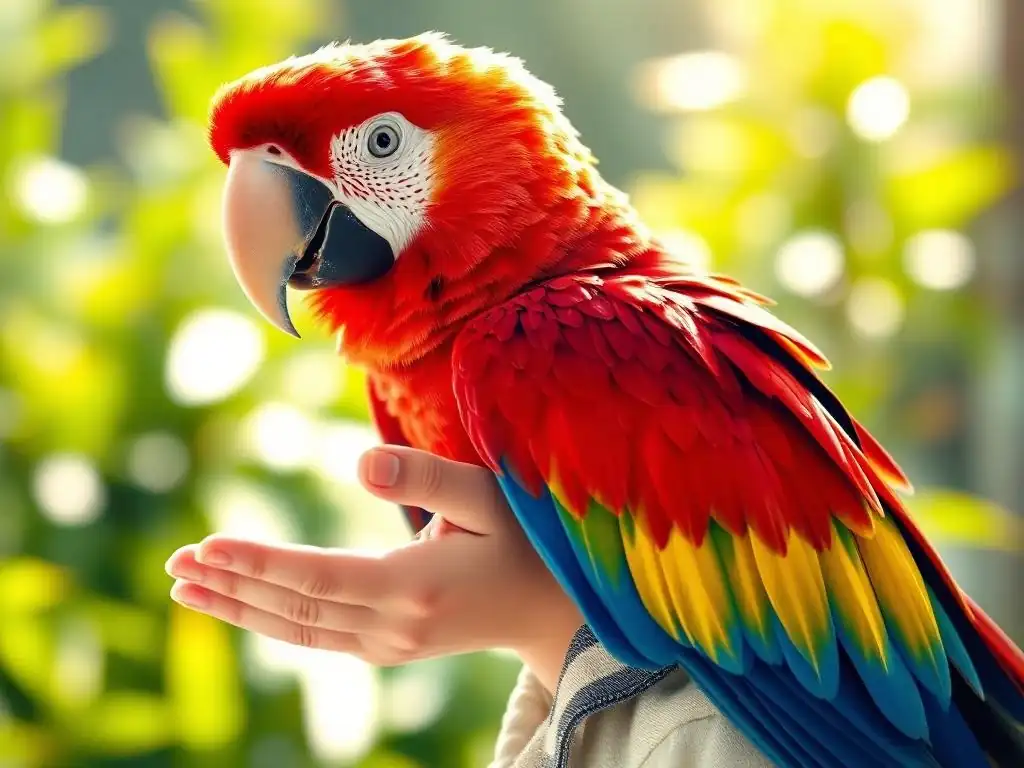
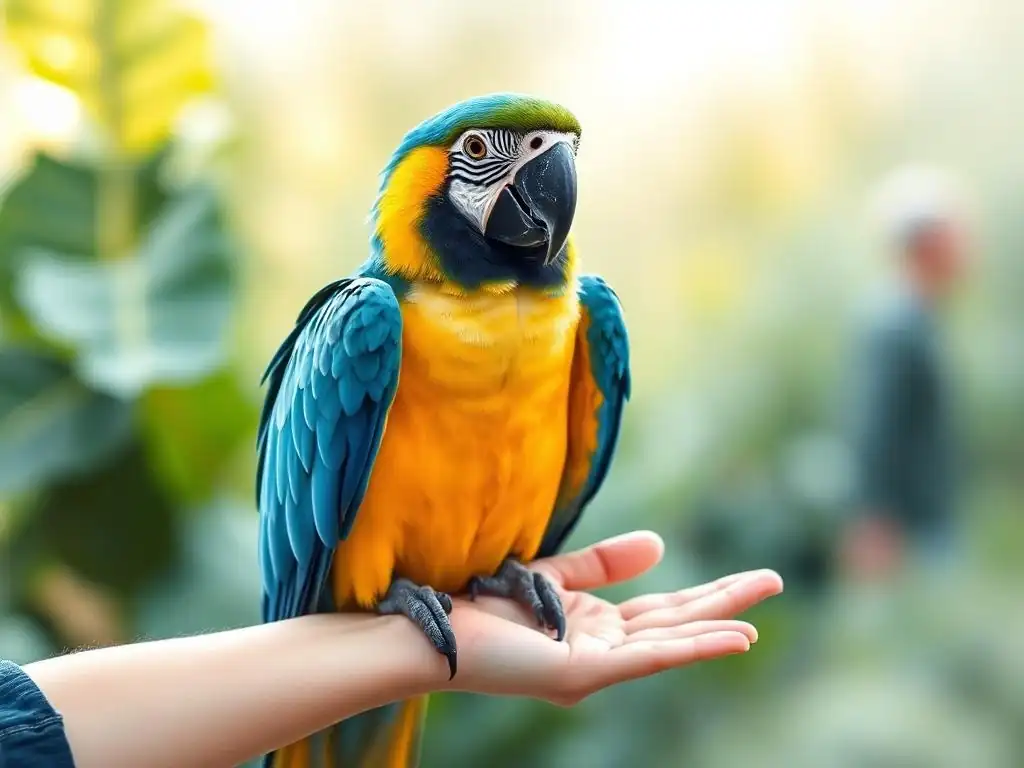
Safe handling is paramount when macaws and children interact. A macaw's powerful beak and strong claws can inflict serious injury, even unintentionally. Therefore, establishing and consistently enforcing safe handling protocols is crucial for macaw safety around children. This involves both adult supervision and teaching children appropriate behavior.
Introducing a Macaw to Children: A Step-by-Step Guide
Introducing a macaw to children should be a gradual process, prioritizing safety and minimizing stress for the bird. Never leave a macaw unsupervised with children, regardless of age or the bird's temperament. Here's a suggested approach:
- Controlled Initial Meeting: The first encounter should be brief and supervised. Let the child observe the macaw from a distance, allowing them to become accustomed to its presence. Avoid sudden movements or loud noises that might frighten the bird. Positive reinforcement, such as using calm tones and offering the macaw a favorite treat, can help create a positive association.
- Supervised Interaction: Once the initial observation period is complete, allow the child to interact with the macaw under close adult supervision. Begin with short sessions, gradually increasing the duration as the child and bird become more comfortable with each other. Ensure the child understands that gentle touches are preferred, and that they should never approach the macaw from above or behind.
- Teaching Gentle Touch: Demonstrate appropriate handling techniques to the child. Explain that they should approach the macaw slowly and gently, offering their hand flat and open. Encourage soft petting on the bird's head or chest, areas where the macaw is likely to feel comfortable. The child should always wash their hands before and after interacting with the macaw to maintain hygiene.
- Recognizing Distress Signals: Teach children how to recognize signs of stress or discomfort in the macaw. These might include ruffled feathers, dilated pupils, hissing, or attempts to bite or move away. If the macaw exhibits any of these signs, immediately separate the child and the bird, allowing the macaw some quiet time to recover.
- Consistent Reinforcement: Consistent and positive reinforcement is crucial. Praise the child for gentle interactions and appropriate behavior. If the child acts inappropriately, gently correct them and re-explain the rules. Remember, patience and consistency are key to successful integration.
Appropriate Playtime Activities: Engaging Macaws and Children Safely
Playtime should be structured and supervised to ensure both the macaw's and the child's safety. Avoid toys that could be easily broken or swallowed by the macaw, and always ensure that the interaction area is safe and clean.
- Supervised Toy Interaction: Offer age-appropriate toys that both the macaw and the child can enjoy. These could include soft toys, puzzle toys, or foraging toys. Always supervise the interaction to prevent the child from accidentally harming the macaw or the macaw from harming the child.
- Foraging Activities: Engage the macaw in foraging activities, such as hiding treats in puzzle feeders. This can provide mental stimulation for the macaw and also engage the child in a positive and interactive way.
- Positive Reinforcement Training: Involve the child in positive reinforcement training sessions for the macaw. This can help build a bond between them and teach the child about the macaw's behavior and needs.
- Observation and Interaction: Allow the child to observe the macaw's natural behaviors, such as preening or climbing. This can help them understand and appreciate the macaw's unique personality and needs. However, always maintain appropriate distance and supervision.
Remember, playtime should always be a positive experience for both the macaw and the child. If either shows signs of stress or discomfort, immediately end the playtime session.
Teaching Children Respectful Macaw Interactions: Education and Supervision
Education and consistent supervision are crucial for ensuring safe and positive interactions between macaws and children. Children need to understand that macaws are not toys, but living creatures with their own needs and sensitivities.
- Respect for Personal Space: Teach children to respect the macaw's personal space. They should not try to force interactions or grab the bird. A macaw may display aggressive behavior if it feels threatened or cornered.
- Understanding Bird Language: Educate children about macaw body language. Teach them to recognize signs of stress, such as ruffled feathers or hissing, and to avoid interacting with the bird if it shows these signs.
- Hygiene Practices: Emphasize the importance of hand washing before and after interacting with the macaw. This helps prevent the spread of germs and maintains a clean and healthy environment for both the bird and the child.
- Consistently Enforced Rules: Establish clear rules and boundaries regarding interactions with the macaw. These rules should be consistently enforced to ensure the safety of both the bird and the child. This includes constant adult supervision during any interaction.
- Age-Appropriate Interactions: Tailor interactions to the child's age and maturity level. Younger children may require more direct supervision and simpler interactions than older children.
By following these guidelines, you can create a safe and enriching environment where children and macaws can interact positively and respectfully. Remember, responsible ownership involves proactive safety measures and consistent education. Never underestimate the importance of constant supervision.
Potential Hazards: Preventing Bites, Injuries, and Accidents
Macaw safety around children is paramount. These intelligent and powerful birds, while capable of immense affection, possess beaks and claws strong enough to inflict serious injury. Understanding the potential hazards and implementing preventative measures is crucial for ensuring both the child's and the macaw's safety. Ignoring these precautions can lead to painful bites, scratches, and even more serious accidents. This section details potential risks and provides practical strategies to mitigate them. Remember, even the most well-trained macaw can react unpredictably, especially around unfamiliar individuals or in stressful situations. Consistent, careful supervision is key.
Preventing Macaw Bites: Strategies for Safe Handling and Interaction
Preventing macaw bites is the best approach to macaw safety around children. This requires a multi-pronged strategy focusing on training, interaction techniques, and environmental control. Never leave a child unsupervised with a macaw, regardless of the bird's temperament. Even seemingly gentle birds can bite if startled or feel threatened.
- Positive Reinforcement Training: Train your macaw using positive reinforcement techniques. Reward desired behaviors, such as stepping up onto a perch or remaining calm during handling, with treats and praise. This builds trust and reduces the likelihood of aggressive behavior. Consistency is key; training should be a regular part of your routine.
- Appropriate Handling Techniques: Teach children the proper way to interact with the macaw. Avoid sudden movements or loud noises that might startle the bird. Always approach the macaw calmly and slowly, allowing it to see and smell you before attempting to interact. Teach children to offer their hand slowly, palm down, allowing the macaw to step up willingly.
- Creating a Safe Environment: Ensure the macaw's environment is safe and stimulating. Provide plenty of toys and perches to keep the bird occupied and reduce boredom-induced aggression. Keep the cage clean and secure to prevent accidents. A secure cage is also a safe space for the bird to retreat if it feels overwhelmed.
- Introducing Children Gradually: Supervise all interactions between macaws and children very carefully. Initially, introduce them gradually, allowing the child to observe the bird from a distance. Only allow direct interaction under close supervision. Always be ready to intervene if necessary.
- Recognizing Stress Signals: Learn to recognize your macaw's stress signals, such as dilated pupils, flattened feathers, or hissing. If you notice these signs, remove the child from the interaction immediately to prevent a bite.
Understanding Macaw Beak Strength: The Importance of Supervision
Macaws possess incredibly strong beaks, capable of inflicting significant damage. Their beaks are not merely for eating; they are powerful tools used for climbing, defense, and manipulating objects. This strength underscores the critical importance of constant supervision during interactions with children. A macaw bite can cause severe pain, broken skin, and potentially even require stitches. The force of their bite can easily break skin, causing bleeding and potential infection.
The severity of a bite depends on several factors, including the size and age of the macaw, the force of the bite, and the location of the bite on the body. A bite to the face, for example, carries a higher risk of serious injury than a bite to the arm. Understanding this power helps emphasize the need for proactive safety measures. Even a small macaw can inflict a painful and damaging bite. Larger species pose a significantly greater risk. The potential for serious injury justifies the constant vigilance required when macaws and children are together.
Dealing with a Macaw Bite: First Aid and Prevention Strategies
Despite preventative measures, accidents can still happen. Knowing how to respond to a macaw bite is crucial. Immediate action minimizes potential complications.
- Immediate First Aid: Wash the bite wound thoroughly with soap and water. Apply antiseptic and a clean bandage. Seek medical attention if the wound is deep, bleeds profusely, or shows signs of infection (redness, swelling, pus). If the bite is on the face or near the eyes, seek immediate medical attention. A tetanus booster shot might be advisable depending on the vaccination status.
- Monitoring for Infection: Monitor the wound closely for signs of infection. If you notice any signs of infection, seek medical attention immediately. Antibiotics may be necessary to prevent serious complications.
- Behavioral Assessment: After a bite incident, carefully assess the macaw's behavior. Was the bite a result of fear, aggression, or accidental? Understanding the cause can help you implement appropriate preventative measures in the future. Consult an avian veterinarian for guidance on modifying the bird's behavior.
- Prevention is Key: Remember, the best approach to dealing with a macaw bite is preventing it from happening in the first place. Consistent training, careful supervision, and a safe environment are essential for ensuring both the safety of your child and the well-being of your macaw. The focus should always be on creating a positive and safe interaction between the two. Regular training and careful attention to the bird's body language will significantly reduce the risk of bites and other accidents.
Emergency Preparedness: Knowing What to Do in Case of an Incident
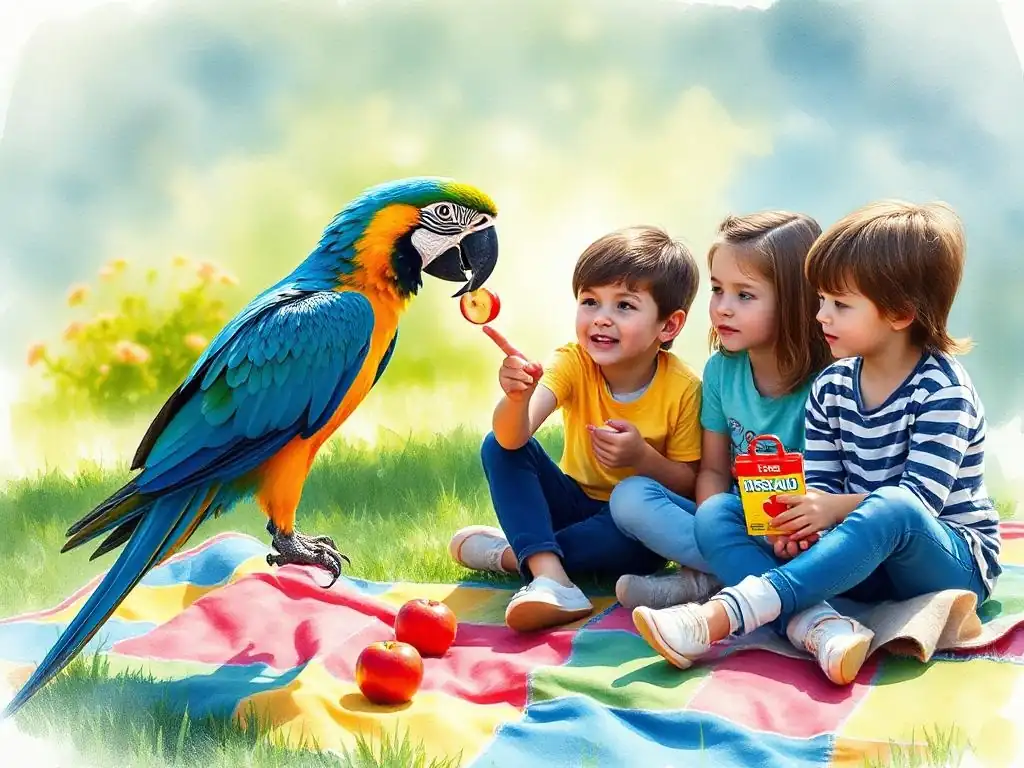
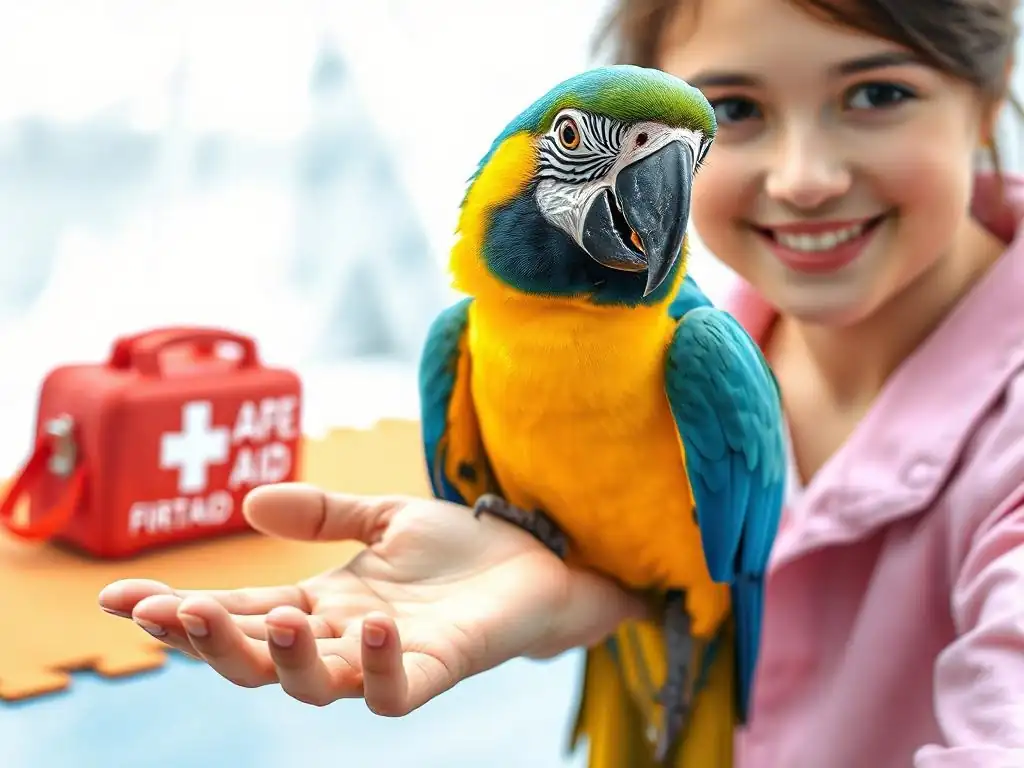
Accidents can happen, even with the most careful supervision. Understanding how to react quickly and effectively in case of a macaw-related incident involving a child is crucial for ensuring everyone's safety. Proactive planning is key to minimizing the severity of any potential harm. This section focuses on establishing a preparedness plan, encompassing immediate response strategies and access to essential resources. Remember, swift action can often make the difference between a minor incident and a major emergency.
A dedicated first aid kit specifically tailored for bird-related injuries is essential. While you should always seek professional veterinary care, having a readily accessible kit can provide immediate assistance and potentially mitigate further harm. Your kit should include:
- Antiseptic wipes: For cleaning minor wounds.
- Sterile gauze pads: To control bleeding and cover wounds.
- Adhesive bandages: In various sizes, to secure dressings.
- Tweezers: For removing small debris from wounds.
- Clean towels: For absorbing blood or other fluids.
- Gloves: To maintain hygiene and prevent infection.
- A cool compress: To reduce swelling.
- A list of emergency contacts: Including your veterinarian and nearest avian specialist. (Remember to keep this list updated!)
- A small notebook: To record the details of the incident, including the time, location, and a brief description of what happened. This will be invaluable to your vet.
Beyond the physical supplies, familiarity with basic first aid techniques is paramount. Consider taking a pet first aid and CPR course. Knowing how to handle a bleeding wound, apply a compress, or administer basic care can buy precious time before professional help arrives. Remember, even seemingly minor injuries from a macaw's beak or claws can become infected if not properly cleaned and treated. 🐦
Emergency Contacts: Veterinarians and Avian Specialists
Having a readily available list of emergency contacts is crucial. Macaws require specialized care, and not all veterinarians are equally equipped to handle avian emergencies. Before an incident occurs, identify and record the contact information for:
- Your regular avian veterinarian: This is your primary point of contact for routine care and non-emergency situations.
- An emergency veterinary clinic: Find a clinic that is open 24/7 and has experience with birds, specifically macaws.
- An avian specialist: These veterinarians have advanced training in avian medicine and can provide expert care for complex cases.
- Animal poison control: If you suspect your child has ingested anything from the macaw's cage or environment, contact animal poison control immediately. Their expertise can be life-saving.
Keep this list prominently displayed near your phone and your macaw's enclosure. Time is of the essence in an emergency, so having this information immediately accessible can significantly improve the outcome. Regularly review and update this list to ensure the contact information remains accurate. Consider adding the contact information for a local wildlife rescue or rehabilitation center, as well. This is particularly helpful if the incident involves the macaw escaping. 🦜
This preparedness plan, incorporating a well-stocked first aid kit and readily available emergency contacts, forms a critical cornerstone of responsible macaw ownership, particularly when children are involved. Remember, proactive measures significantly enhance the safety and well-being of both your child and your feathered friend.
Macaw Safety: Ongoing Monitoring and Training
Safe interactions between macaws and children require consistent effort and vigilance. It's not a "set it and forget it" situation; rather, it's an ongoing commitment to responsible pet ownership and child supervision. The inherent power and potential for injury associated with a macaw necessitates a proactive approach to safety.
This section delves into the crucial aspects of continuous monitoring and training to mitigate risks and foster a harmonious environment for both the child and the bird. Understanding the nuances of macaw behavior and implementing appropriate safety measures are paramount to ensuring a positive and safe experience for everyone involved. The goal is to create a relationship built on mutual respect and understanding, minimizing the chances of accidents or negative interactions.
Continuous Supervision: The Importance of Constant Vigilance
Constant, unwavering supervision is the cornerstone of macaw safety around children. Even the most well-trained macaw can exhibit unpredictable behavior, especially in response to unfamiliar stimuli or perceived threats. Children, due to their inherent impulsiveness and lack of understanding of a macaw's capabilities, pose a significant risk. A moment's inattention can lead to serious consequences.
Never leave a child unsupervised with a macaw, regardless of the bird's temperament or the child's age. This includes situations like leaving the room briefly, even to answer the phone or go to another room. Consider setting up a designated "macaw zone" that is both safe and accessible for supervised interaction. This could be a large, secure cage or a specifically designed play area.
Remember, even seemingly harmless interactions can quickly escalate, so constant vigilance is always necessary. This vigilance extends to understanding the macaw's body language. Signs of stress, such as ruffled feathers, dilated pupils, or hissing, should be immediately addressed by separating the bird and the child. Proactive monitoring prevents potential dangers before they arise, protecting both the child and the macaw from harm.
Reinforcing Safe Behaviors: Positive Reinforcement for Both Children and Macaws
Positive reinforcement is a powerful tool for shaping both a child's and a macaw's behavior. For children, this involves teaching them about respectful interaction with animals. This includes gentle handling, understanding the bird's personal space, and avoiding sudden movements that might startle the macaw. Educational activities, such as reading books about macaws or watching videos demonstrating appropriate interactions, can significantly enhance a child’s understanding and respect for the bird.
Clear rules and consistent enforcement of those rules are also essential. For the macaw, positive reinforcement techniques like rewarding calm behavior around children with treats or praise can encourage desirable interactions. This targeted training helps the macaw associate positive experiences with the presence of children, reducing the likelihood of aggressive or fearful responses. Using a clicker for training can be particularly effective, providing clear and consistent feedback for the bird.
Remember, patience and consistency are key. Training takes time and dedication, but the rewards of a safe and harmonious relationship between a child and a macaw are immeasurable. Consistency in training and positive reinforcement helps establish a predictable and safe environment for everyone.
Regular Veterinary Checkups: Maintaining Your Macaw's Health and Well-being
A healthy macaw is a safer macaw. Regular veterinary checkups are crucial for maintaining the bird's physical and mental well-being, which directly impacts its behavior and interaction with children. These checkups should include thorough examinations, blood tests, and parasite screenings to detect and address any potential health issues early on.
A veterinarian can also provide guidance on appropriate nutrition and enrichment activities, which contribute to the macaw's overall health and reduce the likelihood of behavioral problems. Furthermore, a veterinarian can identify any underlying health conditions that might manifest as aggression or unpredictable behavior, allowing for appropriate interventions. Regular checkups allow for proactive management of the macaw's health, which is vital for ensuring a safe and positive environment for both the bird and the children.
This proactive approach, coupled with responsible training and supervision, significantly contributes to the overall well-being and safety of both the macaw and the children in the household. Don't underestimate the importance of preventive care in macaw safety; a healthy bird is a happier and safer bird.
Frequently Asked Questions
How can I ensure my macaw's safety around young children?
Constant supervision is crucial. Never leave a macaw and a child unsupervised, regardless of age. Teach children to interact gently and respectfully with the bird.
What are some common dangers for macaws around children?
Children may unintentionally injure the bird through rough handling or by dropping it. Macaws can also be injured by ingesting small objects a child might drop. Additionally, loud noises could frighten the bird.
Are there specific toys or activities suitable for both macaws and children?
Supervised interactive play is possible, but choose toys carefully. Avoid small items that could be swallowed by either the child or the macaw. Large, sturdy wooden toys are a good option.
My macaw bit a child. What should I do?
Remain calm and separate the macaw and child immediately. Assess the child for injury and seek medical attention if necessary. Examine the situation to understand why the bite occurred and implement preventative measures.
At what age can children safely interact with a macaw?
There's no specific age. Constant supervision is required at all ages. Even older children need guidance on how to interact respectfully with a macaw to prevent injury to both the bird and the child.
The vibrant plumage of a macaw is a captivating sight, but ensuring the safety of both bird and child requires careful consideration and proactive supervision. The bond between a macaw and a child can be incredibly enriching, fostering empathy, responsibility, and a deep appreciation for nature; however, this bond must be built on a foundation of understanding and respect for the unique needs of both parties. Ignoring this crucial element can lead to unfortunate consequences.
The relationship between macaws and children highlights a broader societal need for responsible pet ownership and informed interaction with animals. We often underestimate the power of these interactions, both positive and negative. The animals that we choose to share our lives with are not just pets; they are sentient beings deserving of our respect and understanding.
This quote underscores the importance of educating ourselves and others about safe and ethical interactions, not just with macaws, but with all animals. The lasting impact of these interactions shapes a child's understanding of the natural world and their place within it.
Consider the lessons learned within this article. Think about how you can apply these principles to your own interactions with animals, whether it's a macaw, a dog, or even a small insect. Take the time to learn, to observe, and to understand the unique needs of each creature. By fostering a culture of responsible interaction and mindful engagement, we can create a world where both humans and animals thrive, building a future where the vibrant beauty of a macaw and the innocent wonder of a child can coexist harmoniously.
Unlock a World of Joy: Building Safe Macaw-Child Bonds
Thank you for learning about safe interactions between macaws and children! We hope you've gained valuable insights to ensure the well-being of both your feathered friend and your child. Now, let's put that knowledge into practice!
- Prioritize supervised playtime: Short, supervised playtime sessions are key to building positive relationships and preventing accidents. Consistent, careful monitoring is crucial.
- Teach gentle interaction: Encourage children to approach the macaw calmly and quietly, avoiding sudden movements or loud noises. This helps build confidence in both the child and the bird.
- Share your experiences!: Join our community forum and share your tips and tricks for fostering safe and enriching interactions between macaws and children. Let's learn from each other!
What creative ways have you found to ensure safe and fun interactions between your macaw and your children?