
Overcoming Travel Anxiety in Dogs: A Guide to StressFree Journeys

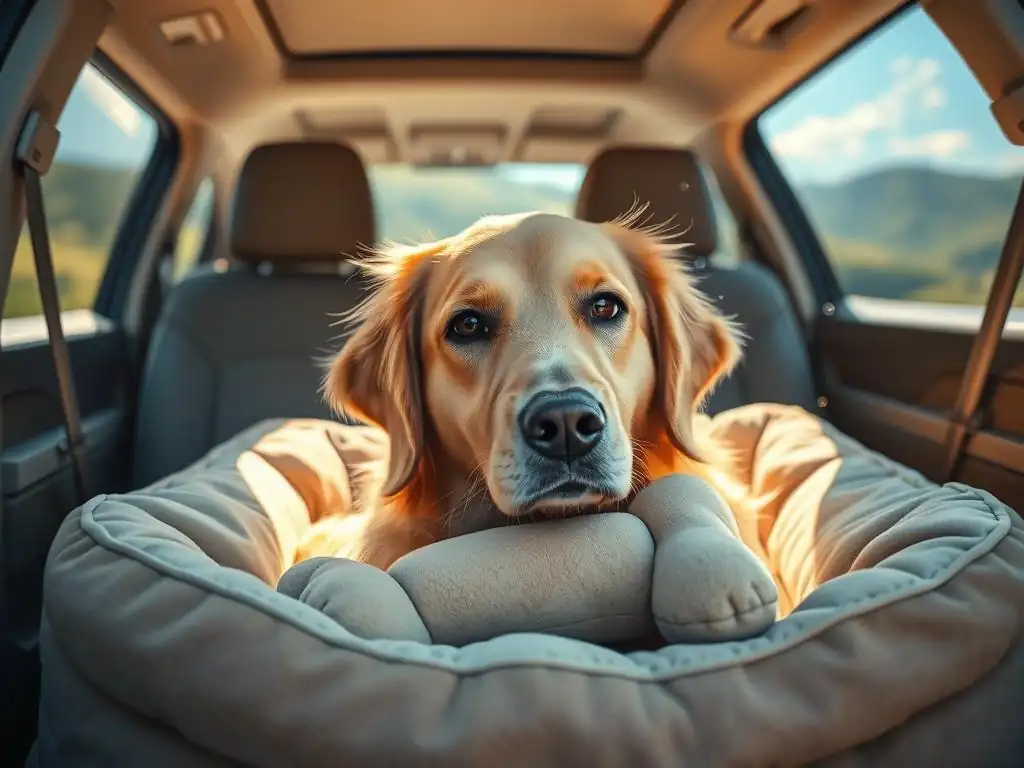
Welcome to PetCareWorld, your ultimate destination for everything pet-related! Are you ready to transform stressful journeys into smooth sailing for your furry friend? Our comprehensive Dog travel anxiety relief guide offers expert advice and practical solutions to help your canine companion conquer their travel fears. Discover proven techniques and helpful tips to ensure stress-free adventures together – explore the guide and embark on happier journeys with your beloved dog!
Understanding Canine Travel Anxiety: Recognizing the Signs
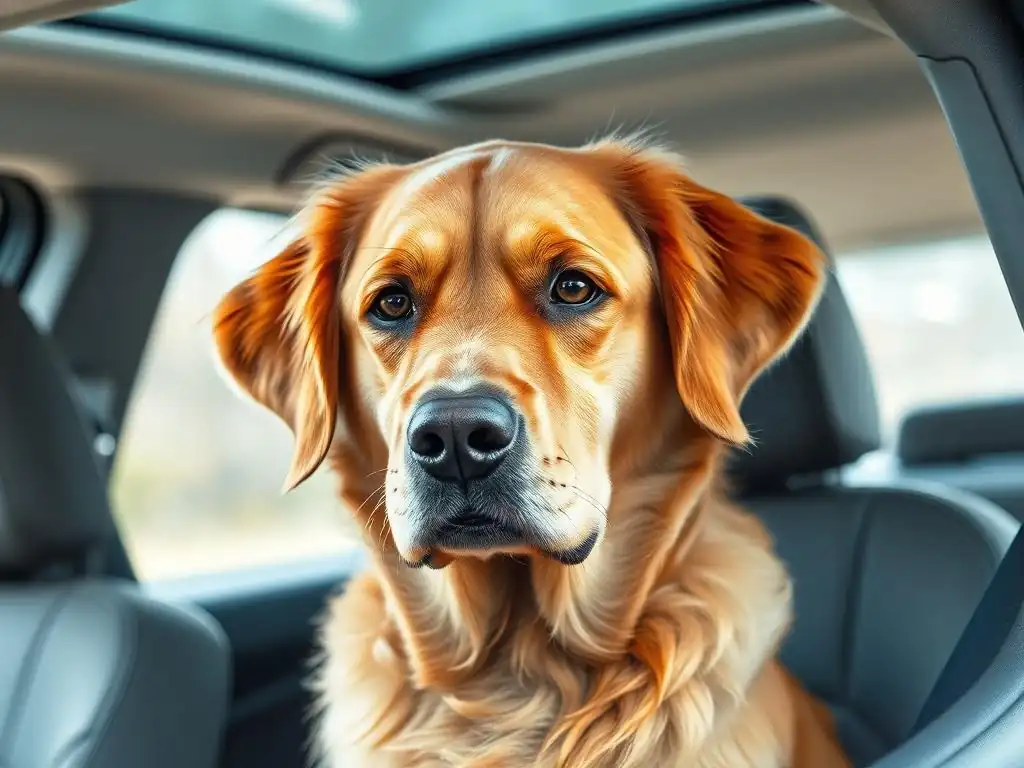
Traveling with your beloved canine companion should be a joyous experience, filled with exciting adventures and quality time together. However, for many dogs, car rides, plane trips, or even shorter journeys can trigger significant anxiety. This comprehensive guide will equip you with the knowledge and strategies to alleviate your dog's travel anxiety, transforming stressful journeys into enjoyable experiences for both of you.
We'll explore the root causes of this anxiety, identify telltale signs, and delve into proven methods for creating a stress-free travel environment for your furry friend. This guide serves as your ultimate resource for navigating the challenges of dog travel anxiety, ultimately ensuring safer and more pleasant trips for your canine companion.
Remember, a well-prepared and relaxed dog makes for a much more enjoyable journey for everyone involved. This guide is designed to be your go-to resource for managing and mitigating dog travel anxiety, helping you to confidently plan and enjoy future adventures with your four-legged friend.
Identifying the Symptoms of Travel Anxiety in Dogs
Recognizing the signs of travel anxiety in your dog is the crucial first step towards effective management. These symptoms can manifest in various ways, from subtle behavioral changes to more pronounced displays of distress. Some dogs exhibit restlessness and pacing before a journey, while others might become excessively vocal, whining or barking uncontrollably. Physical symptoms can include excessive drooling, panting, vomiting, or even diarrhea.
Some dogs might show signs of destructive behavior, such as chewing or scratching excessively. The intensity of these symptoms can vary greatly depending on the individual dog's temperament and the severity of their anxiety. It's important to observe your dog carefully before, during, and after travel to accurately assess their level of anxiety. Keeping a detailed record of these observations can be invaluable in helping you understand your dog's specific triggers and tailor your approach to their needs.
Common Causes of Travel Anxiety in Dogs
Several factors can contribute to travel anxiety in dogs. Past negative experiences, such as a traumatic car accident or a stressful trip, can significantly impact a dog's future travel experiences. Unfamiliarity with the travel environment, the confinement of a carrier or car, and the unfamiliar sounds and sensations associated with travel can also trigger anxiety. Sensory sensitivities, such as a heightened response to loud noises or motion sickness, play a significant role.
Furthermore, separation anxiety can worsen during travel, as the dog is separated from their familiar environment and loved ones. Understanding these underlying causes can help you develop targeted strategies to address your dog's anxiety effectively. For instance, desensitization techniques can help a dog become more accustomed to the sights and sounds of travel, reducing their anxiety over time.
Practical Strategies for Reducing Travel Anxiety
Implementing practical strategies is key to easing your dog's travel anxiety. Before the journey, ensure your dog is well-exercised to reduce pent-up energy. A comfortable and secure travel carrier or crate can provide a sense of safety and security. Familiar items, such as a favorite toy or blanket, can offer comfort and reduce stress during the journey.
Consider using calming aids, such as pheromone diffusers or calming treats, to reduce anxiety naturally. During the journey, provide regular breaks for your dog to stretch, relieve themselves, and drink water. Maintain a calm and reassuring demeanor, speaking to your dog in a soothing tone. Avoid sudden movements or loud noises that could exacerbate their anxiety.
Positive reinforcement techniques, rewarding calm behavior during the journey, can help associate travel with positive experiences. Remember, patience and consistency are key to successfully managing your dog's travel anxiety. With a tailored approach and consistent effort, you can help your dog overcome their fear and enjoy traveling with you.
When to Seek Professional Help
While many cases of travel anxiety can be managed with home-based strategies, some dogs may require professional intervention. If your dog’s anxiety is severe, persistent, or significantly impacts their well-being, consulting a veterinarian or a certified veterinary behaviorist is crucial. They can provide a thorough assessment, identify underlying medical conditions that might contribute to anxiety, and recommend tailored treatment plans. These plans may include medication, behavior modification therapies, or a combination of both.
Professional guidance can be invaluable in developing a comprehensive approach to managing your dog’s travel anxiety and ensuring their safety and comfort during journeys. Don't hesitate to seek professional help if you're struggling to manage your dog's anxiety on your own. Their expertise can make a significant difference in your dog's quality of life and travel experiences.
Frequently Asked Questions
How can I tell if my dog is experiencing travel anxiety?
Signs of travel anxiety include restlessness, excessive panting or drooling, shaking, vomiting, and whining or barking. If you notice these behaviors before, during, or after travel, your dog may be anxious.
What are some natural remedies for dog travel anxiety?
Calming pheromone diffusers or sprays can help soothe your dog. Gentle music or a familiar toy or blanket can also provide comfort. Consult your vet about herbal supplements designed to reduce anxiety.
What are some tips for making car trips easier for an anxious dog?
Start with short, positive trips to build positive associations. Use a secure, comfortable carrier or crate. Consider a seatbelt harness for safety and to limit movement. Frequent stops for potty breaks and exercise can also help.
Should I give my dog medication for travel anxiety?
Consult your veterinarian before giving your dog any medication for anxiety, even over-the-counter options. They can assess your dog's needs and recommend a safe and effective treatment plan. Prescription medications might be necessary in severe cases.
How can I prepare my dog for a long-distance trip?
Begin desensitization and counter-conditioning training well in advance. Gradually increase travel time and distance. Ensure your dog is well-exercised before the journey. Pack plenty of water and familiar food. Consider a veterinary checkup before any significant travel.
Final Reflection: Embracing the Open Road with Your Canine Companion
The anxieties surrounding pet travel are far more prevalent than many realize, impacting not only the well-being of our furry friends but also the joy of shared adventures. Ignoring these anxieties can lead to stressful experiences for both pet and owner, hindering the potential for enriching travel experiences. This guide aims to equip you with the tools to transform those stressful journeys into happy memories.
Witnessing the transformative power of a calm and confident dog during travel has been profoundly rewarding. The journey itself becomes a shared experience, filled with joy and connection rather than fear and stress. A dog is the only thing on earth that loves you more than he loves himself.
– Josh Billings. This quote beautifully encapsulates the bond we share with our canine companions, a bond that deserves to be nurtured even amidst the challenges of travel. The work we do to alleviate their anxiety isn't just about making travel easier; it's about deepening that bond and ensuring their comfort and happiness.
Now, consider your own dog. What steps can you take today to begin easing their travel anxieties? Perhaps it's starting with short car rides, introducing them to their travel carrier gradually, or incorporating calming techniques into their daily routine. Remember, every small step you take towards building their confidence translates into a more enjoyable and enriching experience for both of you. Embrace the open road, and let the journey be as rewarding as the destination.
Unleash Your Dog's Travel Confidence!
Thank you for joining us on this journey to stress-free travel with your furry friend! We hope you've gained valuable insights and tools to help your dog enjoy their adventures. Now, let's put that knowledge into practice.
- Start planning your next trip! Use the tips we shared to create a calm and comfortable travel experience for your dog. Consider exploring a new, dog-friendly location, perhaps a nearby park with trails or a charming coastal town with dog-friendly beaches.
- Share your travel experiences—both the triumphs and the challenges—with our community in the comments below. Let's build a supportive network of pet owners who understand the joys and anxieties of pet travel.
- Surprise your dog with a new travel toy or a special treat—a small gesture can go a long way in building positive associations with travel! A squeaky toy shaped like a car or a delicious, long-lasting chew can make all the difference.
Ready to embark on an amazing adventure with your canine companion? What small step will you take today to make your next trip the best one yet?