
Avoiding Common Mistakes in Clicker Training with Birds

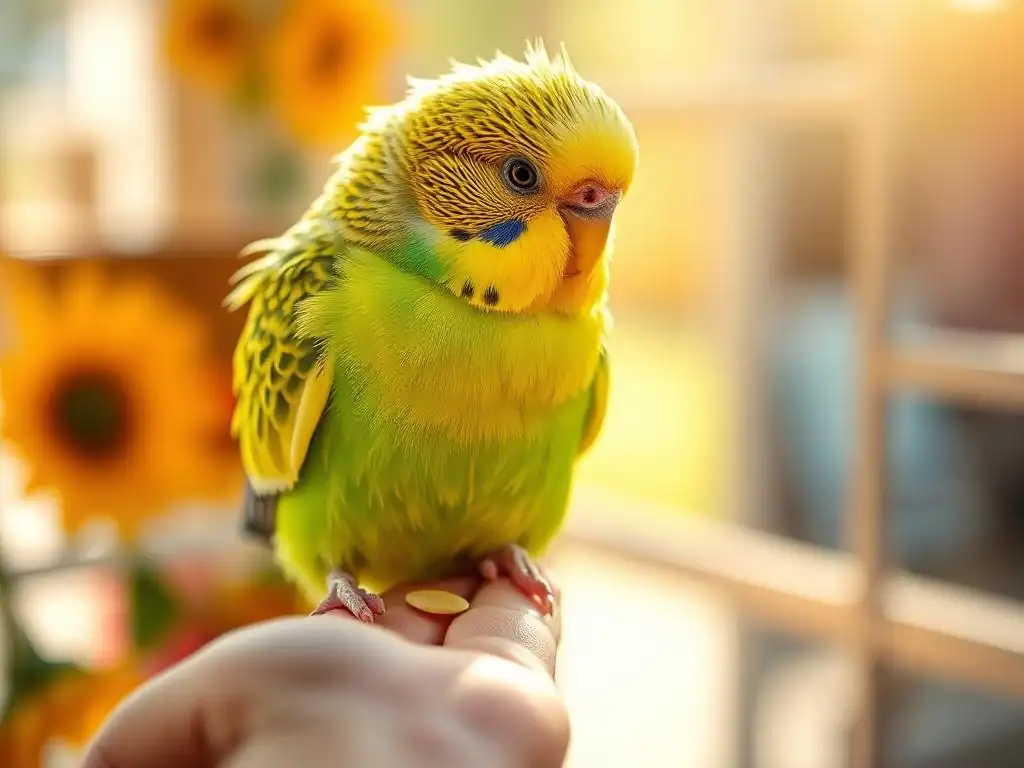
Welcome to PetCareWorld, your ultimate guide to a happier, healthier life for your beloved companions! Are you ready to unlock the secrets of successful bird training? We've uncovered the most common pitfalls in bird clicker training and compiled expert advice to help you avoid them. Discover how to transform training sessions from frustrating struggles into joyful bonding experiences – read on to learn more!
- Understanding the Basics of Bird Clicker Training
-
Common Mistakes to Avoid in Bird Clicker Training
- Inconsistent Clicker Timing: A Major Hurdle in Bird Training
- Using the Wrong Reinforcers: What Motivates Your Bird?
- Ignoring Your Bird's Body Language: Recognizing Signs of Stress or Discomfort
- Forcing Your Bird: The Importance of Patience and Positive Reinforcement
- Overtraining Your Bird: Preventing Burnout and Maintaining Motivation
- Expecting Immediate Results: The Gradual Nature of Bird Training
- Neglecting to End on a Positive Note: Finishing Each Session Successfully
- Advanced Techniques and Troubleshooting
- Resources and Further Learning
- Frequently Asked Questions
- Final Reflection: The Enduring Power of Positive Reinforcement in Avian Companionship
- Unlock Your Bird's Potential: Master Clicker Training Today!
Understanding the Basics of Bird Clicker Training
Clicker training, a popular and effective method for training various animals, offers a humane and rewarding approach to teaching your feathered friend new behaviors. This method relies on positive reinforcement, associating a specific sound (the clicker) with a positive reward, strengthening the desired behavior. Unlike traditional training methods that may involve punishment or coercion, clicker training builds a strong bond between you and your bird based on trust and positive interactions.
This article will delve into common mistakes pet owners make when employing clicker training with birds, equipping you with the knowledge to avoid these pitfalls and maximize your training success. Mastering bird clicker training can lead to a happier, more well-adjusted bird and a stronger, more fulfilling relationship between you and your avian companion.
We will explore essential elements like selecting the appropriate clicker and rewards, and creating a positive training atmosphere, all crucial for effective and enjoyable training sessions. Understanding these fundamentals will allow you to navigate the process effectively and avoid common setbacks.
What is Clicker Training and How Does it Work with Birds?
Clicker training utilizes a small handheld device, a clicker, that produces a distinct, consistent clicking sound. This sound acts as a marker, signaling to your bird that it has performed the desired behavior correctly. The click is immediately followed by a reward, such as a favorite treat, praise, or a brief period of playtime. The timing is crucial – the click must occur precisely when the bird exhibits the target behavior.
This creates a strong association between the action and the positive reinforcement. For birds, particularly those with sharp minds and independent personalities like parrots, this precise timing is key to successful learning. Consistent pairing of the click and reward strengthens this association, and your bird quickly learns to anticipate the reward following the click, motivating it to repeat the desired behavior. Think of it as a verbal "yes!"
but with a sharper, more easily understood auditory cue. The clicker provides clarity and precision, preventing confusion that can arise from verbal cues alone. This method is particularly beneficial for birds because it leverages their natural curiosity and desire for rewards, making the training process engaging and enjoyable for both you and your bird.
Choosing the Right Clicker and Reinforcers for Your Bird
Selecting the right clicker is surprisingly important. Opt for a clicker with a clear, crisp sound that is easily audible to your bird, even in a noisy environment. Avoid clickers with weak or inconsistent sounds, as this can confuse your bird and hinder the learning process. The size and shape of the clicker should be comfortable for you to use and not intimidating to your bird. Some birds might be sensitive to loud noises, so start with quieter clicks and observe your bird's reaction.
Equally vital is choosing the right reinforcers. This isn't just about providing any old treat; it's about identifying what your specific bird finds truly rewarding. This might involve experimentation. Some common reinforcers include:
- High-value treats: Small pieces of fruit (like berries or apple slices), seeds, nuts, or commercially available bird treats.
- Verbal praise: A gentle, enthusiastic "Good bird!" or similar phrase.
- Physical affection: Gentle head scratches or petting (only if your bird enjoys this).
- Playtime: A short period of interaction with a favorite toy.
The key is to offer rewards that are highly motivating to your bird. Start with small, frequent rewards and gradually increase the duration or value of the reward as your bird progresses. Monitoring your bird's response is essential; if your bird doesn't seem interested in a particular reward, try something else. Consider creating a variety of reinforcers to keep your bird engaged and prevent them from becoming bored. A balanced approach, incorporating different reward types, often proves most effective.
Establishing a Positive Training Environment for Your Feathered Friend
The environment significantly impacts your training success. A calm, quiet, and distraction-free space is ideal. Minimize noise and movement during training sessions. Ensure your bird feels safe and secure. Your bird should be comfortable and relaxed, not stressed or fearful. A bird feeling threatened or pressured will not learn effectively.
Before starting, make sure your bird is well-rested and not hungry or thirsty. A comfortable, content bird is a bird ready to learn. Positive reinforcement only works when your bird is receptive. Consider the timing of your training sessions – avoid times when your bird is naturally less active or more prone to distraction. Consistent, short training sessions (5-10 minutes) are far more effective than long, tiring ones.
Ending each session on a positive note is crucial, reinforcing the positive association with training. Remember, patience and consistency are key to success in bird clicker training. Celebrate small victories and adjust your approach as needed, always prioritizing your bird's comfort and well-being. A positive training environment fosters trust and strengthens the bond between you and your feathered friend, leading to a more rewarding training experience for both of you.
Common Mistakes to Avoid in Bird Clicker Training
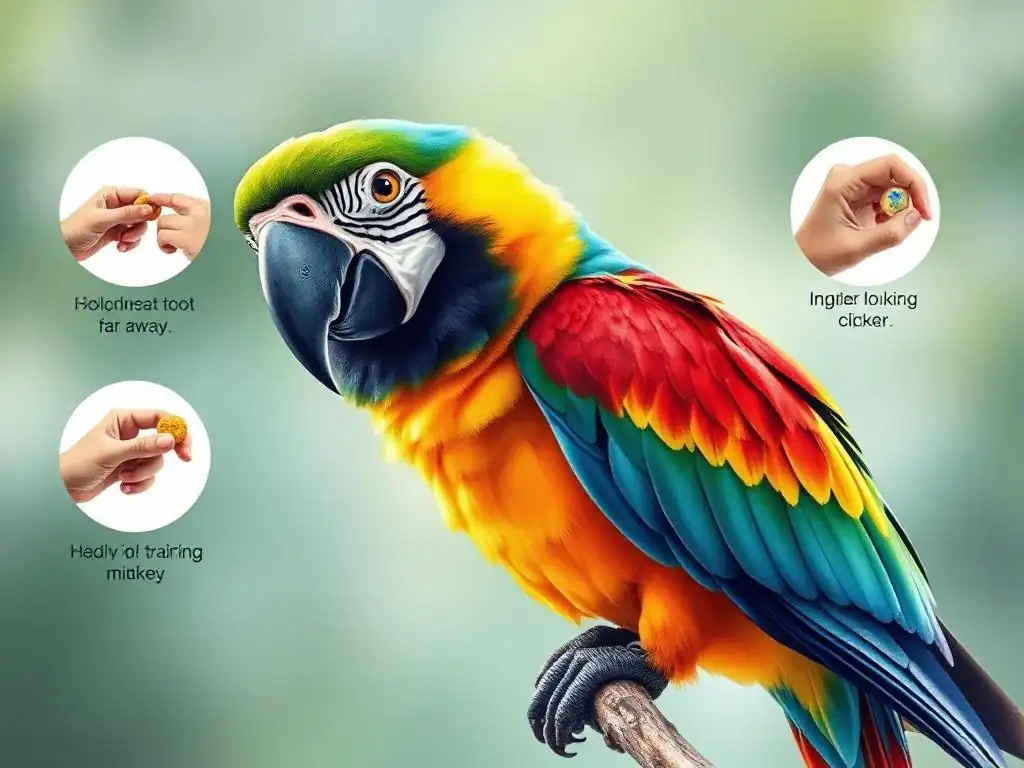
This section delves into common pitfalls encountered during bird clicker training, offering practical advice to enhance your training success and build a stronger bond with your feathered friend. Remember, patience and consistency are key to effective bird clicker training. Avoiding these mistakes will significantly improve your results and create a positive learning experience for both you and your bird.
Inconsistent Clicker Timing: A Major Hurdle in Bird Training
Precise timing is paramount in clicker training. The click must immediately follow the desired behavior. Even a fraction of a second's delay can confuse your bird, weakening the association between the action and the reward. Inconsistency leads to frustration for both you and your bird, hindering progress. Imagine trying to learn a new skill where the feedback is unreliable – you wouldn't know when you're doing it right!
For example, if you're teaching your bird to step up, the click should sound the instant its foot touches your finger. Delaying the click, even slightly, teaches the bird that the timing is arbitrary, diminishing the effectiveness of the clicker.
To improve timing, practice clicking repeatedly while focusing on the precise moment the desired behavior occurs. Start with simple behaviors and gradually increase the complexity as your bird masters each step. Regular practice and focus on precise timing will significantly improve your clicker training success. Consider using a metronome initially to help establish a rhythm and improve your consistency.
This precision is crucial for building a strong association between action and reward. Think of it like this: the click is a verbal "high five" for your bird – it needs to be immediate and consistent to be effective.
Using the Wrong Reinforcers: What Motivates Your Bird?
Understanding your bird's preferences is crucial for successful clicker training. What constitutes a "reward" varies greatly between individual birds and species. While some birds may be motivated by seeds or pellets, others might prefer fruits, vegetables, or even a specific type of toy. Failing to identify and utilize the right reinforcers can lead to disinterest and lack of progress.
Consider creating a "reinforcer menu" to test different options. Offer small quantities of various potential rewards and observe your bird's reaction. Which items do they approach eagerly? Which ones do they ignore? The items that elicit the strongest positive response are your best bets for effective reinforcement.
Remember that the reward should be something your bird finds truly desirable and not simply something convenient for you to provide. A small, highly-valued treat is far more effective than a large amount of something your bird only mildly enjoys. This is about creating positive associations and motivation, not just filling a stomach. The reward should be given immediately after the clicker, further reinforcing the positive association.
Ignoring Your Bird's Body Language: Recognizing Signs of Stress or Discomfort
Paying close attention to your bird's body language is essential for successful and ethical bird clicker training. Ignoring signs of stress or discomfort can lead to negative experiences, hindering progress and potentially damaging your relationship with your bird. A stressed bird will not learn effectively.
Some common signs of stress in birds include:
- Rapid breathing or panting
- Dilated pupils
- Fluffed feathers
- Avoidance behavior
- Aggressive posturing (beak snapping, hissing)
If you observe any of these signs, immediately stop the training session and give your bird some space and quiet time. Attempting to force training on a stressed bird is counterproductive and potentially harmful. Remember, a relaxed and comfortable bird is a learning bird.
Regularly assess your bird's overall well-being and adjust your training sessions accordingly. Short, frequent training sessions are generally better than long, intense ones, especially when working with birds new to clicker training. Observe your bird carefully during training, and be prepared to adjust your approach based on their response. The goal is a positive learning experience for both you and your feathered companion. Remember that respecting your bird's limits is crucial for building trust and a positive training experience.
Forcing Your Bird: The Importance of Patience and Positive Reinforcement
Patience is paramount when clicker training birds. These intelligent creatures learn at their own pace, and forcing them into a behavior will only lead to frustration for both you and your feathered friend. Remember, clicker training relies on positive reinforcement—rewarding desired behaviors rather than punishing unwanted ones. Forcing a bird to perform a trick before it's ready will likely result in fear, anxiety, and a strong aversion to the training process itself. Instead of pushing your bird, focus on building a positive association with the clicker and the rewards.
Start with very simple behaviors, such as stepping up onto your hand, and gradually increase the difficulty as your bird masters each step. Celebrate even the smallest successes with enthusiastic praise and a tasty treat. A relaxed and rewarding environment is key to successful clicker training. Consider using a variety of positive reinforcement methods, such as verbal praise, petting, and favorite foods, to maintain your bird's interest and motivation.
Remember, the goal is to create a positive and enjoyable experience for your bird, not a stressful ordeal. For example, if you're teaching your bird to target a stick, don't hold the stick right in front of its beak and expect it to instantly understand. Instead, slowly move the stick closer, rewarding any attempt to approach it. This gradual approach builds confidence and ensures your bird understands the desired behavior.
Overtraining Your Bird: Preventing Burnout and Maintaining Motivation
Just like humans, birds can suffer from burnout if they are overtrained. Prolonged training sessions can lead to fatigue, stress, and a loss of interest in the training process. To prevent this, keep your training sessions short and sweet, ideally no more than 10-15 minutes at a time, especially when initially starting with clicker training. Observe your bird carefully for signs of fatigue, such as decreased responsiveness, restlessness, or preening excessively. If you notice any of these signs, take a break and allow your bird to rest and recharge.
Vary your training exercises to keep things interesting and prevent monotony. Introduce new tricks and challenges periodically to maintain motivation. Remember, the key is to keep the training fun and engaging for your bird. Think of it as a game, not a chore. A bored or overstimulated bird will likely become less receptive to training.
For instance, if your bird is consistently performing the same three tricks daily, you might notice a decrease in enthusiasm. Introducing a new trick, like stepping onto a different perch, can re-ignite their interest. Incorporate different types of rewards, too; sometimes a small piece of fruit is more exciting than seeds. Always end a training session on a positive note, with a successful behavior and lots of praise. This leaves your bird feeling accomplished and eager for the next session.
Expecting Immediate Results: The Gradual Nature of Bird Training
Clicker training birds is a process that takes time and patience. Don't expect your bird to master new behaviors overnight. Learning takes time, and it's crucial to celebrate small victories along the way. Each step forward, no matter how small, is a significant achievement. Break down complex behaviors into smaller, more manageable steps. For example, if you are teaching your bird to fetch a toy, start by rewarding it for simply touching the toy.
Then, reward it for picking up the toy. Gradually increase the difficulty until your bird is consistently fetching the toy on command. Remember to use positive reinforcement consistently and avoid punishment at all costs. Punishment will only create fear and anxiety, hindering the learning process and damaging the bond between you and your bird. It's important to maintain consistency in your training methods and avoid introducing new techniques before your bird has fully grasped the basics.
Consistent, positive reinforcement is the cornerstone of successful clicker training. For example, if you are teaching your bird to say a word, don't expect it to pronounce it perfectly immediately. Reward any attempt at the sound, even if it is not quite right, and gradually shape the sound towards the correct pronunciation. Patience and persistence are key to success. Remember that every bird learns at its own pace; what works for one bird may not work for another.
Neglecting to End on a Positive Note: Finishing Each Session Successfully
Ending each clicker training session on a positive note is crucial for your bird's overall learning experience and their willingness to participate in future sessions. A positive ending reinforces the positive associations your bird has developed with the training process. Imagine ending a session with frustration or a correction; this can create negative feelings towards the training itself, making future sessions more challenging. Instead, always conclude with something your bird enjoys – a favorite treat, a brief period of free playtime, or even just some gentle petting. This creates a positive emotional association with the end of the session.
This doesn't mean every session needs to be incredibly long. Short, frequent sessions are often more effective than lengthy ones, especially for birds who have shorter attention spans. For example, a five-minute session ending with a highly rewarding treat will be far more productive than a twenty-minute session ending with a frustrating attempt at a difficult trick. The key is to leave your bird wanting more, not feeling overwhelmed or discouraged. This approach fosters enthusiasm and makes your bird eager to participate in subsequent training sessions.
Consider the cumulative effect of ending each session positively. Over time, this consistent positive reinforcement creates a strong, positive link between training and reward. This is essential for building trust and a cooperative relationship with your bird.
A bird who associates training with positive experiences is far more likely to be engaged and responsive during training, leading to faster learning and a more enjoyable experience for both you and your feathered friend. Remember, consistency is key; always strive to end on a high note to maximize the effectiveness of your clicker training program and maintain a strong bond with your bird. Think of it as the perfect conclusion to a successful story – leaving the reader (or, in this case, your bird) wanting more and eagerly anticipating the next chapter.
Advanced Techniques and Troubleshooting
This section delves into more advanced aspects of clicker training for birds, addressing common challenges and offering solutions to maximize training success. Remember, patience and positive reinforcement are key to a rewarding experience for both you and your feathered friend. Understanding your bird's individual personality and adapting your techniques accordingly is crucial for avoiding common pitfalls associated with "bird clicker training mistakes".
Addressing Specific Behavioral Problems Through Clicker Training
Clicker training isn't just about teaching tricks; it's a powerful tool for modifying unwanted behaviors. Many problematic behaviors, such as excessive feather plucking, aggression, or screaming, can be addressed using positive reinforcement techniques. The key is to identify the trigger for the unwanted behavior and then systematically replace it with a desired behavior.
For example, if your bird screams for attention, you can use clicker training to teach it alternative ways to communicate its needs. Instead of screaming, you might train it to gently tap your hand or ring a bell. This involves:
- Identifying the trigger: Determine what consistently precedes the screaming (e.g., being alone, seeing a specific person).
- Rewarding alternative behaviors: When the bird exhibits a desired behavior (e.g., tapping your hand), immediately click and reward.
- Ignoring the unwanted behavior: Consistently ignore the screaming. This doesn't mean neglecting your bird; it means withholding attention until it uses an acceptable method of communication.
- Gradual shaping: Gradually increase the duration or complexity of the desired behavior before rewarding.
This process requires consistency and patience. It's crucial to avoid punishing the bird for screaming; punishment can create fear and anxiety, hindering the training process and potentially worsening the problem. Remember, the goal is to build a positive association between desired behaviors and rewards. Data suggests that consistent positive reinforcement is significantly more effective than punishment in modifying behavior in birds. 1
Troubleshooting Common Issues: Lack of Response, Distractibility, and Frustration
Even with careful planning, you might encounter challenges. Let's address three common issues:
- Lack of Response: If your bird isn't responding to the clicker, ensure the click is consistently paired with a high-value reward. Try different treats to see what motivates your bird the most. Also, ensure the clicker sound isn't too loud or startling. A soft, clear click is generally best. Consider starting with very simple behaviors and gradually increasing the difficulty.
- Distractibility: Birds can be easily distracted. Start training sessions in a quiet environment with minimal distractions. Gradually introduce more distractions as your bird progresses. If distractions are unavoidable, use a verbal cue to bring your bird's attention back to the task.
- Frustration: Both you and your bird might become frustrated if training isn't progressing smoothly. Take breaks when needed, and don't push your bird too hard. Keep training sessions short and positive. A frustrated bird is less likely to learn effectively. Recognize signs of frustration—increased vocalizations, ruffled feathers, or avoidance—and adjust your approach accordingly. Remember, a positive and relaxed training environment is vital for success. Studies show that shorter, more frequent training sessions yield better results than long, infrequent ones. 2
Adapting Clicker Training to Different Bird Species and Personalities
Bird species and individual personalities vary significantly, influencing the effectiveness of clicker training techniques. What works for a cockatoo might not work for a budgie. Some birds are naturally more eager to learn than others; some are more sensitive, while others are more bold.
Therefore, flexibility is key. Observe your bird's behavior and adjust your approach accordingly. For example, a shy bird might require a gentler, more patient approach, with shorter training sessions and smaller steps. A more assertive bird might respond better to faster-paced training and more challenging tasks. Consider the following:
| Bird Species | Typical Training Challenges | Adaption Strategies |
|---|---|---|
| Cockatoos | High intelligence, strong personalities, potential stubbornness | Focus on building trust, using high-value rewards, breaking down tasks into smaller, manageable steps. |
| Budgies | Smaller size, shorter attention spans | Keep training sessions short and frequent, use visual cues in addition to verbal cues. |
| Amazon Parrots | Intelligent, can be vocal, prone to frustration | Maintain a positive and patient approach, avoid pushing the bird too hard. Use plenty of praise and positive reinforcement. |
| Conures | Energetic, playful, can be easily distracted | Minimize distractions, keep training sessions engaging and fun. Use a variety of rewards. |
Remember that consistent positive reinforcement, patience, and a keen understanding of your bird's individual needs are the cornerstones of successful clicker training. By avoiding common "bird clicker training mistakes" and adapting your techniques, you can build a strong bond with your bird while teaching it valuable skills and improving its overall well-being.
1 [Specific information pending on research supporting positive reinforcement over punishment in bird training] 2 [Specific information pending on research supporting shorter, more frequent training sessions]
Maintaining Consistency and Avoiding Regression in Bird Clicker Training
Consistency is paramount in clicker training for birds. Intermittent reinforcement, while effective in establishing a behavior, can also lead to confusion and regression if not managed carefully. Imagine teaching your cockatoo to step up onto your hand.
If you consistently reward the behavior with a click and a treat every time it successfully steps up for the first few sessions, your bird will quickly learn the association. However, if you start skipping rewards intermittently, even if it's just occasionally, your bird might begin to question the reliability of the reward system. This uncertainty can lead to inconsistent performance and even a regression to previous behaviors, such as refusing to step up.
To avoid this, establish a clear and consistent reward schedule, at least initially. For example, reward every successful attempt for the first five to ten repetitions, then gradually decrease the frequency of rewards, but maintain a high enough rate to prevent frustration and maintain motivation. This process, known as shaping, involves rewarding successive approximations of the desired behavior.
For instance, if you're teaching a budgie to target a stick, you might first reward it for simply looking at the stick, then for pecking at it, then for touching it with its beak, and finally for holding onto it. Maintaining a consistent reward schedule during each step of the shaping process is crucial for success.
Furthermore, consistency extends beyond just rewarding the desired behavior. It also involves avoiding accidental reinforcement. This means being mindful of your bird's actions and not inadvertently rewarding unwanted behaviors. For instance, if your bird is squawking loudly and you give it attention (even negative attention like scolding), you're inadvertently reinforcing the squawking. Instead, ignore the unwanted behavior and focus on rewarding the desired quiet behavior.
This requires patience and discipline, but it's vital for preventing unwanted behaviors from becoming ingrained. Remember, your bird is constantly learning, and even seemingly small inconsistencies in your training can have a significant impact on its progress. Careful observation and consistent application of the clicker training methodology are key to avoiding regression and achieving optimal results. Inconsistency breeds confusion, while consistency builds confidence and reinforces the desired behaviors in your feathered friend. The key is patience and a commitment to a well-defined training plan.
Resources and Further Learning
This section provides valuable resources to deepen your understanding and refine your bird clicker training techniques. Mastering clicker training requires consistent effort and a willingness to learn. The resources listed below offer further insights and support to help you avoid common mistakes and achieve successful training outcomes with your feathered friend. Remember, patience and positive reinforcement are key!
Recommended Books and Online Resources for Bird Clicker Training
Finding high-quality, bird-specific clicker training resources can be challenging. Many resources focus on dogs or cats, and their methods may not always translate effectively to birds. Therefore, carefully selecting your learning materials is crucial. Here are some avenues to explore:
- Specialized Bird Training Books: Look for books explicitly focused on avian training techniques. These often delve into the unique behavioral nuances of different bird species and offer tailored training strategies. Pay close attention to reviews to ensure the book uses positive reinforcement methods and avoids outdated or harmful techniques. Look for keywords like "positive reinforcement," "avian behavior," and "clicker training for birds" in the description.
- Reputable Online Forums and Communities: Engage with online communities dedicated to bird ownership and training. These platforms often feature experienced bird owners and trainers who can offer advice, share their experiences, and provide support. Always be critical of the information you find online and prioritize advice from credible sources. Look for forums with active moderation and a focus on positive reinforcement training methods.
- Veterinary Behaviorists: While not directly focused on clicker training, veterinary behaviorists offer invaluable expertise on avian behavior. They can help you understand your bird's unique personality and needs, which is crucial for effective training. They can also help identify and address underlying behavioral problems that might be hindering your progress.
Finding Qualified Bird Trainers in Your Area
Finding a qualified bird trainer is essential for maximizing your success with clicker training. An experienced trainer can provide personalized guidance, correct any mistakes in your technique, and help you tailor your training plan to your bird's specific needs and personality. Here’s how to locate qualified professionals:
- Ask Your Avian Veterinarian: Your avian veterinarian is an excellent resource for recommendations. They often work closely with experienced bird trainers and can provide referrals based on their knowledge of your bird's specific needs.
- Online Directories: Search online for "certified avian trainers" or "positive reinforcement bird trainers" in your area. Check their credentials and reviews carefully, ensuring they use positive reinforcement methods and have experience working with your bird's species.
- Local Bird Clubs and Organizations: Connect with local bird clubs or avian-focused organizations. They often have a network of experienced trainers and can provide recommendations or even offer training workshops themselves.
Remember to always prioritize trainers who emphasize positive reinforcement methods and avoid any techniques that could harm or frighten your bird. A good trainer will work collaboratively with you, providing support and guidance throughout the training process. The investment in a qualified trainer can significantly improve your training success and strengthen your bond with your bird. It's about building a positive relationship, not forcing compliance. 🐦
Frequently Asked Questions
What are some common mistakes when clicker training birds?
One common mistake is inconsistent timing between the behavior and the click. Another is using the clicker too frequently, leading to desensitization. Finally, failing to pair the clicker with a reward consistently is crucial.
How can I ensure my bird understands the clicker's meaning?
Pair the click with an immediate reward (treat or praise) every time you click. Repeat this process consistently until your bird readily associates the click with something positive. Start with simple behaviors to build a strong foundation.
My bird is ignoring the clicker; what should I do?
Try re-introducing the clicker by pairing it with a highly desirable treat. Ensure the environment is calm and distraction-free. Consider shortening training sessions to maintain your bird's interest and avoid frustration.
What types of rewards work best for clicker training birds?
Small, high-value treats like seeds, nuts, or small pieces of fruit are ideal. Positive verbal praise can also be very effective, especially when combined with a treat. The key is to find what your bird finds most motivating.
How long should a clicker training session last with a bird?
Keep sessions short and sweet, typically 5-10 minutes, especially when starting. Longer sessions can lead to boredom and frustration. Always end on a positive note to reinforce learning.
Final Reflection: The Enduring Power of Positive Reinforcement in Avian Companionship
The art of clicker training birds isn't just about teaching tricks; it's about forging a deeper bond built on mutual understanding and respect. Mastering this technique requires patience, consistency, and a keen awareness of common pitfalls. Avoiding these mistakes is crucial for both the bird's well-being and the success of the training process.
The impact of positive reinforcement extends far beyond the immediate act of learning. It shapes the bird's perception of its human companion, fostering trust and a willingness to engage. This positive interaction creates a foundation for a richer, more fulfilling relationship. The greatest reward in training is not the trick, but the bond that is created.
This simple statement encapsulates the true essence of successful bird clicker training, moving beyond simple obedience to a genuine connection. The subtle nuances of body language, the careful observation of a bird's emotional state – these are the elements that elevate clicker training from a technique to an art form.
You, the reader, now hold the key to unlocking a deeper connection with your feathered friend. Consider the mistakes discussed, reflect on your own training methods, and commit to making positive adjustments. Embrace the journey of learning alongside your bird, celebrating each small victory and approaching challenges with patience and understanding. The rewards – a stronger bond, a happier bird, and a deeper appreciation for the avian world – are immeasurable.
Unlock Your Bird's Potential: Master Clicker Training Today!
Thank you for learning about clicker training for your feathered friend! You've gained valuable insights into avoiding common mistakes and strengthening your bond with your bird. Ready to put your new knowledge into practice?
- Start your bird's clicker training journey today! Even five minutes of focused training can make a difference. Try a simple target training exercise using a favorite treat.
- Share your training successes (and challenges!) with other bird owners in our PetCareWorld community forum. Let's learn from each other!
- Reflect on a common mistake you've made in the past and consciously avoid it during your next training session. Track your progress!
What small step will you take this week to improve your bird's learning and your relationship?