
Target Training for Birds: The Role of Patience and Consistency

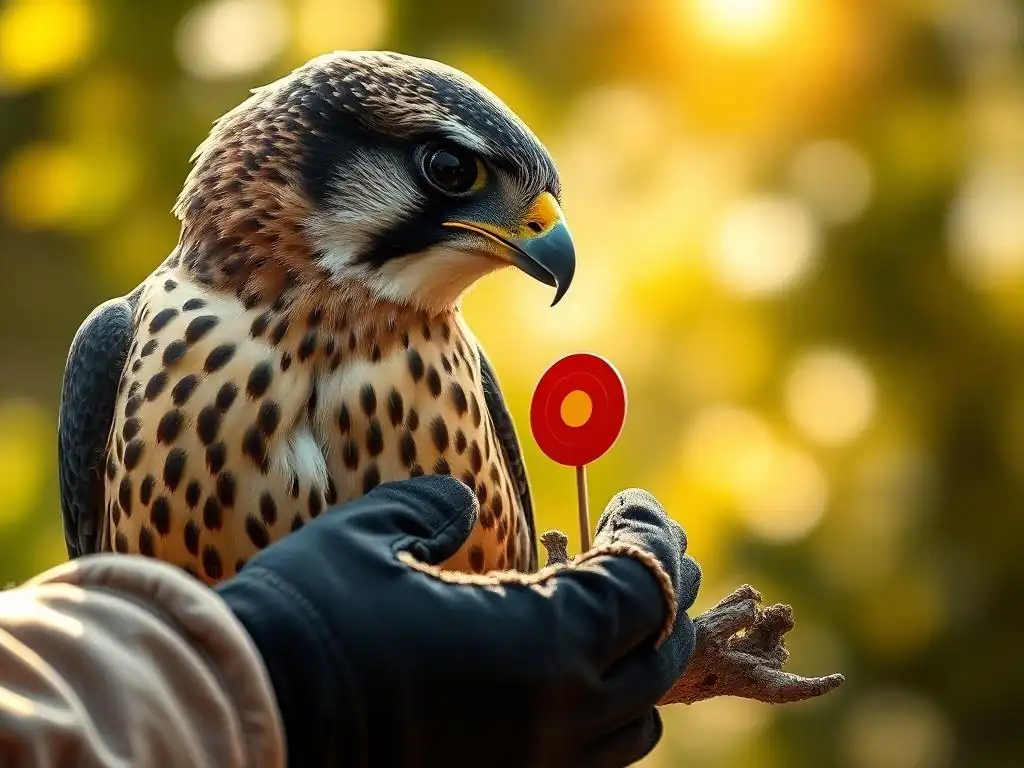
Welcome to PetCareWorld, your ultimate guide to a happier, healthier life for your beloved companion! Are you ready to unlock the secrets of successful bird training? Discover how patience and consistency are the keys to mastering bird target training, transforming your feathered friend's behavior and strengthening your bond. Dive into our in-depth guide and embark on this rewarding journey together!
- Understanding Bird Target Training Basics
- The Importance of Patience in Bird Target Training
- Consistency: The Key to Effective Bird Target Training
- Advanced Target Training Techniques for Birds
- Long-Term Benefits of Target Training for Your Bird
- Frequently Asked Questions
- Final Reflection: The Enduring Power of Patience in Avian Connection
- Unlock Your Bird's Potential: Start Training Today!
Understanding Bird Target Training Basics
Target training, a widely used positive reinforcement method, offers a powerful and rewarding way to interact with and train your feathered friend. This technique, built on patience and consistency, allows you to teach your bird a wide range of behaviors, from simple tricks to complex commands, all while strengthening your bond. Unlike some training methods that rely on coercion or punishment, target training focuses on rewarding desired actions, making the learning process enjoyable for both you and your bird.
This article will delve into the specifics of target training for birds, emphasizing the crucial roles of patience and consistency in achieving success and fostering a positive relationship with your avian companion. We'll cover everything from selecting the appropriate target to gathering essential supplies and navigating potential challenges. Mastering bird target training not only enhances your bird's cognitive skills but also provides a fun and enriching experience, contributing significantly to their overall well-being.
Remember, the key to success lies in understanding your bird's individual personality and learning to communicate effectively through positive reinforcement. This approach creates a trusting environment where learning becomes a joyful adventure.
What is Target Training and Why Use It for Birds?
Target training involves teaching your bird to touch a specific object, the "target," with their beak. This simple action becomes the foundation for teaching more complex behaviors. Why choose target training for your bird? The benefits are numerous:
- Positive Reinforcement: It relies entirely on rewarding desired behaviors, creating a positive learning environment. This avoids the stress and potential negative associations often associated with other training methods.
- Improved Communication: It facilitates clear communication between you and your bird, strengthening your bond.
- Cognitive Enrichment: It stimulates your bird's mind, providing mental stimulation crucial for their well-being.
- Versatile Training Tool: Once your bird understands the concept of targeting, it becomes a stepping stone for teaching a wide array of behaviors, from stepping up to performing tricks.
- Reduces Stress: The gentle, rewarding nature of target training minimizes stress for both you and your bird, promoting a relaxed learning experience.
For example, a well-trained bird can be taught to target a specific perch, facilitating easier handling and vet visits. It can also be used to guide them into their cage or to specific toys, enhancing their environment's enrichment. The possibilities are practically limitless! The key is consistent positive reinforcement and patience; building trust is paramount.
Choosing the Right Target for Your Bird
Selecting the appropriate target is crucial for successful bird target training. The ideal target should be:
- Visually Appealing: Choose a color or shape that attracts your bird's attention. Bright colors often work well.
- Easy to Handle: The target should be easy for you to manipulate and position.
- Appropriate Size: The size should be comfortable for your bird to touch with their beak without difficulty.
- Durable: Choose a material that can withstand repeated pecking.
Consider these options:
- Dowel Rod: A small, smooth dowel rod is a classic and effective choice.
- Popsicle Stick: A simple, readily available, and inexpensive option.
- Small Wooden Block: Provides a larger target area.
- Finger: While not a physical object, your finger can be used as a target, allowing for close interaction.
The most important factor is to choose a target that your bird responds to positively. Experiment with different options to find what works best. Observe your bird's reactions and preferences; this personalized approach contributes significantly to the success of the training.
Essential Supplies for Successful Bird Target Training
Before you begin, gather these essential supplies:
| Supply | Description | Importance |
|---|---|---|
| Target | The object your bird will learn to touch (dowel rod, popsicle stick, etc.) | The core tool for the entire training process. |
| High-Value Treats | Small, tasty treats your bird loves (seeds, fruits, pellets) | Positive reinforcement; crucial for motivating your bird. |
| Treat Pouch/Container | A small pouch or container for easy access to treats during training sessions. | Ensures efficient delivery of rewards. |
| Quiet Training Area | A calm, distraction-free space for training sessions. | Minimizes interruptions and ensures your bird can focus. |
| Patience & Consistency | Your dedication to the training process. | The most critical elements for success; without these, progress will be significantly hampered. |
Remember, success in bird target training hinges on consistent positive reinforcement and a generous amount of patience. Don't get discouraged if your bird doesn't grasp the concept immediately; every bird learns at its own pace. 🎉
The Importance of Patience in Bird Target Training
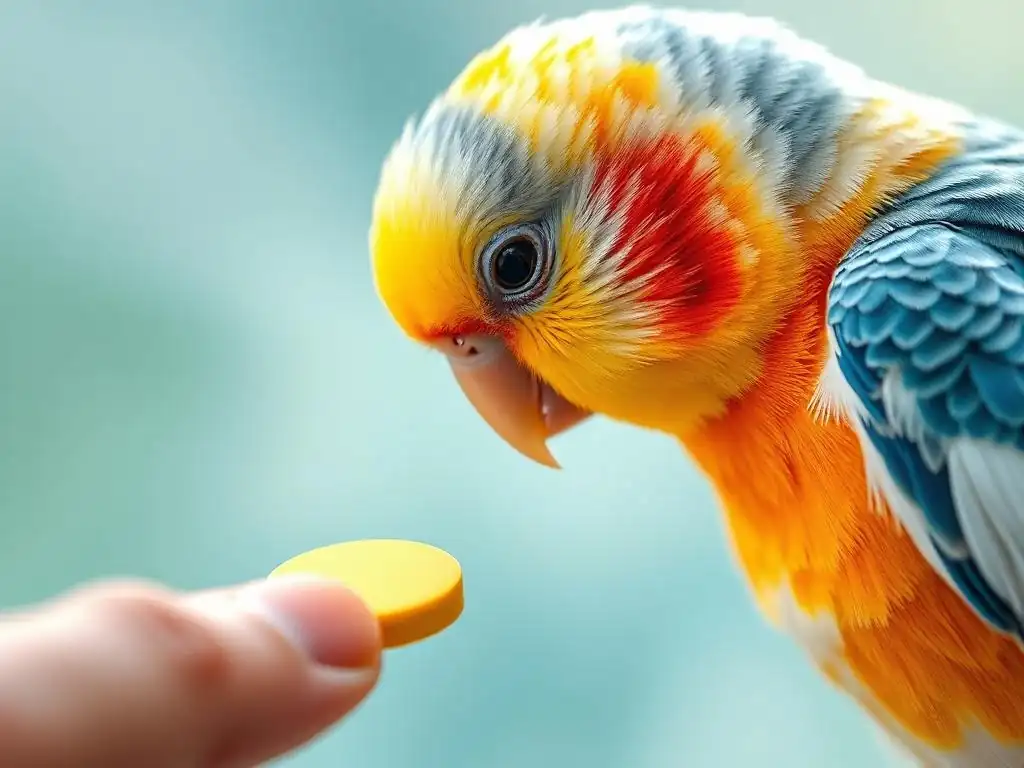
Patience is paramount in bird target training. Unlike some species, birds learn at their own pace, and forcing the issue can lead to fear, aggression, or a complete lack of engagement. Success hinges on understanding that your timeline isn't the bird's timeline. Think of it as a marathon, not a sprint.
A rushed approach undermines the trust and positive association crucial for effective bird target training. Remember, building a strong bond with your feathered friend is the foundation upon which successful training is built. This requires consistent, gentle guidance, and an unwavering commitment to their individual learning style. The rewards of a patient approach are immeasurable, leading to a more confident, well-adjusted bird and a stronger human-animal bond.
For example, a cockatoo known for its independent nature may require significantly more time and repetitions than a budgie, which might be more readily inclined to participate in training activities. The key is to adapt your approach to the bird's personality and learning pace. Impatience, on the other hand, can lead to a breakdown in communication and ultimately hinder progress.
Recognizing Your Bird's Learning Style
Every bird is an individual, possessing unique learning styles and temperaments. Some birds are quick learners, readily grasping new concepts after a few repetitions. Others require more time, patience, and a different approach. Observe your bird's behavior carefully. Is it easily distracted?
Does it require more positive reinforcement? Does it respond better to visual cues or auditory signals? Understanding your bird's learning preferences is crucial to tailoring your training sessions effectively. For instance, a highly visual bird might respond better to a brightly colored target stick, while an auditory learner might benefit from verbal cues coupled with the target.
Adapting your methods to suit their specific needs is a key component of effective bird target training patience. Consider creating a personalized training plan, documenting your bird's progress and any modifications needed along the way. This approach fosters a more positive and rewarding experience for both you and your feathered companion. Remember, celebrating even the smallest successes reinforces positive behavior and motivates your bird to continue learning.
Handling Frustration and Setbacks During Training
Frustration is inevitable in any training process, especially when dealing with the unique personalities of birds. Setbacks are learning opportunities; they highlight areas where you might need to adjust your technique or approach. Instead of getting discouraged, view these moments as chances to refine your strategy. If your bird is struggling with a particular task, try breaking it down into smaller, more manageable steps.
Use positive reinforcement methods consistently. Reward even the smallest attempts, focusing on building confidence rather than perfection. Remember, a consistent, calm demeanor is contagious; your bird will pick up on your energy and respond accordingly. Avoid punishment; it will only damage your relationship and make training significantly more difficult.
For example, if your bird consistently misses the target, try moving the target closer or using a more enticing reward. If it becomes overly stressed, end the session and try again later. Maintaining a positive and patient attitude is essential for both your well-being and your bird's successful learning.
Building a Positive Training Environment for Your Bird
Creating a positive and enriching environment is crucial for successful bird target training patience. This means providing a safe, comfortable, and stimulating space for your bird to learn. A quiet area free from distractions is ideal. Ensure your bird is well-rested and not hungry or thirsty before starting a training session.
The training environment should be associated with positive experiences. Use a variety of rewards to keep your bird engaged, such as favorite treats, praise, or even playtime. Remember, consistency is key; a regular training schedule helps your bird understand what to expect and promotes better learning. Consider using different target training methods to keep things interesting, such as using a variety of target sticks or changing the location of training sessions.
A happy and engaged bird is a bird more likely to cooperate and participate actively in the training process. This proactive approach helps create a bond based on trust, mutual respect, and a shared positive experience, making the whole training process smoother and more enjoyable. This will make mastering even the most challenging tasks easier and more rewarding.
Consistency: The Key to Effective Bird Target Training
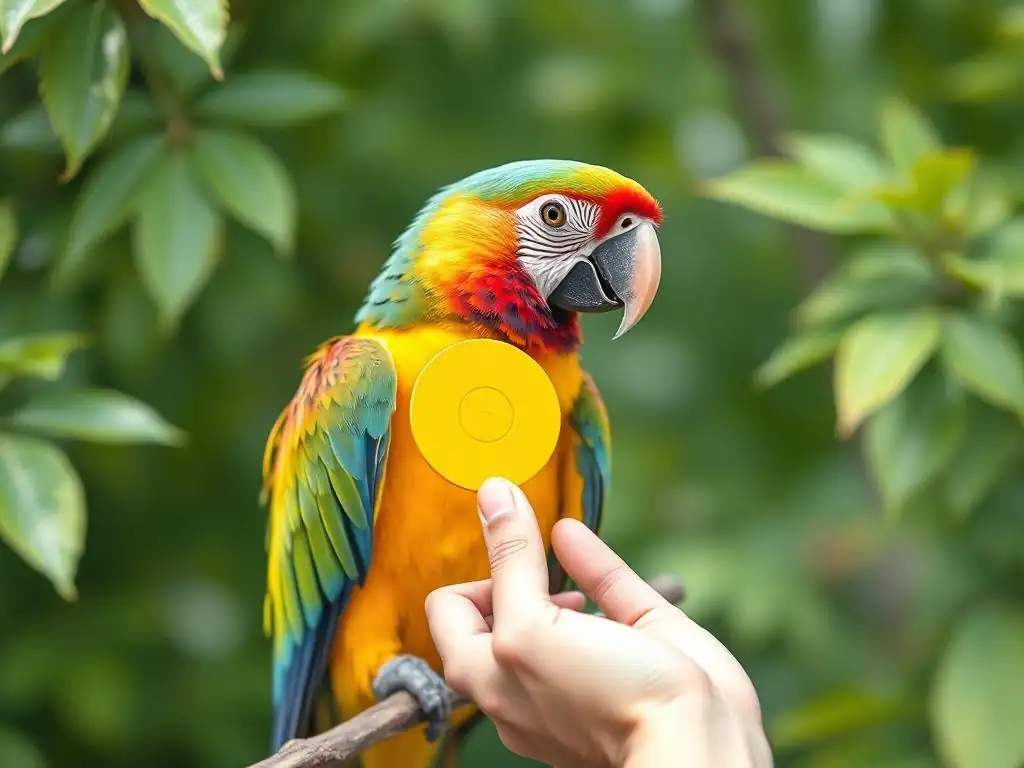
Consistency is paramount in bird target training. Without it, your feathered friend will become confused, frustrated, and ultimately, less likely to cooperate. Think of it like this: imagine trying to learn a new language by studying sporadically – you'd likely forget much of what you learned. The same principle applies to bird training. Regular, predictable sessions build trust and reinforce learned behaviors.
The key is not just how often you train, but the predictability of your training sessions. This predictability helps your bird understand what to expect and encourages active participation. This builds a stronger bond between you and your bird, transforming training from a chore into a positive shared experience. Remember, consistency breeds success in bird target training, fostering a strong partnership based on mutual understanding and respect.
Establishing a Regular Training Schedule
Establishing a regular training schedule is crucial for successful bird target training. Instead of sporadic, unpredictable sessions, aim for short, consistent training sessions daily. Even 5-10 minutes of focused training is more effective than longer, infrequent sessions. Consider incorporating training into your daily routine – perhaps during breakfast or before bedtime. This consistency helps your bird anticipate training time and remain engaged. A sample schedule might look like this:
| Day | Time | Duration | Activity | Notes |
|---|---|---|---|---|
| Monday | 7:00 AM | 10 mins | Target training with a clicker and treat | Focus on accuracy and positive reinforcement |
| Tuesday | 7:00 AM | 10 mins | Target training, incorporating new steps | Gradually increase the complexity of the task |
| Wednesday | 7:00 PM | 5 mins | Quick review session, focusing on recall | Reinforce already-learned commands |
| Thursday | 7:00 AM | 10 mins | Target training with a different target | Variety keeps training engaging |
| Friday | 7:00 AM | 10 mins | Target training, incorporating a new location | Introduce distractions gradually |
| Weekend | Flexible | 15 mins | Longer session, reviewing all commands | Adjust based on your bird's energy levels |
Remember to adjust the schedule according to your bird's individual needs and preferences. Some birds thrive on shorter, more frequent sessions, while others may prefer longer, less frequent ones. The key is to maintain consistency and predictability. The aim is to create a routine that your bird finds comfortable and rewarding.
Maintaining Positive Reinforcement Throughout Training
Positive reinforcement is the cornerstone of effective bird target training. This means rewarding desired behaviors consistently and immediately. A clicker and high-value treats are invaluable tools. The clicker marks the exact moment your bird performs the desired behavior, creating a clear association between the action and the reward. Using high-value treats, like small pieces of fruit or cooked vegetables, ensures your bird is highly motivated to participate.
Avoid punishment or harsh corrections; these methods can damage your relationship with your bird and hinder progress. Focus on rewarding even small successes, gradually increasing the difficulty of the task as your bird progresses. Celebrate achievements, no matter how small, and maintain a positive, encouraging atmosphere. Consistent positive reinforcement will foster a trusting relationship and motivate your bird to learn and cooperate enthusiastically. This approach builds confidence in your bird and makes the training process enjoyable for both of you.
Avoiding Common Mistakes that Hinder Progress
Many common mistakes can significantly hinder progress in bird target training. One prevalent error is inconsistency in timing and rewards. Delayed or inconsistent rewards confuse the bird, weakening the association between the behavior and the reward. Another common pitfall is using low-value treats. If your bird isn't motivated by the reward, it won't be incentivized to learn.
Furthermore, introducing too many distractions too quickly can overwhelm your bird and lead to frustration. Finally, neglecting to end training sessions on a positive note can leave your bird feeling confused or discouraged. Always finish with a successful repetition of the target behavior, followed by praise and a delicious treat. By avoiding these pitfalls and maintaining a consistent, positive approach, you can significantly improve your bird's learning experience and build a strong, trusting bond. Remember patience and consistency are key – success takes time and dedication.
Advanced Target Training Techniques for Birds
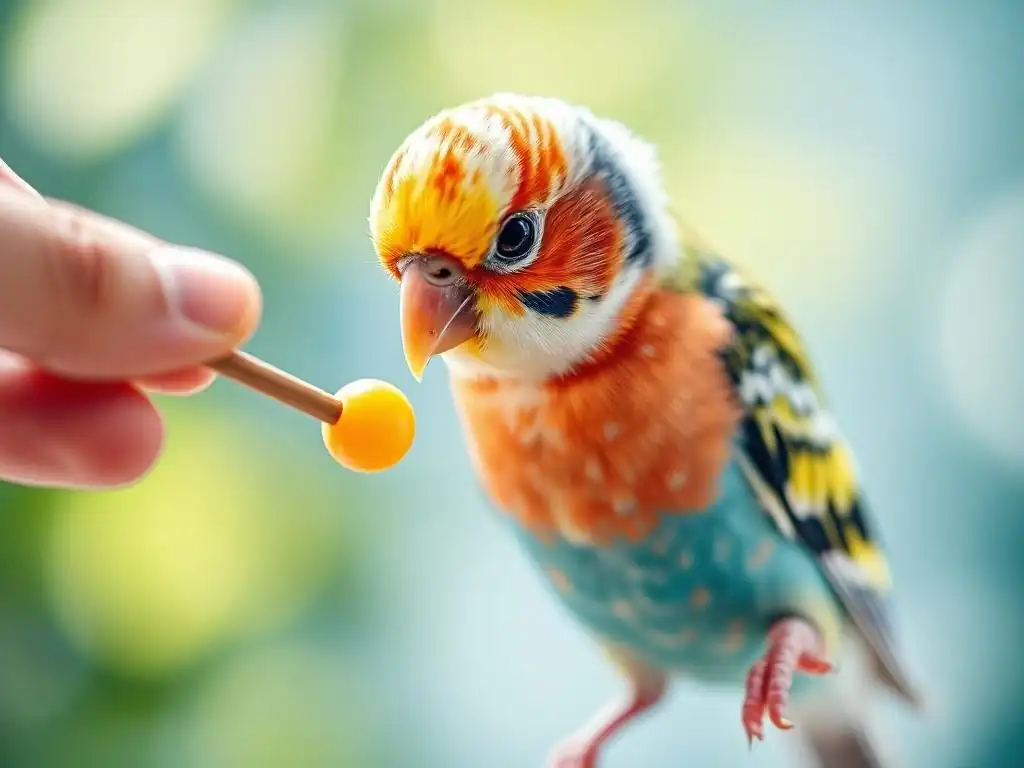
This section delves into more sophisticated applications of target training for birds, building upon the foundational techniques already established. Mastering these advanced methods will allow you to teach your feathered friend complex behaviors and strengthen your bond. Remember, patience and consistency remain paramount even at this level. The key to success lies in breaking down complex tasks into smaller, manageable steps.
Teaching Your Bird Complex Behaviors Through Targeting
Teaching complex behaviors through targeting involves a gradual process of shaping. Instead of expecting immediate mastery of a difficult trick, you'll guide your bird step-by-step, rewarding each small approximation towards the desired behavior. For example, let's say you want to teach your bird to retrieve an object. You wouldn't start by expecting it to immediately pick up a specific toy and bring it to you. Instead:
- Start with the target: Begin by having your bird touch the target stick to your hand. Reward immediately.
- Introduce the object: Place the toy near your hand with the target. Reward for touching the target near the toy.
- Gradual proximity: Slowly move the toy further away, requiring your bird to move to reach the target and be near the toy. Reward each successful step.
- Introduce the picking up motion: Once your bird consistently touches the target near the toy, start rewarding only when it touches the target while interacting with the toy (pecking at it, nudging it).
- Complete retrieval: Finally, reward your bird only when it picks up the toy and brings it closer to the target.
This process requires significant patience. Don't get discouraged if your bird doesn't grasp it immediately. Celebrate small victories and maintain a positive, encouraging tone throughout. Remember to use high-value rewards and keep training sessions brief and engaging to prevent your bird from becoming frustrated. Frequent short sessions (5-10 minutes) are more effective than long, tiring ones. The use of a clicker can also greatly improve the precision and speed of training.
Troubleshooting Common Challenges in Bird Target Training
Even with patience and consistency, you may encounter challenges during bird target training. Here are some common issues and solutions:
| Problem | Possible Cause | Solution |
|---|---|---|
| Bird ignores the target | Target is uninteresting; lack of motivation | Try different targets, use higher-value rewards, make training more engaging. |
| Bird becomes frustrated | Sessions too long; too much pressure | Shorten sessions, use more positive reinforcement, take breaks when needed. |
| Inconsistent performance | Inconsistent rewards; lack of clarity in cues | Ensure consistent rewarding, use clear and consistent cues, refine your approach. |
| Bird avoids the training area | Negative association with the training area | Change location, make the area more appealing, use positive reinforcement. |
Remember, every bird learns at its own pace. Some birds might pick up target training quickly, while others may require more time and effort. The key is to remain patient, persistent, and adapt your approach based on your bird's individual needs and personality. If problems persist, consider seeking guidance from an avian veterinarian or experienced bird trainer.
Combining Target Training with Other Training Methods
Target training serves as an excellent foundation for other training methods. It can be seamlessly integrated with:
- Positive reinforcement: Target training itself relies heavily on positive reinforcement, rewarding desired behaviors. This synergy makes it easy to combine with other positive reinforcement methods.
- Clicker training: The clicker signals the exact moment a desired behavior occurs, making it easier to pair with the reward and strengthen the association.
- Shaping: As demonstrated earlier, target training is intrinsically linked to shaping, allowing you to gradually build complex behaviors.
- Capture: You can use the target to “capture” a naturally occurring behavior your bird already exhibits, such as stepping onto a perch, and then reinforce it.
By combining target training with these methods, you can create a comprehensive and effective training program that addresses various aspects of your bird's behavior and enhances your bond. Remember to always prioritize your bird's well-being and tailor your approach to its individual needs and personality. The journey of bird training is a rewarding one, filled with joy and mutual understanding. 🐦
Long-Term Benefits of Target Training for Your Bird
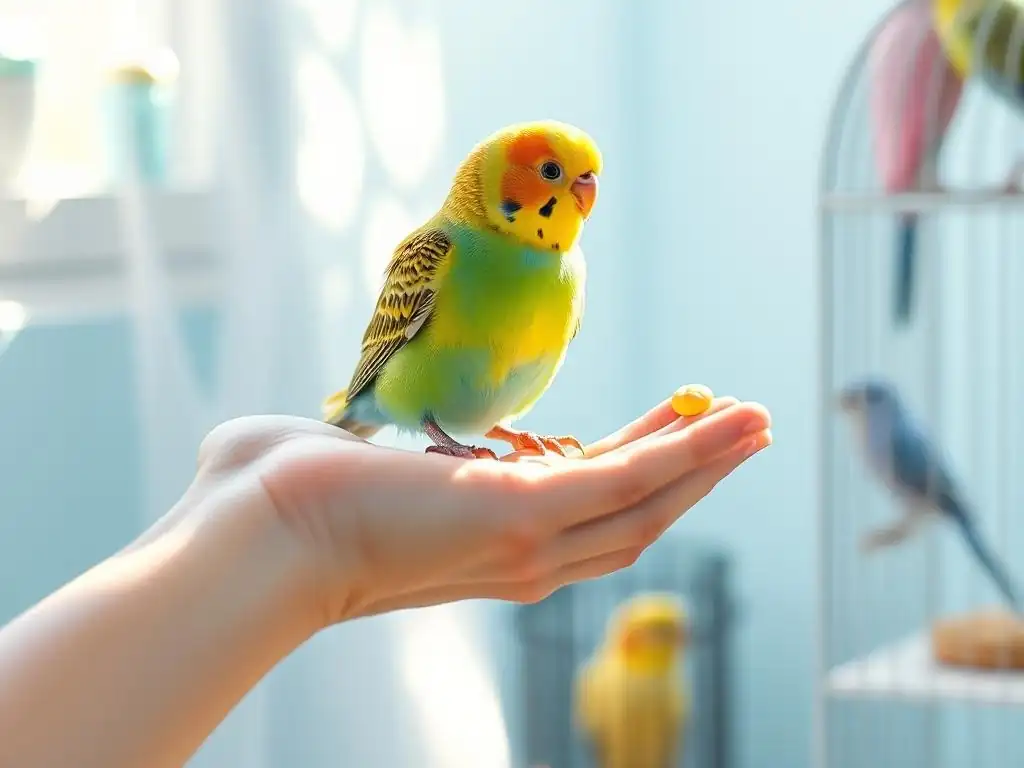
Target training your bird, while requiring patience and consistency as the keyword "bird target training patience" suggests, offers a wealth of long-term benefits that extend far beyond simple trick performance. It's an investment in your feathered friend's overall health and happiness. The rewards are numerous and profound, impacting your relationship and your bird's well-being in significant ways. This methodical approach to training builds trust and understanding, resulting in a stronger, more fulfilling bond.
Strengthening the Bond Between You and Your Bird
The process of target training inherently strengthens the bond between you and your bird. The consistent positive reinforcement—whether it's a favorite treat, verbal praise, or a gentle scratch—creates a positive association with you and the training process itself. This positive reinforcement is crucial. Think of it like this: each successful target touch builds a tiny bridge of trust. Over time, these tiny bridges become a strong, stable connection based on mutual respect and understanding.
This enhanced bond translates into a more relaxed and confident bird, more readily accepting of handling and veterinary care. It also allows for easier communication and a deeper understanding of your bird's needs and preferences. The patience required further cultivates empathy and strengthens the connection. Many bird owners report a significant increase in their bird's affection and willingness to interact after consistent target training.
Improving Your Bird's Problem-Solving Skills
Beyond the obvious benefits of teaching your bird new behaviors, target training significantly enhances their cognitive abilities. Each successful interaction requires your bird to process information, make decisions, and adapt their behavior to achieve a desired outcome (the reward!). This constant mental stimulation sharpens their problem-solving skills. This is especially important for highly intelligent birds like parrots, who require ample mental enrichment to prevent boredom and behavioral issues.
For example, once your bird masters basic target training, you can gradually increase the difficulty, introducing more complex tasks and challenges, further stimulating their minds. This mental agility translates into a more adaptable and resilient bird, better equipped to handle changes in their environment and routine. The process helps them learn to think critically and creatively, enhancing their overall cognitive function.
Enhancing Your Bird's Overall Well-being Through Enrichment
Target training provides crucial mental and physical enrichment for your bird. It's not just about learning tricks; it's about providing a stimulating and engaging activity that keeps them mentally and physically active. The process itself, with its structured interactions and rewarding outcomes, combats boredom—a major contributor to behavioral problems in birds. Furthermore, the physical act of reaching for the target and moving around during the training sessions provides exercise and helps maintain a healthy weight.
This holistic approach to enrichment contributes to a happier, healthier, and more well-adjusted bird. Remember, a bored bird is often a destructive bird. Target training offers a preventative measure against unwanted behaviors by providing a positive outlet for their natural instincts and energy. The positive reinforcement inherent in target training also contributes to a reduction in stress and anxiety, ultimately improving your bird's overall well-being.
Frequently Asked Questions
How long does it take to target train a bird?
This depends on the individual bird's personality and learning style. Some birds learn quickly, while others may require more time and patience. Consistency is key to success; expect a few weeks or even months for complete mastery.
What is the best reward for target training a bird?
The best reward is highly motivating to your specific bird. This could be a favorite treat, a praise word, or a fun toy. Experiment to find what works best.
What if my bird refuses to touch the target?
Try using a smaller target or a different material. You might also try moving the target closer to your bird, or offering a more enticing reward. Positive reinforcement is crucial; never force your bird.
How important is consistency in bird target training?
Consistency is paramount for successful bird target training. Regular, short training sessions are more effective than infrequent, long ones. Maintaining a predictable routine helps your bird learn and understand.
My bird is getting frustrated. Should I stop training?
Yes, if your bird shows signs of stress or frustration, it's crucial to stop the training session immediately. Take a break, try again later, and make sure the training is positive and enjoyable for your bird.
Final Reflection: The Enduring Power of Patience in Avian Connection
The art of target training birds isn't merely about achieving tricks; it's about forging a profound connection built on trust and understanding. This connection, fostered through consistent, patient interaction, transcends the simple act of learning commands; it unlocks a deeper appreciation for the intelligence and sensitivity of our feathered friends. The patience required is a testament to the power of respectful communication across species.
The impact of patient bird training extends far beyond the individual bird and trainer. It challenges our preconceived notions of animal intelligence and highlights the importance of positive reinforcement in all forms of animal interaction. Patience is not passive resignation, nor is it failing to act because of fear; it is the capacity to act with calmness when faced with difficulty.
This quote encapsulates the essence of successful bird training, reminding us that true progress requires a calm, persistent approach, free from frustration and pressure. The rewards, both for the bird and the trainer, are immeasurable.
Now, consider your own interactions with the world around you. Can you apply the principles of patience and consistency, learned through the process of bird training, to other areas of your life? Embrace the power of calm persistence; allow yourself the time and space to nurture meaningful connections, whether with animals, people, or even personal goals. The journey may be challenging, but the rewards of understanding, trust, and lasting bonds are well worth the effort.
Unlock Your Bird's Potential: Start Training Today!
Thank you for learning about target training for your feathered friend! We hope you found the information on patience and consistency valuable. Now it's time to put your new knowledge into practice. Ready to see amazing results?
- Begin your bird's target training journey today! Start with short, positive sessions using a simple target stick. Remember, small steps lead to big breakthroughs.
- Share your training successes (and challenges!) with other PetCareWorld members in the comments below. Let's build a supportive community of bird lovers!
- Experiment with different target objects—perhaps a small bell or toy—to discover which one your bird responds to best. This adds an element of fun and discovery to the training process.
What surprising behaviors might your bird display as you embark on this exciting training adventure?