
Cockatiel Biting: Addressing the Root Cause of Aggression

Welcome to PetCareWorld, your ultimate guide to a happier, healthier life for your beloved companions! Are you struggling with a feathered friend's feisty side? Discover effective and humane Cockatiel biting aggression solutions in our insightful guide – learn to understand the root causes of this common problem and unlock the secrets to a more harmonious relationship with your cockatiel. Dive in and transform your bird's behavior today!
- Understanding Cockatiel Biting Behavior
- Common Causes of Cockatiel Aggression
- Effective Strategies to Stop Cockatiel Biting
- When to Seek Veterinary Help for Cockatiel Aggression
- Preventing Future Cockatiel Biting Incidents
- Frequently Asked Questions
- Final Reflection: Understanding the Heart of a Biting Cockatiel
- Unlock Your Cockatiel's Happy Beak: A Path to Peaceful Coexistence
Understanding Cockatiel Biting Behavior
Cockatiel biting, while frustrating for owners, is rarely a sign of inherent malice. Instead, it's usually a communication method stemming from underlying issues. This comprehensive guide will delve into the root causes of aggression in cockatiels, helping you understand why your feathered friend might be nipping and offering practical solutions to curb this behavior.
We'll explore the various triggers that can lead to biting, teach you how to recognize warning signs in your cockatiel's body language, and provide strategies to foster a more harmonious and trusting relationship with your pet. Understanding the "why" behind the biting is the crucial first step towards resolving the problem and ensuring a happy and safe environment for both you and your cockatiel.
Successfully addressing cockatiel biting aggression requires patience, consistency, and a deep understanding of your bird's needs and communication styles. This article will equip you with the knowledge and tools to achieve just that, transforming potentially stressful interactions into positive bonding experiences.
Deciphering Aggressive Biting in Cockatiels
Aggressive biting in cockatiels manifests differently depending on the intensity and context. A gentle nip might be a playful gesture, whereas a hard, forceful bite indicates a serious issue that requires immediate attention. Several factors contribute to the severity of the bite, including the bird's age, personality, and past experiences. Young cockatiels, for instance, might bite out of exploration or lack of proper socialization.
On the other hand, adult birds may bite due to fear, pain, hormonal changes, or a perceived threat to their territory. It's essential to observe the circumstances surrounding the bite—was it provoked? Was your cockatiel feeling threatened or stressed? Was there a change in their environment?
Analyzing these factors helps pinpoint the root cause and formulate an effective solution. Keeping detailed records of biting incidents, including the time, location, and any preceding events, can prove invaluable in identifying patterns and triggers. This meticulous approach allows for a more targeted intervention strategy, leading to a quicker resolution of the biting behavior. Remember, patience is key; addressing aggressive biting requires a consistent and understanding approach.
Identifying Triggers for Cockatiel Bites: Fear, Pain, and Territoriality
Several key triggers frequently provoke biting in cockatiels. Fear is a significant factor; sudden movements, loud noises, or unfamiliar people can easily startle a cockatiel, leading to a defensive bite. Pain is another potent trigger; if your cockatiel is experiencing discomfort from an illness, injury, or even an uncomfortable perch, biting might be its way of expressing distress. Regular veterinary check-ups are crucial to rule out any underlying medical conditions.
Territoriality also plays a role. Cockatiels are often possessive of their cages, toys, and even their owners! Approaching a cockatiel while it’s eating, preening, or resting in its favorite spot might be perceived as a threat, resulting in a bite.
Understanding these triggers allows you to proactively modify the environment and your interactions to minimize the likelihood of biting incidents. For example, providing ample space, avoiding sudden movements near your cockatiel, and respecting its personal space can significantly reduce the chances of aggression. Careful observation and awareness of your bird's behavior are essential in identifying and addressing these triggers effectively.
Recognizing Body Language: Signs Your Cockatiel Might Bite
Before a cockatiel resorts to biting, it often displays subtle warning signs in its body language. Learning to interpret these signals is crucial in preventing bites. These can include:
- Dilated pupils: Enlarged pupils often indicate fear or stress.
- Flattened feathers: A cockatiel with flattened feathers might be feeling threatened or apprehensive.
- Aggressive hissing: Hissing is a clear warning sign of impending aggression.
- Rapid wing movements: Flicking wings rapidly is another indicator of nervousness or agitation.
- Beak grinding: Grinding its beak can signal stress or discomfort.
- Turning its head away: Avoiding eye contact can be a sign of fear.
Recognizing these cues allows you to take preventative measures, such as gently backing away, offering a calming environment, or providing a safe retreat for your cockatiel. By learning to read your bird's body language, you can prevent many biting incidents and build a stronger, more trusting relationship. Practicing positive reinforcement techniques, such as rewarding calm behavior, further strengthens the bond and reduces the likelihood of aggressive behavior. Remember, understanding your cockatiel’s communication is key to preventing and resolving biting problems.
Common Causes of Cockatiel Aggression
Understanding why your cockatiel is exhibiting biting aggression is the first step towards resolving the problem. Many factors can contribute to this behavior, and addressing these underlying causes is crucial for implementing effective solutions. This section explores some of the most common reasons behind cockatiel biting, providing insights into how to identify and mitigate these issues. Remember, patience and consistency are key when dealing with aggressive behaviors in your feathered friend.
Hormonal Influences and Biting Behavior in Cockatiels
Hormonal fluctuations, particularly during breeding season, can significantly impact a cockatiel's behavior, leading to increased aggression and biting. This is especially true for sexually mature birds. Increased testosterone levels can manifest as territoriality, possessiveness, and a heightened tendency to bite, even towards their familiar owners. Female cockatiels may also exhibit hormonal aggression, although it's often less pronounced than in males.
The intensity of hormonal aggression varies considerably between individual birds. Some cockatiels might show only slight increases in nipping, while others might become significantly more aggressive and bite hard enough to break skin. Identifying the breeding season (typically spring and summer) can help in recognizing this pattern.
Understanding the hormonal cycle of your cockatiel is paramount. While completely eliminating hormonal influence is impossible, you can help mitigate its effects. Strategies include providing ample opportunities for exercise and mental stimulation to reduce pent-up energy. A well-structured environment can also help reduce stress, which can exacerbate hormonal influences. In severe cases, veterinary consultation might be necessary to discuss options such as hormonal therapy, though this should only be pursued under professional guidance. Consistent, positive reinforcement training can also help maintain a calm demeanor throughout the year.
The Role of Diet and Nutrition in Reducing Cockatiel Bites
A balanced and nutritious diet plays a vital role in a cockatiel's overall health and behavior. Nutritional deficiencies can lead to various behavioral problems, including increased aggression and biting. A diet lacking essential vitamins and minerals can negatively affect a bird's mood, making them more irritable and prone to aggressive displays.
For example, a deficiency in calcium can lead to hormonal imbalances, increasing the likelihood of biting. Similarly, a diet high in sugary foods or processed treats can lead to energy spikes and crashes, contributing to unpredictable behavior and increased aggression.
To ensure a balanced diet, focus on providing a high-quality seed mix formulated specifically for cockatiels, supplemented with fresh fruits, vegetables, and small amounts of healthy proteins like cooked eggs or lentils. Avoid feeding your cockatiel junk food or human foods that are not suitable for their dietary needs. A veterinarian specializing in avian health can provide personalized dietary recommendations based on your cockatiel's age, health status, and individual needs. Regular veterinary check-ups are essential for early detection and prevention of nutritional deficiencies. Remember, a healthy diet contributes to a happier, calmer, and less aggressive bird.
Environmental Factors Contributing to Cockatiel Aggression: Cage Size, Enrichment, and Stress
The environment in which your cockatiel lives plays a significant role in its behavior. Insufficient space, lack of environmental enrichment, and chronic stress are all contributing factors to aggression. A cramped cage restricts movement and can lead to frustration and boredom, increasing the likelihood of biting.
Providing a spacious cage with ample opportunities for climbing, playing, and foraging is crucial. Consider the cage size relative to the bird's size. A small cage for a full-grown cockatiel will inevitably lead to stress and potential aggression. Additionally, incorporate a variety of toys and perches to stimulate your cockatiel's natural instincts. This includes foraging toys, swing perches, and chew toys to keep them mentally and physically engaged. Rotating toys regularly keeps your bird stimulated and prevents boredom.
Stress is a major factor that exacerbates aggression in cockatiels. Loud noises, sudden movements, or changes in their routine can trigger stress responses, leading to increased biting. Creating a calm and predictable environment, minimizing disruptions, and ensuring a safe and secure space for your cockatiel are essential for reducing stress levels.
A quiet location away from heavy traffic areas, and a consistent daily routine will contribute to a less stressful environment. Observing your bird's behavior and identifying potential stressors can help you to proactively manage the environment and prevent aggressive outbursts. Remember, a happy, well-stimulated cockatiel is less likely to resort to biting.
Effective Strategies to Stop Cockatiel Biting
This section delves into practical, effective strategies to address cockatiel biting aggression, focusing on solutions that prioritize the bird's well-being and build a positive relationship. Understanding the root causes of biting behavior is crucial; often, it stems from fear, stress, or unmet needs. By implementing these strategies, you can significantly reduce biting incidents and foster a harmonious bond with your feathered friend.
Remember, patience and consistency are key to success in modifying your cockatiel's behavior. This approach focuses on proactive measures and positive reinforcement, avoiding punitive methods which can damage trust and worsen the problem. The goal is to create a safe, stimulating environment where your cockatiel feels secure and confident.
Positive Reinforcement Training for Cockatiel Bite Prevention
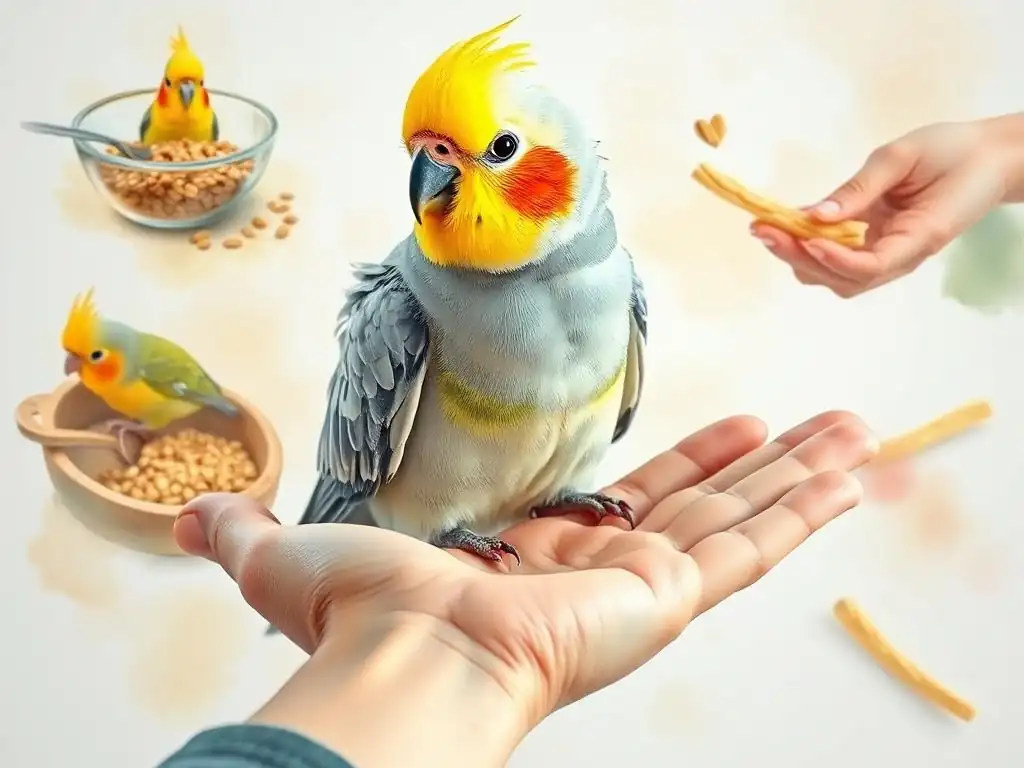
Positive reinforcement training is a humane and highly effective method for addressing cockatiel biting. It focuses on rewarding desired behaviors (like gentle interaction) instead of punishing unwanted behaviors (biting). The key is to associate positive experiences with human interaction.
Here's a step-by-step guide:
- Identify Triggers: Observe your cockatiel to identify situations that typically precede biting. Is it when you approach the cage? When you try to handle it? Knowing the triggers allows you to proactively address them.
- Reward Calm Behavior: When your cockatiel is calm and approachable, offer small rewards, such as a favorite treat or a gentle head scratch (if it accepts this). This creates a positive association with human presence.
- Step-by-Step Approach: Start with simple interactions, such as talking to your cockatiel from a distance. Gradually decrease the distance as it remains calm. Reward calm behavior at each step.
- "Step Up" Training: Teach your cockatiel to step up onto your finger. This provides a controlled way to handle it, minimizing the chances of accidental bites. Use a consistent verbal cue and reward compliance immediately.
- Consistency is Crucial: Be patient and consistent with your training. It may take time and repetition for your cockatiel to learn the desired behaviors. Inconsistent training can confuse your bird and hinder progress.
Remember to use small, high-value treats as rewards. Examples include millet sprays, small pieces of fruit (ensure they are safe for cockatiels), or specialized cockatiel treats. Avoid using food that could be messy or difficult for your bird to handle during training.
Creating a Calm and Enriching Environment for Your Cockatiel
A stimulating and secure environment is paramount in reducing cockatiel biting aggression. A stressed or bored cockatiel is more likely to bite out of fear or frustration.
Here are some key elements:
- Spacious Cage: Ensure your cockatiel has a spacious cage with ample room to move around, climb, and play. A cramped cage can lead to stress and frustration.
- Environmental Enrichment: Provide a variety of toys, perches, and climbing structures to keep your cockatiel mentally and physically stimulated. Rotate toys regularly to prevent boredom. This includes foraging toys that challenge your bird mentally.
- Safe and Predictable Routine: Maintain a consistent daily routine, including feeding times, playtime, and cage cleaning. This provides a sense of security and reduces anxiety.
- Minimize Stressful Situations: Avoid sudden loud noises, unexpected movements, or other stressful events that could trigger biting.
- Proper Lighting and Temperature: Ensure your cockatiel's environment is properly lit and temperature-controlled. Extreme temperatures or inadequate lighting can contribute to stress.
By creating a calm and enriching environment, you'll significantly reduce the likelihood of your cockatiel resorting to biting as a coping mechanism. Remember, a happy and stimulated cockatiel is a less aggressive cockatiel.
Handling Techniques to Minimize Cockatiel Bites: Gentle Approaches
Correct handling techniques are essential to prevent cockatiel bites. Avoid sudden movements or forceful handling, which can startle your bird and trigger a defensive bite. Approach your cockatiel slowly and calmly, allowing it to see and smell you before attempting to handle it. Observe its body language – ruffled feathers, hissing, or dilated pupils can indicate stress or fear. If your cockatiel displays these signs, back off and give it space.
Here are some gentle handling techniques:
- Approach Slowly and Calmly: Avoid sudden movements or loud noises when approaching your cockatiel's cage.
- Offer Your Hand Slowly: Extend your hand slowly and calmly, allowing your cockatiel to approach it at its own pace.
- Support its Body: When lifting your cockatiel, gently support its body to prevent it from feeling insecure or vulnerable.
- Avoid Sudden Movements: Avoid sudden movements that might startle your cockatiel, leading to a defensive bite.
- Respect its Boundaries: If your cockatiel seems unwilling to be handled, respect its boundaries and avoid forcing interaction.
Remember, building trust and a positive relationship is a gradual process. By employing these gentle handling techniques and consistently practicing positive reinforcement, you can significantly reduce the incidence of cockatiel biting and enjoy a stronger bond with your feathered companion. Patience, consistency, and understanding are crucial in managing cockatiel biting aggression and achieving a positive outcome.
Dietary Adjustments to Improve Cockatiel Temperament
A balanced and nutritious diet plays a crucial role in a cockatiel's overall health and behavior. Nutritional deficiencies can manifest as irritability, aggression, and increased biting. Ensuring your cockatiel receives the right nutrients can significantly improve their temperament and reduce biting incidents. This involves carefully selecting a high-quality seed mix, supplementing with fresh vegetables and fruits, and avoiding foods that can exacerbate behavioral problems.
One common mistake is relying solely on low-quality seed mixes. While seeds provide essential nutrients, they lack the necessary vitamins, minerals, and antioxidants found in fresh produce. An over-reliance on seeds can lead to nutritional imbalances, potentially contributing to behavioral issues like aggression. A good seed mix should contain a variety of seeds, including sunflower, millet, and safflower, but should not constitute the entirety of the diet.
Fruits and vegetables should make up a significant portion of your cockatiel's daily intake. Offer a colorful array of options, such as carrots, broccoli, apples, and berries. These provide essential vitamins and minerals that support healthy brain function and overall well-being. Introduce new foods gradually to ensure your cockatiel tolerates them well. Remember to remove any uneaten food after a few hours to prevent spoilage.
Avoid sugary treats and processed foods. These offer little nutritional value and can lead to weight gain, impacting energy levels and potentially exacerbating behavioral problems. Similarly, foods high in fat should be given sparingly, as they can contribute to health issues that indirectly impact behavior.
A healthy diet is a cornerstone of a well-adjusted cockatiel, reducing the likelihood of biting stemming from frustration or discomfort. Regular veterinary checkups are also important to rule out any underlying medical conditions that might be contributing to aggressive behavior. A healthy bird is a happy bird, and a happy bird is less likely to resort to biting.
When to Seek Veterinary Help for Cockatiel Aggression
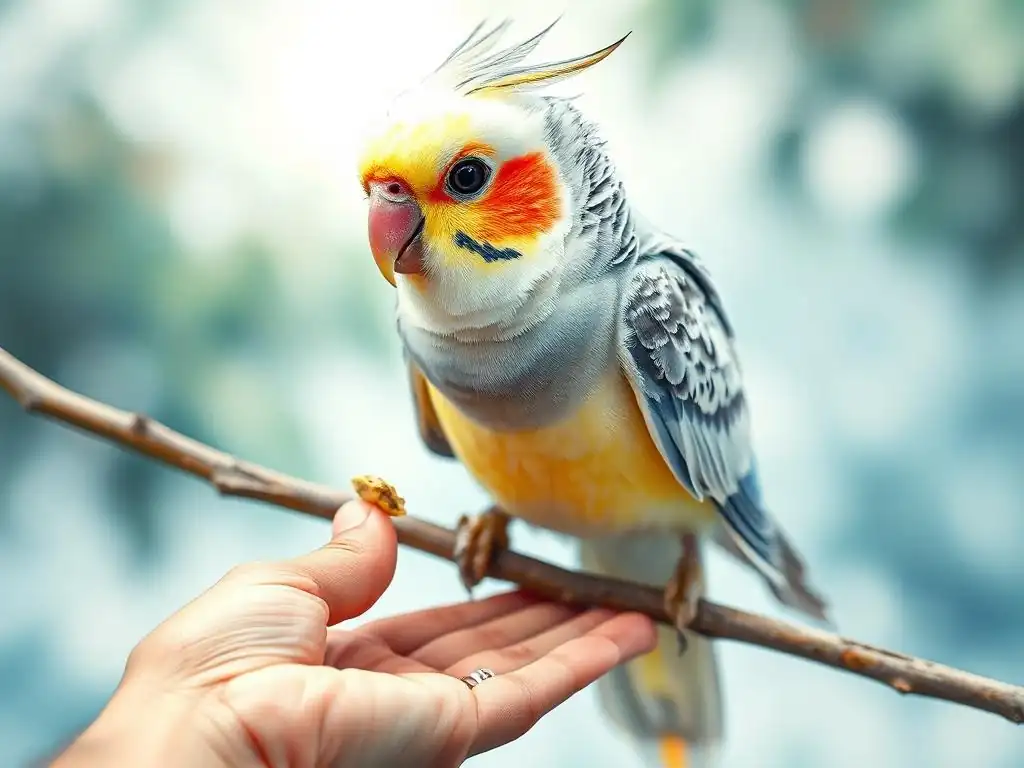
Understanding when a cockatiel's biting behavior requires veterinary intervention is crucial for ensuring its well-being and addressing potential underlying health issues contributing to aggression. While some biting is normal, especially during hormonal periods or training phases, persistent or excessively aggressive biting warrants professional assessment. Ignoring underlying medical problems can lead to further complications and worsen the bird's overall health. This section outlines key indicators that suggest a veterinary visit is necessary. Remember, early intervention is key to managing cockatiel biting aggression effectively and humanely. The severity and frequency of biting should be carefully monitored.
Medical Conditions that Can Cause Cockatiel Biting
Several medical conditions can manifest as increased aggression or biting in cockatiels. These can range from relatively minor issues to more serious illnesses requiring immediate attention. For example, pain stemming from an injury, such as a broken wing or leg, can make a cockatiel irritable and prone to biting as a defensive mechanism. Similarly, hormonal imbalances can significantly impact behavior, leading to increased aggression.
Infections, particularly those affecting the respiratory system or causing discomfort, can also contribute to irritability and biting. Internal parasites, while less directly linked to biting, can cause general malaise and weaken the bird, potentially leading to increased reactivity and defensive biting. Finally, neurological issues can sometimes manifest as unusual aggression or behavioral changes. Early detection of these conditions is paramount for successful treatment and improved bird welfare.
Recognizing Signs of Underlying Health Issues in Aggressive Cockatiels
Identifying the root cause of your cockatiel's biting requires careful observation beyond simply noting the biting itself. Pay close attention to any changes in your bird's behavior, physical condition, and overall demeanor. Signs of underlying health issues may include:
- Changes in appetite: A sudden decrease or increase in food intake could indicate illness.
- Lethargy or unusual sleep patterns: A normally active cockatiel becoming lethargic or sleeping excessively may be unwell.
- Feather plucking or ruffled feathers: These can signal stress, pain, or discomfort.
- Changes in droppings: Unusual color, consistency, or frequency of droppings can be a significant indicator of illness.
- Respiratory issues: Wheezing, sneezing, or labored breathing warrants immediate veterinary attention.
- Weight loss or gain: Significant changes in weight can point to underlying problems.
- Abnormal vocalizations: Changes in the bird's calls or screams can reflect pain or distress.
A detailed record of these observations will be invaluable when discussing your cockatiel's behavior with a veterinarian. Remember, even subtle changes should be noted and reported. The more information you can provide, the better the veterinarian can diagnose and address the underlying cause of the aggression.
Veterinary Assessment and Treatment Options for Persistent Biting
If you suspect a medical condition is contributing to your cockatiel's biting aggression, a veterinary examination is essential. The veterinarian will conduct a thorough physical examination, assessing your bird's overall health, and may recommend blood tests, fecal exams, or radiographs to identify any underlying problems. Depending on the diagnosis, treatment options may include medication to address infections or hormonal imbalances, pain management for injuries, or specialized diets to support recovery.
In some cases, additional diagnostic tests may be required to pinpoint the source of the aggression. The veterinarian will discuss potential treatment options tailored to your bird's specific needs and help you develop a plan to manage the biting and improve your cockatiel's overall well-being.
Remember that consistent follow-up appointments are crucial to monitor progress and adjust treatment as needed. Patience and a collaborative approach with your avian veterinarian will significantly improve the chances of successfully addressing the root cause of the cockatiel biting aggression.
Preventing Future Cockatiel Biting Incidents
This section focuses on proactive measures to minimize the likelihood of future biting incidents with your cockatiel. Understanding and addressing the root causes of aggression is crucial, but equally important is establishing a preventative environment and fostering a positive relationship with your bird. Remember, consistent effort is key to achieving long-term success in managing cockatiel biting behavior. Let's explore some practical strategies.
Establishing a Consistent Routine for Your Cockatiel
A predictable daily routine provides security and reduces stress for your cockatiel, minimizing the chances of aggression stemming from anxiety or uncertainty. A stressed bird is more likely to bite. Think of it as creating a safe haven for your feathered friend.
Establishing a consistent routine involves several key aspects:
- Feeding Schedule: Feed your cockatiel at the same times each day. This helps regulate their internal clock and reduces anticipatory anxiety related to mealtimes.
- Sleep Schedule: Ensure a consistent sleep-wake cycle. Cockatiels need approximately 10-12 hours of sleep per night. A dark, quiet cage is essential for restful sleep.
- Playtime and Interaction: Schedule dedicated playtime and interaction sessions throughout the day. This provides mental stimulation and strengthens your bond, reducing the likelihood of biting due to boredom or frustration. Aim for at least 30 minutes of interaction daily, broken into shorter sessions.
- Cage Cleaning: Establish a regular cleaning schedule for the cage. A clean environment reduces stress and the potential for illness, both of which can trigger aggression.
Positive reinforcement training is invaluable in managing cockatiel aggression. It builds trust and strengthens the bond between you and your bird. Socialization is equally important, helping your cockatiel learn to interact appropriately with humans and other birds.
Here's how to implement effective training and socialization:
- Positive Reinforcement: Use positive reinforcement techniques, such as rewarding desired behaviors (e.g., stepping up, remaining calm) with treats, praise, or gentle head scratches. Avoid punishment, which can increase fear and aggression.
- Target Training: Teach your cockatiel to target a specific object (e.g., a stick or finger) with its beak. This helps redirect unwanted biting behavior towards a more acceptable alternative.
- Socialization: Gradually introduce your cockatiel to new people and environments. Supervise all interactions carefully, especially with children. Start with short, controlled sessions and gradually increase the duration as your cockatiel becomes more comfortable.
- Handling: Handle your cockatiel gently and respectfully. Avoid sudden movements or loud noises, which can startle and frighten your bird.
Long-Term Strategies for Managing Cockatiel Aggression and Maintaining a Harmonious Relationship
Long-term management of cockatiel aggression requires ongoing commitment and a holistic approach. It's not a quick fix but a continuous process of building trust, understanding, and a strong bond with your bird.
Here are some long-term strategies to consider:
- Environmental Enrichment: Provide ample opportunities for mental and physical stimulation. This includes a variety of toys, perches, and foraging opportunities. A bored cockatiel is more prone to aggression.
- Veterinary Checkups: Regular veterinary checkups are crucial to rule out any underlying medical conditions that might be contributing to your cockatiel's aggression. Hormonal imbalances or pain can significantly impact behavior.
- Consistent Approach: All members of the household must consistently apply training and management techniques. Inconsistent handling can confuse your cockatiel and exacerbate aggression.
- Patience and Understanding: Remember that building trust and managing aggression takes time and patience. Celebrate small victories and don't get discouraged by setbacks. Your cockatiel's well-being and your relationship are paramount.
Remember, consistent effort and patience are key to successfully managing cockatiel biting aggression and fostering a harmonious relationship with your feathered friend. By implementing these strategies, you can significantly reduce biting incidents and create a positive and enriching environment for your cockatiel. 🎉
Frequently Asked Questions
Why is my cockatiel biting me?
Cockatiel biting can stem from various reasons, including fear, territoriality, hormonal changes, or lack of socialization. Understanding the underlying cause is crucial for effective solutions.
How can I stop my cockatiel from biting?
Positive reinforcement is key. Reward good behavior with treats and praise, and avoid punishment. Gradually desensitize your bird to touch and handling.
My cockatiel suddenly started biting. What changed?
Sudden biting could indicate a stressful event, like a change in environment, new pet, or illness. Veterinary check-up is recommended to rule out medical issues.
What are some effective training techniques for biting?
Consistent training is essential. Use positive reinforcement, target training, and desensitization techniques. Avoid forceful methods which can worsen the problem.
My cockatiel only bites certain people. Why?
This suggests a lack of trust or negative association with specific individuals. Focus on building a positive relationship with the bird through gentle interactions and positive reinforcement.
Final Reflection: Understanding the Heart of a Biting Cockatiel
Understanding the root causes of cockatiel biting is not just about solving a behavioral problem; it's about forging a deeper, more trusting bond with your feathered friend. Ignoring the underlying reasons for aggression only leads to a cycle of frustration for both bird and owner. This article has explored several key factors, from fear and lack of socialization to hormonal imbalances and inadequate enrichment, highlighting the importance of a holistic approach to resolving biting issues.
The journey of understanding avian behavior is a continuous learning process. It's a humbling experience to realize the depth of intelligence and emotion within these seemingly small creatures. A bird doesn't care how much you know until it knows how much you care.
This quote perfectly encapsulates the essence of building a positive relationship with a cockatiel. By understanding their needs and addressing their anxieties, we can transform a challenging situation into a rewarding partnership. This understanding extends beyond just our own birds; it fosters a greater appreciation for the complexities of animal behavior and the importance of responsible pet ownership.
Now, consider your own cockatiel. Have you taken the time to truly understand their body language, their individual personality, and their specific needs? I urge you to reflect on the information presented in this article and apply it to your own situation. Begin by observing your bird closely, identifying potential triggers for aggression, and implementing the strategies discussed – from providing ample enrichment to seeking professional avian veterinary advice. Remember, patience and consistency are key. Building trust takes time, but the rewards of a loving, harmonious relationship with your cockatiel are immeasurable.
Unlock Your Cockatiel's Happy Beak: A Path to Peaceful Coexistence
Thank you for exploring the fascinating world of cockatiel behavior! We hope you've gained valuable insights into understanding and addressing biting issues. Now, let's put that knowledge into practice.
Here are some steps you can take to foster a stronger bond with your feathered friend:
- Prioritize positive reinforcement: Dedicate some time each day, even just 15 minutes, to interactive play and rewarding calm behavior. This is crucial for building trust and reducing aggression.
- Create a stimulating environment: Enrich your cockatiel's cage with a variety of toys and activities to keep them mentally engaged and less prone to frustration. Introducing a new foraging toy this week could be a great start!
- Share your journey: Connect with other cockatiel owners in our online community forum and share your experiences—we'd love to hear how you're implementing these strategies and offer support if you encounter any challenges.
Ready to create a happier, more harmonious home for your beloved cockatiel? What small step will you take today to improve your bird's well-being?