
Why Pellets Are Often Recommended: Unpacking the Benefits of a Balanced Diet

Welcome to PetCareWorld, your ultimate guide to a happier, healthier life for your beloved animals! We're passionate about providing the most accurate and engaging pet care advice available, covering everything from playful puppies to fascinating feathered friends. But did you know that even seemingly simple choices, like selecting the best rabbit pellet diet, can significantly impact your pet's well-being?
Discover the surprising benefits of a balanced diet and unlock the secrets to a thriving companion in our insightful article, "Why Pellets Are Often Recommended: Unpacking the Benefits of a Balanced Diet." Dive in and explore the world of expert pet care!
- Understanding the Nutritional Needs of Birds: Why Pellets Matter
- Choosing the Best Rabbit Pellet Diet: Key Factors to Consider
- The Benefits of a Pellet-Based Diet for Various Bird Species
- Transitioning Your Bird to a Pellet Diet: A Step-by-Step Guide
- Maintaining a Healthy Diet: Beyond the Best Rabbit Pellet Diet
- Frequently Asked Questions
- Final Reflection: The Enduring Importance of a Balanced Diet for Rabbits
- Unlock Your Pet's Potential: Fuel Their Thriving Life!
Understanding the Nutritional Needs of Birds: Why Pellets Matter
Choosing the right diet for your feathered friend is crucial for their health and longevity. While seed mixes might seem appealing due to their variety and the visual enjoyment they offer to some birds, they often fall short in providing the complete and balanced nutrition necessary for optimal well-being.
This article delves into the reasons why high-quality bird pellets are frequently recommended by avian veterinarians and experienced bird keepers as a cornerstone of a healthy diet, specifically focusing on why they're often considered the best rabbit pellet diet (though this article focuses on birds). We'll explore the essential nutrients found in pellets, compare them to seed-based diets, and highlight the significant impact of balanced nutrition on preventing various health issues in birds.
Understanding these factors empowers you to make informed decisions about your bird's diet, contributing to a longer, happier, and healthier life for your beloved companion. Choosing the best rabbit pellet diet, while not directly applicable here, highlights the importance of research and understanding dietary needs across species.
Essential Nutrients in Bird Pellets: A Comprehensive Overview
Bird pellets are formulated to provide a complete and balanced nutritional profile, encompassing all the essential vitamins, minerals, and amino acids necessary for a bird's growth, development, and overall health. Unlike seed mixes, which can lead to nutritional imbalances due to selective feeding, pellets offer a consistent source of these vital elements. A high-quality pellet will include:
- Proteins: Essential for muscle development, feather growth, and immune function. The specific protein content will vary depending on the bird species and life stage (e.g., growing chicks require higher protein levels than adult birds).
- Fats: Provide energy and aid in the absorption of fat-soluble vitamins. Healthy fats are crucial for feather condition and overall vitality. The type of fat is important; pellets should contain healthy fats and avoid excessive amounts of unhealthy saturated fats.
- Carbohydrates: A primary energy source. Pellets provide complex carbohydrates that release energy gradually, preventing sudden energy spikes and crashes.
- Vitamins: A wide array of vitamins (A, D, E, K, and B vitamins) are essential for various bodily functions, including vision, bone health, immune function, and energy production. Pellets are fortified to ensure adequate levels of these vitamins.
- Minerals: Minerals like calcium, phosphorus, and trace minerals (iron, zinc, copper, etc.) are vital for bone strength, enzyme function, and overall metabolic processes. Imbalances in mineral intake can lead to serious health problems.
The precise composition of a pellet will vary based on the manufacturer and the specific needs of the bird species. Always choose a pellet formulated for your specific type of bird, considering factors like age, breed, and activity level. Choosing a pellet that is nutritionally complete and balanced is paramount.
Comparing Pellet Diets to Seed-Based Diets: Nutritional Deficiencies in Seed-Only Diets
Seed-only diets are often deficient in several essential nutrients crucial for avian health. Birds fed primarily seeds tend to selectively consume the tastiest and most energy-rich seeds, often neglecting those containing vital vitamins and minerals. This selective feeding habit can lead to serious nutritional imbalances and health problems, including:
- Obesity: High-fat seeds, consumed in excess due to selective feeding, contribute to weight gain and obesity, increasing the risk of various health issues.
- Feather Problems: Deficiencies in essential amino acids and vitamins can result in dull, brittle feathers, and even feather plucking.
- Bone Deformities: Imbalances in calcium and phosphorus can lead to weak bones, fractures, and other skeletal deformities.
- Immune Deficiency: Lack of essential vitamins and minerals compromises the immune system, making the bird more susceptible to infections and diseases.
- Liver and Kidney Issues: Long-term nutritional imbalances can strain the liver and kidneys, leading to organ damage.
While seeds can form a small part of a varied diet, they should never constitute the sole source of nutrition for a bird. The consistent and balanced nutrition provided by pellets significantly mitigates these risks.
The Importance of Balanced Nutrition for Bird Health: Preventing Nutritional Deficiencies
Maintaining a balanced diet is paramount for preventing nutritional deficiencies and ensuring the overall health and well-being of your bird. A well-nourished bird will exhibit:
- Vibrant Feathers: Healthy, shiny feathers are a clear indicator of good nutrition.
- Active Behavior: An energetic and playful bird is usually a sign of good health.
- Strong Bones and Muscles: Proper bone development and muscle mass contribute to a bird's overall strength and mobility.
- Strong Immune System: A balanced diet helps maintain a strong immune system, reducing the risk of infections.
- Long Lifespan: Proper nutrition is a key factor in extending a bird's lifespan.
By providing your bird with a diet primarily based on high-quality pellets, supplemented with appropriate fresh fruits, vegetables, and occasional treats, you're investing in their long-term health and happiness. Remember to consult with an avian veterinarian for personalized dietary recommendations tailored to your bird's specific needs. They can help you choose the best rabbit pellet diet, if applicable to your pet, and ensure your bird receives the optimal nutrition for a long and healthy life.
Choosing the Best Rabbit Pellet Diet: Key Factors to Consider
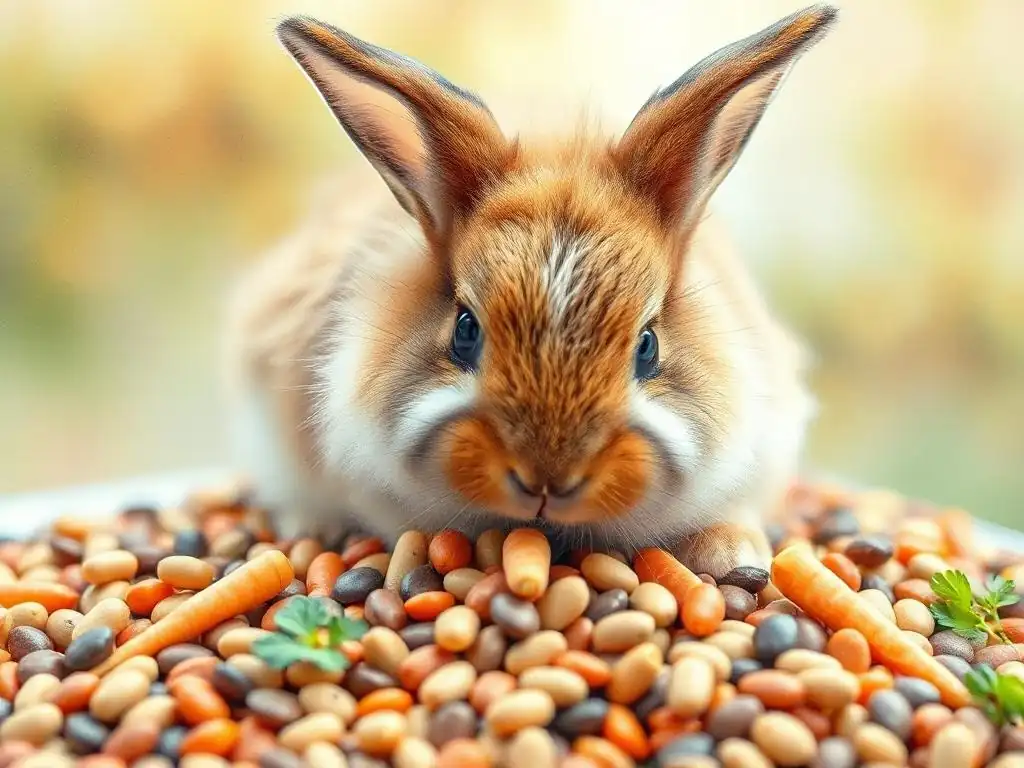
This section focuses on selecting the best rabbit pellet diet, a crucial aspect of responsible pet ownership. While the article title mentions birds, this section specifically addresses the nutritional needs of rabbits, a common pet often fed pellets. Understanding the nuances of pellet selection for rabbits ensures optimal health and well-being. Finding the best rabbit pellet diet requires careful consideration of several key factors. Let's delve into the details.
Selecting High-Quality Pellets: Ingredients to Look For and Avoid
The foundation of a good rabbit pellet diet lies in the quality of the ingredients. Avoid pellets with fillers like excessive amounts of grain (corn, wheat, etc. ), which offer minimal nutritional value and can contribute to obesity and digestive issues. Instead, prioritize pellets with a high fiber content, ideally from Timothy hay or other high-quality grasses. Look for pellets that list these ingredients prominently:
- Timothy hay: A crucial source of fiber for digestive health.
- Alfalfa (in moderation, especially for adult rabbits): A good source of calcium and protein, but should be limited in adult rabbits to prevent urinary issues.
- Other high-fiber grasses: Such as orchard grass or brome grass.
- Legumes (in limited quantities): Such as peas and beans, offering protein and other nutrients.
Conversely, steer clear of pellets containing:
- Artificial colors and flavors: These offer no nutritional benefit and can be detrimental to your rabbit's health.
- Sugars and molasses: These contribute to weight gain and dental problems.
- Meat by-products: These are generally not suitable for herbivores like rabbits.
Here's a simple table summarizing the ideal ingredients and those to avoid:
| Ideal Ingredients | Ingredients to Avoid |
|---|---|
| Timothy hay | Artificial colors & flavors |
| Alfalfa (in moderation) | Sugars and molasses |
| High-fiber grasses | Meat by-products |
| Legumes (limited quantities) | Excessive grains |
Remember, always check the ingredient list carefully and choose pellets with a clear and concise description of the ingredients, listed in order of predominance. A reputable brand will be transparent about their ingredients and manufacturing process.
Pellet Size and Shape: Adapting to Different Bird Species and Sizes
While this section is titled for bird species, it's important to note that pellet size and shape are also relevant for rabbits, though the considerations differ from birds. For rabbits, pellet size should be appropriate for their jaw structure and chewing ability. Larger pellets may be preferable for adult rabbits, while smaller pellets might suit younger rabbits or those with dental issues.
The shape is less critical than the size and ingredients, but uniform shapes ensure consistent chewing and nutrient intake. The optimal pellet size for your rabbit will depend on their breed, age, and overall health. Consult your veterinarian for guidance on choosing the appropriate pellet size for your individual rabbit.
Determining the Right Pellet Quantity: Avoiding Overfeeding and Underfeeding
Overfeeding or underfeeding pellets can both have negative consequences for your rabbit's health. Overfeeding leads to obesity, dental problems, and digestive issues. Underfeeding results in malnutrition and can compromise the immune system. The amount of pellets you feed should depend on your rabbit's size, age, activity level, and overall health. A general guideline is to offer a small amount of pellets daily, supplementing with unlimited access to high-quality hay. Think of pellets as a supplement, not the main component of their diet. Hay should make up the bulk (80-90%) of their daily intake.
It's crucial to monitor your rabbit's weight and body condition regularly. If you notice any significant changes, adjust the pellet quantity accordingly, always consulting with your veterinarian for personalized advice. Remember, every rabbit is different, and finding the right balance requires observation and attention to your pet's individual needs. A healthy, well-balanced diet is crucial for a long and happy life for your rabbit. 🐰
The Benefits of a Pellet-Based Diet for Various Bird Species
A pellet-based diet offers numerous advantages over seed-only diets for birds, contributing significantly to their overall health and well-being. Pellets provide a more complete and balanced nutritional profile, minimizing the risks associated with selective feeding common with seed mixes. This balanced approach helps prevent nutritional deficiencies and promotes optimal growth and development, especially crucial during a bird's formative years.
The carefully formulated composition of pellets ensures a consistent intake of essential vitamins, minerals, amino acids, and fatty acids, unlike seed mixes where birds may selectively consume only their preferred seeds, leading to imbalances. Moreover, a pellet diet can contribute to improved feather quality, stronger bones, and a robust immune system, reducing susceptibility to various illnesses. The convenience of providing a complete and balanced meal in a single form also simplifies feeding routines for busy pet owners.
This consistent nutritional intake contributes to a healthier, happier, and longer life for your feathered companion. Choosing the best rabbit pellet diet for your bird, however, requires careful consideration of species-specific needs.
Best Rabbit Pellet Diet for Small Birds: Specific Nutritional Requirements
Small birds, such as finches, canaries, and budgies, have unique nutritional requirements. Their high metabolic rates necessitate a diet rich in energy, and pellets specifically formulated for small birds usually contain higher levels of fat and protein to meet these demands. The pellet size is also crucial; small pellets are essential to prevent choking hazards and ensure easy consumption. Look for pellets that are specifically labeled for small birds and that contain added calcium for strong bones, and added vitamins A and D to support vision and immune function.
For example, a good quality pellet for small birds should contain at least 12% protein and 6% fat, along with added vitamins and minerals. Always monitor your bird's weight and adjust food intake accordingly. Observing their droppings can also be an indicator of digestive health and proper nutrient absorption.
Remember, a diverse diet that complements pellets with fresh fruits and vegetables (in moderation) is always beneficial. Avoid using pellets intended for larger birds as these might be too large or contain inappropriate nutrient levels. Choosing the right pellet size is paramount for the well-being of your small bird.
Best Rabbit Pellet Diet for Medium and Large Birds: Adapting Pellet Size and Composition
Medium and large birds, such as cockatoos, macaws, and Amazon parrots, have different nutritional needs compared to their smaller counterparts. They require pellets with a larger size and a slightly different nutrient profile. For example, larger birds often benefit from a lower fat content compared to smaller birds, while still requiring adequate protein for muscle development and maintenance.
Fiber is also an important component, aiding in digestion and preventing digestive issues. The best rabbit pellet diet for these birds should be formulated to meet their specific caloric requirements while providing a balanced mix of nutrients. The pellet size should be appropriate for their beak size and chewing ability.
Always check the manufacturer's recommendations and adjust the portion size according to your bird's size, activity level, and overall health. Additionally, supplementing the pellet diet with fresh fruits, vegetables, and occasional treats (in moderation) can provide a more diverse and enriching experience for your bird. Observing your bird's behavior and physical condition will help you assess the effectiveness of their diet.
Addressing Specific Dietary Needs: Pellets for Birds with Health Conditions (e.g., diabetes, obesity)
Birds with specific health conditions, such as diabetes or obesity, require specialized diets to manage their illnesses effectively. In such cases, selecting the right pellet becomes even more critical. For diabetic birds, pellets with a low glycemic index are essential to prevent blood sugar spikes. These pellets usually contain lower levels of sugars and carbohydrates while maintaining adequate protein and fiber.
For obese birds, pellets with a lower fat and calorie content are necessary to promote weight loss. These pellets will typically have a higher fiber content to increase satiety and aid in digestion. It's crucial to consult with an avian veterinarian to determine the best rabbit pellet diet for your bird's specific condition. They can help you select a pellet that meets your bird's unique nutritional needs and recommend appropriate portion sizes.
Remember, managing these conditions often requires a combination of dietary adjustments and other interventions, such as increased exercise and regular veterinary check-ups. Always follow your veterinarian's recommendations meticulously to ensure your bird receives the best possible care. Early intervention and careful diet management can significantly improve the health and quality of life for birds with health issues.
Transitioning Your Bird to a Pellet Diet: A Step-by-Step Guide
Switching your bird to a pellet-based diet, often considered the best rabbit pellet diet equivalent for avian companions, can be a significant change. A gradual and careful approach is crucial for success, minimizing stress and ensuring your feathered friend accepts this nutritional upgrade. Remember, a balanced diet is paramount for your bird's health and longevity. This process requires patience and observation. Don't rush the transition; your bird's well-being is the priority.
Gradual Introduction of Pellets: Minimizing Stress and Ensuring Acceptance
The key to a smooth transition is gradual introduction. Start by mixing a small amount of pellets (approximately 10-15%) into your bird's usual food. This allows them to become familiar with the new texture, smell, and taste without feeling overwhelmed. Over the next week, gradually increase the proportion of pellets while decreasing the amount of their previous food. Monitor your bird's intake closely. If they seem hesitant, slow down the process. Some birds are more resistant to change than others.
Consider the type of pellet. High-quality pellets, specifically formulated for your bird's species, are essential. Look for pellets that are low in fat and high in fiber, mimicking their natural diet as closely as possible. Read the ingredient list carefully; avoid pellets with artificial colors, flavors, or preservatives. A good quality pellet is a cornerstone of the best rabbit pellet diet equivalent.
Remember, patience is key. Some birds may take several weeks, even months, to fully transition to a pellet-based diet. Don't get discouraged if it takes time. Consistency is crucial.
Combining Pellets with Familiar Foods: A Smooth Transition Strategy
Instead of a sudden switch, consider incorporating pellets alongside familiar foods your bird enjoys. This approach helps to maintain a sense of routine and reduces the likelihood of food refusal. For example, if your bird typically eats seeds, continue offering a small amount of seeds alongside the increasing proportion of pellets. This familiar element can help alleviate anxiety and encourage them to explore the new food.
You can also try presenting the pellets in different ways. Some birds might be more inclined to eat pellets if they are scattered across the cage bottom, while others may prefer them in a food dish. Experiment to find what works best for your bird. Observe their behavior and adjust your strategy accordingly. This personalized approach is vital for successful dietary shifts. Remember, the goal is to make the transition as stress-free as possible.
Monitoring Your Bird's Health During the Transition: Identifying Potential Problems
Throughout the transition, closely monitor your bird's health. Look for any signs of digestive upset, such as changes in droppings (consistency, color, frequency), lethargy, decreased appetite, or weight loss. These could indicate that the transition is happening too quickly or that the pellets are not suitable for your bird.
Keep detailed records of your bird's food intake, droppings, and overall behavior. This information is invaluable if you need to consult an avian veterinarian. Early detection of any problems is crucial for prompt intervention and preventing more serious health issues. Regular weigh-ins can help track any weight changes.
If you notice any concerning symptoms, consult an avian veterinarian immediately. Their expertise can help ensure your bird receives the best possible care and nutrition. A healthy bird is a happy bird, and a balanced diet is the foundation of that health. Remember, finding the best rabbit pellet diet equivalent is only one step in providing optimal nutrition for your avian companion.
Maintaining a Healthy Diet: Beyond the Best Rabbit Pellet Diet
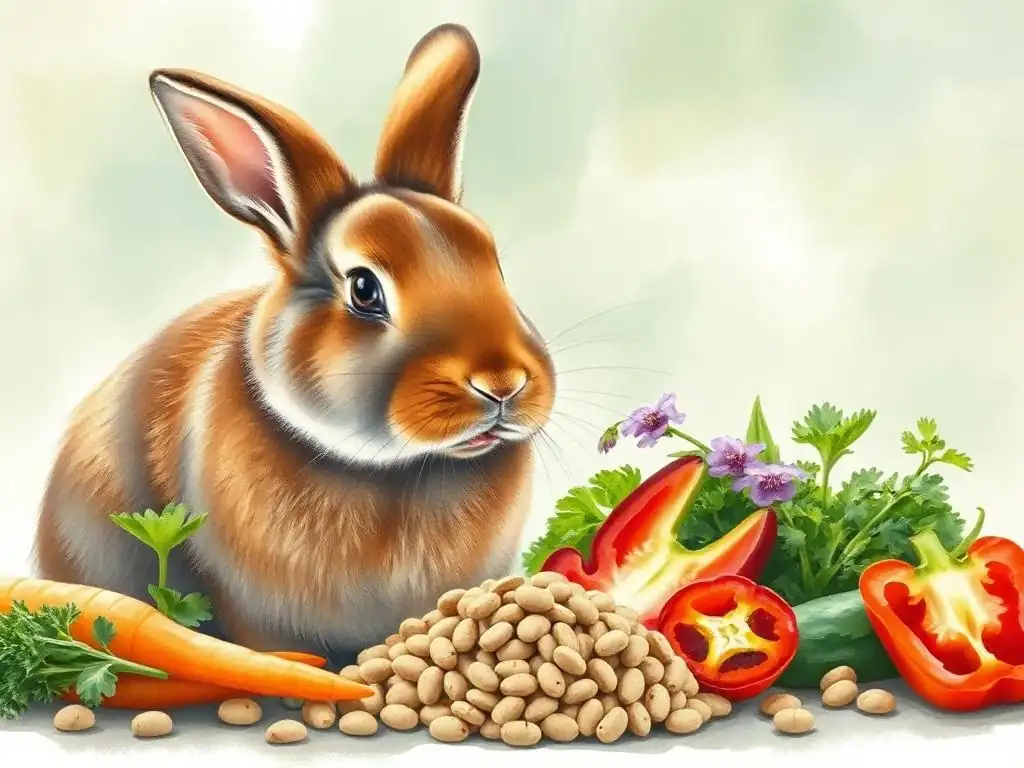
While finding the best rabbit pellet diet is a crucial first step in ensuring your bird's nutritional well-being, it's vital to understand that pellets alone don't constitute a complete and balanced diet. A healthy diet for birds requires a multifaceted approach, incorporating a variety of fresh foods and consistent monitoring. This section will delve into the essential supplementary components necessary to complement a high-quality pellet-based diet and maintain optimal health for your feathered friend.
Ignoring these supplementary elements can lead to nutritional deficiencies and subsequently impact your bird's overall health and longevity. Think of pellets as the foundation – a solid base – upon which you build a diverse and nutritious dietary structure.
Providing Fresh Fruits and Vegetables: Supplementing a Pellet-Based Diet
Fruits and vegetables are essential for providing your bird with vital vitamins, minerals, and antioxidants not always found in sufficient quantities in commercial pellets. A varied selection is key; monotony can lead to nutritional imbalances. Consider offering a range of options, rotating them regularly to prevent boredom and ensure a broad spectrum of nutrients.
For instance, a diet might include dark leafy greens like kale and spinach (excellent sources of Vitamin A and K), colorful bell peppers (rich in Vitamin C), and berries (packed with antioxidants). Remember to wash all produce thoroughly before serving to remove any pesticides or contaminants.
It's important to introduce new fruits and vegetables gradually, monitoring your bird's response for any signs of digestive upset. Some birds may be sensitive to certain foods, so careful observation is crucial. A good rule of thumb is to start with small portions and increase the amount gradually over several days. Keep a record of what you feed and any observed reactions to aid in identifying potential sensitivities. This detailed approach helps in tailoring the perfect supplementary diet for your individual bird. Remember, moderation is key; fresh produce should supplement, not replace, the pellet foundation of the diet.
Ensuring Access to Clean Water: Hydration is Crucial for Bird Health
Clean, fresh water is paramount for your bird's health. Dehydration can quickly lead to serious health problems, impacting various bodily functions. Always ensure a clean water source is readily available, ideally in more than one location within the cage. The type of water dish is also important; some birds prefer specific types of drinkers, while others might spill water more easily from certain designs. Experiment with different options to find what works best for your bird.
Regular cleaning is crucial. Change the water at least once daily, scrubbing the dish thoroughly to remove any algae or bacterial buildup. Stagnant water can quickly become a breeding ground for harmful bacteria, potentially leading to illness.
Consider using bottled spring water if tap water in your area has high mineral content, as excessive minerals can be detrimental to your bird's health. Monitoring water consumption can also be a valuable indicator of your bird's overall health; sudden changes in water intake may warrant a veterinary checkup. The availability of clean, fresh water is often overlooked, but it's a fundamental aspect of a healthy bird's lifestyle.
Regular Veterinary Checkups: Monitoring Your Bird's Overall Well-being
Even with the best rabbit pellet diet and a carefully planned supplementary food regimen, regular veterinary checkups are indispensable. Preventative care is far more effective and cost-efficient than treating established health problems. Annual checkups allow your avian veterinarian to assess your bird's overall health, detect potential issues early, and offer personalized advice on maintaining optimal well-being. These checkups should include a thorough physical examination, weight monitoring, and fecal tests to detect any parasites or intestinal issues.
Early detection of problems is key to successful treatment. Birds are masters at hiding illness, often showing symptoms only when the condition is quite advanced. Regular veterinary visits provide an opportunity for early intervention, improving the chances of a full recovery. Don't underestimate the importance of building a strong relationship with an avian veterinarian; their expertise will prove invaluable throughout your bird's life, providing guidance and support in maintaining its health and happiness. Remember, proactive care is the best way to ensure a long and healthy life for your beloved feathered companion.
Frequently Asked Questions
What are the benefits of feeding rabbits pellets?
Rabbit pellets provide a complete and balanced diet, offering essential nutrients often lacking in other foods. They are crucial for dental health, preventing overgrown teeth. Consistent pellet feeding is vital for a healthy rabbit.
How many pellets should I feed my rabbit daily?
The amount depends on your rabbit's size, age, and activity level. Consult a vet for personalized guidance. Generally, a small handful is sufficient for an adult rabbit, supplemented with hay.
Can I give my rabbit other foods besides pellets?
Yes, a varied diet is important. Unlimited hay should be the staple, with pellets as a supplement. Small amounts of fresh vegetables can be offered, but always introduce new foods gradually.
What should I look for when choosing rabbit pellets?
Look for pellets that are high in fiber and low in fat and sugar. Choose a brand specifically formulated for rabbits, avoiding those intended for other animals. Check the ingredient list for quality ingredients.
My rabbit won't eat the pellets I've bought. What should I do?
Try different brands or types of pellets. Gradually introduce new pellets by mixing them with the old ones. Consult your vet if your rabbit continues to refuse pellets, as this could indicate an underlying health problem.
Final Reflection: The Enduring Importance of a Balanced Diet for Rabbits
The health and happiness of our pet rabbits hinge directly on the quality of their diet, and choosing the best rabbit pellet diet is a crucial step in responsible pet ownership. A seemingly small detail like pellet selection can dramatically impact a rabbit's lifespan and overall well-being, affecting everything from their dental health to their energy levels. This underscores the urgent need for informed choices when caring for these sensitive creatures.
The ongoing discussion surrounding optimal rabbit nutrition highlights a broader societal shift towards more mindful pet care. We are increasingly aware of the profound connection between diet and animal health, moving beyond simply providing food to understanding the intricate nutritional needs of our companions. This resonates deeply with my own experience, witnessing firsthand the transformative effect of a balanced diet on my own rabbit. The best mirror is an old friend.
This holds true for our pets; their health reflects the care we provide, and a balanced diet is a cornerstone of that care.
Now, consider your own rabbit. What steps can you take today to ensure they receive the best possible nutrition? Are you confident in your current pellet choice? Take the time to research, compare, and choose a diet that truly supports your rabbit's unique needs. Remember, every pellet is a small step towards a longer, healthier, and happier life for your furry friend. Let's continue to learn and advocate for the best possible care for our beloved rabbits.
Unlock Your Pet's Potential: Fuel Their Thriving Life!
Thank you for exploring the world of balanced pet nutrition! We hope you've discovered valuable insights into the benefits of high-quality kibble. Ready to put this knowledge into practice?
Here's how you can help your furry friend flourish:
- Gradually transition your pet to a premium kibble diet. This ensures a smooth and healthy change in their eating habits. Begin by slowly mixing the new food with their current diet.
- Share your experiences with other pet owners – what positive changes have you seen since switching? Let's build a supportive community!
- Explore our website for more articles on pet nutrition and wellness. Discover recipes and tips for creating a balanced and enriching life for your beloved companion!
Ready to embark on this journey towards a healthier, happier pet? What small step will you take today to improve their well-being?