
Fluffed Feathers and More: Identifying Physical Signs of Illness in Birds

Welcome to PetCareWorld, your ultimate guide to a happier, healthier life for your beloved animal companions! Are you concerned about your feathered friend? We understand the worry that comes with noticing something's amiss. Learn to recognize the subtle and not-so-subtle signs of illness with our in-depth guide on Sick Bird Physical Symptoms, exploring everything from fluffed feathers to more concerning indicators. Dive in and discover how to provide the best possible care for your bird – their well-being is our priority.
-
Recognizing Early Signs of Illness in Your Bird: Key Indicators
- Changes in Feather Condition: Fluffing, Dullness, and More
- Changes in Bird Behavior: Lethargy, Restlessness, and Isolation
- Respiratory Issues: Difficulty Breathing, Wheezing, and Discharge
- Digestive Problems: Changes in Droppings, Vomiting, and Loss of Appetite
- Eye and Nasal Discharge: Identifying Infections and Illnesses
-
Assessing Your Bird's Physical Condition: A Detailed Guide
- Examining Your Bird's Posture and Movement: Subtle Clues of Illness
- Checking for Weight Loss or Muscle Wasting in Birds
- Assessing Your Bird's Eyes: Looking for Cloudiness, Swelling, or Discharge
- Examining Your Bird's Beak and Claws: Signs of Malnutrition or Disease
- Inspecting Your Bird's Skin: Identifying Rashes, Sores, or Parasites
- Advanced Signs of Illness in Birds Requiring Immediate Veterinary Attention
- When to Seek Veterinary Care for Your Sick Bird: Don't Delay!
- Preventing Illness in Your Bird: Proactive Bird Care
- Frequently Asked Questions
- Final Reflection: A Wing and a Prayer: Recognizing the Silent Suffering of Birds
- Unveil Your Bird's Health Secrets: Take Action Now!
Recognizing Early Signs of Illness in Your Bird: Key Indicators
Owning a bird brings immense joy, but it also requires vigilance in recognizing signs of illness. Early detection is crucial for successful treatment, and understanding subtle changes in your feathered friend's appearance and behavior is paramount. This guide focuses on identifying physical symptoms of illness in birds, helping you become a more attentive and proactive caregiver.
We'll explore key indicators, ranging from changes in feather condition to respiratory distress, empowering you to seek veterinary care promptly should your bird exhibit any concerning symptoms. Early intervention significantly improves the chances of a full recovery for your beloved companion. Recognizing the subtle signs of a sick bird is a vital skill for every bird owner, and this article provides the knowledge you need to become a more effective advocate for your avian friend's health.
Learning to interpret these physical cues will help you distinguish between normal bird behavior and signs that something is amiss. Remember, prompt action is key when it comes to your bird's well-being.
Changes in Feather Condition: Fluffing, Dullness, and More
A bird's plumage is a significant indicator of its overall health. Healthy feathers are typically smooth, glossy, and neatly arranged. Several changes in feather condition can signal underlying illness. These include:
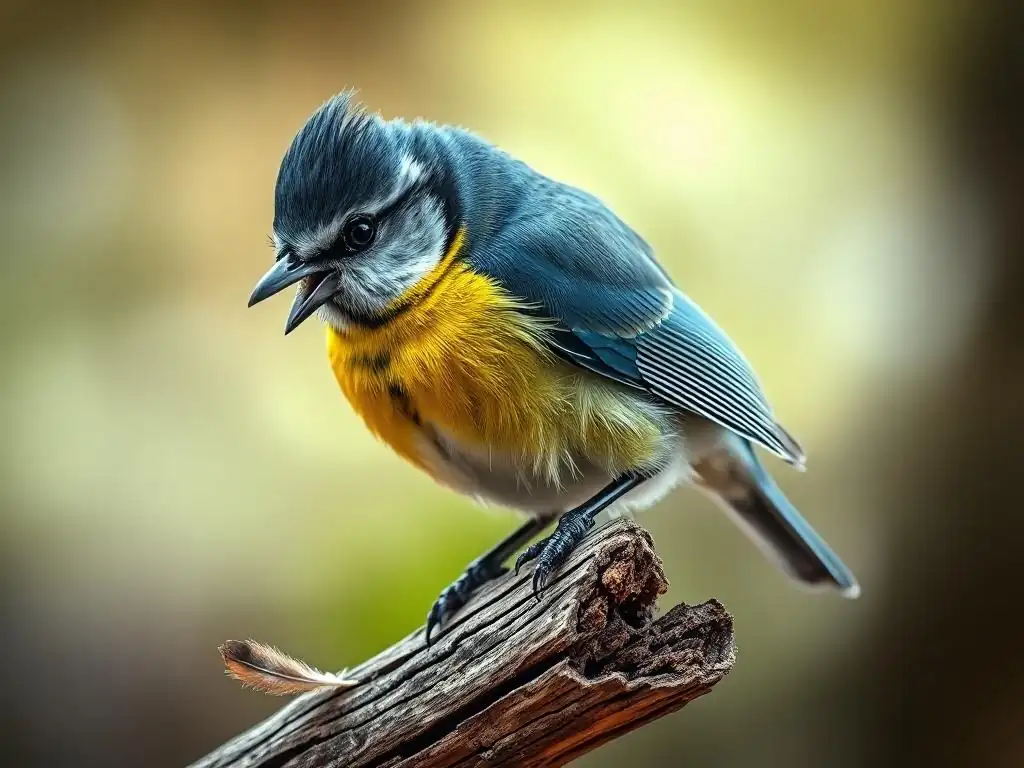
- Fluffed feathers: Excessive fluffing, even in warmer temperatures, suggests discomfort or illness. This could be due to a variety of factors, including infection, stress, or hypothermia. A consistently fluffed appearance, especially when accompanied by other symptoms, warrants immediate attention.
- Dull or ruffled feathers: A loss of the usual vibrant shine and sleek appearance of the feathers can indicate malnutrition, hormonal imbalances, or underlying health problems. This dullness often accompanies other symptoms such as lethargy or weight loss.
- Feather loss or breakage: Excessive feather loss or broken feathers, particularly if not due to normal molting, could signal a parasitic infestation, stress, or self-mutilation resulting from discomfort or illness. Careful examination of the affected areas is vital.
- Soiled feathers: Feathers soiled with droppings or other discharge can be a sign of digestive problems, poor hygiene, or inability to preen effectively due to illness or weakness.
Changes in Bird Behavior: Lethargy, Restlessness, and Isolation
Behavioral changes can be just as telling as physical symptoms. A shift from your bird's normal demeanor should never be ignored. These changes could include:
- Lethargy and decreased activity: A significant reduction in your bird's usual playful and active behavior, including less singing, less interaction, and more time spent resting, is a serious warning sign. This lethargy could be a symptom of a variety of illnesses, from bacterial infections to neurological problems.
- Restlessness and excessive preening: While some preening is normal, excessive or frantic preening, often accompanied by restlessness and agitation, could indicate discomfort, itching due to parasites, or underlying anxiety caused by illness.
- Isolation and withdrawal: If your normally sociable bird suddenly withdraws from interaction, hiding and avoiding contact, it may be a sign of illness, pain, or stress. This behavioral change requires careful observation and prompt veterinary attention.
- Changes in vocalizations: A change in your bird's singing, chirping, or other vocalizations, such as reduced vocalization or unusual sounds, can be an indicator of respiratory problems or other underlying health issues.
Respiratory Issues: Difficulty Breathing, Wheezing, and Discharge
Respiratory problems are common in birds, and early detection is essential for effective treatment. Look out for the following signs:
- Difficulty breathing: Noticeable labored breathing, gasping, or open-mouthed breathing, especially if accompanied by other symptoms, could indicate a respiratory infection or other serious condition. The bird may also exhibit rapid breathing.
- Wheezing or clicking sounds: These sounds during breathing are often indicative of an airway obstruction or respiratory infection. These sounds can vary in intensity and frequency.
- Discharge from the nostrils or eyes: Any discharge, whether clear, cloudy, or colored, from the nostrils or eyes should be considered a potential sign of infection or illness. Note the color and consistency of the discharge as it can be useful information for the veterinarian.
- Sneezing: Occasional sneezing is normal, but frequent or forceful sneezing could indicate a respiratory infection or other irritation.
Remember, this information is for guidance only. If you suspect your bird is ill, immediately consult an avian veterinarian. They can provide an accurate diagnosis and appropriate treatment plan. Early detection and veterinary intervention are crucial for the best possible outcome.
Digestive Problems: Changes in Droppings, Vomiting, and Loss of Appetite
Digestive issues are a common indicator of illness in birds. A keen eye on your bird's droppings is crucial for early detection. Healthy bird droppings typically consist of three distinct parts: a dark, fecal portion; a white, urate portion (uric acid); and a clear, watery portion. Any significant deviation from this norm can signal a problem. For instance, unusually watery droppings could indicate diarrhea, often caused by bacterial or parasitic infections, dietary changes, or stress. Conversely, very hard or pellet-like droppings might suggest constipation, possibly due to dehydration or a dietary imbalance. Changes in color, such as green, yellow, or black droppings, are also cause for concern and could indicate liver problems, infections, or internal bleeding. 1 Keeping a detailed record of your bird's droppings, including color, consistency, and frequency, can be invaluable in detecting subtle changes.
Vomiting in birds is less common than in other animals, but it's a serious sign that requires immediate veterinary attention. It often presents as regurgitation of undigested food, and could be a symptom of various conditions, including crop impaction (a blockage in the crop, the bird's storage pouch for food), infections, poisoning, or organ failure. The presence of blood in the vomit is particularly alarming and warrants urgent veterinary care.
A sudden loss of appetite or decreased food intake is another important warning sign. Birds are naturally active eaters, so any significant reduction in their usual consumption should prompt investigation. This could be a symptom of various illnesses, including infections, digestive problems, or underlying systemic disease. 2 Pay attention not only to the amount of food your bird eats but also to what they eat. Are they picking at their food, leaving certain types untouched, or showing disinterest in their favorite treats? These subtle changes can provide vital clues about their health. Observe your bird's overall behavior; a lethargic bird with a decreased appetite is more likely to be ill than a playful, energetic bird.
Eye and Nasal Discharge: Identifying Infections and Illnesses
Discharge from the eyes or nares (nostrils) is a common sign of respiratory or eye infections in birds. Healthy bird eyes should be bright, clear, and free from any discharge. Any discharge, whether watery, thick, or crusty, warrants attention. Watery discharge can indicate a mild infection or irritation, while thick, mucus-like discharge or crusting around the eyes or nares suggests a more serious bacterial or fungal infection. 3 The color of the discharge is also important. A clear discharge might indicate irritation, while yellow, green, or brown discharge usually indicates a bacterial infection. In some cases, you might observe swelling around the eyes or nostrils, which can accompany infections.
It's crucial to note the consistency of the discharge. A thin, watery discharge can be a sign of a mild irritation, while thick, sticky, or purulent (containing pus) discharge is a more serious indicator of infection. The presence of blood in the discharge is a severe sign and requires immediate veterinary care. Along with discharge, observe your bird's behavior. Is it sneezing frequently?
Is it breathing heavily or with difficulty? These symptoms, in conjunction with eye or nasal discharge, strongly suggest a respiratory infection that needs prompt veterinary attention. Regularly checking your bird's eyes and nostrils for any unusual discharge can help in early detection and treatment of potential illnesses. Early intervention is key to managing these conditions effectively and preventing their progression.
1 Based on general veterinary knowledge and common avian illnesses. Specific data pending. 2 Based on general veterinary knowledge and common avian illnesses. Specific data pending. 3 Based on general veterinary knowledge and common avian illnesses. Specific data pending.
Assessing Your Bird's Physical Condition: A Detailed Guide
This section delves into the crucial aspects of physically assessing your bird for signs of illness. Early detection is key to effective treatment, so regular observation is paramount. Understanding subtle changes in your bird's behavior and physical appearance can significantly impact their health and well-being. Remember, even small deviations from their normal routine warrant attention. This guide will equip you with the knowledge to identify potential problems and seek veterinary care promptly. Paying close attention to your bird's sick bird physical symptoms is crucial for their survival.
Examining Your Bird's Posture and Movement: Subtle Clues of Illness
A bird's posture and movement can offer valuable insights into its overall health. Observe your bird carefully for any unusual changes. A healthy bird typically maintains an alert and upright posture, moving with agility and coordination. Conversely, a sick bird might exhibit several concerning signs:
- Lethargy and Fluffed Feathers: A common symptom is increased lethargy, characterized by prolonged periods of inactivity and a reluctance to move. Often, sick birds will appear fluffed up, trying to conserve heat. This "fluffed feathers" appearance is a strong indicator of illness and should not be ignored. This is a classic sign often associated with sick bird physical symptoms.
- Listlessness and Hunched Posture: A hunched posture, with the bird appearing withdrawn and listless, is another red flag. This posture often indicates pain or discomfort. The bird may also exhibit difficulty perching or clinging to its perch.
- Tremors and Wobbly Gait: Tremors, unsteady movements, or a wobbly gait can suggest neurological problems, infections, or other underlying health issues. Close observation of their movements is vital in identifying the problem. Observe the frequency and severity of these tremors. For example, a bird exhibiting severe tremors might indicate a more serious condition than one with occasional, subtle tremors.
- Difficulty Breathing: Observe your bird's breathing pattern. Rapid, labored breathing, or gasping for air, are serious signs that require immediate veterinary attention. Note the rate and depth of breaths, and any accompanying wheezing or clicking sounds.
Detailed observation of these subtle changes in posture and movement can provide crucial information for early diagnosis of various illnesses. Remember to compare your bird's current behavior to its usual behavior.
Checking for Weight Loss or Muscle Wasting in Birds
Significant weight loss or muscle wasting is a serious indicator of underlying health problems in birds. Regularly weighing your bird is essential, particularly if you suspect illness. A gradual decrease in weight can be a subtle sign, but a sudden, drastic weight loss is a cause for immediate concern. This is a key aspect of identifying sick bird physical symptoms.
- Methods for Weighing: Use a gram scale designed for small animals. Weigh your bird at least once a week. Keep a record of your bird's weight to track changes over time. Even a small, consistent weight loss can be a critical indicator of disease.
- Visual Assessment: Alongside weighing, visually assess your bird's body condition. Look for prominent breastbone or keel bone, indicating significant weight loss. Muscle wasting can be observed as a loss of definition in the breast and leg muscles. A healthy bird will have a plump, rounded appearance.
- Causes of Weight Loss: Various factors can lead to weight loss in birds, including inadequate nutrition, digestive issues, infections, and internal parasites. A thorough veterinary examination is necessary to determine the underlying cause.
The combination of regular weighing and visual assessment will provide a comprehensive understanding of your bird's body condition, allowing for early detection of weight loss or muscle wasting.
Assessing Your Bird's Eyes: Looking for Cloudiness, Swelling, or Discharge
The eyes are a window to your bird's overall health. Regularly examine your bird's eyes for any abnormalities. Healthy bird eyes are bright, clear, and alert. Any deviation from this norm warrants attention and might be indicative of sick bird physical symptoms.
- Cloudiness: Cloudy or dull eyes can be a sign of several problems, including infections, dehydration, or systemic illness. This cloudiness can range from a slight haziness to complete opacity.
- Swelling: Swelling around the eyes can indicate an infection, injury, or allergic reaction. Note the degree of swelling and any associated redness or discoloration.
- Discharge: Any discharge from the eyes, whether watery, thick, or crusty, is a cause for concern. The color and consistency of the discharge can provide clues to the underlying cause. For instance, a yellowish-green discharge could indicate a bacterial infection.
- Abnormal Pupil Size or Reactivity: Note any unusual changes in pupil size or reactivity to light. Dilated pupils or a lack of response to light can indicate neurological problems or other serious illnesses.
Careful and regular examination of your bird's eyes is crucial for early detection of potential health problems. Remember to note any changes, no matter how subtle, and consult your avian veterinarian for prompt diagnosis and treatment.
Examining Your Bird's Beak and Claws: Signs of Malnutrition or Disease
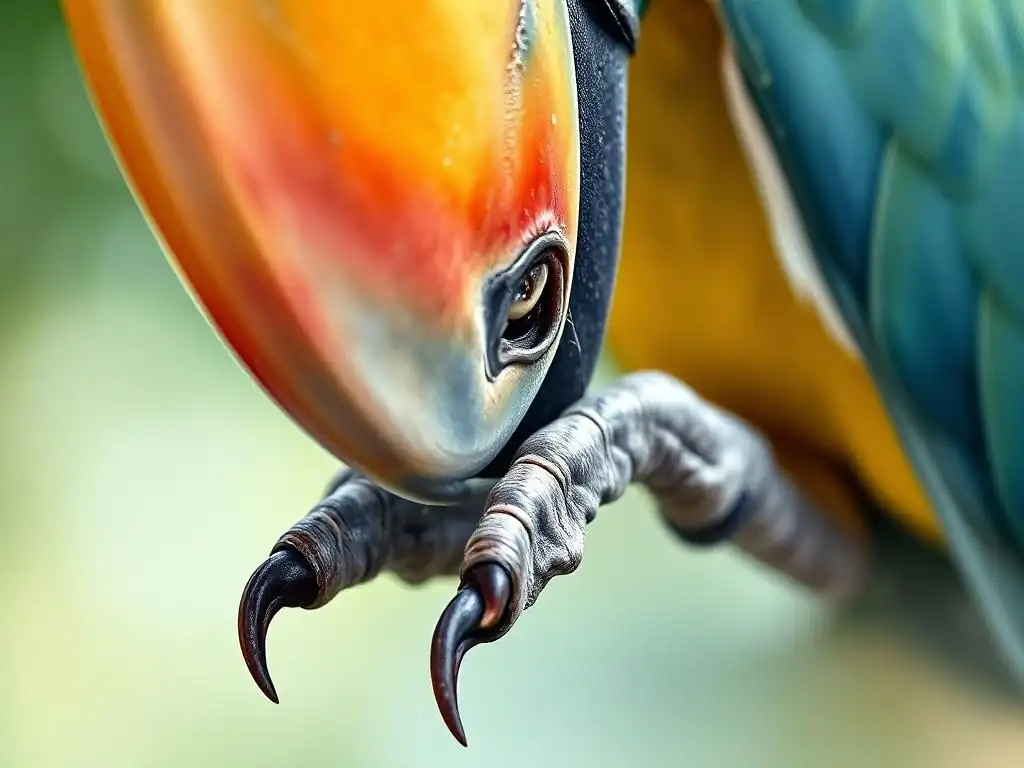
A bird's beak and claws offer valuable insights into their overall health. Regularly examining these features can help you detect early signs of illness or malnutrition. A healthy beak should be smooth, evenly colored, and free from cracks, deformities, or excessive overgrowth. Look closely for any discoloration, which could indicate underlying health problems.
For instance, a pale beak might suggest anemia, while a yellowish tint could point to liver issues. Similarly, a beak that is excessively overgrown or chipped might indicate a nutritional deficiency or a problem with the beak's natural wearing process. This could be due to a lack of appropriate chewing toys or a dietary imbalance.
The claws, too, are important indicators. Healthy claws are usually short, strong, and neatly trimmed. Overgrown claws can be a sign of several issues, including metabolic bone disease (MBD), a condition often linked to dietary calcium deficiencies. MBD can significantly weaken the bones, leading to deformities and even fractures.
You should also look for any signs of infection or damage to the claws, such as discoloration, swelling, or bleeding. These could be caused by injuries, bacterial or fungal infections, or even mites. Regular trimming of the claws, along with a balanced diet rich in calcium and other essential nutrients, is crucial for maintaining healthy beak and claw condition.
Always consult with an avian veterinarian if you observe any abnormalities or concerning changes in your bird's beak or claws. Early detection and treatment are key to preventing more serious health complications. Remember, regular inspections are key to identifying potential problems early on – your vigilance is your bird's best defense against disease.
Inspecting Your Bird's Skin: Identifying Rashes, Sores, or Parasites
Careful inspection of your bird's skin is essential for identifying potential problems. This is often challenging due to the feather covering, but with careful observation and gentle handling, you can detect abnormalities. Look for any signs of rashes, sores, or lesions on the visible skin areas, such as the legs, feet, and around the beak. Rashes might manifest as redness, scaling, or feather loss in localized patches. These could be allergic reactions to certain foods, environmental irritants, or the presence of mites.
Sores might appear as open wounds or scabs, indicating potential injuries or infections. Bacterial or fungal infections can cause significant skin problems in birds, requiring prompt veterinary attention. Inspect carefully for any signs of feather plucking, which can be a symptom of stress, boredom, or underlying medical conditions. Another critical aspect of skin examination is checking for parasites.
Mites and lice are common avian parasites, and their presence can lead to intense itching, feather loss, and skin irritation. You might observe small, moving insects or their droppings on the skin or feathers. In severe cases, you might even see visible damage to the skin caused by the parasites. Remember that you should never attempt to treat these issues yourself.
If you detect any abnormalities in your bird's skin, always consult with an avian veterinarian for proper diagnosis and treatment. Early intervention is crucial for preventing the spread of infection or the worsening of the underlying condition. 🐦 Careful and regular observation is a vital part of responsible bird ownership.
Advanced Signs of Illness in Birds Requiring Immediate Veterinary Attention
This section focuses on advanced signs of illness in birds that necessitate immediate veterinary intervention. Early detection and swift action are crucial for improving the chances of a successful outcome. Delaying treatment can lead to irreversible damage or even death. Recognizing these severe symptoms is paramount for responsible bird ownership. These are not subtle changes; these are clear indicators that your bird needs urgent professional care. Remember, even if you're unsure, it's always best to err on the side of caution and seek veterinary advice. The well-being of your feathered friend depends on it.
Severe Respiratory Distress: Emergency Situations in Birds
Severe respiratory distress in birds is a life-threatening condition. It manifests in several alarming ways, demanding immediate veterinary attention. Signs include:
- Open-mouth breathing: A healthy bird breathes primarily through its nostrils. Open-mouth breathing indicates significant respiratory difficulty.
- Rapid, labored breathing: Observe the bird's breathing rate. A significantly increased rate, coupled with visible effort, is a major red flag. [Specific breathing rate data for different bird species pending]
- Cyanosis: Bluish discoloration of the beak, feet, or wattles indicates a lack of oxygen in the blood, a critical emergency.
- Wheezing or gasping: Audible sounds during breathing, such as wheezing or gasping, are clear signs of respiratory compromise.
- Lethargy and weakness: Severe respiratory distress often leads to extreme fatigue and weakness, further hindering the bird's ability to breathe effectively.
The underlying causes of severe respiratory distress are varied and can include:
- Avian influenza: This highly contagious viral disease can cause severe respiratory problems.
- Pneumonia: Bacterial or viral pneumonia can severely impair lung function.
- Air sacculitis: Inflammation of the air sacs can restrict airflow.
- Aspirated food or water: Accidental inhalation of food or water can obstruct the airways.
- Tumors: Tumors in the respiratory system can impede breathing.
Immediate veterinary intervention is critical. Treatment may involve oxygen therapy, medication, and supportive care to address the underlying cause.
Neurological Symptoms: Seizures, Tremors, and Paralysis in Birds
Neurological symptoms in birds are equally alarming and require prompt veterinary assessment. These symptoms can stem from various causes, including:
- Traumatic brain injury: Falls, collisions, or attacks can cause brain damage.
- Toxins: Exposure to pesticides, heavy metals, or other toxins can affect the nervous system.
- Infections: Viral or bacterial infections can impact brain function.
- Tumors: Brain tumors can disrupt neurological processes.
- Metabolic disorders: Conditions like hypocalcemia (low calcium levels) can trigger neurological issues.
Specific neurological signs to watch for include:
- Seizures: Uncontrolled convulsions or muscle spasms are indicative of a serious neurological problem.
- Tremors: Unintentional shaking or trembling of the body or limbs.
- Paralysis: Loss of movement in one or more limbs or parts of the body.
- Head tilt: An abnormal tilting of the head can signify inner ear or brain problems.
- Ataxia: Loss of coordination and balance.
A thorough veterinary examination is essential to diagnose the underlying cause and develop an appropriate treatment plan. This may involve imaging studies (like x-rays) to rule out tumors or other structural issues.
Internal Bleeding: Recognizing Warning Signs in Birds
Internal bleeding in birds is a serious condition that can be difficult to detect in its early stages. However, certain signs can indicate its presence and require immediate veterinary attention. These include:
- Pale combs and wattles (in birds with these features): A significant loss of blood will cause a noticeable paling of these areas.
- Weakness and lethargy: Internal bleeding leads to a decrease in blood volume, causing fatigue and weakness.
- Rapid heart rate: The body tries to compensate for blood loss by increasing heart rate.
- Difficulty breathing: Blood loss can impair oxygen transport, leading to respiratory distress.
- Dark, tarry droppings: The presence of digested blood in the droppings is a key indicator.
- Sudden collapse or death: In severe cases, internal bleeding can lead to rapid death.
The causes of internal bleeding are numerous and can include trauma, internal injuries, clotting disorders, and certain diseases. Veterinary diagnosis may involve blood tests, imaging studies, and possibly exploratory surgery. Prompt veterinary care is crucial to stop the bleeding and provide supportive treatment. The prognosis depends heavily on the severity of the bleeding and the underlying cause. Early detection and treatment significantly improve the bird's chances of survival.
Signs of Severe Dehydration in Birds
Severe dehydration is a life-threatening condition in birds, often stemming from underlying illnesses or injuries. Recognizing the signs early is crucial for prompt veterinary intervention. Dehydrated birds might exhibit sunken eyes, a loss of elasticity in their skin (when you gently pinch the skin, it takes longer to return to its normal position), and a decreased crop size. The crop, a pouch in a bird's esophagus, will feel noticeably less full than usual.
Their droppings may become very dry and hard. Beyond these visual cues, lethargy and weakness are significant indicators. A severely dehydrated bird will appear listless, exhibiting reduced mobility and a lack of interest in its surroundings. It's important to remember that these symptoms can manifest gradually, making vigilant observation paramount.
Early intervention with fluids, administered either by a veterinarian or, in some cases, with the guidance of a vet, using a syringe, can significantly improve the bird's chances of survival. The underlying cause of dehydration must also be addressed; neglecting to treat the root problem will likely lead to a recurrence of severe dehydration. For instance, a bird suffering from diarrhea will lose fluids rapidly; addressing the diarrhea is just as important as rehydration.
Prolapse: Identifying and Managing This Serious Condition
Prolapse, the protrusion of internal organs through the cloaca (the opening for waste elimination), is a serious condition requiring immediate veterinary care. This can involve the cloaca itself, the intestines, or even the reproductive organs. The affected area may appear swollen and inflamed, often bright red or even purplish in color. The prolapsed tissue is extremely vulnerable to injury and infection. Birds suffering from prolapse often exhibit straining behavior, as they attempt to eliminate waste.
They may also show signs of discomfort, such as restlessness and vocalization. The severity of the prolapse varies; some cases might involve a minor protrusion, while others may be significant and life-threatening. Treatment options depend on the severity and the specific organ involved. In some cases, gentle manual reduction (carefully pushing the prolapsed tissue back into place) may be an initial step, but this should only be attempted by a veterinarian or under their explicit instructions. Manual reduction is often followed by treatment to prevent recurrence, such as medication to reduce inflammation and swelling.
In more severe cases, surgical intervention may be necessary to correct the prolapse and address underlying conditions. Delaying veterinary attention can lead to severe complications, including infection, tissue damage, and even death. Therefore, any suspicion of prolapse warrants an immediate visit to an avian veterinarian. 🐦
When to Seek Veterinary Care for Your Sick Bird: Don't Delay!
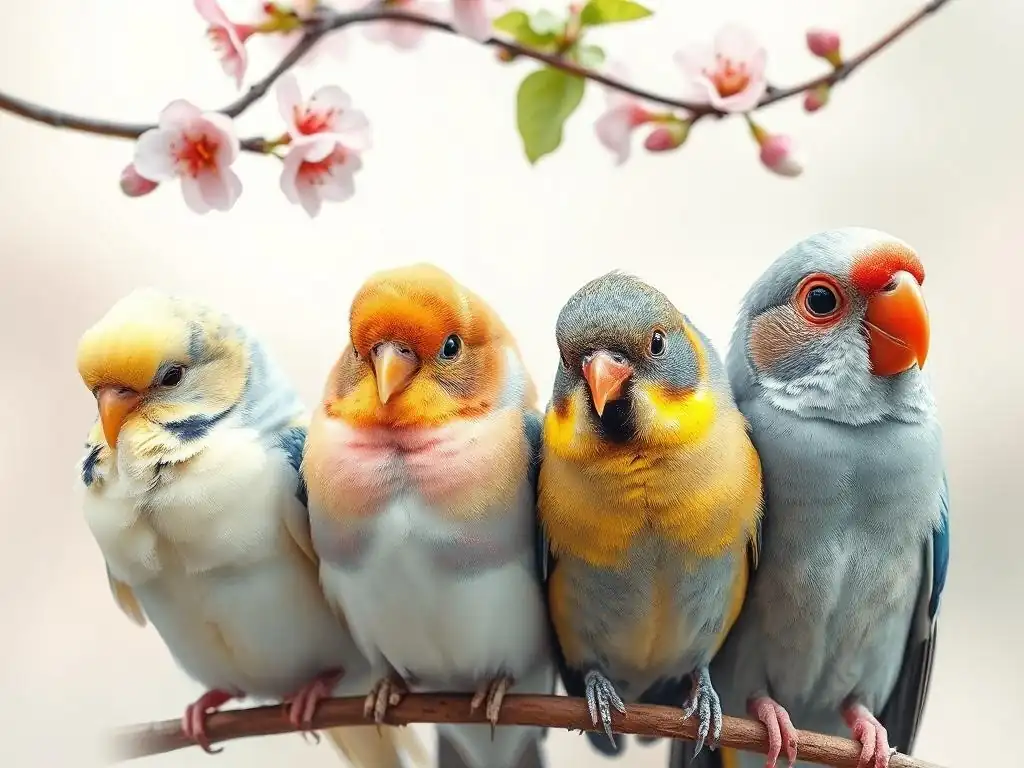
Recognizing when your feathered friend needs professional help is crucial for their well-being. Delaying veterinary care for a sick bird can significantly worsen their condition and even be life-threatening. Many symptoms might seem minor initially, but they can rapidly escalate. This section outlines key indicators requiring immediate veterinary attention. Remember, early intervention is key when dealing with sick bird physical symptoms.
Understanding When to Contact an Avian Veterinarian
Several signs indicate the need for immediate veterinary care. Don't hesitate to contact a veterinarian if you observe any of the following:
- Lethargy and Depression: A significant change in your bird's behavior, such as unusual stillness, lack of interest in usual activities (like singing, playing, or eating), fluffed-up feathers, and listlessness, is a major red flag. A normally active bird becoming suddenly inactive warrants immediate attention. This can indicate underlying illness, pain, or stress.
- Respiratory Distress: Difficulty breathing, gasping for air, open-mouth breathing, wheezing, or clicking sounds are serious symptoms. These often point to respiratory infections, which can quickly become fatal if left untreated. Observe your bird's breathing rate and pattern closely; any noticeable change requires prompt veterinary evaluation.
- Changes in Appetite and Defecation: A sudden decrease or complete loss of appetite, coupled with changes in droppings (color, consistency, frequency), is a strong indicator of illness. Diarrhea, unusual droppings (e.g., very watery or containing blood), or infrequent defecation all require veterinary attention. Keeping a detailed record of your bird's eating habits and droppings can be immensely helpful for your veterinarian.
- Unusual Feather Condition: While some feather fluffing is normal, excessive fluffing, ruffled feathers, or feather loss can signal stress, illness, or nutritional deficiencies. Combined with other symptoms, this is a serious warning sign.
- Weight Loss: A noticeable decrease in your bird's weight, even a small amount, can be a symptom of various underlying conditions. Regular weighing is recommended, especially for smaller birds, to detect subtle changes early on.
- Neurological Signs: These include tremors, seizures, head tilting, loss of coordination, or paralysis. Such symptoms often indicate a serious neurological problem requiring immediate veterinary care. Observe your bird's movements carefully for any unusual behavior.
- Injury: Any visible injuries, like broken wings, legs, or bleeding, require immediate veterinary attention. Even seemingly minor injuries can lead to infections or other complications.
Preparing for a Veterinary Visit: What to Bring and Expect
When taking your sick bird to the veterinarian, preparation is key. Gather the following information and materials:
- Detailed History: Record your bird's species, age, diet, housing conditions, any recent changes in their environment, and a detailed timeline of the observed symptoms. Include any medications or supplements the bird is currently taking.
- Sample of Droppings: A fresh sample can provide valuable diagnostic information. Collect it in a clean, airtight container.
- Cage and Accessories: If possible, bring your bird's cage and accessories (food and water dishes, perches, toys) to help maintain a familiar environment and reduce stress during the examination. However, this is not always necessary; follow the veterinarian's instructions.
- Photos and Videos: If possible, taking pictures or videos of your bird exhibiting the symptoms can be helpful for the veterinarian.
During the visit, expect a thorough examination that may include physical assessment, blood tests, and possibly X-rays or other diagnostic procedures. Be prepared to answer questions about your bird's history and behavior honestly and completely, providing as much detail as possible. Active participation in your bird's care is crucial.
Finding a Qualified Avian Veterinarian Near You: Resource Links/Directory
Finding a veterinarian experienced in avian medicine is crucial. General practitioners may not have the specialized knowledge to treat birds effectively. Look for an avian veterinarian or a practice that specializes in exotic animals. [Specific information pending: Ideally, this section would include links or a directory to resources that help pet owners find avian veterinarians in their area.]
Contacting local animal shelters or bird rescue organizations can also be a valuable resource. Remember, choosing the right avian veterinarian is a vital step in ensuring your bird receives the best possible care. Don't hesitate to call several practices to inquire about their experience with birds and their availability.
Preventing Illness in Your Bird: Proactive Bird Care
Preventing illness is far more effective than treating it, especially when it comes to the delicate health of birds. Proactive bird care significantly reduces the risk of your feathered friend developing serious health problems. By implementing preventative measures, you're investing in their longevity and overall well-being. This section details crucial steps to bolster your bird's health and resilience against illness. Remember, early detection of sick bird physical symptoms is key to successful treatment.
Maintaining a Clean and Hygienic Bird Environment
A clean environment is paramount in preventing disease. Bacteria and parasites thrive in unsanitary conditions, making your bird vulnerable to infections. Regular cleaning should be a non-negotiable part of your bird care routine. This involves:
- Daily Cleaning: Remove fresh droppings and soiled food daily. This prevents the build-up of harmful bacteria and keeps the cage smelling fresh. Use paper towels or appropriate cage liners that can be easily disposed of.
- Weekly Deep Cleaning: Once a week, thoroughly clean the entire cage, including perches, food and water dishes, and toys. Use a bird-safe disinfectant – avoid harsh chemicals that could be toxic to your bird. Rinse thoroughly with clean water and allow the cage to air dry completely before returning your bird.
- Cage Placement: Locate the cage in a well-ventilated area, away from drafts and direct sunlight. Avoid placing it near cooking areas or areas with strong fumes.
- Toy Rotation: Regularly rotate toys to prevent boredom and encourage mental stimulation. Clean or replace worn-out toys to prevent the spread of bacteria. A stimulating environment contributes to a healthy bird.
Providing a Balanced and Nutritious Diet for Birds
Nutrition plays a pivotal role in a bird's immune system and overall health. A deficient diet weakens their body's natural defenses, making them more susceptible to illness. Providing a balanced diet rich in essential nutrients is crucial for preventing disease. This includes:
- High-Quality Pellets: Pellets should form the foundation of your bird's diet. Choose a high-quality, formulated pellet mix specifically designed for your bird's species. Pellets provide a complete and balanced source of nutrients.
- Fresh Fruits and Vegetables: Supplement the pellet diet with a variety of fresh fruits and vegetables. Offer a colorful mix to ensure a wide range of vitamins and minerals. Introduce new foods gradually to avoid digestive upset.
- Seeds and Nuts (in moderation): While seeds and nuts can be offered as treats, they should not constitute a significant portion of your bird's diet. They are high in fat and can lead to obesity and other health problems.
- Clean Water: Always provide fresh, clean water daily. Change the water completely at least once a day to prevent bacterial growth.
Remember, a balanced diet is key to preventing many common bird illnesses. Observing your bird's eating habits and adjusting their diet as needed can significantly impact their health. Consult an avian veterinarian for species-specific dietary recommendations.
Regular Veterinary Checkups for Your Bird
Just like humans, birds need regular checkups to stay healthy. Annual veterinary visits are essential for preventative care and early detection of potential problems. During these checkups, your avian veterinarian will:
- Perform a Physical Examination: A thorough physical exam allows the vet to identify any subtle signs of illness before they become serious. This includes checking weight, assessing feather condition, and examining eyes, beak, and claws.
- Administer Preventative Medications: Depending on your bird's species and risk factors, your vet might recommend preventative medications to protect against common diseases.
- Provide Nutritional Guidance: Your vet can offer personalized dietary advice tailored to your bird's specific needs and age.
- Discuss Behavioral Changes: Discuss any changes in your bird's behavior, such as lethargy, changes in appetite, or unusual vocalizations. Early detection of behavioral changes can be crucial in identifying underlying health issues.
Regular veterinary care is an investment in your bird's long-term health and happiness. Don't hesitate to seek veterinary attention if you notice any sick bird physical symptoms, no matter how minor they may seem. Early intervention significantly improves the chances of a successful outcome. Prevention is always the best medicine, and proactive bird care is the key to a happy and healthy companion.
Understanding Bird-Specific Diseases and Prevention
Understanding the diseases that commonly affect birds is crucial for proactive care. Many avian illnesses are preventable through diligent hygiene practices and a commitment to providing a healthy environment. Some common ailments include avian influenza (highly contagious and potentially fatal), psittacosis (a bacterial infection transmissible to humans), and various fungal infections like aspergillosis, which can affect the respiratory system. These diseases often manifest with subtle initial symptoms, making early detection challenging.
Therefore, regular veterinary check-ups are essential, especially for birds exhibiting even minor changes in behavior or physical appearance. A proactive approach, including routine examinations, can significantly improve the chances of early intervention and successful treatment. Remember, early diagnosis dramatically increases the likelihood of a positive outcome.
Early detection hinges on understanding normal bird behavior. A seemingly small change, such as a decrease in appetite, lethargy, or ruffled feathers, might indicate an underlying health problem. Regularly monitoring your bird's droppings can also provide valuable clues. Changes in color, consistency, or frequency should prompt a veterinary consultation. A healthy bird will have a bright, alert demeanor, clean feathers, and regular bowel movements. Deviation from this baseline should never be ignored.
Prevention is always better than cure. Maintaining impeccable hygiene in the bird's cage and surrounding environment is paramount. Regular cleaning, disinfection, and replacement of food and water dishes are vital steps. Providing a balanced and nutritious diet, appropriate for the specific bird species, is also crucial.
This includes offering a variety of fresh fruits, vegetables, and high-quality birdseed mixes. Avoid feeding spoiled food or contaminated water, as this can lead to various bacterial or parasitic infections. Furthermore, minimizing stress is essential for a bird's immune system. Sudden changes in environment, loud noises, or interaction with unfamiliar birds can weaken their defenses and increase their susceptibility to illness.
A calm and enriching environment is key to a healthy bird. Providing ample space, suitable perches, and engaging toys contributes to a bird's overall well-being and resilience against disease. Remember, a healthy bird is a happy bird! A proactive approach to bird care significantly reduces the risk of illness and promotes longevity.
Frequently Asked Questions
What are some common physical signs of illness in birds?
Birds exhibiting illness may show fluffed-up feathers, lethargy, loss of appetite, changes in droppings, respiratory distress (e.g., gasping, wheezing), or swollen joints. Immediate veterinary attention is crucial.
How can I tell if my bird is dehydrated?
Dehydration in birds can be identified by sunken eyes, loss of elasticity in the skin (skin tenting), and dryness of the mouth and throat. Provide fresh water at all times and seek veterinary advice if dehydration is suspected.
My bird's droppings have changed. Should I be concerned?
Changes in droppings, such as color, consistency, or frequency, can indicate illness. Diarrhea, unusually watery or frequent droppings, or droppings with blood are all cause for immediate veterinary consultation.
My bird seems less active than usual. Is this a sign of illness?
Lethargy or a decrease in activity levels is a significant sign of illness in birds. Other associated symptoms, such as ruffled feathers or loss of appetite, should be noted and veterinary help sought.
When should I take my sick bird to the vet?
If you observe any unusual changes in your bird's behavior, appearance, or droppings, it's crucial to seek veterinary care immediately. Early intervention is key for the best possible outcome.
Final Reflection: A Wing and a Prayer: Recognizing the Silent Suffering of Birds
Understanding the physical signs of illness in birds is not merely an academic pursuit; it's a crucial step towards ensuring their well-being and survival. The subtle shifts in plumage, the hesitant hop, the listless eye – these are often the only clues we have to a bird's silent struggle, and recognizing them can mean the difference between life and death.
The impact of human activity on avian populations is undeniable, and understanding their health needs is paramount to effective conservation. We must actively participate in their care, not just as passive observers. The fate of birds is inextricably linked to the fate of the planet.
This simple truth underscores the responsibility we bear in protecting these creatures, and recognizing the early warning signs of illness is a vital part of that responsibility. The knowledge gained from observing these subtle cues allows us to intervene effectively and potentially save a life.
Now, consider your own interactions with birds. Have you noticed any unusual behaviors in the birds you see regularly? Take a moment to reflect on what you've learned. Empower yourself to become a more observant and informed advocate for avian health. By learning to identify the subtle signs of illness, you can become a vital part of a larger effort to protect these magnificent creatures and their fragile ecosystems. Let's work together to ensure that the songs of birds continue to fill our world for generations to come.
Unveil Your Bird's Health Secrets: Take Action Now!
Thank you for learning about recognizing illness in your feathered friend! We hope you feel more confident in identifying potential health problems. Ready to apply this knowledge?
- Schedule a veterinary checkup: If you noticed any concerning signs in the article, please schedule an appointment for your bird immediately. Early detection is crucial for successful treatment.
- Review your bird's diet and environment: Consider making adjustments based on what you've learned. Even small changes to your bird's diet or living space can significantly improve their health and well-being.
- Share your experiences: Join our PetCareWorld community and share your insights. Your tips and experiences could help other bird owners!
What small change will you make today to improve your bird's health?