
The Cost of Reptile Substrates: Budgeting for Your Terrarium

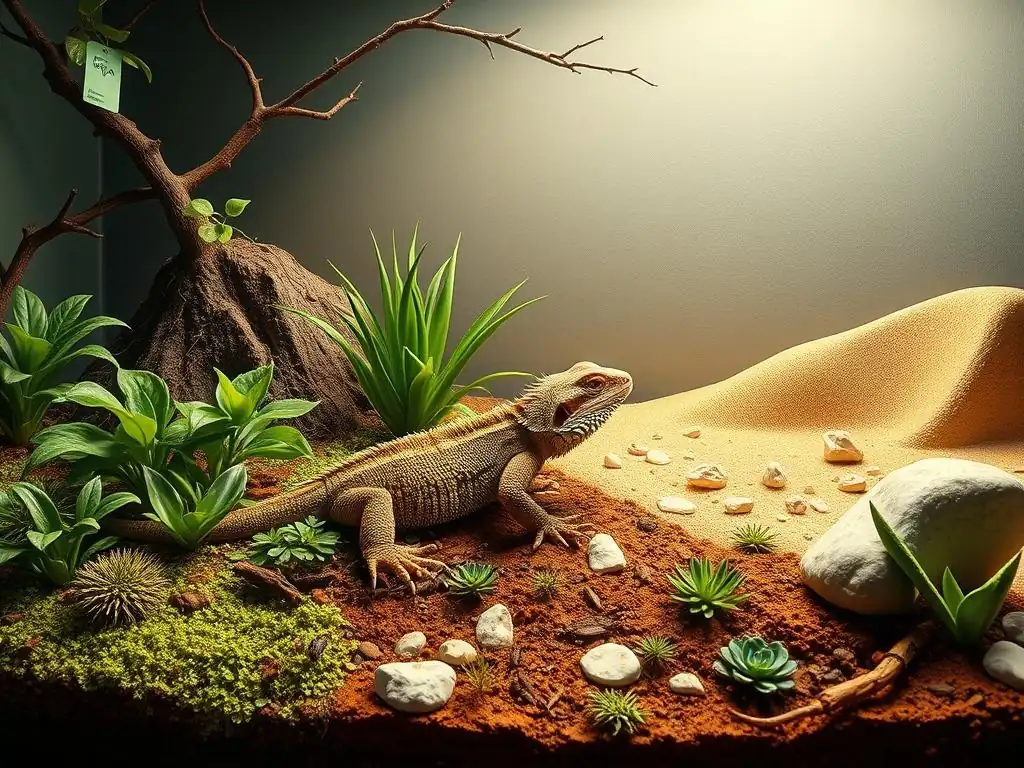
Welcome to PetCareWorld, your ultimate guide to a happier, healthier life for your beloved companion! Are you ready to dive into the fascinating world of reptile care? We've compiled an essential Reptile Substrate Cost Guide to help you budget effectively for your terrarium, ensuring your scaly friend thrives in a safe and stimulating environment. Discover how to balance quality and cost, and unlock the secrets to creating the perfect habitat – read on to learn more!
- Understanding Reptile Substrate Costs: A Comprehensive Guide
- Budgeting for Your Reptile's Substrate Needs
- Choosing the Right Reptile Substrate: Balancing Cost and Quality
- Reptile Substrate Cost Comparison: Popular Choices
- Saving Money on Reptile Substrates: Tips and Tricks
- Maintaining Your Reptile's Habitat: Cost-Effective Practices
- Long-Term Cost Considerations for Reptile Substrate
- Frequently Asked Questions
- Final Reflection: The Enduring Investment in Reptile Welfare
- Unlock Your Reptile's Paradise: Budget Smarter, Thrive Together
Understanding Reptile Substrate Costs: A Comprehensive Guide
Creating a thriving terrarium for your reptile requires careful consideration of many factors, and among the most important is the substrate. Choosing the right substrate isn't just about providing a comfortable environment; it directly impacts your reptile's health and well-being. However, the cost of reptile substrates can vary significantly, making budgeting a crucial aspect of responsible reptile ownership.
This comprehensive guide will delve into the various factors that influence the price of reptile substrates, helping you make informed decisions and avoid unexpected expenses. We'll explore everything from the type of substrate to the retailer, equipping you with the knowledge to create a perfect habitat without breaking the bank. This guide will serve as your ultimate "Reptile substrate cost guide", enabling you to confidently navigate the world of terrarium materials.
Factors Influencing Reptile Substrate Prices
Several key factors contribute to the overall cost of reptile substrates. Understanding these factors will allow you to make more informed purchasing decisions and better manage your terrarium budget. Let's examine these factors in detail:
Substrate Type and Material: Comparing Prices of Different Substrates
The type of substrate you choose dramatically affects the price. For example, simple materials like newspaper or paper towels are extremely inexpensive, often costing less than $5 for a large roll. However, more specialized substrates like cypress mulch, coconut fiber, or specialized bioactive substrates can range significantly in price.
Cypress mulch, for instance, tends to be a more budget-friendly option compared to the more premium bioactive mixes, which can cost upwards of $20-$30 for a smaller quantity, depending on the brand and ingredients. The price difference often reflects the quality, processing, and added benefits (like enhanced humidity retention or beneficial bacteria) of the higher-end products.
Substrate Quantity and Packaging Size: Bulk vs. Smaller Packs
Buying substrates in bulk generally results in lower per-unit costs. Smaller bags or containers, while convenient for smaller terrariums or initial setups, usually command a higher price per cubic foot or liter. Purchasing larger quantities, especially for larger enclosures or long-term use, can lead to significant savings in the long run. Consider the size of your terrarium and your reptile's needs when deciding on the optimal quantity to purchase. For example, a 20-gallon terrarium might only require a small bag, while a larger enclosure might necessitate a much larger, more cost-effective bulk purchase.
Brand and Quality: Premium vs. Budget-Friendly Options
Just like with many other products, brand recognition and quality often correlate with price. Established brands known for their high-quality reptile substrates and commitment to natural ingredients might charge a premium. However, these brands often offer superior substrate consistency, moisture retention, and overall performance, potentially offsetting the higher initial cost through longer lifespan and better terrarium health. Budget-friendly options are available, but it's crucial to carefully research the ingredients and potential drawbacks before making a purchase.
Retailer and Location: Online vs. Local Pet Stores
The price of reptile substrates can fluctuate depending on where you buy them. Online retailers often offer competitive pricing and a wider selection, but shipping costs can add to the overall expense. Local pet stores may offer slightly higher prices but eliminate shipping fees and provide the convenience of immediate access. Comparing prices from different retailers, both online and local, is essential for finding the best deal. Consider factors like sales, discounts, and loyalty programs when making your decision.
Additional Costs: Decorations and Accessories
While not directly part of the substrate itself, remember to factor in additional costs associated with creating a complete and enriching terrarium environment. Decorations like rocks, branches, hides, and plants can add considerably to the overall setup cost. These elements are crucial for your reptile's well-being, providing enrichment and opportunities for natural behaviors, but they should be considered part of your overall budgeting process for a complete and thriving terrarium.
Budgeting for Your Reptile's Substrate Needs
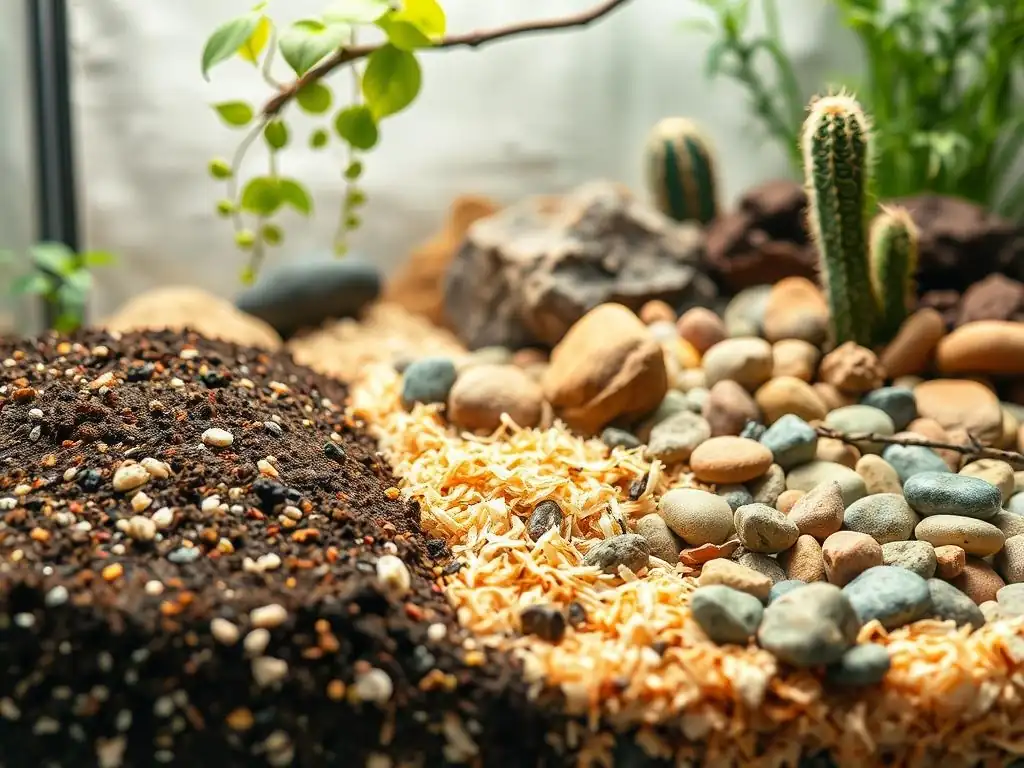
This section provides a practical guide to help you effectively budget for your reptile's substrate. Understanding the costs associated with substrate is crucial for responsible reptile ownership. This guide focuses on calculating substrate needs, estimating costs based on various substrate types and quantities, and creating a realistic budget for regular substrate replacement. Accurate budgeting ensures your reptile's environment remains healthy and hygienic, minimizing unexpected expenses. We'll explore how terrarium size, substrate type, and frequency of replacement significantly impact the overall cost. By the end, you'll have the tools to create a comprehensive reptile substrate budget.
Calculating Substrate Requirements Based on Terrarium Size
Accurately determining the amount of substrate needed is the first step in creating a realistic budget. This calculation directly impacts your overall expenditure. The amount of substrate depends primarily on the terrarium's dimensions and the desired depth. Reptiles require varying substrate depths depending on their species and burrowing habits.
For example:
- Small Terrarium (e.g., 12" x 12" x 12"): A small reptile like a leopard gecko might only need 2-3 inches of substrate, which translates to approximately 0.5-0.75 cubic feet.
- Medium Terrarium (e.g., 24" x 18" x 18"): A larger reptile like a bearded dragon might need 4-6 inches of substrate, requiring roughly 2.5-3.5 cubic feet.
- Large Terrarium (e.g., 48" x 24" x 24"): A species needing extensive burrowing, like a corn snake, may necessitate 6-8 inches of substrate, potentially using 8-12 cubic feet or more.
Remember to always research your specific reptile's needs before determining substrate depth. Using a simple cubic feet calculator (easily found online) can aid in your calculations. Failing to accurately assess your needs can lead to either unnecessary expense or, worse, an insufficient amount of substrate, negatively impacting your reptile's well-being. Always err on the side of having slightly more substrate than you initially calculate.
Estimating Costs Based on Substrate Choice and Quantity
Substrate costs vary significantly based on material and supplier. Popular choices include:
| Substrate Type | Typical Cost per Cubic Foot (USD) | Notes |
|---|---|---|
| Aspen shavings | $5 - $15 | Widely available, affordable, absorbent. |
| Cypress mulch | $8 - $20 | Good moisture retention, suitable for some species. |
| Coconut fiber (Coco Coir) | $10 - $25 | Holds moisture well, natural, good for humidity. |
| Repti Bark | $15 - $30 | Decorative, good drainage, some moisture retention. |
| Soil mixes (custom blends) | $15 - $40+ | Can be expensive but offer highly specific properties. |
These prices are estimates and can fluctuate based on location and retailer. Bulk purchases often result in lower per-unit costs. Consider the lifespan of the substrate; some require more frequent changes than others. For example, aspen shavings might need replacing more frequently than coco coir, impacting the overall annual cost. Always factor in the long-term cost of maintaining your reptile's terrarium environment. Choosing a cheaper substrate that requires more frequent replacement might end up costing more in the long run than a more expensive, longer-lasting option.
Creating a Realistic Budget for Substrate Replacement
Substrate replacement is an ongoing cost. The frequency depends on factors such as the type of substrate, the size of the terrarium, and the cleanliness habits of your reptile. To create a realistic budget:
- Determine Replacement Frequency: Research your reptile's specific needs and the typical lifespan of your chosen substrate. Some substrates may only need spot cleaning, while others require complete replacement every few months or even annually.
- Calculate Annual Substrate Cost: Multiply the cost per cubic foot by the number of cubic feet needed for a replacement. Then, multiply this by the number of replacements you anticipate per year. For instance, if you need 3 cubic feet of aspen shavings at $10/cubic foot and replace it twice a year, your annual substrate cost is $60.
- Include Contingency: Unexpected events, such as spills or accidents, can necessitate additional substrate purchases. Including a small contingency in your budget accounts for these unforeseen circumstances. A 10-20% buffer is a good starting point.
- Track Expenses: Keep records of your substrate purchases to monitor your spending and refine your budget over time. This helps you understand your long-term reptile care expenses. This detailed approach helps ensure you're not caught off guard by unexpected costs associated with maintaining a healthy and thriving environment for your reptile.
Exploring Cost-Effective Substrate Alternatives
Choosing the right reptile substrate is crucial for maintaining a healthy and comfortable environment for your scaly friend. However, some commercially available substrates can be surprisingly expensive. Fortunately, there are several cost-effective alternatives that can provide similar benefits without breaking the bank. Careful consideration of your reptile's specific needs is paramount, as not all budget-friendly options are suitable for every species.
One popular and affordable choice is coconut fiber. Often sold as compressed bricks, coconut fiber expands significantly when hydrated, offering a substantial volume for a relatively low price. It's excellent at retaining moisture, making it ideal for species that require higher humidity levels, such as many tropical rainforest dwellers.
However, it's important to ensure proper ventilation to prevent mold and mildew growth. Regularly monitoring the substrate's moisture content and ensuring good air circulation is key to preventing potential health issues for your reptile. Some owners even find that mixing coconut fiber with other substrates, like cypress mulch, can improve drainage and aeration.
Another budget-friendly option is paper towels. While seemingly simplistic, paper towels offer a sterile and easily disposable substrate, particularly useful for quarantine situations or during the rehabilitation of sick reptiles. Their absorbent nature is advantageous for maintaining cleanliness, and they're readily available at most grocery stores. However, paper towels lack the aesthetic appeal and environmental enrichment of more natural substrates. They don't retain humidity well and need frequent changing, potentially increasing the long-term cost despite the initial low purchase price. They are best suited for temporary use or specific situations rather than as a permanent terrarium substrate.
Finally, consider organic topsoil. This option offers a more natural look and feel, mimicking the reptiles' natural habitat. It provides excellent drainage and aeration, reducing the risk of mold and bacterial growth. However, it's crucial to source topsoil from a reputable supplier to ensure it's free of pesticides and herbicides that could be harmful to your reptile.
Before use, the topsoil should be thoroughly baked in the oven to kill any potential parasites or harmful organisms. This method, while cost-effective, requires some preparation and vigilance to ensure its safety and suitability for your reptile. Remember to research the specific needs of your reptile species before selecting topsoil as it may not be suitable for all species. The need for sterilization also contributes to the overall time investment, which some keepers might consider a hidden cost.
Choosing the Right Reptile Substrate: Balancing Cost and Quality
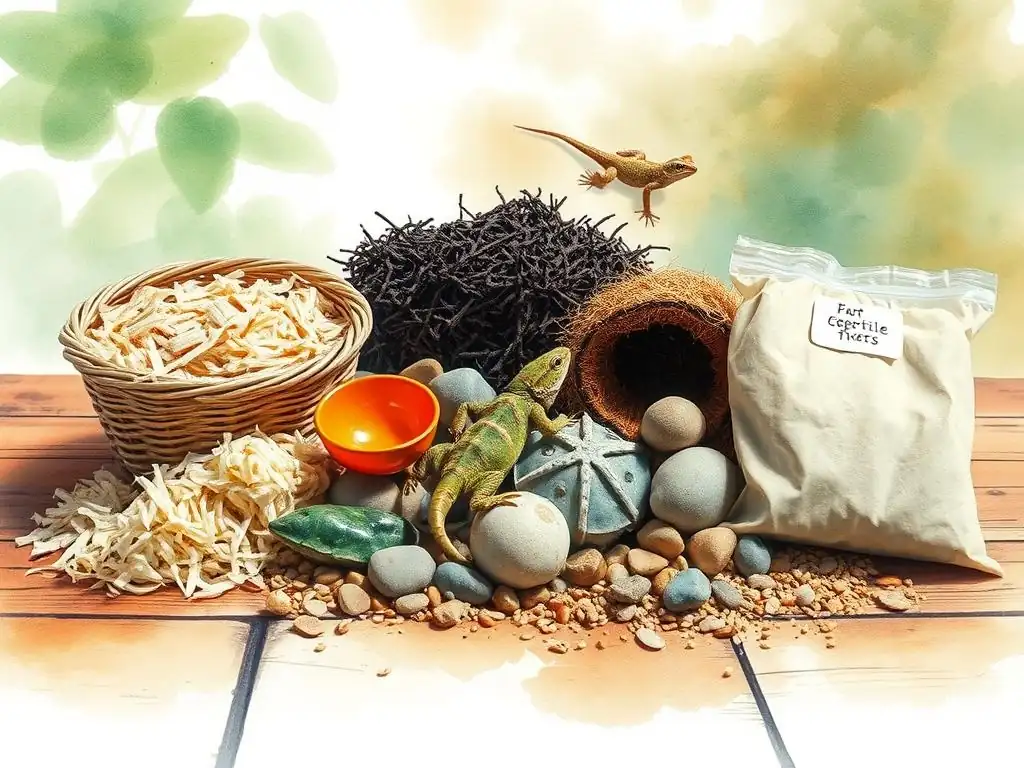
Choosing the right reptile substrate is crucial for maintaining a healthy and thriving terrarium environment. While cost is a significant factor for many reptile keepers, prioritizing quality shouldn't be overlooked. A cheap substrate might seem appealing initially, but it could lead to long-term health problems for your reptile, ultimately costing you more in veterinary bills.
This section will help you navigate the complexities of substrate selection while considering both cost and quality. Understanding the trade-offs involved will enable you to make an informed decision that benefits both your budget and your reptile's well-being. Remember, the "Reptile substrate cost guide" emphasizes value, not just the lowest price.
Selecting a Substrate Suitable for Your Reptile Species
Substrate selection is highly species-specific. What works perfectly for a desert tortoise might be disastrous for a humid-loving tree frog. Researching the specific needs of your reptile is paramount. For example, a bearded dragon thrives in a dry, arid environment, and therefore requires a substrate that allows for good drainage and prevents excessive moisture.
Suitable options include paper towels (inexpensive, but require frequent changes), reptile carpet (moderate cost, durable), or a blend of play sand and calcium sand (relatively inexpensive, but requires careful monitoring for ingestion). Conversely, a leopard gecko, while preferring a dry environment, benefits from a substrate that offers some texture and burrowing potential, making calcium sand or a blend of sand and topsoil viable choices. Incorrect substrate selection can lead to impaction, respiratory issues, or even bacterial infections. Always prioritize a substrate that mimics your reptile's natural habitat.
Choosing the right substrate significantly impacts the overall cost of maintaining your reptile's terrarium. For instance, paper towels, while inexpensive, need frequent replacement, potentially increasing long-term expenditure. Reptile carpet, although more upfront costly, is reusable and lasts much longer. Similarly, using natural substrates like topsoil or sand requires less frequent replacement but needs careful consideration of hygiene and potential ingestion risks. Consider the frequency of replacement when calculating the total cost of substrate over the lifespan of your reptile.
Evaluating Substrate Safety and Hygiene
Substrate safety is paramount. Some substrates, especially those containing dust or small particles, can be inhaled by your reptile, leading to respiratory problems. Others might be ingested accidentally, causing impaction – a life-threatening condition. Always opt for substrates that are non-toxic, inert, and free from harmful chemicals or pesticides. Thoroughly research the safety of any substrate before introducing it to your terrarium.
For instance, certain types of wood shavings or cedar chips can release harmful oils, while some sands might contain harmful minerals. Furthermore, maintaining proper hygiene is crucial. Regular cleaning and replacement are essential to prevent the buildup of bacteria, fungi, and parasites that could harm your reptile. The frequency of cleaning and replacement will, of course, influence the overall cost.
Consider this scenario: Using a cheap, readily available substrate that requires weekly replacement will lead to higher long-term costs compared to investing in a high-quality substrate that needs less frequent changing. Regular cleaning and disinfection with reptile-safe solutions are also necessary, adding to the overall maintenance expense. Investing in a substrate that minimizes the risk of bacterial growth will ultimately reduce cleaning frequency and long-term costs. Prioritizing safety and hygiene will save money in the long run by preventing potential veterinary visits.
Considering Substrate Moisture Retention and Drainage
The ideal substrate should provide appropriate moisture retention and drainage, depending on your reptile's specific needs. Desert species require well-draining substrates to prevent excessive moisture, which can lead to fungal infections and skin problems. Conversely, tropical species require substrates that retain some moisture to maintain a humid environment.
The choice of substrate directly influences the frequency of misting or watering, which in turn affects the overall maintenance cost. For instance, a substrate with poor drainage might require more frequent misting, increasing water consumption. Conversely, a substrate that retains too much moisture may require more frequent changes to prevent bacterial growth.
Let's analyze two scenarios: A desert tortoise kept on a poorly draining substrate might necessitate daily misting to maintain humidity levels, leading to increased water bills. On the other hand, a humid-loving frog kept on a poorly retaining substrate would need frequent misting and potentially more frequent substrate changes, leading to higher maintenance costs. Understanding the moisture retention and drainage properties of different substrates is key to minimizing long-term costs. A well-chosen substrate will maintain the appropriate humidity levels, reducing the need for frequent misting and replacement, thus optimizing your budget.
Assessing Substrate Aesthetics and Overall Terrarium Appearance
Choosing a reptile substrate isn't solely about functionality; aesthetics play a significant role in the overall appeal of your terrarium. A visually appealing setup contributes to your enjoyment of caring for your reptile and can even positively impact your pet's well-being. Some substrates, like natural-looking coconut fiber or carefully arranged pieces of bark, create a more naturalistic and visually engaging environment. This can be particularly important for species that benefit from environmental enrichment, mimicking their natural habitats. Conversely, substrates like paper towels, while functional and easy to clean, lack the visual appeal of more natural options.
Consider the color and texture of the substrate. A dark substrate can make brightly colored reptiles stand out, enhancing their visual impact within the terrarium. Conversely, a lighter substrate might better complement more subdued reptile colors.
The texture also matters; a smooth substrate might be less stimulating than a rougher, more textured one which offers opportunities for burrowing or exploration. Remember to consider the overall color scheme of your terrarium, including the background, decorations, and any plants, to create a harmonious and visually pleasing environment for both you and your reptile. A well-thought-out aesthetic not only improves the look of your terrarium but can also contribute to a more enriching experience for your pet.
The right substrate can truly elevate the visual appeal of your reptile's home, transforming it from a functional enclosure into a beautiful and captivating habitat. Don't underestimate the importance of this factor when budgeting for your terrarium setup; the cost of a more aesthetically pleasing substrate might be worth the investment for the overall improvement in the terrarium's appearance.
Reptile Substrate Cost Comparison: Popular Choices
Choosing the right substrate for your reptile's terrarium is crucial for their health and well-being. However, the cost of these substrates can vary significantly. This section provides a detailed comparison of popular reptile substrate options, helping you make an informed decision while staying within your budget.
Understanding the price differences will allow you to effectively manage your reptile care expenses and create a thriving environment for your scaly friend. We'll explore the cost-effectiveness of various materials, considering both initial purchase price and long-term replacement costs. This guide will assist you in becoming a savvy shopper while ensuring the best possible environment for your reptile companion.
Analyzing the Cost of Paper Towels and Other Disposable Substrates
Paper towels represent a readily available and inexpensive option for reptile substrates, particularly for temporary setups or quarantine situations. Their low cost is a major advantage. A standard pack of paper towels can range from $10 to $20, depending on the brand and quantity. However, the significant drawback is the frequent replacement needed, leading to higher long-term expenses compared to reusable substrates.
Consider the frequency of changes; depending on the reptile size and waste production, you might need to replace the paper towels daily or every other day. This frequent replacement can quickly add up, potentially negating the initial cost savings. Furthermore, the environmental impact of using disposable paper towels should also be considered.
Other disposable substrates, like newspaper, offer similar low initial costs but require even more frequent changes due to absorbency limitations and potential for tearing. The cost-benefit analysis here strongly favors reusable substrates for long-term cost savings and reduced environmental impact. This is a critical factor to consider when budgeting for your reptile's habitat.
Evaluating the Price of Coconut Fiber and its Alternatives
Coconut fiber, often sold as coco coir, is a popular and relatively inexpensive reusable substrate. A brick of coco coir, sufficient for a medium-sized terrarium, generally costs between $8 and $15. However, this price only covers the initial purchase. Coco coir needs to be hydrated and prepared before use, which adds a small amount of time and effort. The longevity of coco coir depends on the frequency of cleaning and the size of your reptile. A larger reptile will require more frequent substrate changes, offsetting some of the cost savings.
Alternatives to coco coir, such as cypress mulch or orchid bark, offer similar benefits in terms of moisture retention and ease of cleaning. However, their prices might vary. Cypress mulch can be slightly more expensive than coco coir, while orchid bark can be significantly pricier, depending on the quality and size of the pieces. The choice between these substrates often comes down to personal preference and the specific needs of your reptile species. Careful research into your reptile's needs will help you make the best choice for both their wellbeing and your budget.
Comparing the Cost of Sand, Soil, and Other Natural Substrates
Natural substrates like sand, soil, and reptile-specific blends offer a more naturalistic environment, but their cost and maintenance can be more complex. The price of sand varies depending on the type and quantity purchased. Play sand, a common choice, is generally inexpensive, costing around $5-$10 for a bag suitable for a small terrarium. However, ensure you use play sand, specifically designed for children's play areas, as other types of sand may contain harmful contaminants.
Soil-based substrates, often mixed with other materials for better drainage and moisture retention, can range from $10 to $25 per bag, depending on the brand and ingredients. These substrates often require more frequent spot cleaning and, in some cases, complete replacement due to potential for bacterial or fungal growth. The higher initial cost is often offset by the longer lifespan, assuming proper maintenance.
The long-term cost effectiveness of natural substrates depends largely on proper hygiene practices and the frequency of replacement. Remember, proper sanitation is critical to the health of your reptile and to prevent the build-up of bacteria or fungi that could increase your long-term costs due to more frequent substrate changes. This highlights the importance of diligent cleaning protocols to maximize the cost-effectiveness of natural substrates.
Assessing the Price of Specialized Reptile Substrates like Aspen Shavings
Aspen shavings are a popular choice for many reptile keepers due to their absorbency, relatively dust-free nature, and suitability for burrowing. However, the cost can vary depending on several factors. The price per bag is influenced by the brand, the volume of shavings in the bag (typically ranging from 2 quarts to 40 quarts or more), and where you purchase them.
Smaller bags, while convenient for smaller enclosures or initial setups, often cost more per unit volume than larger bags. Online retailers frequently offer competitive pricing, but it's crucial to factor in shipping costs, which can significantly impact the overall expense, especially for bulk orders. Local pet stores, while potentially more expensive, offer the convenience of immediate availability and avoid shipping delays.
It's essential to consider the frequency of substrate changes. Aspen shavings, while absorbent, need replacing regularly to maintain hygiene and prevent the buildup of bacteria, ammonia, and parasites. The rate of replacement depends on the size of your reptile, the size of the enclosure, and the level of messiness of your pet.
A larger reptile in a larger enclosure will require more frequent changes, increasing the overall cost of aspen shavings over time. Therefore, while the initial price per bag might seem reasonable, projecting the total annual cost is crucial for responsible budgeting. For example, a large iguana might need its 4x2x2 foot enclosure's substrate changed every 2-3 months, resulting in a significant annual expenditure.
Smaller reptiles, such as leopard geckos, may only need substrate changes every 6 months, leading to a considerably lower annual cost. Remember to always prioritize the health and well-being of your reptile; choosing a higher-quality, potentially more expensive aspen shaving brand might be worth the investment in the long run to reduce health risks. The cost-benefit analysis should always favor your pet's health.
Saving Money on Reptile Substrates: Tips and Tricks
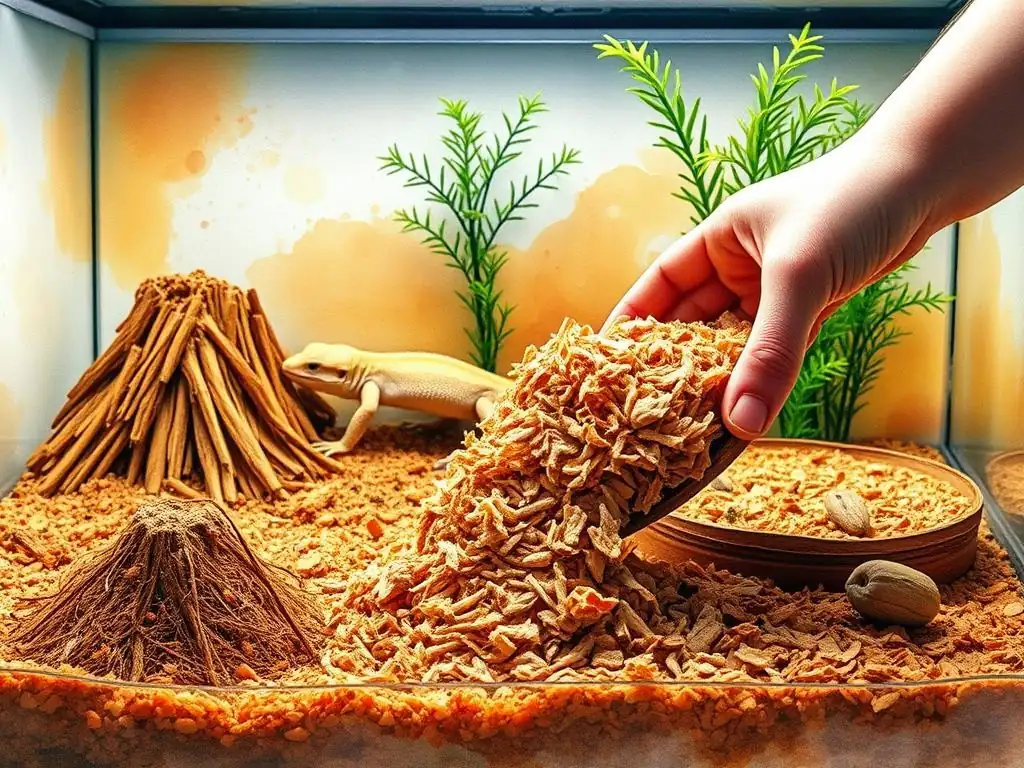
Reptile substrate can significantly impact your terrarium's budget. While providing the right environment is crucial for your reptile's health, unnecessary spending on substrates isn't. This section offers practical strategies to reduce your reptile substrate costs without compromising quality. Understanding the nuances of substrate pricing and shopping smart can lead to significant savings over the lifespan of your pet.
This guide focuses on effective money-saving techniques for responsible reptile owners committed to providing optimal care for their scaled companions. We'll explore several avenues to help you build a thriving terrarium while keeping your budget in check. Remember, responsible pet ownership includes mindful spending!
Buying in Bulk to Reduce Per-Unit Costs
Purchasing reptile substrates in bulk is often the most effective way to lower your per-unit cost. Many suppliers offer significant discounts for larger quantities. For instance, buying a 50-pound bag of coconut fiber may cost considerably less per pound than purchasing five 10-pound bags. However, careful consideration is needed. Bulk buying only makes sense if you can use the entire quantity before it degrades or becomes unusable. Consider the size of your terrarium and the substrate's expected lifespan. For example:
| Substrate Type | Typical Bag Size (lbs) | Approximate Cost per Bag ($) | Estimated Lifespan (Months) | Cost per Month ($) (approximate) |
|---|---|---|---|---|
| Coconut Fiber | 25 | 20 | 6 | 3.33 |
| Aspen Shavings | 40 | 25 | 4 | 6.25 |
| Cypress Mulch | 50 | 35 | 8 | 4.38 |
This table provides estimated costs. Actual prices vary depending on the supplier, location, and current market conditions. Always compare prices from multiple vendors before making a large purchase. Remember to factor in storage space needed for bulk purchases. A large bag of substrate will take up considerable space, so ensure you have adequate storage before committing to a bulk purchase.
Utilizing Discount Codes and Sales
Taking advantage of sales and discount codes is another smart way to save on reptile substrate. Many online retailers and pet stores offer periodic discounts, often during holidays or special promotions. Signing up for email newsletters from your preferred suppliers can keep you informed about these opportunities. Additionally, browsing coupon websites or using browser extensions designed to find discount codes can uncover hidden savings.
Don't hesitate to ask your local pet store about potential discounts or loyalty programs. Some stores offer discounts for repeat customers or those who purchase in bulk. A little extra research can often yield significant savings. Remember to check the expiry date of any discount code before making your purchase!
Sourcing Affordable Substrates from Reputable Suppliers
Choosing your supplier wisely can significantly impact your overall cost. While buying from the cheapest source may seem appealing, prioritize reputable suppliers who offer high-quality substrates. Low-quality substrates might require more frequent replacement, negating any initial cost savings. Look for suppliers who clearly state the origin and composition of their substrates, ensuring they are safe and suitable for your reptile.
Consider local options—sometimes buying locally can reduce shipping costs and support your community. Online marketplaces can offer competitive prices, but carefully read reviews to assess product quality and supplier reliability before making a purchase. Remember that a small increase in upfront cost for a higher-quality substrate can often lead to long-term cost savings. Prioritize your reptile's well-being and choose wisely!
Exploring DIY Substrate Options and Recipes
Creating your own reptile substrate can be a fantastic way to save money and tailor the environment perfectly to your reptile's needs. However, it's crucial to prioritize safety and ensure the DIY mix is appropriate for your specific species. Improperly mixed substrates can harbor harmful bacteria, be too dusty, or lack proper drainage, leading to health problems for your pet. Thorough research is essential before attempting a DIY approach.
One popular DIY option is a cypress mulch and topsoil blend. This combination offers good drainage and moisture retention, mimicking natural environments for many species. A typical recipe might involve a 2:1 ratio of cypress mulch to topsoil, ensuring the mix is not overly compacted. Remember to bake the topsoil in the oven at a low temperature (around 200°F) for about 30 minutes to kill any potential parasites or bacteria before mixing. Always source your ingredients from reputable suppliers to minimize the risk of contamination.
Another cost-effective option is using coconut fiber, a readily available and relatively inexpensive substrate. Coconut fiber retains moisture well, making it suitable for species that prefer humid environments. However, pure coconut fiber can become compacted over time, reducing drainage. To improve drainage and aeration, many keepers mix coconut fiber with other materials like orchid bark or sphagnum moss. Experimentation is key to finding the right balance for your reptile’s needs. Keep in mind that the quality of coconut fiber can vary, so always check for dust and debris before using it in your terrarium.
For desert-dwelling reptiles, a mixture of play sand and calcium sand can work well, providing a dry and stable environment. However, always ensure that the sand is reptile-safe and free from any harmful chemicals or additives. Never use play sand intended for children's sandboxes, as these may contain potentially harmful substances. The ratio of play sand to calcium sand can be adjusted depending on your reptile's preferences and the humidity levels you need to maintain. Regularly monitor the substrate's moisture levels to prevent excessive dryness or dampness.
Remember, the success of a DIY substrate hinges on thorough research and careful execution. Always prioritize your reptile's health and well-being by selecting appropriate materials and following safe preparation practices. If you are unsure about any aspect of creating a DIY substrate, consult with a reptile veterinarian or experienced reptile keeper before proceeding. Improper substrate can lead to health issues, so erring on the side of caution is always best.
Maintaining Your Reptile's Habitat: Cost-Effective Practices
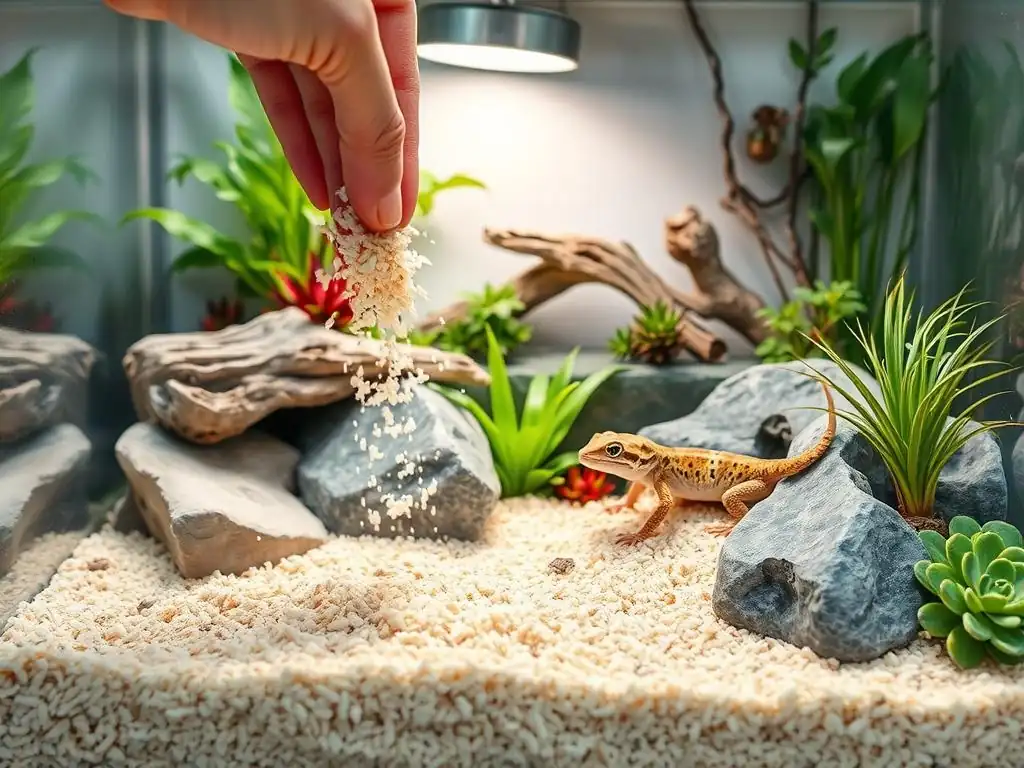
Maintaining a healthy and thriving reptile habitat isn't just about providing the right temperature and humidity; it's also about responsible substrate management. A well-maintained substrate significantly reduces the overall cost of reptile keeping in the long run. This section focuses on practical strategies to minimize expenses related to substrate replacement and cleaning, ultimately contributing to a more budget-friendly reptile ownership experience.
Understanding the lifecycle of your chosen substrate and implementing proactive maintenance is key to achieving this. This guide will help you navigate the nuances of substrate care, turning it from a recurring expense into a manageable aspect of reptile husbandry.
Regular Substrate Cleaning and Maintenance Schedules
Regular cleaning is paramount to preventing the buildup of harmful bacteria, parasites, and unpleasant odors. The frequency of cleaning depends heavily on the type of substrate used and the size and activity level of your reptile. For example, a bioactive setup with a thriving cleanup crew (like isopods and springtails) requires less frequent deep cleaning than a simple paper towel substrate.
Here's a sample cleaning schedule, keeping in mind that these are guidelines and should be adjusted based on your specific situation:
| Substrate Type | Cleaning Frequency (Approximate) | Deep Cleaning Frequency (Approximate) | Notes |
|---|---|---|---|
| Paper Towels/Newspaper | Daily spot cleaning, weekly change | Weekly | Easily disposable, minimizes waste and cost. |
| Aspen/Cypress Mulch | Weekly spot cleaning, monthly change | Every 2-3 months | More durable, but requires more thorough cleaning. |
| Coconut Fiber (Eco Earth) | Weekly spot cleaning, bi-monthly change | Every 3-4 months | Holds moisture well; watch for mold and mildew. |
| Bioactive Substrate Mix | Spot cleaning as needed, infrequent deep cleaning | Every 6-12 months, depending on cleanup crew efficiency | Requires a well-established cleanup crew; significantly reduces cleaning needs. |
Remember to always remove fecal matter and uneaten food promptly. This prevents the rapid accumulation of waste and reduces the overall workload of cleaning. Using appropriate tools, such as a small shovel or tongs, helps to maintain hygiene and prevent cross-contamination. Always wash your hands thoroughly before and after handling the substrate.
Implementing Strategies to Extend Substrate Lifespan
Extending the lifespan of your reptile's substrate is a crucial aspect of cost-effective reptile keeping. Several strategies can help you achieve this.
- Spot Cleaning: Regular spot cleaning is the single most effective way to prolong the life of your substrate. Address messes immediately, preventing them from spreading and contaminating the rest of the enclosure.
- Substrate Depth: Using a deeper substrate layer (within reason, considering your reptile's needs) can help to buffer waste and prolong the time between complete changes.
- Proper Ventilation: Ensuring adequate ventilation in the terrarium helps to reduce humidity and prevent the growth of mold and mildew, which can necessitate premature substrate replacement. This is particularly important for substrates that retain moisture.
- Bioactive Setup: A bioactive terrarium uses beneficial bacteria and cleanup crews (like isopods and springtails) to naturally break down waste, significantly reducing the need for frequent substrate changes. While the initial setup may have a higher upfront cost, the long-term savings are substantial.
- Choosing the Right Substrate: Selecting a substrate appropriate for your reptile’s species and its environmental needs is crucial. Some substrates are inherently more durable and longer-lasting than others.
By adopting these strategies, you can significantly extend the usable life of your reptile's substrate, resulting in considerable cost savings over time.
Recognizing Signs of Substrate Degradation and Timely Replacement
Knowing when to replace your reptile's substrate is crucial. Ignoring signs of degradation can lead to health problems for your reptile and increased cleaning challenges. Here are some key indicators that it's time for a substrate change:
- Persistent Odor: An unpleasant, persistent odor, despite regular spot cleaning, is a strong indication that the substrate needs replacing.
- Mold or Mildew Growth: The presence of mold or mildew is a serious health hazard for your reptile and requires immediate substrate replacement.
- Excessive Waste Buildup: If the substrate is heavily soiled and cleaning becomes excessively difficult, it's time for a complete change.
- Substrate Compaction: If the substrate has become compacted and loses its ability to drain properly, it's time for a refresh.
- Visible Parasites or Pests: The presence of any visible parasites or pests necessitates immediate substrate removal and thorough cleaning or replacement.
Regular observation of your reptile's habitat is crucial for early detection of these issues. Proactive substrate management is a key component of responsible and cost-effective reptile care. Remember, a healthy environment for your reptile translates to lower costs in the long run.
Avoiding Unnecessary Substrate Replacements
Regular substrate replacement is a significant part of the overall reptile substrate cost. However, frequent changes aren't always necessary and can actually be detrimental to your reptile's well-being. Overly frequent changes disrupt the established environment, potentially stressing your reptile and leading to health issues. A clean and healthy environment is key, but this doesn't necessitate a complete substrate overhaul every few weeks.
Spot cleaning is your best friend when it comes to cost-effective substrate management. This involves removing only the soiled areas of the substrate, rather than replacing the entire bedding. Daily spot cleaning, especially in areas where your reptile defecates or urinates, dramatically reduces the frequency of full substrate replacements. This simple practice can save you a considerable amount of money over the long term, significantly reducing your overall reptile substrate cost. Think of it as a small investment of time for substantial savings on substrate purchases.
The type of substrate you choose also plays a crucial role in how often you need to replace it. Certain substrates, like paper towels or newspaper, are easily disposable and inexpensive, but they lack the natural aesthetic and enrichment benefits of other options. However, their disposability makes them a cost-effective choice if you prioritize frequent changes due to high levels of waste.
On the other hand, substrates like cypress mulch or coconut fiber, while more expensive upfront, are more absorbent and retain moisture better, reducing the need for frequent replacements. The initial higher cost of these substrates can be offset by the reduced frequency of changes, leading to long-term cost savings. Careful consideration of substrate type is a key element in your reptile substrate cost guide.
Finally, always consider the size of your reptile's enclosure. Larger enclosures naturally require more substrate, leading to higher replacement costs. Choosing appropriately sized enclosures for your reptile minimizes the amount of substrate needed, thus contributing to a lower overall cost. This underscores the importance of responsible reptile ownership and planning before setting up the terrarium, impacting every aspect of your reptile substrate cost guide. Remember, a well-maintained habitat, through regular spot cleaning and smart substrate choices, is not only healthier for your reptile but also easier on your wallet.
Long-Term Cost Considerations for Reptile Substrate
Understanding the long-term financial commitment associated with reptile substrate is crucial for responsible pet ownership. While the initial purchase might seem manageable, the ongoing costs can significantly impact your budget over your reptile's lifespan, which can range from several years to decades depending on the species. This section delves into the financial planning necessary to ensure you can consistently provide your reptile with a suitable and safe environment. Failing to account for these ongoing expenses can lead to compromises in your reptile's well-being. Let's explore the key aspects of long-term substrate budgeting.
Planning for Ongoing Substrate Expenses Over the Reptile's Lifespan
Reptile substrate isn't a one-time purchase. It requires regular replacement, depending on the type of substrate used and the size of your terrarium. For example, paper towels, a relatively inexpensive substrate, need frequent changing due to waste accumulation and potential bacterial growth. This translates to a recurring cost that needs to be factored into your monthly or annual pet care budget. Conversely, substrates like coconut fiber, while initially more expensive, may last longer, reducing the frequency of replacement.
To effectively plan for ongoing expenses, consider these steps:
- Determine your reptile's lifespan: Research the average lifespan of your specific reptile species. This provides a timeframe for estimating total substrate costs.
- Estimate substrate replacement frequency: Based on the chosen substrate and your reptile's waste production, calculate how often you'll need to replace it. Consider factors like humidity and the substrate's ability to retain moisture.
- Calculate the annual cost: Multiply the cost of a single substrate replacement by the estimated number of replacements per year. This gives you an annual budget for substrate.
- Track expenses: Maintain a record of your substrate purchases to monitor spending and refine your budget over time.
Failing to plan for these recurring costs can lead to neglecting crucial aspects of your reptile’s habitat, ultimately affecting their health and well-being. A well-structured budget ensures consistent and appropriate care.
Anticipating Changes in Substrate Needs as Your Reptile Grows
As your reptile grows, its substrate needs will likely change. A juvenile reptile may thrive in a smaller enclosure with a simpler substrate setup, but as it matures, it may require a larger enclosure and a more complex substrate mix to mimic its natural habitat. This growth necessitates changes in both the quantity and type of substrate needed. For instance, a young leopard gecko might only need a small amount of calcium sand, while an adult may require a larger quantity, possibly supplemented with other materials like paper towels for easier cleaning in specific areas.
This growth-related shift in substrate requirements should be anticipated when budgeting. Larger enclosures require more substrate, leading to increased costs. You may also need to transition to different substrate types that better suit the adult reptile's needs and size. This transition can involve additional costs associated with purchasing new substrate and potentially specialized equipment for maintaining the new setup. Careful planning and a flexible budget are key to managing these evolving needs.
Evaluating the Total Cost of Ownership for Reptile Substrate
The total cost of ownership for reptile substrate encompasses not only the initial purchase price but also the ongoing replacement costs, potential supplemental materials (like bioactive components), and any cleaning or maintenance supplies. This holistic approach is vital for accurate financial planning.
Let's illustrate with an example:
| Substrate Type | Initial Cost | Replacement Frequency (months) | Avg. Monthly Cost (Estimated) | Total Cost (5 years) (Estimated) |
|---|---|---|---|---|
| Paper Towels | $5 | 1 | $5 | $300 |
| Coconut Fiber | $20 | 6 | $3.33 | $200 |
| Aspen Shavings | $15 | 3 | $5 | $300 |
Note: These are estimated costs and can vary widely depending on the brand, retailer, and the size of your enclosure. This table highlights how seemingly small differences in initial cost and replacement frequency can significantly impact the total cost over time. Remember to factor in the cost of cleaning supplies, such as substrate sifters or vacuum cleaners, to get a truly comprehensive view of the total cost of ownership.
Careful consideration of these factors will ensure responsible financial planning for your reptile's long-term care. Remember that this is only a sample, and actual costs can vary considerably based on your reptile's needs and your chosen substrate.
Frequently Asked Questions
What factors influence the cost of reptile substrates?
The price of reptile substrate varies greatly depending on several factors. These include the type of substrate (e.g., coconut fiber, cypress mulch, sand), the brand, the quantity purchased, and the supplier. Bulk purchases usually offer better value.
Are expensive substrates always better for my reptile?
Not necessarily. While some premium substrates offer superior moisture retention or drainage, a less expensive option might be perfectly suitable for your reptile's needs. Prioritize the specific needs of your reptile species over price.
How can I save money on reptile substrate?
Consider buying in bulk from reputable online retailers or pet supply stores. Look for sales and discounts, and explore alternative substrates that are equally effective but less costly. Repurposing materials (with caution) can also be cost-effective.
What is the average cost range for reptile substrates?
The cost can range from a few dollars for a small bag of basic substrates to several tens of dollars for larger quantities of specialized mixes or premium brands. The price per unit volume usually decreases with larger purchases.
How often should I replace my reptile's substrate?
The frequency of substrate replacement depends on the type of substrate, the size of the enclosure, and the reptile's habits. Regular cleaning is essential, but complete replacement is typically needed every few months to a year, or more frequently if soiled or heavily impacted by waste.
Final Reflection: The Enduring Investment in Reptile Welfare
The responsible care of reptiles extends far beyond the initial purchase; it's a continuous commitment, significantly shaped by the often-overlooked cost of appropriate substrates. Failing to budget adequately for this crucial element can compromise the health and well-being of these fascinating creatures, impacting their lifespan and overall quality of life.
The impact of choosing the right substrate resonates far beyond the individual reptile; it speaks to a growing awareness of ethical pet ownership. We are increasingly recognizing the interconnectedness of animal welfare and responsible consumerism. The animals we keep are not just pets; they are sentient beings deserving of our respect and care.
This understanding necessitates a deeper dive into the financial implications of providing a suitable environment, ensuring we are not just meeting minimum requirements, but actively contributing to their thriving.
Consider the long-term implications of your choices. Are you willing to invest in the best substrate for your reptile's needs, even if it means a higher upfront cost? Will you prioritize quality over immediate savings, understanding that this investment translates directly into the health and happiness of your scaly companion? The answer, ultimately, lies in your commitment to responsible reptile keeping. Make informed decisions, budget wisely, and remember that the cost of a quality substrate is a small price to pay for the joy and enrichment a healthy reptile brings to your life.
Unlock Your Reptile's Paradise: Budget Smarter, Thrive Together
Thanks for exploring the world of reptile care with us! We hope you feel empowered to create a thriving habitat without breaking the bank. Ready to put your new knowledge into action?
- Prioritize your reptile's needs: Start by creating a detailed budget outlining essential supplies like substrate, considering your reptile's size and specific needs. This budget will be your roadmap to success!
- Explore sustainable alternatives: Consider eco-friendly and affordable substrate options. Research readily available materials to find what best suits your budget and your reptile's needs. For example, cypress mulch can be a great, inexpensive alternative to commercial substrates for many species.
- Share your savvy substrate solutions: Join our community forum and share your best tips and tricks for creating affordable and effective terrarium setups. Let's learn from each other!
What creative solutions have you discovered to keep your reptile happy and your wallet healthy?