
The Ultimate Guide to Dog Emergency Preparedness

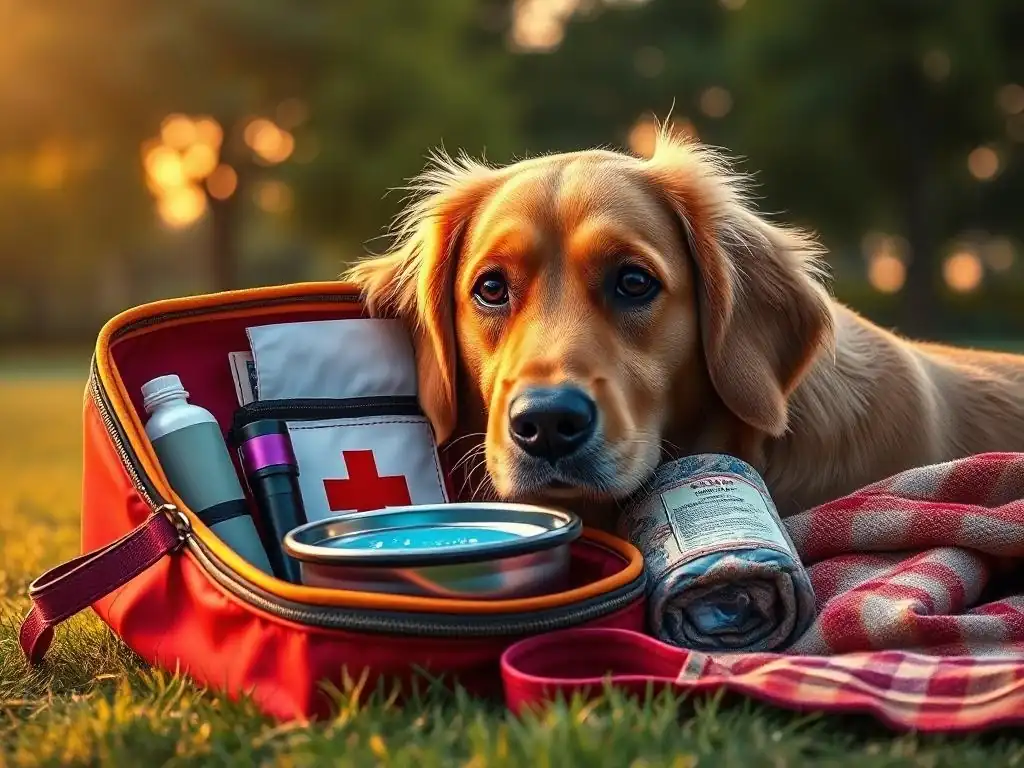
Welcome to PetCareWorld, your ultimate guide to a happier, healthier life for your beloved pets! Are you prepared for the unexpected? We know that peace of mind is priceless, which is why we've created The Ultimate Guide to Dog Emergency Preparedness, complete with a crucial Dog Emergency Kit Checklist. Discover the essential supplies and strategies to ensure your canine companion receives prompt and effective care in any crisis. Dive in and learn how to safeguard your furry friend's well-being – your journey to confident pet ownership starts here!
-
Building Your Essential Dog Emergency Kit Checklist
- Essential Medications and Supplies for Your Dog's Emergency Kit
- First-Aid Supplies for Minor Dog Injuries: Cuts, Burns, and Bites
- Emergency Contact Information and Pet Records: Always Be Prepared
- Tools and Equipment for Dog Emergencies: Leash, Muzzle, Carrier
- Food and Water for Your Dog in Emergency Situations
-
Recognizing Common Dog Emergencies: When to Seek Immediate Veterinary Care
- Identifying Signs of Dog Poisoning: Symptoms and First Steps
- Recognizing Symptoms of Dog Heatstroke: Prevention and Treatment
- Understanding Canine Seizures: What to Do During a Seizure
- Dealing with Dog Bites and Wounds: Immediate Actions
- Recognizing Symptoms of Dog Choking: Effective First Aid Techniques
- Creating a Dog Emergency Plan: Step-by-Step Guide
- Transportation and Evacuation Strategies for Dog Emergencies
-
Beyond the Basics: Advanced Dog Emergency Preparedness
- Advanced First Aid Techniques for Dogs: Applying a Pressure Bandage
- Advanced First Aid Techniques for Dogs: Administering Oral Medications
- CPR for Dogs: A Step-by-Step Guide
- Administering Medications to Your Dog in an Emergency
- Long-Term Emergency Planning for Your Dog: Creating a Pet Disaster Recovery Plan
- Frequently Asked Questions
- Final Reflection: Preparing for the Unforeseen: Your Dog's Safety, Your Peace of Mind
- Ready to Protect Your Furry Friend?
Building Your Essential Dog Emergency Kit Checklist
Preparing for unforeseen dog emergencies is crucial for responsible pet ownership. This ultimate guide provides a comprehensive checklist for assembling a dog emergency kit, ensuring you're ready to handle various situations, from minor injuries to life-threatening events. A well-stocked kit can significantly impact your dog's outcome during a crisis, potentially saving valuable time and reducing stress in an already challenging situation.
This guide will walk you through the essential components, helping you create a kit tailored to your dog's specific needs and breed. Remember, proactive preparation is the best way to safeguard your canine companion's well-being. This checklist focuses on the items you should include in your dog emergency kit, and will help you be ready for almost any emergency.
Let's dive into creating the ultimate dog emergency kit, ensuring your furry friend receives prompt and effective care when needed. This guide will help you rank high for "Dog emergency kit checklist".
Essential Medications and Supplies for Your Dog's Emergency Kit
Your dog's emergency kit should include a selection of vital medications and supplies. This section details the must-have items to address common emergencies. Remember to consult with your veterinarian to personalize this list based on your dog's specific health needs and any pre-existing conditions. Always keep a current copy of your dog's vaccination records in your kit as well.
- Current Medications: Include any prescription medications your dog takes, such as heartworm preventative, flea and tick medication, or any other regular medication. Make sure to label these clearly and include dosage information. Having these on hand could be lifesaving.
- Antidiarrheal Medication: A supply of an appropriate antidiarrheal medication (vet-approved) can be crucial if your dog experiences sudden diarrhea, preventing dehydration.
- Pain Relief Medication: Consult your veterinarian about including a safe and appropriate pain reliever for dogs, only to be used under their guidance.
- Hydrogen Peroxide (3%): 1 A small amount can be used to induce vomiting in case of accidental ingestion of toxins (always consult your vet first before inducing vomiting).
- Activated Charcoal: This can help absorb toxins if ingested. Again, consult your vet before use.
Further Considerations for Medications
Consider including any supplements your dog regularly takes, such as joint supplements or probiotics. Always keep a detailed list of your dog's medications, including dosages and instructions, within easy reach in the kit itself. This will help emergency personnel or your veterinarian quickly assess your dog's needs.
First-Aid Supplies for Minor Dog Injuries: Cuts, Burns, and Bites
This section details the essential first-aid supplies needed to address minor injuries your dog might sustain. Remember, these are for minor injuries only; severe injuries require immediate veterinary attention.
| Item | Quantity | Notes |
|---|---|---|
| Sterile Gauze Pads | 10+ | For cleaning and dressing wounds |
| Adhesive Tape | 1 roll | For securing bandages |
| Antiseptic Wipes | 1 pack | For cleaning minor wounds (ensure dog-safe) |
| Non-stick Bandages | Several | To cover wounds and prevent sticking |
| Scissors | 1 pair | For cutting bandages and removing debris |
| Tweezers | 1 pair | For removing splinters or ticks |
| Thermometer (rectal) | 1 | To monitor your dog's temperature |
| Saline Solution | 1 bottle | For cleaning wounds |
| Pet-safe Antibiotic Ointment | 1 tube | For minor cuts and scrapes (always consult your vet before applying) |
It is crucial to remember that this section is only for *minor* injuries. For any significant injury, such as deep wounds, severe bleeding, or broken bones, seek immediate veterinary care. 🤕
Emergency Contact Information and Pet Records: Always Be Prepared
Having readily accessible emergency contact information and your pet's records is paramount. This information could save valuable time in a critical situation.
- Veterinarian's Contact Information: Include your vet's phone number, address, and emergency contact number.
- Emergency Veterinary Clinic Information: List the closest 24/7 emergency veterinary clinics with their contact details.
- Your Contact Information: Your name, phone number, address, and email address.
- Pet's Microchip Information: If your dog has a microchip, include the registration number and contact information.
- Pet's Vaccination Records: A copy of your dog's updated vaccination records.
- Pet's Medical History: A brief summary of your dog's medical history, including allergies and pre-existing conditions.
- Photo of Your Dog: A recent photograph of your dog can be helpful for identification purposes.
Remember to review and update your emergency kit regularly, ensuring all medications are current, and supplies are replenished as needed. A well-maintained kit provides peace of mind knowing you're prepared for whatever comes your way. Being prepared is the best way to protect your beloved canine companion.
1 Always consult your veterinarian before using hydrogen peroxide on your pet.
Tools and Equipment for Dog Emergencies: Leash, Muzzle, Carrier

Having the right tools on hand can be the difference between a manageable situation and a complete disaster during a dog emergency. Let's delve into three crucial items: a leash, a muzzle, and a carrier.
A sturdy leash is essential, even if your dog is usually well-behaved. In a stressful emergency situation, your dog might become frightened and attempt to flee. A secure leash prevents this, allowing you to maintain control and ensure your dog's safety. Consider a strong, lightweight leash made of durable materials like nylon or biothane, avoiding retractable leashes which can easily malfunction under pressure. The length should be appropriate for your dog's size and your control comfort level. A shorter leash is often preferable in emergency situations for better control.
A muzzle, while often misunderstood, is a vital piece of equipment for dog emergencies, particularly if your dog is injured or stressed. A muzzle prevents your dog from biting, either out of fear or pain, protecting both your dog and anyone trying to help. It's crucial to choose a muzzle that fits properly and comfortably, allowing your dog to pant and drink water.
Practice using the muzzle before an emergency arises to familiarize your dog with it and minimize stress during a crisis. A properly fitted basket muzzle is generally preferred over a nylon muzzle, offering better airflow and less restriction.
Finally, a carrier – whether a crate, a sturdy bag, or a pet-specific carrier – is indispensable for transporting your dog safely to the vet or a shelter in an emergency. Ensure the carrier is appropriately sized for your dog, allowing them to stand, turn around, and lie down comfortably. If using a crate, make sure it's well-ventilated and secure, preventing escape during transport. Consider a carrier that's easy to clean and disinfect, a necessity in case of injury or illness. The ease of transport is paramount; a lightweight yet durable carrier will be a great asset.
Food and Water for Your Dog in Emergency Situations
Providing your dog with adequate food and water during an emergency is crucial for their well-being. The type and amount will depend on your dog's size, breed, and specific dietary needs, as well as the anticipated duration of the emergency. Planning ahead ensures you can quickly provide sustenance, maintaining your dog's strength and stability.
For short-term emergencies (a few hours), a supply of your dog's regular food is sufficient. Pack a quantity appropriate for the expected duration, keeping it in a sealed, waterproof container to protect it from contamination. Always include fresh water, preferably in a collapsible bowl for easy portability. Remember, dehydration can be a serious concern during emergencies, so keeping a constant supply of fresh water readily available is vital.
In case of prolonged emergencies (days or longer), consider including a supply of easily digestible, high-energy food. Canned wet food or easily-prepared dry kibble might be more suitable than usual kibble in such situations. Remember to include a manual can opener if necessary.
For long-term emergencies, consider a larger water supply, perhaps several sealed water bottles or a water filter if the water source is questionable. A durable, spill-proof water bowl is also essential to prevent messes and conserve water. Always check the expiration dates of your food and water supplies and replace them regularly to ensure freshness and safety.
Recognizing Common Dog Emergencies: When to Seek Immediate Veterinary Care
Recognizing a true dog emergency is crucial for your pet's well-being. Swift action can significantly impact the outcome. This section focuses on identifying situations requiring immediate veterinary attention, helping you avoid potentially life-threatening delays. Knowing the signs of serious illness or injury empowers you to provide the best possible care for your canine companion. This checklist helps you assess the severity of your dog's condition and determine when to seek professional help.
Identifying Signs of Dog Poisoning: Symptoms and First Steps
Dog poisoning is a serious emergency demanding immediate veterinary intervention. Symptoms can vary greatly depending on the toxin ingested, but some common signs include:
- Vomiting and Diarrhea: These are often the first signs, potentially accompanied by abdominal pain. The vomit or stool may contain unusual colors or textures.
- Lethargy and Weakness: Your dog may appear unusually tired, weak, or unable to stand.
- Tremors and Seizures: These are more serious signs and indicate significant neurological involvement.
- Difficulty Breathing: Respiratory distress is a critical symptom requiring immediate attention.
- Changes in Heart Rate: An abnormally fast or slow heart rate warrants immediate veterinary care.
- Excessive Salivation or Drooling: This can be a sign of oral irritation or poisoning.
- Skin Irritation or Burns: If your dog has come into contact with a toxic substance, you may notice skin irritation, redness, or burns.
First Steps:
- Remove the source of poisoning: If possible and safe, remove the dog from the source of the poison immediately.
- Contact your veterinarian or an animal poison control center: Get immediate advice on how to proceed. Time is crucial in many poisoning cases.
- Follow instructions carefully: Do not induce vomiting unless explicitly instructed by a veterinarian or poison control center. Some toxins are more dangerous if vomited.
- Transport your dog to the vet carefully: Use a carrier or gently restrain your dog to avoid further injury.
Remember, prevention is key. Keep all potentially toxic substances out of your dog's reach. This includes medications, cleaning products, pesticides, antifreeze, chocolate, and certain plants. A proactive approach minimizes the risk of this serious dog emergency.
Recognizing Symptoms of Dog Heatstroke: Prevention and Treatment
Heatstroke is a life-threatening condition that can occur when a dog's body temperature rises to dangerous levels. Recognizing the symptoms early is critical for survival. Prevention is equally vital, as heatstroke can quickly escalate to a fatal emergency.
Symptoms of Heatstroke:
- Excessive Panting: While panting is normal, excessive panting, even when resting, is a warning sign.
- Elevated Body Temperature: Take your dog's rectal temperature. A reading above 104°F (40°C) indicates heatstroke.
- Lethargy and Weakness: Your dog may appear unusually tired and weak.
- Vomiting and Diarrhea: These are common symptoms of heatstroke.
- Red or Gummed Gums: Your dog's gums may be bright red or dark red/purple.
- Staggering or Collapse: In severe cases, your dog may collapse and lose consciousness.
- Seizures: Heatstroke can cause seizures in dogs.
Treatment:
- Move your dog to a cool place immediately: Get them out of the sun and into shade or air conditioning.
- Cool your dog down gradually: Do not use ice water, as this can cause shock. Instead, use cool (not cold) water to dampen their fur and fan them.
- Offer cool water to drink: If your dog is conscious and able to drink, offer small amounts of cool water.
- Seek immediate veterinary attention: Heatstroke is a medical emergency, and your dog needs prompt veterinary care.
Understanding Canine Seizures: What to Do During a Seizure
Canine seizures can be terrifying to witness, but understanding what to do can help you manage the situation and minimize your dog's distress. Seizures can vary in severity and duration, but prompt and appropriate action is essential. The underlying cause of the seizure needs veterinary investigation.
What to do during a seizure:
- Remain calm: Your dog senses your anxiety, and staying calm helps reassure them.
- Time the seizure: Note the duration of the seizure. This information is vital for the veterinarian.
- Protect your dog from injury: Gently move any nearby objects that could cause harm. Do not restrain your dog forcefully during the seizure.
- Do not put anything in your dog's mouth: This is a common misconception and can cause more harm than good.
- Observe your dog carefully: Note the type of seizure (grand mal, absence, etc. ), and any unusual behaviors before, during, or after the seizure.
- Seek veterinary attention: After the seizure, take your dog to the vet for a thorough examination.
Remember, this information is for guidance only and does not replace professional veterinary advice. Always consult your veterinarian for any concerns about your dog's health. A well-stocked dog emergency kit, including a copy of your dog's medical records, is an essential component of preparedness.
Dealing with Dog Bites and Wounds: Immediate Actions

Dog bites and wounds, whether inflicted by another dog or sustained during an accident, require swift and appropriate action. The severity of the injury dictates the urgency of veterinary intervention. Minor scratches and superficial abrasions might heal on their own with proper cleaning, but deeper wounds necessitate immediate professional care.
First and foremost, ensure your own safety. A dog experiencing pain or distress may bite again, even if it's their own pet. If possible, gently restrain the dog to prevent further injury while you assess the wound. Use a clean cloth or towel to apply gentle pressure to any bleeding area to stem the flow of blood. Never attempt to clean a deep wound yourself, as this can introduce infection. Instead, focus on controlling the bleeding and preventing further contamination.
Once the bleeding is under control, carefully examine the wound. Note its depth, length, and location. Check for embedded debris, such as dirt, grass, or foreign objects. If the wound is deep, excessively bleeding, or shows signs of infection (redness, swelling, pus), immediately transport your dog to a veterinary clinic. If the bite is from another animal, particularly a stranger's dog, it's crucial to obtain the owner's contact information and details about the biting dog's vaccination status, especially for rabies.
This information will be essential for your veterinarian to assess the risk of infection. Remember, prompt veterinary attention is paramount to prevent serious complications like infection, tissue damage, and even sepsis. Time is of the essence in these situations. Knowing the signs of infection is key in ensuring your canine companion receives proper treatment.
Recognizing Symptoms of Dog Choking: Effective First Aid Techniques
Choking is a life-threatening emergency that requires immediate action. Recognizing the signs is crucial for effective intervention. Symptoms can vary depending on the severity and the object causing the obstruction. Common signs include: coughing forcefully and repeatedly; gagging; difficulty breathing; frantic pawing at the mouth; excessive drooling; turning blue around the mouth (cyanosis); and collapsing or becoming unresponsive. The more severe the choking, the less time you have to react.
The Heimlich maneuver, adapted for dogs, is often the most effective first-aid technique. However, its implementation differs from the human version. For small dogs, you can carefully support their body, placing your hand around their chest and abdomen, just below the rib cage. Give firm, upward thrusts.
For larger dogs, you may need to use your fist, positioned similarly, to deliver the thrusts. Remember to be gentle but firm; excessive force can cause internal injuries. If the object is visible in the back of the throat, and you can safely reach it, you can attempt to remove it with your fingers, but only if you can do so easily and without causing further harm. Avoid blind finger sweeps into the throat.
If the dog loses consciousness, begin CPR immediately while simultaneously trying to dislodge the obstruction. If you are not trained in canine CPR, seek professional help immediately. After a successful dislodging of the obstruction, monitor your dog closely for any lingering breathing difficulties or other complications. Even if the choking episode seems resolved, a veterinary check-up is recommended to rule out any underlying issues or potential damage to the respiratory system. Early intervention is crucial to save your dog's life. Knowing how to perform the canine Heimlich maneuver and CPR can be life-saving skills for every dog owner.
Creating a Dog Emergency Plan: Step-by-Step Guide
This section details the crucial steps in developing a comprehensive dog emergency plan, ensuring your canine companion's safety during unforeseen circumstances. A well-defined plan minimizes panic and maximizes your ability to react effectively, significantly improving your dog's chances of survival in an emergency. Remember, proactive planning is key to successful dog emergency preparedness. This isn't just about having a dog emergency kit checklist; it's about a holistic approach to safety.
Identifying Potential Hazards in Your Home and Neighborhood
Before creating your evacuation plan, meticulously assess potential hazards in your home and immediate surroundings. This proactive step is critical for developing a truly effective dog emergency plan. Think beyond the obvious. Consider these points:
- Household Hazards: Identify potential toxins like cleaning products, medications, antifreeze, and even certain houseplants (Lilies, for example, are extremely toxic to cats and dogs). Secure these items safely out of your dog's reach. Consider child-proofing measures, as they often overlap with pet safety.
- Structural Hazards: Are there any unstable structures in your home or yard that could collapse during an emergency like an earthquake or storm? Identify these and plan accordingly.
- Neighborhood Hazards: Familiarize yourself with potential dangers in your neighborhood. Are there busy roads, construction sites, or bodies of water nearby? Knowing these hazards beforehand allows you to plan safer escape routes.
- Natural Disasters: Assess your area's vulnerability to natural disasters like floods, wildfires, or hurricanes. Develop specific plans based on the most likely threats in your region. This includes knowing the nearest designated animal shelters.
A thorough hazard assessment is the foundation of a robust dog emergency kit checklist and a comprehensive emergency plan. Take the time to thoroughly examine your environment; your dog's safety depends on it. Don't forget to include potential seasonal hazards, such as ice in winter or extreme heat in summer.
Establishing a Safe Evacuation Route for Your Dog
Once you've identified potential hazards, establish a clear and safe evacuation route for your dog. This route should be easily accessible and familiar to you and your dog. Consider these points:
- Multiple Escape Routes: Ideally, you should have at least two distinct escape routes from your home, in case one becomes blocked. These routes should lead to a safe assembly point away from immediate danger.
- Route Familiarity: Regularly walk your dog along your planned escape routes to familiarize them with the path. Positive reinforcement during these walks will make your dog more comfortable and cooperative in an emergency.
- Safe Assembly Point: Designate a safe assembly point outside your home, ideally a location with easy access to transportation and away from potential hazards. Ensure this point is clearly identifiable.
- Transportation: Have a readily available carrier or leash for your dog. If you are evacuating by car, ensure your vehicle is stocked with emergency supplies and your dog's carrier is properly secured. Remember, your dog emergency kit checklist should include items for transportation.
Planning your escape route is crucial, especially in situations where time is of the essence. Practicing the route will build your dog's confidence and reduce stress during a real emergency.
Practicing Emergency Drills with Your Dog
Regular practice is essential to ensure your dog's cooperation during a real emergency. Treat these drills as games to avoid inducing anxiety. Here’s how to conduct effective drills:
- Simulated Evacuations: Periodically conduct simulated evacuations. Use a verbal cue like "Emergency!" to signal the drill. Guide your dog calmly and confidently along your planned escape route to the designated assembly point.
- Positive Reinforcement: Reward your dog with treats and praise for their cooperation during the drills. This positive reinforcement will build their confidence and make them more receptive to your commands during a real emergency.
- Varying Scenarios: Incorporate different scenarios into your drills, such as a power outage or a simulated natural disaster. This will help prepare your dog for a wider range of emergency situations.
- Regular Updates: Review and update your emergency plan and dog emergency kit checklist regularly, especially after any changes to your home or neighborhood.
Consistent practice makes perfect. Regular drills will not only prepare your dog but also help you refine your emergency response strategy, guaranteeing the best possible outcome in a crisis. Remember, preparedness is the best defense against unexpected events.
Selecting a Reliable Emergency Veterinary Clinic

Choosing the right emergency veterinary clinic is crucial for your dog's well-being. Don't wait until an emergency arises to begin your search. Proactive planning ensures you have a trusted resource readily available. Consider these factors when making your selection:
- 24/7 Availability: The clinic must offer round-the-clock service, as emergencies don't adhere to a schedule. Look for clinics explicitly advertising 24-hour emergency care and confirm their hours of operation. Don't assume availability based solely on online information; a phone call to verify is always a good idea.
- Proximity and Accessibility: Location matters. In a crisis, time is of the essence. Choose a clinic conveniently located near your home or regular routes, minimizing travel time in an emergency. Consider traffic patterns and potential road closures that might impact accessibility, especially during peak hours or inclement weather. Knowing the quickest route beforehand is vital.
- Services and Expertise: Not all emergency clinics offer the same level of care. Some specialize in specific areas, like trauma care or toxicology. Research the clinic's capabilities to ensure they can handle a wide range of emergencies, including those specific to your dog's breed or age. Check if they have advanced imaging equipment (X-ray, ultrasound) and on-site laboratory facilities for rapid diagnosis.
- Reviews and Reputation: Online reviews provide valuable insights into a clinic's quality of service. Read reviews on platforms like Google, Yelp, or other pet-related websites to gauge patient experiences. Pay attention to comments regarding wait times, staff responsiveness, communication, and overall care provided. A clinic with consistently positive reviews suggests a higher level of reliability.
- Financial Considerations: Emergency veterinary care can be expensive. Before an emergency arises, inquire about payment options, such as payment plans or the acceptance of specific credit cards. Understanding the clinic's pricing structure and payment policies can help alleviate financial stress during a difficult time.
Preparing Your Dog for Unexpected Events
Preparing your dog for unexpected events goes beyond assembling a first-aid kit. It involves proactive steps to ensure their safety and your ability to respond effectively in a crisis. This preparation can significantly reduce stress and improve your dog's chances of a positive outcome.
- Microchipping and Identification: Ensure your dog is microchipped and wears a collar with up-to-date identification tags. This crucial step significantly increases the chances of your dog being returned to you should they get lost during an emergency. Keep your contact information current in the microchip database.
- Emergency Contact Information: Keep a readily accessible list of emergency contact information, including your veterinarian, emergency veterinary clinic, and trusted friends or family members who can assist in an emergency. Consider storing this information digitally and physically, in a waterproof container.
- Practice Evacuation Drills: Practice emergency evacuation drills with your dog. This helps them familiarize themselves with their carrier and makes the process less stressful during an actual emergency. Practice loading them into the carrier calmly and reward them for their cooperation.
- Desensitization to Handling: Regularly handle your dog to perform basic checks (temperature, pulse, etc.) to make them comfortable with being examined, even when stressed. This familiarity will be invaluable during an emergency when quick assessments are crucial. Positive reinforcement training is essential here.
- Transportation Plan: Have a plan for transporting your dog to the vet in an emergency. This could involve a carrier, a secure harness and leash, or even a pet-friendly taxi service. Knowing your transportation options beforehand will save valuable time in a crisis. Consider the size and temperament of your dog when choosing a transportation method.
Transportation and Evacuation Strategies for Dog Emergencies
This section focuses on crucial aspects of transporting and evacuating your dog during emergencies, ensuring their safety and well-being. A well-prepared dog owner anticipates potential transportation needs and takes proactive steps to guarantee a smooth and safe journey, whether it's a minor injury or a major disaster. Having a plan in place can significantly reduce stress and improve the outcome in a crisis. Remember, quick and efficient transport can be the difference between life and death in a dog emergency. This applies equally to a minor injury requiring veterinary attention or a large-scale evacuation due to a natural disaster.
Transporting an Injured Dog Safely: Choosing the Right Carrier
Transporting an injured dog requires careful consideration to minimize further harm. The type of carrier you choose depends on the severity of the injury and your dog's size and temperament. For minor injuries, a sturdy, well-ventilated crate or carrier may suffice. However, for more serious injuries, a rigid carrier offering better support and protection is essential. Consider these factors:
- Size and weight capacity: Ensure the carrier is large enough for your dog to lie down comfortably without being cramped, yet small enough to be easily manageable. Weight capacity is crucial, especially if you'll be carrying the carrier.
- Ventilation: Adequate ventilation is vital to prevent overheating, particularly during warmer months. Look for carriers with multiple openings or mesh panels.
- Stability and security: A rigid carrier offers superior protection against sudden movements. Ensure the latches are secure and reliable.
- Comfort: Line the carrier with soft, absorbent bedding. Avoid using materials that could exacerbate injuries or cause further discomfort.
For dogs with spinal injuries or suspected broken bones, a specialized stretcher or carrier designed to immobilize them is recommended. Improper handling can worsen the injury. Always prioritize gentle and supportive movement. If you're unsure about the best method, contact your veterinarian or emergency animal services for guidance. Remember, your dog's safety is paramount.
Evacuating Your Dog During Natural Disasters: Essential Preparations
Natural disasters, such as hurricanes, wildfires, or floods, necessitate swift and decisive evacuation plans for your canine companion. Pre-planning is essential to ensure a successful and safe evacuation. This involves several critical steps:
- Identifying safe evacuation routes: Familiarize yourself with potential evacuation routes and designated pet-friendly shelters in your area. Knowing these routes beforehand can save valuable time in an emergency.
- Creating a go-bag: Prepare a dedicated "go-bag" containing essential supplies for your dog, including food, water, medication, leash, collar with ID tags, vaccination records, and a recent photo. Consider including a familiar toy or blanket to provide comfort during stressful situations.
- Microchipping and identification: Ensure your dog is microchipped and wears a collar with up-to-date identification tags. This greatly increases the chances of their safe return if separated during the evacuation.
- Transportation method: Decide on your primary method of transportation, considering your dog's size, the severity of the disaster, and accessibility. This might involve a car, a carrier, or even a pet-friendly evacuation bus.
This preparation ensures a smoother transition during a crisis. Regularly review and update your evacuation plan to account for changing circumstances, such as new addresses or changes in your dog's health. A comprehensive evacuation plan minimizes risks and maximizes your chances of successfully evacuating your dog to safety. Remember, planning is key to a successful outcome.
Securing Your Dog During Travel Emergencies: Safety Tips for the Road
Unexpected travel emergencies, such as car accidents or sudden stops, can pose significant risks to your dog. Properly securing your dog during travel is crucial for their safety and yours. Consider these vital safety measures:
- Harness and seatbelt: Use a properly fitted dog harness designed for car travel, and secure it to your car's seatbelt. Never allow your dog to roam freely in the car; they can become projectiles in the event of a sudden stop or collision.
- Crate or carrier: A secure crate or carrier provides the best protection. Choose one that's appropriately sized and properly secured in the vehicle.
- Avoid distractions: Keep your dog calm and comfortable during travel. Avoid giving them food or water shortly before a trip to prevent car sickness.
- Emergency contact information: Keep emergency contact information readily accessible, including your veterinarian's number and the number of a local animal hospital.
Following these safety measures minimizes the risk of injury to both you and your canine companion. Regularly check the security of your dog's restraint system to ensure it remains effective. Remember, proactive safety measures are crucial for a safe and stress-free journey. A secure dog is a safe dog, especially during unexpected travel emergencies.
Emergency Pet Transportation Services: Knowing Your Options
Pet emergencies can strike unexpectedly, requiring swift transportation to veterinary care. Understanding your options for emergency pet transportation is crucial for ensuring your canine companion receives timely treatment. While you might hope to use your personal vehicle, unforeseen circumstances like severe weather, vehicle malfunction, or the severity of your dog's condition might necessitate alternative solutions. Let's explore the key options available:
One primary alternative is dedicated emergency pet transportation services. These services, often available 24/7, specialize in safely and comfortably transporting animals in need of immediate veterinary attention. They typically utilize specialized vehicles equipped with climate control, oxygen, and other life-saving equipment tailored to the needs of various animals, including dogs of all sizes and breeds.
These services often have experienced personnel who understand how to handle stressed or injured animals, providing a calm and secure environment during transport. The cost varies based on distance, the level of care required during transport, and the size of your dog. It's wise to research local options and obtain quotes before an emergency arises, so you're prepared.
Another option, particularly useful for less severe emergencies or for transport to a nearby vet, involves using a pet taxi service. These services are often less expensive than dedicated emergency pet transport but may not be equipped for critical care situations. They typically provide a safe and comfortable ride for your pet to the veterinary clinic. It's important to clarify their capabilities and limitations beforehand to ensure they are appropriate for your dog's condition.
In some cases, you might be able to rely on friends or family for transportation. However, this option should only be considered if the emergency isn't time-sensitive and your dog's condition allows for a less specialized mode of transport. Ensuring that your helpers understand how to safely handle and restrain your dog is paramount. Consider providing clear instructions and potentially even a harness or carrier for added safety.
Finally, some veterinary clinics offer their own in-house transportation services for emergencies. It's advisable to check with your regular veterinarian or local emergency veterinary clinics to ascertain whether they offer transport and the details of their service. This can be a convenient option, especially if the clinic is already familiar with your dog's medical history.
Planning ahead is key. Researching and noting the contact information for emergency pet transport services, pet taxis, and your veterinarian's transport options can be the difference between life and death in a true emergency. Having a backup plan, such as a list of trusted friends or family who can help with transport, is also highly recommended. A well-prepared dog owner is a responsible dog owner, and proactive planning for transportation needs is a vital element of a comprehensive dog emergency preparedness plan. Remember to include this essential information within your "dog emergency kit checklist".
Beyond the Basics: Advanced Dog Emergency Preparedness
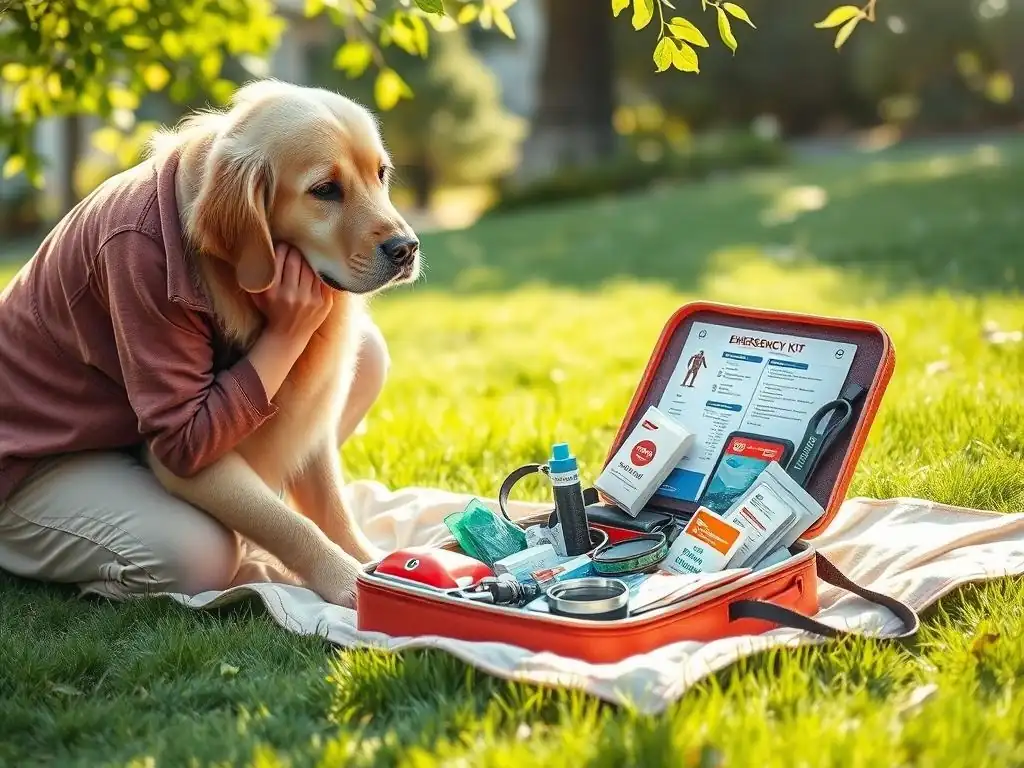
This section delves into more advanced preparedness measures beyond the essentials of a basic dog emergency kit checklist. We'll cover crucial first aid techniques and life-saving procedures that can make a significant difference in a critical situation. Remember, while this information is valuable, it's no substitute for professional veterinary care. Always seek immediate veterinary attention following any serious dog emergency.
Advanced First Aid Techniques for Dogs: Applying a Pressure Bandage
Severe injuries often involve significant bleeding. Knowing how to apply a pressure bandage effectively can be lifesaving. This technique is crucial for controlling bleeding from wounds on limbs or other areas where direct pressure can be applied.
First, assess the wound. Gently clean away any visible debris, but avoid excessive probing. Next, apply a sterile dressing directly to the wound, ensuring it's large enough to cover the injury completely. Then, securely bandage the area using a clean, non-stretchy bandage, applying firm but not overly tight pressure.
The bandage should stop the bleeding without cutting off circulation. Check the area below the bandage regularly to ensure adequate blood flow; the paw or limb should be pink and warm to the touch. If the area becomes cold, pale, or swollen, loosen the bandage immediately. Finally, transport your dog to a vet as quickly as possible.
A poorly applied bandage can worsen the situation. Avoid using materials that can stick to the wound, and always prioritize prompt veterinary care. Remember, the goal is to control bleeding until professional help arrives. This is a critical element of any comprehensive dog emergency kit checklist.
Advanced First Aid Techniques for Dogs: Administering Oral Medications
Knowing how to administer oral medications correctly is a crucial skill for dog owners. This could be lifesaving in emergency situations where your veterinarian recommends immediate medication. However, always confirm dosage and administration techniques with your vet. Never guess or rely on online information alone.
Different medications require different techniques. Some pills can be hidden in food, while others need to be administered directly into the mouth. For direct administration, gently lift your dog's upper lip and place the pill at the back of their tongue. Then, gently close their mouth and hold it shut for a few seconds, ensuring they swallow the medication.
For liquid medications, use a syringe (without the needle) to carefully administer the correct dosage. Always be patient and gentle to avoid stressing your dog. Accurate medication administration is a vital component of effective dog emergency preparedness and should be part of your dog emergency kit checklist.
Different breeds and sizes require different approaches. Smaller dogs may require more patience and a gentler touch. Large dogs might need more firm handling. Observe your dog's reaction; if they seem distressed or refuse the medication, consult your veterinarian immediately for alternative administration methods.
CPR for Dogs: A Step-by-Step Guide
Cardiopulmonary resuscitation (CPR) is a life-saving technique that can be used in emergencies where your dog's breathing or heartbeat has stopped. It's a crucial part of any comprehensive dog emergency kit checklist, although it should be learned from a qualified professional. This guide provides a simplified overview; proper training is essential.
1. Check for responsiveness and breathing: Gently shake your dog and check for a response. Listen and feel for breathing. If there's no response and no breathing, begin CPR.
2. Begin chest compressions: Place your hands on your dog's chest, just behind the elbows, and press firmly and rhythmically at a rate of approximately 100-120 compressions per minute. The depth of compressions should be about one-third the depth of your dog's chest.
3. Rescue breathing (optional for untrained individuals): Unless you are trained in canine rescue breathing, focus on chest compressions. If trained, administer rescue breaths after every 30 compressions, ensuring each breath lasts about one second.
4. Continue CPR: Continue chest compressions and rescue breaths until your dog shows signs of recovery or professional help arrives. This is physically demanding and you may need to take short breaks.
Remember, CPR is a time-sensitive procedure. Immediate action can significantly improve your dog's chances of survival. However, immediate veterinary care is crucial after CPR. This information is for educational purposes only and does not replace professional training. A proper CPR course specifically for dogs is highly recommended.
Administering Medications to Your Dog in an Emergency
Administering medication to your dog during an emergency can be stressful, but knowing the proper techniques can save valuable time and potentially your dog's life. It's crucial to understand that this information is for guidance only and should not replace veterinary advice. Always consult your veterinarian for specific instructions regarding your dog's medication and dosage.
One common emergency scenario involves administering anti-seizure medication. If your dog is prone to seizures, your emergency kit should include a readily accessible supply of the prescribed medication, along with clear instructions on dosage and administration. Typically, these medications are administered orally, but the method can vary depending on the specific drug and your dog's condition.
It's crucial to practice administering the medication before an emergency to ensure you're comfortable and efficient. Consider filming a practice session to review your technique later, focusing on how quickly and accurately you can administer the correct dosage. Remember, accurate dosage is paramount; too little may be ineffective, while too much can be dangerous.
Another important consideration is the administration of pain relief medication. In cases of severe injury, your veterinarian might prescribe a pain reliever to ease your dog's discomfort. Again, accurate dosage is vital, and the method of administration—oral, injectable, or topical—will depend on the specific medication and your vet's instructions. If injectable medication is part of your emergency plan, you should receive thorough training from your vet on the correct injection technique. Incorrect injection can cause pain, inflammation, and potentially serious complications. Keep detailed records of all medication administered, including the time, dosage, and any observed reactions.
Long-Term Emergency Planning for Your Dog: Creating a Pet Disaster Recovery Plan
Beyond immediate emergency preparedness, long-term planning is vital to ensure your dog's safety and well-being during prolonged emergencies like natural disasters or extended power outages. A comprehensive pet disaster recovery plan should account for various scenarios and include several key elements.
Firstly, establish a designated evacuation location. This should be a safe, accessible place where you and your dog can seek refuge. This might be a friend's or family member's home outside the affected area, a pet-friendly hotel, or a designated emergency shelter. Ensure that this location is clearly identified in your plan and that everyone involved understands the procedures for getting there. Consider the transportation logistics; will you have access to a vehicle? If not, alternative transportation options should be pre-arranged.
Secondly, create a detailed "pet profile" document. This document should include your dog's breed, age, weight, medical history (including allergies and any ongoing medications), microchip information, and a recent photograph. This information is invaluable to animal rescue services should you become separated from your dog. Multiple copies should be kept in different secure locations, both at home and elsewhere. Include contact information for your veterinarian and any emergency contacts.
Thirdly, assemble a "go-bag" specifically for your dog. This should contain a minimum of seven days’ worth of food and water, a sturdy leash and collar with identification tags, essential medications, a first-aid kit specifically designed for dogs, and any comfort items that help your dog feel safe and secure, such as a favorite toy or blanket. Consider including copies of your dog's vaccination records and medical history.
Regularly check the expiration dates of food and medications and replace them as needed. Practice your evacuation plan regularly, to ensure that both you and your dog are comfortable and prepared. This proactive approach will significantly improve your chances of a successful and safe evacuation in the event of a prolonged emergency.
Frequently Asked Questions
What should I include in my dog's emergency kit?
Your dog's emergency kit should include essential supplies for immediate needs. This means food and water, a first-aid kit specifically for dogs, leash and collar, and important documents like vet records. Don't forget a carrier for safe transport.
How do I prepare my dog for an emergency evacuation?
Practice evacuation drills with your dog, associating the carrier with positive experiences. Ensure your dog has a clearly identifiable collar with up-to-date tags. Prepare a go-bag with enough supplies for several days.
What are some common dog emergencies requiring immediate attention?
Severe bleeding, difficulty breathing, seizures, ingestion of toxins, and heatstroke are all serious emergencies requiring immediate veterinary care. Knowing the signs is crucial.
Where can I find a veterinarian in an emergency?
Many veterinary practices offer 24/7 emergency services. You can find a local emergency vet by searching online or contacting your regular vet for referrals. Having a list of emergency contacts readily available is vital.
How often should I review and update my dog's emergency kit?
It's recommended to check your dog's emergency kit at least every six months, replacing expired medications, food, and water. Update your contact information and ensure all items are in good working order.
Final Reflection: Preparing for the Unforeseen: Your Dog's Safety, Your Peace of Mind
The unexpected can strike at any moment, and when it comes to our beloved canine companions, preparedness is not just prudent—it's essential. A well-stocked dog emergency kit isn't just a checklist of supplies; it's a testament to the unwavering bond we share with our furry friends and a proactive measure to ensure their safety and well-being during times of crisis.
The impact of responsible pet ownership extends far beyond the daily routines of feeding and walks. It's about anticipating potential dangers and equipping ourselves with the knowledge and resources to navigate emergencies effectively. The greatness of a nation and its moral progress can be judged by the way its animals are treated.
- Mahatma Gandhi. This quote, while broad, speaks to the responsibility we bear for the vulnerable creatures we welcome into our lives. The peace of mind that comes from knowing you're ready to respond effectively to a canine emergency is invaluable, and it's a responsibility we should all embrace.
Now, consider your own dog emergency kit. Is it complete? Does it reflect the unique needs of your dog? Take a moment to review the checklist provided in this guide.
Don't just passively read it; actively engage with it. Imagine a scenario—a natural disaster, a sudden illness, a lost pet—and visualize how your kit would help you navigate that situation. By taking this proactive step, you're not just preparing for a hypothetical emergency; you're building a stronger, more resilient bond with your canine companion, ensuring their safety and strengthening your connection in the face of adversity. Your preparedness is a testament to your love and commitment.
Ready to Protect Your Furry Friend?
Thank you for learning about dog emergency preparedness! You now have the knowledge to safeguard your beloved companion. Let's put that knowledge into action. Here's how:
- Assemble your emergency kit today. This is the most crucial step—gather supplies now, while it's fresh in your mind! Don't wait until an emergency arises.
- Share this vital information with other pet owners. Help them prepare, too! Spread the word and strengthen our community of prepared pet parents.
- Consider taking a basic pet first-aid course. Learning practical, hands-on skills can be invaluable in a crisis.
Ready to take the next step towards ensuring your dog's safety? What's the first item you'll add to your kit?