
Cleaning and Maintaining Your Reptile's Substrate: A StepbyStep Guide

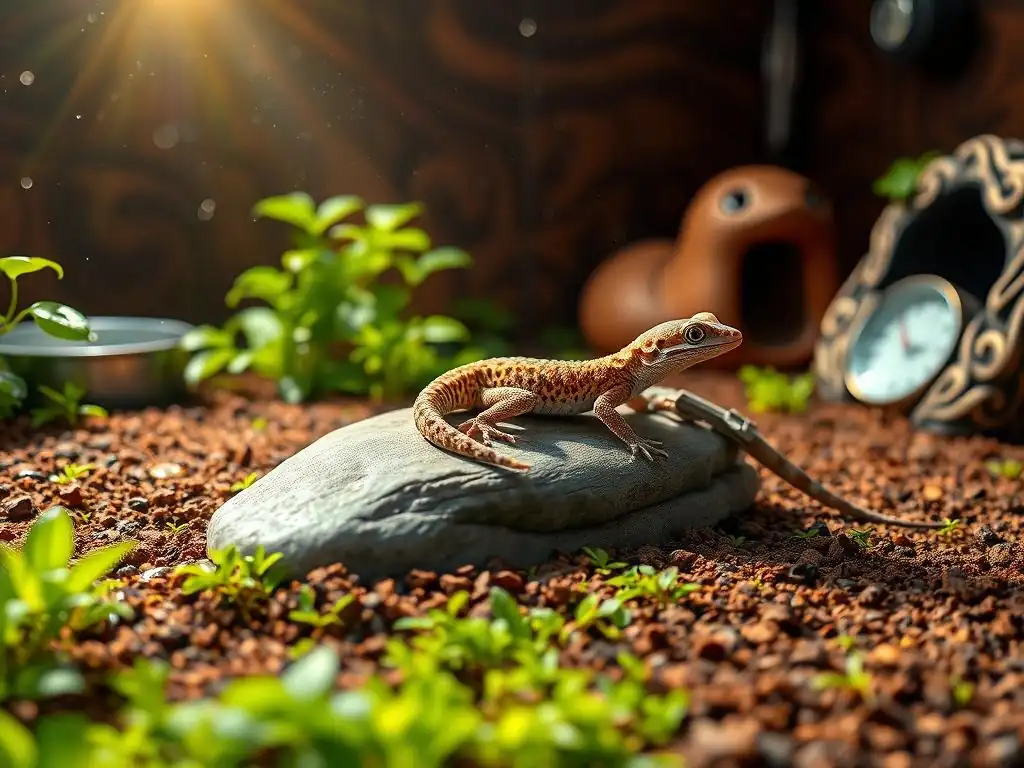
Welcome to PetCareWorld, your ultimate guide to a happier, healthier life for your beloved companions! Are you ready to unlock the secrets to a thriving reptile habitat? Our comprehensive Clean reptile substrate guide will walk you through everything you need to know to maintain a pristine and safe environment for your scaly friend. Dive in and discover the simple steps to ensure their well-being – because a clean home means a happy reptile!
- Understanding Reptile Substrate Cleaning: Importance and Frequency
- Essential Tools and Materials for Cleaning Reptile Substrate
-
Step-by-Step Guide to Cleaning Reptile Substrate
- Step 1: Preparing the Terrarium for Cleaning
- Step 2: Removing Waste and Debris from the Substrate
- Step 3: Spot Cleaning Versus Full Substrate Replacement
- Step 4: Cleaning the Enclosure and Accessories
- Step 5: Disinfecting the Terrarium and Substrate (if necessary)
- Step 6: Replacing the Substrate and Adding Decorations
- Step 7: Monitoring Your Reptile's Behavior After Cleaning
- Maintaining Reptile Substrate Hygiene: Tips and Tricks
- Specific Cleaning Methods for Different Reptile Substrates
- Troubleshooting Common Substrate Cleaning Problems
- Frequently Asked Questions
- Final Reflection: The Unsung Hero of Reptile Health: Substrate Care
- Unleash Your Reptile's Sparkling Habitat!
Understanding Reptile Substrate Cleaning: Importance and Frequency
Maintaining a clean and healthy environment for your reptile is paramount to its overall well-being. A significant aspect of this responsibility involves the regular cleaning and maintenance of your reptile's substrate – the bedding material within its terrarium. This comprehensive guide will walk you through a step-by-step process for cleaning your reptile's substrate, ensuring a hygienic and thriving habitat.
Neglecting substrate cleanliness can lead to a range of health problems for your reptile, from bacterial and parasitic infections to respiratory issues and stress. Understanding the importance of regular cleaning and establishing a consistent schedule are crucial steps in responsible reptile ownership. This guide focuses on providing practical, actionable advice to help you maintain a clean and safe environment for your scaly companion, ultimately contributing to a longer, healthier life for your pet.
We'll cover everything from identifying the signs of a dirty substrate to establishing a cleaning schedule tailored to your specific reptile and its needs. Let's dive in!
Why Regular Substrate Cleaning is Crucial for Reptile Health
A dirty reptile substrate is a breeding ground for harmful bacteria, parasites, and fungi. These microorganisms can cause a variety of health problems for your reptile, ranging from mild skin irritations to life-threatening infections. For example, Salmonella bacteria are a common concern, and contaminated substrate can easily expose your reptile (and you!) to this dangerous pathogen.
Furthermore, accumulated waste products like feces and uneaten food can release ammonia and other toxic gases, leading to respiratory problems and impacting your reptile's overall health. Regular cleaning prevents the buildup of these harmful substances, ensuring a clean and safe environment for your pet. The frequency of cleaning depends on several factors including the type of substrate, the size of the enclosure, and the number of reptiles housed within it.
But consistently maintaining a clean substrate is a cornerstone of responsible reptile care, promoting a healthy and happy reptile. Ignoring this crucial aspect can significantly compromise your reptile's immune system, making it more susceptible to illness. Therefore, proactive cleaning is not just a matter of convenience, but a vital component of responsible pet ownership.
Determining the Right Cleaning Schedule for Your Reptile's Substrate
The ideal cleaning schedule for your reptile's substrate depends on several key factors. The type of substrate plays a significant role; for example, paper towels require more frequent spot cleaning than bioactive substrates which often require less frequent, more thorough cleanings. The size of the enclosure and the number of reptiles it houses also influence the cleaning frequency. Larger enclosures with multiple reptiles will naturally require more frequent cleaning than smaller enclosures with a single reptile.
Consider the species of reptile; some species are messier than others. For example, a large monitor lizard will produce significantly more waste than a small gecko, demanding a more frequent cleaning schedule. As a general guideline, spot cleaning (removing fecal matter and uneaten food daily) is essential for all reptile enclosures.
More thorough substrate changes or deep cleanings should be performed on a schedule ranging from weekly to monthly, depending on the factors mentioned above. Remember to always research the specific needs of your reptile species to determine the optimal cleaning frequency. Failing to establish a proper cleaning schedule can lead to health problems for your reptile and may even create an unpleasant odor in your home.
Identifying Signs of a Dirty or Contaminated Substrate
Recognizing the signs of a dirty or contaminated substrate is crucial for maintaining your reptile's health. Obvious signs include visible fecal matter, uneaten food, and a strong unpleasant odor. However, there are subtler indicators to watch out for. For instance, a cloudy or discolored substrate can suggest bacterial or fungal growth.
A buildup of mold or mildew is another clear sign of neglect, often accompanied by a musty odor. Observe your reptile's behavior; if it appears lethargic, has skin irritations, or exhibits respiratory issues, the substrate might be a contributing factor. Furthermore, an excessive number of insects or other invertebrates in the substrate could indicate unsanitary conditions.
Regularly inspecting your reptile's substrate is therefore a vital aspect of preventative care. Addressing these issues promptly minimizes the risk of health problems for your reptile and ensures a healthy and thriving environment. Early detection allows for prompt action, preventing minor issues from escalating into significant health concerns.
Essential Tools and Materials for Cleaning Reptile Substrate
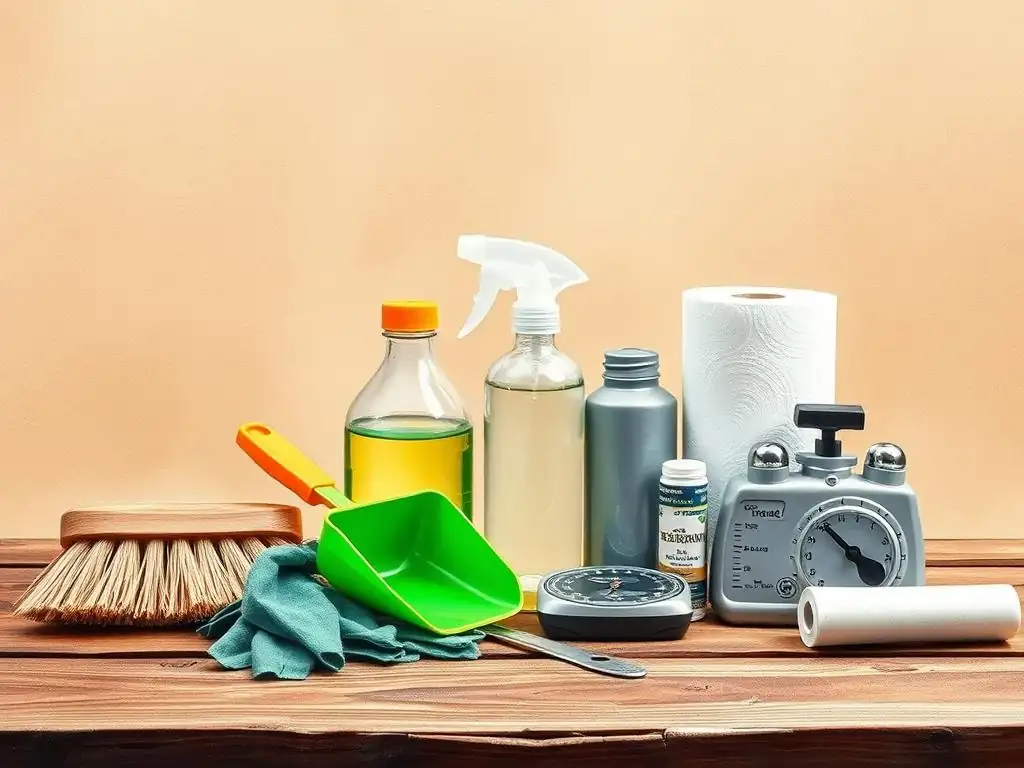
This section details the crucial tools and materials needed for effectively and safely cleaning your reptile's substrate, ensuring a healthy and hygienic environment for your pet. A clean reptile substrate guide should emphasize thorough preparation, as this significantly impacts the cleaning process's efficiency and safety.
Gathering the Necessary Supplies: Cleaning Tools and Solutions
Before embarking on the cleaning process, assemble all necessary tools and cleaning solutions. Improper preparation can lead to delays and incomplete cleaning. Here’s a checklist:
- Cleaning containers: Several buckets or bowls are essential for rinsing and soaking the substrate. Use separate containers for soiled substrate and clean water to avoid cross-contamination.
- Substrate sifter: A sifter (preferably a fine-mesh one) allows for efficient separation of waste and debris from reusable substrate. This saves you time and money, and is especially useful for substrates like coconut fiber or cypress mulch.
- Cleaning brushes: Various brushes are helpful depending on the substrate type and the level of soiling. A stiff brush might be needed for stubborn debris, while a softer brush is better for delicate substrates. Consider having both on hand.
- Gloves: Always wear heavy-duty gloves to protect your hands from harmful bacteria, parasites, or chemical irritants present in the substrate or cleaning solutions.
- Scoops and spades: For moving larger amounts of substrate, particularly when removing heavily soiled areas or completely replacing the substrate.
- Paper towels or rags: Essential for wiping down surfaces, cleaning spills, and drying the terrarium after cleaning.
- Cleaning solutions: The type of cleaning solution depends on the substrate. For example, some substrates may only require warm water and a mild dish soap, while others might need specialized cleaning products. Always check the substrate manufacturer's recommendations before using any cleaning agents.
Remember to thoroughly rinse all tools and containers after use to prevent residue buildup.
Choosing the Right Cleaning Products for Your Reptile's Substrate Type
The choice of cleaning product is crucial. Using the wrong product can damage the substrate, harm your reptile, or leave behind harmful residues. Here's a breakdown:
| Substrate Type | Recommended Cleaning Method | Cleaning Products to Avoid |
|---|---|---|
| Coconut Fiber/Coco Coir | Warm water rinse, optional mild dish soap (thoroughly rinsed) | Harsh chemicals, bleach, strong disinfectants |
| Cypress Mulch | Warm water rinse, optional mild dish soap (thoroughly rinsed) | Strong disinfectants, ammonia-based cleaners |
| Aspen Shavings | Replace frequently; spot clean with paper towels if needed | Any cleaning solutions; these are generally disposable. |
| Paper-based substrates | Replace completely; not suitable for cleaning | N/A |
| Sand (specifically reptile sand) | Rinse thoroughly with warm water; may require a substrate sifter | Any cleaning products except possibly warm water. This is often best replaced. |
Important Note: Always test any cleaning solution on a small, inconspicuous portion of the substrate before applying it to the entire terrarium. This helps prevent unexpected reactions or damage.
Safety Precautions: Protecting Yourself and Your Reptile During Cleaning
Cleaning your reptile's enclosure requires careful attention to safety for both you and your pet. Neglecting these precautions can lead to accidents or health issues.
- Reptile Removal: Before cleaning, carefully and gently remove your reptile from the terrarium and place it in a temporary, secure enclosure. This prevents accidental exposure to cleaning solutions or injury from moving parts of the terrarium.
- Ventilation: Ensure proper ventilation during and after cleaning to remove any lingering fumes from cleaning solutions. Poor ventilation can harm both you and your reptile.
- Thorough Rinsing: Always rinse the substrate thoroughly to remove all traces of cleaning solution. Residual cleaning products can be harmful to your reptile.
- Drying Time: Allow the substrate and terrarium to dry completely before returning your reptile. Damp substrate can encourage bacterial growth and fungal infections.
- Protective Gear: Wear appropriate protective gear, including gloves, eye protection, and a mask if using strong-smelling cleaning solutions. This protects you from potential hazards.
- Disposal: Dispose of soiled substrate and cleaning materials properly, following local regulations.
Following these steps will ensure a thorough and safe cleaning process, maintaining a healthy environment for your reptile and safeguarding your own well-being. Remember, a clean reptile substrate is a crucial component of responsible reptile care. 🦎
Step-by-Step Guide to Cleaning Reptile Substrate
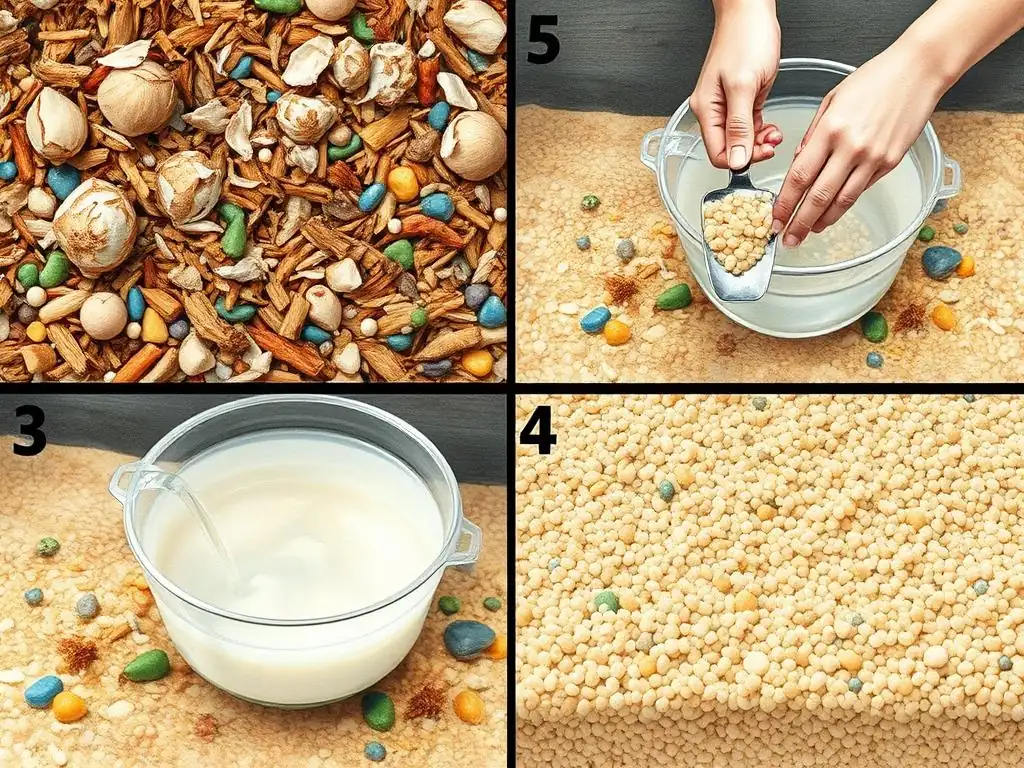
This section provides a detailed, step-by-step guide to effectively cleaning your reptile's substrate, ensuring a hygienic and healthy environment for your scaly companion. Maintaining a clean reptile substrate is crucial for preventing the buildup of harmful bacteria, parasites, and unpleasant odors, all of which can negatively impact your pet's health and well-being. This guide focuses on practical techniques and best practices for various substrate types, helping you achieve optimal terrarium hygiene. Remember, the frequency of cleaning will depend on factors like the type of substrate, the size of your terrarium, and the number of reptiles housed within.
Step 1: Preparing the Terrarium for Cleaning
Before you begin cleaning, prepare your terrarium for a smooth and efficient process. This preparatory phase minimizes stress on your reptile and prevents accidental escapes or injuries. First, carefully remove your reptile from the terrarium and place it in a temporary, secure enclosure. This is crucial; never attempt to clean with your reptile present.
Next, gather all necessary cleaning supplies: these include a sturdy trash bag, a scoop or small shovel, paper towels or cleaning cloths, a suitable cleaning solution (more on this below), and a spray bottle filled with clean water. Consider wearing gloves during this process to protect yourself from potential bacteria or parasites. Finally, designate a clean workspace outside the terrarium's immediate vicinity to avoid cross-contamination. A well-organized approach ensures a quicker and more effective cleaning.
Step 2: Removing Waste and Debris from the Substrate
This step involves the physical removal of waste and debris from the substrate. Begin by using a scoop or small shovel to carefully remove any solid waste, uneaten food, or other noticeable debris. Dispose of this waste immediately in a sealed trash bag. Pay close attention to corners and areas where waste tends to accumulate. For substrates like paper towels or newspaper, this often involves simply replacing the soiled layers with fresh ones. However, for more complex substrates like coconut fiber or cypress mulch, you may need to carefully sift through the substrate to remove the waste, ensuring not to disturb the beneficial microorganisms too much. Remember, consistent spot cleaning throughout the week helps minimize the amount of waste needing removal during a full clean. This regular maintenance reduces the overall cleaning time and effort required. Remember to always prioritize the safety and well-being of your reptile throughout this process.
Step 3: Spot Cleaning Versus Full Substrate Replacement
The need for spot cleaning versus a complete substrate replacement depends on several factors. Spot cleaning, as described in Step 2, involves the regular removal of waste and debris from localized areas of the substrate. This is suitable for maintaining hygiene between full cleanings and is essential for preventing the buildup of harmful substances. However, a full substrate replacement is necessary periodically, depending on the type of substrate used.
For example, paper towel substrates require more frequent replacement (often weekly), while more robust substrates like coconut fiber may only need replacing every few months. The frequency is also influenced by the number of reptiles housed in the terrarium and their individual waste production. Consider these factors when determining your cleaning schedule. A good rule of thumb is to err on the side of caution; a cleaner environment always promotes better reptile health.
Regularly assessing your substrate's condition will help you determine when a full replacement is necessary. Observe for signs of excessive fouling, unpleasant odors, or visible mold growth – all indicators that a full substrate replacement is overdue. 🧼 Remember, a clean reptile substrate is a crucial element in providing a healthy and thriving environment for your reptile.
Step 4: Cleaning the Enclosure and Accessories
Before reintroducing your reptile to its clean home, thoroughly clean the terrarium itself. Remove all accessories, such as water bowls, hides, branches, and rocks. Scrub these items with a reptile-safe disinfectant, following the product instructions carefully. Pay close attention to crevices and hard-to-reach areas where bacteria and parasites might thrive.
Rinse thoroughly with warm water and allow them to air dry completely before placing them back in the enclosure. This comprehensive cleaning is crucial for maintaining a hygienic environment for your reptile, preventing the buildup of harmful pathogens and promoting your pet's overall health. Remember, even seemingly insignificant details like a slightly soiled rock can harbor bacteria. Thorough cleaning minimizes the risk of infections and illnesses.
For example, a neglected water bowl can quickly become a breeding ground for harmful microorganisms, leading to potential health issues for your reptile. Therefore, diligent cleaning of all accessories is an essential part of responsible reptile care. Don't forget to clean the glass or plastic panels of the terrarium itself, using a reptile-safe cleaner to remove any accumulated dirt, droppings, or food residue.
Step 5: Disinfecting the Terrarium and Substrate (if necessary)
While regular cleaning often suffices, sometimes a more thorough disinfection is necessary. This is especially important if your reptile has shown signs of illness or if there's been a significant infestation of parasites. For disinfection, use a reptile-safe disinfectant specifically designed for use in terrariums. Always follow the manufacturer's instructions meticulously, paying particular attention to contact time and safety precautions. Never mix different disinfectants, as this can create harmful chemical reactions.
After disinfecting, rinse the terrarium and any accessories thoroughly with clean water to remove any lingering disinfectant residue. This step is critical because residual disinfectant can be harmful to your reptile. Remember, safety is paramount. When using disinfectants, ensure proper ventilation and wear appropriate protective gear like gloves and a mask.
Using a reptile-safe disinfectant is crucial because many household cleaners contain chemicals toxic to reptiles. For instance, using bleach can be detrimental to your reptile's health and even fatal. Choosing the right disinfectant ensures a safe and effective cleaning process. Always prioritize your reptile's well-being and consult with a veterinarian if you have concerns about the disinfection process.
Step 6: Replacing the Substrate and Adding Decorations
Once everything is clean and dry, it's time to replace the substrate. Add a fresh layer of the appropriate substrate for your reptile species, ensuring it's the correct depth and type recommended for your specific pet. Avoid using substrates that are dusty or could be ingested and cause impaction. After adding the fresh substrate, carefully replace the cleaned accessories, ensuring they are arranged to provide appropriate hiding places, basking spots, and climbing opportunities. Reptiles appreciate a stimulating environment.
Consider adding new decorations or rearranging existing ones to provide a varied and engaging habitat. For example, adding a new piece of driftwood or rearranging rocks can provide mental stimulation and reduce boredom. This process should be approached with care, ensuring that the terrarium’s layout remains suitable for your reptile’s needs. Remember to monitor your reptile's behavior after the substrate replacement to ensure they are comfortable and adjusting well to the changes.
A happy and healthy reptile will show signs of normal activity, eating, and basking. Always prioritize your reptile’s comfort and well-being during this process. This final step completes the process of cleaning and maintaining your reptile's terrarium, leaving it fresh, clean, and ready to welcome your pet back. 🧼🐢
Step 7: Monitoring Your Reptile's Behavior After Cleaning
After thoroughly cleaning and replacing your reptile's substrate, careful observation of your pet's behavior is crucial. Changes in behavior can signal potential discomfort or stress related to the cleaning process. Reptiles are sensitive creatures, and even a seemingly minor alteration to their environment can affect their well-being. Pay close attention to their activity levels, feeding habits, and overall demeanor.
A healthy reptile will generally exhibit its typical behavior patterns after the substrate change. This includes normal basking habits, appetite, and exploration of their enclosure. However, if you notice any significant deviations, such as lethargy, loss of appetite, or unusual hiding behavior, it's essential to investigate further. These changes could indicate several issues, including stress from the cleaning process, a reaction to a new substrate material, or an underlying health problem.
For example, a normally active bearded dragon might become lethargic and refuse to eat after a substrate change. This could be due to stress from the disruption, or perhaps the new substrate is too hot or too cold for their comfort. Similarly, a snake that usually explores its enclosure might stay hidden for an extended period after cleaning, indicating potential discomfort. These are subtle yet important signs that require careful attention.
Remember, proactive monitoring is key to preventing potential health problems. Documenting your reptile's behavior before, during, and after the cleaning process is a beneficial practice. This allows for easier identification of any abnormal behavior and facilitates quicker diagnosis if a problem arises. If you observe any concerning changes that persist, consult a qualified reptile veterinarian immediately.
Early intervention is crucial for maintaining the health and well-being of your reptile companion. Providing a clean and comfortable environment is vital, but equally important is observing your reptile's response to ensure the cleaning process wasn't detrimental to their health. A healthy, happy reptile is a rewarding experience, and attentive post-cleaning monitoring contributes significantly to that.
Maintaining Reptile Substrate Hygiene: Tips and Tricks
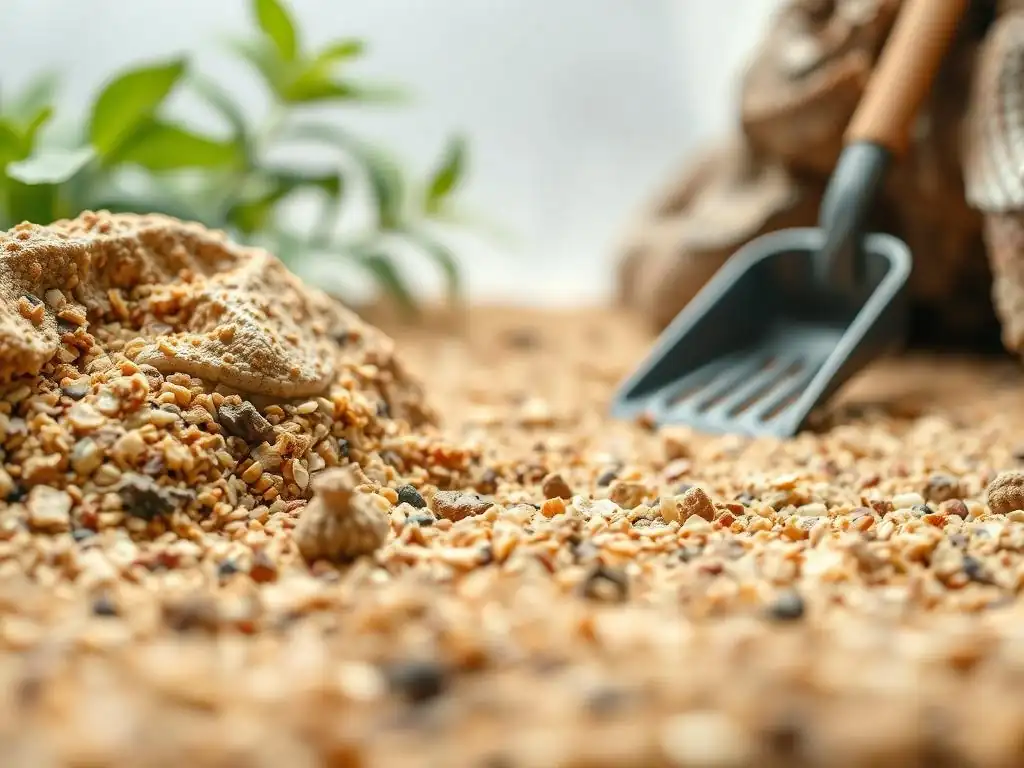
Maintaining a clean reptile substrate is crucial for your pet's health and well-being. A dirty substrate can harbor harmful bacteria, parasites, and fungi, leading to various health problems. Regular cleaning prevents these issues and contributes to a healthier environment for your reptile. This section focuses on practical strategies for maintaining optimal substrate hygiene, offering a comprehensive guide for effective "clean reptile substrate" practices. Remember, the specific cleaning frequency will depend on your reptile species, the type of substrate used, and the size of the enclosure. Always prioritize your reptile's safety and comfort.
Preventing Substrate Contamination: Proactive Cleaning Strategies
Proactive cleaning is key to minimizing substrate contamination. This involves a multi-pronged approach encompassing daily spot cleaning, regular partial substrate changes, and complete substrate replacements as needed. Daily spot cleaning involves removing fecal matter, uneaten food, and any visible debris. Use a small scoop or tongs to avoid unnecessary disturbance of the substrate. This simple step significantly reduces the buildup of harmful substances.
For partial substrate changes, aim to replace approximately 25-50% of the substrate every 2-4 weeks, depending on the type of substrate and the size of the enclosure. This helps prevent the accumulation of waste products and reduces the overall risk of bacterial or parasitic growth. Always use clean tools and wear gloves during this process to maintain hygiene.
Complete substrate replacement should be done every 3-6 months, or more frequently if needed. This involves completely removing the old substrate, thoroughly cleaning the enclosure, and adding fresh, clean substrate. This is especially important for substrates that are difficult to clean or prone to retaining odors and bacteria. Consider using a substrate that's easy to clean and maintain to minimize the frequency of complete replacements. Remember to always carefully monitor your reptile’s behaviour after any substrate change, watching for any signs of stress or discomfort.
Recognizing potential issues with your reptile's substrate is crucial for prompt intervention. Signs of substrate-related problems include unusual odors, visible mold or mildew growth, excessive humidity, or changes in your reptile's behavior, such as lethargy, loss of appetite, or skin irritation. A foul odor often indicates a buildup of waste products, requiring immediate attention. Mold or mildew growth signifies excessive moisture, potentially harming your reptile. Changes in your reptile's behavior could be a subtle indicator of underlying health problems connected to the substrate.
Addressing these issues promptly is vital. If you notice a foul odor, immediately spot clean the affected area and consider a partial or complete substrate change. If you observe mold or mildew, thoroughly clean and disinfect the enclosure before adding fresh substrate. Always ensure proper ventilation within the enclosure to avoid excessive moisture buildup. If you suspect a substrate-related health problem, consult a veterinarian immediately. Remember, early detection and intervention are crucial for preventing more serious health complications for your reptile. Regular observation of your reptile and its environment is a vital part of responsible pet ownership.
Choosing the Right Substrate for Your Reptile Species
Substrate selection is a critical aspect of reptile care, significantly impacting the overall health and well-being of your pet. The ideal substrate varies widely depending on the reptile species, its natural habitat, and its specific needs. Some substrates, like aspen shavings or cypress mulch, are excellent choices for many reptiles due to their absorbency and ease of cleaning. Others, such as sand or soil, may be more suitable for specific species, but require more careful monitoring to prevent excessive moisture buildup. Always research the specific needs of your reptile species before selecting a substrate.
Consider the following factors when choosing a substrate:
| Factor | Description | Example |
|---|---|---|
| Species Needs | Some species require specific substrates for burrowing, basking, or humidity control. | Leopard geckos thrive on paper towels. |
| Moisture Retention | Some substrates retain more moisture than others, affecting humidity levels. | Coconut fiber retains moisture well. |
| Ease of Cleaning | Choose substrates that are easy to spot clean and replace partially or completely. | Paper towels are easy to replace entirely. |
| Particle Size | Particle size can affect ingestion risk and burrowing ability. | Large particles reduce ingestion risk. |
| Toxicity | Ensure the substrate is non-toxic and safe for your reptile. | Avoid substrates with harmful chemicals. |
Choosing the right substrate is a crucial step in creating a healthy and enriching environment for your reptile. Prioritizing your reptile's specific needs ensures a thriving and comfortable habitat. Remember, a clean and appropriate substrate plays a vital role in preventing health issues and ensuring your reptile’s longevity. Always consult reputable sources and veterinary professionals for species-specific substrate recommendations.
Long-Term Substrate Management for Healthy Reptiles
Maintaining a clean reptile substrate isn't just about occasional spot cleaning; it's about implementing a long-term strategy for your reptile's health and well-being. A neglected substrate can quickly become a breeding ground for harmful bacteria, parasites, and fungi, leading to various health problems for your reptile. Regular, thorough cleaning prevents these issues and contributes to a thriving environment. Think of it as preventative medicine for your scaly friend!
One crucial aspect of long-term substrate management is choosing the right substrate in the first place. Some substrates are inherently easier to clean and maintain than others. For example, paper towels or newspaper are incredibly easy to replace entirely, minimizing the risk of bacterial buildup. However, they lack the aesthetic appeal and enrichment opportunities offered by more natural substrates like cypress mulch or coconut fiber. If you opt for these natural substrates, diligent cleaning and partial replacements become essential.
The frequency of substrate replacement depends heavily on the type of substrate, the size of the enclosure, and the number of reptiles housed within. For example, a bioactive setup with a thriving ecosystem might require less frequent complete substrate changes compared to a simple setup with paper towels. However, even in bioactive setups, regular spot cleaning and removal of waste is crucial to prevent the buildup of ammonia and other harmful compounds.
Always research the specific needs of your reptile species and the chosen substrate to determine the optimal cleaning schedule. Regular monitoring of your reptile's behavior and health can also alert you to potential substrate-related issues. Changes in appetite, lethargy, or skin problems could indicate a problem with the substrate cleanliness.
Remember that complete substrate replacement shouldn't be viewed as a single, large task. Instead, break it down into manageable steps. This might involve removing and replacing sections of the substrate gradually, minimizing stress on your reptile and the disruption to their environment. Consider this a process of ongoing maintenance rather than a one-off chore.
A well-maintained substrate is an investment in your reptile's long-term health and happiness, ensuring a clean and stimulating habitat. The effort you put into it will be rewarded by a healthier, happier reptile. Don't underestimate the importance of this seemingly simple aspect of reptile care; it's fundamental to their overall well-being.
Specific Cleaning Methods for Different Reptile Substrates
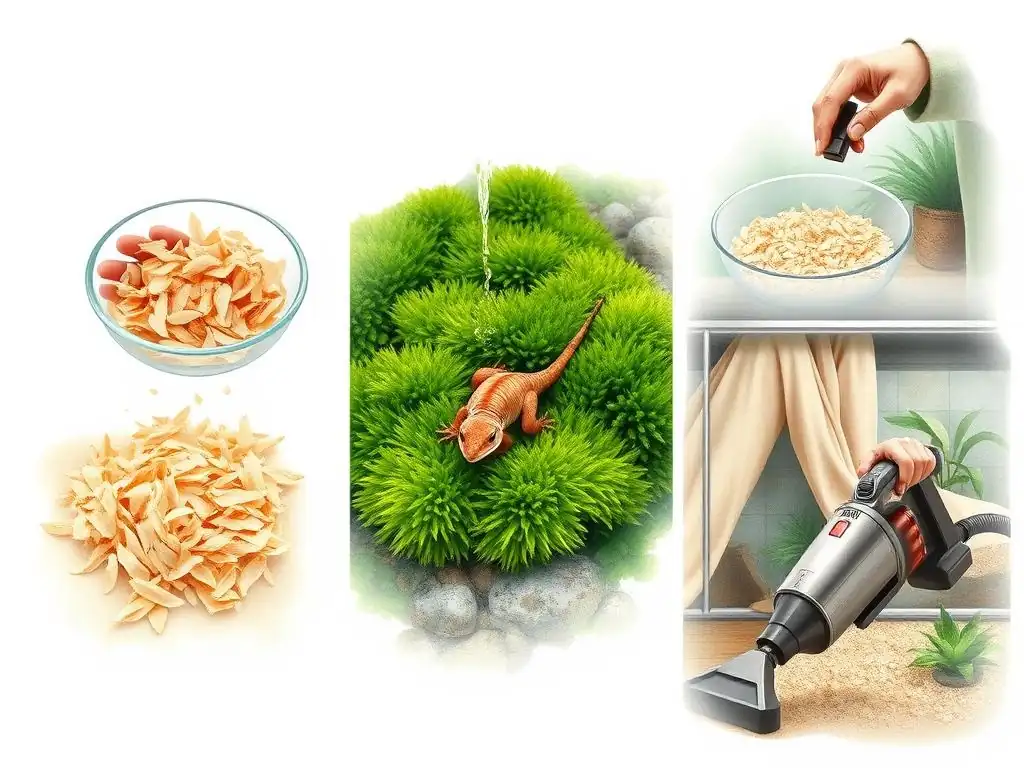
Reptile substrate selection significantly impacts terrarium hygiene. Choosing the right substrate and understanding its specific cleaning needs are crucial for maintaining a healthy environment for your reptile. This section details cleaning methods for popular substrate choices, ensuring you're equipped to provide optimal care. Remember, regular cleaning prevents the buildup of harmful bacteria and parasites, contributing to your reptile's overall well-being. This guide focuses on maintaining a clean reptile substrate, which is essential for a thriving reptile habitat. A clean reptile substrate is a happy reptile!
Cleaning and Maintaining Sand Substrates
Sand substrates, while aesthetically pleasing in many reptile terrariums, require diligent cleaning. Their porous nature can trap waste and bacteria, creating a breeding ground for harmful microorganisms if not properly maintained. The frequency of cleaning depends on the reptile species, the size of the enclosure, and the amount of waste produced. For smaller enclosures or reptiles that produce a lot of waste, spot cleaning should be performed daily. This involves removing visible feces and urates using a small scoop or tweezers. Larger enclosures may only need spot cleaning every other day.
Complete substrate replacement is recommended at least once every three months, or more frequently if you notice excessive soiling or smell. Thoroughly rinse the sand with warm water, ensuring all traces of waste are removed. Avoid using soap, as this can leave behind residue harmful to your reptile. Allow the sand to dry completely before returning it to the enclosure.
Always ensure the sand is reptile-safe, meaning it's inert and free of chemicals or sharp edges. Failing to adequately clean sand substrates can lead to bacterial and parasitic infections in your reptile, compromising its health. Proper sand substrate maintenance is key to prevent these issues.
Cleaning and Maintaining Coconut Fiber Substrates
Coconut fiber, a popular choice due to its moisture-retaining properties and natural feel, requires a slightly different cleaning approach than sand. Its fibrous structure allows for better aeration, but it still needs regular maintenance to prevent the buildup of waste and mold. Spot cleaning should be done daily, removing any visible waste with a scoop or tweezers. This is especially important in humid environments, where mold growth can be a concern. For a complete cleaning, remove the substrate and discard any heavily soiled portions.
Unlike sand, you can often reuse portions of the coconut fiber after a thorough rinsing with warm water. Again, avoid using soap. Allow the rinsed coconut fiber to dry completely before returning it to the enclosure. A good indicator for replacing the coconut fiber substrate entirely is the appearance of mold or a persistent unpleasant odor. This generally happens every 2-3 months, but may need to be done sooner depending on the humidity and waste levels in the enclosure. Careful monitoring and proactive cleaning are essential for maintaining a healthy and hygienic environment using coconut fiber substrate.
Cleaning and Maintaining Paper Towel Substrates
Paper towel substrates provide the easiest cleaning method. Their disposable nature eliminates the need for washing or reusing. This makes them ideal for quarantine situations, young reptiles, or those with specific health concerns requiring a sterile environment. Simply replace the soiled paper towels with fresh ones daily, or more frequently as needed.
This method minimizes the risk of bacterial and parasitic infections and provides a very clean environment for your reptile. While less aesthetically pleasing than other substrates, their ease of cleaning and low maintenance make them a practical option. Using paper towels ensures a consistently clean and hygienic environment for your reptile, reducing the risk of disease. This approach is particularly beneficial for fragile or newly acquired reptiles.
Cleaning and Maintaining Aspen Bedding Substrates
Aspen bedding, a popular choice for many reptile keepers due to its absorbency and relatively low cost, requires regular cleaning to maintain a healthy environment for your reptile. Neglecting this crucial aspect of reptile care can lead to bacterial buildup, parasite infestations, and ultimately, illness in your pet. The frequency of cleaning depends largely on the size of your enclosure, the number of reptiles housed within, and their individual habits. However, a general rule of thumb is to spot clean daily and perform a complete substrate change every 2-4 weeks.
Spot cleaning involves removing any visible waste, uneaten food, and soiled bedding. Use a small scoop or tongs to remove the waste and dispose of it properly. This daily maintenance significantly reduces the overall workload of a complete substrate change. It's important to be thorough during spot cleaning to prevent the accumulation of harmful bacteria and fungi. Remember to carefully check corners and crevices where waste might accumulate more readily.
A complete substrate change involves removing all the aspen bedding from the enclosure. Before replacing the substrate, thoroughly clean and disinfect the enclosure itself. Use a reptile-safe disinfectant, following the manufacturer's instructions carefully. Avoid harsh chemicals that could harm your reptile or damage the enclosure.
After disinfection, allow the enclosure to completely dry before adding fresh aspen bedding. This complete change helps eliminate any lingering bacteria or parasites that daily spot cleaning might miss. Consider using a substrate depth appropriate for your reptile species; too little substrate can lead to injury, while too much may retain excessive moisture and encourage bacterial growth.
When choosing new aspen bedding, ensure you select a high-quality product free from pesticides and other harmful chemicals. Some aspen bedding brands may contain dust, which can irritate your reptile's respiratory system. Consider opting for dust-extracted aspen bedding for a safer option, particularly for sensitive species. Remember to always supervise your reptile when introducing fresh bedding to prevent accidental ingestion.
Regularly assess the condition of your aspen bedding; if it becomes excessively damp or compacted, it's a clear indication that a complete change is necessary. Ignoring these signs can compromise your reptile's health and well-being. The health of your reptile is directly linked to the cleanliness of its environment, so consistent and thorough substrate cleaning is non-negotiable.
Troubleshooting Common Substrate Cleaning Problems
Cleaning your reptile's substrate is crucial for maintaining a healthy and hygienic environment. While regular cleaning prevents many issues, sometimes you encounter stubborn problems. This section offers solutions for common challenges you might face when cleaning your reptile's substrate, ensuring your pet's well-being and a clean terrarium. This clean reptile substrate guide will help you tackle these issues effectively.
Dealing with Stubborn Stains and Odors
Persistent stains and lingering odors are common issues, especially with substrates like coconut fiber or cypress mulch. These can be caused by uneaten food, fecal matter, or accumulated waste products. Simply spot-cleaning might not suffice. For stubborn stains, a more thorough approach is necessary. First, carefully remove the affected substrate section. Avoid disturbing your reptile during this process. Then, thoroughly clean the terrarium area using a reptile-safe disinfectant. Many commercially available reptile disinfectants are effective; always follow the product instructions carefully.
After disinfecting, you can utilize a natural odor absorber. Baking soda is a fantastic option; sprinkle it liberally on the affected area and let it sit for several hours, or even overnight, to absorb lingering odors. Vacuum thoroughly afterwards, ensuring all baking soda is removed. Finally, replace the cleaned substrate section with fresh, dry substrate.
For particularly persistent odors, consider a deeper clean, potentially involving replacing a significant portion of the substrate or even the entire substrate layer. Remember, prevention is key. Regular spot cleaning and frequent substrate changes will significantly reduce the likelihood of stubborn stains and odors. This clean reptile substrate guide emphasizes proactive measures.
Addressing Mold and Mildew Growth in Reptile Substrates
Mold and mildew are serious concerns in reptile terrariums. They thrive in damp, humid environments, often appearing as fuzzy patches of various colors, typically green, black, or gray. These fungi can be harmful to your reptile, causing respiratory problems and other health issues. The first step in addressing mold and mildew is identifying the source of excess moisture. Poor ventilation, over-watering, or insufficient substrate drainage can all contribute to the problem. Improve ventilation by adding more vents or using a fan. Ensure proper drainage by selecting a substrate suitable for your reptile's habitat and avoiding over-misting.
If mold or mildew is already present, immediate action is crucial. Remove the affected substrate completely, disposing of it properly in a sealed bag to avoid spreading spores. Thoroughly clean the terrarium with a reptile-safe disinfectant. Pay careful attention to all crevices and corners where mold and mildew may have taken hold.
Allow the terrarium to dry completely before replacing the substrate with fresh, dry material. To prevent future occurrences, maintain optimal humidity levels, ensure adequate ventilation, and regularly inspect the substrate for any signs of mold or mildew growth. A proactive approach, as outlined in this clean reptile substrate guide, is the best defense against these harmful fungi.
Recognizing Signs of Parasite Infestation in the Substrate
While less common than mold or mildew, parasite infestations can occur in reptile substrates. Parasites such as mites or nematodes can thrive in humid environments, potentially infecting your reptile. Recognizing signs of infestation is crucial for prompt action. Look for unusual activity in the substrate, such as small moving insects or worms. You might also observe your reptile exhibiting signs of irritation, such as excessive scratching or skin lesions. Inspect your reptile's skin and scales carefully for any unusual markings or parasites.
If you suspect a parasite infestation, immediate action is necessary. Completely remove and dispose of the infested substrate. Thoroughly clean and disinfect the terrarium using a reptile-safe product, paying close attention to every corner and crevice. Consult a veterinarian for advice on treating your reptile for any potential parasite infection.
They might recommend specific treatments or preventative measures. Preventing parasite infestation involves maintaining a clean and dry terrarium, regularly inspecting the substrate, and ensuring proper ventilation. This clean reptile substrate guide stresses the importance of vigilance in preventing and addressing such issues. Remember, a healthy environment is crucial for your reptile's well-being.
Frequently Asked Questions
How often should I clean my reptile's substrate?
This depends on your reptile's species and the type of substrate used. Generally, spot cleaning should be done daily, while a full substrate change is needed every few months or as needed. Observe your reptile's enclosure for signs of waste buildup.
What's the best way to spot clean a reptile enclosure?
Use paper towels or a small scoop to remove solid waste and uneaten food. Be sure to remove any moist or soiled substrate to prevent bacterial growth and mold. Always wash your hands thoroughly afterwards.
What type of substrate is easiest to clean?
Paper towels are the easiest to clean as they're disposable. Reptile carpet is also relatively easy to clean, but requires regular vacuuming and occasional washing. Avoid substrates that are difficult to clean and maintain, such as sand or loose soil.
How do I completely clean and replace my reptile's substrate?
First, remove all items from the enclosure. Then, thoroughly remove all the old substrate. Disinfect the enclosure with a reptile-safe cleaner. Finally, add a fresh layer of appropriate substrate for your reptile's species.
What are some signs that my reptile's substrate needs changing?
Look for visible waste, unpleasant odors, or mold or mildew growth. If the substrate appears excessively damp or soiled, it's time for a change. A change is also important if you notice your reptile is exhibiting signs of illness.
Final Reflection: The Unsung Hero of Reptile Health: Substrate Care
Maintaining a clean reptile enclosure isn't just about aesthetics; it's the cornerstone of your reptile's health and well-being. A seemingly simple task, proper substrate cleaning directly impacts your pet's immune system, preventing bacterial and parasitic infections that can significantly shorten their lifespan. Neglecting this crucial aspect can have devastating consequences.
The impact of proper substrate management extends beyond the individual reptile, influencing the entire herpetological community. We, as responsible keepers, are entrusted with the health and happiness of these fascinating creatures. By sharing knowledge and best practices, we contribute to a more informed and ethical approach to reptile ownership. The care of a pet is a commitment, not a hobby.
This simple statement underscores the responsibility we bear towards our scaled companions, and proper substrate care is a significant part of that commitment.
Now, consider your own reptile's enclosure. Take a moment to reflect on your current cleaning routine. Is it thorough enough? Are you using the right tools and techniques? I urge you to revisit the steps outlined in this guide and make any necessary adjustments. By dedicating a little extra time and attention to this often-overlooked aspect of reptile care, you'll not only improve your pet's quality of life but also deepen your connection with this incredible animal. Remember, a clean and healthy environment is the foundation for a thriving reptile companion.
Unleash Your Reptile's Sparkling Habitat!
Thank you for learning about maintaining a clean and healthy environment for your reptile! We hope you feel confident in providing the best possible care. Ready to put your new knowledge into practice?
- Prioritize a thorough substrate cleaning today: Refresh your reptile's enclosure using the techniques you've learned, ensuring a safe and comfortable living space.
- Share your cleaning tips and successes on our PetCareWorld community forum! Let's build a supportive network for reptile keepers.
- Experiment with different substrate types to find what best suits your reptile's species and preferences.
What cleaning method are you most excited to try for your reptile?